
 MONA OS 2.0
 Partner with MONA


 Tự động hoá doanh nghiệp
 Cẩm nang SEO
 Digital Marketing
 Kinh nghiệm thiết kế website
 Hạ Tầng Server
 Giáo dục


 VI
 EN










Message us on
Zalo Official


 ProductsNew

 ProductsProducts
 Mới ra mắtKHA AI 2027App tự edit video, tự đăng mọi mạng xã hội, 2 phút mỗi ngày










 Website designLooks good and wins customers over.
SEO servicesBrings in customers searching for exactly what you sell.
 Tư vấn digital marketingKéo khách từ nhiều kênh, đo bằng số thật.
Corporate video productionVideos introducing your company, factory and team.
 NewAI video productionCompany story films made with AI.
 Custom software developmentCRM, ERP and HRM built for your business.
 Viết AI Agent theo yêu cầuĐặt riêng một trợ lý AI cho đúng việc của mình.
 Tư vấn chuyển đổi AIĐưa AI vào vận hành của cả công ty.
NewMONA LMSManagement for centers and schools.
MONA SkillHubInternal training for company staff.
 NHTQ systemEnd-to-end China–Vietnam shipping operations.
MONA JMSManagement for gold, diamond and pawn shops.
 MONA E-LearningA website with every feature you need to sell courses.
 How to sell online courses (course)More than 30 free lessons on selling courses on autopilot.
 MONA Cloudmonacloud.vnServers to get your apps and websites running.
 MONA Basemonabase.vnPostgres database, sign-in and file storage.
 MONA Mailmonamail.vnSend OTP, order and invoice emails from your software.
 MONA Paymonapay.vnAccept bank transfers via VietQR and notify your software when the money arrives.
 MONA eInvoiceComing soonIssue e-invoices that meet tax standards.
Gấu CườiTrả lời khách 24/7 trên web, Fanpage, Zalo và thu lead cho sale.
 Gấu TeleSalesGọi điện tư vấn, chăm khách như tổng đài viên thật.
Dê CườiTư vấn và chốt đơn cho shop ngay trong khung chat.
Gấu WebmasterNhắn nhóm Zalo là website được sửa xong.
 Gấu Pháp ChếSoạn hợp đồng, rà điều khoản trong vài phút.
 Gấu Báo GiáLên báo giá đúng mẫu và gửi khách ngay.
 AI chăm sóc khách hàngTheo dõi và giữ chân khách hàng cũ.
 Gấu Tuyển DụngLọc hồ sơ, hẹn lịch, phỏng vấn ứng viên.
 Mới ra mắt
KHA AI 2027
Xây kênh chuyên gia 2 phút mỗi ngày
Quay bằng điện thoại, AI tự edit video, tự đăng lên 16 nền tảng và tự trả lời bình luận, tin nhắn.
924.584lượt xem trên kênh CEO MONA sau 41 ngày
 Anh Khánh HùngCEO MONA đang dùng mỗi ngày
Xem app làm được gì
 AI
Gấu Cười MONA ĐANG TỰ XÀITrả lời khách 24/7 trên website, Zalo OA, Messenger và thu lead về cho sale.
Dê CườiChốt đơn bán lẻ và sàn: Shopee, TikTok Shop, web. Chăm cả khách sỉ, đại lý.
Gấu WebmasterCập nhật nội dung, tối ưu SEO website mỗi ngày.
Gấu TeleSalesGọi điện tư vấn, chăm khách như tổng đài viên thật.
Gấu Tuyển DụngLọc hồ sơ, hẹn lịch, phỏng vấn ứng viên tự động.
AI chăm sóc khách hàngGiữ khách cũ, cứu lead đã rớt cho phòng kinh doanh.
Gấu Pháp ChếSoạn hợp đồng, rà điều khoản trong vài phút.
Gấu Báo GiáLên báo giá đúng mẫu, gửi khách ngay khi có yêu cầu.
 Chuyển đổi AI toàn phầnGiải pháp tổng cho doanh nghiệp, 3 lớp triển khai.
 Viết AI Agent theo yêu cầuĐặt riêng một con AI gánh đúng nghiệp vụ của bạn.
 Custom softwareCRM, ERP and HRM with built-in AI automation.
 SEO & AEO thời đại AIĐược Google lẫn AI trích dẫn, không chỉ xếp hạng.
 Kiến thức AI cho doanh nghiệpBài phân tích, hướng dẫn ứng dụng AI vào vận hành.
 Free AI courses
 AI tools at work
App mới · KHA AI 2027
Xây kênh 2 phút mỗi ngày
AI tự edit video, tự đăng mọi mạng xã hội
Free consultation, 8am–10pm every day

11 June, 2026

In today’s digital business environment, searching for and analyzing data effectively is the key to clear-cut marketing campaigns. Many business owners are used to traditional search tools, but Perplexity is emerging as a capable assistant, with better information synthesis and analysis that is especially useful for marketing work like content writing, ads and SEO. At MONA, we know that adopting AI tools like Perplexity for marketing needs a clear roadmap rather than going by feel. This article shares 6 concrete steps, the tips we have distilled, to help you get the most from Perplexity and find deep market insight, something not everyone knows how to do.
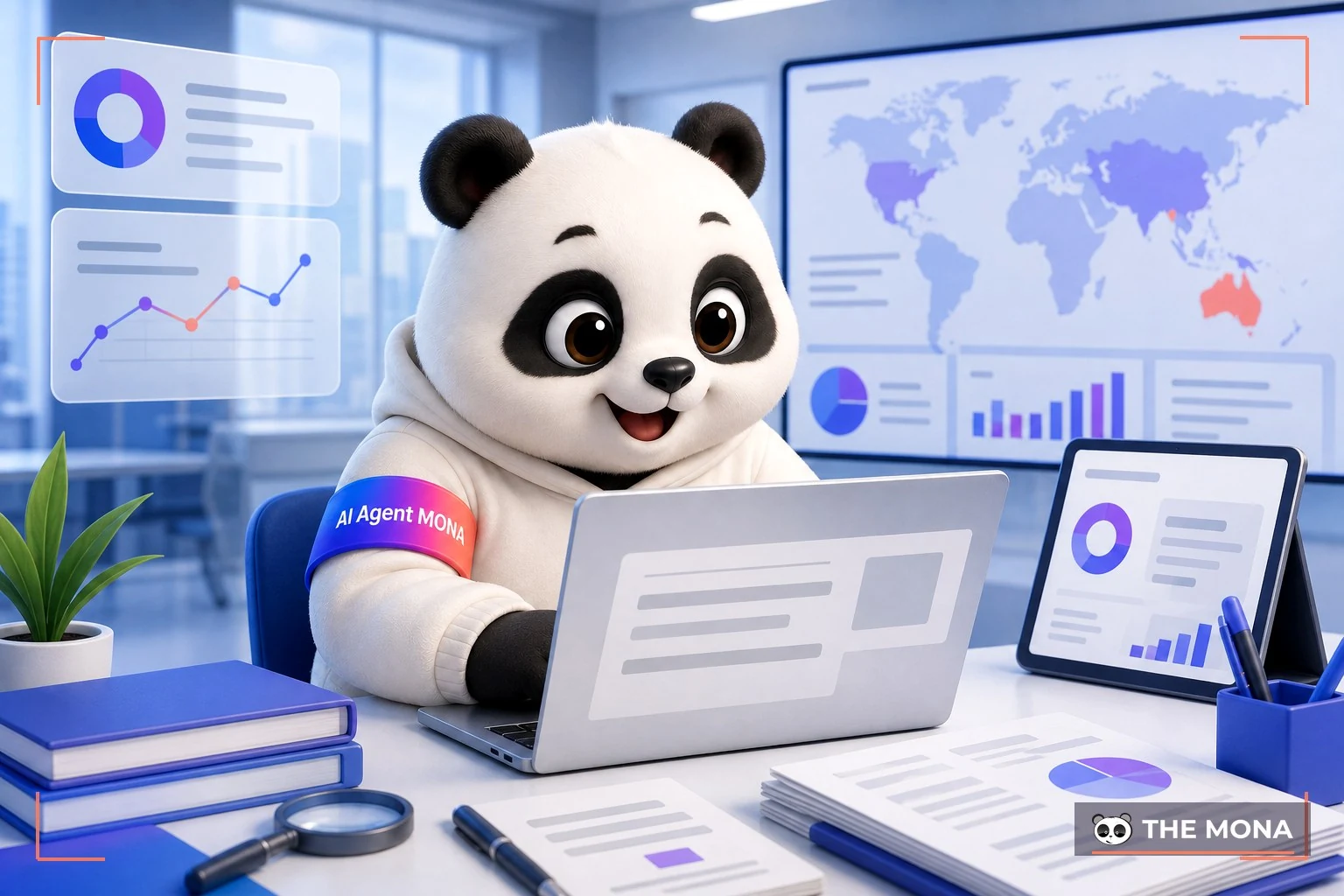
Perplexity offers a new way to find market insight. It is a powerful tool that helps you distill information quickly. It takes only 10 minutes. We can grasp the core trends, far more efficiently.
The tool is built around convenience. It saves the time of combing through information. We find it a capable assistant, especially for those who want to understand the market without much effort.
What sets Perplexity apart is how it searches. It doesn’t just show a list of links. It understands your question and processes information based on the specific context. The result is a coherent summary. You get a direct answer, along with the sources it drew on.
This saves us effort. You don’t need to pull together many sources yourself. That is a big advantage. It helps you decide faster, with information that is complete and in depth.
Perplexity saves you a significant amount of time. It synthesizes information from many sources. Results are presented clearly, and the source citations are transparent. You can easily verify how reliable they are. We no longer have to worry about misleading information.
This feature is extremely useful. It shortens the research process. You can get into analysis quickly. It is a clear advantage. It lets us focus on the core value: turning data into concrete action.
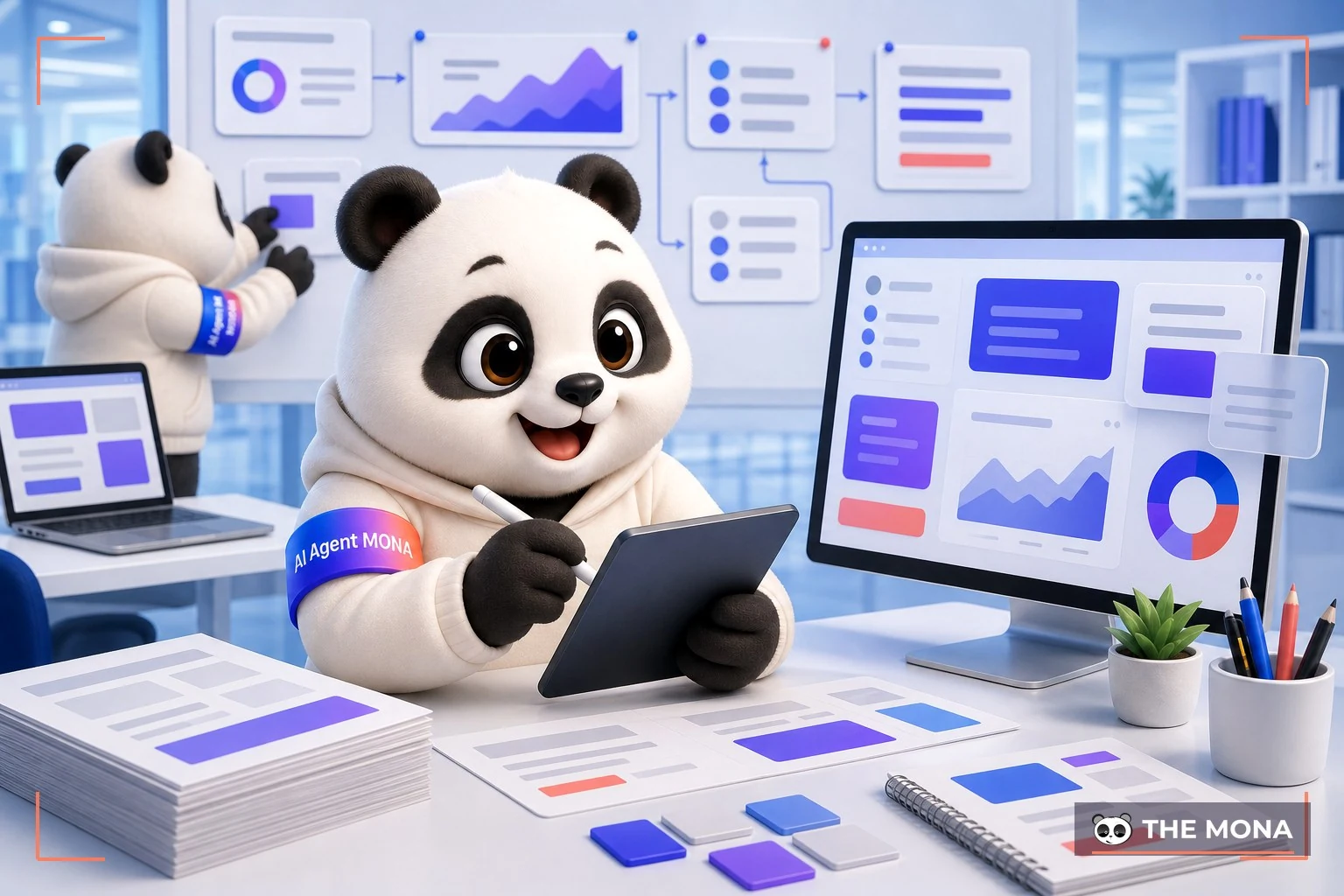

With Perplexity, you have a big advantage: the ability to search for information in real time and synthesize it from many reputable sources. We have distilled a 3-step formula to help you find unique content topics. It also helps avoid duplicate content on Google, so your effort is used well.
Your content will stand out more. This is a secret of many experts. By applying this formula, we uncover fresh angles.
The quality of the output depends on the quality of the input. Perplexity lets you narrow your search sources. Choose the most reputable ones.
For example, say you want to learn about “F&B marketing trends in 2024.” Instead of searching generically, add sources such as “McKinsey.com“, “Forbes.com”, “Vinasa.org.vn“. Perplexity will prioritize information from there. The results will be much more trustworthy. The valuable information lies in these sources.
After choosing your sources, the next step is to prompt smartly. We don’t ask in only one direction. Ask Perplexity to suggest sub-topics and related questions. This is how you explore in depth.
For example, you can enter the prompt: “Analyze the digital transformation trend in Vietnam’s retail industry. Suggest 5 sub-topics that have not been widely covered. List 10 frequently asked questions from customers or business owners about this issue.”
Perplexity will analyze and make suggestions. It helps you expand your ideas. From there, you can create a varied content series. Avoid the old ruts. Every suggestion is an opportunity.
The last step is competitor analysis. Ask Perplexity to “dissect” their articles. The goal is to find what they haven’t covered. Those are your “content gaps.”
A concrete example of the prompt: “Review the 3 most recent articles by [Competitor name] about [Topic]. Point out what they leave open or haven’t gone deep on. Suggest a new angle so I can write a more standout article.”
Perplexity will synthesize and compare. It helps you see your competitors’ strengths and weaknesses clearly. We will have a clear direction. This is a major competitive advantage. You will create unique content. Fresh content will draw readers in more.

Constantly coming up with new ad ideas is a big challenge. You want to advertising message truly connect with customers. We need varied ad scripts that stay close to user behavior.
Perplexity will help you do this. In just 15 minutes, we can have 5 ad scripts. These scripts are based on real data and market perspectives.
The first step is to understand your customers. You need to define a specific profile. Use Perplexity to find detailed information.
We can ask Perplexity to synthesize. Enter a prompt like this: “Research the profile of female customers aged 25-35 living in major cities who are interested in natural skincare products. What skin problems and issues with current products do they commonly have?”
Perplexity will collect and synthesize data from many sources. You will get a clear picture of your target audience. This is a solid foundation for every campaign.
Once you have the customer profile, start building the message. An effective ad needs to touch their pain point. Then it has to offer a solution.
Keep asking Perplexity. An effective prompt might be: “Based on the customer profile just analyzed, suggest 5 unique ad angles for a natural moisturizing serum. Each angle should focus on one specific pain point and offer a clear solution.”
Perplexity will analyze and come up with creative ideas. These ideas dig deep into customer psychology. You will have plenty of options to test.
Each ad channel has its own character. A message can work well on Facebook but not suit Google Ads. We need to optimize for each platform.
With your scripts ready, ask Perplexity to adapt them. For example, enter the prompt: “For ad script X, rewrite 3 versions of the message optimized for Facebook (concise, calls for engagement), Zalo (direct message, offer), and Google Ads (headline + description, containing the main keyword).”
Perplexity will help you adjust length, tone and keywords. The tool makes sure the message fits best. That significantly improves ad performance.
Perplexity is a capable assistant. It helps us create high-quality ad scripts and saves you significant time.


Catching new search trends is the key to getting quality organic traffic to your website. Perplexity is a capable tool for this. It helps us find potential keywords and also identifies rising topics. This is a major competitive advantage.
This helps you create content that gets ahead of the market, so your website is there whenever potential customers search. We at MONA use this method too when optimizing projects SEO and website design, ensuring long-term results.
Perplexity lets you dig deep into a specific field. Just enter a broad keyword, and the tool pulls together information from many sources. Niche keywords surface from there, along with related, less competitive topics.
For example, you could enter “premium vegetarian restaurant trends in Ho Chi Minh City”. Perplexity returns articles, reports and news, and from them you'll spot phrases like “wellness vegetarian dishes” or “quiet vegetarian space”. These are valuable niche keywords that help you steer your website content more effectively.
MONA uses Perplexity regularly for market research. Together we mine the content “gaps”, which helps your site reach high rankings quickly. Traffic then grows.
To create genuinely useful content, you need to understand what users want. Perplexity stands out here. It helps you find the specific questions your potential customers are asking.
When you enter a query, Perplexity does more than return results. It also suggests “Related Questions”. These are real questions that directly reflect searcher intent, so pay close attention to this section.
For example, when you search “retail chain management software”, Perplexity might suggest “which software integrates multiple channels well?” or “cost of retail management software for 20 branches”. Capturing these questions lets you build content that solves the right problem. The content becomes more engaging, and customers come to trust it. We recommend turning these questions into article titles or detailed FAQ sections on your website.
Markets and SEO algorithms change constantly, so staying current is a must. Perplexity helps you do it fast. You can run queries such as “Google algorithm update [year]” or “latest news in the [industry name] industry”.
Perplexity pulls information together from many reputable sources, and you get a quick summary. That lets us react in time to every change. Your website stays optimized, you avoid the risk of dropping in rankings, and performance holds steady. sustainable SEO.
We at MONA use Perplexity regularly to follow announcements from Google. We also pick up new trends in digital marketing, then adjust our strategy. That keeps your projects on track and your website near the top of search results.


A one-sided view of marketing often hides serious risks. We need to combine information from many sources, which helps you make more accurate decisions. The dual-critique technique is an effective way to push Perplexity to analyze an issue from several different angles, so you end up with a complete picture.
This technique is powerful. It helps us avoid hidden bias, and you get balanced analysis. MONA has applied this method to review strategies SEO for clients. The results are always detailed and dependable.

To get a critical perspective, ask Perplexity to play several roles. This matters. For example, have the tool play a competitor who will try to “attack” your product. Or have it play a demanding customer who is always skeptical of ad campaigns.
The prompt syntax is simple. You can start with “Play a marketing expert at competitor [competitor name]. Point out 3 weaknesses in our ad campaign X.” Or: “Play a very picky customer and ask 5 tough questions about this product Y.” Perplexity will come back with sharp arguments that help you prepare better. MONA often uses this approach to anticipate market reactions, and the results are usually very useful.

Another technique is to set opposing viewpoints. Ask Perplexity to analyze both sides of an issue. Say you want to know how effective Facebook ads are. Don't ask only about the upsides. Ask Perplexity: “Present both the pros and cons of running Facebook ads for the F&B industry.”
Perplexity searches many different sources, gathers the arguments for and against, and then gives you a balanced view. That helps you avoid gut-feel decisions and gives you a multi-dimensional view of the return on investment (ROI) of each channel. MONA often uses this method to evaluate content marketing strategies. It works very well.

Even though Perplexity is good at synthesizing, checking sources is essential. Don't trust every piece of information blindly. Always review the evidence Perplexity provides. The tool usually shows source links, and you should click through to verify them.
Assess how credible the source website is. Look at the publication date. Check whether the information is out of date. This step cannot be skipped, and it keeps you from relying on inaccurate information. It makes sure every marketing decision we make rests on accurate data. MONA always trains its staff in this skill, because it is the key to reliable data.

Perplexity is highly effective, but the tool still has limits. You need to see its role clearly: it is a smart assistant for individuals, not a complete automation system.
Let's look at this more closely. Perplexity cannot replace a custom software solution.
Perplexity helps us find information quickly. It synthesizes data and offers multi-angle perspectives, which makes it extremely useful for individual marketers. Market research becomes much easier, and it saves a significant amount of time.
It supports preliminary data gathering, and your team can come up with ideas fast. That is Perplexity's strength, and it works best at the individual level.
However, Perplexity is a standalone tool. It solves individual tasks. When you need data to run through an entire process, its limits show. Perplexity cannot integrate with a business's existing systems.
We can't connect it to your CRM software or ERP. Data ends up fragmented and disconnected, which creates many obstacles. Staff have to work by hand, pulling information together from different sources. This process is prone to errors, throughput suffers, and overall team performance stays low. That is when you need a different kind of solution.
We at MONA understand that standalone AI tools are only the beginning. Businesses need a full automation system: custom-designed software that is tightly integrated across every process.
MONA custom software design. This solution automates everything from A to Z. It keeps data flowing and centralized. Marketing, sales and operations processes get digitized and run automatically, which cuts manual work. Your business will run more efficiently. MONA has over 10 years of experience and has successfully delivered 14,000+ projects. Our client retention rate reaches 85%.
We use AI and advanced tools like Perplexity ourselves, in-house. We also train and transfer technology to our clients. MONA's systems help your business run smoothly and keep everything under your control, so you reach your goal of sustainable growth.
You can run the 6 Perplexity steps yourself whenever you need a short research sprint for content or ads. When your marketing team has to refresh insights regularly, cross-check many sources and turn the results into a campaign backlog, we can build a dedicated collection and classification system.
Talk with us via 1900 636 648 so we can look at your research inputs. Insights have to make it into the campaign.

CEO & Founder · The MONA
Founder of The MONA, who built a services company of 60+ staff with 14,000+ projects delivered. Khánh Hùng shares how he thinks about building systems that run themselves, automating a business, and the real lessons from delivering projects at MONA.
 235




Professional website
design services
Own a website with a beautiful, 100% exclusive design and a lifetime warranty, with the ability
to expand features flexibly as your business grows, starting today!






 MONA will never sell your information or send you spam


 MONA will never sell your information or send you spam
