
 MONA OS 2.0


 Tự động hoá doanh nghiệp
 Cẩm nang SEO
 Digital Marketing
 Kinh nghiệm thiết kế website
 Hạ Tầng Server
 Giáo dục



 VI
 EN













Message us on
Zalo Official


 ProductsNew

 ProductsProducts
 Mới ra mắtKHA AI 2027App tự edit video, tự đăng mọi mạng xã hội, 2 phút mỗi ngày










 Website designLooks good and wins customers over.
SEO servicesBrings in customers searching for exactly what you sell.
 Tư vấn digital marketingKéo khách từ nhiều kênh, đo bằng số thật.
Corporate video productionVideos introducing your company, factory and team.
 NewAI video productionCompany story films made with AI.
 Custom software developmentCRM, ERP and HRM built for your business.
 Viết AI Agent theo yêu cầuĐặt riêng một trợ lý AI cho đúng việc của mình.
 Tư vấn chuyển đổi AIĐưa AI vào vận hành của cả công ty.
NewMONA LMSManagement for centers and schools.
MONA SkillHubInternal training for company staff.
 NHTQ systemEnd-to-end China–Vietnam shipping operations.
MONA JMSManagement for gold, diamond and pawn shops.
 MONA E-LearningA website with every feature you need to sell courses.
 How to sell online courses (course)More than 30 free lessons on selling courses on autopilot.
 MONA Cloudmonacloud.vnServers to get your apps and websites running.
 MONA Basemonabase.vnPostgres database, sign-in and file storage.
 MONA Mailmonamail.vnSend OTP, order and invoice emails from your software.
 MONA Paymonapay.vnAccept bank transfers via VietQR and notify your software when the money arrives.
 MONA eInvoiceComing soonIssue e-invoices that meet tax standards.
Gấu CườiTrả lời khách 24/7 trên web, Fanpage, Zalo và thu lead cho sale.
 Gấu TeleSalesGọi điện tư vấn, chăm khách như tổng đài viên thật.
Dê CườiTư vấn và chốt đơn cho shop ngay trong khung chat.
Gấu WebmasterNhắn nhóm Zalo là website được sửa xong.
 Gấu Pháp ChếSoạn hợp đồng, rà điều khoản trong vài phút.
 Gấu Báo GiáLên báo giá đúng mẫu và gửi khách ngay.
 AI chăm sóc khách hàngTheo dõi và giữ chân khách hàng cũ.
 Gấu Tuyển DụngLọc hồ sơ, hẹn lịch, phỏng vấn ứng viên.
 Mới ra mắt
KHA AI 2027
Xây kênh chuyên gia 2 phút mỗi ngày
Quay bằng điện thoại, AI tự edit video, tự đăng lên 16 nền tảng và tự trả lời bình luận, tin nhắn.
355.527lượt xem trên kênh CEO MONA sau 21 ngày
 Anh Khánh HùngCEO MONA đang dùng mỗi ngày
Xem app làm được gì
 AI
Gấu Cười MONA ĐANG TỰ XÀITrả lời khách 24/7 trên website, Zalo OA, Messenger và thu lead về cho sale.
Dê CườiChốt đơn bán lẻ và sàn: Shopee, TikTok Shop, web. Chăm cả khách sỉ, đại lý.
Gấu WebmasterCập nhật nội dung, tối ưu SEO website mỗi ngày.
Gấu TeleSalesGọi điện tư vấn, chăm khách như tổng đài viên thật.
Gấu Tuyển DụngLọc hồ sơ, hẹn lịch, phỏng vấn ứng viên tự động.
AI chăm sóc khách hàngGiữ khách cũ, cứu lead đã rớt cho phòng kinh doanh.
Gấu Pháp ChếSoạn hợp đồng, rà điều khoản trong vài phút.
Gấu Báo GiáLên báo giá đúng mẫu, gửi khách ngay khi có yêu cầu.
 Chuyển đổi AI toàn phầnGiải pháp tổng cho doanh nghiệp, 3 lớp triển khai.
 Viết AI Agent theo yêu cầuĐặt riêng một con AI gánh đúng nghiệp vụ của bạn.
 Custom softwareCRM, ERP and HRM with built-in AI automation.
 SEO & AEO thời đại AIĐược Google lẫn AI trích dẫn, không chỉ xếp hạng.
 Kiến thức AI cho doanh nghiệpBài phân tích, hướng dẫn ứng dụng AI vào vận hành.
 Free AI courses
 AI tools at work
App mới · KHA AI 2027
Xây kênh 2 phút mỗi ngày
AI tự edit video, tự đăng mọi mạng xã hội
Free consultation, 8am–10pm every day

29 March, 2023

E-commerce pages have many products and many different details, so duplicate content is easy to create. If the person doing SEO doesn't master the techniques, results will fall short. You can even run into risks such as “keyword cannibalization”. This guide to product category SEO in WordPress from MONA Media will be a handbook to keep you on track and reduce risks like this.
The end goal of marketing for any online store is revenue. SEO is no different!
So when you do e-commerce SEO, it is critical that category or product group pages are optimized correctly, so that your keywords can rank high in search engines and generate revenue effectively.
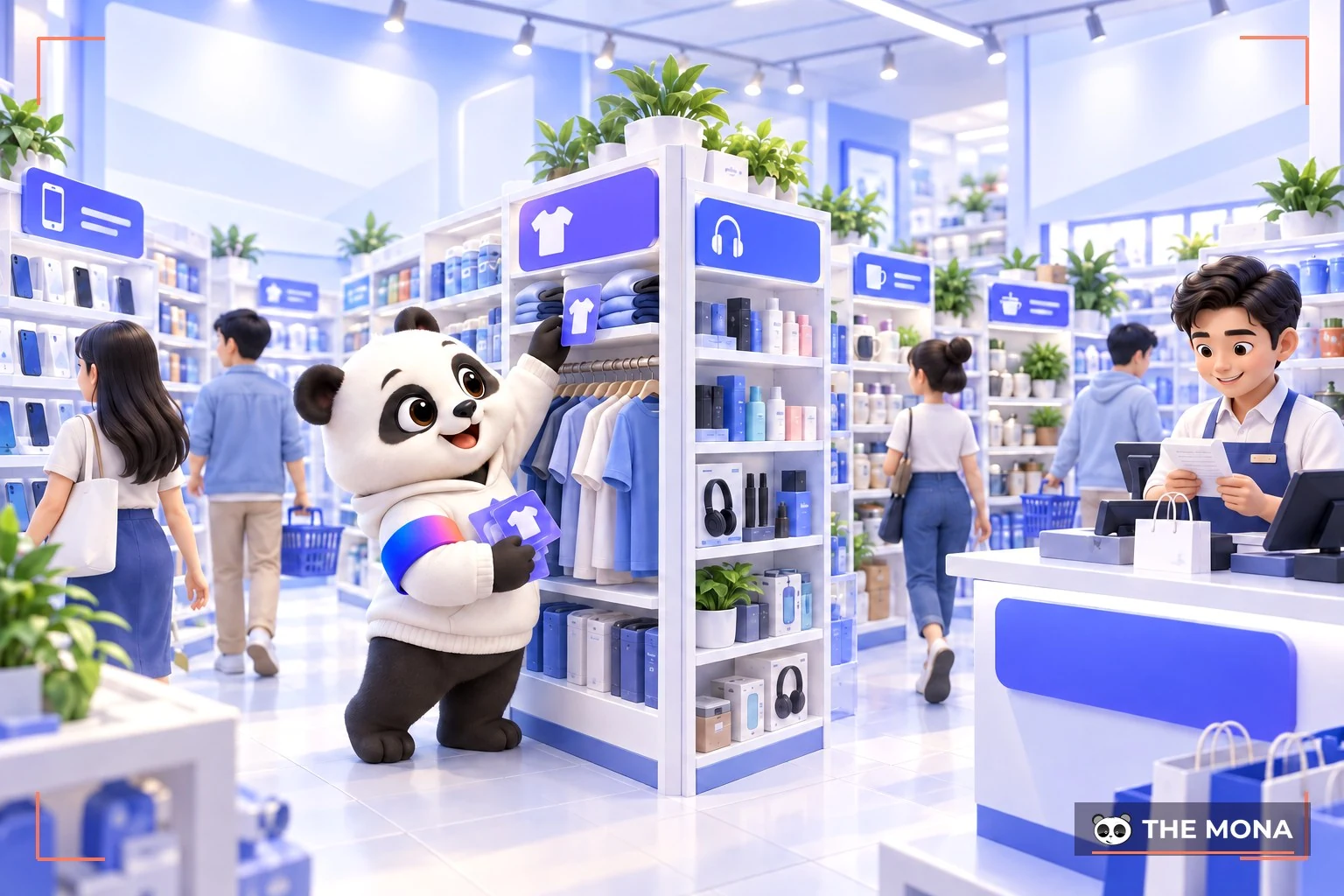
To answer the question “Why do product category pages need SEO”, consider these reasons:
E-commerce sites usually have a hierarchy of no more than 3 levels: Home page, categories, subcategories and finally the products.
That makes category pages (also called product category or product group pages) the second most important pages after the home page. Authority from category pages is stronger because they sit high up. Link juice flows from the top-level pages downward.
To take advantage of this, you need to do some optimization work SEO for those category pages. Otherwise Google won't give them weight, and the authority of the category sections and the main domain suffers too.
Many e-commerce sites can't rank individual product pages because those products are similar to ones on bigger websites. Category pages tend to reach higher positions in search results.
Another reason is that people don't search by individual product name; they use general keywords for the product. Optimizing product category pages for those general search terms is the best approach.

Retailers use category pages to organize products into logical groups, making online shopping more convenient for customers.
Like many physical stores, goods are divided into groups with their own aisles by category. E-commerce sites do the same, splitting products into categories with their own landing pages and sub-filters so customers can find what they want easily.
E-commerce website design are also optimized so product pages meet SEO standards, with a simple layout and a strong structure. A category page shows images of individual products linking to the matching product pages, forming a grid structure.
Shoppers are guided to the product category page in marketing. There they can only find the specific product they need. Guiding users to category pages is also how businesses grow revenue for a whole category rather than for individual products.
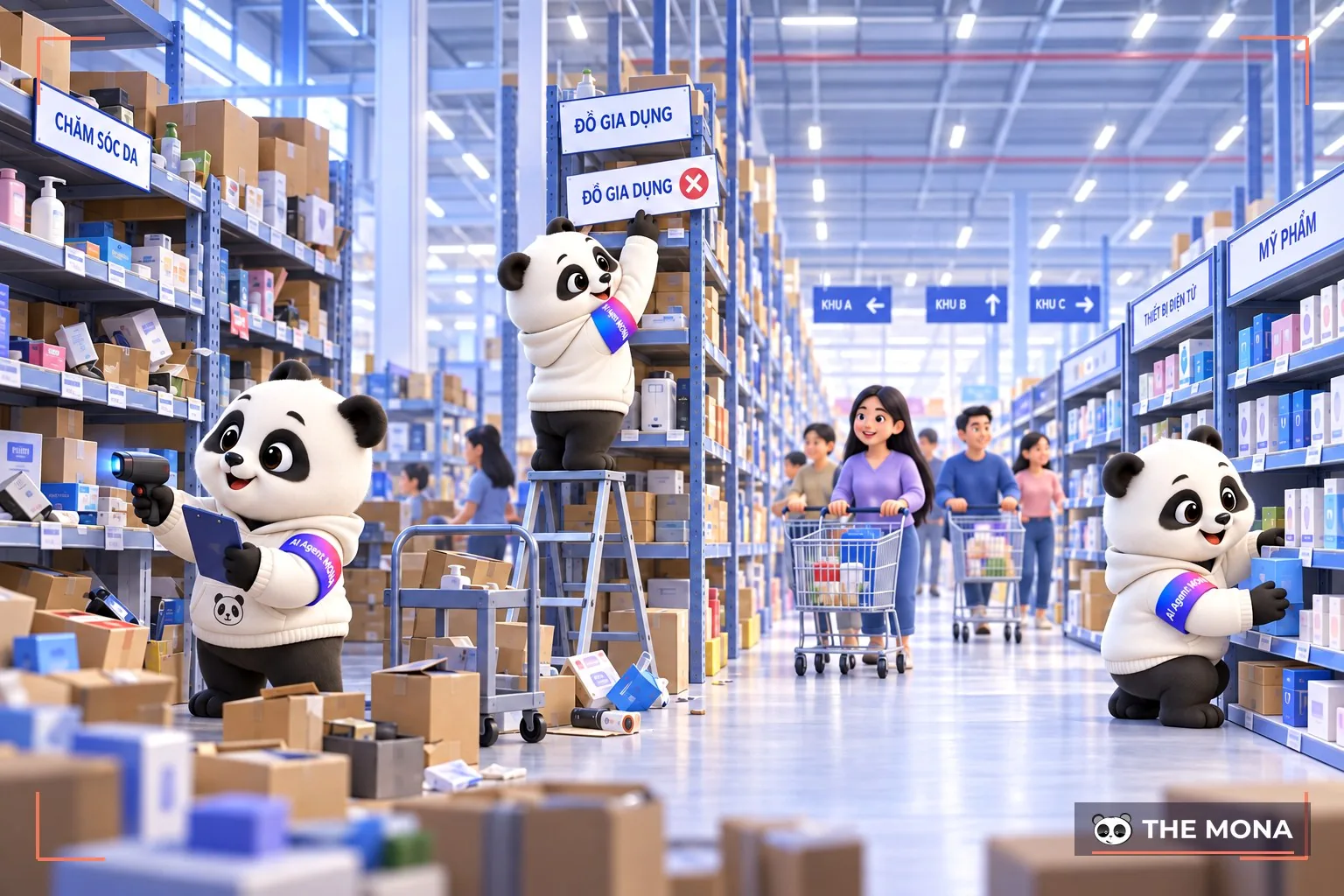
SEO experts advise: be careful when adding text to product categories in marketing. Too much text can distract people from rich product images and also lose the simplicity of the page layout.
For product category pages, SEO specialists have to follow 2 seemingly opposing strategies: SEO and UX.
But as you know, optimizing product category SEO while keeping the user experience high, and keeping the site simple, attractive, easy to navigate and search-friendly, takes a creative and smart strategy.
Ask yourself an important question: “What helps a product category page rank for specific keywords?”.
Google gives very little information on this. Google Webmaster listings never give specifics on ranking product category pages, making it hard for many experts to plan a product page optimization strategy.
This lack of direction can send category optimization efforts off course and reduce the value of important pages. To avoid penalties for thin content or ranking conflicts between pages, some businesses choose to noindex category pages instead of building them up.
But does that work?
In September 2019, John Mueller – Google's senior webmaster trends analyst – pulled back the curtain when answering a question about ranking category pages in a Webmaster Hangout.
Mueller gave the following advice on ranking product category pages:
In practice, though, this advice is good but these tactics aren't specific to product category pages; they are a basic part of SEO Onpage (we mention these factors below).
Striking a balance between these 2 goals in product page SEO is a big challenge for SEOs and professional website design companies.
So which company provides reliable website design services?
MONA Media is proud to be a professional website design with more than 10 years of experience in the industry. MONA has studied and built websites that “create the most value” for over 6,000 clients across many sectors.

Where:
If your business is looking for a provider with a range of attractive website design plans that improve customer experience and drive revenue, contact MONA Media at HOTLINE 1900 636 648 or click the button below to get website SEO price list right away.

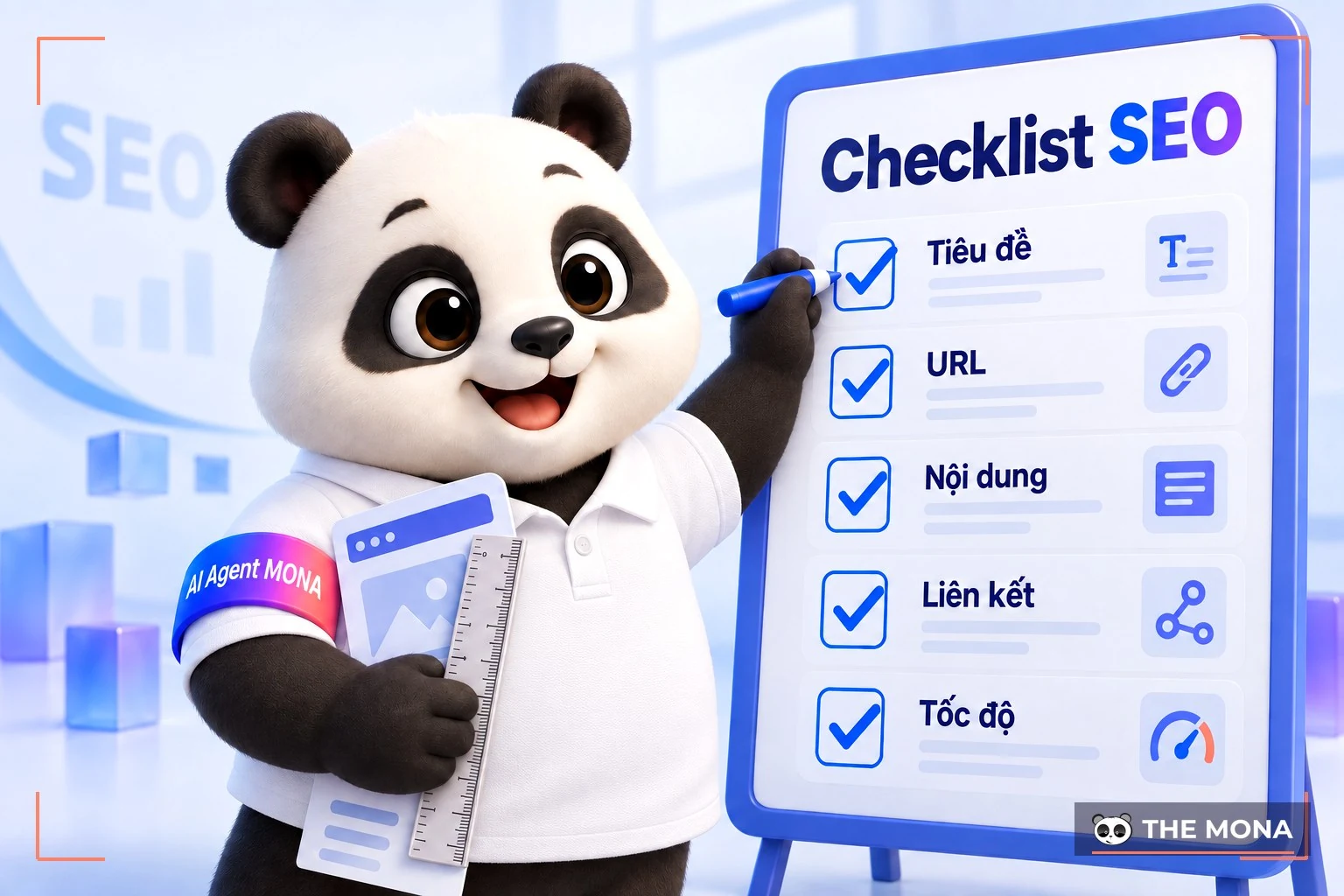
Product category SEO is also part of SEO Onpage. So you should first understand the key elements of on-page SEO optimization, such as:
A living example is the WOKU x MONA Media project with a comprehensive, in-depth SEO strategy. After 4 months, 100% of product keywords outranked long-established competitors in the industry, and WOKU Shop has steadily established itself as a leading provider of genuine licensed software in the market.

To reach that share of top rankings, MONA built an overall SEO roadmap to reach all of WOKU's customer groups worldwide. Specifically, the MONA team designed and audited the website to UX/UI standards, focused on refining the keyword strategy, building content and carrying out many on-page and off-page SEO tasks to optimize Google search results.
Here are some specific tips on product category SEO that you can use to optimize your online store.
How to do SEO for category pages differs a little from pages like services, articles, about and contact. In this article we focus on how to do SEO for one specific product page. The steps also don't have to follow a fixed order:
The purpose of the page is to sell, so the obvious choice is to use the product name as the page keyword, for example: NPK fertilizer.
In practice, though, a product category contains many types, so to tell it apart from similar items you need to combine it with a few specific attributes.
Take the Dutch Fertilizer website, for example. We split its categories into several levels, like this:

Level 1:
Level 2: for example, under the Formula NPK fertilizer group:
Level 3: for example, the Formula L group:
Buying optimizing category names for keywords is based on in-depth keyword research. To see how it works, you can read the full story, from building the keyword set to running full-scope SEO for MONA's Dutch Fertilizer brand, here.

URL is simply the web address: the string of characters shown in your browser's address bar that leads to a page. You need to optimize your URLs so they are friendly to people, not full of meaningless symbols or written only for machines. Specifically, you should:
If you only looked at the URL, could you tell what the product page is about? If yes, the URL is user-friendly; if not, it isn't. A URL usually includes the domain, the main category, the subcategory and the product name (if the final URL is a product).
Also keep a few URL rules in mind:
Optimize the title tag of the product page. The title appears in the browser tab and on the search results page.

The page title should describe the product or product group accurately and attractively, and it needs two things:
Put the two together and you get a title like:
NPK HA LAN 20-20-15 (50 KG) – NEW – Dutch Fertilizer Company
Writing a title isn't hard, but it has to follow the rules and be easy to read and understand. For the details of SEO titles, see our article What is a title? How to write an SEO-friendly title tag from MONA Media.
The content of the description tag is shown on Google's results page together with the title above.
It is a short intro that sums up the category or product on offer. For the meta description, keep these points in mind:
These tags form the skeleton of the page. They run from H1 to H6, but you usually only need H1, H2 and H3, a few H4s, and rarely H5 or H6.
On a product page:
-> See also: A step-by-step guide SEO web online for beginners that works
This is the description written for readers on the page. It usually sits right under the product name and is added in other suitable places too.

For SEO, a page with more text is better. Text is the “flesh” that fills out the “skeleton” of the heading tags above.
It is also the part readers care about most. Whether they buy depends largely on these details (what the product does, what makes it better, the price,…).
If you want your product page to be genuinely useful and win customers, don't skip images and video.
Product images should show the right product and be good-looking and sharp. They should also let people zoom in on every angle (this is more of a development task).
Every image also needs its Alt attribute filled in. This matters because it helps Google recognize what the image shows and contributes to Image SEO better ranking.

Schema Markup is a snippet of structured data added to a website's source code. It helps Google understand the content of the page. There are many types of Schema Markup, applied to different kinds of pages: articles, organizations, products,…
Product pages usually have a dedicated Product template to choose from. You can also read Google's guide on structured data markup and on creating and testing Schema Markup code.
Once you have created and tested the code, just place it in the website's <head> tag. Google will then read and understand the information in it quickly, and your site becomes friendlier to search engines as a result.
Besides the items above, when doing product category SEO you should also look at:
A Featured Snippet is like Google giving you bonus points. Huy breaks it down in the video, from the definition and benefits to the most common types of snippet. Watch it to learn how to apply it to your website right away!
The basic steps of SEO Technical or Onpage for product pages are not very different from other pages.
Still, the guidance above deserves your attention. Here is a short recap of what to optimize to make your product category SEO succeed:
And if you can't do it yourself, or worry that DIY SEO won't deliver the results you want, look for a professional Google SEO company such as MONA Media.

MONA Media the number 1 name in SEO services on the Vietnamese market, which has supported more than 12,000 businesses across many industries to reach top rankings, many of them 80% SMEs (small and medium businesses). With a highly skilled SEO team, strong hands-on experience, a standard working process and modern SEO tools tools, we are confident we can deliver the best SEO results for you!
For more information, contact MONA directly below:
Those are some thoughts from MONA to how to do SEO for product category pages. We hope this guide helps you with category SEO and lifts your site's overall SEO performance, so you attract more potential customers. Good luck!
-> More articles on the same topic:

CEO & Founder · The MONA
Founder of The MONA, who built a services company of 200+ staff with 14,000+ projects delivered. Khánh Hùng shares how he thinks about building systems that run themselves, automating a business, and the real lessons from delivering projects at MONA.
 1,6K



Professional website
design services
Own a website with a beautiful, 100% exclusive design and a lifetime warranty, with the ability
to expand features flexibly as your business grows, starting today!



NHẬN TƯ VẤN SEO MIỄN PHÍ !






 MONA will never sell your information or send you spam


 MONA will never sell your information or send you spam
