
 MONA OS 2.0
 Partner with MONA


 Tự động hoá doanh nghiệp
 Cẩm nang SEO
 Digital Marketing
 Kinh nghiệm thiết kế website
 Hạ Tầng Server
 Giáo dục


 VI
 EN








Message us on
Zalo Official


 ProductsNew

 ProductsProducts
 Mới ra mắtKHA AI 2027App tự edit video, tự đăng mọi mạng xã hội, 2 phút mỗi ngày










 Website designLooks good and wins customers over.
SEO servicesBrings in customers searching for exactly what you sell.
 Tư vấn digital marketingKéo khách từ nhiều kênh, đo bằng số thật.
Corporate video productionVideos introducing your company, factory and team.
 NewAI video productionCompany story films made with AI.
 Custom software developmentCRM, ERP and HRM built for your business.
 Viết AI Agent theo yêu cầuĐặt riêng một trợ lý AI cho đúng việc của mình.
 Tư vấn chuyển đổi AIĐưa AI vào vận hành của cả công ty.
NewMONA LMSManagement for centers and schools.
MONA SkillHubInternal training for company staff.
 NHTQ systemEnd-to-end China–Vietnam shipping operations.
MONA JMSManagement for gold, diamond and pawn shops.
 MONA E-LearningA website with every feature you need to sell courses.
 How to sell online courses (course)More than 30 free lessons on selling courses on autopilot.
 MONA Cloudmonacloud.vnServers to get your apps and websites running.
 MONA Basemonabase.vnPostgres database, sign-in and file storage.
 MONA Mailmonamail.vnSend OTP, order and invoice emails from your software.
 MONA Paymonapay.vnAccept bank transfers via VietQR and notify your software when the money arrives.
 MONA eInvoiceComing soonIssue e-invoices that meet tax standards.
Gấu CườiTrả lời khách 24/7 trên web, Fanpage, Zalo và thu lead cho sale.
 Gấu TeleSalesGọi điện tư vấn, chăm khách như tổng đài viên thật.
Dê CườiTư vấn và chốt đơn cho shop ngay trong khung chat.
Gấu WebmasterNhắn nhóm Zalo là website được sửa xong.
 Gấu Pháp ChếSoạn hợp đồng, rà điều khoản trong vài phút.
 Gấu Báo GiáLên báo giá đúng mẫu và gửi khách ngay.
 AI chăm sóc khách hàngTheo dõi và giữ chân khách hàng cũ.
 Gấu Tuyển DụngLọc hồ sơ, hẹn lịch, phỏng vấn ứng viên.
 Mới ra mắt
KHA AI 2027
Xây kênh chuyên gia 2 phút mỗi ngày
Quay bằng điện thoại, AI tự edit video, tự đăng lên 16 nền tảng và tự trả lời bình luận, tin nhắn.
919.508lượt xem trên kênh CEO MONA sau 40 ngày
 Anh Khánh HùngCEO MONA đang dùng mỗi ngày
Xem app làm được gì
 AI
Gấu Cười MONA ĐANG TỰ XÀITrả lời khách 24/7 trên website, Zalo OA, Messenger và thu lead về cho sale.
Dê CườiChốt đơn bán lẻ và sàn: Shopee, TikTok Shop, web. Chăm cả khách sỉ, đại lý.
Gấu WebmasterCập nhật nội dung, tối ưu SEO website mỗi ngày.
Gấu TeleSalesGọi điện tư vấn, chăm khách như tổng đài viên thật.
Gấu Tuyển DụngLọc hồ sơ, hẹn lịch, phỏng vấn ứng viên tự động.
AI chăm sóc khách hàngGiữ khách cũ, cứu lead đã rớt cho phòng kinh doanh.
Gấu Pháp ChếSoạn hợp đồng, rà điều khoản trong vài phút.
Gấu Báo GiáLên báo giá đúng mẫu, gửi khách ngay khi có yêu cầu.
 Chuyển đổi AI toàn phầnGiải pháp tổng cho doanh nghiệp, 3 lớp triển khai.
 Viết AI Agent theo yêu cầuĐặt riêng một con AI gánh đúng nghiệp vụ của bạn.
 Custom softwareCRM, ERP and HRM with built-in AI automation.
 SEO & AEO thời đại AIĐược Google lẫn AI trích dẫn, không chỉ xếp hạng.
 Kiến thức AI cho doanh nghiệpBài phân tích, hướng dẫn ứng dụng AI vào vận hành.
 Free AI courses
 AI tools at work
App mới · KHA AI 2027
Xây kênh 2 phút mỗi ngày
AI tự edit video, tự đăng mọi mạng xã hội
Free consultation, 8am–10pm every day

18 March, 2023

The strong growth of digital technology has brought more and more varied marketing strategies. Every online business field has its own special approach. One of the newest trends is gamification, to attract customers and improve brand recognition. Let's look at Mona Media takes a detailed look at what Gamification is and the strategies that boost Gamification best in today's article.
Gamification is an application built on game mechanics to support marketing strategy, education or management. When games run alongside goals such as selling, brand promotion or education, Gamification adds an engaging system with various features, such as tasks to complete, stimulation through luck, and game development. Finally come the results with good achievements and attractive prizes.
Players in Gamification are always mentally stimulated and curious, and keep following and playing with real enjoyment. This is the Mind of customer effect, which engraves the brand, service and product in the user's mind.
To encourage participation, Gamification offers games on mobile apps, websites and social marketing in a lively, detailed way. Large companies like Starbucks and Nike started with Gamification strategies, followed by companies like Pepsi, Coca-Cola and Domino's. E-commerce sites like Shopee and Tiki also apply Gamification in their systems today.
To get the best results, Gamification Marketing must offer rewards that are fun or meet customer expectations. They can be gifts, vouchers or cash. If players feel the joy of winning, your Gamification has achieved its purpose.
For Marketing Gamification to be highly effective, make sure customers always enjoy it. Attractive gifts should make customers feel lucky, generous and excited. Make players want to share the game with their friends. To do that, pay attention to the following 4 factors.
A game must have a clear purpose and a result you are aiming for: brand promotion and positioning, selling, or collecting customer information… Shape your Gamification around whichever goal you aim for.
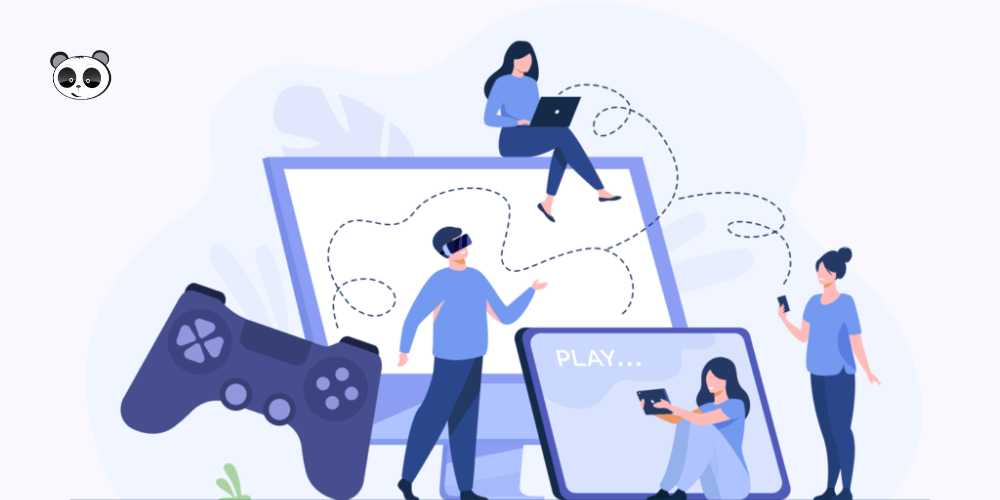
Gamification must ensure players' autonomy and sense of control. Players decide for themselves whether to keep playing or stop. In particular, to let players feel in control yet unable to leave the game and want to stay with it longer, you need to create motivation to play.
Motivation helps them try harder to conquer the game. Their playing time grows, and the goals you want to achieve are engraved more clearly in their minds. Just mentioning the games they used in your Gamification strategy brings up your product, service and brand.
Higher leaderboard ranks, envy of those around them and the desire to win are feelings present in every player. Give players a sense of winning and overcoming many difficulties. Playing Gamification to win vouchers or lucky prizes helps players spread and share the game faster.
Although Gamification is only a small part of a strategy with simple games, paying attention to the interface leaves a deeper impression on customers.
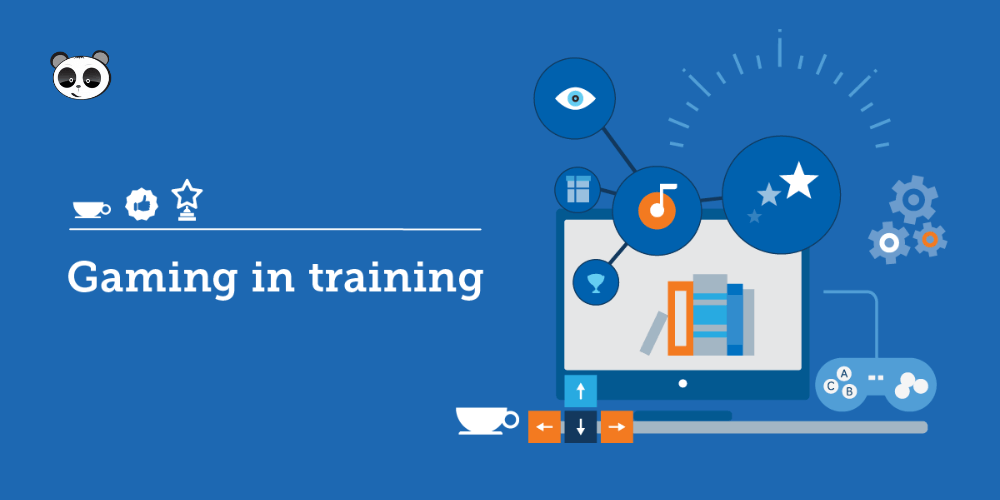
Gamification in communications has been used since the 2000s. Today giants like Pepsi, Grab and Momo, services such as VNPay, and e-commerce sites such as Tiki, Shopee and Lazada all use it.
To develop the best Gamification strategy, pay attention to the following:
Who are your customers, how old are they, what do they like? When you understand your customer profile you will know their personality, interests and wishes about products and services. From there you can design Gamification strategies that suit your target customers and guide them to your desired result most easily.
For example, Gen Z (1995 – 2000) likes breakthrough things, sharing and receiving gifts. Generation Y (1981 – 1996) mostly spends time on Facebook; they are mature, care about quality and have enough income that they do not just chase cheap deals. Or a business should decide whether its customers are in cities or rural areas. Knowing each generation and drawing a target customer profile lets you pick attractive prizes in Gamification for those audiences.
Depending on the Gamification strategy, goals and ways to create rewards differ.
Whether your Gamification strategy is for selling, brand promotion, collecting information or clearing stock, set the clearest possible direction.
Discount codes, physical gifts, gifts at no cost… the more attractive the gift, the further your Gamification strategy spreads. The more players share and the faster the player base grows, the more successful your Gamification is.
Positive emotion is the most important thing in Gamification strategies. Whether the prize is big or small, the strategy must have a good effect on players' psychology.
Help players nurture their emotions by sharing the game and spreading it to others. When players and friends bond and share an experience in the same setting, Gamification works better. Sharing on social media, creating leaderboards and posting each player's lucky wins are ideal ways to stimulate and connect players.
What players ultimately want is still a reward. Offer gifts at no cost, free service trials, high-percentage discount coupons or shopping vouchers worth 200K, 500K… Rewards after taking part in Gamification give players a sense of winning, satisfaction, fun and happiness.
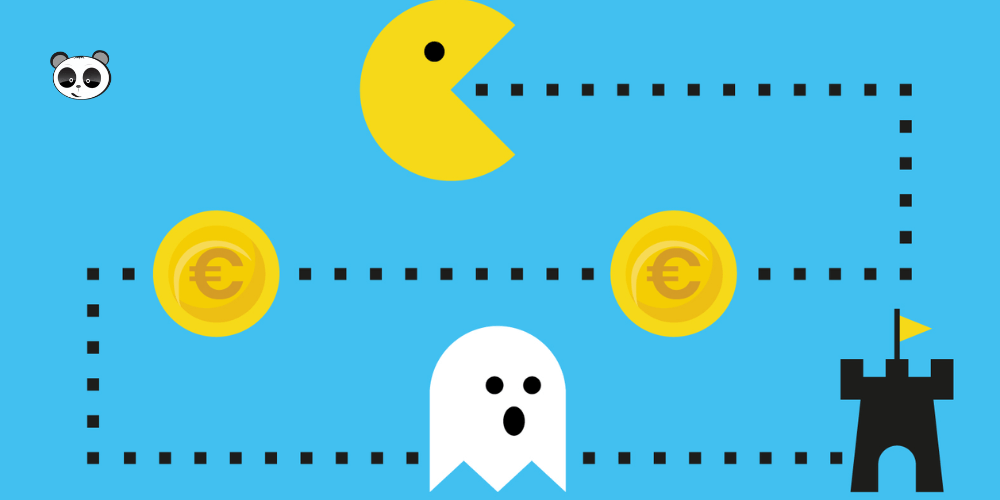
High achievers feel satisfied. Low achievers on the leaderboard will try to climb. They keep a positive feeling and keep striving to win.
The core value of Gamification also hides behind its stories. A clear story for Gamification makes players more excited to take part.
A feeling of luck always spreads positive energy. Players always want to try again next time. So give random prizes during play, or encourage players with "better luck next time". They keep players hoping to win in later rounds.
Gamification has become an important strategy for customers. The more a business pays attention to Gamification the better its brand spreads and the easier it is to promote services and products. To build Gamification strategies and run them effectively, contact us!
You may also be interested in:

CEO & Founder · The MONA
Founder of The MONA, who built a services company of 60+ staff with 14,000+ projects delivered. Khánh Hùng shares how he thinks about building systems that run themselves, automating a business, and the real lessons from delivering projects at MONA.
 1,5K




Professional website
design services
Own a website with a beautiful, 100% exclusive design and a lifetime warranty, with the ability
to expand features flexibly as your business grows, starting today!






 MONA will never sell your information or send you spam


 MONA will never sell your information or send you spam
