
 MONA OS 2.0
 Partner with MONA


 Tự động hoá doanh nghiệp
 Cẩm nang SEO
 Digital Marketing
 Kinh nghiệm thiết kế website
 Hạ Tầng Server
 Giáo dục


 VI
 EN





Message us on
Zalo Official


 ProductsNew

 ProductsProducts
 Mới ra mắtKHA AI 2027App tự edit video, tự đăng mọi mạng xã hội, 2 phút mỗi ngày










 Website designLooks good and wins customers over.
SEO servicesBrings in customers searching for exactly what you sell.
 Tư vấn digital marketingKéo khách từ nhiều kênh, đo bằng số thật.
Corporate video productionVideos introducing your company, factory and team.
 NewAI video productionCompany story films made with AI.
 Custom software developmentCRM, ERP and HRM built for your business.
 Viết AI Agent theo yêu cầuĐặt riêng một trợ lý AI cho đúng việc của mình.
 Tư vấn chuyển đổi AIĐưa AI vào vận hành của cả công ty.
NewMONA LMSManagement for centers and schools.
MONA SkillHubInternal training for company staff.
 NHTQ systemEnd-to-end China–Vietnam shipping operations.
MONA JMSManagement for gold, diamond and pawn shops.
 MONA E-LearningA website with every feature you need to sell courses.
 How to sell online courses (course)More than 30 free lessons on selling courses on autopilot.
 MONA Cloudmonacloud.vnServers to get your apps and websites running.
 MONA Basemonabase.vnPostgres database, sign-in and file storage.
 MONA Mailmonamail.vnSend OTP, order and invoice emails from your software.
 MONA Paymonapay.vnAccept bank transfers via VietQR and notify your software when the money arrives.
 MONA eInvoiceComing soonIssue e-invoices that meet tax standards.
Gấu CườiTrả lời khách 24/7 trên web, Fanpage, Zalo và thu lead cho sale.
 Gấu TeleSalesGọi điện tư vấn, chăm khách như tổng đài viên thật.
Dê CườiTư vấn và chốt đơn cho shop ngay trong khung chat.
Gấu WebmasterNhắn nhóm Zalo là website được sửa xong.
 Gấu Pháp ChếSoạn hợp đồng, rà điều khoản trong vài phút.
 Gấu Báo GiáLên báo giá đúng mẫu và gửi khách ngay.
 AI chăm sóc khách hàngTheo dõi và giữ chân khách hàng cũ.
 Gấu Tuyển DụngLọc hồ sơ, hẹn lịch, phỏng vấn ứng viên.
 Mới ra mắt
KHA AI 2027
Xây kênh chuyên gia 2 phút mỗi ngày
Quay bằng điện thoại, AI tự edit video, tự đăng lên 16 nền tảng và tự trả lời bình luận, tin nhắn.
845.195lượt xem trên kênh CEO MONA sau 28 ngày
 Anh Khánh HùngCEO MONA đang dùng mỗi ngày
Xem app làm được gì
 AI
Gấu Cười MONA ĐANG TỰ XÀITrả lời khách 24/7 trên website, Zalo OA, Messenger và thu lead về cho sale.
Dê CườiChốt đơn bán lẻ và sàn: Shopee, TikTok Shop, web. Chăm cả khách sỉ, đại lý.
Gấu WebmasterCập nhật nội dung, tối ưu SEO website mỗi ngày.
Gấu TeleSalesGọi điện tư vấn, chăm khách như tổng đài viên thật.
Gấu Tuyển DụngLọc hồ sơ, hẹn lịch, phỏng vấn ứng viên tự động.
AI chăm sóc khách hàngGiữ khách cũ, cứu lead đã rớt cho phòng kinh doanh.
Gấu Pháp ChếSoạn hợp đồng, rà điều khoản trong vài phút.
Gấu Báo GiáLên báo giá đúng mẫu, gửi khách ngay khi có yêu cầu.
 Chuyển đổi AI toàn phầnGiải pháp tổng cho doanh nghiệp, 3 lớp triển khai.
 Viết AI Agent theo yêu cầuĐặt riêng một con AI gánh đúng nghiệp vụ của bạn.
 Custom softwareCRM, ERP and HRM with built-in AI automation.
 SEO & AEO thời đại AIĐược Google lẫn AI trích dẫn, không chỉ xếp hạng.
 Kiến thức AI cho doanh nghiệpBài phân tích, hướng dẫn ứng dụng AI vào vận hành.
 Free AI courses
 AI tools at work
App mới · KHA AI 2027
Xây kênh 2 phút mỗi ngày
AI tự edit video, tự đăng mọi mạng xã hội
Free consultation, 8am–10pm every day

18 April, 2023
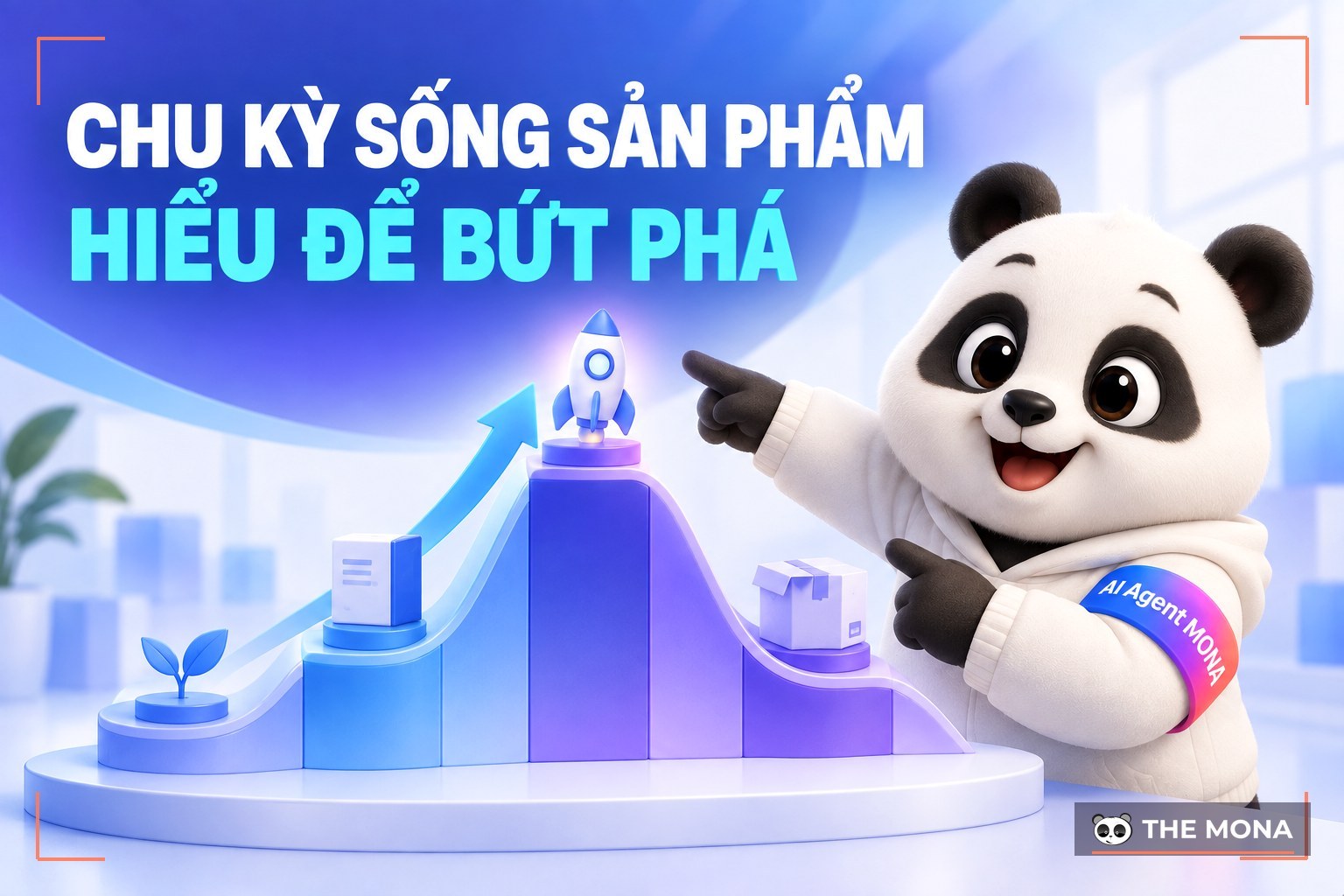
Your product has a much better chance of breaking out if you understand its life cycle. For any business that wants to grow sustainably, it pays to know when a product is rising and when it is fading. What is the product life cycle and which marketing strategy fits each stage? We answer both MONA Media in the article below.
The product life cycle (Product Life Cycle) is also called the product lifespan. It covers everything a product goes through, from launch to of work – growth, – saturation – and decline.

It also shows how a product and its customers interact at different points after launch (sales volume, reach, level of competition and so on).
Because of the useful information that the product life cycle provides, many businesses now study and forecast their products' life cycles so they can make the marketing strategy right decisions.
Before a product goes on the market, it goes through careful design, research and development. Only when it looks profitable and fits the needs of the target customers does a business start producing and promoting it. That is the moment the product's life cycle officially begins.

The stages of the life cycle shape how a product is marketed to consumers. A successful launch raises demand and popularity, and pushes older products off the market.
Managing the product life cycle brings several important benefits:
A business that does not manage the product life cycle well will run into problems such as:
From the consumer's point of view, there are usually 3 stages that are easy to recognize: Launch – Everywhere (you see the product in every home and every shop, and so on) – Gone (rarely seen, or gone completely)
However, For business owners, the product life cycle is divided into 4 stages. How long each stage lasts is not fixed; it depends on the nature of the product.

Product launch is when a business finishes the last details of the product and puts it on the market. At this stage most customers do not know the product yet.
So in this stage the business needs to promote the product actively, sharing information and images on social media, mass media, KOLs and other channels, to build brand awareness among the target customers.
Note that the product moves to stage 2 quickly if stage 1 ends early. How early depends heavily on the promotion strategy.
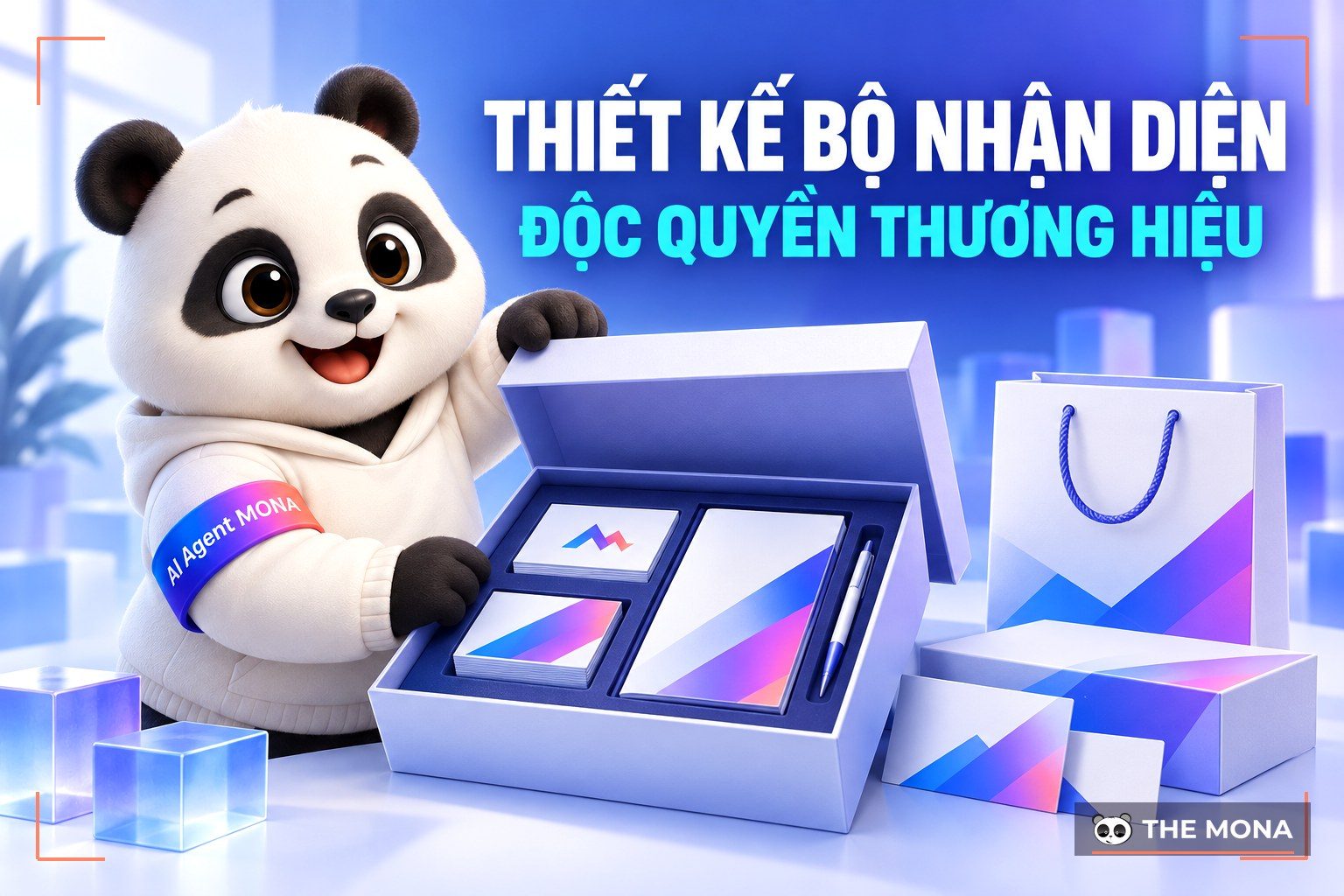
When you launch a new product, your promotion and brand identity decide the first impression customers get. A professional brand identity helps the product stand out, be remembered, and earn trust from the very first steps.

That is why choosing the brand identity package Design the brand identity with MONA Media is the fastest way for your business to attract customers and win the market.
See the project we did with MONA x VietNexus Logistics covering a full brand identity: logo, envelopes, letterhead, business cards and more.

Don't miss the chance to “take your business up a level” by refreshing your brand with the MONA team today. Contact MONA through FREE HOTLINE 1900 636 648 and we will recommend the solution that suits your brand best.
Once stage 1 is behind it, the product's life cycle moves into the coverage and growth stage of the market.
In stage 2, the business can see clear growth in revenue. The more customers who got to know the product in stage 1, the more successful stage 2 will be.
The business can consider cutting advertising spend to focus on sales strategy such as expanding the market, scaling up production and finding distributors for the product.
At this stage we no longer see the strong growth of the previous one. At certain moments you may even notice a clear slowdown, and the numbers can start to fall.
The reason for this saturation stage is that customers already know the product very well, the target audience has been fully tapped, and new customers are hard to attract.
This means competition between products on the market is rising. Sellers who hope to keep results steady have to spend a lot. Otherwise the product moves quickly into decline.
No product can avoid the decline stage. This is probably the moment when businesses are most likely to be caught off guard.
Example: Your product piles up in large quantities of stock, the expiry date is close and you need to cut losses fast. Worse, it can lead to losses and a crisis at any moment if your business does not find a new strategy for the product.
It is not hard to see why. The market keeps changing, and every hour many new products appear. Consumers have far more choices, and your product no longer draws the attention it did at the start.
This is an extremely hard stage. Business owners need vision and the ability to get ahead of trends if they want to give the product a new life cycle.
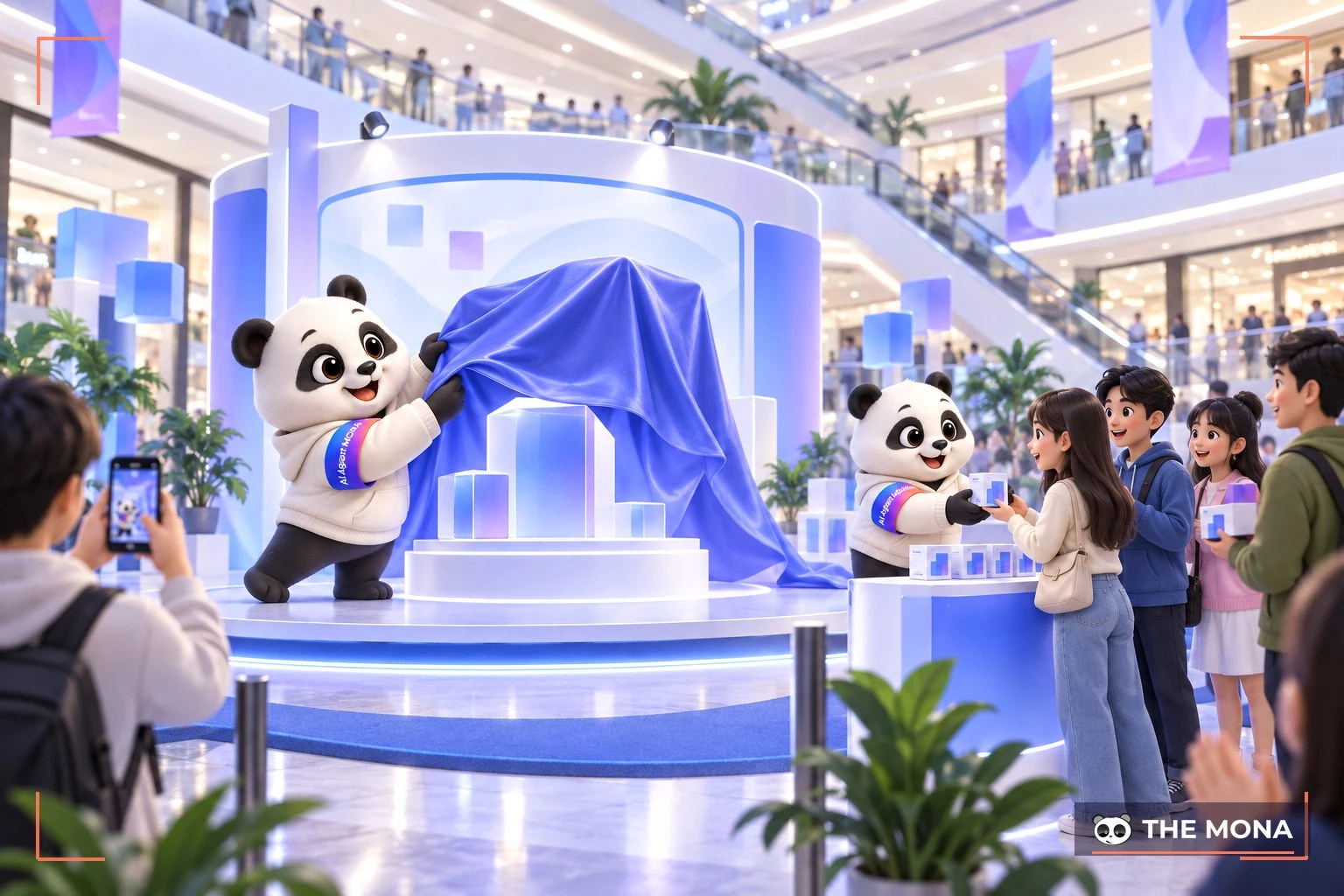
When a new product launches, sales are usually low and growth is slow because the product is still new and being tested. The business therefore needs to put its resources into marketing strategy and into getting customers to try the product.
The key goal of the introduction stage is wide recognition and encouraging consumers to try the product. Marketing should target customers who like new experiences and are likely to buy the newest products.
Two strategies work at this stage:
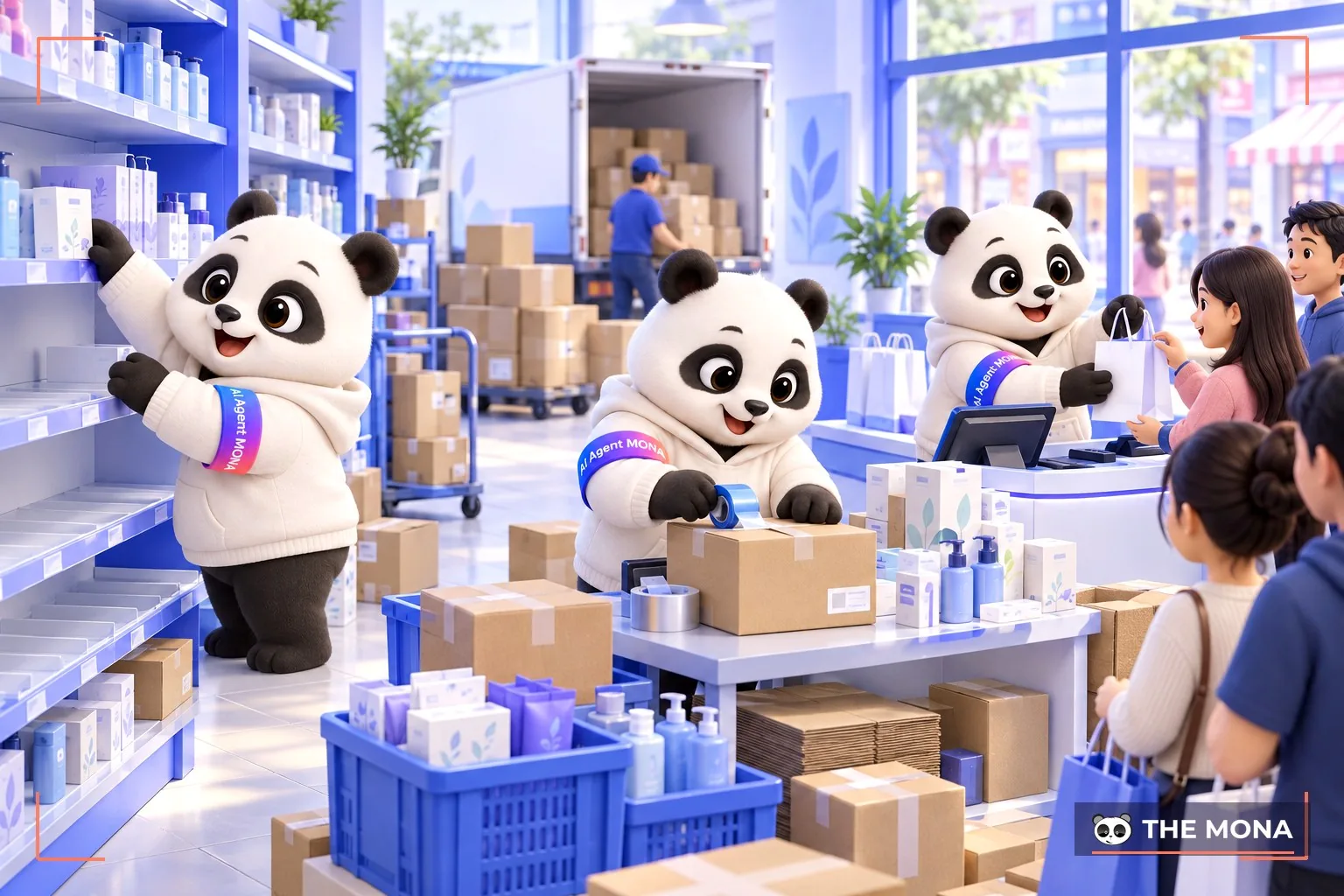
If the product develops well and meets market demand, it enters the growth stage of its life cycle. Sales usually rise sharply here, a sign that consumer demand is climbing. Competition is fierce at this stage, though, because rivals may launch similar products with improvements. The business should consider cutting advertising spend to focus on sales strategy: production, expanding the sales market and finding distributors.
The product has secured its position on the market, so production and marketing costs come down. The market is saturated, retailers no longer promote the product and only take orders. To hold on to market share, the product needs a reasonable price and something that sets it apart from competitors. The strategy includes strengthening brand identity and customer loyalty, highlighting what makes the product different, and running more promotions and after-sales programs to stimulate demand.
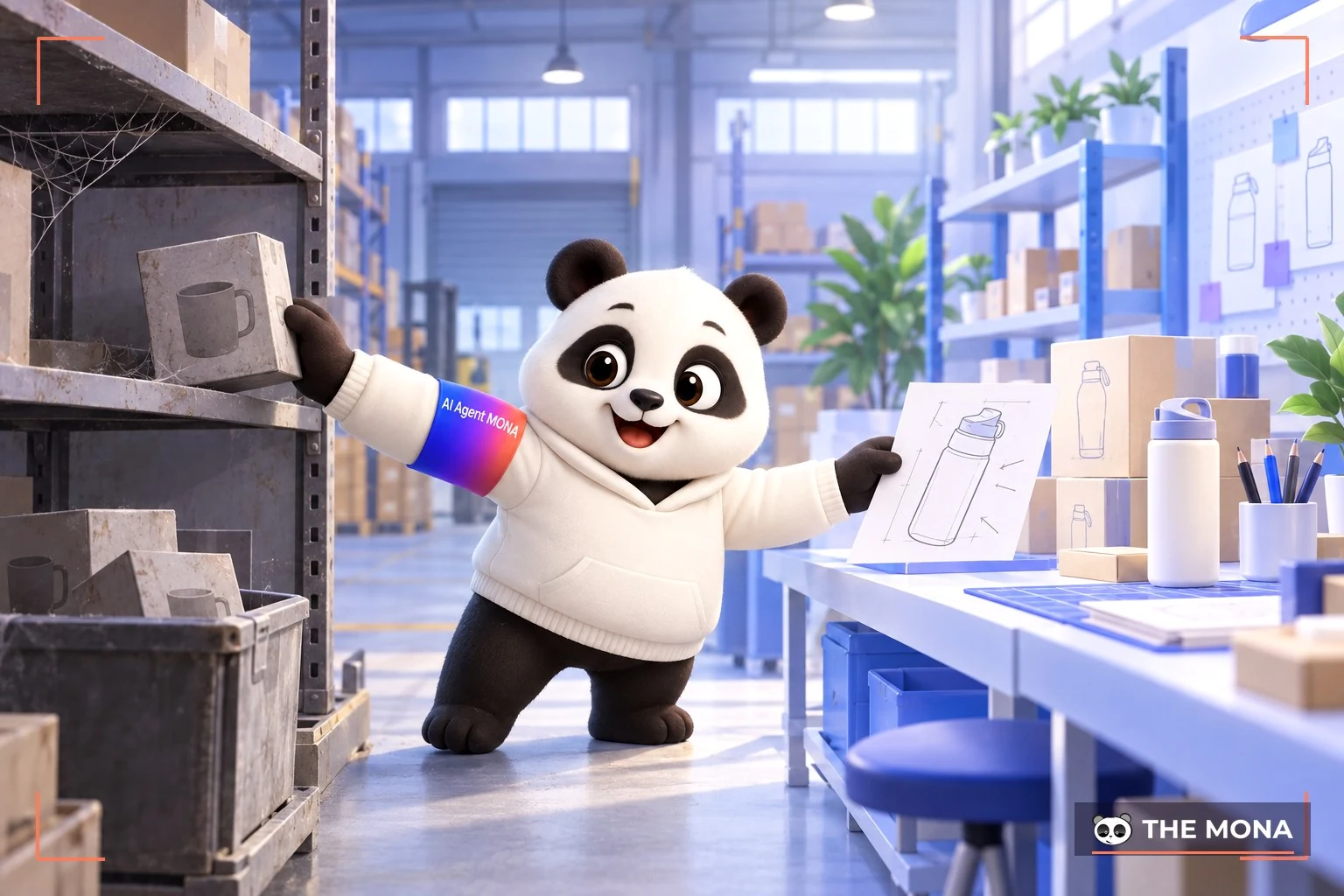
In the decline stage, indicators such as revenue, profit, new customers and the return rate of existing customers fall sharply, because substitute products meet customer needs better.
Businesses can apply the following strategies for this stage of the life cycle:
If your business is struggling to put a marketing strategy into action, MONA Media MONA is a partner you can trust. With more than 10 years of experience and more than 1,000 successful digital marketing projects, MONA has helped many businesses grow their revenue through a professional, well-structured campaign process.
Contact MONA Media now through HOTLINE 1900 636 648 and our team will give you detailed advice and the marketing solution that fits your business best.
Always review how your ads are built and how your product looks, by:
Although costly, campaigns on television, social media and the internet, and other advertising tools that reach customers, can introduce your product to potential customers new audiences and remind existing customers why they like it.
To raise the value of your product, you can review the features and price of the current version. Then you can lower the price or add new features to make it more attractive. To keep the product from feeling dated, run customer surveys regularly to hear feedback and improve the product in the direction customers want.
For a product to last longer, you need to find new markets or new platforms. For example, Netflix moved from a DVD rental service to become one of the largest streaming platforms in the world. As technology develops, distribution platforms change too. If your product can adapt to these shifts, you can extend its life by many years.
To meet customers' needs and expectations, we can improve product quality in many ways. One of them is to make the product stand out through new technology, design, features or added value.
We can study and adopt the latest technologies so our products get better and meet increasingly varied customer needs. We can also add new features or improve existing ones to make the product more appealing.
To stay in control of revenue, sales and production, business owners need a marketing strategy that fits each stage. Here are strategies you can consider.
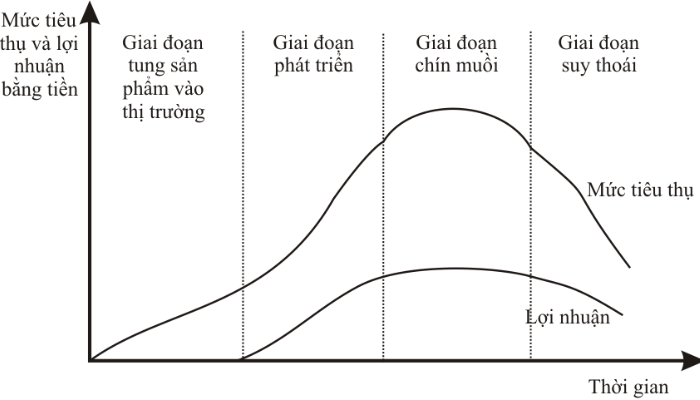
Choose 1 of the 4 strategies below, depending on the product and what you are able to carry out.
At this stage, businesses need to focus on coming up with a business strategy that drives revenue while keeping operations running as well as possible.
Of the 4 stages in the product life cycle, the third is where a business has to make changes and breakthroughs to keep the product effective.
In this final stage, indicators such as new customers, revenue and the return rate of existing customers fall sharply. The business then needs to take its products off the market.

To extend a product's life and avoid decline, we need to keep up with the latest changes in the market and survey customers and competitors. This information helps us adjust the product, price, distribution and advertising to each stage and meet customer needs as well as possible. We also need to keep researching and developing the product to stay competitive.
This is one of the key points that helps a business understand how its product develops on the market. The analysis shows customer behavior and needs, so the business can make decisions and strategies that fit each stage of the product on the market. By applying product life cycle analysis, a business can optimize profit and compete better.
A business can also forecast market trends and demand. From there it can adjust the product, price, distribution and advertising to each stage of the product.
The business decides when a product is launched, improved or replaced by a new one. It also decides the marketing strategy for the product, including price, distribution and advertising. The business also invests in research and development to make the product different and new.
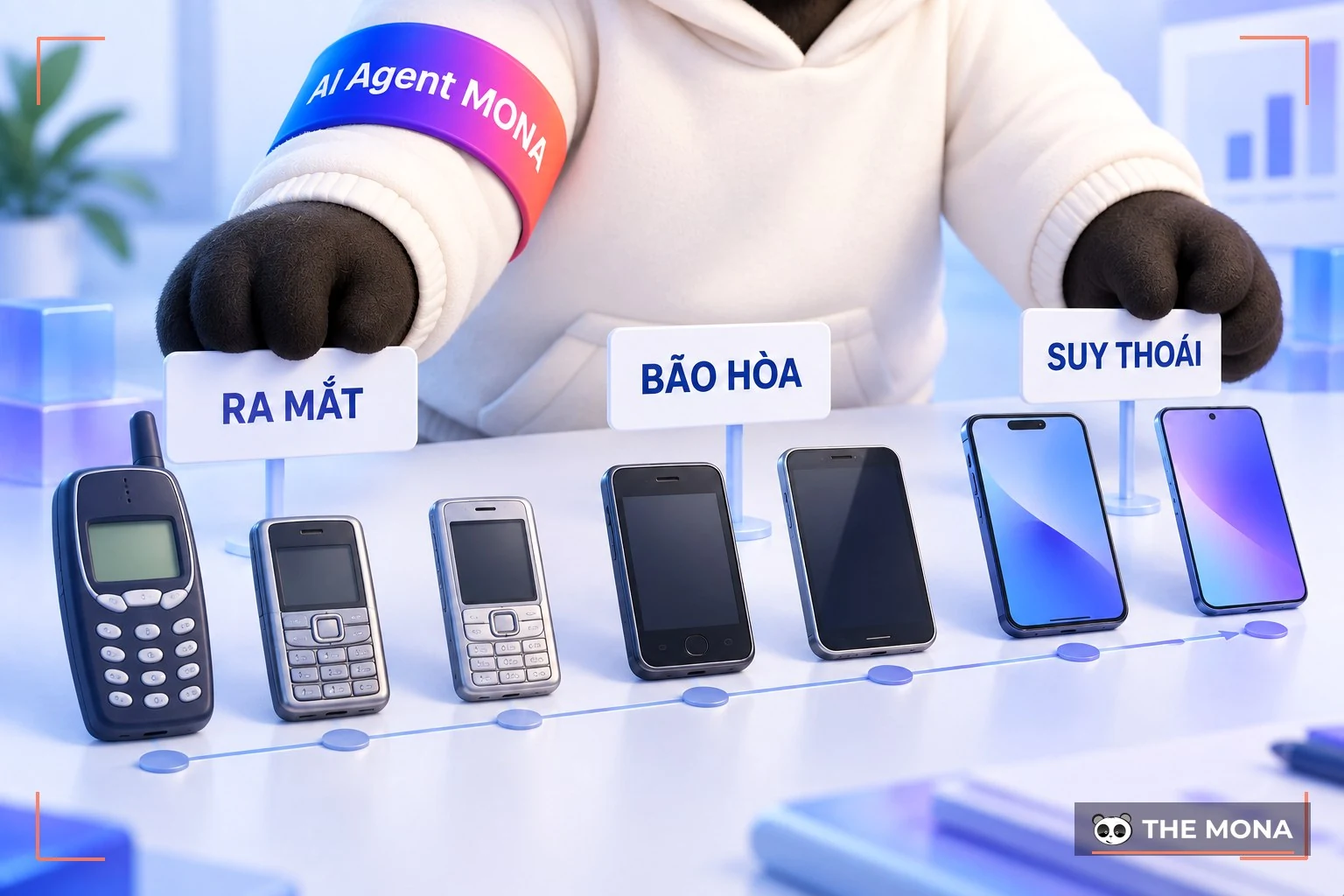
The Nokia 1100 was a simple, durable mobile phone made by Nokia from 2003 to 2009. Its life cycle had 4 main stages:
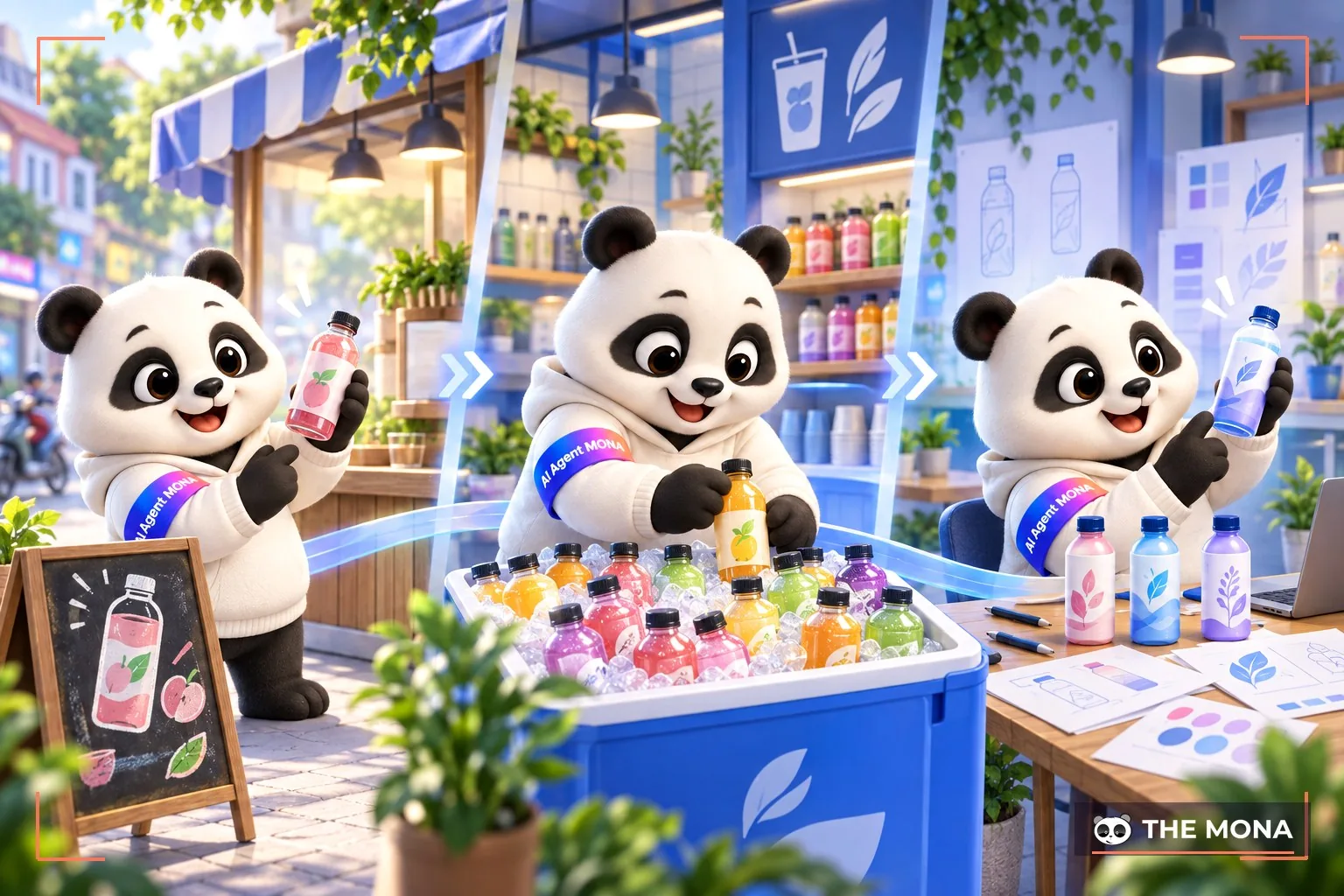
Coca-Cola is a carbonated soft drink brand famous around the world. Its life cycle has 4 main stages:
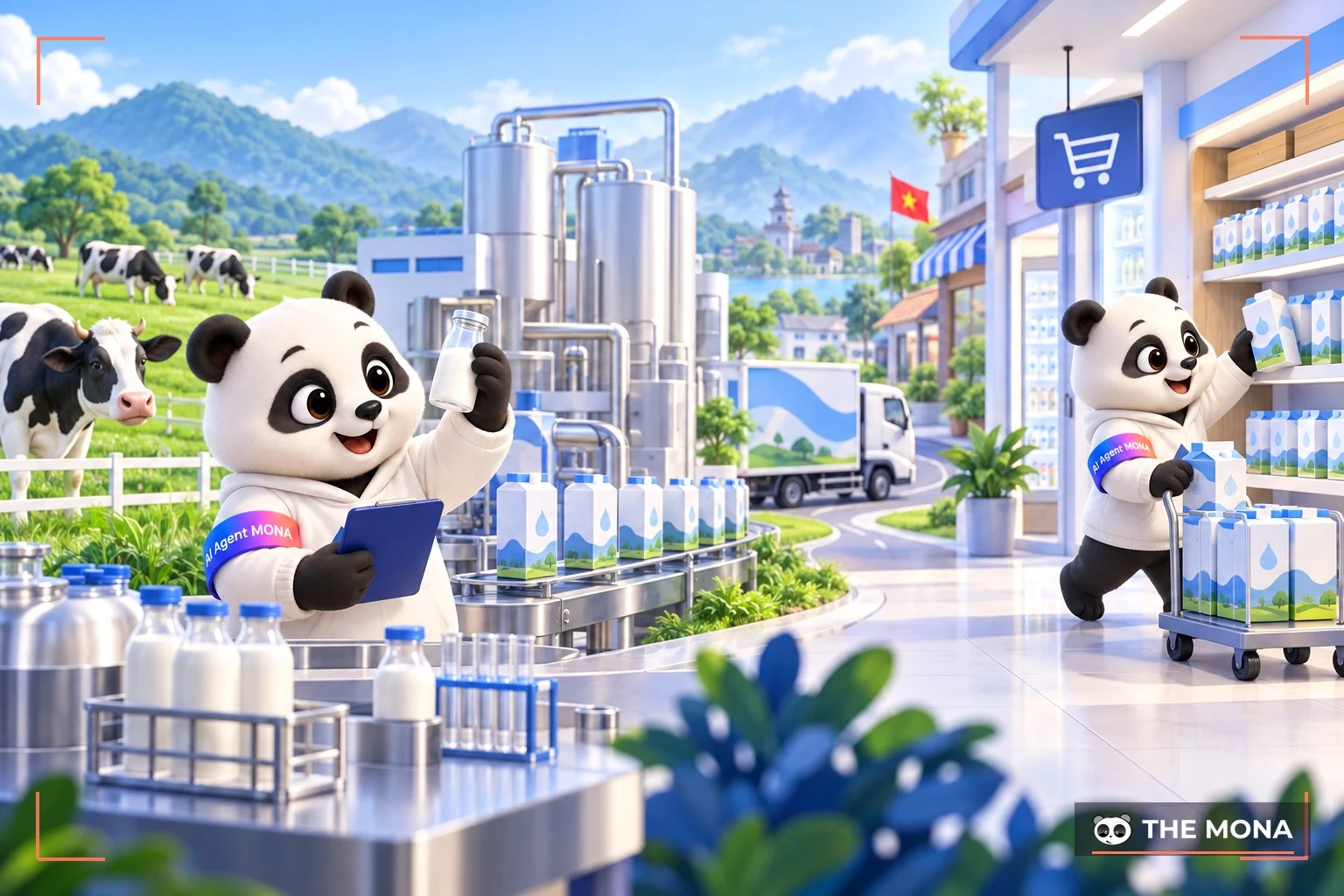
Vinamilk is a well-known dairy brand in Vietnam. An example of the Vinamilk product life cycle can be divided into 4 main stages:
Many factors affect the product life cycle. Here are some common ones:
Not every product goes through all 4 stages. Some products can extend their life through improvement, innovation or a change of marketing strategy. Others can be pulled from the market right after launch because they fail to meet customer needs or cannot compete with other products.
That is why a business needs to understand the product life cycle, so it can make sound business decisions and get the most profit.
From this article we can see that the product life cycle the product life cycle is the lifespan of a product, from launch – growth – saturation – decline. We hope the information above MONA Media from MONA helps you understand the stages of the product life cycle and choose the marketing strategy that suits you best.

CEO & Founder · The MONA
Founder of The MONA, who built a services company of 200+ staff with 14,000+ projects delivered. Khánh Hùng shares how he thinks about building systems that run themselves, automating a business, and the real lessons from delivering projects at MONA.
 1,9K




Professional website
design services
Own a website with a beautiful, 100% exclusive design and a lifetime warranty, with the ability
to expand features flexibly as your business grows, starting today!



NHẬN TƯ VẤN SEO MIỄN PHÍ !






 MONA will never sell your information or send you spam


 MONA will never sell your information or send you spam
