
 MONA OS 2.0
 Partner with MONA


 Tự động hoá doanh nghiệp
 Cẩm nang SEO
 Digital Marketing
 Kinh nghiệm thiết kế website
 Hạ Tầng Server
 Giáo dục


 VI
 EN
















Message us on
Zalo Official


 ProductsNew

 ProductsProducts
 Mới ra mắtKHA AI 2027App tự edit video, tự đăng mọi mạng xã hội, 2 phút mỗi ngày










 Website designLooks good and wins customers over.
SEO servicesBrings in customers searching for exactly what you sell.
 Tư vấn digital marketingKéo khách từ nhiều kênh, đo bằng số thật.
Corporate video productionVideos introducing your company, factory and team.
 NewAI video productionCompany story films made with AI.
 Custom software developmentCRM, ERP and HRM built for your business.
 Viết AI Agent theo yêu cầuĐặt riêng một trợ lý AI cho đúng việc của mình.
 Tư vấn chuyển đổi AIĐưa AI vào vận hành của cả công ty.
NewMONA LMSManagement for centers and schools.
MONA SkillHubInternal training for company staff.
 NHTQ systemEnd-to-end China–Vietnam shipping operations.
MONA JMSManagement for gold, diamond and pawn shops.
 MONA E-LearningA website with every feature you need to sell courses.
 How to sell online courses (course)More than 30 free lessons on selling courses on autopilot.
 MONA Cloudmonacloud.vnServers to get your apps and websites running.
 MONA Basemonabase.vnPostgres database, sign-in and file storage.
 MONA Mailmonamail.vnSend OTP, order and invoice emails from your software.
 MONA Paymonapay.vnAccept bank transfers via VietQR and notify your software when the money arrives.
 MONA eInvoiceComing soonIssue e-invoices that meet tax standards.
Gấu CườiTrả lời khách 24/7 trên web, Fanpage, Zalo và thu lead cho sale.
 Gấu TeleSalesGọi điện tư vấn, chăm khách như tổng đài viên thật.
Dê CườiTư vấn và chốt đơn cho shop ngay trong khung chat.
Gấu WebmasterNhắn nhóm Zalo là website được sửa xong.
 Gấu Pháp ChếSoạn hợp đồng, rà điều khoản trong vài phút.
 Gấu Báo GiáLên báo giá đúng mẫu và gửi khách ngay.
 AI chăm sóc khách hàngTheo dõi và giữ chân khách hàng cũ.
 Gấu Tuyển DụngLọc hồ sơ, hẹn lịch, phỏng vấn ứng viên.
 Mới ra mắt
KHA AI 2027
Xây kênh chuyên gia 2 phút mỗi ngày
Quay bằng điện thoại, AI tự edit video, tự đăng lên 16 nền tảng và tự trả lời bình luận, tin nhắn.
904.044lượt xem trên kênh CEO MONA sau 38 ngày
 Anh Khánh HùngCEO MONA đang dùng mỗi ngày
Xem app làm được gì
 AI
Gấu Cười MONA ĐANG TỰ XÀITrả lời khách 24/7 trên website, Zalo OA, Messenger và thu lead về cho sale.
Dê CườiChốt đơn bán lẻ và sàn: Shopee, TikTok Shop, web. Chăm cả khách sỉ, đại lý.
Gấu WebmasterCập nhật nội dung, tối ưu SEO website mỗi ngày.
Gấu TeleSalesGọi điện tư vấn, chăm khách như tổng đài viên thật.
Gấu Tuyển DụngLọc hồ sơ, hẹn lịch, phỏng vấn ứng viên tự động.
AI chăm sóc khách hàngGiữ khách cũ, cứu lead đã rớt cho phòng kinh doanh.
Gấu Pháp ChếSoạn hợp đồng, rà điều khoản trong vài phút.
Gấu Báo GiáLên báo giá đúng mẫu, gửi khách ngay khi có yêu cầu.
 Chuyển đổi AI toàn phầnGiải pháp tổng cho doanh nghiệp, 3 lớp triển khai.
 Viết AI Agent theo yêu cầuĐặt riêng một con AI gánh đúng nghiệp vụ của bạn.
 Custom softwareCRM, ERP and HRM with built-in AI automation.
 SEO & AEO thời đại AIĐược Google lẫn AI trích dẫn, không chỉ xếp hạng.
 Kiến thức AI cho doanh nghiệpBài phân tích, hướng dẫn ứng dụng AI vào vận hành.
 Free AI courses
 AI tools at work
App mới · KHA AI 2027
Xây kênh 2 phút mỗi ngày
AI tự edit video, tự đăng mọi mạng xã hội
Free consultation, 8am–10pm every day


Book a FREE demo
18 March, 2023
The flipped classroom is a structured education model that, in the traditional version, makes students take in information passively rather than actively in the learning process. It is very familiar in schools today, especially teacher-centered classrooms.
So specifically, what is a Flipped Classroom? What are the pros and cons of the flipped classroom? What is the real state of Flip Classroom adoption? Let's find out together. MONA Media take a closer look in the content below.

Before getting into what a flipped classroom is, we need to understand the difference from flipped learning and the traditional way of teaching.
Over the traditional way of teaching, where teachers prepare the lecture and students do homework before class. New material is taught in class, and any spare time goes to in-class practice. Lecturing and listening therefore take up most of a lesson, leaving only about 10% of the time for practice in class.
So the solution that "Flipped Learning" offers is to reverse this process. In a Flipped Classroom, students watch the teacher's lecture first to grasp the content and direction of the lesson. In class, they discuss and dig deeper into the topic with the teacher.
→ Explore more: What is a virtual classroom?
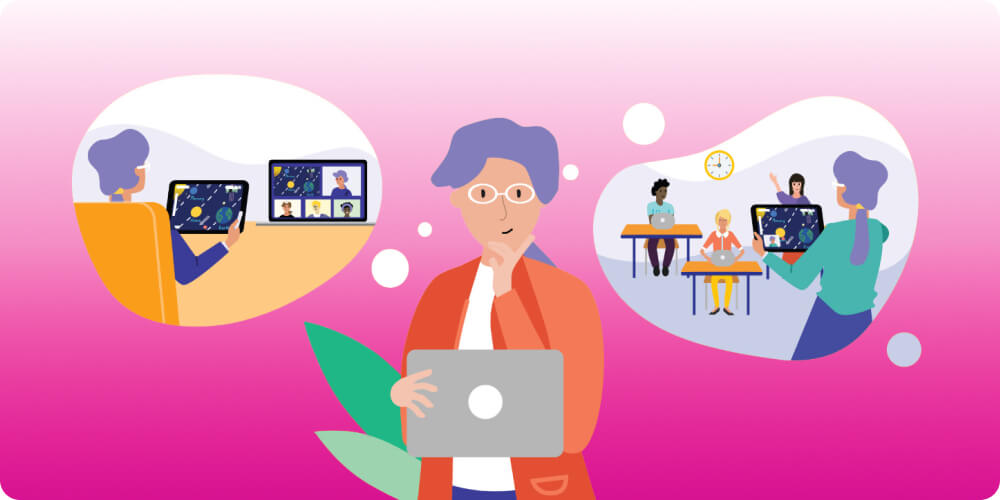
The Flipped Classroom model is usually divided into 2 stages:
This stage of the flipped classroom takes place entirely at home and both lecturers and learners have their own tasks. Specifically:
This stage of the flipped classroom teaching method takes place in the classroom, driving effective interaction between lecturers and students. In detail, lecturer and student activities in this stage go as follows:
Teaching with the flipped classroom model has several notable advantages, including:

Of course, in a student-centered classroom, this is the condition for students to develop their innate abilities and to control their own learning better. By assigning short lessons to take home, students can:
This gives students time to explore certain concepts without falling behind the pace of the whole class, and to get timely support from classmates and teachers.
The result of applying the flipped classroom method is that not only do students' grades improve, but their classroom behavior improves significantly too.
The flipped classroom is characterized by spending more time letting students master skills through projects and discussion.
Its strength is that it encourages students to teach and learn from each other the concepts, led by the teacher. By taking charge of their own learning, they own the knowledge they gain rather than memorizing it by rote, which builds confidence in what they have learned.
It is also worth adding that teachers themselves can spot problems in how students think or apply a concept, or interact with them directly to offer suitable guidance.

As long as you have access to technology, you can easily reach the lesson content without worrying about missing classes the way you might with traditional methods.
Thanks to lecture videos available and integrated in the system, e-learning website design students who miss class for unavoidable reasons such as illness, sports, outings or other emergencies can catch up quickly. This also gives teachers more flexibility in taking attendance.
Unlike classes taught the traditional way, in Flipped Classroom lets you parents can access and watch their child's lecture videos whenever they like. This helps parents support their children's learning better and gives them a deeper view of the quality of teaching at the school their child attends.
Done right, in a Flipped Learning classroom, children will have more time to enjoy learning, play, or practice more.

Most of us today were educated the traditional way, so none of this is unfamiliar: everyone went through school buried in homework. In fact, one study observing students in grades 9 to 12 found that students spend up to 38 hours a week on homework. That is an enormous workload, overloading students and also pressuring teachers, who keep assigning and setting work.
With a flipped classroom lesson plan, online lectures run only 10 minutes, giving both students and teachers more time for other interests such as friends, family and hobbies.
Students and university students can choose when, where and how to learn to suit their level.
Likewise, teachers can adjust class time flexibly so it works well. Interactions become more positive and are not confined to dry lessons, building a better bond with students.

Students can pause on the key parts of a lessonand the parts they do not yet understand to see the bigger picture, avoiding rambling and uneven time use, and skimming over what they already know.
Because students watch the lecture and instructions at home first, they come to class knowing what to ask, discuss and dig into. Time that demands intense focus is shortened, keeping learners' minds clearer.
It also saves energy and time. A single PowerPoint or video, designed and recorded once and shared with others, can replace all the remedial and extra tutoring for students who have not kept up.
Still, alongside the advantages listed above, many people are skeptical about the new Flip Classroom teaching and learning model . Specifically, the model's disadvantages are:
Not everyone is tech-savvy, and students who cannot keep up with the technology will fall behind their classmates.

This is one of the most prominent issues: students needing a computer and the internet to watch online lectures is a prerequisite for the Flipped Classroom method. But it causes difficulties and inequities for low-income students with limited access to resources.
There is also concern that whether a flipped classroom works depends heavily on students' cooperation. Unfortunately, nothing guarantees that students will not be reluctant to go along with this learning model.
Letting students choose when and where to study is both an advantage and potentially a major drawback. If students do not watch the lecture at home on their own, they will not keep up with classmates in class.
Running a flipped classroom may look like it cuts the time spent standing at the front and delivering knowledge the traditional way, but it can quietly increase teachers' workload. It demands very careful integration for the class to be sustained and to grow.

On top of that, tasks such as recording, editing and uploading lectures take time and skills that not every teacher has.
Teachers also need to introduce in-class activities for their subject within the video in a way that motivates students to participate and prepare beforehand. That is a lot of pressure, needing a lot of time to adapt and no small effort.
The flipped classroom and not "teaching to the test" is a reality we have to admit. It does not follow a teaching model aimed at improving and raising test scores. Yet in Vietnam's current education process, teachers and students still must spend time preparing for exams, which disrupts the flipped classroom workflow.

Some people believe that if every teacher converted their class to a flipped classroom model, students would be forced to spend hours at the computer watching lectures. It can be argued that this hurts students' learning, and the concern is well founded:
The concepts of the flipped and traditional teaching models differ as follows:

DETAILED COMPARISON OF FLIPPED AND TRADITIONAL CLASSROOMS
| FLIPPED CLASSROOM | TRADITIONAL CLASSROOM |
| Students control their learning process and improve skills such as self-study, focus and analysis. | The teacher controls and organizes the activities in the classroom. |
| Greater interaction between teachers and students. | Students need the teacher's call to interact. |
| Easy access to learning materials from many sources, with just a device connected to the internet. | Printed materials, used only within what the teacher allows, such as textbooks and materials provided by the teacher. |
| Self-study lets students research materials freely and sparks curiosity. | Research is passive, limited to the questions in the curriculum and textbooks. |
| Accurately assesses each learner's ability. | Results do not accurately reflect ability, and cheating is hard to avoid. |
→ Read more: Comparing online and traditional training
Teaching with the Flipped Classroom model is a new education trend adopted in many countries with positive results. In Vietnam, the Flip Classroom method has also been piloted by a number of schools and teachers in recent years.

The flipped classroom method can bring Vietnamese education many opportunities, such as:
Organizing a Flipped Classroom also poses several challenges for Vietnamese education, such as:
A defining feature of the flipped classroom is that students watch online lectures or study materials before class, while class time goes to active learning such as discussion, problem solving and group projects.
And MONA LMS is an effective solution for teaching and learning in the Flipped Classroom model. It is training center management software with integrated smart features, an essential management tool for teaching and managing students.

Using MONA LMS software will help you solve many of the most common difficulties in the flipped classroom model:
If you want to learn the details of the MONA LMS system's features, you can CONTACT directly with MONA Media through:
1. What are the characteristics of a flipped classroom?
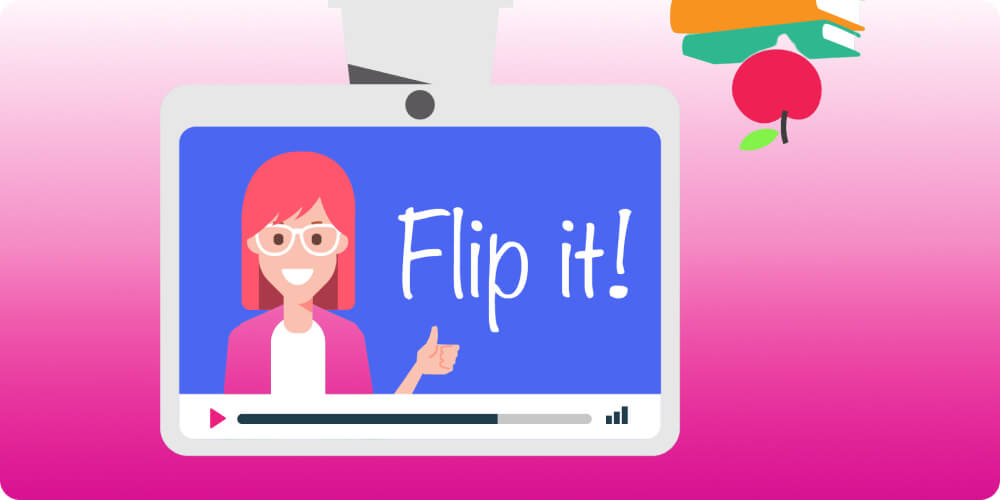
The flipped classroom Flipped Learning has the following characteristics:
2. Why use the flipped classroom model?
The Flipped classroom method brings these benefits:
The flipped classroom has the main goal of strengthening learning and student achievement by reversing the traditional classroom model. It also gives students more time to understand rather than just listen to lectures. It is a learning style with many potential advantages.
Although many limitations remain, the flipped classroom model is still a highly effective, intuitive approach for improving student achievement and driving initiative in learning. If its weaknesses can be overcome, MONA Media we believe that the Flipped Classroom method will be a great way to build 21st-century skills.

CEO & Founder · The MONA
Founder of The MONA, who built a services company of 60+ staff with 14,000+ projects delivered. Khánh Hùng shares how he thinks about building systems that run themselves, automating a business, and the real lessons from delivering projects at MONA.
 1,8K



Professional website
design services
Own a website with a beautiful, 100% exclusive design and a lifetime warranty, with the ability
to expand features flexibly as your business grows, starting today!






 MONA will never sell your information or send you spam


 MONA will never sell your information or send you spam
