
 MONA OS 2.0
 Partner with MONA


 Tự động hoá doanh nghiệp
 Cẩm nang SEO
 Digital Marketing
 Kinh nghiệm thiết kế website
 Hạ Tầng Server
 Giáo dục


 VI
 EN









Message us on
Zalo Official


 ProductsNew

 ProductsProducts
 Mới ra mắtKHA AI 2027App tự edit video, tự đăng mọi mạng xã hội, 2 phút mỗi ngày










 Website designLooks good and wins customers over.
SEO servicesBrings in customers searching for exactly what you sell.
 Tư vấn digital marketingKéo khách từ nhiều kênh, đo bằng số thật.
Corporate video productionVideos introducing your company, factory and team.
 NewAI video productionCompany story films made with AI.
 Custom software developmentCRM, ERP and HRM built for your business.
 Viết AI Agent theo yêu cầuĐặt riêng một trợ lý AI cho đúng việc của mình.
 Tư vấn chuyển đổi AIĐưa AI vào vận hành của cả công ty.
NewMONA LMSManagement for centers and schools.
MONA SkillHubInternal training for company staff.
 NHTQ systemEnd-to-end China–Vietnam shipping operations.
MONA JMSManagement for gold, diamond and pawn shops.
 MONA E-LearningA website with every feature you need to sell courses.
 How to sell online courses (course)More than 30 free lessons on selling courses on autopilot.
 MONA Cloudmonacloud.vnServers to get your apps and websites running.
 MONA Basemonabase.vnPostgres database, sign-in and file storage.
 MONA Mailmonamail.vnSend OTP, order and invoice emails from your software.
 MONA Paymonapay.vnAccept bank transfers via VietQR and notify your software when the money arrives.
 MONA eInvoiceComing soonIssue e-invoices that meet tax standards.
Gấu CườiTrả lời khách 24/7 trên web, Fanpage, Zalo và thu lead cho sale.
 Gấu TeleSalesGọi điện tư vấn, chăm khách như tổng đài viên thật.
Dê CườiTư vấn và chốt đơn cho shop ngay trong khung chat.
Gấu WebmasterNhắn nhóm Zalo là website được sửa xong.
 Gấu Pháp ChếSoạn hợp đồng, rà điều khoản trong vài phút.
 Gấu Báo GiáLên báo giá đúng mẫu và gửi khách ngay.
 AI chăm sóc khách hàngTheo dõi và giữ chân khách hàng cũ.
 Gấu Tuyển DụngLọc hồ sơ, hẹn lịch, phỏng vấn ứng viên.
 Mới ra mắt
KHA AI 2027
Xây kênh chuyên gia 2 phút mỗi ngày
Quay bằng điện thoại, AI tự edit video, tự đăng lên 16 nền tảng và tự trả lời bình luận, tin nhắn.
908.181lượt xem trên kênh CEO MONA sau 38 ngày
 Anh Khánh HùngCEO MONA đang dùng mỗi ngày
Xem app làm được gì
 AI
Gấu Cười MONA ĐANG TỰ XÀITrả lời khách 24/7 trên website, Zalo OA, Messenger và thu lead về cho sale.
Dê CườiChốt đơn bán lẻ và sàn: Shopee, TikTok Shop, web. Chăm cả khách sỉ, đại lý.
Gấu WebmasterCập nhật nội dung, tối ưu SEO website mỗi ngày.
Gấu TeleSalesGọi điện tư vấn, chăm khách như tổng đài viên thật.
Gấu Tuyển DụngLọc hồ sơ, hẹn lịch, phỏng vấn ứng viên tự động.
AI chăm sóc khách hàngGiữ khách cũ, cứu lead đã rớt cho phòng kinh doanh.
Gấu Pháp ChếSoạn hợp đồng, rà điều khoản trong vài phút.
Gấu Báo GiáLên báo giá đúng mẫu, gửi khách ngay khi có yêu cầu.
 Chuyển đổi AI toàn phầnGiải pháp tổng cho doanh nghiệp, 3 lớp triển khai.
 Viết AI Agent theo yêu cầuĐặt riêng một con AI gánh đúng nghiệp vụ của bạn.
 Custom softwareCRM, ERP and HRM with built-in AI automation.
 SEO & AEO thời đại AIĐược Google lẫn AI trích dẫn, không chỉ xếp hạng.
 Kiến thức AI cho doanh nghiệpBài phân tích, hướng dẫn ứng dụng AI vào vận hành.
 Free AI courses
 AI tools at work
App mới · KHA AI 2027
Xây kênh 2 phút mỗi ngày
AI tự edit video, tự đăng mọi mạng xã hội
Free consultation, 8am–10pm every day

18 March, 2023

The trend in website design (flat design) is now clearly pulling ahead of the traditional design styles of the past. It is a new trend that many people follow and like. To understand better what flat design is, here is a roundup of what you need to know about the trend flat design worth knowing.
Flat design is an approach that uses no added effects to build an interface, with no 3D elements at all: no drop shadows, bevels, embossing, gradients or anything else meant to add depth or relief to the design on screen. The result is simpler imagery that still carries its full meaning.
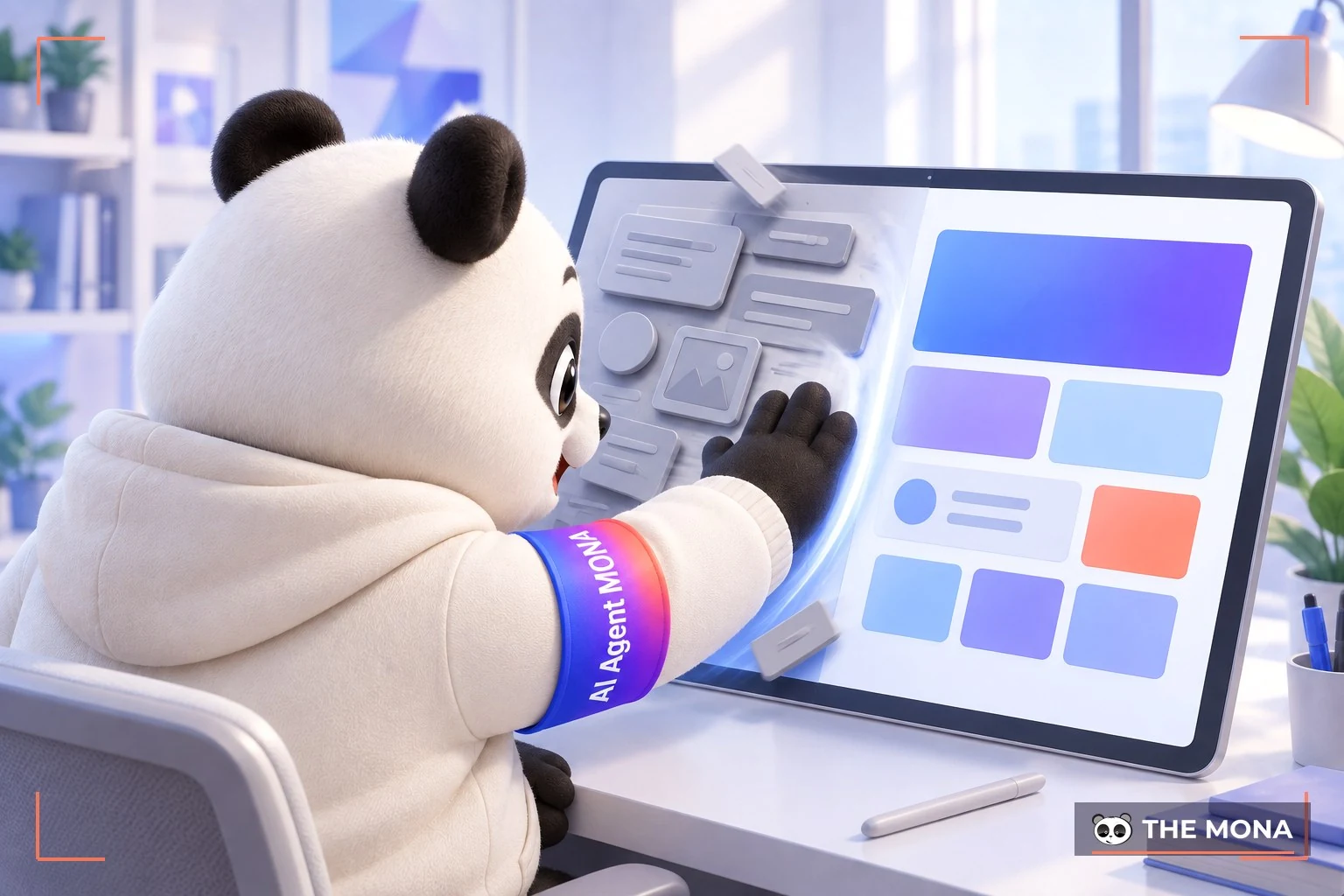
A typical example of a flat interface is Metro UI on Windows 8, or the interface of Windows Phone. On the home screen you see separate blocks of color that are not skeuomorphic or three-dimensional. Simplicity always comes first.
As the name suggests, in this flat world everything in the design is flat. Nothing is decorated or given effects (drop shadows, embossing, gradients, bevels) or any other element to create depth. Every detail you see is clear, strong and solid. Nothing is added to make these details look livelier or more real. The layout in flat design is clearly divided, with no overlapping parts.
So what makes flat design more appealing without those effects? It has its own traits that make it easy to read and understand, based on how the design details are arranged in order. Websites are not the only ones that use flat design; mobile apps favor this trend too. On a small screen with only a few buttons, a flat design is very easy to use.
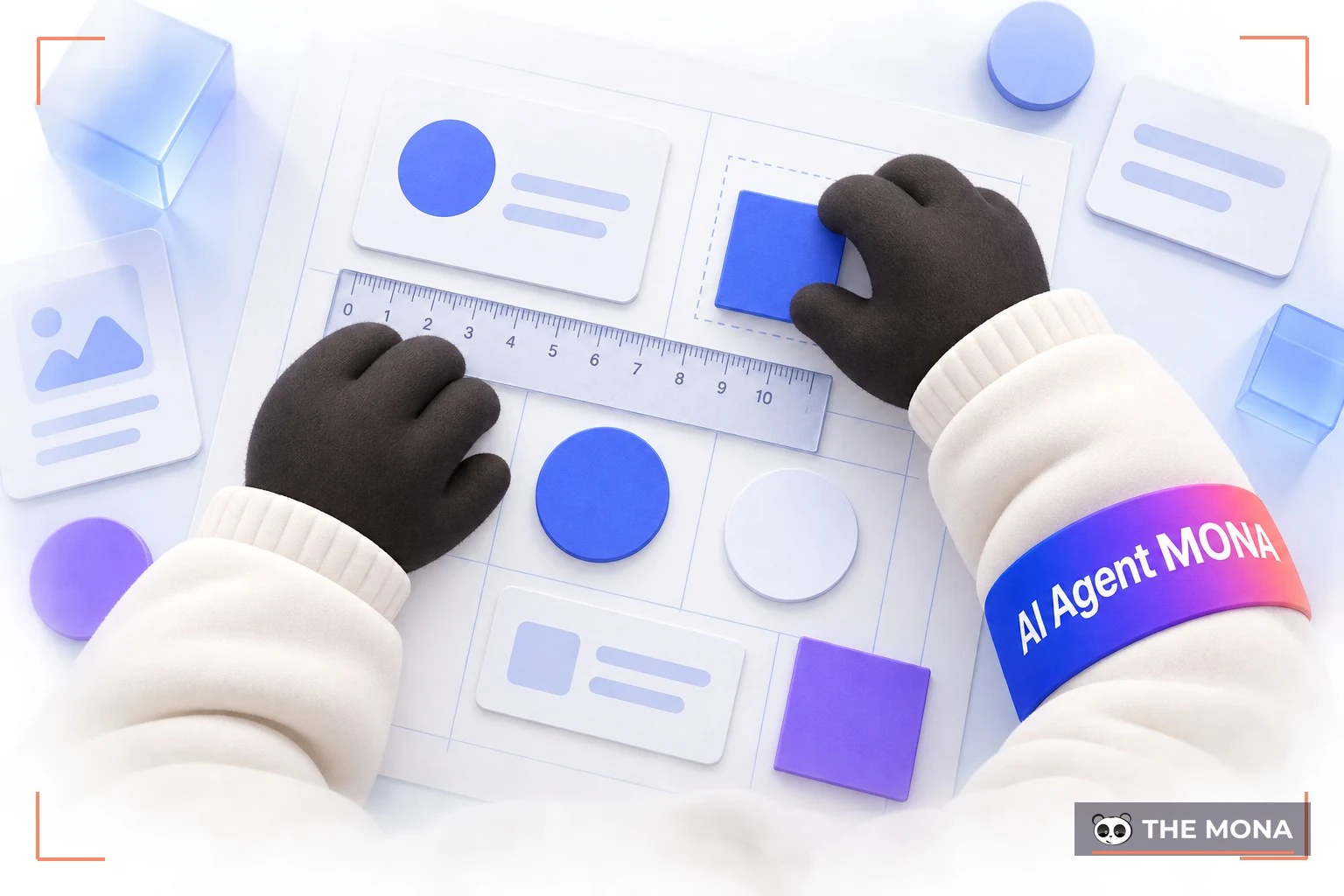
Flat design often uses simple elements such as icon and buttons. Designers typically use simple, separate shapes such as circles, squares and rectangles, which may have outlines or rounded corners.
With such simple, separate shapes, flat design lets users interact easily, with a single click. The designer does not have to explain much in the design, but does have to explore, think and select a great deal. So flat design is not simple or easy to do.
Because the details in flat design are so simple, typography gets special attention. Typeface Typography in flat design is usually plain. The type should be bold and fit the overall design, mostly sans serif fonts, and the text gets straight to the point.
If you have used Windows Phone or Windows 8, you may have noticed the difference in how typography is used in the design. Users get a clear practical benefit: they can see information directly without opening the app.
Color is especially important in flat design and contributes a lot to the success of this style. Other design styles may use only 2-3 colors, while flat design uses 6 to 8. Flat design often uses bright palettes with vivid tones. Colors from the retro trend such as purple, green, blue and orange-pink are common.
Using this many colors lets flat design set up a clear information hierarchy and clearly separate the areas that hold information.
Flat buttons (also called ghost buttons) have only an outline and a few simple words inside. A flat button creates an easily recognized area to tap or click without breaking the continuity of the overall interface design. At first, ghost buttons were mostly used on sites or software with dark backgrounds (blue, yellow, red); now designers use them on other backgrounds too.
Skeuomorphic is a design style that imitates real objects as closely as possible, using images that evoke real-world things and applying effects that create depth. However, this approach has quite a few drawbacks in UX/UI:
See more:
3 main reasons flat design has grown so strong.
In this style, designers drop unnecessary details and focus only on the ones that let viewers concentrate, interact and have a good experience.
Responsive It lets your website display well on every browser and mobile device, from desktop to the screens of mobile devices on different operating systems. The page layout automatically scales to fit the device's resolution and aspect ratio. With only finger gestures on a touch screen, flat design gives a very good experience.
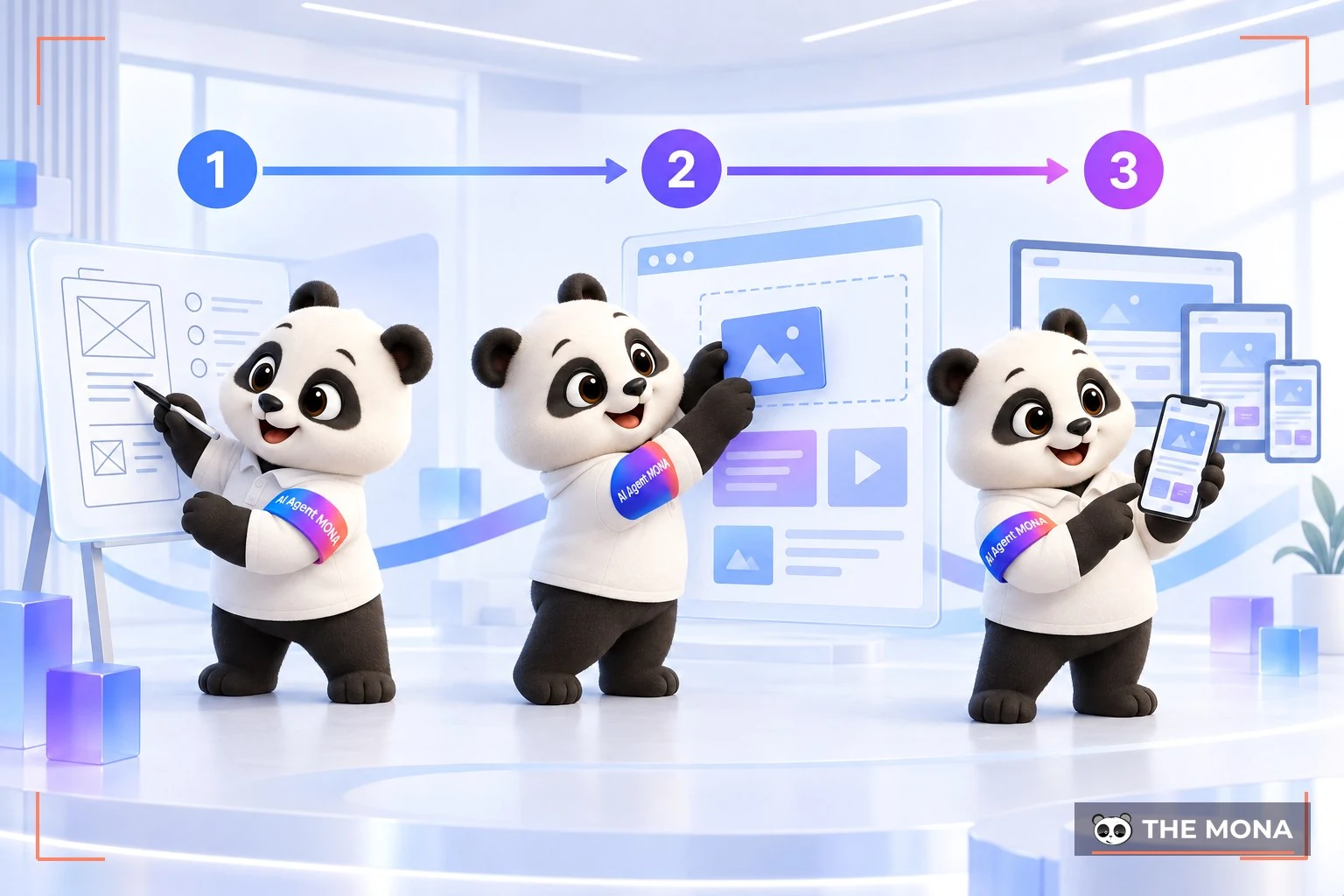
Because of this appeal, designers trust and use it often, and other designers are influenced to some degree and gradually learn to build flat design for their own websites. In particular, skeuomorphic design has more and more weaknesses, which has made it outdated and let flat design take its place.
The flat design trend brings many benefits today, such as: users get a better web experience, images display well, marketing and SEO. The characteristics of flat design also save storage space, speed up loading and make things convenient for users.
Flat design is widely used on websites such as Google+, Microsoft, Apple and other technology and engineering sites.
Windows 8 users are very familiar with flat interfaces, because that operating system uses only flat design. A flat interface keeps a website from being overloaded with unnecessary ads and graphics. This style also produces very few errors compared with traditional UI design.
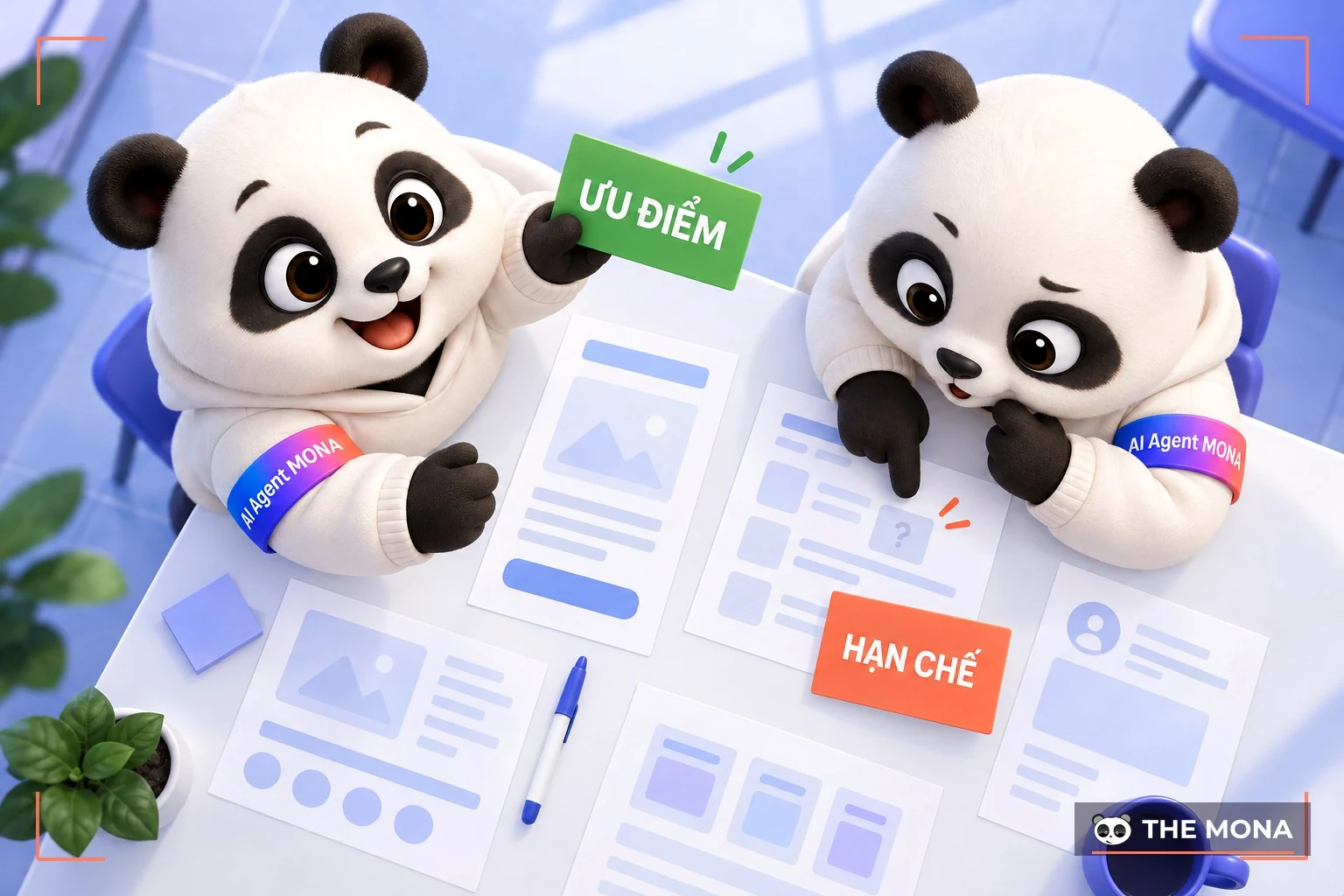
We hope the information shared in this article gives you a solid overview of flat design which has been popular lately. From here you can understand the characteristics of this design style and apply it successfully in your own designs.

CEO & Founder · The MONA
The founder of The MONA built a service company of 60+ staff with 14,000+ projects delivered. Khánh Hùng shares his thinking on building self-running systems, automating a business, and the real lessons behind MONA's projects.
 1,5K




Professional website
design services
Own a website with a beautiful, 100% exclusive design and a lifetime warranty, with the ability
to expand features flexibly as your business grows, starting today!






 MONA will never sell your information or send you spam


 MONA will never sell your information or send you spam
