
 MONA OS 2.0
 Partner with MONA


 Tự động hoá doanh nghiệp
 Cẩm nang SEO
 Digital Marketing
 Kinh nghiệm thiết kế website
 Hạ Tầng Server
 Giáo dục


 VI
 EN















Message us on
Zalo Official


 ProductsNew

 ProductsProducts
 Mới ra mắtKHA AI 2027App tự edit video, tự đăng mọi mạng xã hội, 2 phút mỗi ngày










 Website designLooks good and wins customers over.
SEO servicesBrings in customers searching for exactly what you sell.
 Tư vấn digital marketingKéo khách từ nhiều kênh, đo bằng số thật.
Corporate video productionVideos introducing your company, factory and team.
 NewAI video productionCompany story films made with AI.
 Custom software developmentCRM, ERP and HRM built for your business.
 Viết AI Agent theo yêu cầuĐặt riêng một trợ lý AI cho đúng việc của mình.
 Tư vấn chuyển đổi AIĐưa AI vào vận hành của cả công ty.
NewMONA LMSManagement for centers and schools.
MONA SkillHubInternal training for company staff.
 NHTQ systemEnd-to-end China–Vietnam shipping operations.
MONA JMSManagement for gold, diamond and pawn shops.
 MONA E-LearningA website with every feature you need to sell courses.
 How to sell online courses (course)More than 30 free lessons on selling courses on autopilot.
 MONA Cloudmonacloud.vnServers to get your apps and websites running.
 MONA Basemonabase.vnPostgres database, sign-in and file storage.
 MONA Mailmonamail.vnSend OTP, order and invoice emails from your software.
 MONA Paymonapay.vnAccept bank transfers via VietQR and notify your software when the money arrives.
 MONA eInvoiceComing soonIssue e-invoices that meet tax standards.
Gấu CườiTrả lời khách 24/7 trên web, Fanpage, Zalo và thu lead cho sale.
 Gấu TeleSalesGọi điện tư vấn, chăm khách như tổng đài viên thật.
Dê CườiTư vấn và chốt đơn cho shop ngay trong khung chat.
Gấu WebmasterNhắn nhóm Zalo là website được sửa xong.
 Gấu Pháp ChếSoạn hợp đồng, rà điều khoản trong vài phút.
 Gấu Báo GiáLên báo giá đúng mẫu và gửi khách ngay.
 AI chăm sóc khách hàngTheo dõi và giữ chân khách hàng cũ.
 Gấu Tuyển DụngLọc hồ sơ, hẹn lịch, phỏng vấn ứng viên.
 Mới ra mắt
KHA AI 2027
Xây kênh chuyên gia 2 phút mỗi ngày
Quay bằng điện thoại, AI tự edit video, tự đăng lên 16 nền tảng và tự trả lời bình luận, tin nhắn.
882.681lượt xem trên kênh CEO MONA sau 36 ngày
 Anh Khánh HùngCEO MONA đang dùng mỗi ngày
Xem app làm được gì
 AI
Gấu Cười MONA ĐANG TỰ XÀITrả lời khách 24/7 trên website, Zalo OA, Messenger và thu lead về cho sale.
Dê CườiChốt đơn bán lẻ và sàn: Shopee, TikTok Shop, web. Chăm cả khách sỉ, đại lý.
Gấu WebmasterCập nhật nội dung, tối ưu SEO website mỗi ngày.
Gấu TeleSalesGọi điện tư vấn, chăm khách như tổng đài viên thật.
Gấu Tuyển DụngLọc hồ sơ, hẹn lịch, phỏng vấn ứng viên tự động.
AI chăm sóc khách hàngGiữ khách cũ, cứu lead đã rớt cho phòng kinh doanh.
Gấu Pháp ChếSoạn hợp đồng, rà điều khoản trong vài phút.
Gấu Báo GiáLên báo giá đúng mẫu, gửi khách ngay khi có yêu cầu.
 Chuyển đổi AI toàn phầnGiải pháp tổng cho doanh nghiệp, 3 lớp triển khai.
 Viết AI Agent theo yêu cầuĐặt riêng một con AI gánh đúng nghiệp vụ của bạn.
 Custom softwareCRM, ERP and HRM with built-in AI automation.
 SEO & AEO thời đại AIĐược Google lẫn AI trích dẫn, không chỉ xếp hạng.
 Kiến thức AI cho doanh nghiệpBài phân tích, hướng dẫn ứng dụng AI vào vận hành.
 Free AI courses
 AI tools at work
App mới · KHA AI 2027
Xây kênh 2 phút mỗi ngày
AI tự edit video, tự đăng mọi mạng xã hội
Free consultation, 8am–10pm every day

01 June, 2026

What is a business AI audit? It is a process where a third party with no stake in the jobs being assessed examines the whole chain of work in your business. It answers a simple question: which tasks can machines handle and which still need people. And how much each task saves if you switch to automation. The concept of a business AI audit stands alongside the accounting audit: we would not ask the chief accountant to audit their own books. See also reactions when rolling out AI. You also should not have the department that holds the work assess whether AI can replace them. In this article we break down the 7 steps of the business AI audit process, a sample task-person-machine table, and how MONA avoids conflicts of interest when recommending automation software after the audit.
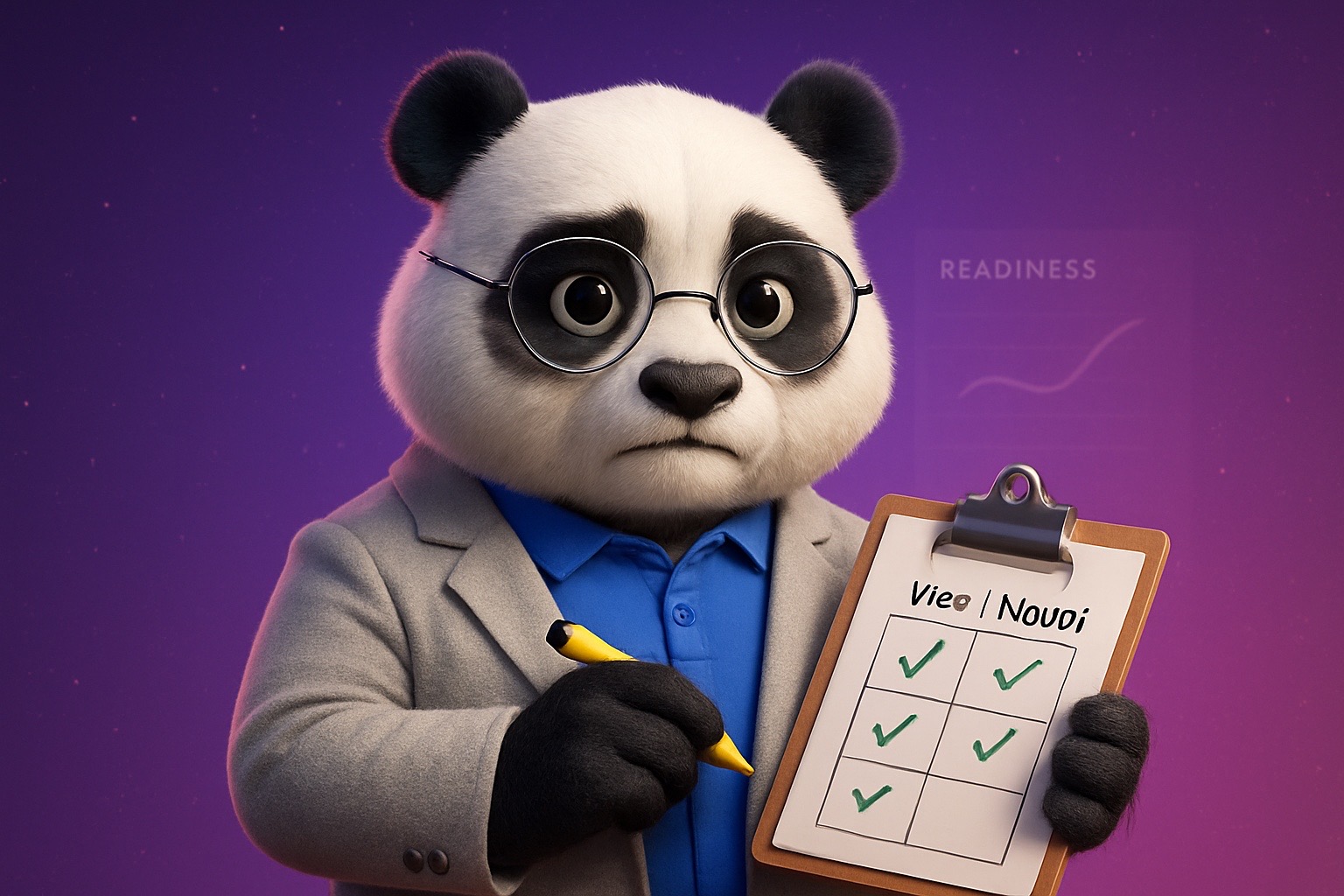
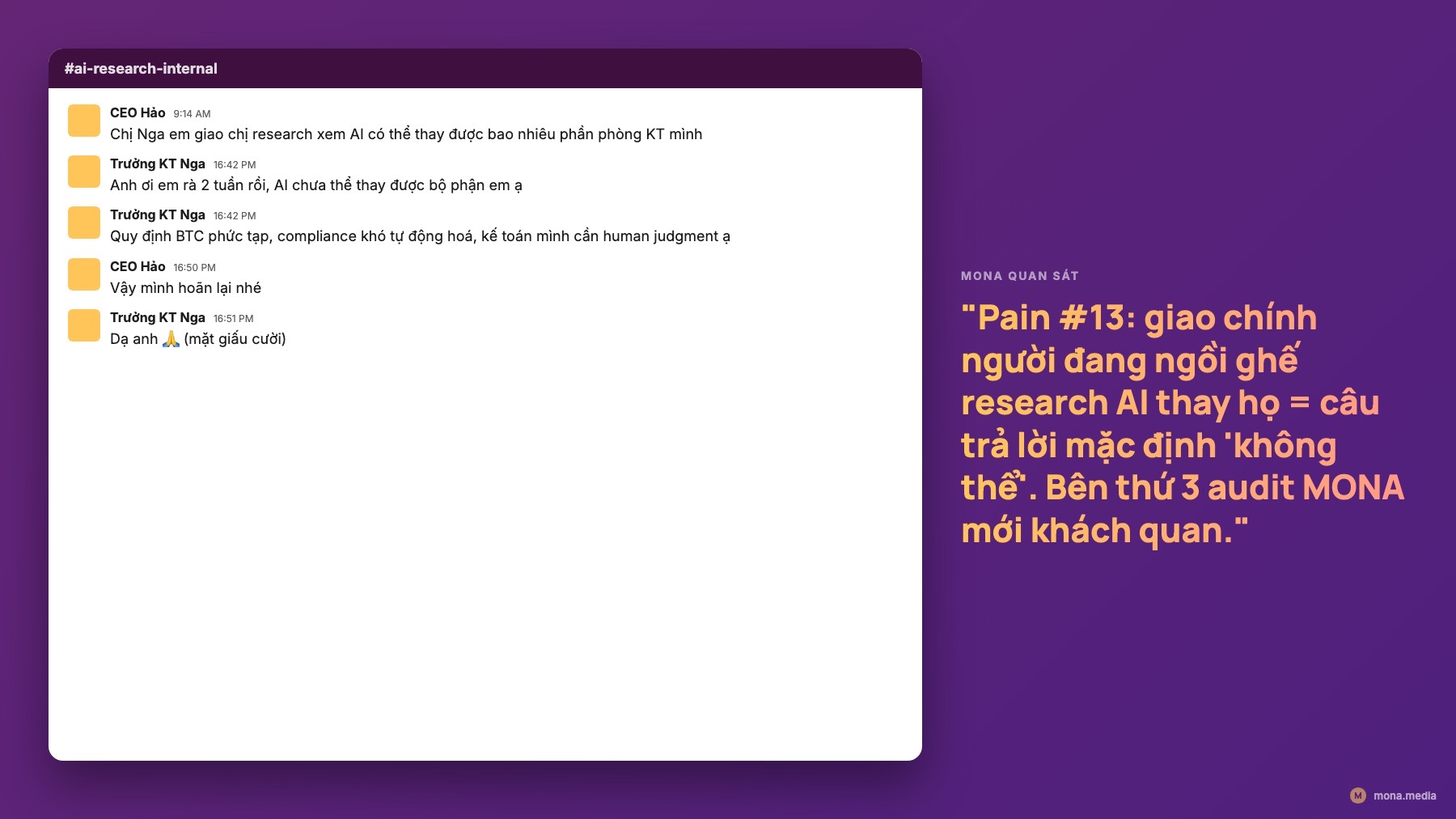
A familiar pain for Vietnamese mid-market business owners. You want to know how many people a 12-person accounting department could replace with AI. You hand the research to the chief accountant. 3 weeks later you get a report: “AI can't do anything useful yet, recommend keeping all 12 staff”. Do you believe that report?
This is a structural conflict of interest, not the chief accountant's fault. When people face the risk of losing their jobs, their default answer always leans toward “not feasible”. We have counted this pain as number thirteen on the list of 14 tier-1 pains of Vietnamese business owners that we have sat with over the past 18 months. Do you see yourself in this story?
A business AI audit is designed precisely to avoid this kind of conflict. A third party sits outside your company's pay structure. They do not lose their job whatever the conclusion, so they have a reason to answer honestly. It works like an independent accounting audit by Deloitte or PwC. A business AI audit is run by an automation software team with experience in 20-30 mid-market cases. For definitions and the framework, see What is AI-First and enterprise AI terms 2026.
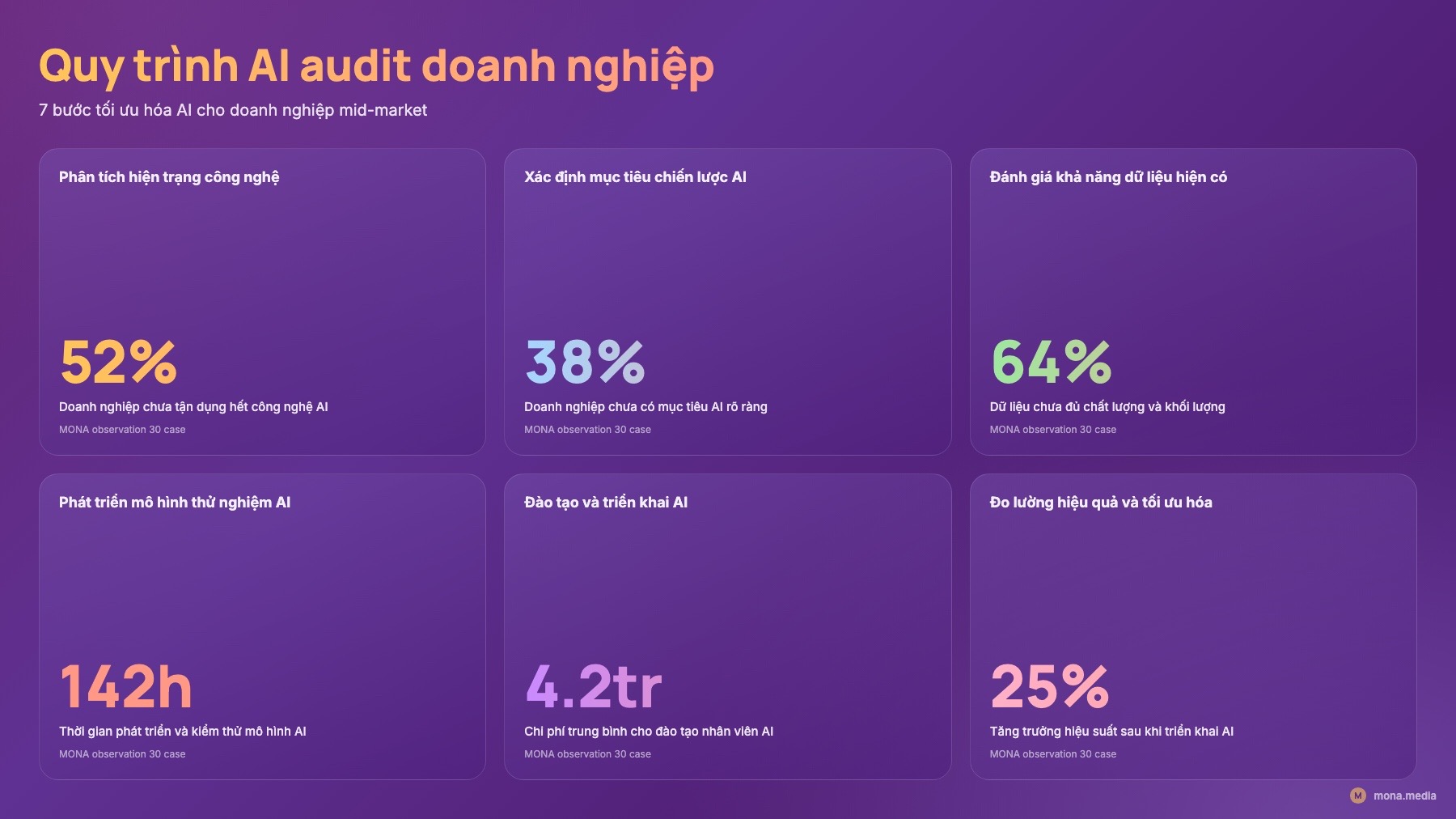
We distilled the 7-step process after auditing nearly 30 Vietnamese mid-market business owners over 18 months. Read through the 7 steps and see which step your business is at.
Step 1 is sitting down with you, the owner, and an outside CTO. No heads of the departments that will be audited are in the room. The goal: understand the business context, revenue, number of branches, headcount and industry. Step 2 is mapping the chain of work in the business. From input to output, how many tasks each department has. Step 3 is sorting each task into 4 groups: machine handles it entirely, machine handles most of it with human supervision, machine assists and a human decides, and humans handle it entirely. Step 4 is calculating the numbers for each task: frequency, average time, staff cost. Step 5 is ranking by return on investment, with tasks that pay back in under 6 months first. Anything saving over 80 hours a month goes into the top 3. Step 6 is writing the report with the full task-person-machine table. Step 7 is presenting back to you, the owner, and the board, and not presenting to the department heads who will be affected at the same time.
See also the article case: 30 businesses MONA has automated, part 1. It shows how these 7 steps work in practice. Cross-check with using AI in business to see each specific type of task.
Steps 3 and 6. Classifying tasks in step 3 often draws a reaction from department heads. The conclusion “machine handles it entirely” lands on 5-8 tasks in their department. Step 6, the report, draws the same reaction. The numbers suddenly become transparent: department X has 14 tasks. Machines can handle 8, and the business saves 380 million VND a month if it switches to automation software. That is why step 7, presenting the results, must go to you, the owner, and the board first, and department heads after. They are offered a retraining path, not a sudden job-cutting path.
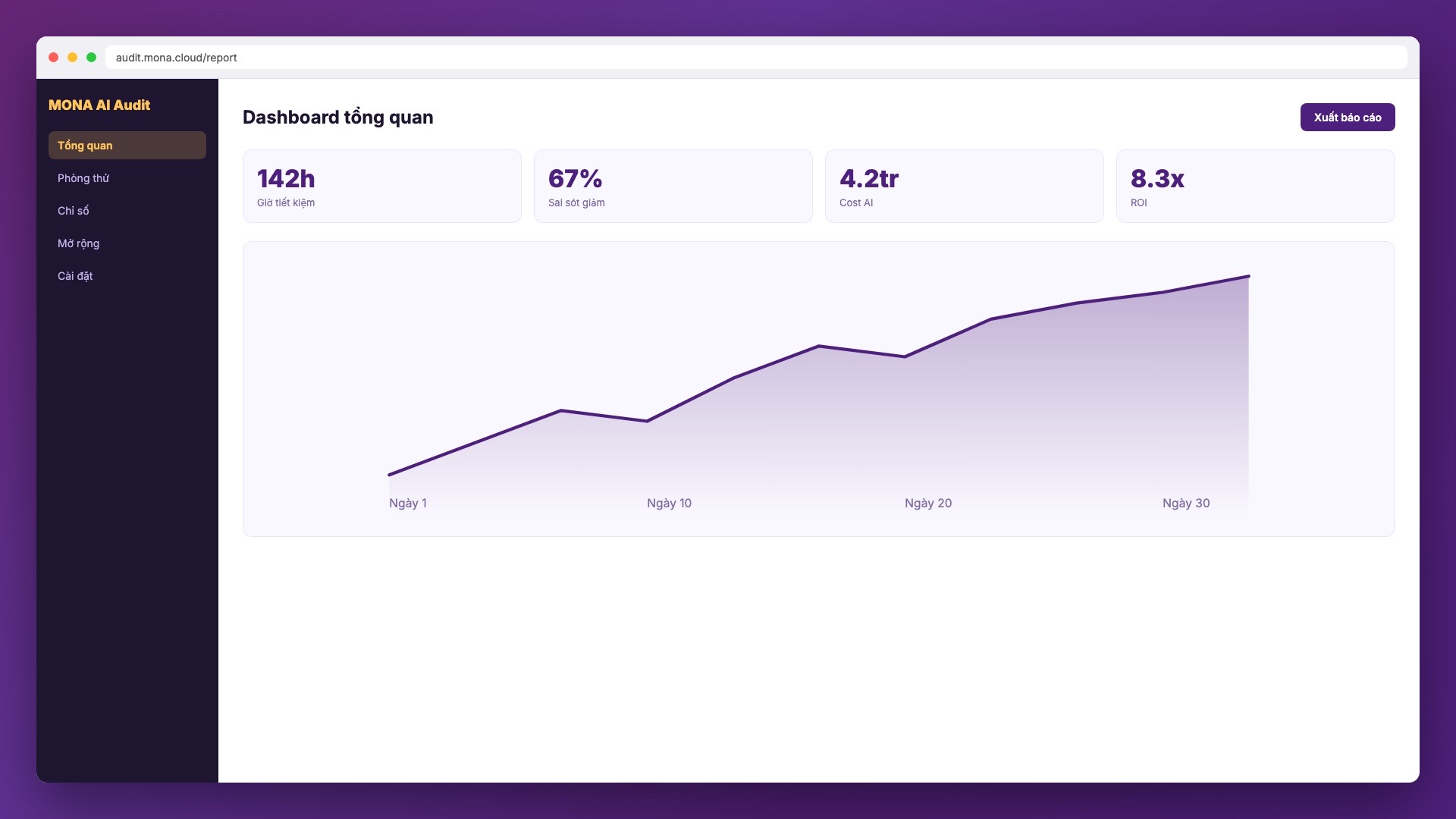
The task-person-machine table is the final result of a business AI audit. It has 7 main columns. Column 1 is the task name. Column 2 is the department in charge. Column 3 is monthly frequency. Column 4 is the average time per run. Column 5 is the 4-group classification of how much the machine handles. Column 6 is the estimated cost to switch to automation. Column 7 is the payback time.
Here is one real row from a task-person-machine table for a spa chain with 28 branches across HCMC, Hanoi and Da Nang, with revenue of about 52 billion VND a month, which we audited in 2025. Task: reminding customers about after-service care. Department: customer care. Frequency: 4,200 calls a month. Average time: 2.5 minutes per call. Classification: machine handles it entirely through a Vietnamese callbot and Zalo messages. Build cost: 180 million VND one-off. Payback: 2.7 months, then it saves 4-5 back-office staff every month.
A full task-person-machine table for a mid-market chain usually has 80-160 rows. One look at that table tells you where the whole business stands. This is the result of a business AI audit that we always hand to you, the owner, first. Before recommending any automation software. Cross-check the task structure at using AI in business and What is AI-First.
We have seen this 18 times in nearly 30 audit cases. The owner of an education chain asked the training director to research whether AI could replace teaching assistants. The deputy director concluded “AI can't replace teaching assistants yet because it can't handle complex classroom situations”. The owner half-believed that report and half doubted it, and the AI budget was pushed back 6 months.
Then MONA came in for an independent audit. We found that 4 of the 7 teaching assistant tasks could be handled entirely by machine: class schedule reminders. Grading multiple-choice tests and compiling weekly scores for parents. Answering basic academic questions over Zalo. Across the 18-campus chain, each teaching assistant could free up 3.5 hours of work a day. That saves about 240 million VND a month for the chain.
Do you see that if the audit had been given to the training department from the start, the result would have been “AI can't replace them yet” forever? This is not the deputy training director's fault. It is an incentive structure that forces the answer to lean one way. For more on analyzing this structure, see CEO sai AI and our article on 30-day roadmap for a CEO who got AI wrong.
We do not ask you to doubt the character of each department head. Most department heads we meet are honest people. But when the question is “can a machine do your job”, the human brain automatically switches on a protective mechanism. Ask 100 people and 100 will lean toward “no”. You avoid this not by finding a more straightforward department head, but by changing who answers: instead of asking the people involved, ask an outside third party.
If you audit internally you save the expert fee, but what do you burn? MONA will lay it out plainly. A department head assessing their own department defaults to “AI can't do it yet” for 80% of tasks = the AI budget is pushed back 6-12 months, losing 500-800 million VND of automation opportunity. Mid-level staff afraid of losing their jobs hide the easiest-to-automate tasks from the report = the task-person-machine table comes out 40-60% wrong, the software is built but doesn't cover the real pain, and you burn another 200-400 million VND on a second fix. Executives read the internal report, half believing and half not, and decide by gut at the board meeting = approving 8 scattered projects to keep the peace, no department reaches the finish line, and you lose another 1-1.5 billion VND over 6 months. Added up, a DIY internal audit = losing 1.5-2.5 billion VND over 18 months to build the wrong system. And it's not only money. We know you have tried many things (asking the chief accountant to research AI for accounting, the HR head to research AI for HR, the operations head to research AI for operations, building an Excel audit template to send to 8 departments and collect back, hiring an in-house AI expert full-time at 40 million VND a month). But it didn't work. An in-house AI expert sitting among department heads is still under pressure not to state a blunt conclusion. A structural conflict of interest can't be fixed by swapping people inside the same structure. MONA faces this conflict of interest for our own clients too: we sell automation software but still audit honestly and report honestly, and in 3 of 8 audit cases in 2024-2025 we recommended that the client did NOT need a large software package. The problem is not hiring one more mid-level AI expert. What you need is a third party outside your company's pay structure, with a reason to answer honestly, with 30 mid-market cases to compare against, who audits independently first and only then decides what to build. The audit is free and does NOT oblige you to buy software afterward.
We will say plainly how MONA handles the conflict of interest for our own clients. MONA sells automation software. If the audit concludes “your business doesn't need any automation”, we lose the client. That is the conflict of interest MONA has to face.
How we do it: in 8 of nearly 30 audit cases in 2024-2025, we ran the audit first. We wrote the report for the owner and only then decided whether to build any software layer. In those 8 cases, in 2 we concluded that only one software layer should be built, with no need for a large package. In 1 case we recommended light automation using Mona Software's existing software instead of custom development. In the other 5 cases we recommended the full automation software package and the client accepted.
One client, after reading the task-person-machine table, said: “MONA. We don't need a callbot layer, we only need an invoice reconciliation layer”. We built exactly that layer and sold nothing extra. 6 months later the client came back and ordered 4 more software layers after seeing the results of the first. This is how MONA builds long-term trust instead of rushing to sell a big package. Cross-check at case: 30 businesses MONA has automated, part 1 and What is AI-First.
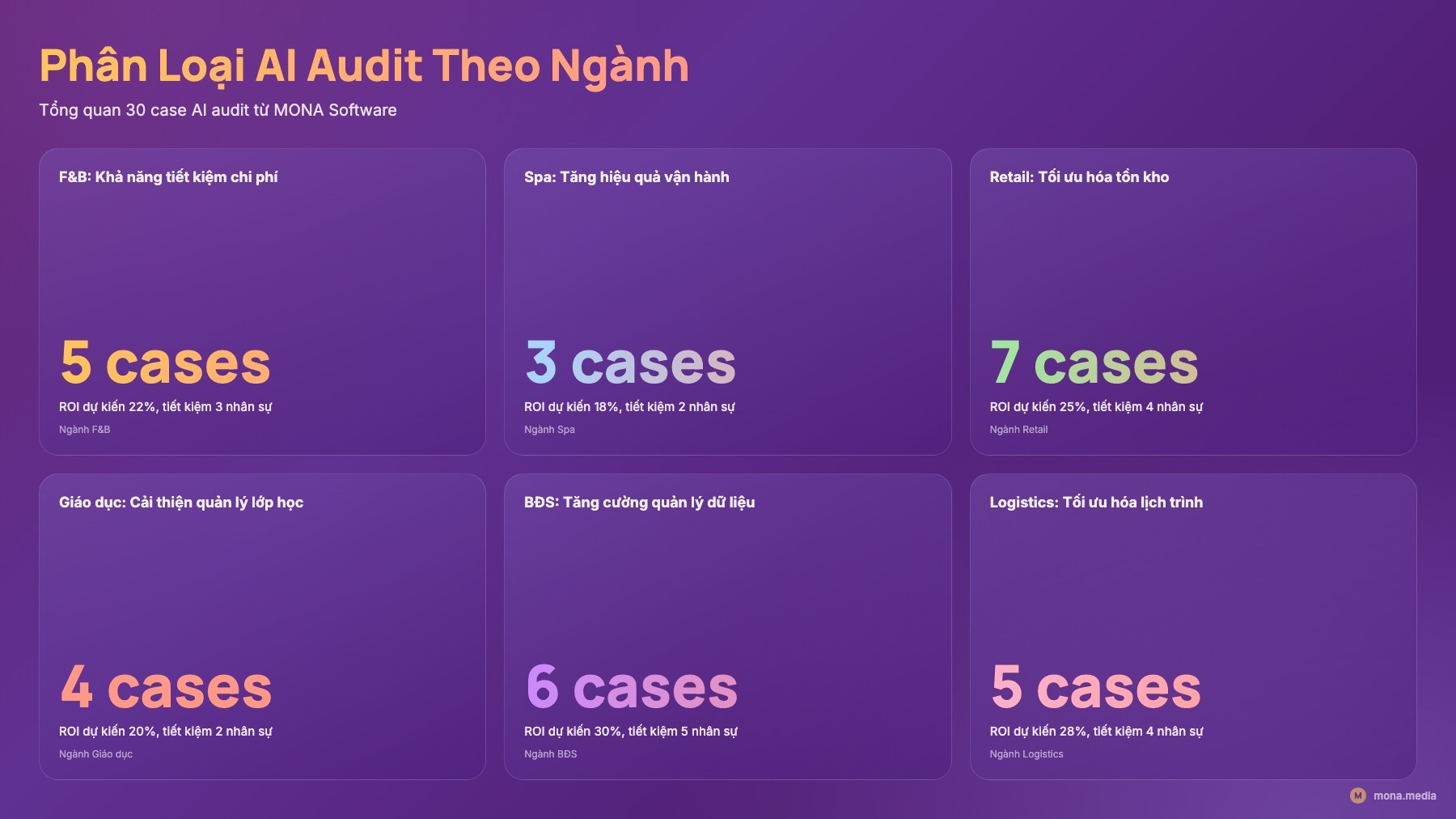
The 7-step business AI audit framework is not limited to one industry. We have run it in the 6 industries below with a similar structure, only changing the task list.
Chain retail with 20-50 branches. The audit focuses on 4 departments: branch operations, purchasing, customer care and accounting. The task-person-machine table usually has 90-130 rows. Tasks machines commonly handle: stock alerts. Supplier invoice reconciliation, and a Zalo chatbot answering customers 24/7.
Chain restaurants and food service with 20-50 branches. The audit focuses on branch operations, ingredient purchasing, table booking and accounting. The task-person-machine table usually has 70-110 rows. Tasks machines handle: a Zalo table-booking chatbot, a callbot confirming guests, and supplier payable reconciliation.
Education and training with 15-30 campuses. The audit focuses on admissions, training, academic affairs and accounting. The task-person-machine table usually has 80-120 rows. Tasks machines handle: an admissions advice chatbot and a callbot for class schedule reminders. Automatic grading of multiple-choice tests, and compiling scores to send to parents. See more industry products at Mona.Software and our article on mona.media automation blog.
Healthcare with a chain of 15-25 clinics. The audit focuses on reception, appointments, electronic medical records and health insurance accounting. The task-person-machine table usually has 60-100 rows. Tasks machines handle: a Zalo appointment-booking chatbot, a callbot reminding patients of follow-up visits, and automatic health insurance reconciliation.
Real estate with 5-12 offices and 80-150 agents. The audit focuses on marketing, the sales floor, after-sales and legal. The task-person-machine table usually has 70-100 rows. Tasks machines handle: lead scoring, and a callbot re-engaging cold leads. A Zalo chatbot answering 24/7, and automatic contract sending.
Manufacturing with 200-600 workers. The audit focuses on production, purchasing, warehouse and accounting. The task-person-machine table usually has 100-150 rows. Tasks machines handle: an automatic output dashboard. Order reconciliation, production line incident alerts, and automatic end-of-shift reports. Cross-check the product suite at Mona.Software and the infrastructure at Mona.Host. See the details in the article the AI-First handbook for businesses.
The first sign is at least 15 rows classified “machine handles it entirely”. That is enough for 3 different departments to hand work to machines in the very first quarter. The second sign is at least 6 rows with payback under 4 months. That is enough for you to present clear numbers at your first board meeting without being challenged. The third sign is total expected savings above 400 million VND a month for a business under 500 staff, or 800 million VND for a business with 500-1,500 staff. That level justifies the cost of building custom automation software from MONA, rather than using off-the-shelf tools. See these benchmarks in the article using AI in business. The enterprise AI terms 2026.
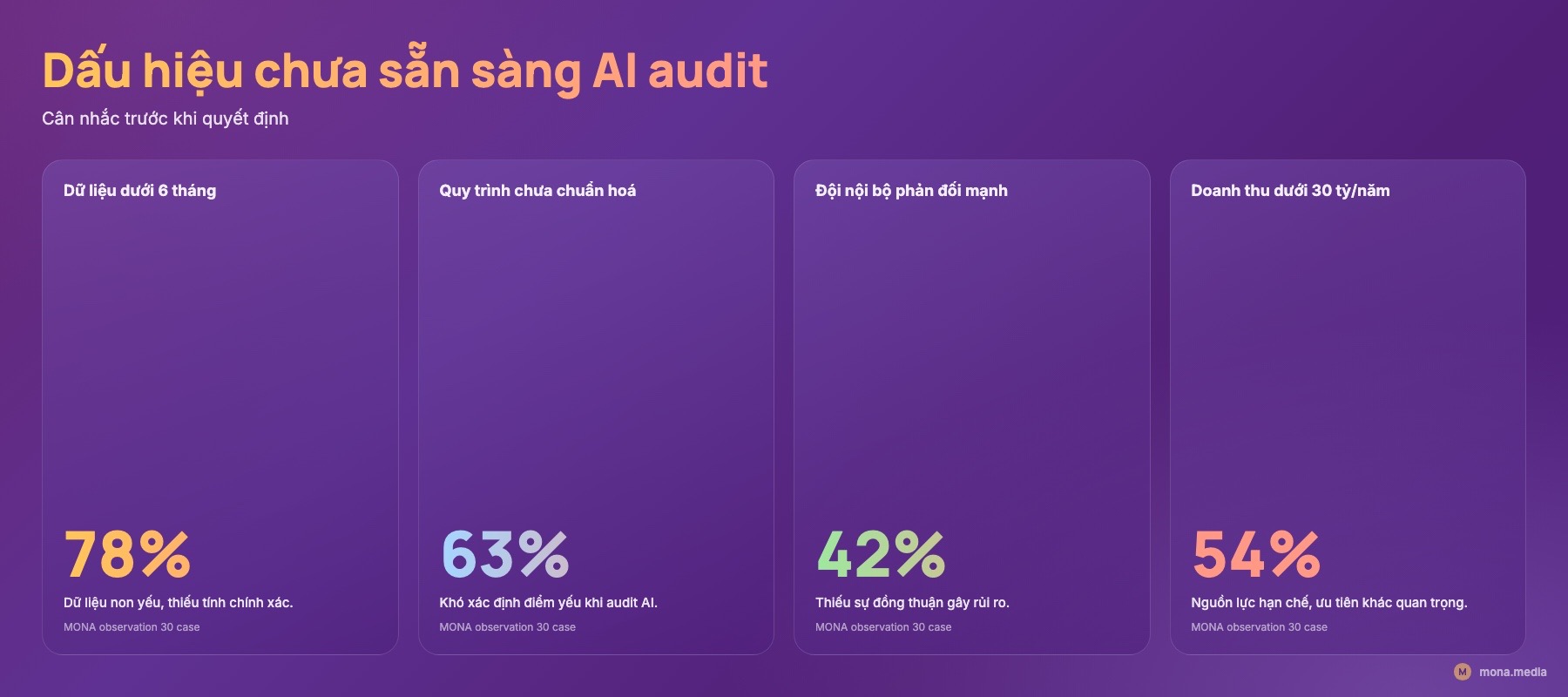
We will be straight with you. A business AI audit is not an exercise everyone should do this month. There are 3 cases where we recommend waiting 2-4 quarters before auditing.
The first case is a business growing fast at over 70% a year, with a core team that is not yet stable. An audit now easily produces a wrong task-person-machine table, because 6 months later the business will be completely different. The second case is a business that replaced most of its leadership team in the past 90 days. An audit now meets heavy resistance because the new team does not yet know the old business well. The old team leaves behind a mood of pushback. The third case is a business that went through a major layoff in the past 6 months. An audit now causes needless fear, and the remaining team worries about losing their jobs. The psychological impact outweighs the automation benefit. In these 3 cases, MONA recommends waiting 2-4 quarters for the business to stabilize, and then running the audit.
Chain owners who read this article usually split into 2 groups. Group 1 nods along, “yes, an independent audit really is smarter”, then goes back to asking the chief accountant to assess the accounting department for the third time, accepting “our company isn't ready to hire an expensive outside audit”, and treating it as something that will happen on its own after next quarter. Group 2 are the owners who, whether they run 15 sites or 50, immediately open their contacts to find a technical partner with at least 20-30 mid-market cases to request an independent audit, ready to postpone this round's AI budget proposal to wait for an independent task-person-machine table, ready to talk frankly with the board about the structural conflict of interest before deciding any figure, and ready to roll out decisively when the audit delivers results that shock both the executive team and the department heads. MONA (we also run a business of a similar size to yours, and have independently audited our own operations since April 20, 2026) belongs to group 2. We are fully confident we can deliver an independent task-person-machine table to group 2 owners. You are only a 45-minute call away. And it is free: a MONA specialist will sit down with you, the owner, and one board member (whether you run a chain of 10 branches or 50, have many long-serving department heads or a newly replaced team, clean data or scattered Excel-Zalo-Sheet files, have never audited or have failed twice at internal audits). The 7-step framework answers every case. The free audit does NOT oblige you to build software afterward, and comes with a sample task-person-machine table for your industry. Book by email info@themona.global. Because we have been bringing production-grade automation software to Vietnamese mid-market business owners for over 10 years, and in the past 18 months we have audited nearly 30 chain owners, with 3 of the 8 most recent audits concluding there is NO need for a large software package. See the details in the article the AI-First handbook for businesses.
Once you have the full task-person-machine table in hand, we suggest 3 next directions depending on the audit results. The first is for businesses with a solid operating foundation: prioritize 3 quick-win use cases. MONA builds a custom software layer in the next quarter. The second is for businesses with scattered data: clean the data first. Consolidate it into a central data warehouse, then build the software layer. The third is for businesses that already have legacy software: write an integration module with the legacy software. Replace it step by step, reducing migration risk.
If you are interested in the full 12-month roadmap from audit to AI-First, see the article on the 12-month AI-First roadmap for businesses along with the list. If you are interested in the 30-day framework, business owners can start with 30-day roadmap for a CEO who got AI wrong and CEO sai AI. If you are interested in industry automation software suites, see Mona.Software, for infrastructure see Mona.Host. Mona Cloud, for internal training see Khánh Hùng Academy and SkillHub Mona Academy. Cross-check global benchmarks at McKinsey QuantumBlack. Stanford AI Index and the AI audit case on chatbot risk at Klarna AI rollback.
Do you feel your business needs an independent task-person-machine table first, before deciding on an automation software investment? Are you willing to hand the job of assessing whether AI can replace work to an outsider, instead of the very department that holds that position? We at MONA believe Vietnamese business owners in 2026 are perfectly clear-headed enough to bring in an independent business AI audit before every big budget decision. That is how you start on the right foot.
A financial audit checks whether financial statements meet accounting standards. A business AI audit assesses which operational tasks machines can take over from people and what the ROI is. They are two completely different audits. MONA does the second kind, while financial audits are for the Big 4 or Big 6.
Conflict of interest. A department head assessing how many staff AI can replace will protect their own position. MONA is an outsider with no personal stake and gives an objective assessment. This is the core reason Deloitte, KPMG and EY exist in financial auditing.
Step 1 is interviewing the leadership team. Step 2 is observing the real process in each department. Step 3 is building a list of current tasks. Step 4 is scoring how automatable each task is. Step 5 is calculating ROI for each use case. Step 6 is prioritizing the rollout. Step 7 is reporting and presenting to the board.
The output is a detailed Excel task-person-machine table with a dashboard. Each task has columns for the share a machine can handle, time saved per month, setup cost and monthly ROI. You take this table into the board meeting to decide a 12-24 month budget, instead of deciding by gut feeling.
It ranges from 80-250 million VND depending on size. A chain with 200-300 staff costs about 80-120 million VND, 300-500 staff 150-200 million VND, and over 500 staff 200-250 million VND. The audit takes 3-6 weeks. This cost is usually under 5% of the rollout budget that follows. It helps you avoid the mistakes 80% of businesses run into.

CEO & Founder · The MONA
The founder of The MONA built a service company of 60+ staff with 14,000+ projects delivered. Khánh Hùng shares his thinking on building self-running systems, automating a business, and the real lessons behind MONA's projects.
 224




Professional website
design services
Own a website with a beautiful, 100% exclusive design and a lifetime warranty, with the ability
to expand features flexibly as your business grows, starting today!






 MONA will never sell your information or send you spam


 MONA will never sell your information or send you spam
