
 MONA OS 2.0
 Partner with MONA


 Tự động hoá doanh nghiệp
 Cẩm nang SEO
 Digital Marketing
 Kinh nghiệm thiết kế website
 Hạ Tầng Server
 Giáo dục


 VI
 EN










Message us on
Zalo Official


 ProductsNew

 ProductsProducts
 Mới ra mắtKHA AI 2027App tự edit video, tự đăng mọi mạng xã hội, 2 phút mỗi ngày










 Website designLooks good and wins customers over.
SEO servicesBrings in customers searching for exactly what you sell.
 Tư vấn digital marketingKéo khách từ nhiều kênh, đo bằng số thật.
Corporate video productionVideos introducing your company, factory and team.
 NewAI video productionCompany story films made with AI.
 Custom software developmentCRM, ERP and HRM built for your business.
 Viết AI Agent theo yêu cầuĐặt riêng một trợ lý AI cho đúng việc của mình.
 Tư vấn chuyển đổi AIĐưa AI vào vận hành của cả công ty.
NewMONA LMSManagement for centers and schools.
MONA SkillHubInternal training for company staff.
 NHTQ systemEnd-to-end China–Vietnam shipping operations.
MONA JMSManagement for gold, diamond and pawn shops.
 MONA E-LearningA website with every feature you need to sell courses.
 How to sell online courses (course)More than 30 free lessons on selling courses on autopilot.
 MONA Cloudmonacloud.vnServers to get your apps and websites running.
 MONA Basemonabase.vnPostgres database, sign-in and file storage.
 MONA Mailmonamail.vnSend OTP, order and invoice emails from your software.
 MONA Paymonapay.vnAccept bank transfers via VietQR and notify your software when the money arrives.
 MONA eInvoiceComing soonIssue e-invoices that meet tax standards.
Gấu CườiTrả lời khách 24/7 trên web, Fanpage, Zalo và thu lead cho sale.
 Gấu TeleSalesGọi điện tư vấn, chăm khách như tổng đài viên thật.
Dê CườiTư vấn và chốt đơn cho shop ngay trong khung chat.
Gấu WebmasterNhắn nhóm Zalo là website được sửa xong.
 Gấu Pháp ChếSoạn hợp đồng, rà điều khoản trong vài phút.
 Gấu Báo GiáLên báo giá đúng mẫu và gửi khách ngay.
 AI chăm sóc khách hàngTheo dõi và giữ chân khách hàng cũ.
 Gấu Tuyển DụngLọc hồ sơ, hẹn lịch, phỏng vấn ứng viên.
 Mới ra mắt
KHA AI 2027
Xây kênh chuyên gia 2 phút mỗi ngày
Quay bằng điện thoại, AI tự edit video, tự đăng lên 16 nền tảng và tự trả lời bình luận, tin nhắn.
884.102lượt xem trên kênh CEO MONA sau 36 ngày
 Anh Khánh HùngCEO MONA đang dùng mỗi ngày
Xem app làm được gì
 AI
Gấu Cười MONA ĐANG TỰ XÀITrả lời khách 24/7 trên website, Zalo OA, Messenger và thu lead về cho sale.
Dê CườiChốt đơn bán lẻ và sàn: Shopee, TikTok Shop, web. Chăm cả khách sỉ, đại lý.
Gấu WebmasterCập nhật nội dung, tối ưu SEO website mỗi ngày.
Gấu TeleSalesGọi điện tư vấn, chăm khách như tổng đài viên thật.
Gấu Tuyển DụngLọc hồ sơ, hẹn lịch, phỏng vấn ứng viên tự động.
AI chăm sóc khách hàngGiữ khách cũ, cứu lead đã rớt cho phòng kinh doanh.
Gấu Pháp ChếSoạn hợp đồng, rà điều khoản trong vài phút.
Gấu Báo GiáLên báo giá đúng mẫu, gửi khách ngay khi có yêu cầu.
 Chuyển đổi AI toàn phầnGiải pháp tổng cho doanh nghiệp, 3 lớp triển khai.
 Viết AI Agent theo yêu cầuĐặt riêng một con AI gánh đúng nghiệp vụ của bạn.
 Custom softwareCRM, ERP and HRM with built-in AI automation.
 SEO & AEO thời đại AIĐược Google lẫn AI trích dẫn, không chỉ xếp hạng.
 Kiến thức AI cho doanh nghiệpBài phân tích, hướng dẫn ứng dụng AI vào vận hành.
 Free AI courses
 AI tools at work
App mới · KHA AI 2027
Xây kênh 2 phút mỗi ngày
AI tự edit video, tự đăng mọi mạng xã hội
Free consultation, 8am–10pm every day

18 March, 2023

Digital transformation is a process of change that directly affects every aspect of a business. It should start and end with the customer. In this article, Mona Media will help you understand the concept of digital transformation? You will also see the difference between two easily confused concepts, digital transformation and digitization, along with other topics around digital transformation.
Digital transformation is the process of integrating digital technologies into the different operations, culture and social aspects of a business, to meet the needs of a broad consumer market and changes inside the business itself.
Digital transformation takes a customer-based, digital-first approach to every aspect of a business, from business models to the customer experience to business processes and operations.
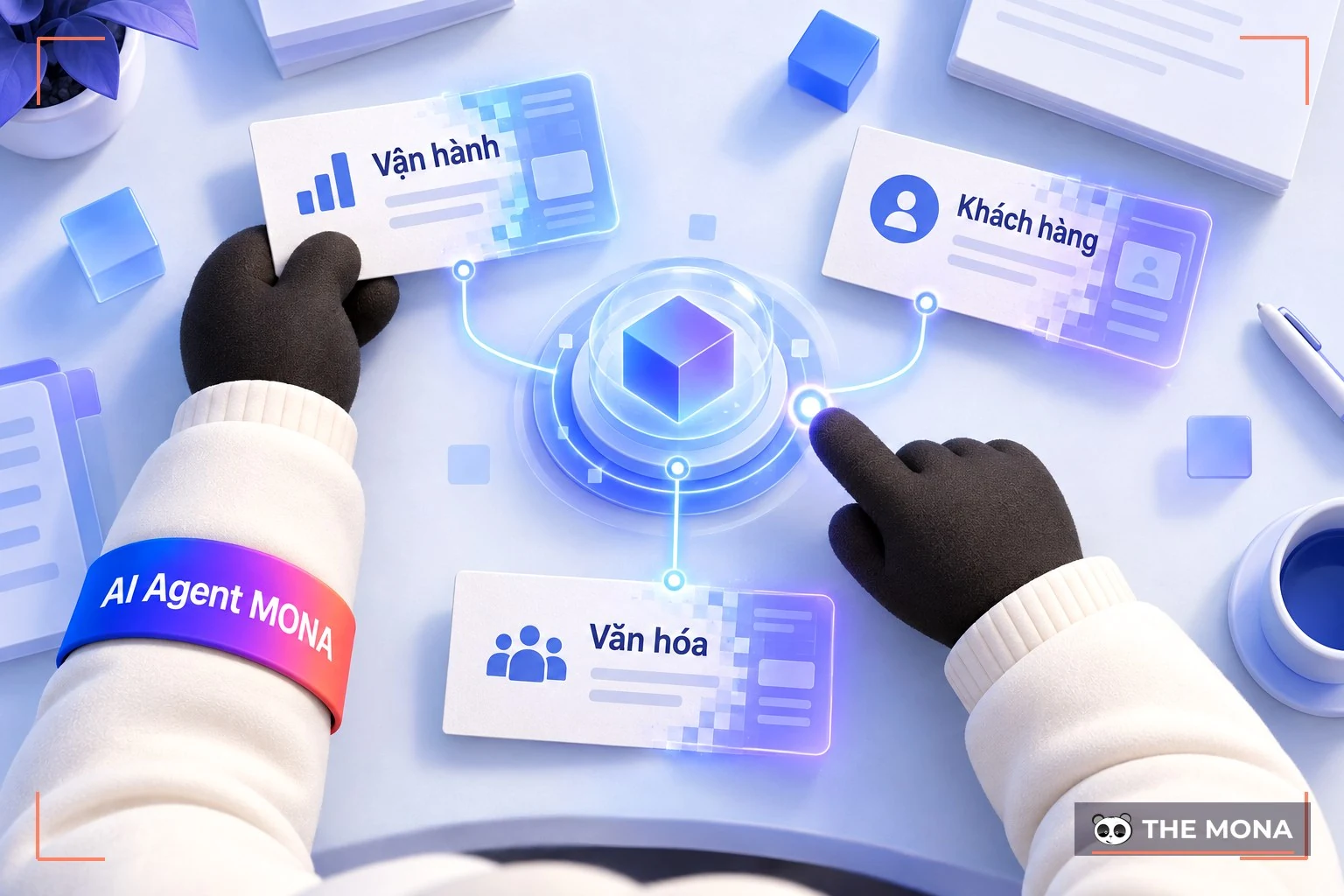
Digital transformation is not only about traditional roles such as sales, marketing or customer service. It should start and end with how a business thinks about and interacts with its customers. Moving from paper to spreadsheets to smart applications for managing operations is a chance to rethink how you do business, how you attract a broad customer base, and how you use modern technology across every activity.
The difference between digital transformation and digitization lies in people and lasting value. For digital transformation to be thorough, everyone in the business, from leadership to staff, needs to become more flexible and technology-literate.
Digital transformation creates lasting value. For that to happen, a business needs a long-term plan and plenty of time to work effectively. The process's sustainability shows in several ways, such as integration, convenient technology support and a customer-oriented way of operating.
Customer expectations are the main driver of digital transformation. They change over time, and businesses need to keep up with them to serve customers better.
Pioneers that disrupted traditional markets, such as Amazon and Netflix, won market share from competitors by applying these technologies to keep improving user experience. They rely on the words and context customers use when searching, their video viewing history and product searches to make personalized recommendations.
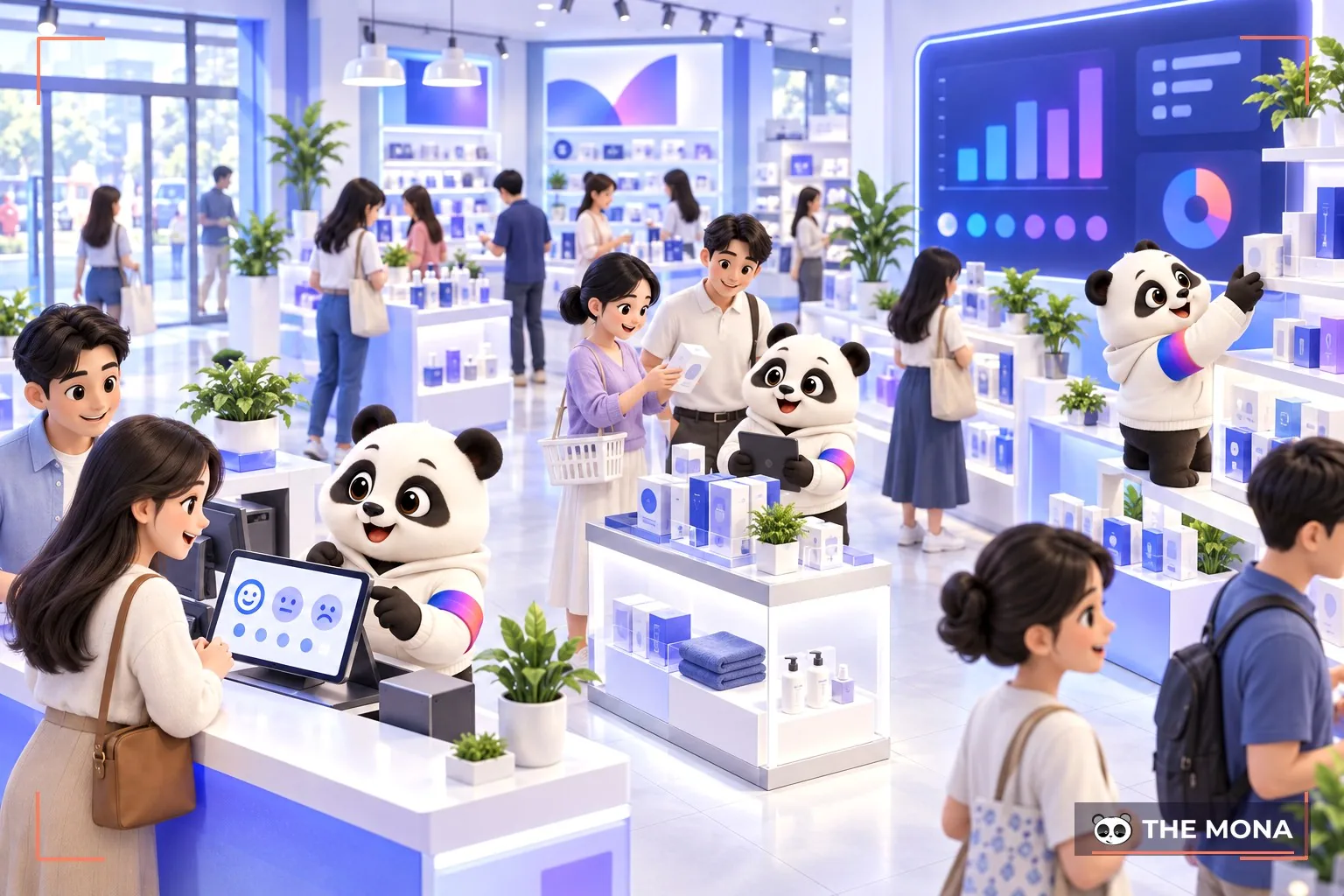
Leading the way in digital transformation helps a business make a lasting impression on consumers. What appears first is remembered deeply and fades slowly, even when others later offer similar things.
So before your competitors take the pioneer position, start adjusting to give customers a new experience. Customers expect to do all business digitally, anywhere and anytime, on any device, with all the supporting information and content they need.
You may also be interested in:
In 2020, the COVID-19 pandemic disrupted the digital transformation efforts and progress of many organizations and businesses. The impact varied with the level of transformation and the field of operation.
Suppliers learned how to bring new products to market quickly and effectively. Retailers competed hard to offer customers new and safer ways to shop. Business owners adopted or expanded technologies to manage staff working from home.
In general, digital transformation helps businesses to:
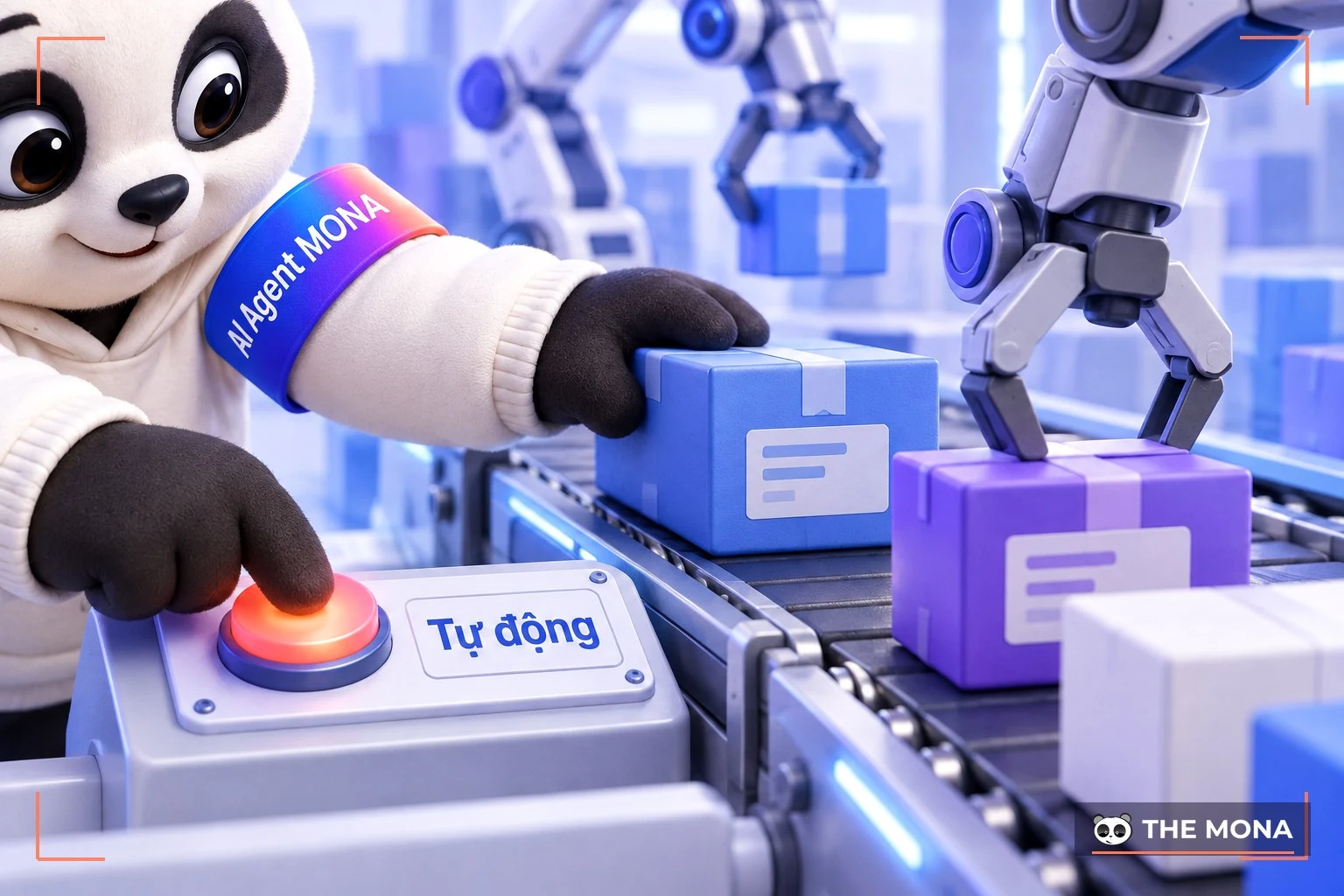
Artificial intelligence (AI) technologies let computers or machines mimic abilities of the human mind. AI helps recognize objects, make decisions and more.
Combined with automation, AI can bring intelligence and real-time decision-making into any workflow. This pushes things in a positive direction, for example by creating innovative smart products. User and customer experiences become more and more personalized. Workflows are optimized for supply chain management, managing variables and much more.
Hybrid cloud is a cloud computing infrastructure that connects on-premises IT resources, the public cloud (the standard cloud computing model) and a private cloud (dedicated virtual servers). A hybrid cloud can orchestrate and manage applications.
By creating a single, highly flexible cloud computing infrastructure that can run a huge workload, hybrid cloud delivers remarkably fast information processing, scaling and analysis of the information needed for digital transformation.
Microservices is a particular approach used to develop software systems. It focuses on building single-function modules with specific, clear interfaces and operations. Combined with other factors, microservices can drive digital creation or disruption. It lets organizations deploy software ready for users or ship updated product features every day.
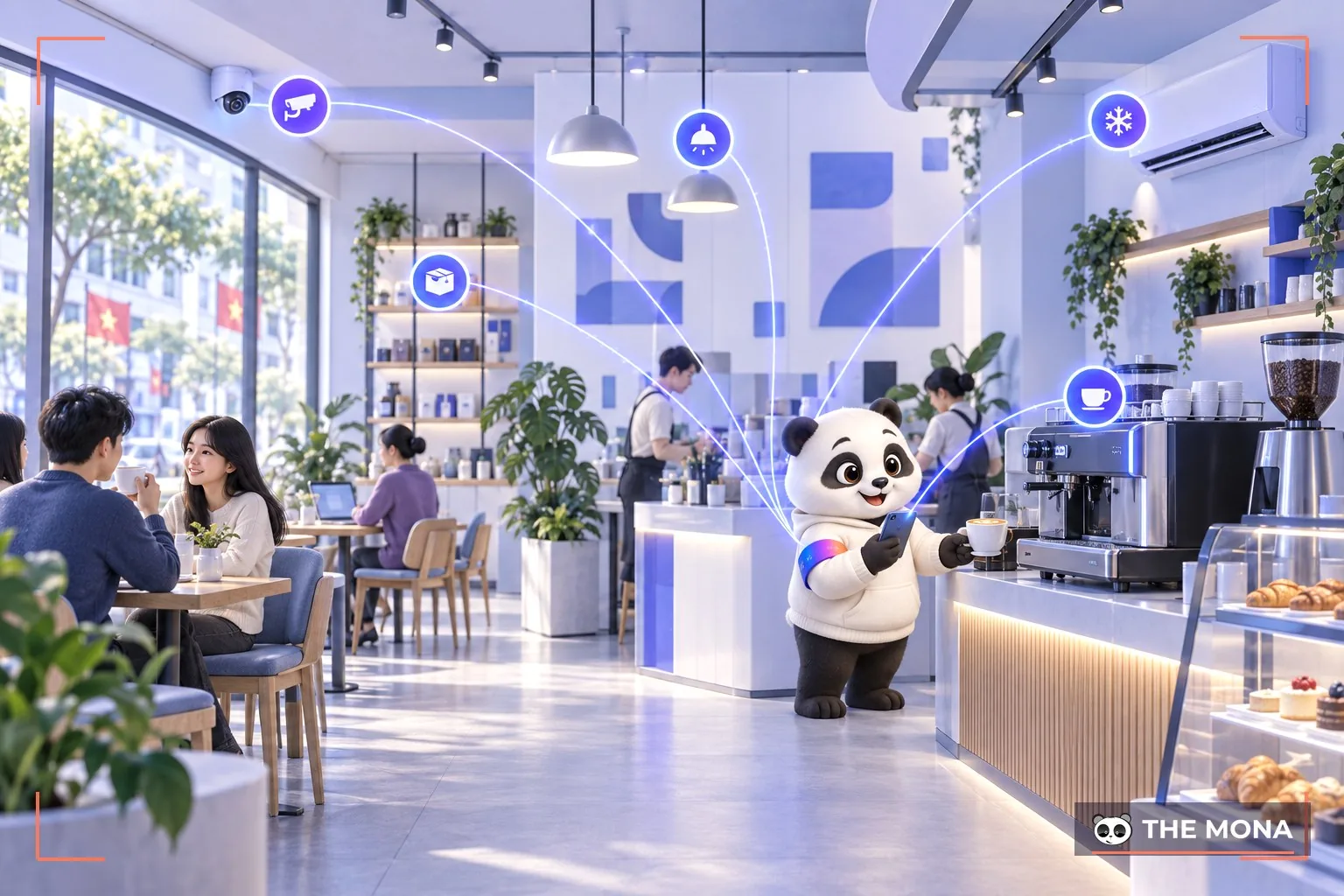
The Internet of Things in English is Internet of Things (IoT), which refers to billions of physical devices around the world connected to the internet, collecting and sharing data.
IoT devices are where digital technology is applied in practice. Applications such as supply chain logistics, self-driving cars and smart home controls generate real-time data to carry out automatic tasks (self-driving) or make decisions (avoiding obstacles on the road on their own).
Blockchain is a record of electronic transactions. It gives authorized users transparent information about all transactions and blocks unauthorized access. Organizations are using blockchain as the foundation for highly flexible supply chain transformations and cross-border financial services.
This article has covered what digital transformation is, why businesses today need to focus on it, and the key digital transformation technologies in use. We hope it adds to your understanding of what is digital transformation and the topics around this process.

CEO & Founder · The MONA
Founder of The MONA, who built a services company of 60+ staff with 14,000+ projects delivered. Khánh Hùng shares how he thinks about building systems that run themselves, automating a business, and the real lessons from delivering projects at MONA.
 1,5K




Professional website
design services
Own a website with a beautiful, 100% exclusive design and a lifetime warranty, with the ability
to expand features flexibly as your business grows, starting today!






 MONA will never sell your information or send you spam


 MONA will never sell your information or send you spam
