
 MONA OS 2.0
 Partner with MONA


 Tự động hoá doanh nghiệp
 Cẩm nang SEO
 Digital Marketing
 Kinh nghiệm thiết kế website
 Hạ Tầng Server
 Giáo dục


 VI
 EN













Message us on
Zalo Official


 ProductsNew

 ProductsProducts
 Mới ra mắtKHA AI 2027App tự edit video, tự đăng mọi mạng xã hội, 2 phút mỗi ngày










 Website designLooks good and wins customers over.
SEO servicesBrings in customers searching for exactly what you sell.
 Tư vấn digital marketingKéo khách từ nhiều kênh, đo bằng số thật.
Corporate video productionVideos introducing your company, factory and team.
 NewAI video productionCompany story films made with AI.
 Custom software developmentCRM, ERP and HRM built for your business.
 Viết AI Agent theo yêu cầuĐặt riêng một trợ lý AI cho đúng việc của mình.
 Tư vấn chuyển đổi AIĐưa AI vào vận hành của cả công ty.
NewMONA LMSManagement for centers and schools.
MONA SkillHubInternal training for company staff.
 NHTQ systemEnd-to-end China–Vietnam shipping operations.
MONA JMSManagement for gold, diamond and pawn shops.
 MONA E-LearningA website with every feature you need to sell courses.
 How to sell online courses (course)More than 30 free lessons on selling courses on autopilot.
 MONA Cloudmonacloud.vnServers to get your apps and websites running.
 MONA Basemonabase.vnPostgres database, sign-in and file storage.
 MONA Mailmonamail.vnSend OTP, order and invoice emails from your software.
 MONA Paymonapay.vnAccept bank transfers via VietQR and notify your software when the money arrives.
 MONA eInvoiceComing soonIssue e-invoices that meet tax standards.
Gấu CườiTrả lời khách 24/7 trên web, Fanpage, Zalo và thu lead cho sale.
 Gấu TeleSalesGọi điện tư vấn, chăm khách như tổng đài viên thật.
Dê CườiTư vấn và chốt đơn cho shop ngay trong khung chat.
Gấu WebmasterNhắn nhóm Zalo là website được sửa xong.
 Gấu Pháp ChếSoạn hợp đồng, rà điều khoản trong vài phút.
 Gấu Báo GiáLên báo giá đúng mẫu và gửi khách ngay.
 AI chăm sóc khách hàngTheo dõi và giữ chân khách hàng cũ.
 Gấu Tuyển DụngLọc hồ sơ, hẹn lịch, phỏng vấn ứng viên.
 Mới ra mắt
KHA AI 2027
Xây kênh chuyên gia 2 phút mỗi ngày
Quay bằng điện thoại, AI tự edit video, tự đăng lên 16 nền tảng và tự trả lời bình luận, tin nhắn.
478.781lượt xem trên kênh CEO MONA sau 24 ngày
 Anh Khánh HùngCEO MONA đang dùng mỗi ngày
Xem app làm được gì
 AI
Gấu Cười MONA ĐANG TỰ XÀITrả lời khách 24/7 trên website, Zalo OA, Messenger và thu lead về cho sale.
Dê CườiChốt đơn bán lẻ và sàn: Shopee, TikTok Shop, web. Chăm cả khách sỉ, đại lý.
Gấu WebmasterCập nhật nội dung, tối ưu SEO website mỗi ngày.
Gấu TeleSalesGọi điện tư vấn, chăm khách như tổng đài viên thật.
Gấu Tuyển DụngLọc hồ sơ, hẹn lịch, phỏng vấn ứng viên tự động.
AI chăm sóc khách hàngGiữ khách cũ, cứu lead đã rớt cho phòng kinh doanh.
Gấu Pháp ChếSoạn hợp đồng, rà điều khoản trong vài phút.
Gấu Báo GiáLên báo giá đúng mẫu, gửi khách ngay khi có yêu cầu.
 Chuyển đổi AI toàn phầnGiải pháp tổng cho doanh nghiệp, 3 lớp triển khai.
 Viết AI Agent theo yêu cầuĐặt riêng một con AI gánh đúng nghiệp vụ của bạn.
 Custom softwareCRM, ERP and HRM with built-in AI automation.
 SEO & AEO thời đại AIĐược Google lẫn AI trích dẫn, không chỉ xếp hạng.
 Kiến thức AI cho doanh nghiệpBài phân tích, hướng dẫn ứng dụng AI vào vận hành.
 Free AI courses
 AI tools at work
App mới · KHA AI 2027
Xây kênh 2 phút mỗi ngày
AI tự edit video, tự đăng mọi mạng xã hội
Free consultation, 8am–10pm every day

18 March, 2023

To succeed in business, analyzing competitors is one of the important steps a business cannot skip. It helps a business understand the market better and judge its competitiveness against rivals, and from there make marketing strategy and run the business effectively. So what is a competitor? How should competitor analysis be done? Let's Mona Media find out in the article below.
Competitors are businesses or organizations that operate in the same industry or offer products and services equal or similar to yours. They share the same business purpose and can compete directly or indirectly for customers and sales growth.
Competitive pressure from rivals pushes a business to improve its products and services, optimize costs and strengthen its marketing strategy to gain a competitive advantage.
Example of competitors
Coca-Cola and Pepsi are a classic example of business competition. These two giants dominate the market, compete with each other and leave almost no room for other brands to enter. Both make a soda-flavored product at similar prices, which makes it hard for customers to choose between them.

Coca-Cola is the leading beverage brand worldwide. With Coca-Cola Classic as its core product, it has built a diverse product ecosystem of many drinks such as Diet Coke, Sprite, Fanta and fruit juice products.
Pepsi has also developed other product lines such as Diet Pepsi, Mountain Dew, 7Up and Mirinda. Pepsi competes strongly with Coca-Cola and works to expand its market share with creative products and marketing campaigns.
Coca-Cola has one of the most successful marketing and advertising strategies in its industry. It focuses on building a positive image and connecting with customers through creative ad campaigns, major sports and cultural events, and social campaigns.
Pepsi, meanwhile, has a similar marketing strategy but aims at a young, energetic and creative group of customers. It focuses on building a "cool" image and uses distinctive, creative ad campaigns to catch customers' attention.
Good competitor analysis helps a business understand its rivals and itself better. We see what competitors do well so your business can learn from it, and we see their limits so you can do better and adjust your tactics to fit your business and customers. Competitor analysis also helps you spot business opportunities in the market and the industry.
See also: How to identify your business's competitive advantage
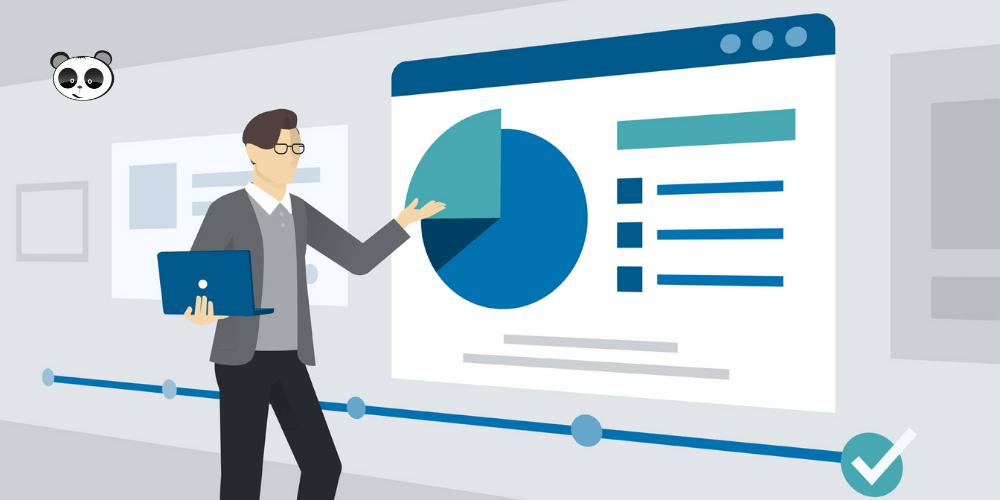
Competitor analysis brings a business several important benefits, including:
To identify which competitors are relevant enough to analyze, start with Google searches as well as the e-commerce sites popular ones related to your product and the business ideas you project.
Build the list by setting criteria for which businesses count as your competitors:
A varied list of competitors gives you a fuller picture. Aim for 7 to 10 relevant competitors before you pick the ones you want to analyze.

Channels where you can find information about competitors:
Next, evaluate each competitor against these criteria: market share, scale of operations, strengths, weaknesses, and the strategies they currently use.
Evaluating and researching competitors in detail helps your business set direction and choose strategies Marketing results.

Competitors can be grouped into different levels of competition:
To collect competitor information effectively, decide first which groups of information you need. You usually need these 5 groups after analyzing a competitor:

Once you have data on your competitor group, organize it in a table so it is easy to share and to update over time. Group the data by the criteria you want to compare, such as:
Depending on your purpose, choose one model or combine several. There are 5 popular analysis models in use today:

Once you have all the information you need, you have to present it clearly to your manager. Pull the information and analysis together into a complete competitor analysis report, from content to presentation.
A report with full information on your competitors helps the business set effective marketing and sales strategies, strengthen its position in the market and grow its market share in the future.
The most effective and detailed way to analyze competitors is to use analysis tools. Here are tools for competitor analysis and their standout features:

SEMrush is a website and SEO analytics tool used for keyword research, competitor analysis, rank checking and online marketing recommendations.
The tool gives detailed keyword data, including monthly search volume, competition level and related keyword suggestions, so you can find suitable keywords and plan Google Ads campaigns. You only need to select the keywords you want to rank for and set up each competitor.
SEMrush also lets you analyze your competitors, assess the level of competition and the keywords they use, so you can build effective marketing strategies.
Similarweb is an online market analysis tool that measures traffic and activity on a website. It lets you check a site's traffic, its keywords, the social media channels used to search for and reach that site, related sites and other traffic sources.

Similarweb also provides data on competing websites in the same industry, with metrics such as traffic, average time on page, average pages viewed and bounce rate.
With this, you can analyze your competitors and see the social media and advertising strategies they use to strengthen their position.
Google Analytics is a free website analytics tool used to track traffic and user behavior on a website. It is also one of the effective tools for Google Analytics analyzing competitors.

Here are some standout features of Google Analytics:

Ahrefs is a leading SEO and marketing tool that helps you research keywords, analyze backlinks and track website metrics. Ahrefs offers a range of powerful features, including:
Alexa is a website analytics tool used to evaluate and compare websites based on traffic and other metrics. It was developed by Amazon and offers features such as:

Alexa also offers other tools for researching markets and competitors and analyzing keywords and links related to your field of business.
Here are a few things to keep in mind before you start analyzing competitors:
Competitor information is data collected over a long period, and competitors keep changing and growing. So collecting data and information is an ongoing process, not something you do once and never repeat.
When you run the analysis matters a lot. Competitors make their moves at different points in time.
So to get accurate, useful results, choose the right time to run your analysis and keep updating the information, so your strategic decisions fit the current market.

If you gather your analysis without a direction or a specific end goal, the work gets much harder, because you end up sorting through a mess of information. Before you dig into research, decide what your analysis goal is and what you hope to learn about your competitors.
When you analyze competitors, it is important to be aware of your starting assumptions and check them against data, rather than relying on what you "believe" about your competitors.

If you are willing to invest in quality information, you can simplify the data collection around your competitive analysis. That lets you reach accurate conclusions faster, based on verified information.
What does a competitor analysis table give you?
A competitor analysis table is a very useful tool for helping businesses understand their market better and compete with their rivals. Its benefits include:
What do you need to learn about competitors?
To analyze competitors, a business needs to understand the following:
Besides analyzing competitors, a business needs a solid business plan that brings in profit. Take the full-scope SEO project for the website of Chỉ Phẫu Thuật CPT, carried out by Mona Media over 6 months. It brought the business 11.000+ ORGANIC TRAFFIC PER MONTH and 200+ new customers per day even though they had never done SEO before.

Contact Mona Media through the contact button below and bring in substantial revenue for your business.

That is everything you need to know before you start the analyzing competitors for your business. Invest the time and use the methods well, so the changes you make to your business strategy are as sound as they can be.
See also:

CEO & Founder · The MONA
The founder of The MONA built a service company of 60+ staff with 14,000+ projects delivered. Khánh Hùng shares his thinking on building self-running systems, automating a business, and the real lessons behind MONA's projects.
 1,5K




Professional website
design services
Own a website with a beautiful, 100% exclusive design and a lifetime warranty, with the ability
to expand features flexibly as your business grows, starting today!






 MONA will never sell your information or send you spam


 MONA will never sell your information or send you spam
