
 MONA OS 2.0
 Partner with MONA


 Tự động hoá doanh nghiệp
 Cẩm nang SEO
 Digital Marketing
 Kinh nghiệm thiết kế website
 Hạ Tầng Server
 Giáo dục


 VI
 EN














Message us on
Zalo Official


 ProductsNew

 ProductsProducts
 Mới ra mắtKHA AI 2027App tự edit video, tự đăng mọi mạng xã hội, 2 phút mỗi ngày










 Website designLooks good and wins customers over.
SEO servicesBrings in customers searching for exactly what you sell.
 Tư vấn digital marketingKéo khách từ nhiều kênh, đo bằng số thật.
Corporate video productionVideos introducing your company, factory and team.
 NewAI video productionCompany story films made with AI.
 Custom software developmentCRM, ERP and HRM built for your business.
 Viết AI Agent theo yêu cầuĐặt riêng một trợ lý AI cho đúng việc của mình.
 Tư vấn chuyển đổi AIĐưa AI vào vận hành của cả công ty.
NewMONA LMSManagement for centers and schools.
MONA SkillHubInternal training for company staff.
 NHTQ systemEnd-to-end China–Vietnam shipping operations.
MONA JMSManagement for gold, diamond and pawn shops.
 MONA E-LearningA website with every feature you need to sell courses.
 How to sell online courses (course)More than 30 free lessons on selling courses on autopilot.
 MONA Cloudmonacloud.vnServers to get your apps and websites running.
 MONA Basemonabase.vnPostgres database, sign-in and file storage.
 MONA Mailmonamail.vnSend OTP, order and invoice emails from your software.
 MONA Paymonapay.vnAccept bank transfers via VietQR and notify your software when the money arrives.
 MONA eInvoiceComing soonIssue e-invoices that meet tax standards.
Gấu CườiTrả lời khách 24/7 trên web, Fanpage, Zalo và thu lead cho sale.
 Gấu TeleSalesGọi điện tư vấn, chăm khách như tổng đài viên thật.
Dê CườiTư vấn và chốt đơn cho shop ngay trong khung chat.
Gấu WebmasterNhắn nhóm Zalo là website được sửa xong.
 Gấu Pháp ChếSoạn hợp đồng, rà điều khoản trong vài phút.
 Gấu Báo GiáLên báo giá đúng mẫu và gửi khách ngay.
 AI chăm sóc khách hàngTheo dõi và giữ chân khách hàng cũ.
 Gấu Tuyển DụngLọc hồ sơ, hẹn lịch, phỏng vấn ứng viên.
 Mới ra mắt
KHA AI 2027
Xây kênh chuyên gia 2 phút mỗi ngày
Quay bằng điện thoại, AI tự edit video, tự đăng lên 16 nền tảng và tự trả lời bình luận, tin nhắn.
883.362lượt xem trên kênh CEO MONA sau 36 ngày
 Anh Khánh HùngCEO MONA đang dùng mỗi ngày
Xem app làm được gì
 AI
Gấu Cười MONA ĐANG TỰ XÀITrả lời khách 24/7 trên website, Zalo OA, Messenger và thu lead về cho sale.
Dê CườiChốt đơn bán lẻ và sàn: Shopee, TikTok Shop, web. Chăm cả khách sỉ, đại lý.
Gấu WebmasterCập nhật nội dung, tối ưu SEO website mỗi ngày.
Gấu TeleSalesGọi điện tư vấn, chăm khách như tổng đài viên thật.
Gấu Tuyển DụngLọc hồ sơ, hẹn lịch, phỏng vấn ứng viên tự động.
AI chăm sóc khách hàngGiữ khách cũ, cứu lead đã rớt cho phòng kinh doanh.
Gấu Pháp ChếSoạn hợp đồng, rà điều khoản trong vài phút.
Gấu Báo GiáLên báo giá đúng mẫu, gửi khách ngay khi có yêu cầu.
 Chuyển đổi AI toàn phầnGiải pháp tổng cho doanh nghiệp, 3 lớp triển khai.
 Viết AI Agent theo yêu cầuĐặt riêng một con AI gánh đúng nghiệp vụ của bạn.
 Custom softwareCRM, ERP and HRM with built-in AI automation.
 SEO & AEO thời đại AIĐược Google lẫn AI trích dẫn, không chỉ xếp hạng.
 Kiến thức AI cho doanh nghiệpBài phân tích, hướng dẫn ứng dụng AI vào vận hành.
 Free AI courses
 AI tools at work
App mới · KHA AI 2027
Xây kênh 2 phút mỗi ngày
AI tự edit video, tự đăng mọi mạng xã hội
Free consultation, 8am–10pm every day

18 May, 2026

As online shopping behavior keeps changing, using AI in sales is becoming a trend many businesses care about to optimize operations and grow revenue more effectively. From automated customer care and personalized shopping experiences to user behavior analysis, AI is helping businesses save time, cut costs and noticeably raise conversion rates. AI is also no longer technology reserved for big corporations. Today, even SMEs can use AI to improve sales performance and become more competitive in the digital space. In this post, MONA Media will share practical and effective ways to use AI in online sales to help your business break through on revenue in the digital age. You can also read the view from an AI customer care assistant for a frame of reference.
▶ Watch Dê Cười close real orders (13-minute video)
If you want to look at the sales side on its own, read the post AI for sales teams . The machine carries the work, and sales only closes.
Within this set of solutions, MONA has its own AI sales chatbots Dê Cười, which handles consulting and closing orders automatically 24/7 for online shops.
▶ See AI online sales closing real orders on Shopee, TikTok Shop, website and fanpage
In recent years, AI is gradually becoming an important part of many businesses' online sales strategy. It doesn't just automate processes. AI also supports customer data analysis, optimizes work performance and improves order closing. With competition growing, using AI in sales is no longer a passing trend but a factor that helps businesses speed up and keep their edge in the digital space.

Many real figures also show that AI is having a clear impact on business operations and revenue.
Using AI in online sales is becoming a solution that helps businesses optimize their sales process, customer care and revenue. From task automation to user behavior analysis, AI helps businesses save time and become more competitive in the digital space.
Below are 15 ways to use AI in online sales that many businesses are putting in place today.

Instead of building a sales plan entirely on experience or gut feeling, AI helps businesses analyze real data to come up with a strategy that fits the market better. The AI tools can pull together sales data, customer behavior, industry trends and per-channel performance to find the best growth opportunities. AI works best once you have mapped out sales funnel, because only then do you know which stage a chatbot or a report belongs in.
This helps businesses use their resources better, allocate budget more efficiently and build sales plans that are more realistic.
Supporting AI tools:
In online selling, where conditions change constantly, fast and accurate decisions matter a lot. AI helps businesses track data in real time, from sales performance and customer behavior to key operating metrics.
Instead of waiting for manual reports, an AI system can analyze data on its own, spot problems and send timely alerts, so the business can adjust its strategy faster and reduce the risk of losing customers or revenue.
Supporting AI tools:
AI also helps businesses monitor and analyze competitor activity across channels such as their website, social media, rollout SEO services or online ads. With the data collected, a business can better understand competitors' content strategy, pricing, rollout trends and how customers respond to them.
Using AI in sales also helps businesses adjust strategy quickly, refine brand positioning and find a competitive edge that fits the market better.
Supporting AI tools:
Instead of spending hours filtering prospects by hand, businesses can now use AI in sales to automatically analyze behavior data, interaction history and each customer's level of interest. The AI system then scores and sorts leads so the sales team can focus on the customers most likely to convert.
This does more than improve sales efficiency. It also noticeably improves the business's close rate.

Supporting AI tools:
One benefit of AI in online selling is that it helps businesses analyze customer sentiment from reviews, comments and social media feedback. With natural language processing (NLP), AI can tell which feedback is positive, which is negative, and what customers care about most.
With that, a business can improve its products, raise service quality and deal early with issues that could hurt the customer experience and the brand image.
Supporting AI tools:
One of the most common uses of AI in online selling today is personalizing the user experience. AI can analyze preferences, purchase history and browsing behavior to suggest products, content or promotions that fit each customer.
Personalization that matches real needs raises conversion rates, improves the shopping experience and keeps customers coming back.

Supporting AI tools:
One benefit of AI in online selling is that it can automate customer care through chatbot AI. Beyond answering simple questions, modern chatbots can recommend products, help process orders and reply to customers in real time. Thanks to AI and large language models, chatbots now talk more naturally and understand conversation context better.
Using chatbot AI lets businesses offer support 24/7, take load off the customer care team and respond faster during online sales.
Supporting AI tools:
One current trend in AI for sales is helping businesses produce content quickly and better tuned for each platform. From product descriptions, marketing emails and social media posts to SEO-standard articles, AI can build content for each customer segment in a short time.
Besides saving content production time, AI can analyze content performance and suggest the right optimizations, helping businesses reach more people and convert better.
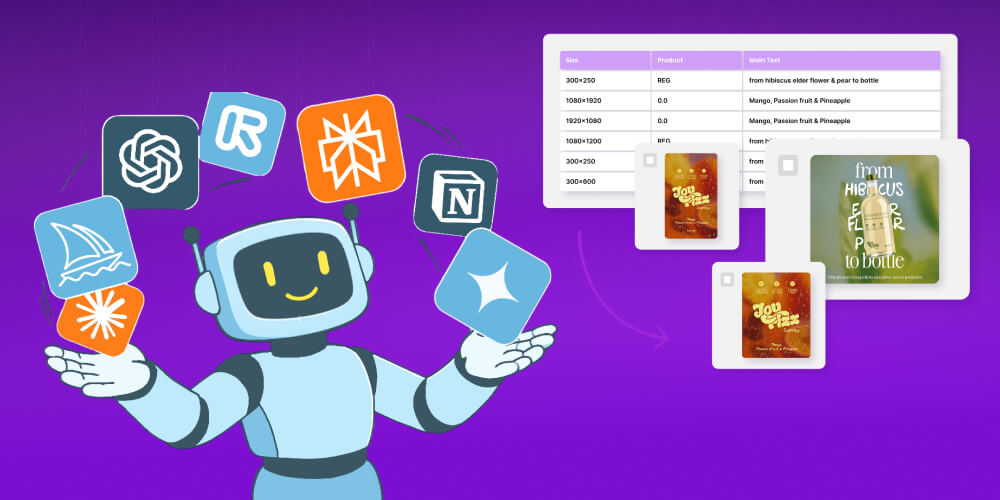
Supporting AI tools:
Beyond text, AI helps businesses create professional marketing images and video without high production costs. Many AI tools can now design banners, product images and short ad videos, or edit visuals, from just a few simple descriptions.
In particular, AI tools for making product sales videos are being used by many online sellers to quickly produce ad content for websites, social media and marketing campaigns, saving time while keeping the work creative and engaging.
Supporting AI tools:
AI is also changing how businesses do SEO and reach customers on search engines. Instead of researching by hand, AI can help analyze keywords, optimize content structure, check for SEO errors and suggest improvements more efficiently.
Especially now that AI Search and AI Overviews are growing, optimizing content so AI can understand it and prioritize showing it has become an important trend in modern SEO strategy.
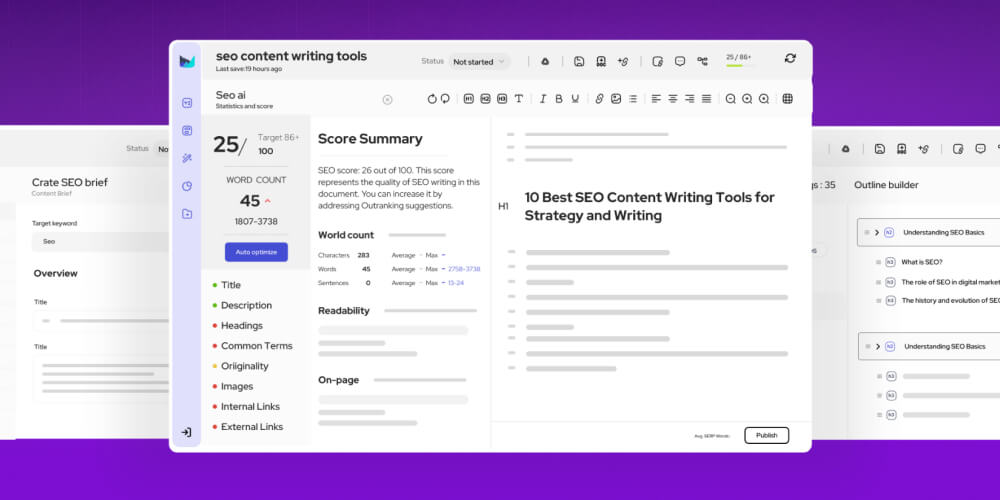
Supporting AI tools:
≫ SEO Perplexity get to the top fast, in full detail
One of the biggest benefits of applying AI to the sales process is automating repetitive work such as updating the CRM, qualifying leads, reminding reps of follow-ups or compiling reports. That lets the sales team spend more time advising customers and closing deals instead of handling manual tasks.
AI also helps businesses analyze customer data faster to make the right decision at each stage of the sales process. Combined with marketing support tools and AI tools for making product sales videos, businesses can improve sales performance and the customer experience.
Supporting AI tools:
AI helps businesses control inventory better by analyzing sales data, buying trends and how fast products turn over. The system can forecast restocking needs, warn when stock is low or flag products that have been sitting too long.
This helps businesses avoid stockouts and overstock, which cuts operating costs and improves cash flow management.
Supporting AI tools:
AI helps businesses forecast revenue better by analyzing past sales data together with current market trends. Instead of relying on gut feeling, businesses can plan and allocate resources more accurately based on real data.
Using AI for sales forecasting also helps businesses spot risks early, refine their business strategy and manage sales team performance better.
Supporting AI tools:
Many businesses today are looking for ways to apply AI in business to streamline sales, improve customer care and grow revenue. As the technology advances, AI tools keep getting more varied and can automate many important tasks in the digital environment.
Below are popular AI tools that many businesses use in online selling today.
|
Use case |
AI tool |
Key features |
|
Content and creative |
ChatGPT |
Creates varied content and helps write emails and sales scripts |
|
Midjourney |
Creates high-quality images for products and ads |
|
|
Canva AI |
Fast design with built-in image generation and smart editing |
|
|
Management and customer care |
HubSpot AI |
CRM with built-in AI, lead scoring, email automation |
|
Tidio |
AI chatbot and live chat for ecommerce |
|
|
Salesforce Einstein |
Enterprise AI CRM with predictive analytics and workflow automation |
|
|
Research and SEO |
Semrush AI |
Keyword research, competitor analysis, SEO audits |
|
Ahrefs AI |
Backlink analysis, keyword research, content explorer |
|
|
Perplexity |
Market research and checking whether AI cites your content |
|
|
Forecasting and analytics |
Clari |
Revenue forecasting and pipeline management |
|
Gong.io |
Sales call analysis and AI coaching |
≫ SEO ChatGPT: How to make your content easier for ChatGPT to cite
AI brings many benefits to online selling, but to roll it out well a business needs a sound strategy rather than just chasing technology trends. Applying AI the right way will streamline operations, grow revenue and build a better, longer-lasting customer experience.
Here are some key points businesses should keep in mind when applying AI to online selling:
As competition in the digital space keeps rising, applying AI in sales is no longer a passing trend. It is a way for businesses to streamline operations, improve the customer experience and grow revenue. But for AI to deliver its full value, a business needs to pick the right tools, roll them out in a way that fits its business model, and combine technology with people flexibly. Used the right way, AI becomes a strong “assistant” that helps a business compete better and grow revenue steadily in the digital age. We hope this article helps you better understand how to apply AI to online selling and find a rollout direction that fits your business in the near future.
AI sales support only works when it has something to plug into: your website must record customer behavior, carts and order history so the AI has data to advise from. A thin website gives only generic AI answers. To build a foundation with enough data for AI to run on, see MONA Media.

CEO & Founder · The MONA
Founder of The MONA, who built a services company of 60+ staff with 14,000+ projects delivered. Khánh Hùng shares how he thinks about building systems that run themselves, automating a business, and the real lessons from delivering projects at MONA.
 1,6K




Professional website
design services
Own a website with a beautiful, 100% exclusive design and a lifetime warranty, with the ability
to expand features flexibly as your business grows, starting today!












 MONA will never sell your information or send you spam


 MONA will never sell your information or send you spam
