
 MONA OS 2.0
 Partner with MONA


 Tự động hoá doanh nghiệp
 Cẩm nang SEO
 Digital Marketing
 Kinh nghiệm thiết kế website
 Hạ Tầng Server
 Giáo dục


 VI
 EN












Message us on
Zalo Official


 ProductsNew

 ProductsProducts
 Mới ra mắtKHA AI 2027App tự edit video, tự đăng mọi mạng xã hội, 2 phút mỗi ngày










 Website designLooks good and wins customers over.
SEO servicesBrings in customers searching for exactly what you sell.
 Tư vấn digital marketingKéo khách từ nhiều kênh, đo bằng số thật.
Corporate video productionVideos introducing your company, factory and team.
 NewAI video productionCompany story films made with AI.
 Custom software developmentCRM, ERP and HRM built for your business.
 Viết AI Agent theo yêu cầuĐặt riêng một trợ lý AI cho đúng việc của mình.
 Tư vấn chuyển đổi AIĐưa AI vào vận hành của cả công ty.
NewMONA LMSManagement for centers and schools.
MONA SkillHubInternal training for company staff.
 NHTQ systemEnd-to-end China–Vietnam shipping operations.
MONA JMSManagement for gold, diamond and pawn shops.
 MONA E-LearningA website with every feature you need to sell courses.
 How to sell online courses (course)More than 30 free lessons on selling courses on autopilot.
 MONA Cloudmonacloud.vnServers to get your apps and websites running.
 MONA Basemonabase.vnPostgres database, sign-in and file storage.
 MONA Mailmonamail.vnSend OTP, order and invoice emails from your software.
 MONA Paymonapay.vnAccept bank transfers via VietQR and notify your software when the money arrives.
 MONA eInvoiceComing soonIssue e-invoices that meet tax standards.
Gấu CườiTrả lời khách 24/7 trên web, Fanpage, Zalo và thu lead cho sale.
 Gấu TeleSalesGọi điện tư vấn, chăm khách như tổng đài viên thật.
Dê CườiTư vấn và chốt đơn cho shop ngay trong khung chat.
Gấu WebmasterNhắn nhóm Zalo là website được sửa xong.
 Gấu Pháp ChếSoạn hợp đồng, rà điều khoản trong vài phút.
 Gấu Báo GiáLên báo giá đúng mẫu và gửi khách ngay.
 AI chăm sóc khách hàngTheo dõi và giữ chân khách hàng cũ.
 Gấu Tuyển DụngLọc hồ sơ, hẹn lịch, phỏng vấn ứng viên.
 Mới ra mắt
KHA AI 2027
Xây kênh chuyên gia 2 phút mỗi ngày
Quay bằng điện thoại, AI tự edit video, tự đăng lên 16 nền tảng và tự trả lời bình luận, tin nhắn.
882.681lượt xem trên kênh CEO MONA sau 36 ngày
 Anh Khánh HùngCEO MONA đang dùng mỗi ngày
Xem app làm được gì
 AI
Gấu Cười MONA ĐANG TỰ XÀITrả lời khách 24/7 trên website, Zalo OA, Messenger và thu lead về cho sale.
Dê CườiChốt đơn bán lẻ và sàn: Shopee, TikTok Shop, web. Chăm cả khách sỉ, đại lý.
Gấu WebmasterCập nhật nội dung, tối ưu SEO website mỗi ngày.
Gấu TeleSalesGọi điện tư vấn, chăm khách như tổng đài viên thật.
Gấu Tuyển DụngLọc hồ sơ, hẹn lịch, phỏng vấn ứng viên tự động.
AI chăm sóc khách hàngGiữ khách cũ, cứu lead đã rớt cho phòng kinh doanh.
Gấu Pháp ChếSoạn hợp đồng, rà điều khoản trong vài phút.
Gấu Báo GiáLên báo giá đúng mẫu, gửi khách ngay khi có yêu cầu.
 Chuyển đổi AI toàn phầnGiải pháp tổng cho doanh nghiệp, 3 lớp triển khai.
 Viết AI Agent theo yêu cầuĐặt riêng một con AI gánh đúng nghiệp vụ của bạn.
 Custom softwareCRM, ERP and HRM with built-in AI automation.
 SEO & AEO thời đại AIĐược Google lẫn AI trích dẫn, không chỉ xếp hạng.
 Kiến thức AI cho doanh nghiệpBài phân tích, hướng dẫn ứng dụng AI vào vận hành.
 Free AI courses
 AI tools at work
App mới · KHA AI 2027
Xây kênh 2 phút mỗi ngày
AI tự edit video, tự đăng mọi mạng xã hội
Free consultation, 8am–10pm every day

18 May, 2026

AI in healthcare is becoming an important trend in modern medical care, especially as hospitals and clinics must handle ever larger volumes of data and need more accurate diagnoses. From supporting analysis of X-ray, CT and MRI images to early disease detection, medical record management and remote health monitoring, artificial intelligence is helping medical teams streamline the examination and treatment process and raise the quality of patient care more effectively.
In this article, MONA Media shares details on AI applications in healthcare, the real benefits this technology brings, plus the challenges and development trends ahead. Read on!
Vietnam is steadily pushing digital transformation in healthcare, especially the use of AI in hospitals, clinics and health care platforms. Major institutions such as Bach Mai Hospital, Cho Ray Hospital and Vinmec have begun bringing AI in to support imaging diagnosis, patient data management and operational optimization.
In addition, the growth of digital health startups is helping artificial intelligence in healthcare develop faster in Vietnam, especially in telemedicine solutions, health monitoring and support for doctors during treatment.
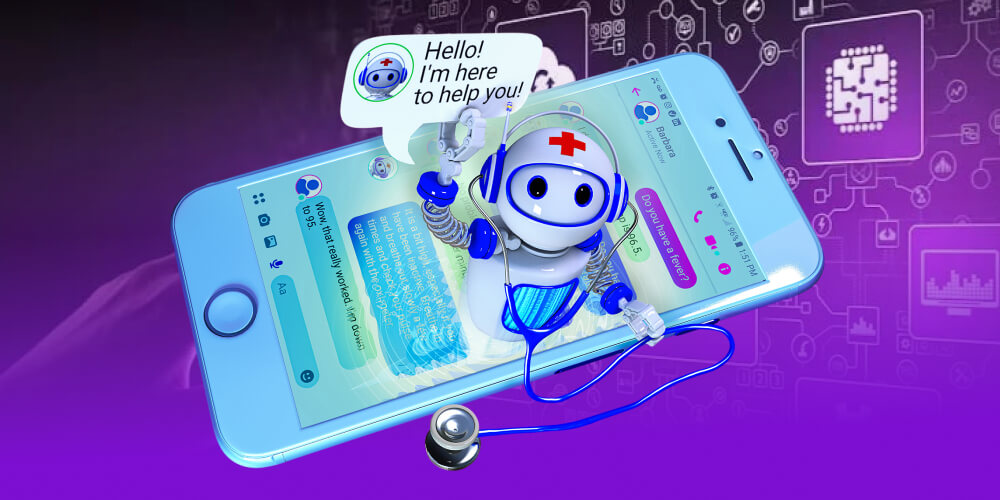
Today, AI in healthcare in Vietnam is being applied strongly in 4 main groups:
Although many challenges remain in data infrastructure and technical staffing, AI is considered one of the key technologies that will help Vietnam's healthcare sector improve the quality of care and operational efficiency in the future.
≫ How to using AI in sales online and break through on revenue
As healthcare increasingly needs to process large volumes of data and deliver faster diagnoses, applying AI is bringing many positive changes to hospitals, clinics and health care centers. Beyond supporting doctors in diagnosis, artificial intelligence in healthcare also streamlines operations, reduces manual workload and improves treatment quality for patients.
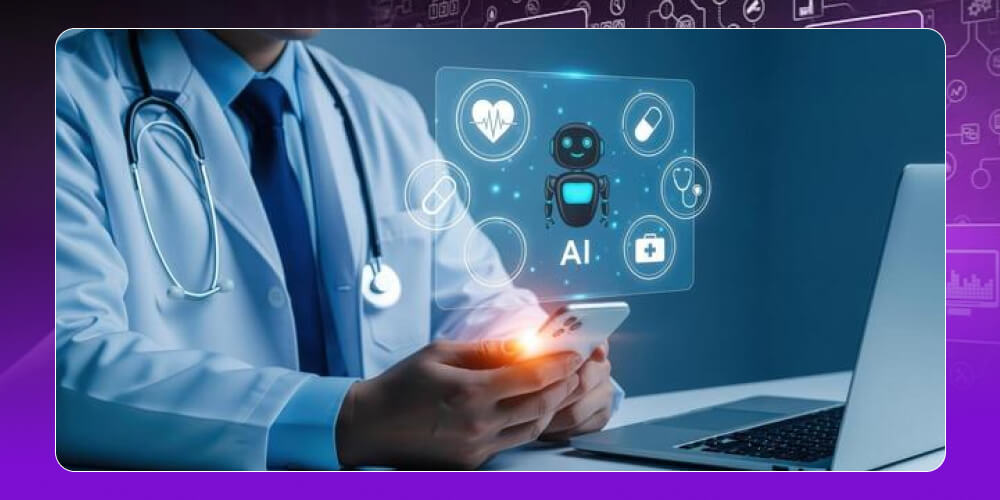
This is also why more and more organizations are interested in the benefits of AI in healthcare and see this technology as an important part of the digital transformation of medicine. Here are the core benefits of applying artificial intelligence in healthcare
AI does not replace doctors but plays a supporting role and extends their professional capabilities. Final clinical decisions still rest on human experience and expertise, while AI quickly processes large volumes of data that people could hardly analyze in time.
≫ AIO Checklist: How to optimize for AI Overviews effectively
AI is being applied ever more deeply across many specialties and stages of patient care, from initial diagnosis to long-term monitoring and treatment. Thanks to its fast and accurate data processing, AI in healthcare not only helps medical teams work more effectively but also improves service quality for patients. Below is a detailed analysis of the notable application groups making a clear impact in practice today.
AI disease diagnosis is the group of applications that uses machine learning and deep learning algorithms to analyze clinical data, symptoms and medical records, helping doctors identify and assess a patient's condition. Not every disease shows obvious signs at an early stage, and this is the gap that AI in healthcare is effectively helping to fill.
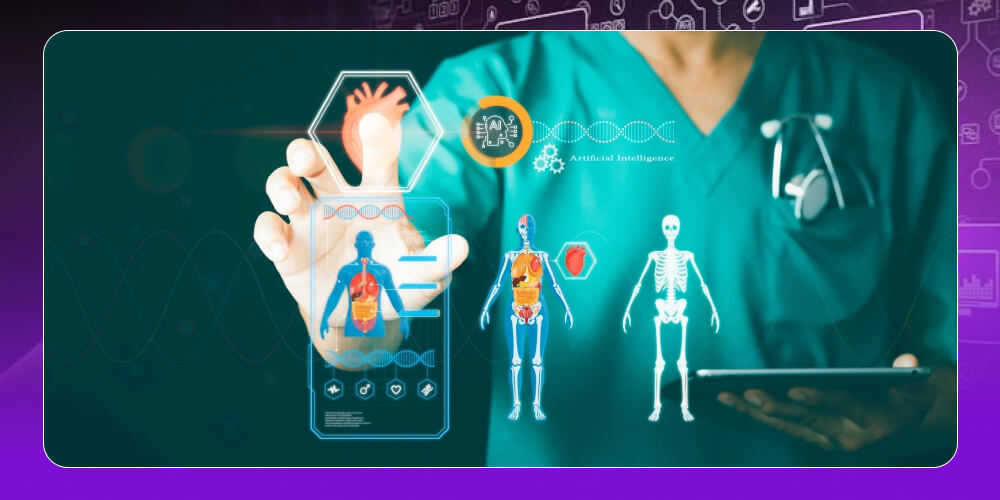
Clinical decision support systems can simultaneously analyze hundreds of factors such as test results, medical history, biochemical indicators or lifestyle habits to give early warnings or suggest suitable diagnoses. In practice, AI is being used to support early detection of diseases such as diabetes, chronic kidney disease and cardiovascular disease by tracking and analyzing data over time. As a result, doctors can detect abnormalities sooner and intervene in time, improving treatment outcomes for patients.
AI in medical imaging diagnosis is technology that uses artificial intelligence to automatically analyze image data such as X-ray, CT, MRI, ultrasound or endoscopy in order to detect early signs of abnormalities in the body. It is one of the most prominent applications of AI in healthcare today, thanks to its fast processing and high accuracy.
In Vietnam, organizations such as VinBigData have pioneered the use of AI in chest X-ray analysis, helping doctors detect lung diseases early, which is especially useful given the heavy pressure from patient numbers and a shortage of specialist medical staff.
AI medical imaging diagnosis works as follows:
The biggest advantage of AI in imaging diagnosis is its extremely fast processing and its ability to catch small lesions the human eye might miss, which is especially useful in hospitals with heavy workloads and high time pressure.
AI in treatment is not meant to replace doctors in prescribing or performing surgery, but mainly to help build personalized treatment plans, track disease progression and adjust therapy at each specific stage of the patient's illness. It is one of the AI applications in healthcare now delivering clear value in clinical practice. You can read more about the perspective on AI for customer care for a frame of reference.
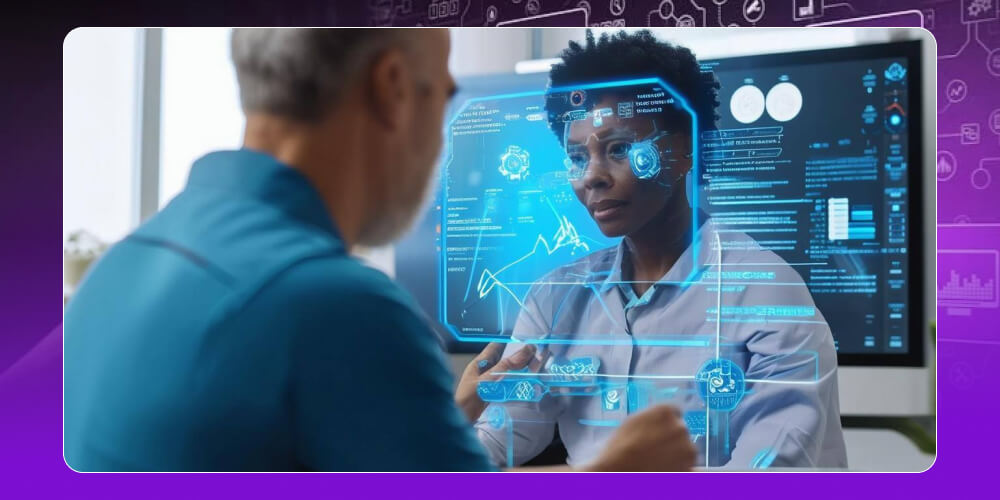
In oncology, AI can analyze genetic data and molecular characteristics of a tumor to suggest a suitable treatment method, based on millions of similar cases processed before. In surgery, AI-integrated robotic systems such as Da Vinci help surgeons perform more precise movements in tight spaces, reducing invasiveness and shortening recovery time for patients. AI is also used to optimize radiotherapy doses, monitor drug interactions and track the long-term effectiveness of treatment through continuous data.
AI in telehealth is a model that combines digital platforms, smart monitoring devices and data analysis algorithms to deliver medical services without being limited by geographic distance or time. It is an important direction for AI in healthcare, widening access to medical care, especially in rural, remote and mountainous areas.
Combined with AI applications in healthcare, telehealth goes beyond remote consultations to support continuous patient monitoring, early warning of abnormal signs and better treatment outcomes for chronic diseases.
Some common AI applications in telehealth include:
The biggest strength of this model is a continuous feedback loop between real-world health data and the medical team, enabling early risk detection and timely intervention instead of waiting for periodic check-ups.
AI in medical training and physician support is one of the important but less noticed directions in today's ecosystem of AI applications in healthcare. This technology raises training quality, improves practical skills, and supports doctors in their daily work.
For medical students, AI provides clinical simulation systems for practicing complex situations in a safe virtual environment before meeting real patients. AI also analyzes each decision made during training, points out weaknesses and proposes a better-suited personalized learning path.
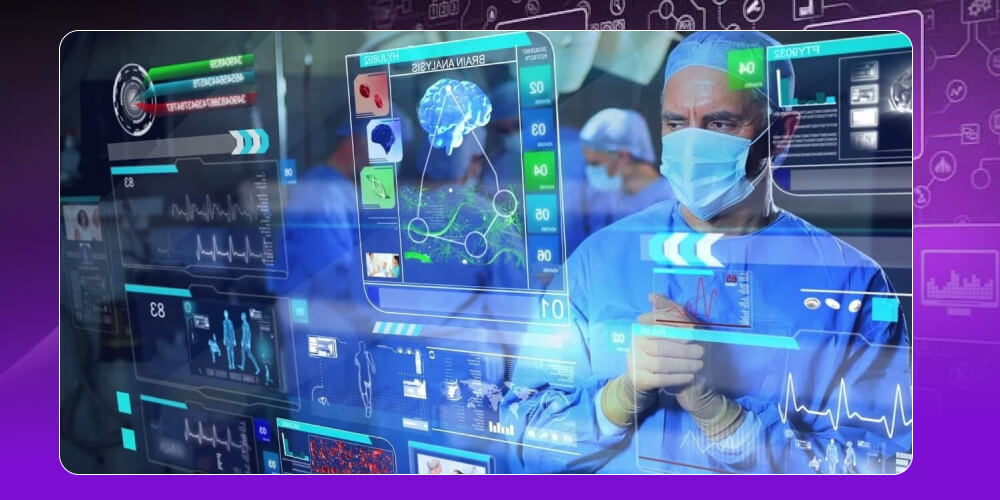
For practicing doctors, artificial intelligence in healthcare supports quick lookup of new treatment protocols, checking drug interactions and suggesting professional literature relevant to each specific case. This is especially useful as the volume of medical research grows faster than anyone can follow manually.
AI also supports automatic clinical documentation through speech recognition and data synthesis, reducing doctors' administrative workload so they can focus more on examination, communication and patient care.
≫ How to SEO Perplexity get to the top fast, in full detail
Applying AI in healthcare is opening up big opportunities, but in practice the process is far from simple. Alongside the potential to improve diagnostic quality and operations, healthcare facilities still face many barriers related to data, people, cost and the legal framework. These factors determine whether AI can be applied effectively and sustainably.
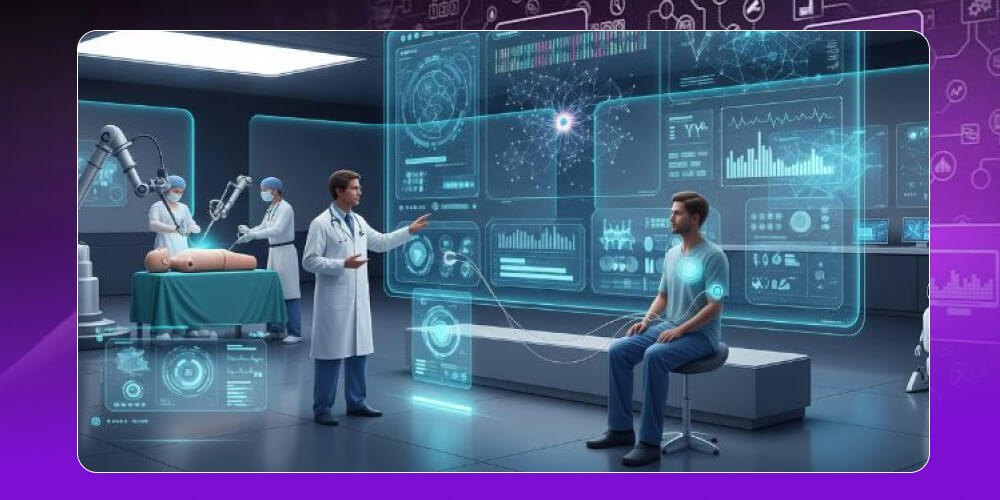
The main challenges of deploying AI in healthcare:
Overall, for AI in healthcare to succeed, medical facilities need not only the right technology but also a solid foundation of data, staff and deployment processes from the start.
In the coming years, AI in healthcare is expected to keep growing strongly and become an inseparable part of the modern healthcare system. The overall trend goes beyond supporting diagnosis or treatment toward proactive disease prevention, personalized treatment and seamless links between digital data and clinical practice.
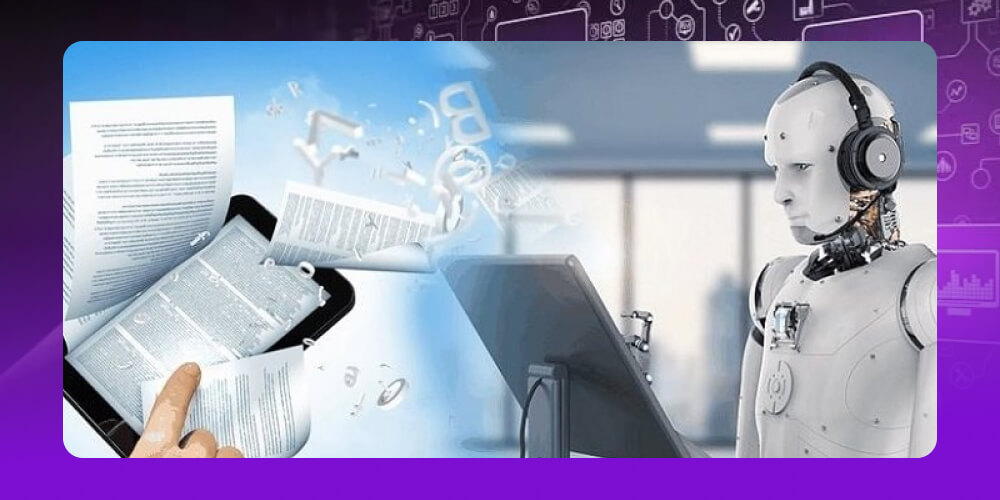
The development of artificial intelligence in healthcare will focus on the following main directions:
However, how fast AI grows in healthcare depends not only on the technology but also on data infrastructure, legal frameworks, patient trust and the capability of medical teams. Organizations that prepare well today will have a big advantage when the technology continues
AI in healthcare is no longer a distant future trend. It is already used in practice across many care activities, from diagnosis and treatment to hospital management and operations. Artificial intelligence in healthcare brings clear value in speed, accuracy and its ability to help medical teams handle ever-larger volumes of data.
However, for AI to deliver lasting results, rollout has to come with careful preparation of data, infrastructure, people and legal frameworks. Applied the right way, AI in healthcare does more than improve the quality of care. It also helps build a modern, efficient and more sustainable healthcare system over the long term.

CEO & Founder · The MONA
Founder of The MONA, who built a services company of 60+ staff with 14,000+ projects delivered. Khánh Hùng shares how he thinks about building systems that run themselves, automating a business, and the real lessons from delivering projects at MONA.
 1,5K




Professional website
design services
Own a website with a beautiful, 100% exclusive design and a lifetime warranty, with the ability
to expand features flexibly as your business grows, starting today!












 MONA will never sell your information or send you spam


 MONA will never sell your information or send you spam
