
 MONA OS 2.0
 Partner with MONA


 Tự động hoá doanh nghiệp
 Cẩm nang SEO
 Digital Marketing
 Kinh nghiệm thiết kế website
 Hạ Tầng Server
 Giáo dục


 VI
 EN






Message us on
Zalo Official


 ProductsNew

 ProductsProducts
 Mới ra mắtKHA AI 2027App tự edit video, tự đăng mọi mạng xã hội, 2 phút mỗi ngày










 Website designLooks good and wins customers over.
SEO servicesBrings in customers searching for exactly what you sell.
 Tư vấn digital marketingKéo khách từ nhiều kênh, đo bằng số thật.
Corporate video productionVideos introducing your company, factory and team.
 NewAI video productionCompany story films made with AI.
 Custom software developmentCRM, ERP and HRM built for your business.
 Viết AI Agent theo yêu cầuĐặt riêng một trợ lý AI cho đúng việc của mình.
 Tư vấn chuyển đổi AIĐưa AI vào vận hành của cả công ty.
NewMONA LMSManagement for centers and schools.
MONA SkillHubInternal training for company staff.
 NHTQ systemEnd-to-end China–Vietnam shipping operations.
MONA JMSManagement for gold, diamond and pawn shops.
 MONA E-LearningA website with every feature you need to sell courses.
 How to sell online courses (course)More than 30 free lessons on selling courses on autopilot.
 MONA Cloudmonacloud.vnServers to get your apps and websites running.
 MONA Basemonabase.vnPostgres database, sign-in and file storage.
 MONA Mailmonamail.vnSend OTP, order and invoice emails from your software.
 MONA Paymonapay.vnAccept bank transfers via VietQR and notify your software when the money arrives.
 MONA eInvoiceComing soonIssue e-invoices that meet tax standards.
Gấu CườiTrả lời khách 24/7 trên web, Fanpage, Zalo và thu lead cho sale.
 Gấu TeleSalesGọi điện tư vấn, chăm khách như tổng đài viên thật.
Dê CườiTư vấn và chốt đơn cho shop ngay trong khung chat.
Gấu WebmasterNhắn nhóm Zalo là website được sửa xong.
 Gấu Pháp ChếSoạn hợp đồng, rà điều khoản trong vài phút.
 Gấu Báo GiáLên báo giá đúng mẫu và gửi khách ngay.
 AI chăm sóc khách hàngTheo dõi và giữ chân khách hàng cũ.
 Gấu Tuyển DụngLọc hồ sơ, hẹn lịch, phỏng vấn ứng viên.
 Mới ra mắt
KHA AI 2027
Xây kênh chuyên gia 2 phút mỗi ngày
Quay bằng điện thoại, AI tự edit video, tự đăng lên 16 nền tảng và tự trả lời bình luận, tin nhắn.
883.362lượt xem trên kênh CEO MONA sau 36 ngày
 Anh Khánh HùngCEO MONA đang dùng mỗi ngày
Xem app làm được gì
 AI
Gấu Cười MONA ĐANG TỰ XÀITrả lời khách 24/7 trên website, Zalo OA, Messenger và thu lead về cho sale.
Dê CườiChốt đơn bán lẻ và sàn: Shopee, TikTok Shop, web. Chăm cả khách sỉ, đại lý.
Gấu WebmasterCập nhật nội dung, tối ưu SEO website mỗi ngày.
Gấu TeleSalesGọi điện tư vấn, chăm khách như tổng đài viên thật.
Gấu Tuyển DụngLọc hồ sơ, hẹn lịch, phỏng vấn ứng viên tự động.
AI chăm sóc khách hàngGiữ khách cũ, cứu lead đã rớt cho phòng kinh doanh.
Gấu Pháp ChếSoạn hợp đồng, rà điều khoản trong vài phút.
Gấu Báo GiáLên báo giá đúng mẫu, gửi khách ngay khi có yêu cầu.
 Chuyển đổi AI toàn phầnGiải pháp tổng cho doanh nghiệp, 3 lớp triển khai.
 Viết AI Agent theo yêu cầuĐặt riêng một con AI gánh đúng nghiệp vụ của bạn.
 Custom softwareCRM, ERP and HRM with built-in AI automation.
 SEO & AEO thời đại AIĐược Google lẫn AI trích dẫn, không chỉ xếp hạng.
 Kiến thức AI cho doanh nghiệpBài phân tích, hướng dẫn ứng dụng AI vào vận hành.
 Free AI courses
 AI tools at work
App mới · KHA AI 2027
Xây kênh 2 phút mỗi ngày
AI tự edit video, tự đăng mọi mạng xã hội
Free consultation, 8am–10pm every day

11 February, 2026
Have you ever searched on Google, seen the answer pop up on screen, and closed the tab right away? That is Zero-Click Search: a type of search where users get information directly on the results page without clicking any website. The trend is growing fast, with a clear consequence: many websites are seeing organic traffic drop even though their rankings are still good. Some even sit at #1 with few visits, because Google answered from the start with a Featured Snippet, Knowledge Panel, AI Overview or other summary blocks.
So what is Zero-Click Search, why has it surged in the AI era, and how do you do SEO so you stay visible on Google even when users don't click? Let's find out with MONA Media find out in this article.
Zero-Click Search is a type of search with no clicks: users get the information they need right on the Google results page without visiting any website. Instead of reading a full article, users take in the core information instantly through content blocks that Google summarizes, shortens or generates with AI.

The formats that usually cause Zero-Click Search include:
A common example of Zero-Click Search is when a user searches for “weather today”. Google instantly shows the full details, such as temperature, rainfall and hourly forecast, right on the results page, so the user never needs to visit a website. This is search behavior without clicks, where the need for information is met directly on the SERP.
≫ How to rank effectively from Google, latest for 2026
Zero-Click Search is not a random change. It is the natural result of how Google has redefined the search experience in the AI era. When the goal is no longer to “send traffic elsewhere”, Google prioritizes giving fast, accurate and complete answers right on the SERP. This forces SEO strategy to adapt to a new context, where the first touchpoint may also be the only touchpoint.

The reasons Zero-Click Search keeps getting more common include:
The rise of Zero-Click Search goes hand in hand with Google constantly expanding SERP Features to answer queries right on the results page. Instead of acting as a “guide”, Google increasingly becomes the place where users get complete information, forcing SEO strategy to shift toward optimizing visibility and taking the direct-answer position.
|
SERP Feature |
Description |
SEO opportunities |
|
People Also Ask (PAA) |
A group of related questions expanded from the original query, with short answers that can open up right on the SERP. |
Analyze PAA to build Q&A-style content with short, on-point answers, which increases your chances of appearing multiple times on the SERP. |
|
AI Chat & AI Search (ChatGPT, Copilot, Perplexity) |
AI tools that compile and answer questions directly from multiple sources, with no website visit needed. |
Create highly expert, clear, well-structured content so it becomes a data source that AI cites. |
|
Direct Answer |
Short, accurate answers to simple queries such as definitions, figures and times. |
Optimize concise, semantically precise answers and place them near the top of the content so Google can extract them easily. |
|
Local Pack |
Shows a map and a list of local businesses, with call and directions buttons. |
Optimize your Google Business Profile, reviews, images and NAP information to boost presence without needing a click. |
|
Google AI Overviews |
An AI-generated content summary shown at the top of the SERP for complex queries. |
Build E-E-A-T and factual content with clear evidence so you become a reference source for AI. |
|
Knowledge Panel |
An overview panel about an entity such as a brand, person or place. |
Develop your brand entity, use Schema Markup, and verify your information on reputable sources. |
|
Featured Snippet |
The “position 0” content block pulled from a website to answer a question directly. |
Write short explanatory content of 40–60 words, and use lists or tables to raise your chances of being selected. |
If Zero-Click Search used to come mainly from featured snippets or knowledge panels, AI Overviews are pushing the trend to a new level. Instead of answering with a short excerpt, AI Overviews combine information from multiple sources to produce a fairly complete answer at the very top of the search results. Users can finish reading and stop right at Google, with no need to click into a website as before.
This changes the SEO “game” too. It is no longer just about climbing the rankings, but about making your content clear, trustworthy and authoritative enough for AI to choose and cite.

That is why SEO for Zero-Click Search is no longer about pulling in raw traffic. It is about building high-quality, clear and authoritative content that becomes a reference source in the new search ecosystem.
The spread of Zero-Click Search is changing how businesses measure performance a structured full-scope and run their marketing strategy. When users can finish their whole search journey on the SERP, the website no longer sits at the center of the early stage, which forces businesses to rethink how they create value and reach customers as SEO for Zero-Click Search becomes the norm.

The shift to no-click search creates many practical challenges for SEO and marketing, especially for businesses that depend heavily on organic traffic. The challenges businesses run into include:
Despite the challenges, Zero-Click Search also opens big opportunities for brands that adjust their strategy. When traffic drops, the website's role doesn't disappear. It shifts to the deep research and conversion stage, where users already have initial trust after meeting your brand on the SERP.
Through Zero-Click Search examples such as Featured Snippets, People Also Ask or AI Overviews, a brand can build credibility at the very first touchpoint. Every time Google cites your content, your brand gets “endorsed” for expertise and trustworthiness.
In the long run, SEO for Zero-Click Search not only keeps your presence alive but also builds brand equity and trust, the foundation of sustainable marketing results.
To adapt, SEO for Zero-Click Search needs to shift its focus from optimizing rankings alone to optimizing visibility and making an impression right on the SERP. Here are the 2026 zero-click search SEO strategies you can use:
Not every keyword brings the same traffic value. Businesses should prioritize analyzing short information queries, definitions and quick how-tos, the keyword groups that easily trigger Zero-Click Search. Understanding these groups helps you shape a content strategy that fits each visibility goal.

Featured Snippets and AI Overviews are the two “hot spots” of no-click search. Content should be concise, clear and logically structured so Google and AI can extract it easily. The goal is not only to rank high, but to become the direct answer source.
Schema Markup helps search engines understand your content and website context. Implementing the right schema raises your chances of appearing in SERP Features, which improves SEO results for Zero-Click Search without depending entirely on clicks.

Users increasingly search with long, context-rich questions. Q&A-style content fits the way Google and AI process queries, and it raises your chances of appearing in PAA, Featured Snippets and AI Overviews.
Long-tail keywords show search intent clearly and usually face less competition. Optimized properly, this keyword group not only supports no-click search but also brings high-quality users at the consideration stage.

Google and AI prefer content that is fresh, accurate and fits the current context. Updating old articles keeps your visibility on the SERP and raises your chances of being cited in zero-click features.
In the Zero-Click Search context, visibility matters as much as traffic. Showing up on the SERP consistently lets a brand own user awareness from the very first touch. SEO for Zero-Click Search is not about giving up on clicks. It is about building trust and recognition, the foundation for conversions in later steps.
With AI Overviews spreading, users' search habits on Google have changed visibly. Instead of clicking into each website to read, many people are satisfied with the summarized answer right on the results page. According to SparkToro, nearly two-thirds of searches today end without a single click. So as AI Overviews become more common, doing SEO just to “reach the top” is not enough, because your website can still lose traffic even with good rankings.
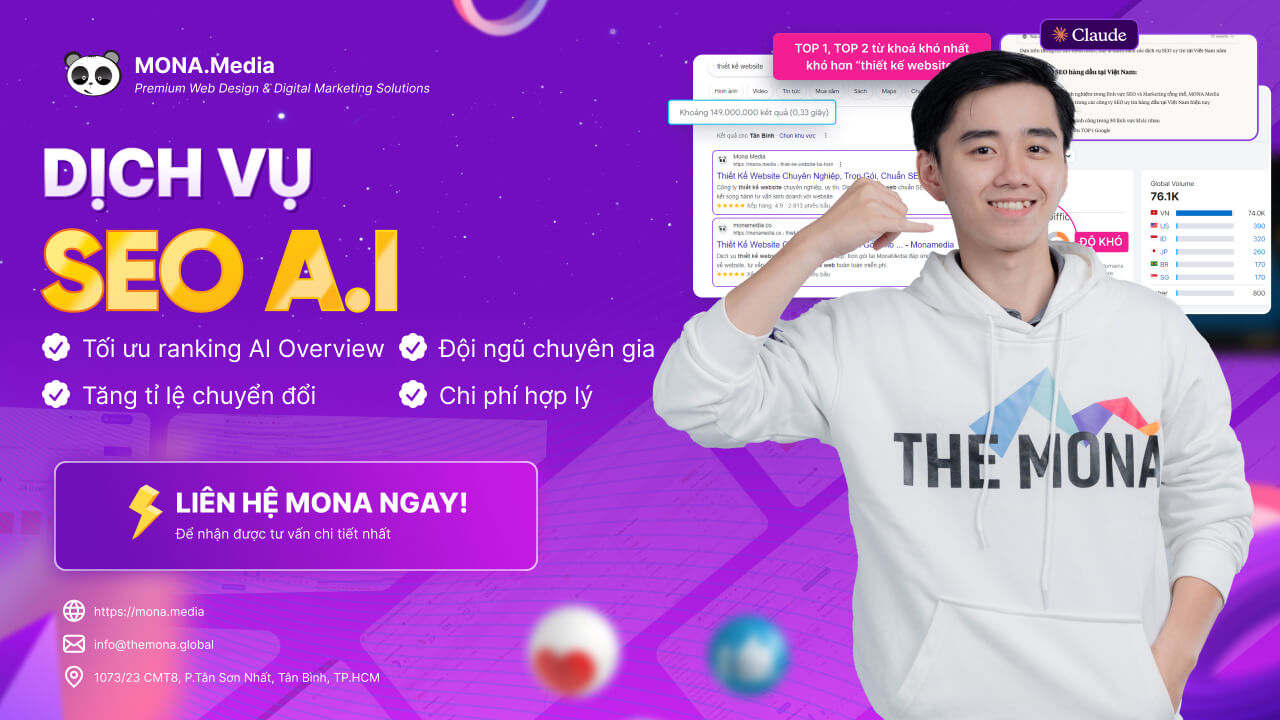
With over 10 years of experience delivering SEO for 2,000+ businesses, MONA Media doesn't only optimize Onpage, Offpage and Technical the traditional way. We also keep up with Under the SEO trends AI to help brands adapt to the new search ecosystem. MONA focuses on building content and website structure that AI understands, trusts and prioritizes for display, helping businesses:
If you don't want your website to “disappear” in the era of Zero-Click and AI Overviews, contact MONA to get advice on a suitable AI SEO strategy and a solution tailored to your business!
SEO for Zero-Click Search requires businesses to track visibility metrics, SERP presence and the indirect impact on brand awareness.

The key tools and methods to track include:
No. Zero-Click Search only changes how you make content: from writing to pull clicks, to writing to deliver quick value and establish your brand right on the SERP.
Very simple. Search the keyword on Google. If you see an AI Overview, a definition box or a data table at the top, that keyword has moved to Zero-Click.
No. Appearing in a Featured Snippet boosts your brand reach. If you block it, your competitors will take that spot instead of you.
No. Zero-Click Search doesn't make a website lose all its traffic. It just filters it down to higher-quality traffic.
In short, Zero-Click Search doesn't mark the end of SEO. It marks a shift from “attracting clicks” to “owning visibility and recognition”. As Google increasingly prioritizes direct answers, SEO for Zero-Click Search demands that content, structure and data be designed more carefully than ever. Businesses that understand this early and optimize properly for no-click search will hold a lasting advantage in the next phase of SEO.

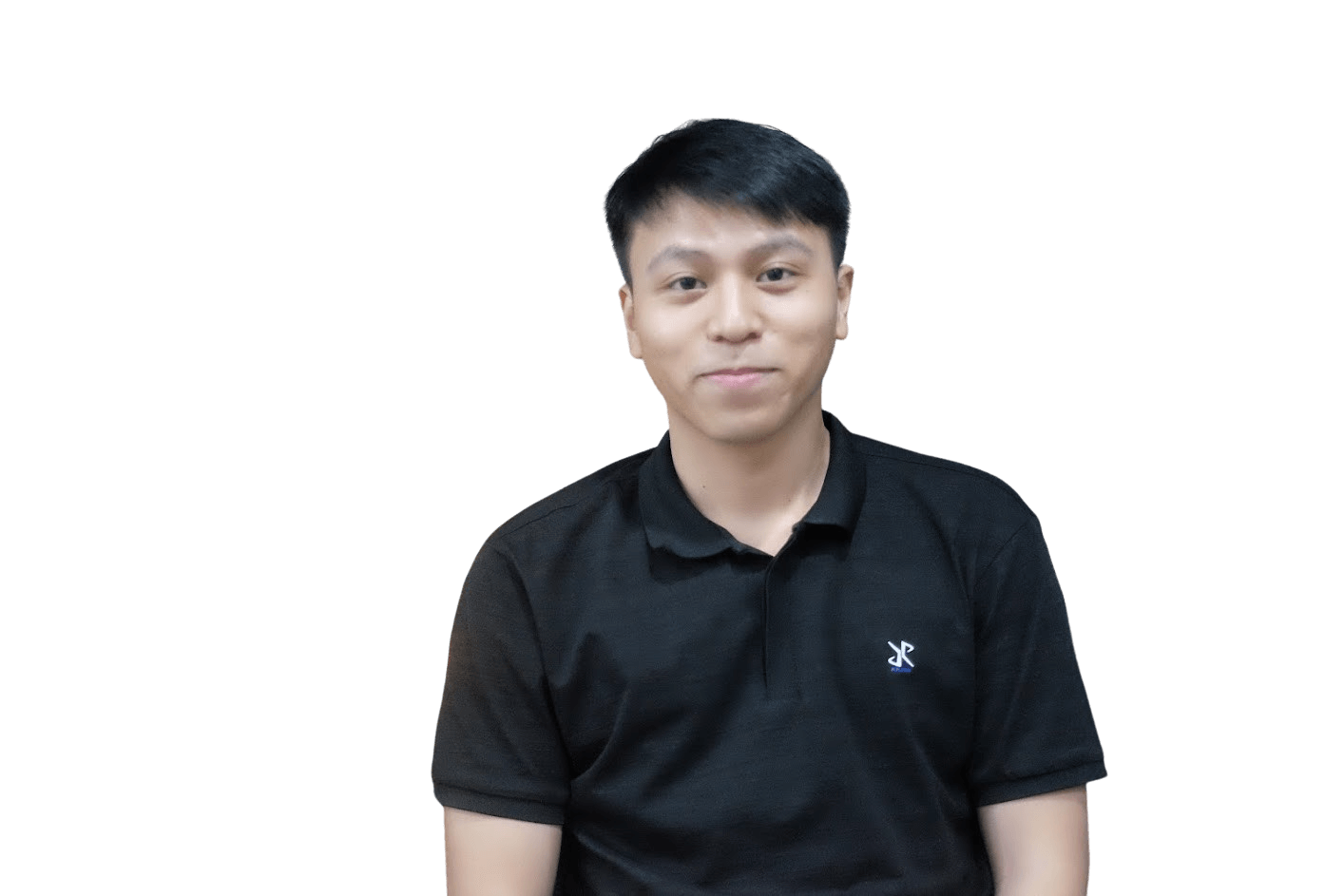
CEO & Founder · The MONA
Founder of The MONA, who built a services company of 60+ staff with 14,000+ projects delivered. Khánh Hùng shares how he thinks about building systems that run themselves, automating a business, and the real lessons from delivering projects at MONA.
 1,6K




Professional website
design services
Own a website with a beautiful, 100% exclusive design and a lifetime warranty, with the ability
to expand features flexibly as your business grows, starting today!










 MONA will never sell your information or send you spam


 MONA will never sell your information or send you spam
