
 MONA OS 2.0
 Partner with MONA


 Tự động hoá doanh nghiệp
 Cẩm nang SEO
 Digital Marketing
 Kinh nghiệm thiết kế website
 Hạ Tầng Server
 Giáo dục


 VI
 EN









Message us on
Zalo Official


 ProductsNew

 ProductsProducts
 Mới ra mắtKHA AI 2027App tự edit video, tự đăng mọi mạng xã hội, 2 phút mỗi ngày










 Website designLooks good and wins customers over.
SEO servicesBrings in customers searching for exactly what you sell.
 Tư vấn digital marketingKéo khách từ nhiều kênh, đo bằng số thật.
Corporate video productionVideos introducing your company, factory and team.
 NewAI video productionCompany story films made with AI.
 Custom software developmentCRM, ERP and HRM built for your business.
 Viết AI Agent theo yêu cầuĐặt riêng một trợ lý AI cho đúng việc của mình.
 Tư vấn chuyển đổi AIĐưa AI vào vận hành của cả công ty.
NewMONA LMSManagement for centers and schools.
MONA SkillHubInternal training for company staff.
 NHTQ systemEnd-to-end China–Vietnam shipping operations.
MONA JMSManagement for gold, diamond and pawn shops.
 MONA E-LearningA website with every feature you need to sell courses.
 How to sell online courses (course)More than 30 free lessons on selling courses on autopilot.
 MONA Cloudmonacloud.vnServers to get your apps and websites running.
 MONA Basemonabase.vnPostgres database, sign-in and file storage.
 MONA Mailmonamail.vnSend OTP, order and invoice emails from your software.
 MONA Paymonapay.vnAccept bank transfers via VietQR and notify your software when the money arrives.
 MONA eInvoiceComing soonIssue e-invoices that meet tax standards.
Gấu CườiTrả lời khách 24/7 trên web, Fanpage, Zalo và thu lead cho sale.
 Gấu TeleSalesGọi điện tư vấn, chăm khách như tổng đài viên thật.
Dê CườiTư vấn và chốt đơn cho shop ngay trong khung chat.
Gấu WebmasterNhắn nhóm Zalo là website được sửa xong.
 Gấu Pháp ChếSoạn hợp đồng, rà điều khoản trong vài phút.
 Gấu Báo GiáLên báo giá đúng mẫu và gửi khách ngay.
 AI chăm sóc khách hàngTheo dõi và giữ chân khách hàng cũ.
 Gấu Tuyển DụngLọc hồ sơ, hẹn lịch, phỏng vấn ứng viên.
 Mới ra mắt
KHA AI 2027
Xây kênh chuyên gia 2 phút mỗi ngày
Quay bằng điện thoại, AI tự edit video, tự đăng lên 16 nền tảng và tự trả lời bình luận, tin nhắn.
891.360lượt xem trên kênh CEO MONA sau 36 ngày
 Anh Khánh HùngCEO MONA đang dùng mỗi ngày
Xem app làm được gì
 AI
Gấu Cười MONA ĐANG TỰ XÀITrả lời khách 24/7 trên website, Zalo OA, Messenger và thu lead về cho sale.
Dê CườiChốt đơn bán lẻ và sàn: Shopee, TikTok Shop, web. Chăm cả khách sỉ, đại lý.
Gấu WebmasterCập nhật nội dung, tối ưu SEO website mỗi ngày.
Gấu TeleSalesGọi điện tư vấn, chăm khách như tổng đài viên thật.
Gấu Tuyển DụngLọc hồ sơ, hẹn lịch, phỏng vấn ứng viên tự động.
AI chăm sóc khách hàngGiữ khách cũ, cứu lead đã rớt cho phòng kinh doanh.
Gấu Pháp ChếSoạn hợp đồng, rà điều khoản trong vài phút.
Gấu Báo GiáLên báo giá đúng mẫu, gửi khách ngay khi có yêu cầu.
 Chuyển đổi AI toàn phầnGiải pháp tổng cho doanh nghiệp, 3 lớp triển khai.
 Viết AI Agent theo yêu cầuĐặt riêng một con AI gánh đúng nghiệp vụ của bạn.
 Custom softwareCRM, ERP and HRM with built-in AI automation.
 SEO & AEO thời đại AIĐược Google lẫn AI trích dẫn, không chỉ xếp hạng.
 Kiến thức AI cho doanh nghiệpBài phân tích, hướng dẫn ứng dụng AI vào vận hành.
 Free AI courses
 AI tools at work
App mới · KHA AI 2027
Xây kênh 2 phút mỗi ngày
AI tự edit video, tự đăng mọi mạng xã hội
Free consultation, 8am–10pm every day

24 February, 2025
Have you noticed that almost every social platform now prioritizes content made as video? From YouTube and Facebook to TikTok, all of them encourage users to make video content to boost reach. No longer a passing trend, video content has become a powerful tool for brands to reach customers quickly and effectively. In this article, let's MONA Media look at the details of what video content is as well as how to make engaging, effective video content that helps your brand leave a strong mark on the market.
Video content is a type of digital content that uses video to deliver information and messages to viewers. It is a content marketing format that is increasingly popular because it attracts and holds audiences better than text or images alone.
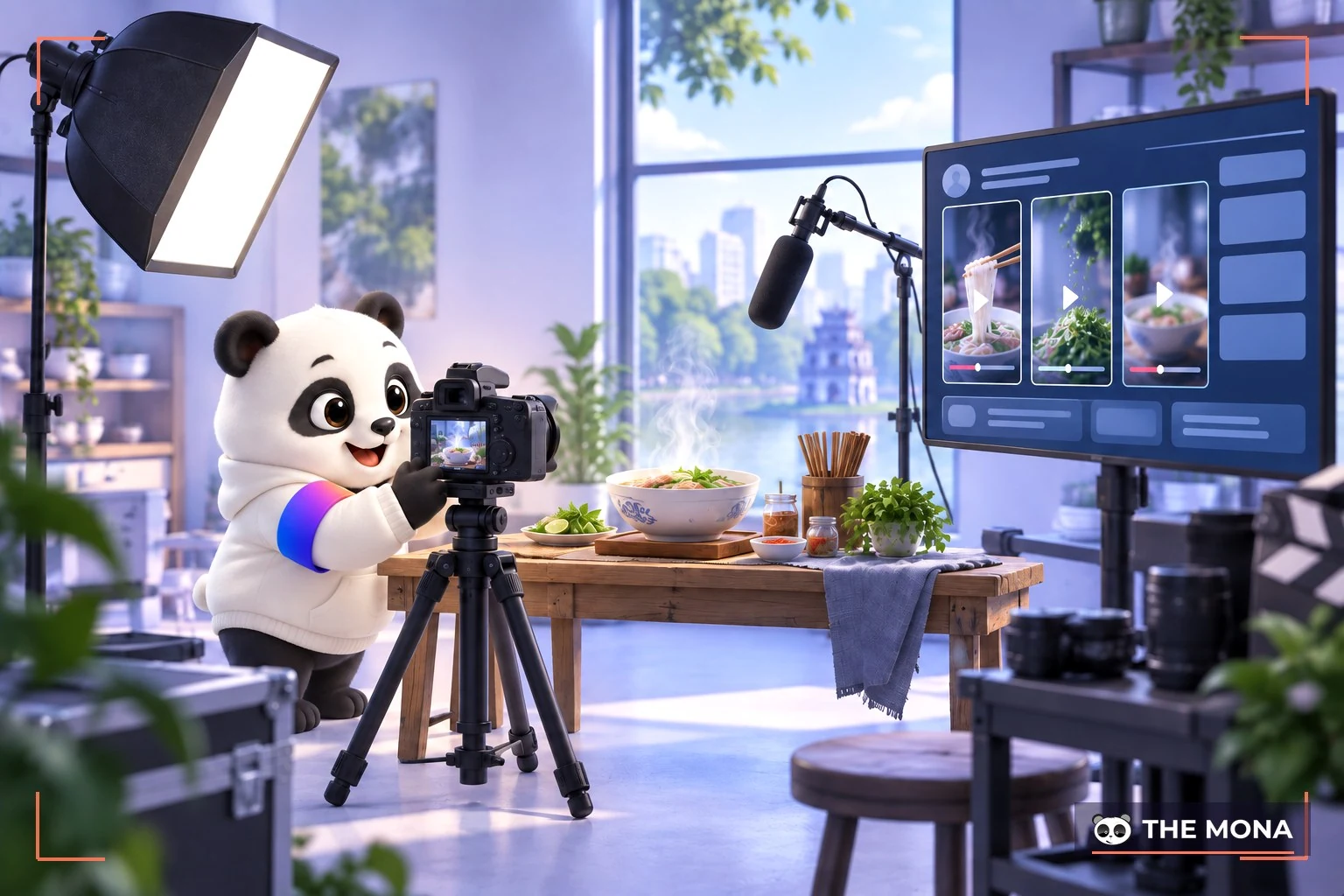
Video content is not just a trend. It is a powerful tool that helps businesses keep viewers longer and boost engagement naturally. Watch the video below to see how Hung and MONA make impressive, distinctive films that deliver a professional message to customers:
→ Read more: What is video marketing? Steps to make a video marketing
Video content has become one of the most powerful tools in marketing. According to research by Hubspot, using video as content can raise engagement on sales pages by up to 47%, and nearly 87% of businesses say their sales have grown significantly thanks to using video content in marketing strategy Video content not only reaches audiences quickly but also gives a brand the chance to tell stories, create emotion, and connect deeply with customers.
In practice, investing in video content production solves several important marketing problems, such as making a product or service easier to understand and accept, and above all keeping viewers watching longer. Below, we look at the three main benefits of video marketing: attracting target customers, boosting engagement and brand recall, and finally raising ROI.
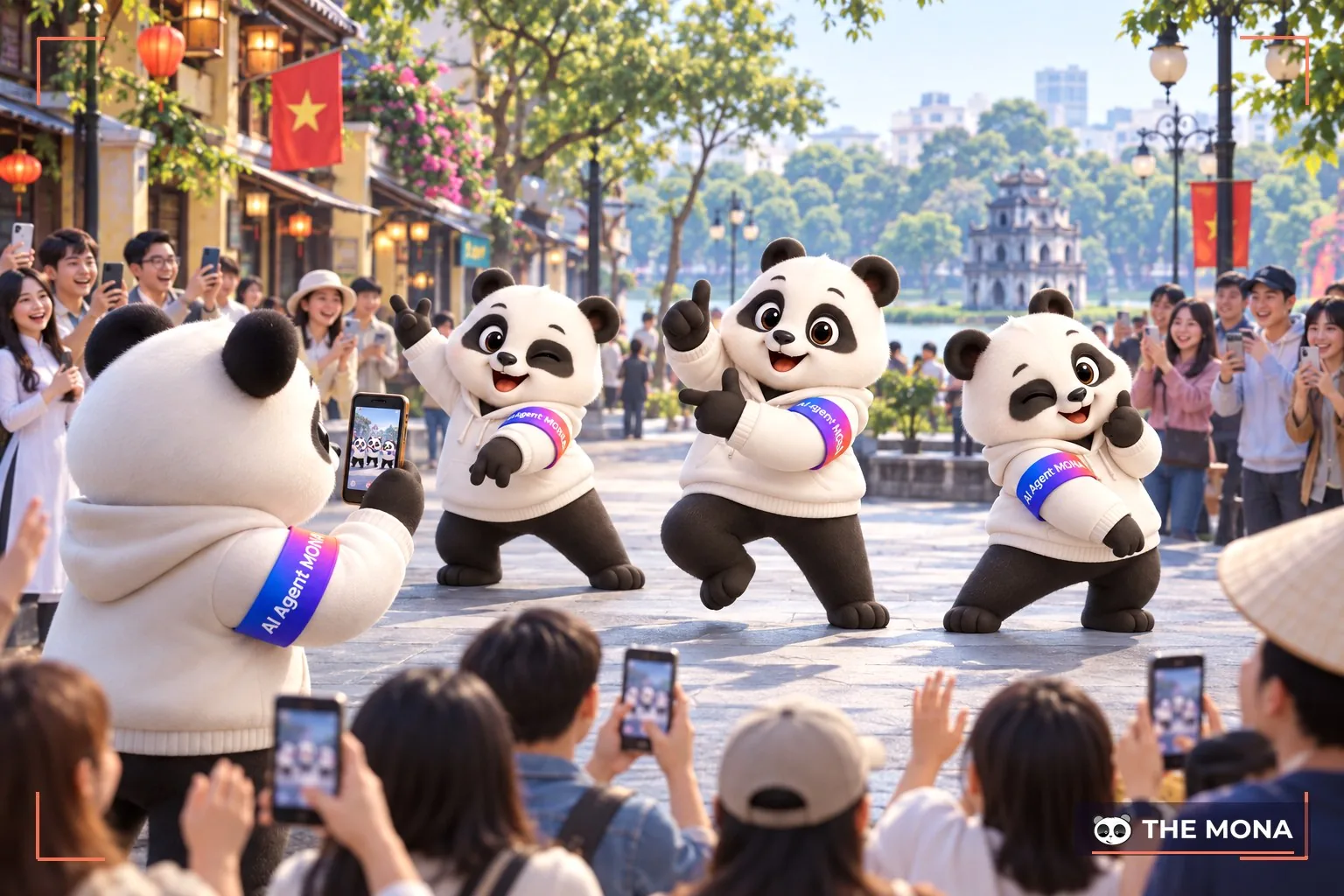
Video content gives businesses strong appeal with target customers, especially when it combines emotion, motion graphics, and sound. Knowing how to make engaging video content helps viewers absorb your message, sparks curiosity, and makes them want to learn more about your product or service. Short, smart, creative video content grabs target customers' attention from the first seconds.
According to a Wyzowl study, 84% of consumers say they were convinced to buy after watching a marketing video. This shows video content can be an extremely effective tool for persuading potential customers, especially when the message is presented clearly and attractively.
One of the biggest benefits of video marketing is the ability to boost engagement and brand recall. A striking video easily grabs attention and creates a more vivid experience than other marketing content such as text or images. This helps viewers remember your brand longer.
According to Insivia, consumers retain 95% of a message in video compared with only 10% for text. Video delivers a message not only through words but also through visuals, sound, and emotion, leaving a much stronger and deeper impression.
Moreover, ads, product introduction videos, and customer testimonial videos are easy to share on social media, extending the brand's influence and connecting with a large number of potential customers.

According to Wyzowl's 2024 research, 93% of marketers say video content marketing delivers a higher ROI (Return on Investment) than other types of content. Because it delivers messages quickly, visually, and in a shareable way, video content is becoming an essential part of effective marketing campaigns.
A typical example is Pandora's video campaign, where they used video marketing to introduce new jewelry collections. The result was a 61% ROI on purchases and 42% of new customers. This proves that investing in video content not only lifts revenue but also widens the customer base and builds customer loyalty.
Moreover, video marketing production brings long-term benefits, as video content can be reused and redistributed across many platforms, continuing to attract potential customers and add value from marketing campaigns.
To better understand the real value of video content in a business, watch the real story from MONA, where video is not just a communication tool but has become part of the culture and an effective “weapon” for closing sales.
Video content has become an essential part of many brands' marketing strategies. Depending on the campaign goal and the audience, there are many kinds of video to grab attention and drive engagement. Below are the popular types of video content, with successful examples from real campaigns.
A product or service introduction video is a powerful tool for presenting features, benefits, and how to use a product, helping customers easily understand the value it brings. For example, Sunsilk's new product launch in the Philippines succeeded by using an introduction video combined with a livestream, encouraging consumers to join travel activities and share their experiences. This promo video not only introduced the new product but also connected consumers with the brand through real experiences, creating a strong bond.
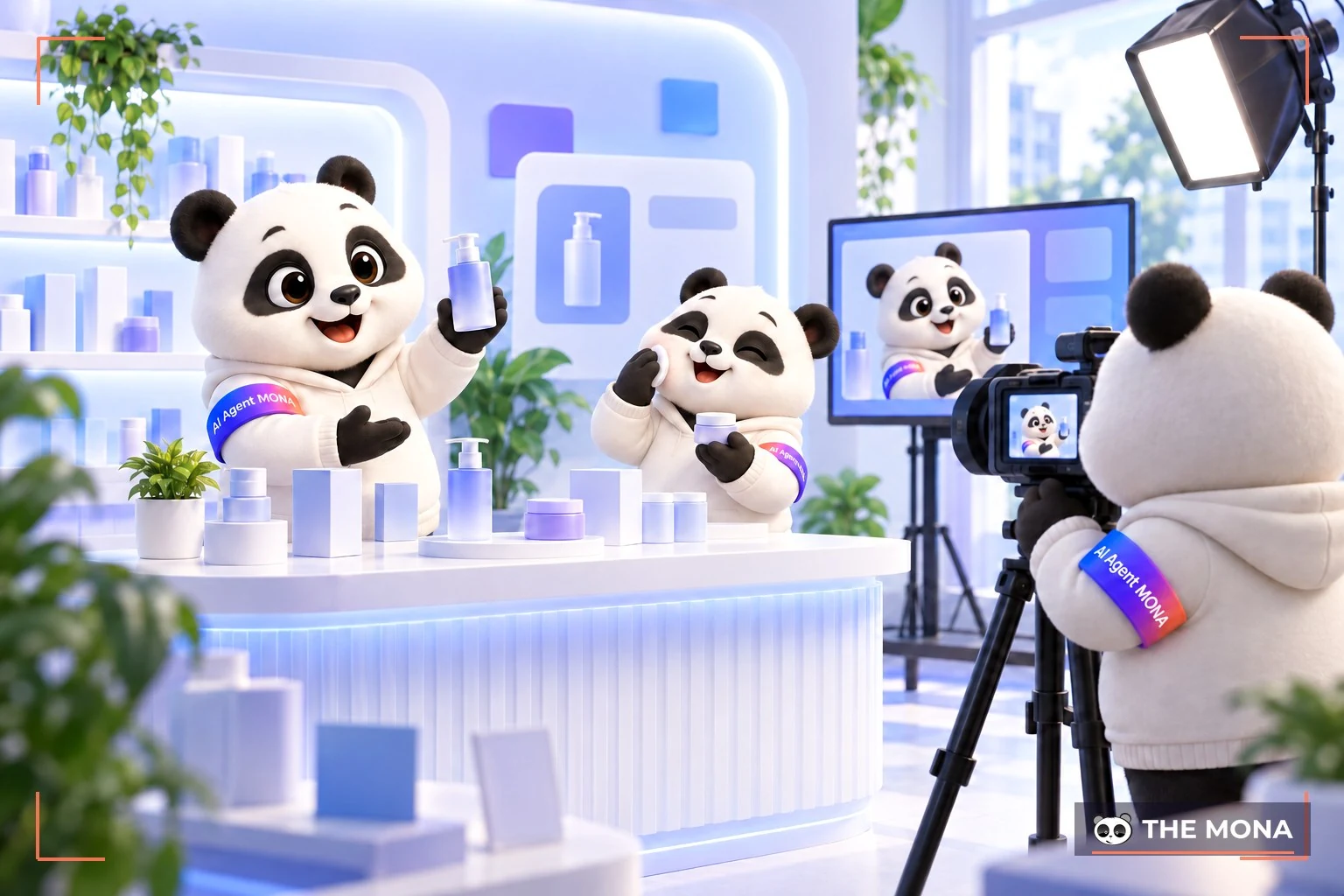
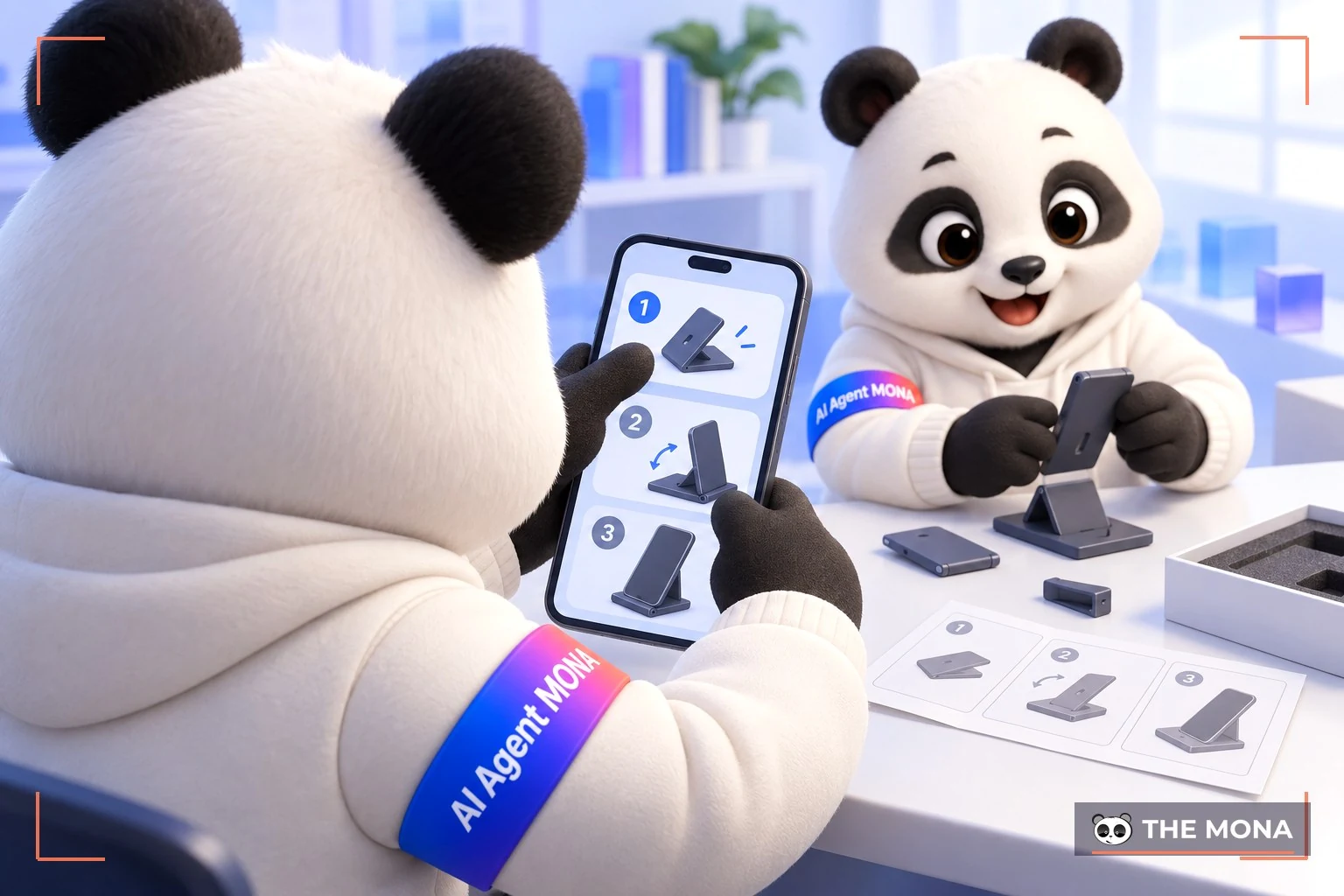
A tutorial video is a very popular form of video content, especially in tech and consumer goods. These videos give detailed steps that show viewers how to use a product or service easily and effectively. Brands that use tutorial videos not only help customers understand the product better but also build trust and loyalty.
Example: a video showing how to use the new features of a mobile app, helping users get started and try the product without difficulty.
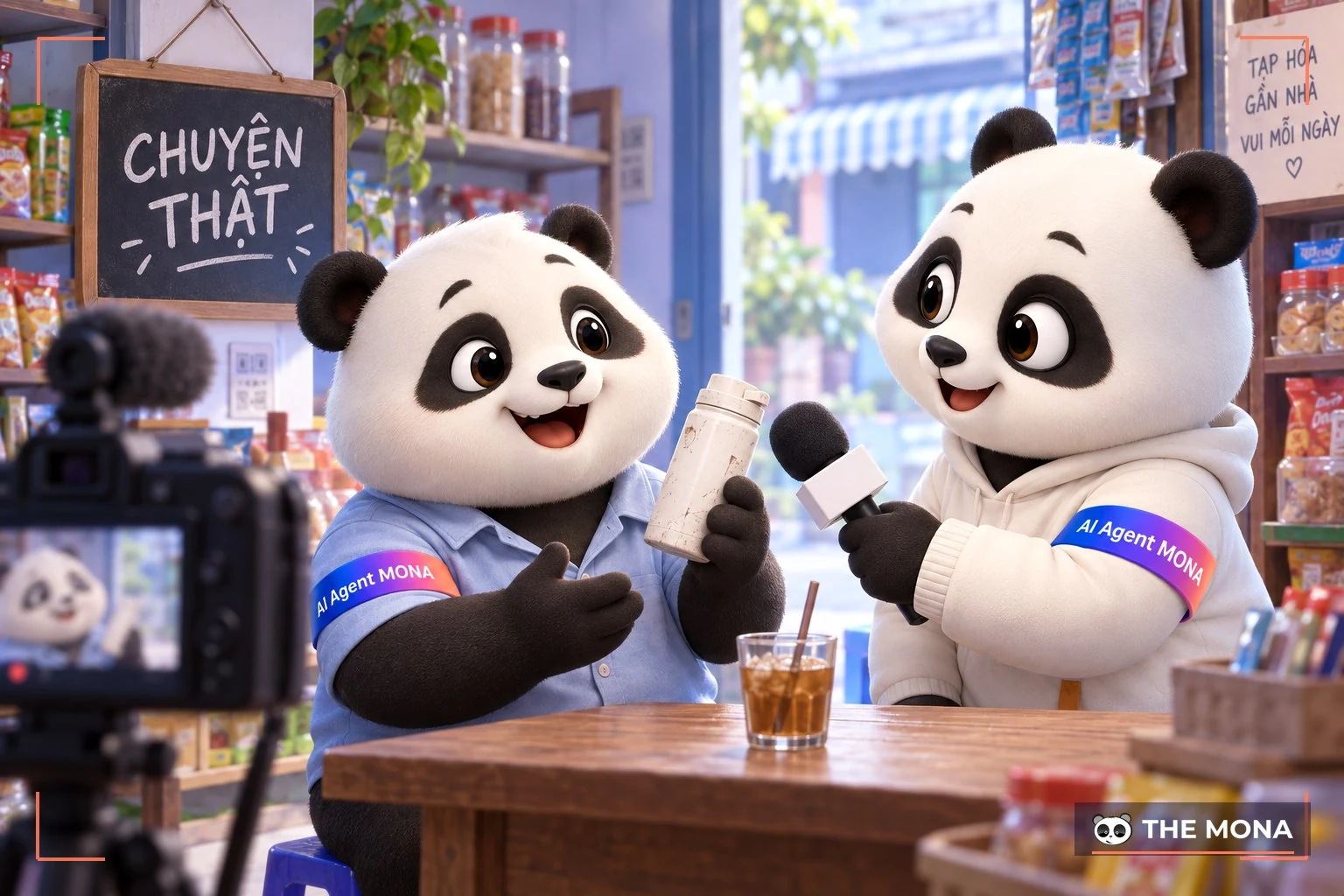
A testimonial video is one of the most effective ways to build trust with customers. Instead of just talking about the product, testimonial videos are usually built from the real stories of customers who used the product and saw the results.
A standout example is Dove's campaign “Real Beauty” in which they used testimonial videos from real women, instead of professional models, to share their views on true beauty. Testimonial video content helped Dove avoid being seen as using cliché advertising tricks, and so built trust with customers.
Livestream is an increasingly popular trend, especially in e-commerce and retail. Brands can connect directly with customers, introduce products, answer questions, and even sell right in the livestream video. Thanks to livestream sales stars, many businesses have seen big jumps in revenue. Big brands in China and Vietnam, for example, have recorded strong revenue growth from livestreaming, and it is also a way to build a close relationship and interact directly with potential customers.
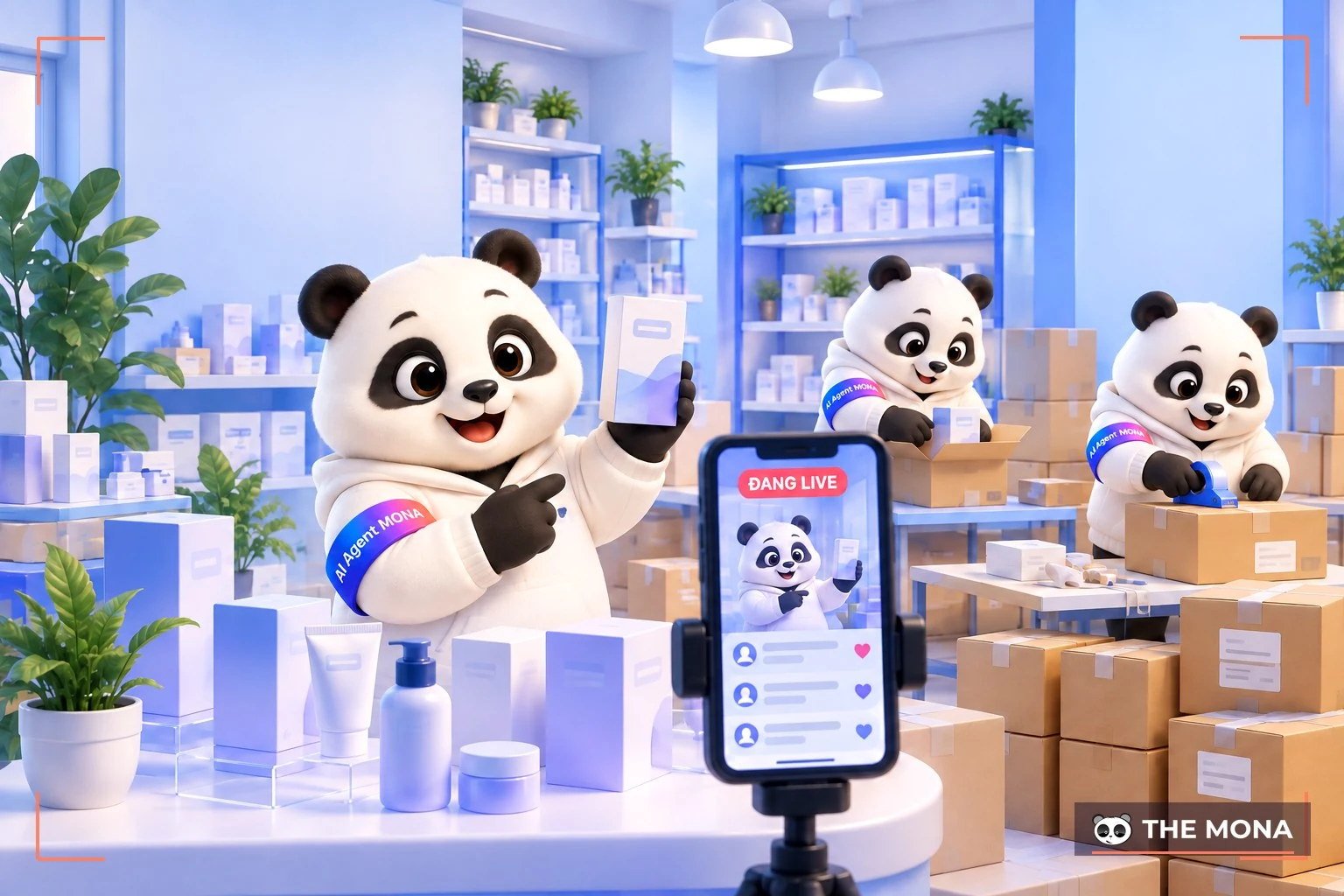
Example: In Vietnam, livestream sales stars have risen like a storm with record-breaking sales, such as Vo Ha Linh earning 237 billion VND in one livestream session, Pham Thoai selling 58 billion VND in a 12-hour session, and Quyen Leo Daily reaching 100 billion VND in 17 hours. These numbers show the power of livestream in attracting viewers and driving revenue.
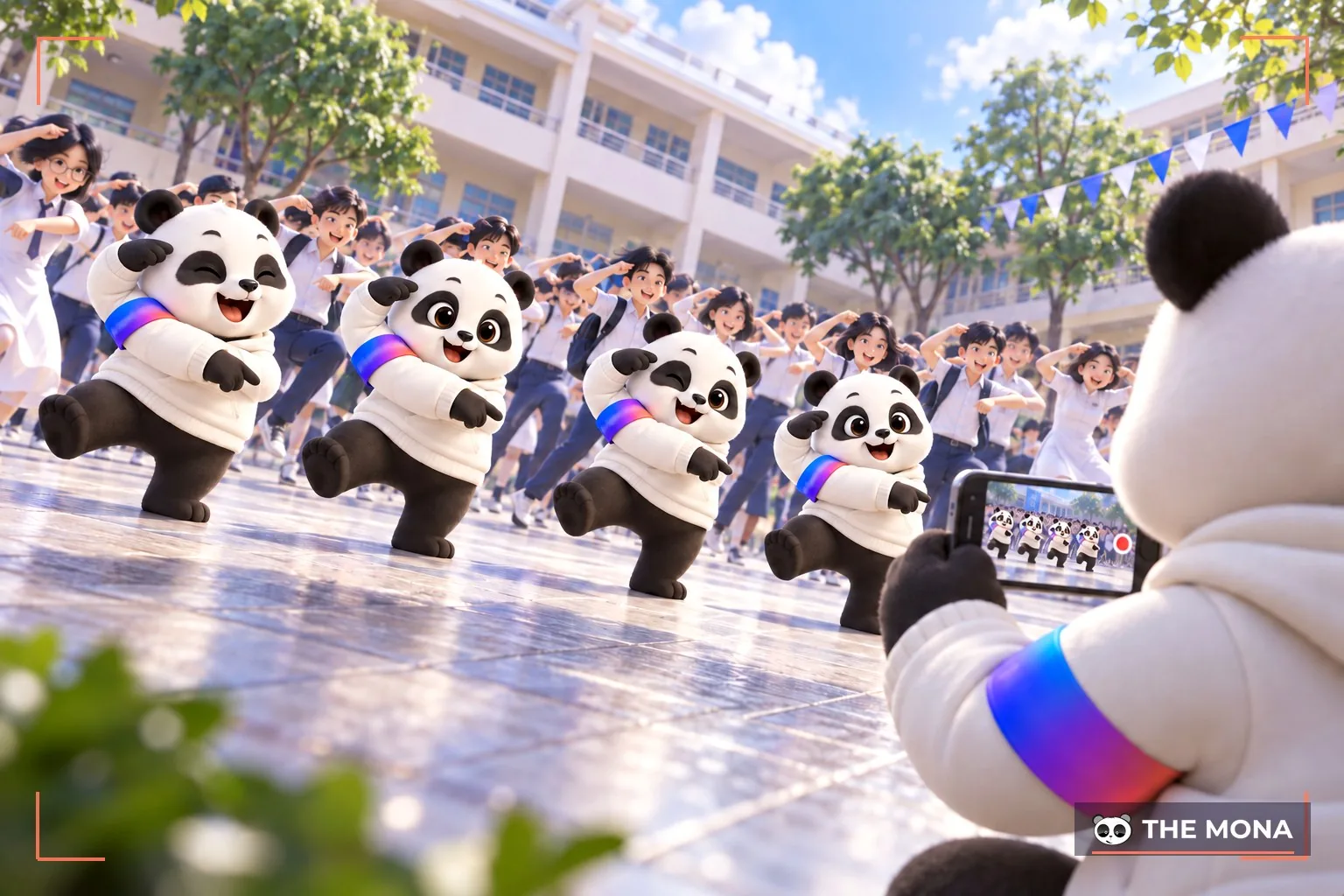
A viral video is made to spread quickly across social platforms, grabbing attention and sparking wide discussion. This kind of viral video content is usually entertaining, shocking, or has an element of surprise that easily catches viewers' attention.
Example: The “Harlem Shake” campaign created a global craze and helped the brand make a splash in a short time. Starting in August 2012, DJ Baauer composed an instrumental track “Shake Harlem”, and then a video with a unique dance was posted by Filthy Frank and set off a global craze. Viral clip runs 30 seconds and has two parts: first one person dances alone while everyone pays attention, then everyone joins in with strange moves when the music changes. The trend spread strongly, drawing millions of views, even with the Norwegian army taking part. Harlem Shake was not just an entertainment phenomenon but proof that spontaneous, funny content can easily spread on social media and become big viral content.
Besides the video content types above, there are a few others that also work well for different communication goals:
Now that you have an overview of what video content is, you probably want to know how to make video content simply and effectively to get the most out of this tool. Here are 9 steps to make video content in detail, so you can start building your brand right away.
This is the first and most important step, because it decides everything you do next to run effective video content. To pin down what to produce, answer these questions:
Once you have clear answers, you can easily sketch your target customer and create video content that fits their needs and problems.
Once you know your target audience, the next step is to build the overall strategy. This gives you a clearer view of how to make video content that is engaging and effective. Key points to consider:
When you start making video content, the name of the series is an important factor in catching your audience's attention. Here are some tips for naming a series so it stands out and fits current video content trends:
When creating video content, deciding the length and where to post is vital for the best results. Each platform has its own ideal video length, which helps your video reach and hold viewers more easily.
Example:
When choosing a platform, answer a few key questions:
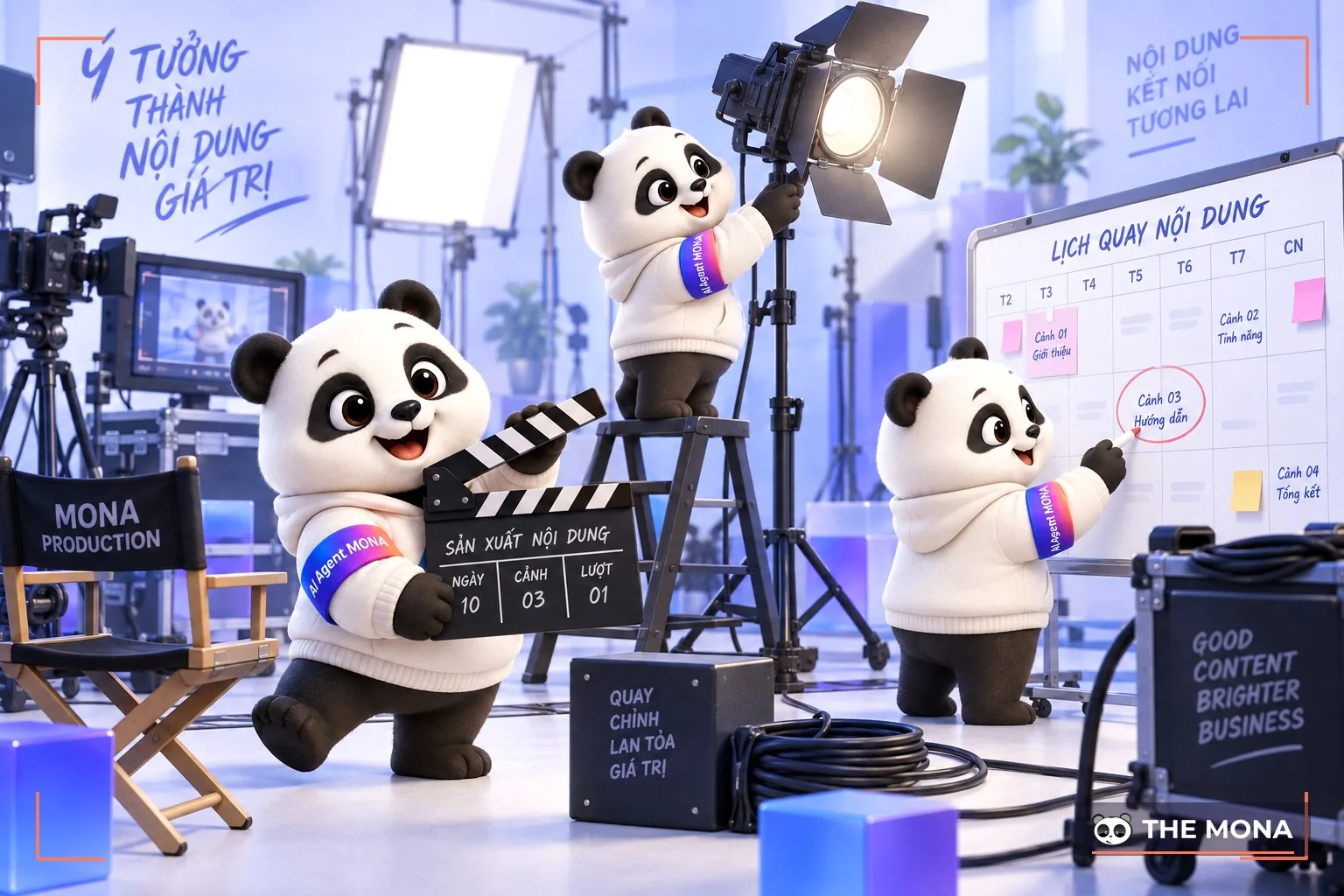
Depending on your budget, you can choose how to shoot. If you have enough budget, hire a production house professional team to produce the most polished video. You only need to focus on writing the script, and the crew handles the rest. When building video content, keep these points in mind:
If your budget is small, you can still shoot with a phone or camera in a suitable space. To keep quality up when running video content marketing, pay attention to these factors:
After filming is done, the editing step, video post-production is what decides the final quality of your video content. To build professional video content, focus on these 3 areas:
Whichever platform you post video content on, SEO optimization is still a step you can't skip if you want to reach more viewers.
Before you hit upload, make sure your video is well prepared in both content and promotion strategy. Here is what to do:
After the video is posted, the next key job is to maximize its reach. Here are some ways to spread your video content further:
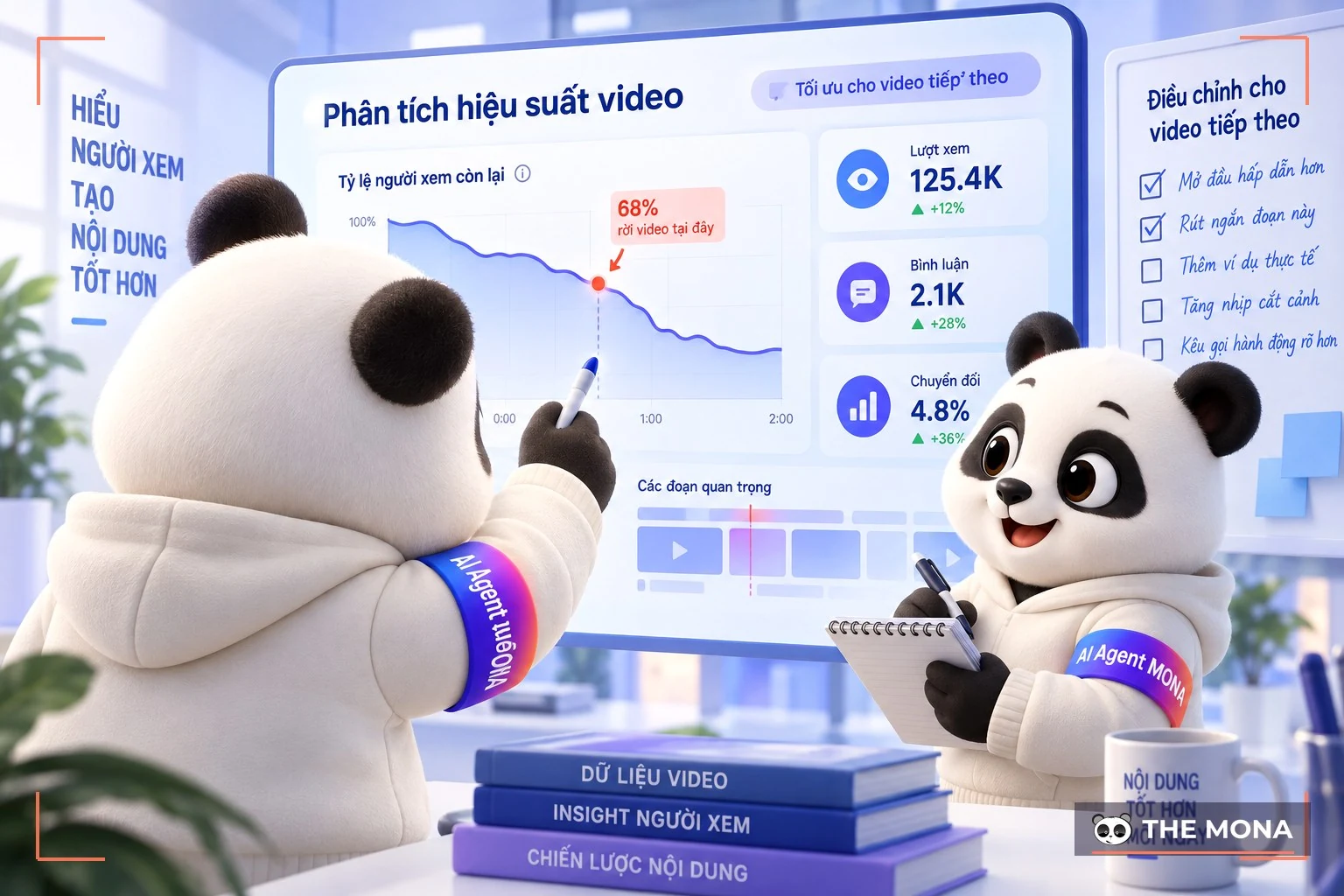
To make video content that works, measurement is a step you can't skip to judge how successful the campaign is. However, focus on only 1-2 main goals the video needs to achieve, and don't put too much weight on likes or shares.
Depending on the purpose of your video content, you can track these metrics:
Although video content is a powerful tool in a marketing strategy, businesses can easily make mistakes when creating it if they are not careful. Here are common mistakes in making video content:
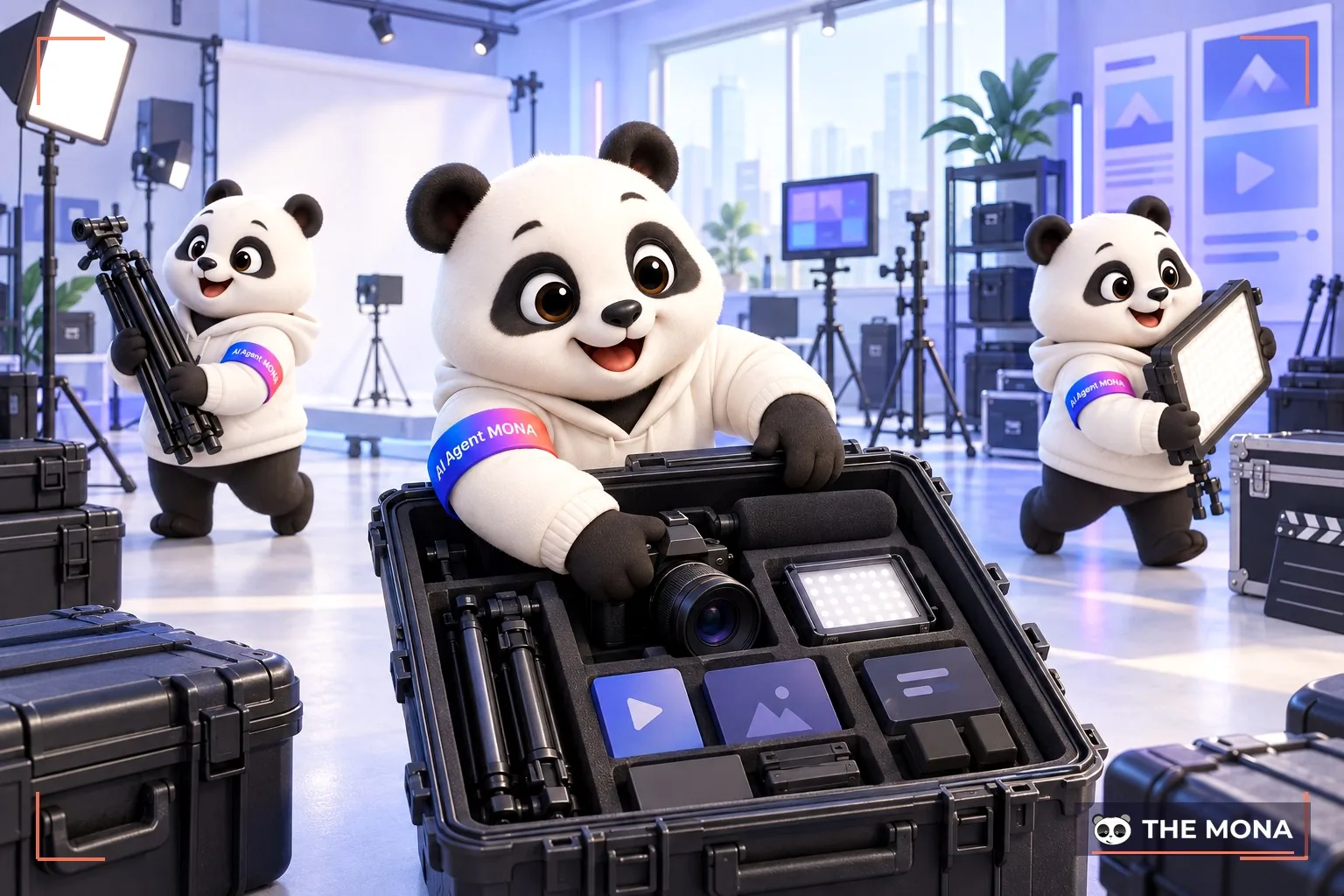
Using professional tools is one of the best ways to make video content well. Here are some popular tools video creators often use to build video content:
With the trend of video content growing in popularity, businesses can't miss the chance to use this tool to raise brand awareness and increase conversion rates. However, to create video content that works, you need a clear strategy, from market research and content planning to video production and finally distribution. Understand clearly what the strengths of video content are and invest in them seriously, because this is the key to building a brand that grows sustainably.
If your budget doesn't stretch to a full shoot with staging, there is another route: AI video service. The parts that need to be real are still filmed for real, while AI handles the backgrounds and staging, usually at about a third of the cost. If you would like to try it yourself first, read AI video tools for beginners.

CEO & Founder · The MONA
Founder of The MONA, who built a services company of 60+ staff with 14,000+ projects delivered. Khánh Hùng shares how he thinks about building systems that run themselves, automating a business, and the real lessons from delivering projects at MONA.
 1,6K



Professional website
design services
Own a website with a beautiful, 100% exclusive design and a lifetime warranty, with the ability
to expand features flexibly as your business grows, starting today!






 MONA will never sell your information or send you spam


 MONA will never sell your information or send you spam
