
 MONA OS 2.0
 Partner with MONA


 Tự động hoá doanh nghiệp
 Cẩm nang SEO
 Digital Marketing
 Kinh nghiệm thiết kế website
 Hạ Tầng Server
 Giáo dục


 VI
 EN










Message us on
Zalo Official


 ProductsNew

 ProductsProducts
 Mới ra mắtKHA AI 2027App tự edit video, tự đăng mọi mạng xã hội, 2 phút mỗi ngày










 Website designLooks good and wins customers over.
SEO servicesBrings in customers searching for exactly what you sell.
 Tư vấn digital marketingKéo khách từ nhiều kênh, đo bằng số thật.
Corporate video productionVideos introducing your company, factory and team.
 NewAI video productionCompany story films made with AI.
 Custom software developmentCRM, ERP and HRM built for your business.
 Viết AI Agent theo yêu cầuĐặt riêng một trợ lý AI cho đúng việc của mình.
 Tư vấn chuyển đổi AIĐưa AI vào vận hành của cả công ty.
NewMONA LMSManagement for centers and schools.
MONA SkillHubInternal training for company staff.
 NHTQ systemEnd-to-end China–Vietnam shipping operations.
MONA JMSManagement for gold, diamond and pawn shops.
 MONA E-LearningA website with every feature you need to sell courses.
 How to sell online courses (course)More than 30 free lessons on selling courses on autopilot.
 MONA Cloudmonacloud.vnServers to get your apps and websites running.
 MONA Basemonabase.vnPostgres database, sign-in and file storage.
 MONA Mailmonamail.vnSend OTP, order and invoice emails from your software.
 MONA Paymonapay.vnAccept bank transfers via VietQR and notify your software when the money arrives.
 MONA eInvoiceComing soonIssue e-invoices that meet tax standards.
Gấu CườiTrả lời khách 24/7 trên web, Fanpage, Zalo và thu lead cho sale.
 Gấu TeleSalesGọi điện tư vấn, chăm khách như tổng đài viên thật.
Dê CườiTư vấn và chốt đơn cho shop ngay trong khung chat.
Gấu WebmasterNhắn nhóm Zalo là website được sửa xong.
 Gấu Pháp ChếSoạn hợp đồng, rà điều khoản trong vài phút.
 Gấu Báo GiáLên báo giá đúng mẫu và gửi khách ngay.
 AI chăm sóc khách hàngTheo dõi và giữ chân khách hàng cũ.
 Gấu Tuyển DụngLọc hồ sơ, hẹn lịch, phỏng vấn ứng viên.
 Mới ra mắt
KHA AI 2027
Xây kênh chuyên gia 2 phút mỗi ngày
Quay bằng điện thoại, AI tự edit video, tự đăng lên 16 nền tảng và tự trả lời bình luận, tin nhắn.
884.102lượt xem trên kênh CEO MONA sau 36 ngày
 Anh Khánh HùngCEO MONA đang dùng mỗi ngày
Xem app làm được gì
 AI
Gấu Cười MONA ĐANG TỰ XÀITrả lời khách 24/7 trên website, Zalo OA, Messenger và thu lead về cho sale.
Dê CườiChốt đơn bán lẻ và sàn: Shopee, TikTok Shop, web. Chăm cả khách sỉ, đại lý.
Gấu WebmasterCập nhật nội dung, tối ưu SEO website mỗi ngày.
Gấu TeleSalesGọi điện tư vấn, chăm khách như tổng đài viên thật.
Gấu Tuyển DụngLọc hồ sơ, hẹn lịch, phỏng vấn ứng viên tự động.
AI chăm sóc khách hàngGiữ khách cũ, cứu lead đã rớt cho phòng kinh doanh.
Gấu Pháp ChếSoạn hợp đồng, rà điều khoản trong vài phút.
Gấu Báo GiáLên báo giá đúng mẫu, gửi khách ngay khi có yêu cầu.
 Chuyển đổi AI toàn phầnGiải pháp tổng cho doanh nghiệp, 3 lớp triển khai.
 Viết AI Agent theo yêu cầuĐặt riêng một con AI gánh đúng nghiệp vụ của bạn.
 Custom softwareCRM, ERP and HRM with built-in AI automation.
 SEO & AEO thời đại AIĐược Google lẫn AI trích dẫn, không chỉ xếp hạng.
 Kiến thức AI cho doanh nghiệpBài phân tích, hướng dẫn ứng dụng AI vào vận hành.
 Free AI courses
 AI tools at work
App mới · KHA AI 2027
Xây kênh 2 phút mỗi ngày
AI tự edit video, tự đăng mọi mạng xã hội
Free consultation, 8am–10pm every day

09 April, 2025

In recent years, ChatGPT has become a buzzword in the tech community. It is an AI model that can communicate automatically, understanding context and producing flexible responses, much like a real conversation. The technology is widely used in fields such as customer service, education, and content creation. In this article, let's MONA Media find out what ChatGPT is and the real-world uses this technology offers people in everyday life.
Chat GPT (Chat Generative Pre-trained Transformer) is a model artificial intelligence developed by OpenAI that handles natural language using deep learning. It can create content, translate languages, answer questions, and hold flexible, human-like conversations, helping in everything from study to work.

Since launch, ChatGPT has been upgraded continuously to improve performance and processing ability. Here are the main versions of ChatGPT:
You may have noticed that every day a flood of AI tool for SEO support new tools appears, and quite a few people fall into the "FOMO trap" and lose direction. Drawing on his hands-on experience as Product Director at The MONA, Hữu Hùng shares tips for choosing AI tools that help you fit them into your workflow effectively. ChatGPT is among the 5 AI tools tools Hùng uses most. Follow along with these real-world lessons to find the AI tool that fits you, instead of getting swept up in the FOMO spiral!
Click the video to watch.
See more: What is an AI chatbot: how it differs from a scripted chatbot and how to choose the right one
ChatGPT is built on an advanced artificial intelligence model and runs on two main factors: training data from humans and the ability to keep learning through interaction.
For the first factor, ChatGPT is trained on a huge body of data from books, articles, research, websites, and more. This gives it a solid base for processing natural language. But what really sets it apart is its ability to keep learning. ChatGPT can improve its answers based on new data it collects through conversations with users.
For example: at first, ChatGPT does not understand some specialist terms or less common languages well. But once enough people use those terms in conversation, the AI gradually "learns" to use them more naturally.

The period in late 2022 – 2023 marked a major turning point, when researchers could measure AI intelligence using hyperparameters. This helps AI not only read data but also grasp the deeper meaning in each context. Put simply, ChatGPT works like an artificial brain that can synthesize, analyze, and respond based on the vast knowledge it has access to.
ChatGPT is increasingly proving its role in many fields, not only at work but also in daily life. Here are some interesting things ChatGPT can do:

There is no denying the benefits ChatGPT brings, from quick user support to task automation. But like any technology, ChatGPT has its own limits that deserve consideration. Let MONA take a closer look at both the standout strengths and the challenges of using a GPT chatbot in practice.
With flexible interaction, multilingual support, and process automation, ChatGPT keeps proving its strength in improving user experience and raising work efficiency. Here are ChatGPT's standout advantages:
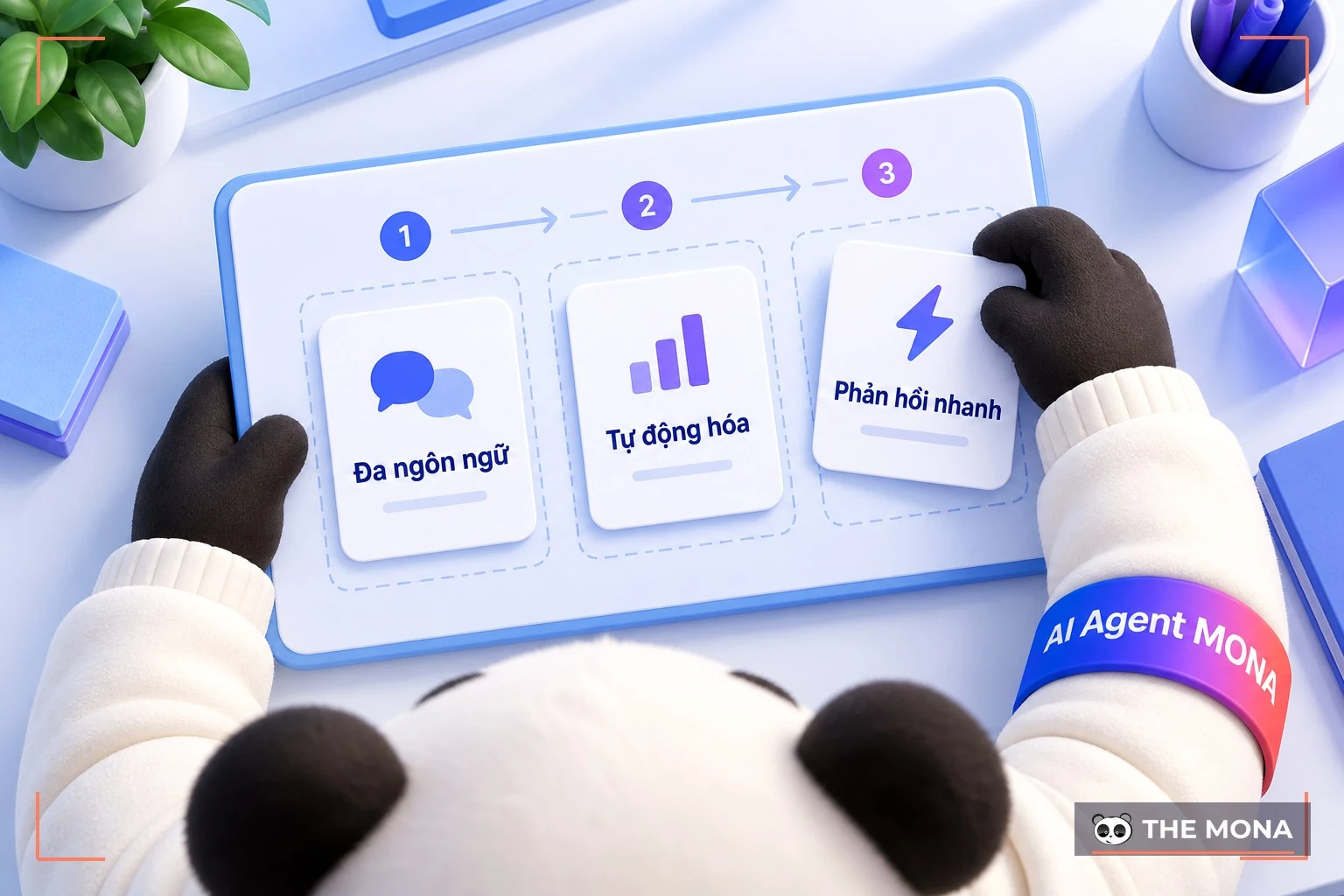
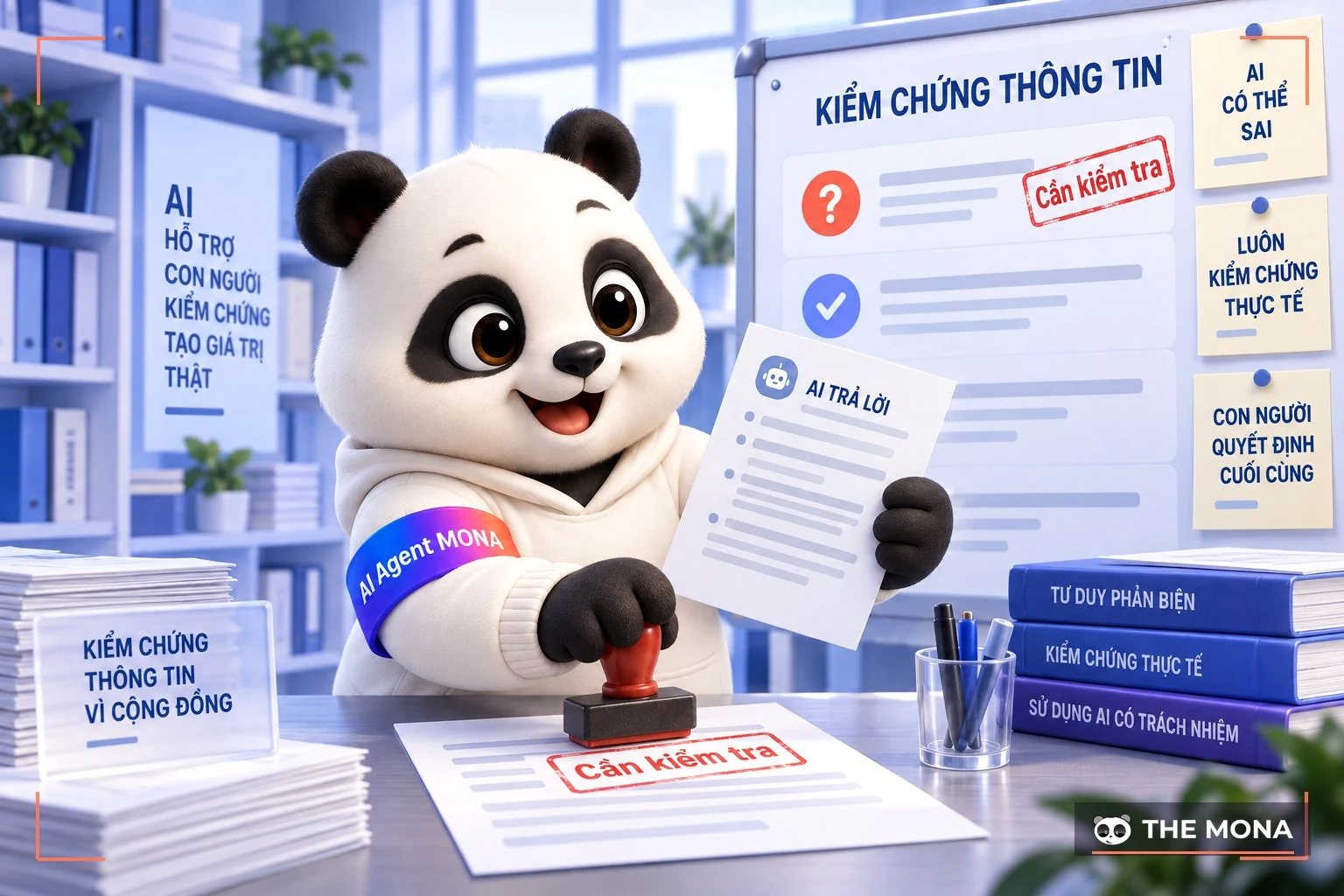
Although ChatGPT brings many conveniences and helps optimize work, it still has certain limits. Understanding ChatGPT's weaknesses helps you use it more effectively, avoid relying on it completely, and keep your information accurate:
Once people understand what ChatGPT is, they often compare it with other AI chatbots such as Gemini, Claude, or DeepSeek. Each platform has its own strengths and limits, from data access and reasoning accuracy to the level of content moderation.
The table below gives you an overview of how popular chatbots today differ from ChatGPT:
|
Criterion |
ChatGPT |
Gemini |
Claude |
DeepSeek |
|
Developer |
OpenAI |
Google DeepMind |
Anthropic |
DeepSeek AI (China) |
|
Interactivity |
Flexible responses, fast speed |
Supports many types of multimedia content |
Friendly, easy-to-use interface |
Slower responses but strong reasoning |
|
Information access |
Data updates are limited over time |
Newer information than ChatGPT |
Limited on complex logic queries |
Strict content moderation |
|
API integration |
Yes, easy to integrate into apps |
Supported but paid |
Free API is limited |
Not widely available yet |
|
Reasoning ability |
Strong but sometimes makes logic errors |
High performance on data processing |
Not very strong at complex logical reasoning |
Very strong at logic and math reasoning |
|
Content moderation |
Light moderation, supports many topics |
Moderate moderation, restricts sensitive content |
Stricter content control |
Strict content moderation under Chinese standards |
|
Main limitation |
No real-time data |
Some features limited in the free version |
Weaker logic handling than some other AIs |
Slower responses, heavy content moderation |
|
Best for |
Individuals, small businesses |
Content creators |
Users who care about security and moderation |
AI researchers, math programmers |
ChatGPT can certainly support many kinds of work, but saying it can fully replace humans is still far-fetched.
Although AI is gradually entering fields such as SEO, programming, customer care, and content creation, work that needs critical thinking, creativity, and strategic decisions is still done better by humans. AI can help streamline processes, suggest ideas, or analyze data, but for high quality that fits real business context, people remain the most important factor.
Instead of worrying about being replaced, businesses should treat ChatGPT as a support tool that boosts productivity and streamlines work. The combination of AI and humans is what delivers the best results.
Interested in A community group for sharing experience and turning ideas into electronic products that actually earn money with AI
AI & Vibe Coding?

After learning how ChatGPT works and what it is used for, you may still have a few questions about it. Here are the common questions many users have when trying ChatGPT.
Yes, you can use ChatGPT and create a free account without paying or signing up for a paid plan. There are also paid versions with more advanced features.
ChatGPT supports many languages, including Vietnamese, English, Spanish, French, German, Korean, Japanese, and more. The model can not only translate but also generate natural responses in each language.
Accuracy depends on several factors, such as how clear your question is and the quality of the data ChatGPT was trained on. Although it can produce natural answers, ChatGPT still makes mistakes or gives inaccurate information at times. So if you need important information, verify it against several sources.
There is no denying that ChatGPT is a major step forward in artificial intelligence, helping people work more efficiently and creatively. From helping with writing and answering questions to automating many processes, AI like ChatGPT is becoming an important part of modern life. Still, it has certain limits and cannot fully replace human thinking. Once we understand ChatGPT's strengths, we can see that AI is only truly useful when people use it responsibly and wisely.
You may also be interested in:

CEO & Founder · The MONA
Founder of The MONA, who built a services company of 60+ staff with 14,000+ projects delivered. Khánh Hùng shares how he thinks about building systems that run themselves, automating a business, and the real lessons from delivering projects at MONA.
 1,6K


Professional website
design services
Own a website with a beautiful, 100% exclusive design and a lifetime warranty, with the ability
to expand features flexibly as your business grows, starting today!












 MONA will never sell your information or send you spam


 MONA will never sell your information or send you spam
