18 March, 2023

What Is a Market? Forms and Functions of a Market

Quick summary: A market is the environment where commercial transactions take place between buyers and sellers, where production and consumption of goods meet. The market plays an important role in business and marketing. It helps a business understand its customers, position its products, choose a pricing strategy, and position and develop itself appropriately to reduce the risk of failure.
What is a market? This is a term many people know, but few understand what a market really means or what forms it takes. This article from Mona Media will give you full information on the structure, classification and functions of the market in marketing.

What is a market?

The market is a familiar term in business: the environment in which commercial transactions take place. A market usually appears when goods are bought and sold between sellers and buyers. It is also known as the place where consumption and production of goods meet.

What are some types of market?

Free market

This type of market operates freely, without government intervention. In a free market, buyers and sellers act as they please, so competition can drive prices up and squeeze consumers. However, government agencies can still step in when this market harms the wider business market.

Commodity market

The commodity market is where products are exchanged and bought and sold for daily life. The products are extremely varied, from food and grain to raw materials and even financial commodities

Money market

The money market is the largest type of market in the world and runs 24/7. It allows transactions among many parties worldwide, from governments, investors and banks to consumers and others.

Stock market

The stock market is where all share transactions take place. Today it is very active and hard to control because of its high complexity. Most transactions here are carried out over the Internet.

Elements that make up a market

Participants

Participants are individuals or organizations with the legal standing and capacity to carry out transactions. More specifically, they are the sellers and buyers who operate directly in the market, the intermediaries between sellers and buyers, or those responsible for managing and supervising the market.

Objects

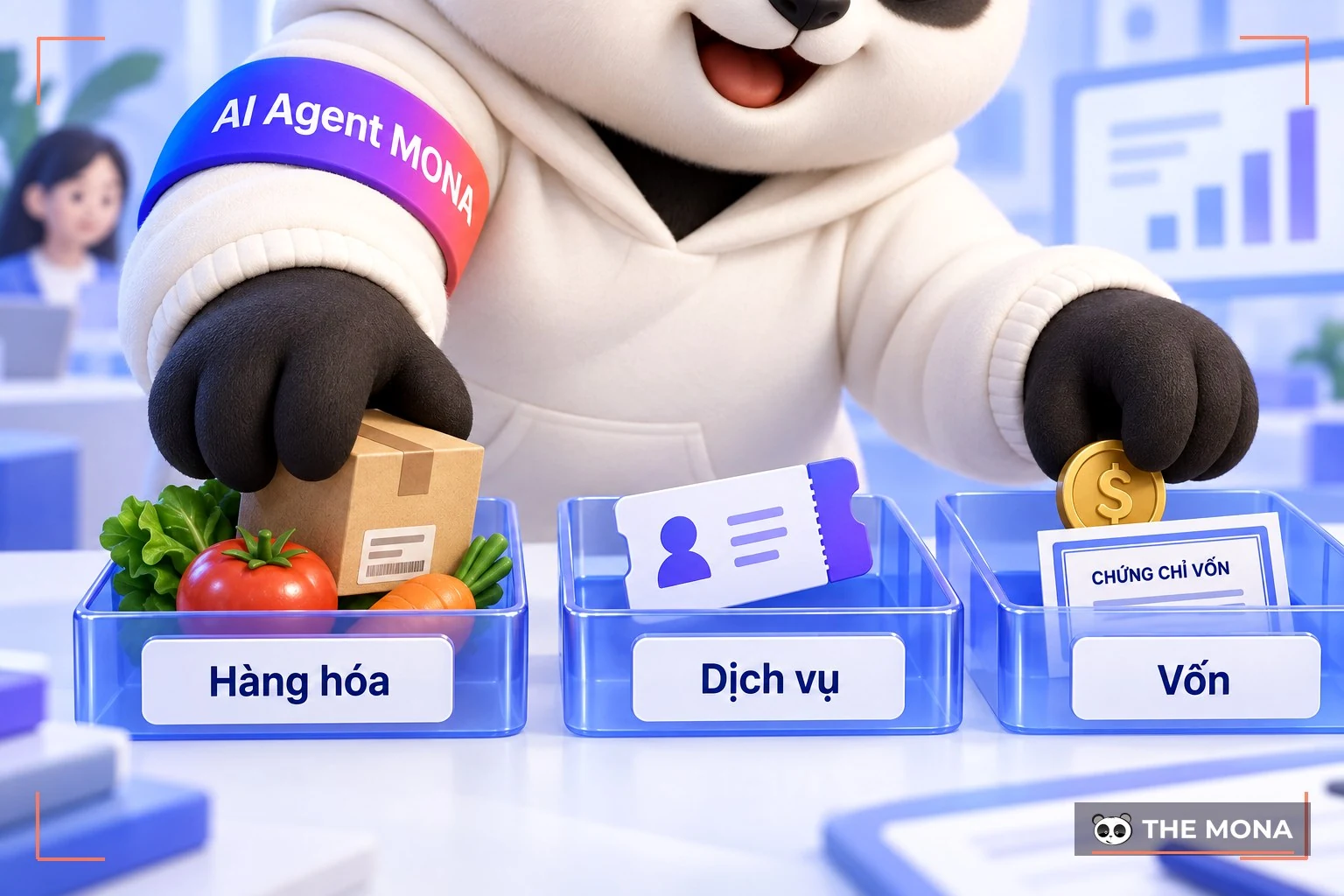
Objects are services, products and goods, and even labor and capital, that participants aim at in the market. Traded assets, whether intangible like brands and copyrights or tangible like grain, food and currency, are all objects of the market.

Prices in the market

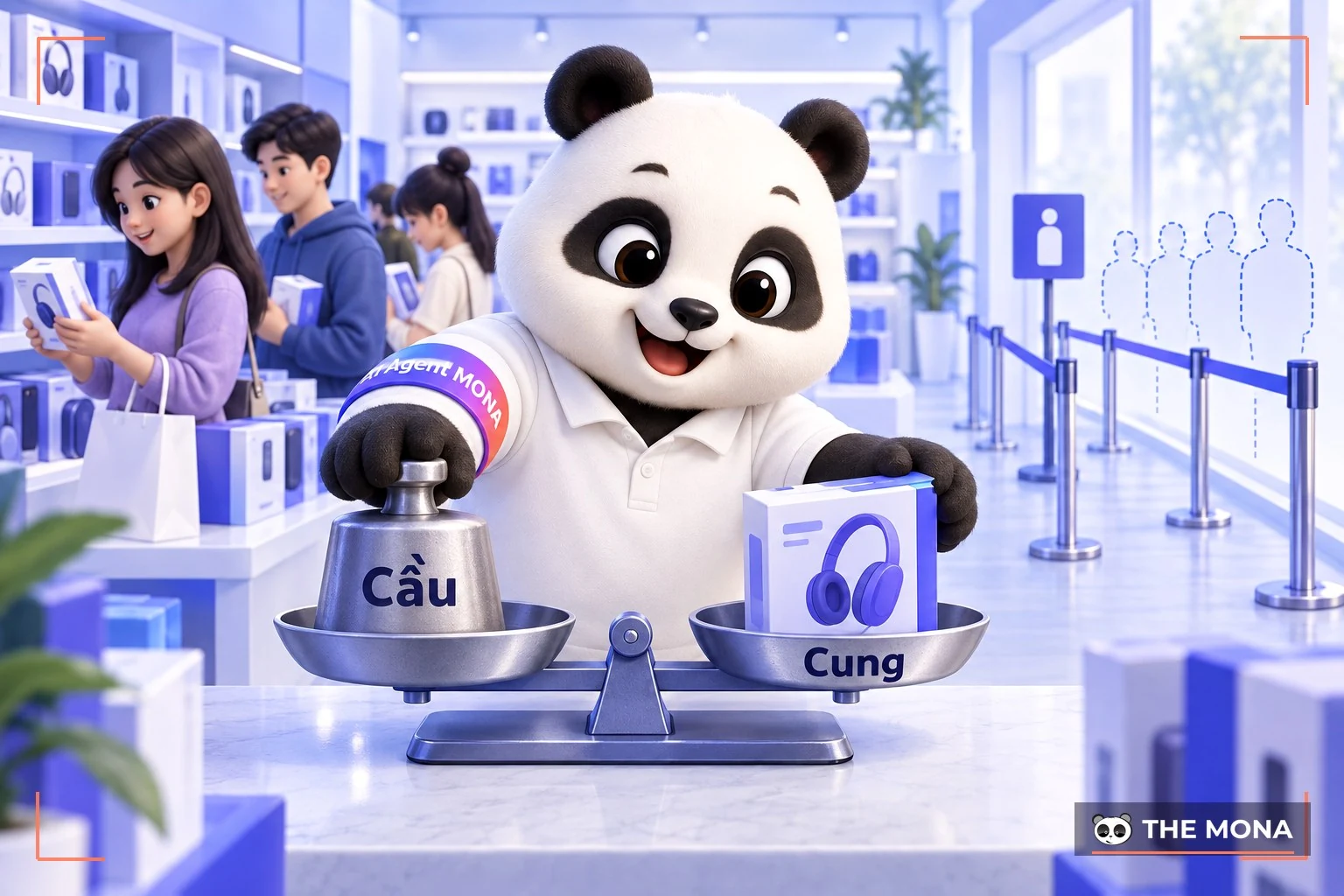
Prices in the market form on the basis of supply and demand for goods. Specifically:
  • If supply is greater than demand, the price falls
  • If demand is greater than supply, the price rises

Classification of markets today

By physical form

Commodity market

This is an extremely common type of market where the items exchanged are tangible goods, such as raw materials, production inputs or everyday consumer goods. This market is increasingly competitive as more and more producers and businesses appear.

Service market

In the service market, the items traded are things you cannot hold, which meet people's non-material needs. In this type of market, consumption and production happen at the same time.

Based on supply and demand

Actual market

This type of market is extremely important to the business strategy of a business. It consists of customers who already use the business's products to meet their needs. Companies all hope to hold on to this market and grow it, making sure their actual customers stay loyal.

Potential market

This is the market every business aims at when it wants to grow. People in this group fit everything the business sells but have not become customers yet. They are the people the business expects to buy its products or services one day, so this group is its future value.


Theoretical market

This market covers both the potential market and the actual market. It lets investors see what the business can do and how much room it has to grow.

Market structure today

Market structure is the term for how goods are exchanged between sellers and buyers in a market. It also describes how much competition there is.

Perfect competition

Perfect competition has a very large number of sellers and buyers, small and large. Every product on the market is the same, and anyone can enter or leave freely with no barriers. Each business holds only a small share, so no one can influence the selling price.

Monopolistic competition

There are many sellers and buyers, but the products differ from one another, and those differences are what meet consumers' needs. In this structure sellers can set higher prices to suit their product category.

Pure monopoly

A pure monopoly has a single seller, one company that controls the whole market. The seller alone decides the price, which can be very high, and buyers have no influence over it. Buyers lose all bargaining power here. This structure is extremely rare, and in Vietnam it only covers goods supplied by the State.

Oligopoly

In some markets today, only about 3 to 5 companies can dominate the supply of certain goods. These companies decide how much to release and at what price, so any change they make strongly affects total market supply. Startups find it very hard, or impossible, to enter an oligopoly. See more:

The importance of the market in marketing

The market in marketing

In marketing, the market is all the buyers, without the sellers. Marketing treats the place where sellers gather as the industry.

Is market research really important?

Market research helps you understand customers, the market and competitors, which gives you a better chance of succeeding in business. It also tells you exactly where your product stands, so you can choose the right positioning, product development, communication and pricing strategies. Research reduces the chance of failure and keeps wrong decisions to a minimum. To research the market accurately, you need to invest money, time, skills and knowledge.

An effective market research process

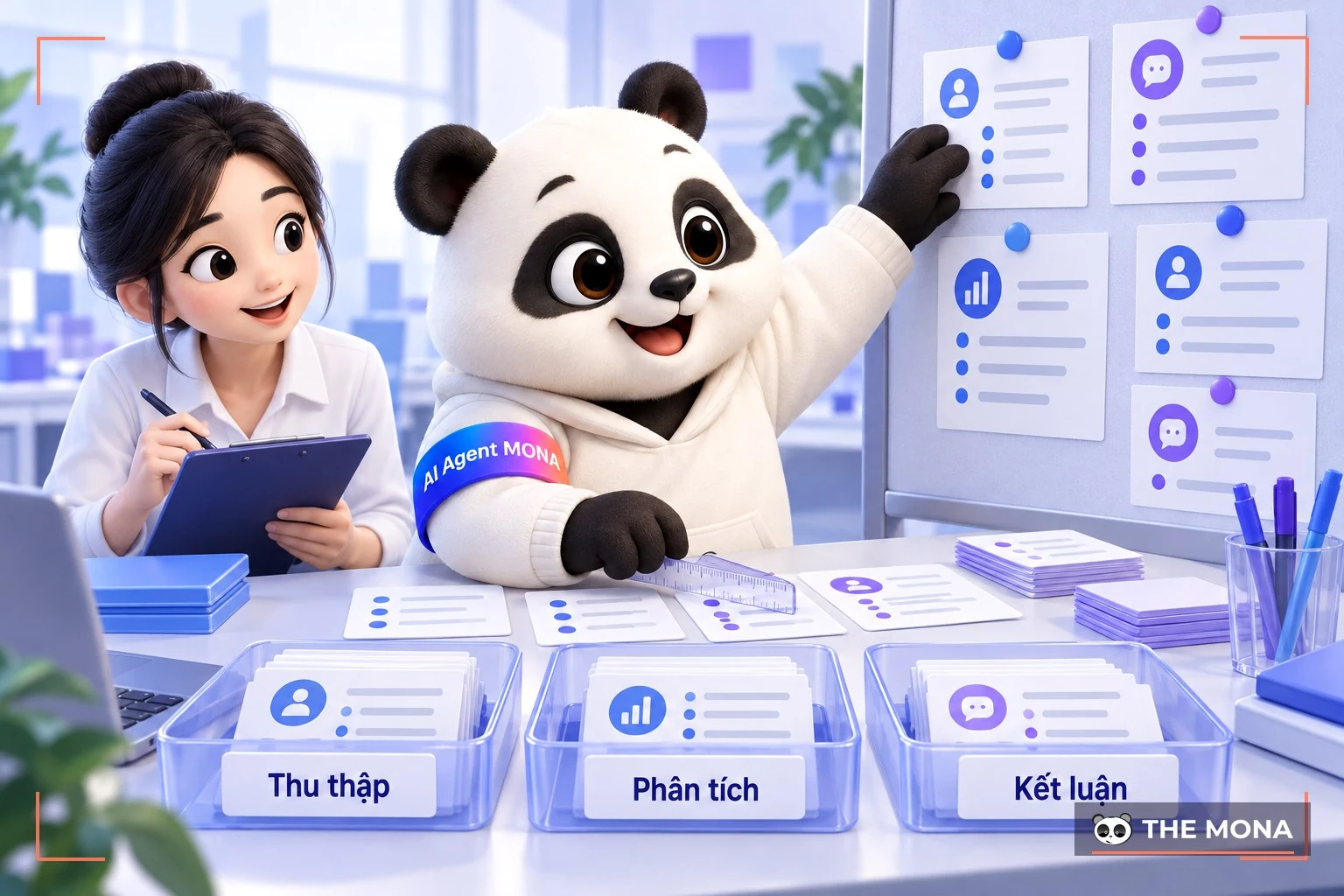
Step 1: Define the problem and the goal

Defining the problem and the goal is the first and most important step in the research process. You need to know what you are aiming for and where the problem comes from before moving on. The clearer the problem, the more effective the research.

Step 2: Choose a research method

List all the market research methods, such as surveys, individual interviews, group interviews and target groups, so that you collect accurate data. Then try them out and pick the one that best fits your goal.

Step 3: Prepare the survey

Design research tools that fit the chosen method so you can survey consumers. The questions in the questionnaire need to be detailed and match the research goal. Prepare all the related tools needed to run the study.

Step 4: Collect information and analyze the data

This step decides the outcome of the research. The results from surveys and interviews are analyzed carefully, and each piece of information contributes to the final result.

Step 5: Present the findings

Put all the collected data together and analyze it in a report that presents the findings. Also assess whether the goal you set earlier is feasible. We hope this article has given you the information you need, such as what a market is, and the forms and structures of markets. It should also show how important market analysis is in business. See more:

FAQ

What elements make up a market?
A market is made up of three main elements: participants (buyers, sellers, intermediaries, regulators and supervisors); objects (goods, services, labor, capital, brands, copyrights); and prices, which form from supply and demand. When supply exceeds demand, prices fall; when demand exceeds supply, prices rise.
What are the common types of market today?
There are four common types of market: the free market (operates without government intervention), the commodity market (exchange of products for daily life), the money market (global financial transactions, running 24/7) and the stock market (where shares are traded over the Internet).
About The MONA Group: Founded in 2016, with 60+ staff, MONA has delivered 14,000+ projects with an 85% client retention rate. MONA provides website design, full-scope SEO, custom software and AI automation solutions for businesses. Consultation hotline: 1900 636 648. Explore MONA AI Agent suite and MONA SEO services.
MONA has a podcast: listen instead of readingEpisodes on AI, automation & SEO for Vietnamese businesses
Nghe ngay
About the author

CEO & Founder · The MONA

The founder of The MONA built a service company of 60+ staff with 14,000+ projects delivered. Khánh Hùng shares his thinking on building self-running systems, automating a business, and the real lessons behind MONA's projects.

Views 425
Rate this article 4,8/5 · 17 ratings

Professional website
design services

Own a website with a beautiful, 100% exclusive design and a lifetime warranty, with the ability
to expand features flexibly as your business grows, starting today!

Contact Mona

    MONA có riêng một Người "Bạn Thân" cho bạn - Người Account sẽ đồng hành, hỗ trợ, hướng dẫn, đặt đồ ăn cho bạn mãi mãi, từ đây về sau!
    MONA will never sell your information or send you spam
    Đội MONA tư vấn hệ thống quản lý giáo dục trực tuyến
    Hỏi đáp giáo dục 4.0
    Tạo cuộc hẹn miễn phí với MONA để giải đáp và tư vấn mọi thắc mắc về giải pháp số hoá ngành giáo dục
    Thời lượng cuộc hẹn
    45 Phút
    Ngày và giờ
    Thứ 2, ngày 25 tháng 12, 2023
    [9:30 - 10:15]

      Chọn ngày và giờ
      Khung giờ
      Back
      Hãy cho MONA biết bạn là ai
      0:00