
 MONA OS 2.0
 Partner with MONA


 Tự động hoá doanh nghiệp
 Cẩm nang SEO
 Digital Marketing
 Kinh nghiệm thiết kế website
 Hạ Tầng Server
 Giáo dục


 VI
 EN













Message us on
Zalo Official


 ProductsNew

 ProductsProducts
 Mới ra mắtKHA AI 2027App tự edit video, tự đăng mọi mạng xã hội, 2 phút mỗi ngày










 Website designLooks good and wins customers over.
SEO servicesBrings in customers searching for exactly what you sell.
 Tư vấn digital marketingKéo khách từ nhiều kênh, đo bằng số thật.
Corporate video productionVideos introducing your company, factory and team.
 NewAI video productionCompany story films made with AI.
 Custom software developmentCRM, ERP and HRM built for your business.
 Viết AI Agent theo yêu cầuĐặt riêng một trợ lý AI cho đúng việc của mình.
 Tư vấn chuyển đổi AIĐưa AI vào vận hành của cả công ty.
NewMONA LMSManagement for centers and schools.
MONA SkillHubInternal training for company staff.
 NHTQ systemEnd-to-end China–Vietnam shipping operations.
MONA JMSManagement for gold, diamond and pawn shops.
 MONA E-LearningA website with every feature you need to sell courses.
 How to sell online courses (course)More than 30 free lessons on selling courses on autopilot.
 MONA Cloudmonacloud.vnServers to get your apps and websites running.
 MONA Basemonabase.vnPostgres database, sign-in and file storage.
 MONA Mailmonamail.vnSend OTP, order and invoice emails from your software.
 MONA Paymonapay.vnAccept bank transfers via VietQR and notify your software when the money arrives.
 MONA eInvoiceComing soonIssue e-invoices that meet tax standards.
Gấu CườiTrả lời khách 24/7 trên web, Fanpage, Zalo và thu lead cho sale.
 Gấu TeleSalesGọi điện tư vấn, chăm khách như tổng đài viên thật.
Dê CườiTư vấn và chốt đơn cho shop ngay trong khung chat.
Gấu WebmasterNhắn nhóm Zalo là website được sửa xong.
 Gấu Pháp ChếSoạn hợp đồng, rà điều khoản trong vài phút.
 Gấu Báo GiáLên báo giá đúng mẫu và gửi khách ngay.
 AI chăm sóc khách hàngTheo dõi và giữ chân khách hàng cũ.
 Gấu Tuyển DụngLọc hồ sơ, hẹn lịch, phỏng vấn ứng viên.
 Mới ra mắt
KHA AI 2027
Xây kênh chuyên gia 2 phút mỗi ngày
Quay bằng điện thoại, AI tự edit video, tự đăng lên 16 nền tảng và tự trả lời bình luận, tin nhắn.
910.304lượt xem trên kênh CEO MONA sau 38 ngày
 Anh Khánh HùngCEO MONA đang dùng mỗi ngày
Xem app làm được gì
 AI
Gấu Cười MONA ĐANG TỰ XÀITrả lời khách 24/7 trên website, Zalo OA, Messenger và thu lead về cho sale.
Dê CườiChốt đơn bán lẻ và sàn: Shopee, TikTok Shop, web. Chăm cả khách sỉ, đại lý.
Gấu WebmasterCập nhật nội dung, tối ưu SEO website mỗi ngày.
Gấu TeleSalesGọi điện tư vấn, chăm khách như tổng đài viên thật.
Gấu Tuyển DụngLọc hồ sơ, hẹn lịch, phỏng vấn ứng viên tự động.
AI chăm sóc khách hàngGiữ khách cũ, cứu lead đã rớt cho phòng kinh doanh.
Gấu Pháp ChếSoạn hợp đồng, rà điều khoản trong vài phút.
Gấu Báo GiáLên báo giá đúng mẫu, gửi khách ngay khi có yêu cầu.
 Chuyển đổi AI toàn phầnGiải pháp tổng cho doanh nghiệp, 3 lớp triển khai.
 Viết AI Agent theo yêu cầuĐặt riêng một con AI gánh đúng nghiệp vụ của bạn.
 Custom softwareCRM, ERP and HRM with built-in AI automation.
 SEO & AEO thời đại AIĐược Google lẫn AI trích dẫn, không chỉ xếp hạng.
 Kiến thức AI cho doanh nghiệpBài phân tích, hướng dẫn ứng dụng AI vào vận hành.
 Free AI courses
 AI tools at work
App mới · KHA AI 2027
Xây kênh 2 phút mỗi ngày
AI tự edit video, tự đăng mọi mạng xã hội
Free consultation, 8am–10pm every day

18 March, 2023

W3C is a web design standard founded by Tim Berners-Lee. The W3C was established at the Massachusetts Institute of Technology Laboratory for Computer Science (MIT/LCS). Today the standard supports many organizations, companies and professionals in website design. MONA Media will help you understand, in web design, what the W3C standard is in the article below.
World Wide Web Consortium is the full English name of W3C. The standard is designed for websites in general so they are more compatible with each other. It gained even more value once the HTTP protocol was developed. Most websites today are designed to the W3C standard.
W3C helps professionals web design set direction for building and developing their websites. Large websites on the market all value this criterion.
The W3C standard is a way of guiding website development. Basically it is the underlying part of the design process and has nothing to do with how the website looks. So only web design professionals tend to care about it.
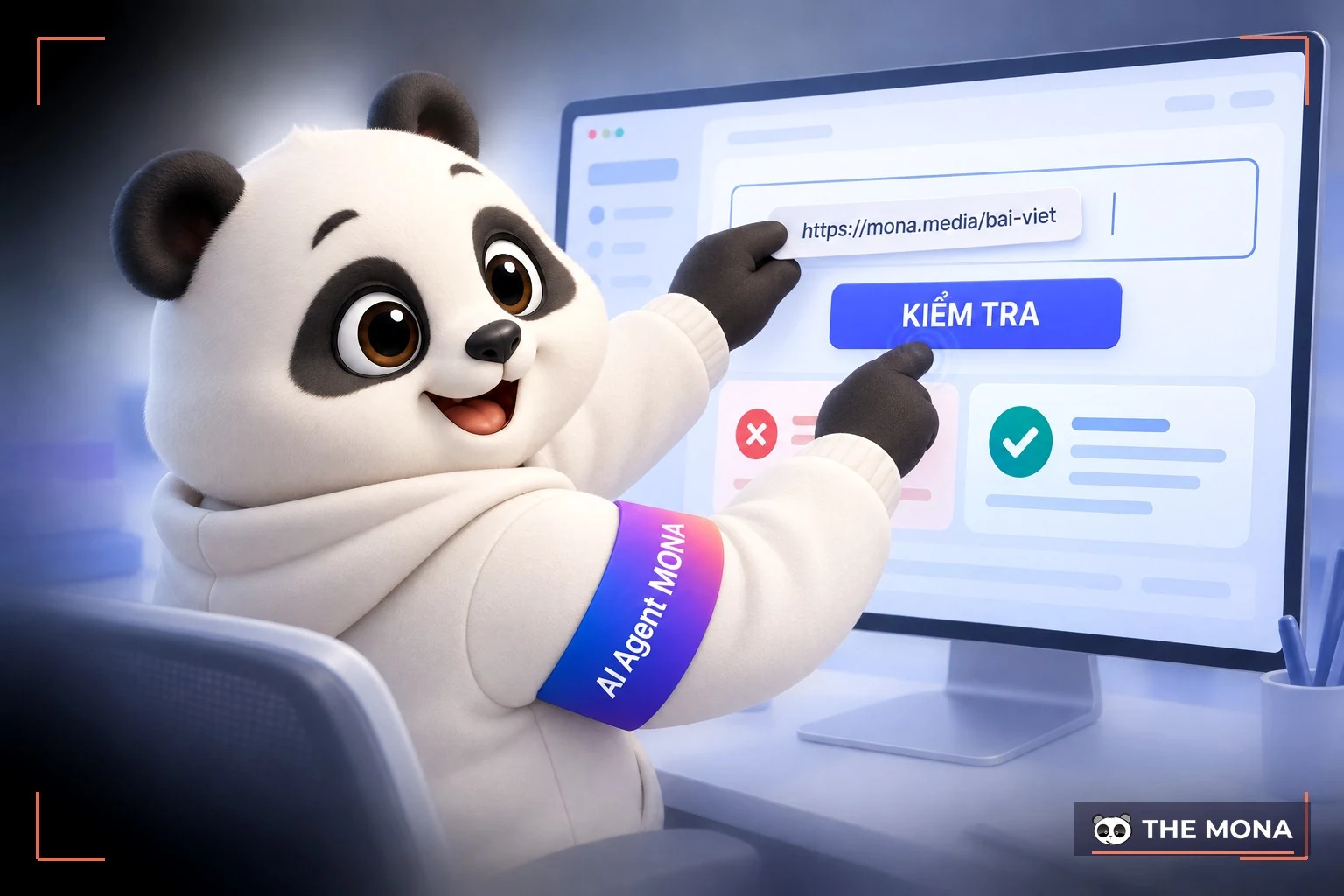
To know whether your website meets the W3C standard, you need to run a check. After checking, you can contact a web design company to upgrade your site to the W3C standard.
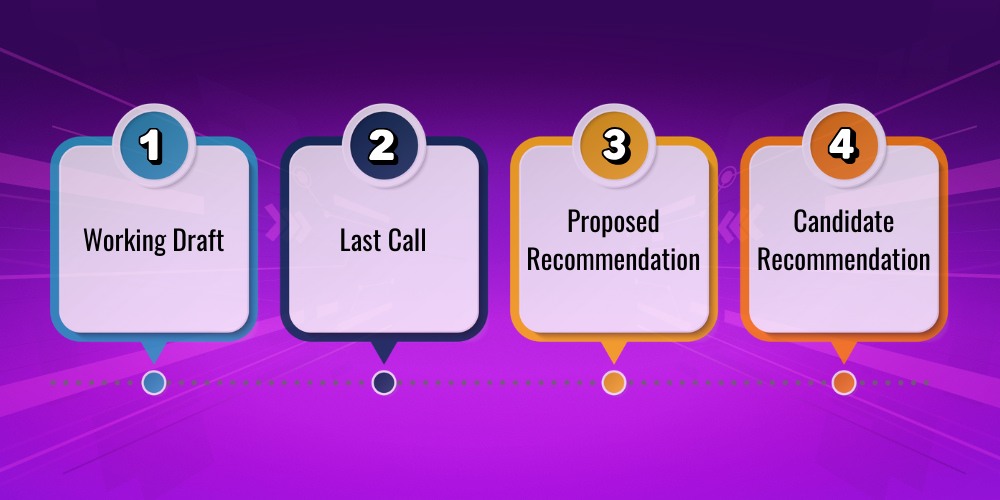
When you understand what W3C is and what the standard requires, implementation is more effective and accurate. To build a website that meets all W3C criteria, you need to know the implementation process, which has 4 important stages:
Checking a website against the W3C standard is actually very simple. You can do it quickly in a few steps:
A W3C-compliant website is usually rated very positively by Google. Thanks to its optimized structure and fewer technical errors, Google can Google index quickly and gives such pages ranking priority over pages that do not follow the standard. In addition, the W3C standard brings many benefits in web code, such as:
During web design, developers can make accidental errors. These errors usually go unnoticed in testing, but their consequences can later stop the website from working properly. By following W3C standards, you fix the basic, avoidable errors that arise during design.
Technical errors not only worsen the experience but also give a poor impression of how much was invested in the website. Google may also mistake them for malicious code that affects rankings.
Google now raises its user experience criteria. The W3C standard helps browsers stay in sync and display different content more easily, so users can browse more comfortably. With a W3C-compliant design, administrators also find it easier to optimise the website, SEO website.
Page load speed also improves when a website is designed to the W3C standard. Google cares a lot about page load speed. W3C-compliant websites usually have a lightweight structure and are processed efficiently, so pages load noticeably faster. This is a big advantage as Google increasingly favors fast websites.
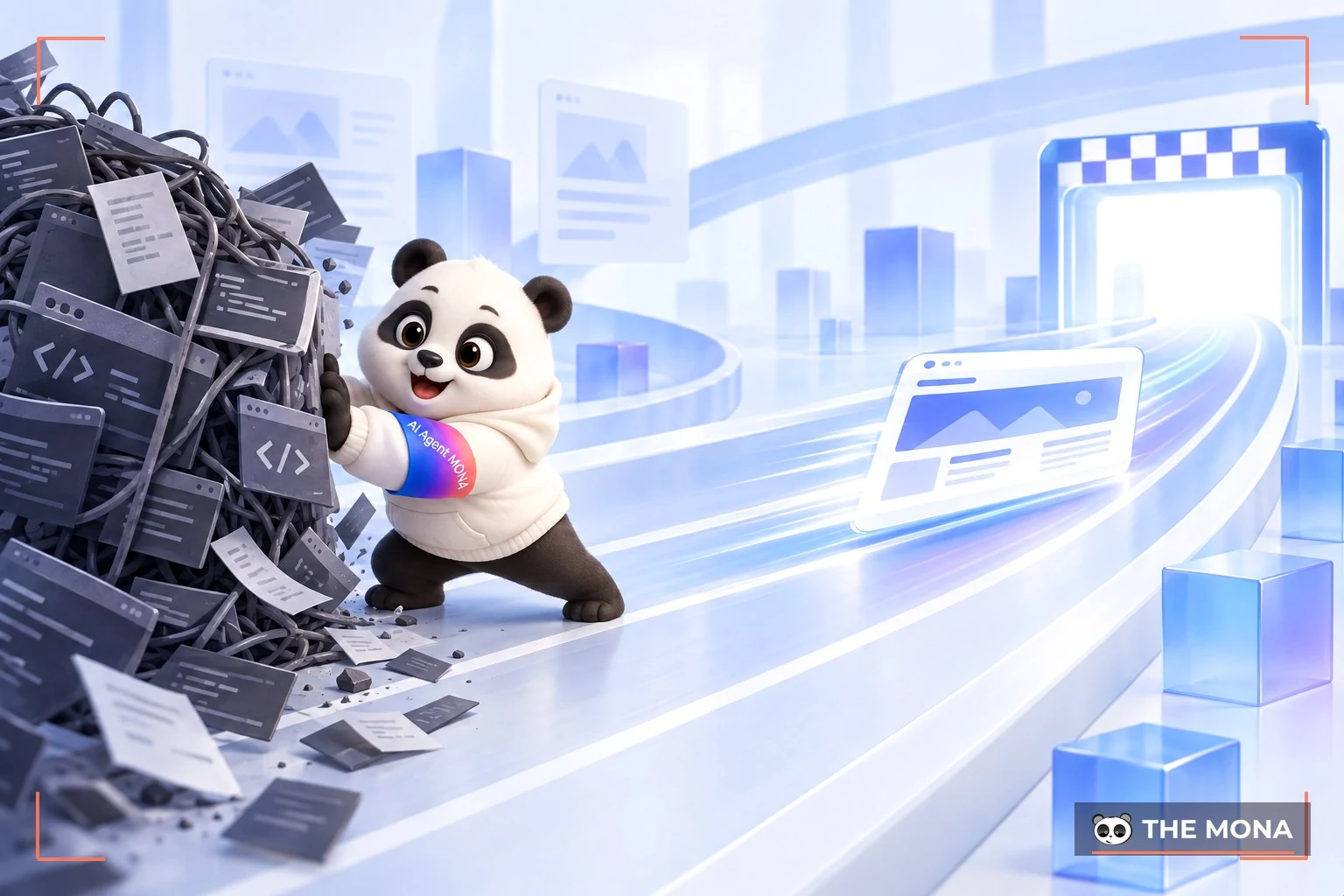
See also:
Designing a W3C-compliant website takes care and a well-organized process. Without attention, designers easily make small mistakes that have a big effect on optimization and on how the site's quality is judged. Here are the common errors to watch for.
The alt attribute is important for supporting a website when it loads slowly or when images fail to load. Instead of seeing the image, users see the alt text in its place.
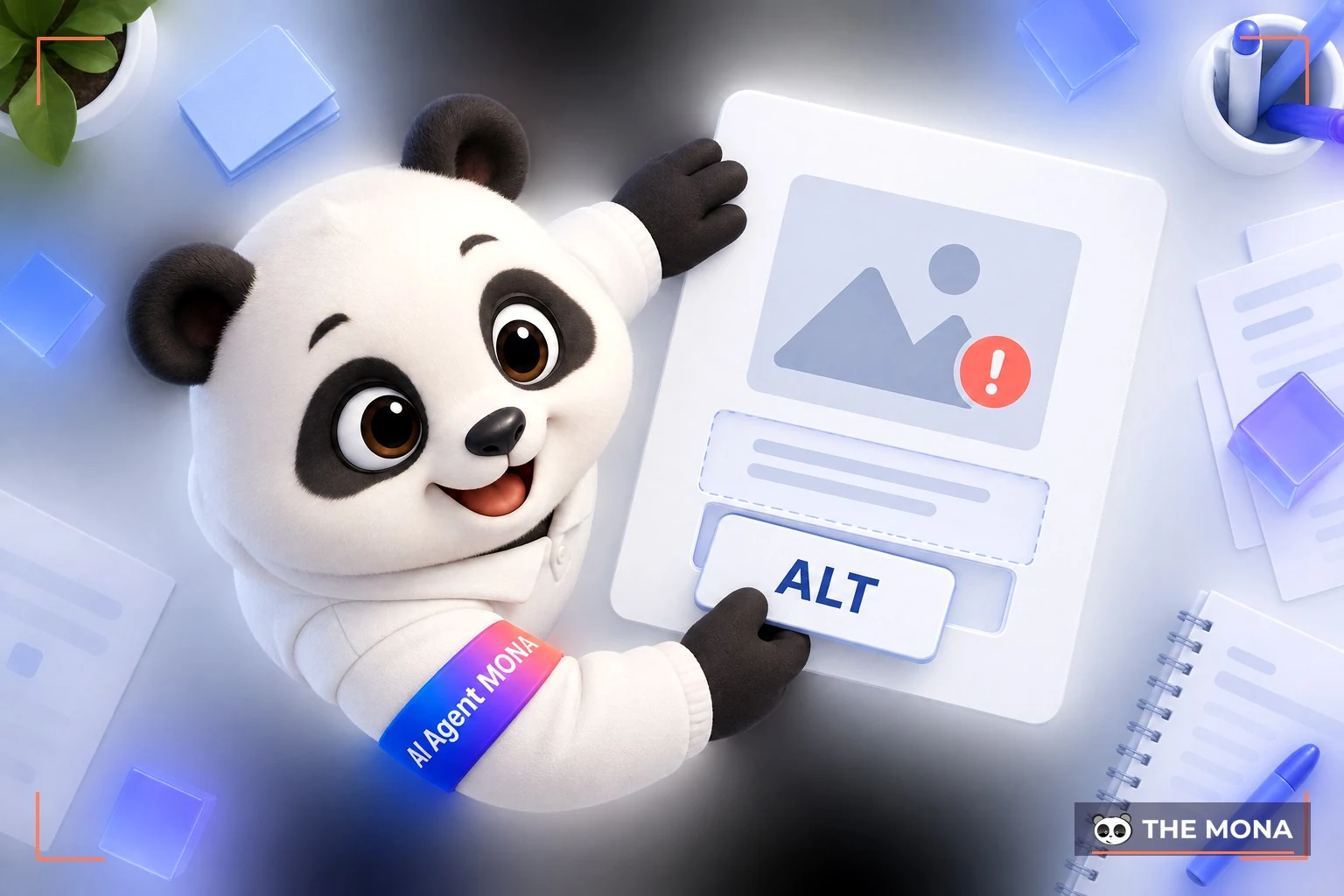
From the ALT attribute users understand what the image shows. Also, when the image and alt text are both shown, the content is more closely related. The alt attribute makes SEO website easier. Images without an alt attribute cannot be optimized for SEO. The alt text usually contains the main keyword of the article.
ID and class work similarly, but an ID should be used only once per element. Using duplicate IDs not only violates the W3C standard but also makes the website run less than optimally and harder to manage.
Google also does not rate pages with unclear source code structure highly. If you need to experiment, you can use libraries or coding practice sites to test before applying it to a real project.
Some special characters such as < > / & cannot be written directly in HTML. They need to be encoded to display correctly on the page. Many character libraries already exist, so you do not need to memorize them all. When you need one, just look it up and use it.
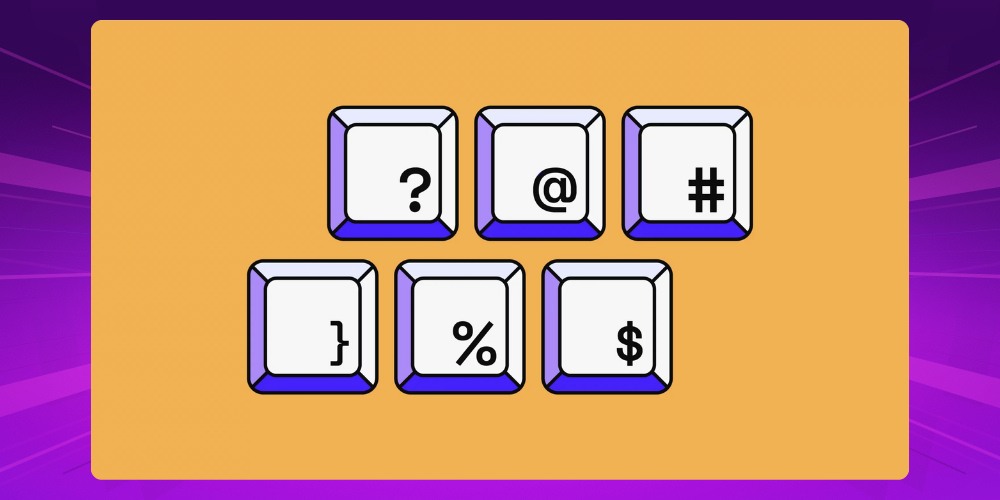
If these special characters are not encoded, they cannot be displayed on the page. This is a basic error that visitors have little patience for. Google now uses the user experience as a criterion for rating websites, so if you do not optimize this properly, your site will not be rated highly.
A single missing space in the href attribute of an a tag can cause an error on the site. For example, <a href=”link 1″ target=”_blank”> link 1</a> will be flagged as an error. To fix this code, add an underscore (_): <a href=”link_1″ target=”_blank”> link 1</a>. When you design a website to W3C standards, these errors are reported to you so they are easy to correct.
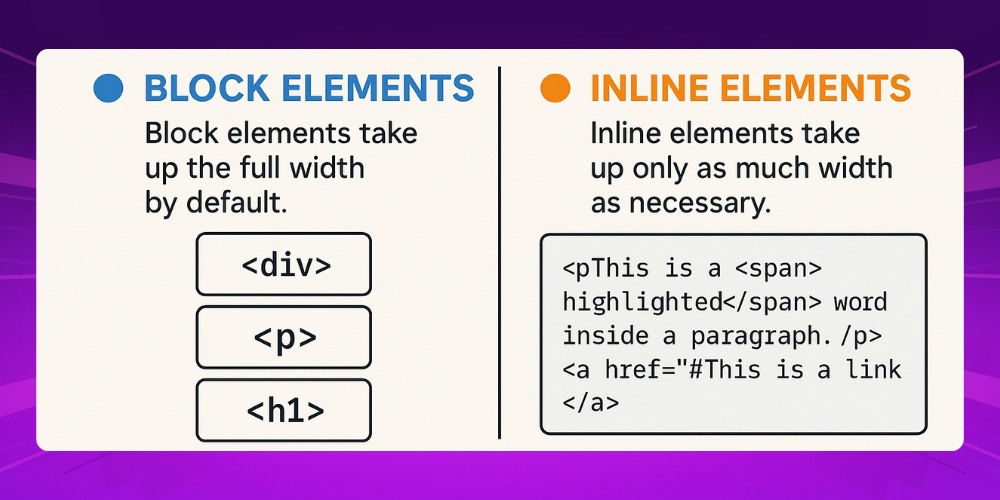
To code more professionally, businesses and developers need to distinguish block elements from inline elements. An inline element cannot contain a block element, while a block element can contain inline elements. There are plenty of programming websites, source code libraries and developer communities, so you can check several sources to learn the difference between inline and block elements.
If you have no experience create a website or have tried many approaches and still cannot build a professional, stable website that converts as you expect, let MONA Media work with you. With more than 10 years in website design and thousands of real projects delivered, we have the skills and technical mindset to turn a plain website into an “automated business machine” that runs 24/7 and keeps bringing in new customers.

Choose the service custom website design from MONA Media, and we commit to:
With MONA, a website has to be effective as well as good-looking: it should bring in revenue and be a lasting foundation for your business. If you need a professional website design service, contact us today.

What is the W3C standard in web design? that we shared above will be useful for developers who are new to the field. It is an important web design practice for optimizing your site, improving SEO, improving user experience and raising your Google ranking. We hope you bring your website up to W3C standards as soon as possible.

CEO & Founder · The MONA
Founder of The MONA, who built a services company of 60+ staff with 14,000+ projects delivered. Khánh Hùng shares how he thinks about building systems that run themselves, automating a business, and the real lessons from delivering projects at MONA.
 1,4K



Professional website
design services
Own a website with a beautiful, 100% exclusive design and a lifetime warranty, with the ability
to expand features flexibly as your business grows, starting today!






 MONA will never sell your information or send you spam


 MONA will never sell your information or send you spam
