
 MONA OS 2.0
 Partner with MONA


 Tự động hoá doanh nghiệp
 Cẩm nang SEO
 Digital Marketing
 Kinh nghiệm thiết kế website
 Hạ Tầng Server
 Giáo dục


 VI
 EN







Message us on
Zalo Official


 ProductsNew

 ProductsProducts
 Mới ra mắtKHA AI 2027App tự edit video, tự đăng mọi mạng xã hội, 2 phút mỗi ngày










 Website designLooks good and wins customers over.
SEO servicesBrings in customers searching for exactly what you sell.
 Tư vấn digital marketingKéo khách từ nhiều kênh, đo bằng số thật.
Corporate video productionVideos introducing your company, factory and team.
 NewAI video productionCompany story films made with AI.
 Custom software developmentCRM, ERP and HRM built for your business.
 Viết AI Agent theo yêu cầuĐặt riêng một trợ lý AI cho đúng việc của mình.
 Tư vấn chuyển đổi AIĐưa AI vào vận hành của cả công ty.
NewMONA LMSManagement for centers and schools.
MONA SkillHubInternal training for company staff.
 NHTQ systemEnd-to-end China–Vietnam shipping operations.
MONA JMSManagement for gold, diamond and pawn shops.
 MONA E-LearningA website with every feature you need to sell courses.
 How to sell online courses (course)More than 30 free lessons on selling courses on autopilot.
 MONA Cloudmonacloud.vnServers to get your apps and websites running.
 MONA Basemonabase.vnPostgres database, sign-in and file storage.
 MONA Mailmonamail.vnSend OTP, order and invoice emails from your software.
 MONA Paymonapay.vnAccept bank transfers via VietQR and notify your software when the money arrives.
 MONA eInvoiceComing soonIssue e-invoices that meet tax standards.
Gấu CườiTrả lời khách 24/7 trên web, Fanpage, Zalo và thu lead cho sale.
 Gấu TeleSalesGọi điện tư vấn, chăm khách như tổng đài viên thật.
Dê CườiTư vấn và chốt đơn cho shop ngay trong khung chat.
Gấu WebmasterNhắn nhóm Zalo là website được sửa xong.
 Gấu Pháp ChếSoạn hợp đồng, rà điều khoản trong vài phút.
 Gấu Báo GiáLên báo giá đúng mẫu và gửi khách ngay.
 AI chăm sóc khách hàngTheo dõi và giữ chân khách hàng cũ.
 Gấu Tuyển DụngLọc hồ sơ, hẹn lịch, phỏng vấn ứng viên.
 Mới ra mắt
KHA AI 2027
Xây kênh chuyên gia 2 phút mỗi ngày
Quay bằng điện thoại, AI tự edit video, tự đăng lên 16 nền tảng và tự trả lời bình luận, tin nhắn.
834.956lượt xem trên kênh CEO MONA sau 27 ngày
 Anh Khánh HùngCEO MONA đang dùng mỗi ngày
Xem app làm được gì
 AI
Gấu Cười MONA ĐANG TỰ XÀITrả lời khách 24/7 trên website, Zalo OA, Messenger và thu lead về cho sale.
Dê CườiChốt đơn bán lẻ và sàn: Shopee, TikTok Shop, web. Chăm cả khách sỉ, đại lý.
Gấu WebmasterCập nhật nội dung, tối ưu SEO website mỗi ngày.
Gấu TeleSalesGọi điện tư vấn, chăm khách như tổng đài viên thật.
Gấu Tuyển DụngLọc hồ sơ, hẹn lịch, phỏng vấn ứng viên tự động.
AI chăm sóc khách hàngGiữ khách cũ, cứu lead đã rớt cho phòng kinh doanh.
Gấu Pháp ChếSoạn hợp đồng, rà điều khoản trong vài phút.
Gấu Báo GiáLên báo giá đúng mẫu, gửi khách ngay khi có yêu cầu.
 Chuyển đổi AI toàn phầnGiải pháp tổng cho doanh nghiệp, 3 lớp triển khai.
 Viết AI Agent theo yêu cầuĐặt riêng một con AI gánh đúng nghiệp vụ của bạn.
 Custom softwareCRM, ERP and HRM with built-in AI automation.
 SEO & AEO thời đại AIĐược Google lẫn AI trích dẫn, không chỉ xếp hạng.
 Kiến thức AI cho doanh nghiệpBài phân tích, hướng dẫn ứng dụng AI vào vận hành.
 Free AI courses
 AI tools at work
App mới · KHA AI 2027
Xây kênh 2 phút mỗi ngày
AI tự edit video, tự đăng mọi mạng xã hội
Free consultation, 8am–10pm every day

21 April, 2025
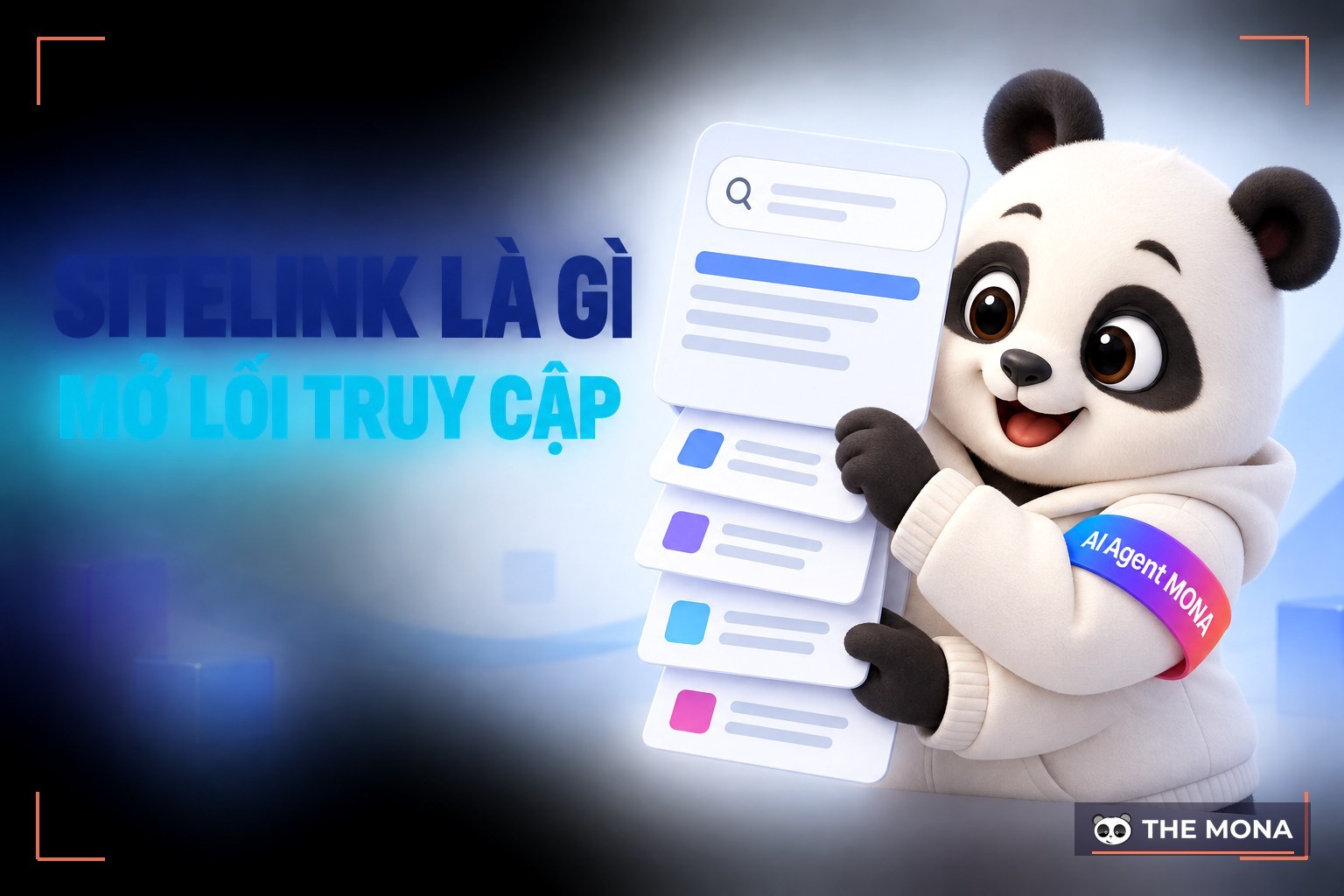
Have you ever searched for a keyword on Google and noticed that some websites show small links beneath the main title? Those links are called sitelinks, shortcuts that take users to important pages such as products, the blog or contact, in a single click. Besides making the experience smoother, sitelinks also help raise your website's click-through rate on Google. So what is a sitelink, can you "create" one yourself, and how do you get Google to show them for your website? Let's look at it together with MONA Media right now.
Sitelinks are small links to other important pages on the same website, shown right below the main search result on Google, helping users reach the content they need faster. Sitelinks were first introduced in 2005 and in 2006 Google officially announced the feature.
Today, sitelinks are one of the most common search features. Queries that contain a brand name usually show sitelinks, along with many other queries, typically informational queries.

The number of sitelinks shown differs by query type:
Now that you know what a sitelink is, you are probably curious about the real value these links bring to a website. Besides making your website stand out in search results, sitelinks bring many practical benefits to a business, including:
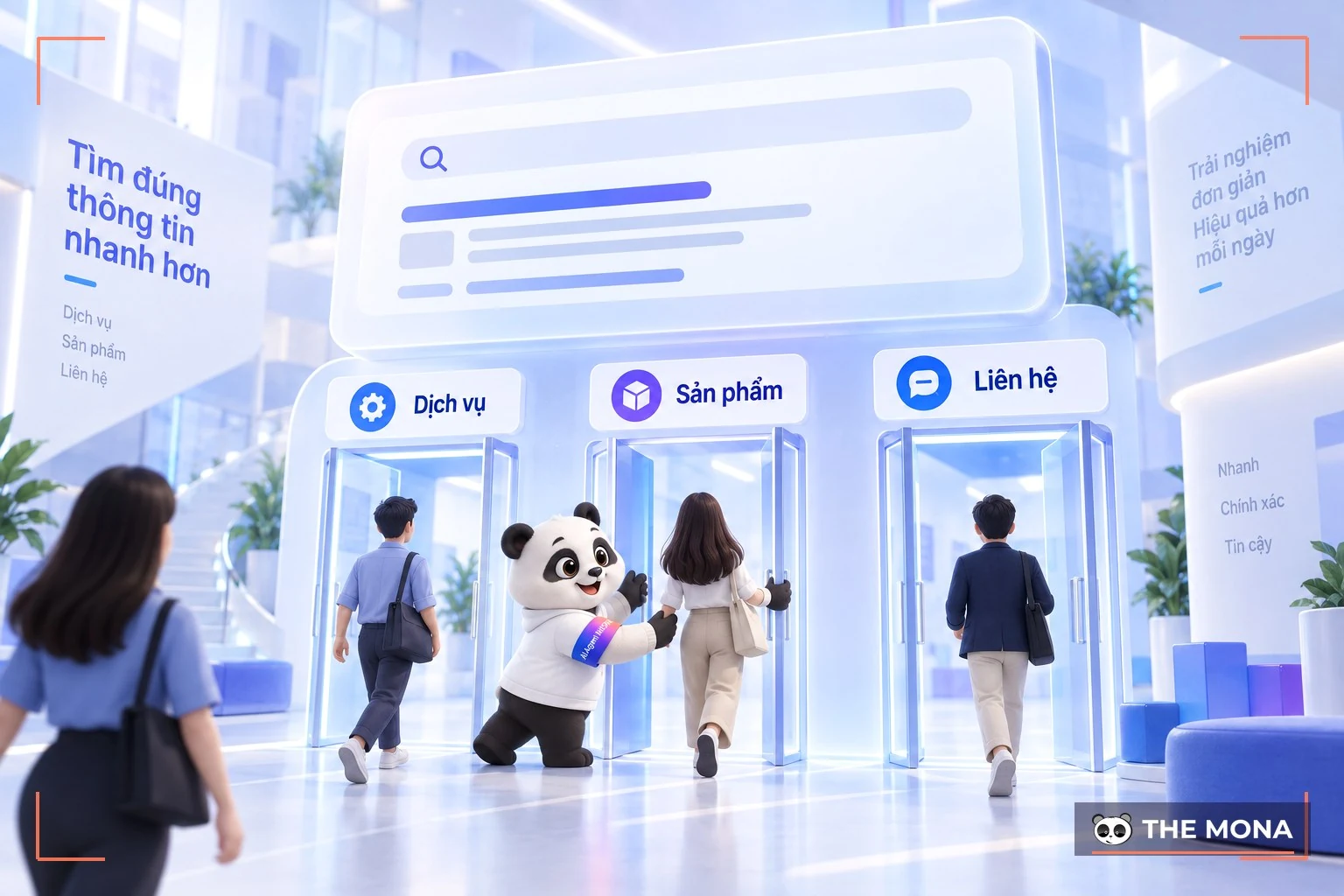
Since launching, sitelinks have gone through many changes in how they are displayed and updated. Below are the four types of sitelinks you will commonly see today. Website sitelinks can appear in different forms, from simple text sitelinks to sitelinks that include a dedicated search box. Understanding them helps you optimize your website effectively, an important step in the journey of learn how to do SEO online for professional services.
Paid sitelinks, also called sitelink ads, usually appear in running Google adscampaigns. You can add sitelink extensions yourself to make better use of ad space and improve campaign performance.

The biggest difference between paid sitelinks and the other types is that you have full control over the URL and the text shown in the ad, while other sitelinks are generated automatically by Google based on algorithms and user behavior.
Organic sitelinks usually appear for brand-name keywords or specific phrases and can show up to 6 links to other pages on the website. With organic sitelinks, Google decides how to display them based on the website's structure and credibility. Google only shows organic sitelinks for results in the top positions.

Organic one-line sitelinks appear for many types of queries and usually include 4 links. These links lead to other pages on the website or jump straight to a specific section of a page through a fragment (#) link.

The organic sitelink search box lets users search directly and quickly reach results from an app or website. This type of sitelink appears only for keywords related to a brand name and is added automatically by Google.

To raise your chances of getting a Google sitelink search box, add suitable structured data and optimize your homepage for internal search. But this only helps and does not guarantee that it 100% will appear in search results.
Many webmasters ask how to create sitelinks and how to make them more likely to show for their websites. In reality, Google generates sitelinks automatically based on a website's credibility and structure, so you cannot request them on demand. The only approach is to optimize your website against the criteria Google favors. Meeting these factors well raises the chance that sitelinks appear prominently in search results.
As mentioned, Google does not show sitelinks for every website. It decides based on specific criteria. Here are the key conditions your website needs to meet if you want Google to assign sitelinks:
To raise the chance of sitelinks appearing in search engines, keep the following ways to optimize your website in mind.
Your domain should be easy to remember, clear and reflect your brand name or your field. Also avoid overlapping with other domains to limit confusion in search results. When a domain meets these conditions, Google can easily recognize it and link the website to the brand, which raises the chance of sitelinks appearing when users search the brand name.
As noted above, Google shows sitelinks only if the brand keyword ranks first on the results page. So you need to fully optimize both SEO Onpage and Offpage. For a new brand, reaching the top spot takes a lot of time and effort. But if you are already in first place and still have no sitelinks, review the following:
Structured data is information added to a website to help Googlebot better understand its content and topic. You can use dedicated plugins to add metadata or set up schema. Adding this data does not guarantee that Google will assign sitelinks, but it is one of the ways that noticeably raises the chance of links appearing.
The website needs a logical hierarchy, with the main pages easy to reach from the navigation menu.
For example, from the homepage, both users and Google should be able to easily reach pages such as "About", "Services", "Products" or "Contact".
Key pages should also have clear, readable URLs that describe the page content, which helps Google index them and improves the chance of sitelinks.
Usually, sitelinks appear for the homepage or main pages such as terms of use, but in some cases Google also shows sitelinks for individual posts on a website.
So you should set up a table of contents with links to each section of the post. This not only raises the chance of sitelinks appearing for individual posts, but also helps build brand recognition.
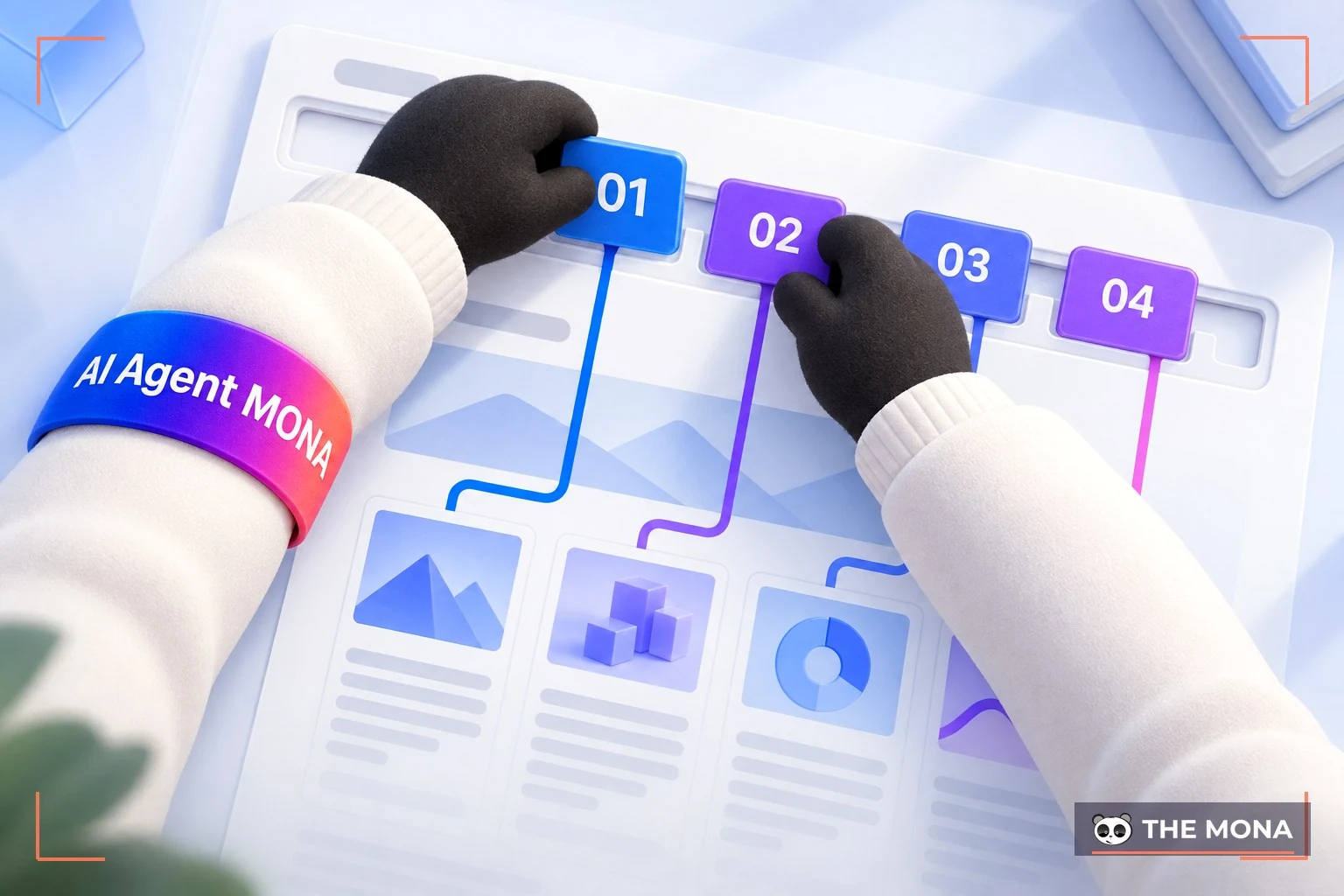
A table of contents also gives readers a better reading experience. They can quickly grasp the main points of the post or easily jump to the content they care about most.
The sidebar plays a fairly important role in website optimization. It rounds out the website's layout and content, and is also a useful tool for giving users extra valuable information.
When you use the sidebar to guide users to important pages, those pages are also more likely to get sitelinks. This approach helps a business increase the number of Google sitelinks naturally and effectively.
Sitemap XML is an extremely useful tool for outlining all the pages of a website. With a sitemap, Google can crawl and index your website more completely.
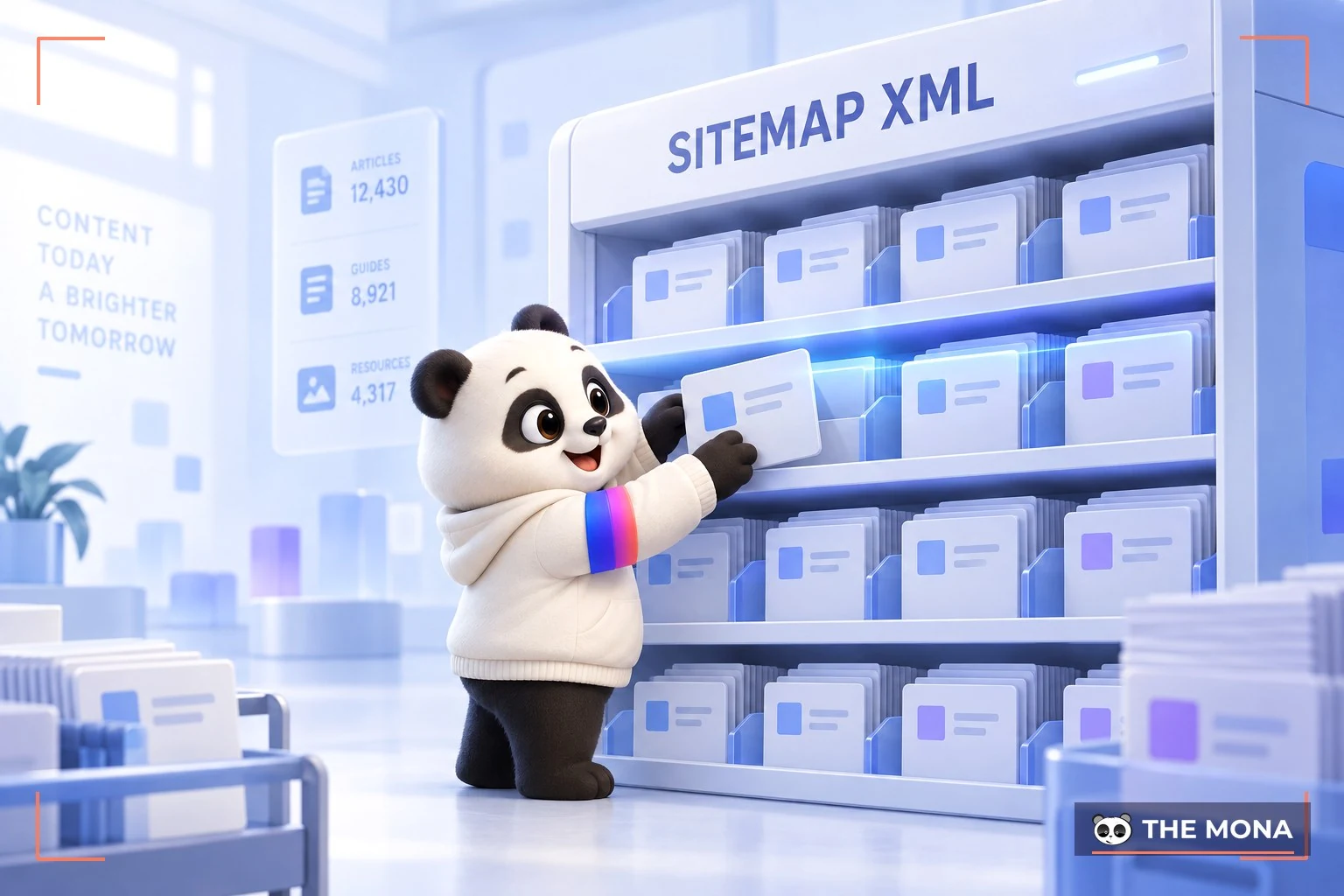
After creating an XML sitemap, submit the file to Google Search Console. This helps Google quickly understand the website's structure, which raises the chance that important pages are shown as sitelinks in search results.
One essential step to optimize sitelink display is making sure the website is registered with Google Search Console. This tool helps you track the website's search performance and see which pages have a chance of being assigned sitelinks by Google.
Google Search Console also helps you detect and fix problems that affect how your website appears in search engines.
Internal links are a very important factor in on-page SEO. If you want your website to have quality sitelinks, prioritize building links to your most important pages.
Google has confirmed that how pages link to each other directly affects how it judges each page's importance. From this, Google identifies the standout pages to include in sitelinks, which improves the visibility and ranking of the whole website.
Besides other technical factors, pay attention to page titles. A title should contain the keyword you are targeting for SEO and be closely related to the page content.
Google often uses the page title itself to create sitelinks, so you need to optimize titles carefully. If you need help, you can use a tool like Yoast SEO to review and adjust before publishing new content.
Google rates brands highly when they have wide reach on social media and attract the attention of the online community. So use platforms such as Facebook, Instagram and LinkedIn to raise your brand's presence.
Sharing website content on these channels also adds to your brand's credibility in Google's eyes, which widens the chance for your website to be assigned sitelinks in search results.
Sitelinks are an important part of an overall SEO strategy that many people overlook. Even though you cannot ask Google to show sitelinks on demand, understanding how they work and steadily improving your website's quality raises the chance of these attractive links appearing. On the path to building an online brand, sitelinks are not only a sign that you are on the right track, they also add to your website's credibility and conversion rate.
Are you ready to break through in online sales and take the top spots on Google? MONA is here to work with you. Call us for professional advice and a detailed SEO quote as well as possible.

CEO & Founder · The MONA
Founder of The MONA, who built a services company of 200+ staff with 14,000+ projects delivered. Khánh Hùng shares how he thinks about building systems that run themselves, automating a business, and the real lessons from delivering projects at MONA.
 1,5K




Professional website
design services
Own a website with a beautiful, 100% exclusive design and a lifetime warranty, with the ability
to expand features flexibly as your business grows, starting today!






 MONA will never sell your information or send you spam


 MONA will never sell your information or send you spam
