
 MONA OS 2.0
 Partner with MONA


 Tự động hoá doanh nghiệp
 Cẩm nang SEO
 Digital Marketing
 Kinh nghiệm thiết kế website
 Hạ Tầng Server
 Giáo dục


 VI
 EN











Message us on
Zalo Official


 ProductsNew

 ProductsProducts
 Mới ra mắtKHA AI 2027App tự edit video, tự đăng mọi mạng xã hội, 2 phút mỗi ngày










 Website designLooks good and wins customers over.
SEO servicesBrings in customers searching for exactly what you sell.
 Tư vấn digital marketingKéo khách từ nhiều kênh, đo bằng số thật.
Corporate video productionVideos introducing your company, factory and team.
 NewAI video productionCompany story films made with AI.
 Custom software developmentCRM, ERP and HRM built for your business.
 Viết AI Agent theo yêu cầuĐặt riêng một trợ lý AI cho đúng việc của mình.
 Tư vấn chuyển đổi AIĐưa AI vào vận hành của cả công ty.
NewMONA LMSManagement for centers and schools.
MONA SkillHubInternal training for company staff.
 NHTQ systemEnd-to-end China–Vietnam shipping operations.
MONA JMSManagement for gold, diamond and pawn shops.
 MONA E-LearningA website with every feature you need to sell courses.
 How to sell online courses (course)More than 30 free lessons on selling courses on autopilot.
 MONA Cloudmonacloud.vnServers to get your apps and websites running.
 MONA Basemonabase.vnPostgres database, sign-in and file storage.
 MONA Mailmonamail.vnSend OTP, order and invoice emails from your software.
 MONA Paymonapay.vnAccept bank transfers via VietQR and notify your software when the money arrives.
 MONA eInvoiceComing soonIssue e-invoices that meet tax standards.
Gấu CườiTrả lời khách 24/7 trên web, Fanpage, Zalo và thu lead cho sale.
 Gấu TeleSalesGọi điện tư vấn, chăm khách như tổng đài viên thật.
Dê CườiTư vấn và chốt đơn cho shop ngay trong khung chat.
Gấu WebmasterNhắn nhóm Zalo là website được sửa xong.
 Gấu Pháp ChếSoạn hợp đồng, rà điều khoản trong vài phút.
 Gấu Báo GiáLên báo giá đúng mẫu và gửi khách ngay.
 AI chăm sóc khách hàngTheo dõi và giữ chân khách hàng cũ.
 Gấu Tuyển DụngLọc hồ sơ, hẹn lịch, phỏng vấn ứng viên.
 Mới ra mắt
KHA AI 2027
Xây kênh chuyên gia 2 phút mỗi ngày
Quay bằng điện thoại, AI tự edit video, tự đăng lên 16 nền tảng và tự trả lời bình luận, tin nhắn.
849.091lượt xem trên kênh CEO MONA sau 29 ngày
 Anh Khánh HùngCEO MONA đang dùng mỗi ngày
Xem app làm được gì
 AI
Gấu Cười MONA ĐANG TỰ XÀITrả lời khách 24/7 trên website, Zalo OA, Messenger và thu lead về cho sale.
Dê CườiChốt đơn bán lẻ và sàn: Shopee, TikTok Shop, web. Chăm cả khách sỉ, đại lý.
Gấu WebmasterCập nhật nội dung, tối ưu SEO website mỗi ngày.
Gấu TeleSalesGọi điện tư vấn, chăm khách như tổng đài viên thật.
Gấu Tuyển DụngLọc hồ sơ, hẹn lịch, phỏng vấn ứng viên tự động.
AI chăm sóc khách hàngGiữ khách cũ, cứu lead đã rớt cho phòng kinh doanh.
Gấu Pháp ChếSoạn hợp đồng, rà điều khoản trong vài phút.
Gấu Báo GiáLên báo giá đúng mẫu, gửi khách ngay khi có yêu cầu.
 Chuyển đổi AI toàn phầnGiải pháp tổng cho doanh nghiệp, 3 lớp triển khai.
 Viết AI Agent theo yêu cầuĐặt riêng một con AI gánh đúng nghiệp vụ của bạn.
 Custom softwareCRM, ERP and HRM with built-in AI automation.
 SEO & AEO thời đại AIĐược Google lẫn AI trích dẫn, không chỉ xếp hạng.
 Kiến thức AI cho doanh nghiệpBài phân tích, hướng dẫn ứng dụng AI vào vận hành.
 Free AI courses
 AI tools at work
App mới · KHA AI 2027
Xây kênh 2 phút mỗi ngày
AI tự edit video, tự đăng mọi mạng xã hội
Free consultation, 8am–10pm every day



Book a FREE demo
29 November, 2022
The rapid growth of information technology has driven innovation in teaching methods. Still, we cannot deny the results that traditional teaching methods deliver. Traditional teaching methods are the foundation, and they are extremely important in teaching. In this article, let's MONA Media look at the information about innovation traditional teaching methods in educational institutions.

Traditional teaching means the familiar ways and methods of teaching that have been around for a very long time. With this approach, information technology is used very little in lessons, or almost not at all. Traditional teaching methods fall into three groups:
Put simply, this method of teaching is teacher-centered. Teacher is the person who directly explains the knowledge to students. As for students, they only need to focus on listening, taking notes and then memorizing all the knowledge.
Traditional teaching has been used for a very long time and has brought many positive results. Traditional teaching places particular emphasis on passing on knowledge , so the lesson content is highly systematic and logical. As a result, the teacher passes a lot of knowledge to learners. In addition, at the end of each module there is an oral or written test to check how well learners remember the material.
Traditional education is divided into three main groups of teaching methods, as follows:


The visual method is when the teacher uses visual aids and techniques to reinforce knowledge for students. This way of teaching takes two forms: presentation and illustration.
Among the traditional teaching methods this is the most active method. Through practical activities, teachers help students explore and apply new knowledge to reinforce and train their skills. The practical group include revision methods and lab work.
Every teaching method has its own strengths and weaknesses side by side. Traditional teaching is no different. Here are the pros and cons of traditional learning:

Traditional education delivers results such as:
Alongside those strengths, traditional learning also has some weaknesses when applied rigidly, specifically:
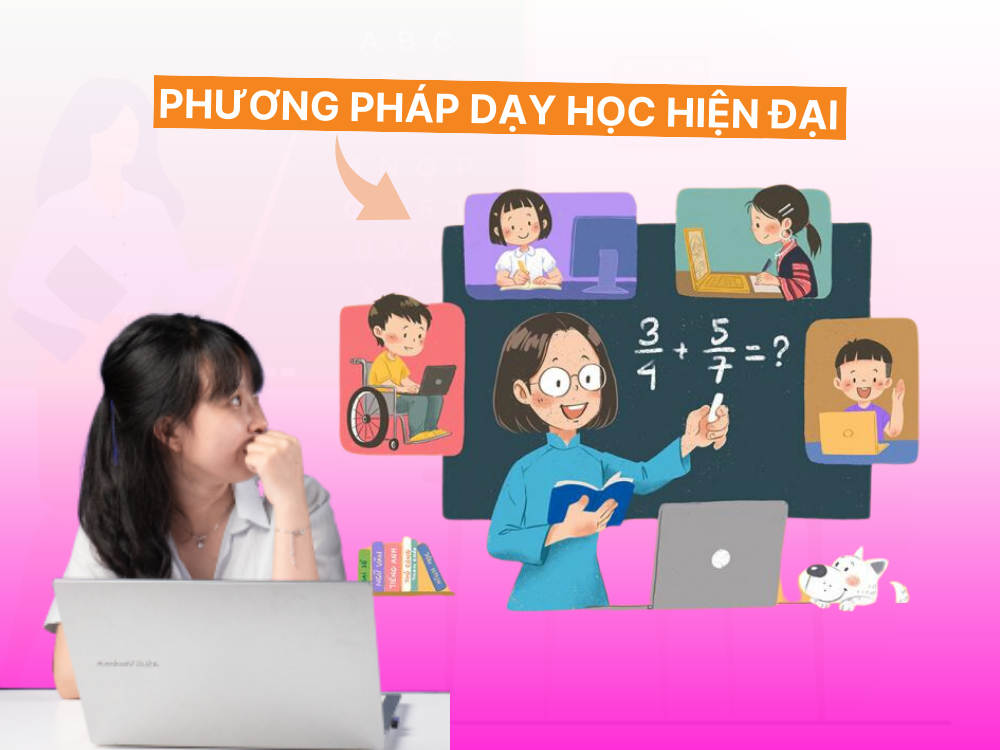
Innovation does not mean we throw out the classical methods entirely. Instead, we start improving with modern teaching methods to limit the weaknesses and raise learning results as much as possible.
The first thing a teacher needs to do is master the requirements and use the techniques skillfully to prepare and run lessons in class. Techniques here can include how to open a lesson, present, explain, ask questions and handle answers throughout the lesson. Pay attention to encouraging students to be active and creative.

This is an important direction that helps teachers be more effective and raise the quality of their teaching. Combine whole-class teaching, group teaching, pair work and individual teaching, because each form has its own function.
It is also necessary to fix the habit of showing off the teacher's “ego ” in whole-class teaching and overusing lecture methods; instead, push more teamwork skills for students. Even so, teamwork takes many forms. It does not stop at solving small learning tasks between lectures; it can fill one or several whole lessons.
This means teaching is organized around complex topicstied to real situations commonly met at work and in life. This is an important way to bring school training closer to real life. It also fixes the academic education that is moving away from real life in schools today.
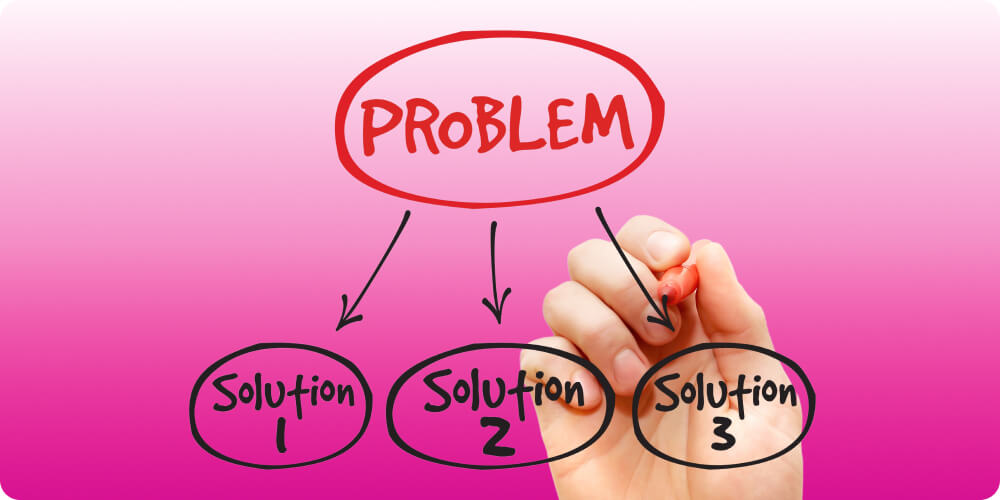
The problem-solving teaching method is teaching meant to develop the ability to recognize and solve problems, as well as thinking skills. With this innovation, students are given a situation that holds a cognitive conflict. By solving the problem, students absorb knowledge, skills and ways of thinking.
It is also a way to promote students' active thinkingand can be applied in many forms of teaching, depending on how independent the students are. The problem situations can be tied to real life or to a subject's specialist science.
Even so, if the focus is only on solving the cognitive problems of the specialist subject, students will not be well prepared to deal with real-life situations. Besides problem-solving teaching, teaching theory also needs to be built around situations.

In essence, a teaching technique is the way teachers and students act in small action situations to carry out and steer the whole teaching process. Specifically, teachers will apply active teaching methods in their teaching so students are active and creative in learning, for example:
For active teaching techniques to work well, the teacher has to guide and open up problems for students. Teachers also need communication skills and subject expertise to handle any issue. It can be said that this is a teaching method rated as difficult, one that requires teachers to invest time and design detailed, interesting lessons.
Teaching aids play an extremely important role in teaching method innovation, strengthening the visual, practical and experimental side of teaching. Teaching aids need to fit the relationship between the aid and the teaching method. Today, educational institutions use not only multimedia but also need to make more use of software for online teaching.
Applying information technology in teaching brings many benefits.
|
To meet real needs in teaching and in managing education centers and institutions, MONA Media provides professional solutions online learning website and custom software development . In addition, language center management software from us is also developed with many outstanding features that meet customer needs. 
What's more, the software interface is custom-designed and loads smoothly, so the software works at its best and online teaching is as effective as it can be. If you are looking for an effective way to manage classes, you can contact MONA qua Hotline 1900 636 648 to get advice from our specialists and get the best education management solution available. |
1. Why renew traditional teaching methods?
Renewing teaching methods in place of traditional ones brings many benefits. For example:
2. How do traditional and modern teaching differ?
Modern and traditional teaching differ in many ways. One of the biggest differences is:
3. What does it mean to improve traditional teaching methods?

Improving traditional teaching means bringing information technology and many new teaching methods into the lesson. For example:
This article from MONA Media has given everyone information about Renewing traditional teaching methods at educational institutions. We hope this helps schools raise the quality of their teaching.

CEO & Founder · The MONA
Founder of The MONA, who built a services company of 200+ staff with 14,000+ projects delivered. Khánh Hùng shares how he thinks about building systems that run themselves, automating a business, and the real lessons from delivering projects at MONA.
 1,6K


Professional website
design services
Own a website with a beautiful, 100% exclusive design and a lifetime warranty, with the ability
to expand features flexibly as your business grows, starting today!






 MONA will never sell your information or send you spam


 MONA will never sell your information or send you spam
