
 MONA OS 2.0
 Partner with MONA


 Tự động hoá doanh nghiệp
 Cẩm nang SEO
 Digital Marketing
 Kinh nghiệm thiết kế website
 Hạ Tầng Server
 Giáo dục


 VI
 EN




Message us on
Zalo Official


 ProductsNew

 ProductsProducts
 Mới ra mắtKHA AI 2027App tự edit video, tự đăng mọi mạng xã hội, 2 phút mỗi ngày










 Website designLooks good and wins customers over.
SEO servicesBrings in customers searching for exactly what you sell.
 Tư vấn digital marketingKéo khách từ nhiều kênh, đo bằng số thật.
Corporate video productionVideos introducing your company, factory and team.
 NewAI video productionCompany story films made with AI.
 Custom software developmentCRM, ERP and HRM built for your business.
 Viết AI Agent theo yêu cầuĐặt riêng một trợ lý AI cho đúng việc của mình.
 Tư vấn chuyển đổi AIĐưa AI vào vận hành của cả công ty.
NewMONA LMSManagement for centers and schools.
MONA SkillHubInternal training for company staff.
 NHTQ systemEnd-to-end China–Vietnam shipping operations.
MONA JMSManagement for gold, diamond and pawn shops.
 MONA E-LearningA website with every feature you need to sell courses.
 How to sell online courses (course)More than 30 free lessons on selling courses on autopilot.
 MONA Cloudmonacloud.vnServers to get your apps and websites running.
 MONA Basemonabase.vnPostgres database, sign-in and file storage.
 MONA Mailmonamail.vnSend OTP, order and invoice emails from your software.
 MONA Paymonapay.vnAccept bank transfers via VietQR and notify your software when the money arrives.
 MONA eInvoiceComing soonIssue e-invoices that meet tax standards.
Gấu CườiTrả lời khách 24/7 trên web, Fanpage, Zalo và thu lead cho sale.
 Gấu TeleSalesGọi điện tư vấn, chăm khách như tổng đài viên thật.
Dê CườiTư vấn và chốt đơn cho shop ngay trong khung chat.
Gấu WebmasterNhắn nhóm Zalo là website được sửa xong.
 Gấu Pháp ChếSoạn hợp đồng, rà điều khoản trong vài phút.
 Gấu Báo GiáLên báo giá đúng mẫu và gửi khách ngay.
 AI chăm sóc khách hàngTheo dõi và giữ chân khách hàng cũ.
 Gấu Tuyển DụngLọc hồ sơ, hẹn lịch, phỏng vấn ứng viên.
 Mới ra mắt
KHA AI 2027
Xây kênh chuyên gia 2 phút mỗi ngày
Quay bằng điện thoại, AI tự edit video, tự đăng lên 16 nền tảng và tự trả lời bình luận, tin nhắn.
837.151lượt xem trên kênh CEO MONA sau 28 ngày
 Anh Khánh HùngCEO MONA đang dùng mỗi ngày
Xem app làm được gì
 AI
Gấu Cười MONA ĐANG TỰ XÀITrả lời khách 24/7 trên website, Zalo OA, Messenger và thu lead về cho sale.
Dê CườiChốt đơn bán lẻ và sàn: Shopee, TikTok Shop, web. Chăm cả khách sỉ, đại lý.
Gấu WebmasterCập nhật nội dung, tối ưu SEO website mỗi ngày.
Gấu TeleSalesGọi điện tư vấn, chăm khách như tổng đài viên thật.
Gấu Tuyển DụngLọc hồ sơ, hẹn lịch, phỏng vấn ứng viên tự động.
AI chăm sóc khách hàngGiữ khách cũ, cứu lead đã rớt cho phòng kinh doanh.
Gấu Pháp ChếSoạn hợp đồng, rà điều khoản trong vài phút.
Gấu Báo GiáLên báo giá đúng mẫu, gửi khách ngay khi có yêu cầu.
 Chuyển đổi AI toàn phầnGiải pháp tổng cho doanh nghiệp, 3 lớp triển khai.
 Viết AI Agent theo yêu cầuĐặt riêng một con AI gánh đúng nghiệp vụ của bạn.
 Custom softwareCRM, ERP and HRM with built-in AI automation.
 SEO & AEO thời đại AIĐược Google lẫn AI trích dẫn, không chỉ xếp hạng.
 Kiến thức AI cho doanh nghiệpBài phân tích, hướng dẫn ứng dụng AI vào vận hành.
 Free AI courses
 AI tools at work
App mới · KHA AI 2027
Xây kênh 2 phút mỗi ngày
AI tự edit video, tự đăng mọi mạng xã hội
Free consultation, 8am–10pm every day

18 March, 2023
Even a small event struggles to succeed without a clear, structured communication plan. It is not just about loud promotion: you need to know who you are talking to, what you are saying, where you are saying it and how you will measure results. That is why planning communications for an event is a must if you want to keep costs down and still get strong results. In this article, MONA Media walks you through 5 steps for planning communications and events effectively, in plain terms you can apply right away. Follow the steps in order and you will build a coherent, overall event communication plan that reaches the right audience, lifts your brand image and delivers results you can measure.
A communication plan is a detailed, professional document built from research into your current situation, people, budget and market, to understand the audience and goals and choose suitable communication methods. The strategy is laid out in phases and work items, then carried out with monitoring and supervision at scale, which keeps it professional.
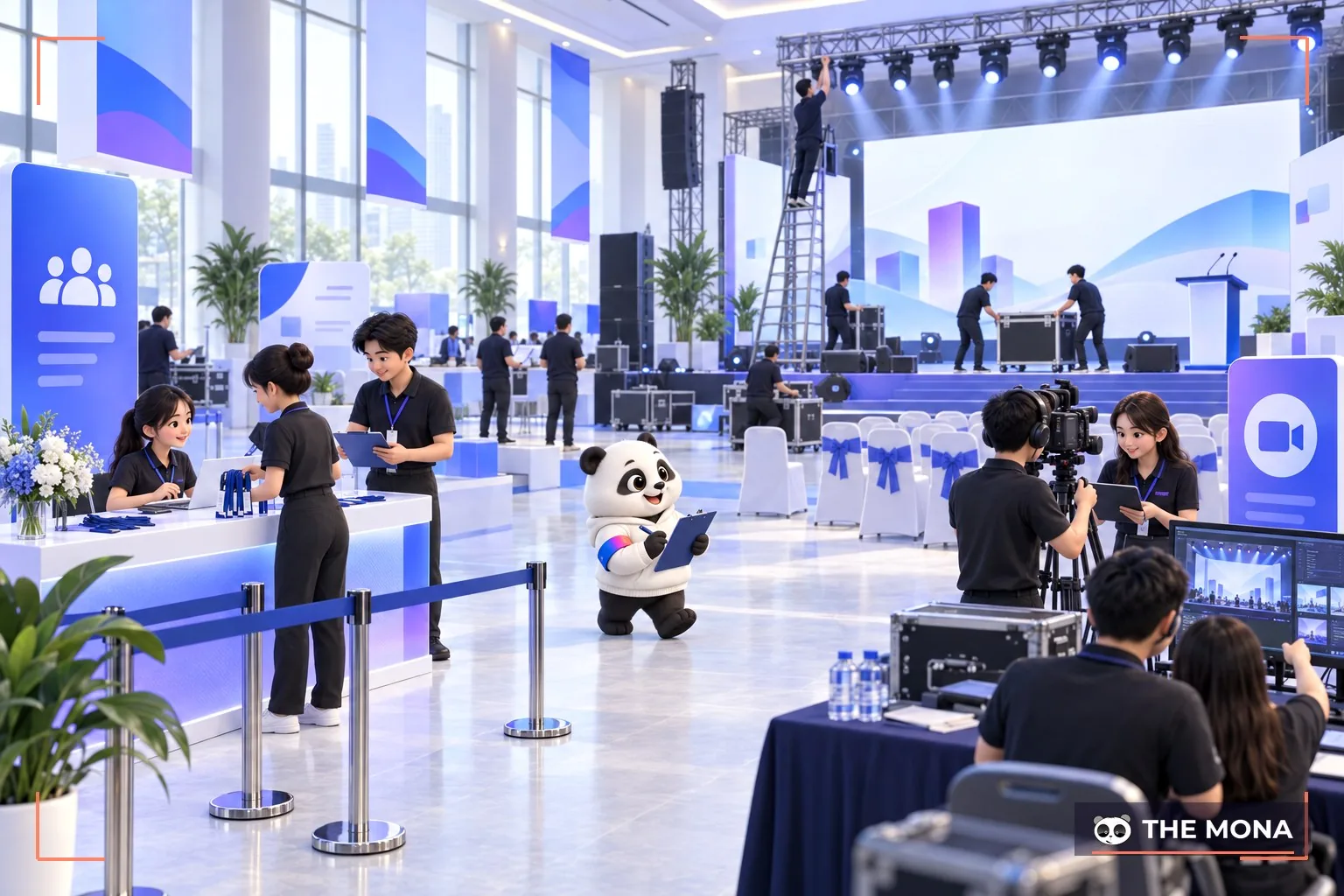
A well-built communication and event plan brings you benefits such as:
Communications and Marketing online strongly influence how you approach partners and customers. The more specific the plan and the more detailed the research, the better your chances of attracting your target groups.
A successful event communication strategy depends on key factors such as:
When these three elements are clear and aligned, the next steps are more coherent and easier to measure. Below are 5 steps for an effective marketing communication plan, in detail for businesses.
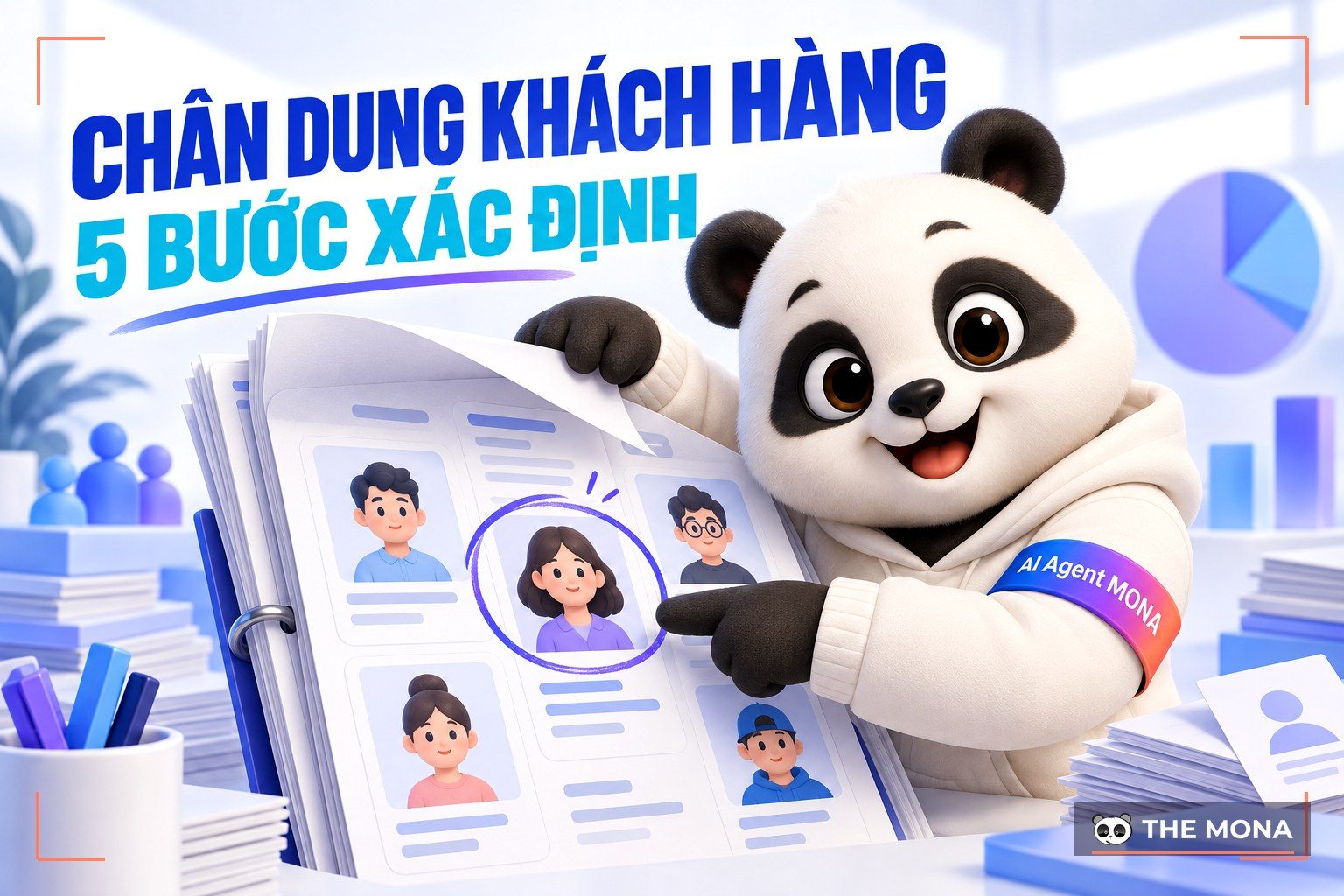
Every communication event has a specific audience. You need to work out how relevant each group is and who to target, so that the timeline, budget and messaging marketing campaign fit those people.
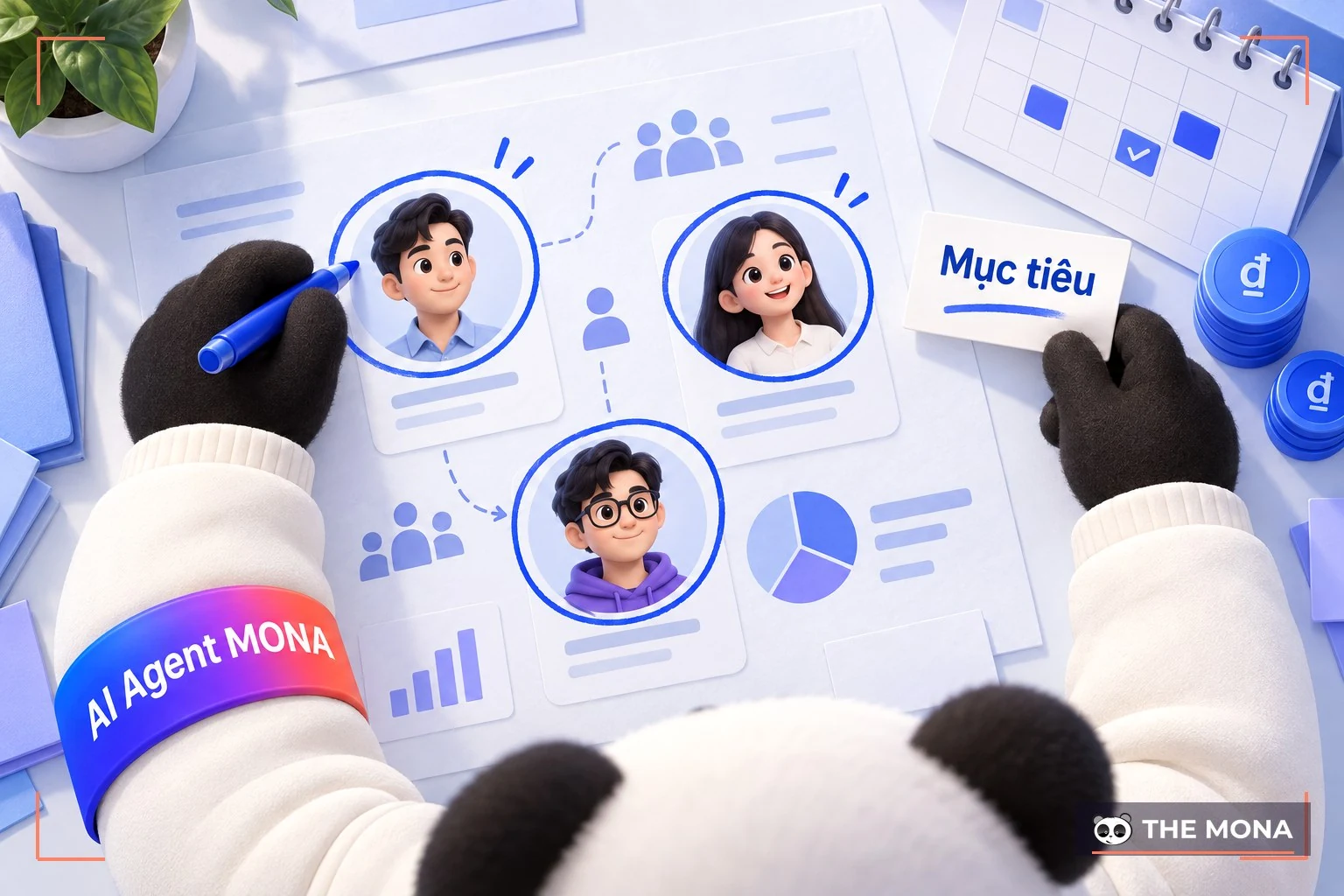
Factors such as age, social position, interests and customer needs must be clearly understood. Once you build a customer profile you can define the goal you are aiming for: satisfying and attracting customers and stirring the desire that turns into action.
There are many channels for promoting an event. Pick them based on when activities take place and which channels your target audience follows. Most customers today are tech-savvy, use many devices to get online, are on social networks and keep up with every news channel. Knowing which channel to run the event communication plan on delivers the best results.
The most used event channels today are YouTube, Facebook, Zalo and Instagram. Your website is also an important channel not to skip. You can also run offline communication with flyers, posters, standees and so on.
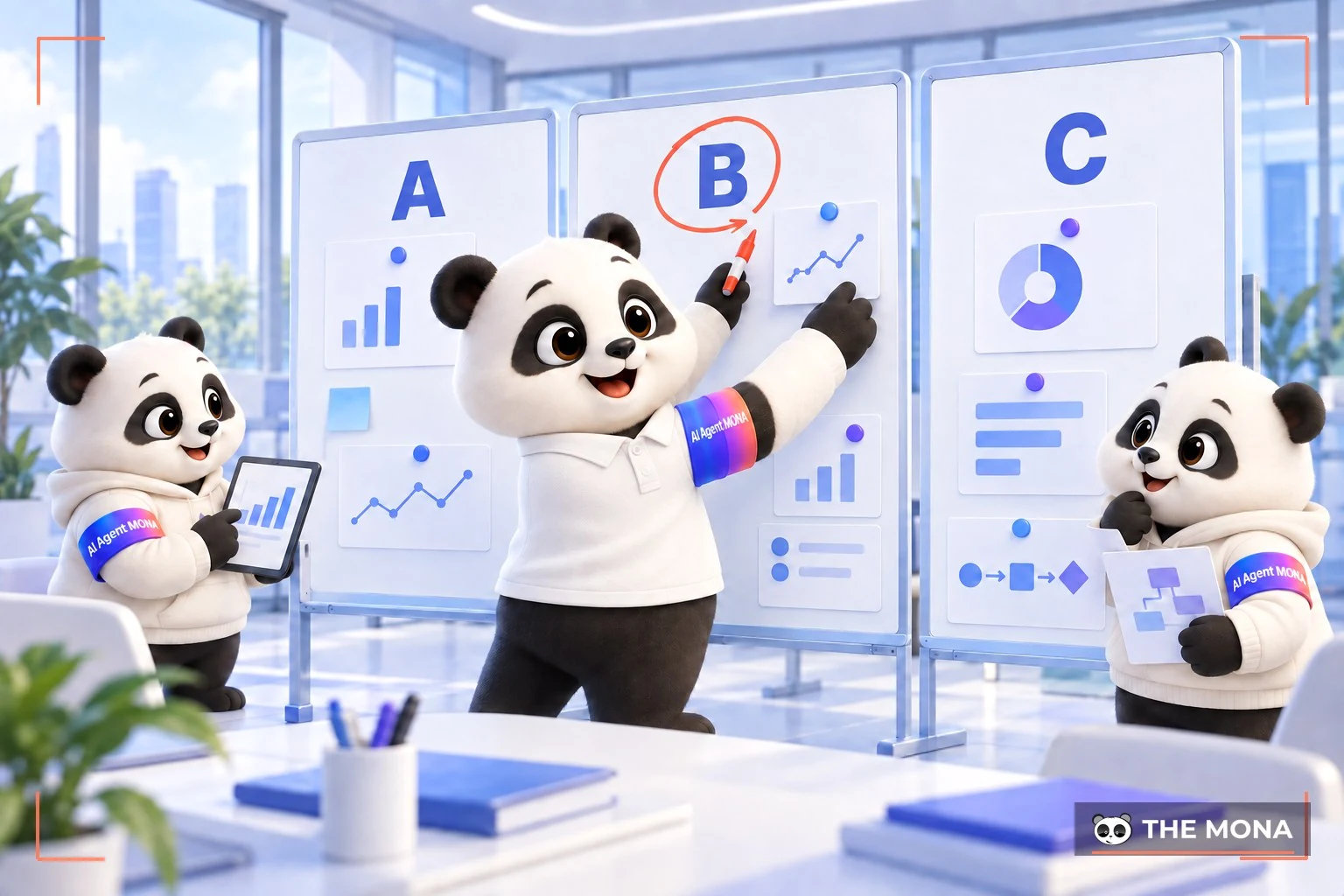
Budget and communication tactics need several backup options. Do not invest in just one. Have plans A, B and C, measure results, see how effective each is and put the best one first. If the plan changes, a fallback keeps the event running smoothly.
Ideas for communication events, and especially the messages carried by slogans, matter a lot. These messages usually cover the programme content and, above all, the call to action. A strong slogan becomes a catchphrase that attracts customers the moment they hear it. This is a vital element in event communication planning, so invest time and care in it.
To estimate the budget, set clear goals and scale, split the budget across 3 phases: Pre‑event (40–60%), On‑site (25–40%), Post‑event (10–20%), and keep 10–15% as contingency. Then allocate costs to venue, equipment, media (PESO), content production (quay TVC, corporate photography, design) and measurement, ask for line‑item quotes, agree acceptance milestones and attach UTM/QR codes to track results.

Many businesses use the SMCRFN model as the foundation for event communication plans. The acronym stands for:

SWOT is an acronym from English words covering these factors:
When you understand the marketing model well, you can pick up the key points for a solid marketing communication plan.

Unlike SWOT, which looks at internal strengths and weaknesses, BCG focuses on external opportunities. BCG is short for Boston Consulting Group. Competitive resources, market advantages and outside opportunities are analyzed in detail so that the plan has a better chance of succeeding.

M. Porter's “Five Forces” model was created to map relationships and strong competitors when running communication and events. Competitors and competitive advantage are studied closely. From this you can build strategies for pricing, service capability, quality and original ideas to create a standout event.

Finally, the BSC (Balanced Scorecard) is a tool aimed at balanced development. With BSC a business reviews its mission and vision and studies its people and culture for organizing events. It also looks at strengths and weaknesses through finance and at obstacles in reaching customers.
Mastering the SWOT, BCG and SMCRFN models above gives you a solid base for a well-organized event communication plan, so the programme runs smoothly and succeeds. But a successful event is not only about the day itself; it is also about how it is remembered and spread afterwards. To keep the effort and the best moments from being forgotten, polished photo and video material is essential to extend the communication effect for your business.
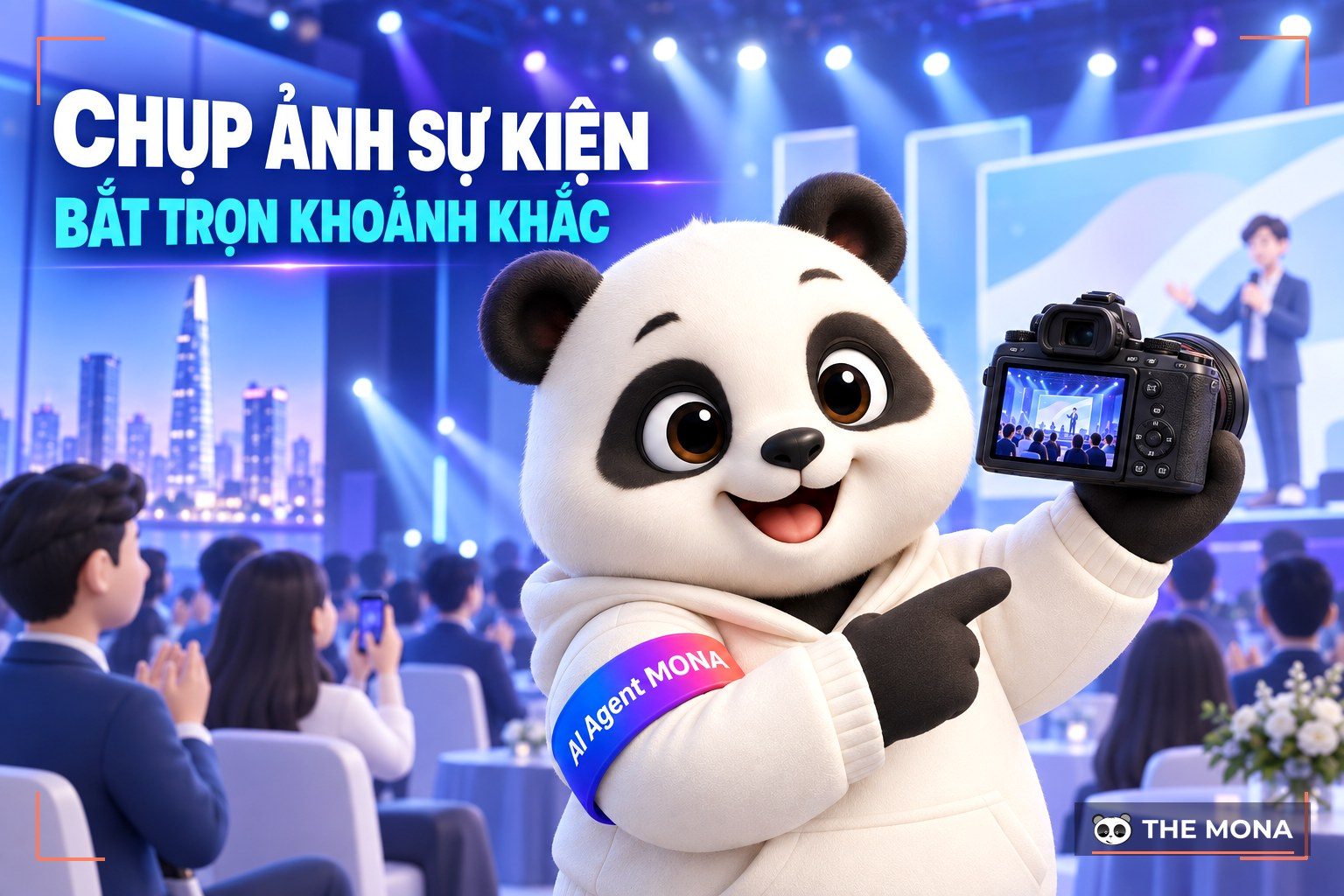
The The event photography service from MONA Media captures the full emotion of every shot and turns it into valuable promotional material. Our professional team does more than record moments: MONA tells the story of your brand, your people and your event in a vivid, genuine and inspiring way. Every photo is made to make your business look more professional and more approachable to customers, partners and the community.

What sets MONA Media's event photography apart from the market:
To complete your event plan, from preparation to photography, contact HOTLINE 1900 636 648. The MONA team is ready to advise you and help you keep the most striking footage and frames at an optimal budget.

Follow the 5 steps for communication planning above and you will have a clear, detailed event communication plan that is easy to measure. If you want a quick review of your current plan, or need a timeline or checklist to start right away, MONA Media can help. Contact MONA Media at HOTLINE 1900 636 648 for a short consultation and a plan proposal that fits your goals and budget.

CEO & Founder · The MONA
Founder of The MONA, who built a services company of 200+ staff with 14,000+ projects delivered. Khánh Hùng shares how he thinks about building systems that run themselves, automating a business, and the real lessons from delivering projects at MONA.
 1,6K




Professional website
design services
Own a website with a beautiful, 100% exclusive design and a lifetime warranty, with the ability
to expand features flexibly as your business grows, starting today!






 MONA will never sell your information or send you spam


 MONA will never sell your information or send you spam
