
 MONA OS 2.0
 Partner with MONA


 Tự động hoá doanh nghiệp
 Cẩm nang SEO
 Digital Marketing
 Kinh nghiệm thiết kế website
 Hạ Tầng Server
 Giáo dục


 VI
 EN









Message us on
Zalo Official


 ProductsNew

 ProductsProducts
 Mới ra mắtKHA AI 2027App tự edit video, tự đăng mọi mạng xã hội, 2 phút mỗi ngày










 Website designLooks good and wins customers over.
SEO servicesBrings in customers searching for exactly what you sell.
 Tư vấn digital marketingKéo khách từ nhiều kênh, đo bằng số thật.
Corporate video productionVideos introducing your company, factory and team.
 NewAI video productionCompany story films made with AI.
 Custom software developmentCRM, ERP and HRM built for your business.
 Viết AI Agent theo yêu cầuĐặt riêng một trợ lý AI cho đúng việc của mình.
 Tư vấn chuyển đổi AIĐưa AI vào vận hành của cả công ty.
NewMONA LMSManagement for centers and schools.
MONA SkillHubInternal training for company staff.
 NHTQ systemEnd-to-end China–Vietnam shipping operations.
MONA JMSManagement for gold, diamond and pawn shops.
 MONA E-LearningA website with every feature you need to sell courses.
 How to sell online courses (course)More than 30 free lessons on selling courses on autopilot.
 MONA Cloudmonacloud.vnServers to get your apps and websites running.
 MONA Basemonabase.vnPostgres database, sign-in and file storage.
 MONA Mailmonamail.vnSend OTP, order and invoice emails from your software.
 MONA Paymonapay.vnAccept bank transfers via VietQR and notify your software when the money arrives.
 MONA eInvoiceComing soonIssue e-invoices that meet tax standards.
Gấu CườiTrả lời khách 24/7 trên web, Fanpage, Zalo và thu lead cho sale.
 Gấu TeleSalesGọi điện tư vấn, chăm khách như tổng đài viên thật.
Dê CườiTư vấn và chốt đơn cho shop ngay trong khung chat.
Gấu WebmasterNhắn nhóm Zalo là website được sửa xong.
 Gấu Pháp ChếSoạn hợp đồng, rà điều khoản trong vài phút.
 Gấu Báo GiáLên báo giá đúng mẫu và gửi khách ngay.
 AI chăm sóc khách hàngTheo dõi và giữ chân khách hàng cũ.
 Gấu Tuyển DụngLọc hồ sơ, hẹn lịch, phỏng vấn ứng viên.
 Mới ra mắt
KHA AI 2027
Xây kênh chuyên gia 2 phút mỗi ngày
Quay bằng điện thoại, AI tự edit video, tự đăng lên 16 nền tảng và tự trả lời bình luận, tin nhắn.
901.078lượt xem trên kênh CEO MONA sau 37 ngày
 Anh Khánh HùngCEO MONA đang dùng mỗi ngày
Xem app làm được gì
 AI
Gấu Cười MONA ĐANG TỰ XÀITrả lời khách 24/7 trên website, Zalo OA, Messenger và thu lead về cho sale.
Dê CườiChốt đơn bán lẻ và sàn: Shopee, TikTok Shop, web. Chăm cả khách sỉ, đại lý.
Gấu WebmasterCập nhật nội dung, tối ưu SEO website mỗi ngày.
Gấu TeleSalesGọi điện tư vấn, chăm khách như tổng đài viên thật.
Gấu Tuyển DụngLọc hồ sơ, hẹn lịch, phỏng vấn ứng viên tự động.
AI chăm sóc khách hàngGiữ khách cũ, cứu lead đã rớt cho phòng kinh doanh.
Gấu Pháp ChếSoạn hợp đồng, rà điều khoản trong vài phút.
Gấu Báo GiáLên báo giá đúng mẫu, gửi khách ngay khi có yêu cầu.
 Chuyển đổi AI toàn phầnGiải pháp tổng cho doanh nghiệp, 3 lớp triển khai.
 Viết AI Agent theo yêu cầuĐặt riêng một con AI gánh đúng nghiệp vụ của bạn.
 Custom softwareCRM, ERP and HRM with built-in AI automation.
 SEO & AEO thời đại AIĐược Google lẫn AI trích dẫn, không chỉ xếp hạng.
 Kiến thức AI cho doanh nghiệpBài phân tích, hướng dẫn ứng dụng AI vào vận hành.
 Free AI courses
 AI tools at work
App mới · KHA AI 2027
Xây kênh 2 phút mỗi ngày
AI tự edit video, tự đăng mọi mạng xã hội
Free consultation, 8am–10pm every day

07 May, 2024
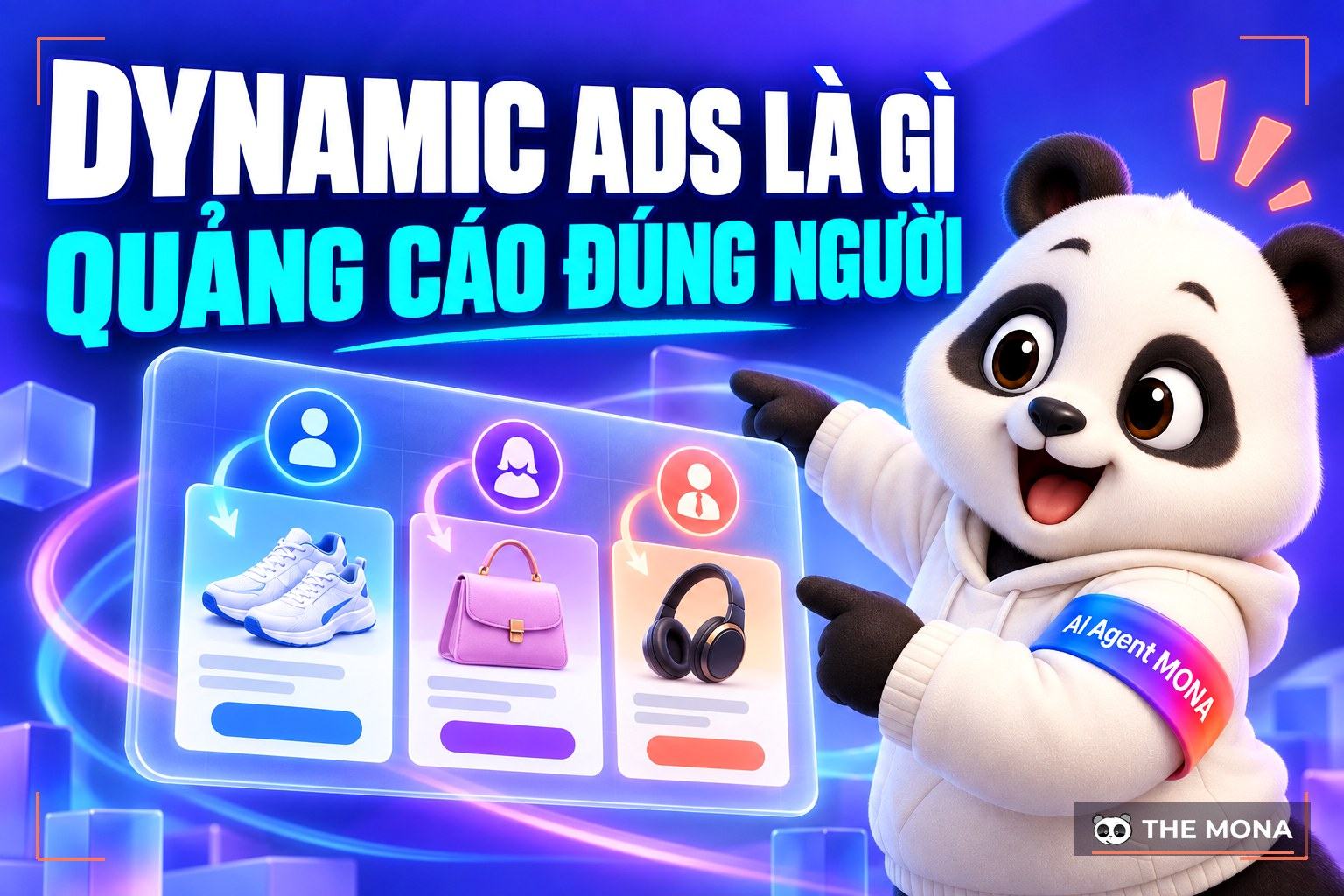
Dynamic Ads offers flexibility and efficiency in reaching customers through varied ads generated automatically from user behavior and interests. But What are Dynamic Ads? how do you get the most out of Facebook Dynamic Ads? is still a question for many advertisers. To find answers, let's work through them together with MONA Media in this article.
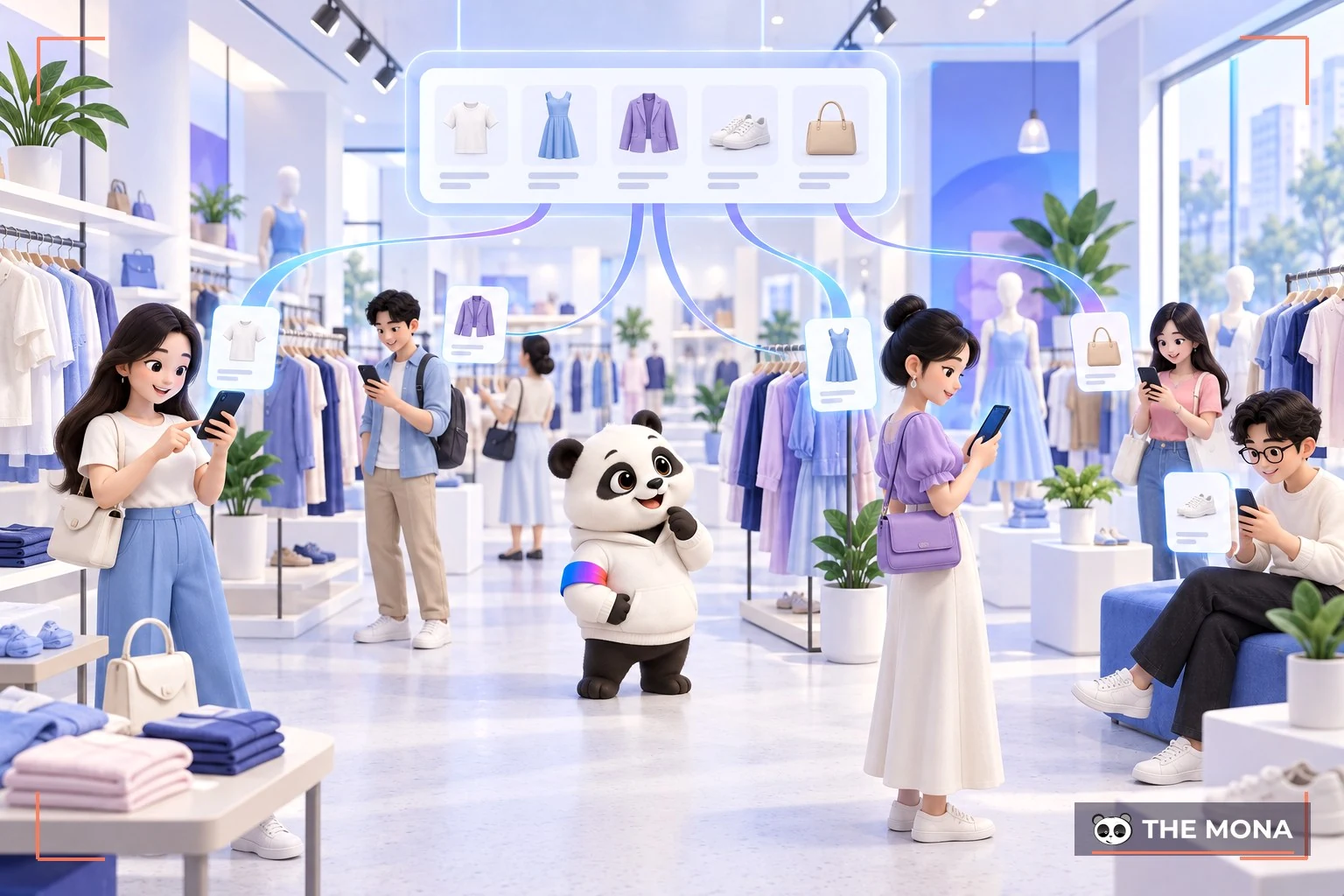
Dynamic Ads are a form of dynamic advertising widely used on social platforms such as Facebook advertising services, Instagram, Messenger and Audience Network. Working like a “detective” that tracks user behavior, from viewing products to interacting on websites, Dynamic Ads automatically adjust the ad image and content to suit each target customer.
With Dynamic Ads, you only need to create one template, and the algorithm automatically uses existing product information and images to reach users, without building a separate ad for every product. This saves businesses time and effort and gets the most out of their ads.
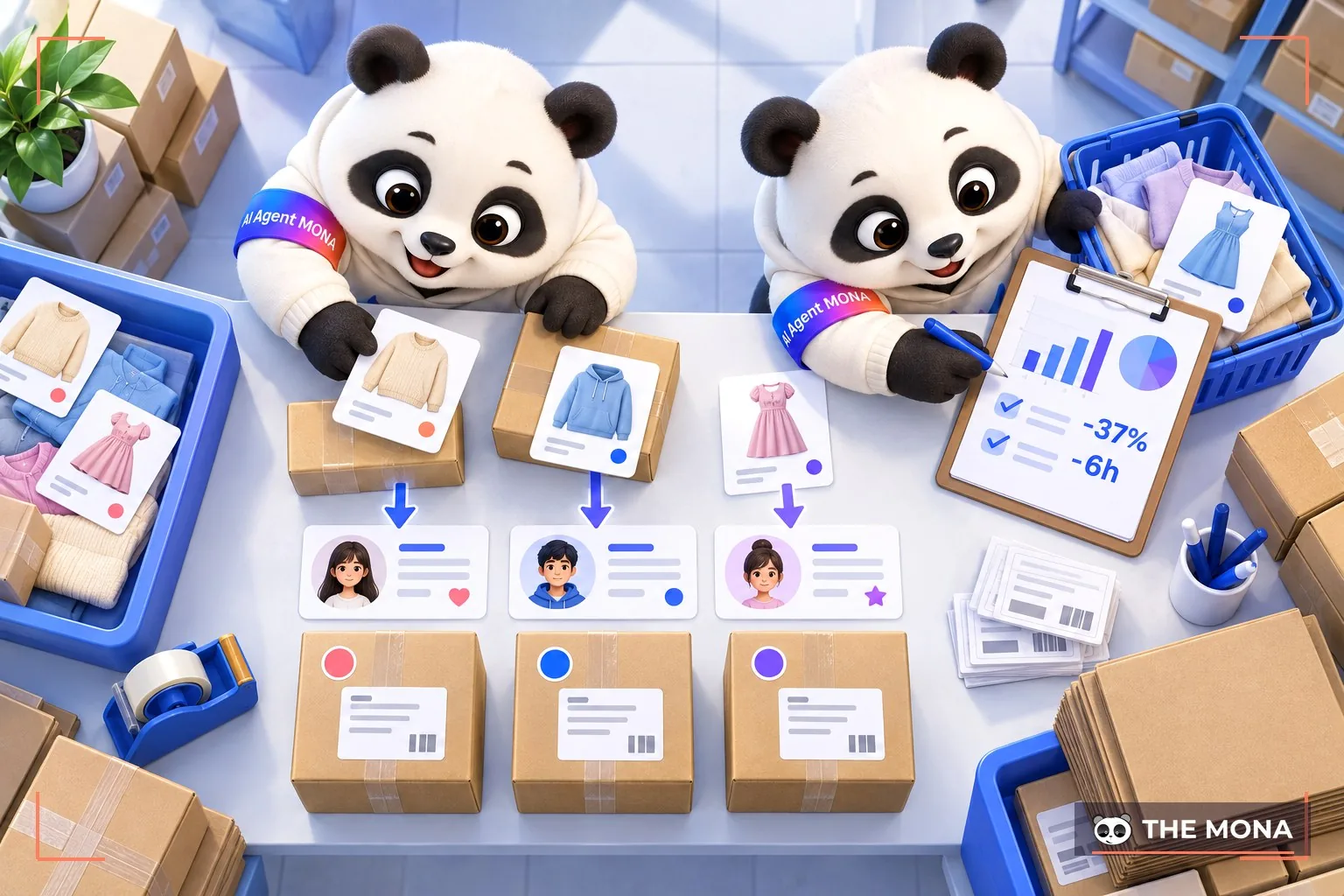
Facebook Dynamic Ads bring many benefits to businesses that want to optimize their social media marketing. Besides saving time, Dynamic Ads offer clear benefits such as:
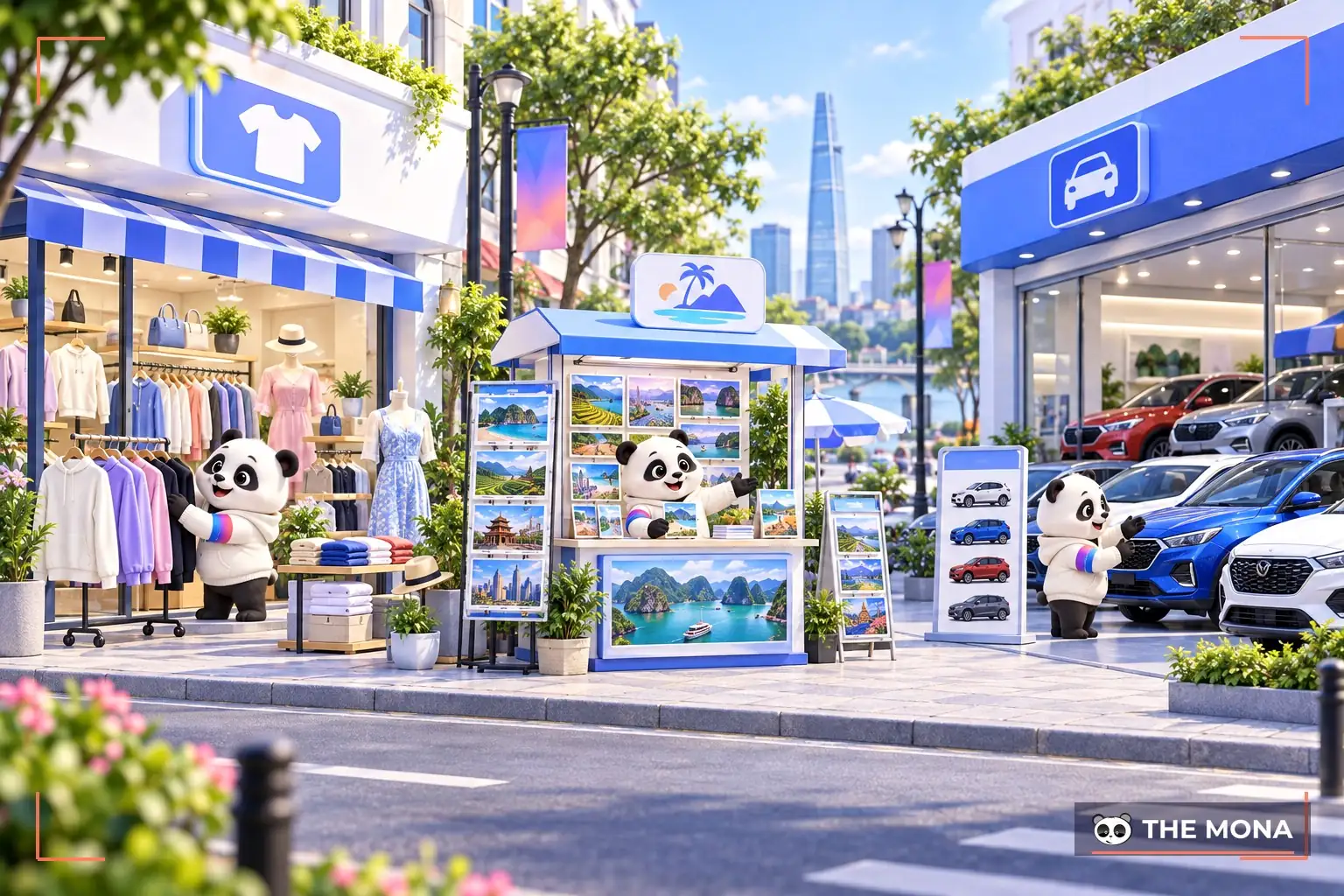
Dynamic Ads suit businesses with a large number of products or products with different characteristics. For retailers, especially those promoting many kinds of products at once, dynamic ads are an effective choice. To decide whether dynamic display ads suit a business, look at the number and characteristics of its products.
Dynamic Ads are also used with strong results in the following cases:
To start optimizing your business's advertising with Dynamic Ads, follow these steps with MONA:
List your product data in the catalog so ads can be stored automatically in .tsv, .xml or .csv format.
| A guide to | |
| ID | Facebook counts only 1 ID per product, and an ID must not exceed 100 characters. |
| Status | Update stock status such as: In stock, preorder, out of stock, discontinued, etc. |
| Status | Product condition: New, refurbished, used. |
| Description | Short product description, no more than 5,000 characters. |
| Image link | Attach the image URL for the ad. For a 1:1 ratio, the recommended size is 600×600; for a single image, the minimum is 1200×630. |
| Link | Link to the website where users can buy |
| Headline | Short, easy to understand, no more than 100 characters |
| Price | Price with the currency in ISO 4217 standard format |
| gtin* | Commercial product code, up to 70 characters |
This important step adds full product information such as name, price and description to the ad. Do it as follows:


Create a product set by clicking Create Product Set which lets businesses segment products for different campaigns. Then choose Audiences in Business Manager.

You will have 2 options: retargeting (people who have visited your website) or targeting new potential audiences.
If you choose Retargeting, you will have the following 4 options:

As for Targeting new potential audiences you fill in detailed information about the new audience you aim for, from demographics and location to buying behavior.

Read more: How to run Facebook ads from A to Z
When optimizing Dynamic Ads, there are some important tips to know for an effective campaign and more customer engagement. Here are the optimization tips MONA has noted down for you.
Dynamic Ads work from data taken directly from your website and are linked to users' browsing experience. So make sure your product catalog is updated promptly and complete with details such as product descriptions, prices and related details. Complete product information helps Dynamic Ads work better by showing the products that best match the needs and interests of potential audiences.
Checking Analytics regularly and adjusting the budget is an important part of managing an ad campaign, especially when using dynamic display ads on platforms like Facebook. Based on Analytics data, you can identify products or ad groups that are not performing and adjust their budget or remove them from the campaign.
This optimizes your ad strategy, raises the conversion rate and reduces wasted budget. Adjusting the budget puts resources into the ad groups that perform best, which raises the chance of success for your campaign.
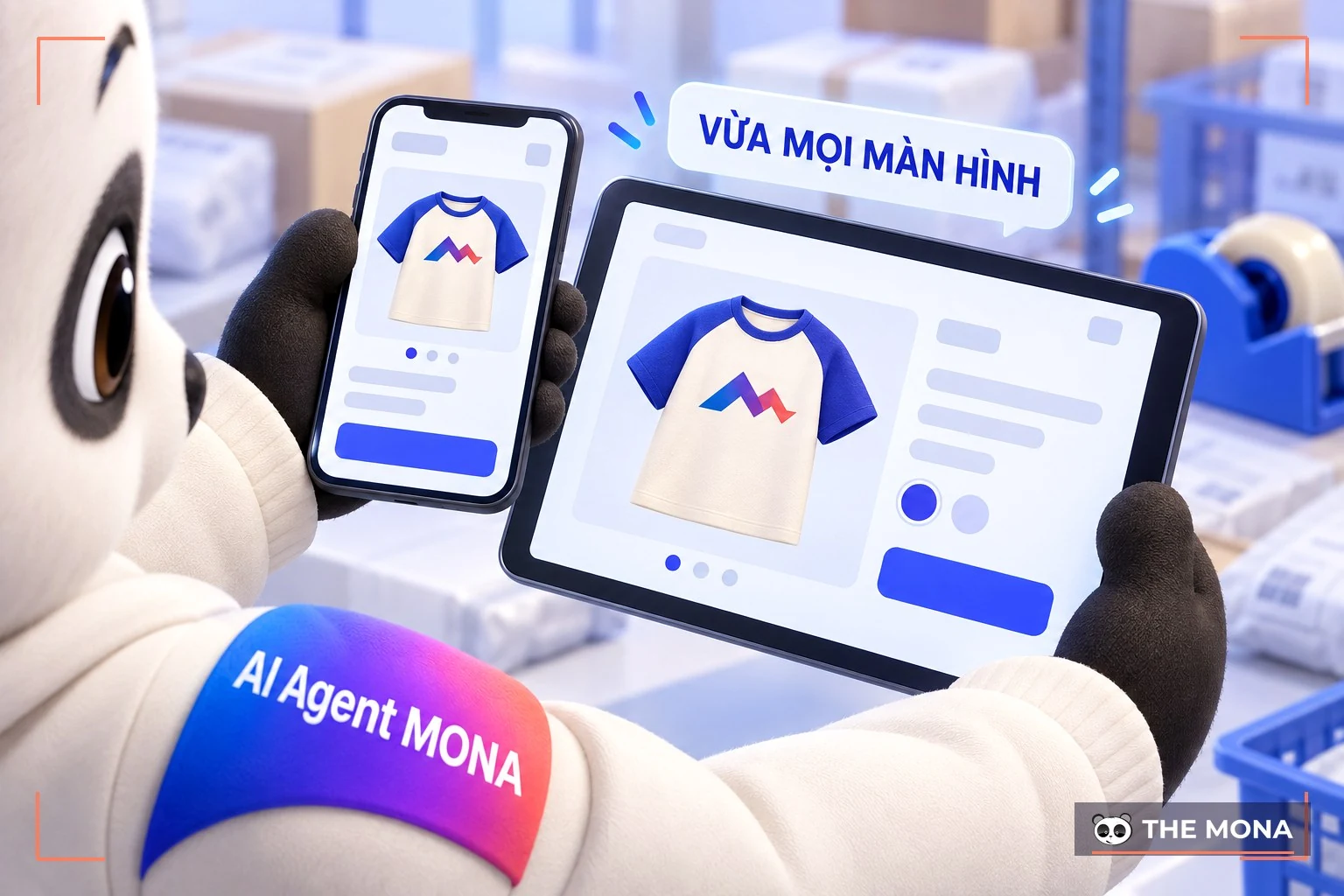
With Facebook users on mobile devices growing all the time, making sure ad images suit these platforms is extremely important. Optimize images for every screen size and resolution is essential.
Make sure your ad images are not only high quality but also designed to look good and appealing on smartphones, tablets and other mobile devices. This improves the campaign's results and attracts more potential customers.
To expand your market and reach international customers effectively, multilingual dynamic ads are a smart approach. You can create dynamic ads tailored to the language and culture of each customer group, increasing engagement and conversions.
The variety and liveliness of animated images, such as GIFs, can catch customers' attention more effectively than static images. In particular, animation can show a product from many angles, from details to close-ups, giving customers a fuller and more interesting view.
To keep your ad campaign effective, it is very important to check and update Facebook Pixel regularly. It helps you track and assess ad performance by counting conversions from Facebook ads to your website. This way you can adjust your ad strategy to get better results and more chances of conversion.
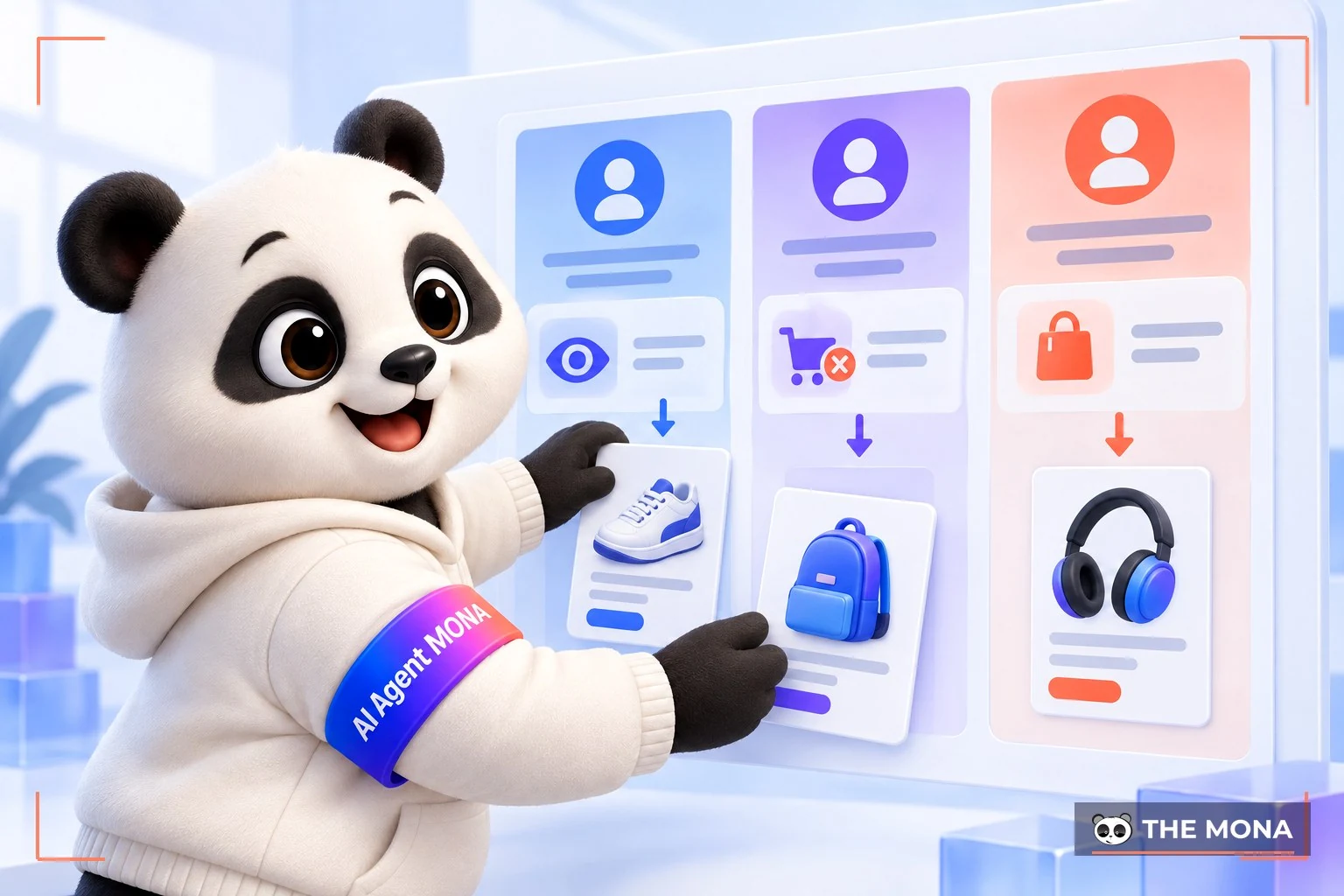
Dynamic Ads on Facebook are a powerful tool that lets advertisers shape their ads for different stages to reach target customers. By automatically adjusting ad content based on users' previous behavior, you can target the right audience in several ways.
For example, you can target people who viewed a product but did not buy and show the products they looked at recently to encourage them to order. Or you can apply an upsell strategy by showing similar products with extra features to people who have already bought, raising the chance of a successful sale.
As you can see, using Dynamic Ads not only saves businesses the time and effort of creating a separate ad for each product, but understanding Facebook Dynamic Ads also brings higher engagement and conversion from customers. We hope this article from MONA has helped answer some of your questions about Dynamic Ads and that you can apply them successfully in future ad strategies.

CEO & Founder · The MONA
Founder of The MONA, who built a services company of 60+ staff with 14,000+ projects delivered. Khánh Hùng shares how he thinks about building systems that run themselves, automating a business, and the real lessons from delivering projects at MONA.
 1,5K



Professional website
design services
Own a website with a beautiful, 100% exclusive design and a lifetime warranty, with the ability
to expand features flexibly as your business grows, starting today!






 MONA will never sell your information or send you spam


 MONA will never sell your information or send you spam
