
 MONA OS 2.0
 Partner with MONA


 Tự động hoá doanh nghiệp
 Cẩm nang SEO
 Digital Marketing
 Kinh nghiệm thiết kế website
 Hạ Tầng Server
 Giáo dục


 VI
 EN











Message us on
Zalo Official


 ProductsNew

 ProductsProducts
 Mới ra mắtKHA AI 2027App tự edit video, tự đăng mọi mạng xã hội, 2 phút mỗi ngày










 Website designLooks good and wins customers over.
SEO servicesBrings in customers searching for exactly what you sell.
 Tư vấn digital marketingKéo khách từ nhiều kênh, đo bằng số thật.
Corporate video productionVideos introducing your company, factory and team.
 NewAI video productionCompany story films made with AI.
 Custom software developmentCRM, ERP and HRM built for your business.
 Viết AI Agent theo yêu cầuĐặt riêng một trợ lý AI cho đúng việc của mình.
 Tư vấn chuyển đổi AIĐưa AI vào vận hành của cả công ty.
NewMONA LMSManagement for centers and schools.
MONA SkillHubInternal training for company staff.
 NHTQ systemEnd-to-end China–Vietnam shipping operations.
MONA JMSManagement for gold, diamond and pawn shops.
 MONA E-LearningA website with every feature you need to sell courses.
 How to sell online courses (course)More than 30 free lessons on selling courses on autopilot.
 MONA Cloudmonacloud.vnServers to get your apps and websites running.
 MONA Basemonabase.vnPostgres database, sign-in and file storage.
 MONA Mailmonamail.vnSend OTP, order and invoice emails from your software.
 MONA Paymonapay.vnAccept bank transfers via VietQR and notify your software when the money arrives.
 MONA eInvoiceComing soonIssue e-invoices that meet tax standards.
Gấu CườiTrả lời khách 24/7 trên web, Fanpage, Zalo và thu lead cho sale.
 Gấu TeleSalesGọi điện tư vấn, chăm khách như tổng đài viên thật.
Dê CườiTư vấn và chốt đơn cho shop ngay trong khung chat.
Gấu WebmasterNhắn nhóm Zalo là website được sửa xong.
 Gấu Pháp ChếSoạn hợp đồng, rà điều khoản trong vài phút.
 Gấu Báo GiáLên báo giá đúng mẫu và gửi khách ngay.
 AI chăm sóc khách hàngTheo dõi và giữ chân khách hàng cũ.
 Gấu Tuyển DụngLọc hồ sơ, hẹn lịch, phỏng vấn ứng viên.
 Mới ra mắt
KHA AI 2027
Xây kênh chuyên gia 2 phút mỗi ngày
Quay bằng điện thoại, AI tự edit video, tự đăng lên 16 nền tảng và tự trả lời bình luận, tin nhắn.
903.706lượt xem trên kênh CEO MONA sau 38 ngày
 Anh Khánh HùngCEO MONA đang dùng mỗi ngày
Xem app làm được gì
 AI
Gấu Cười MONA ĐANG TỰ XÀITrả lời khách 24/7 trên website, Zalo OA, Messenger và thu lead về cho sale.
Dê CườiChốt đơn bán lẻ và sàn: Shopee, TikTok Shop, web. Chăm cả khách sỉ, đại lý.
Gấu WebmasterCập nhật nội dung, tối ưu SEO website mỗi ngày.
Gấu TeleSalesGọi điện tư vấn, chăm khách như tổng đài viên thật.
Gấu Tuyển DụngLọc hồ sơ, hẹn lịch, phỏng vấn ứng viên tự động.
AI chăm sóc khách hàngGiữ khách cũ, cứu lead đã rớt cho phòng kinh doanh.
Gấu Pháp ChếSoạn hợp đồng, rà điều khoản trong vài phút.
Gấu Báo GiáLên báo giá đúng mẫu, gửi khách ngay khi có yêu cầu.
 Chuyển đổi AI toàn phầnGiải pháp tổng cho doanh nghiệp, 3 lớp triển khai.
 Viết AI Agent theo yêu cầuĐặt riêng một con AI gánh đúng nghiệp vụ của bạn.
 Custom softwareCRM, ERP and HRM with built-in AI automation.
 SEO & AEO thời đại AIĐược Google lẫn AI trích dẫn, không chỉ xếp hạng.
 Kiến thức AI cho doanh nghiệpBài phân tích, hướng dẫn ứng dụng AI vào vận hành.
 Free AI courses
 AI tools at work
App mới · KHA AI 2027
Xây kênh 2 phút mỗi ngày
AI tự edit video, tự đăng mọi mạng xã hội
Free consultation, 8am–10pm every day

11 August, 2023
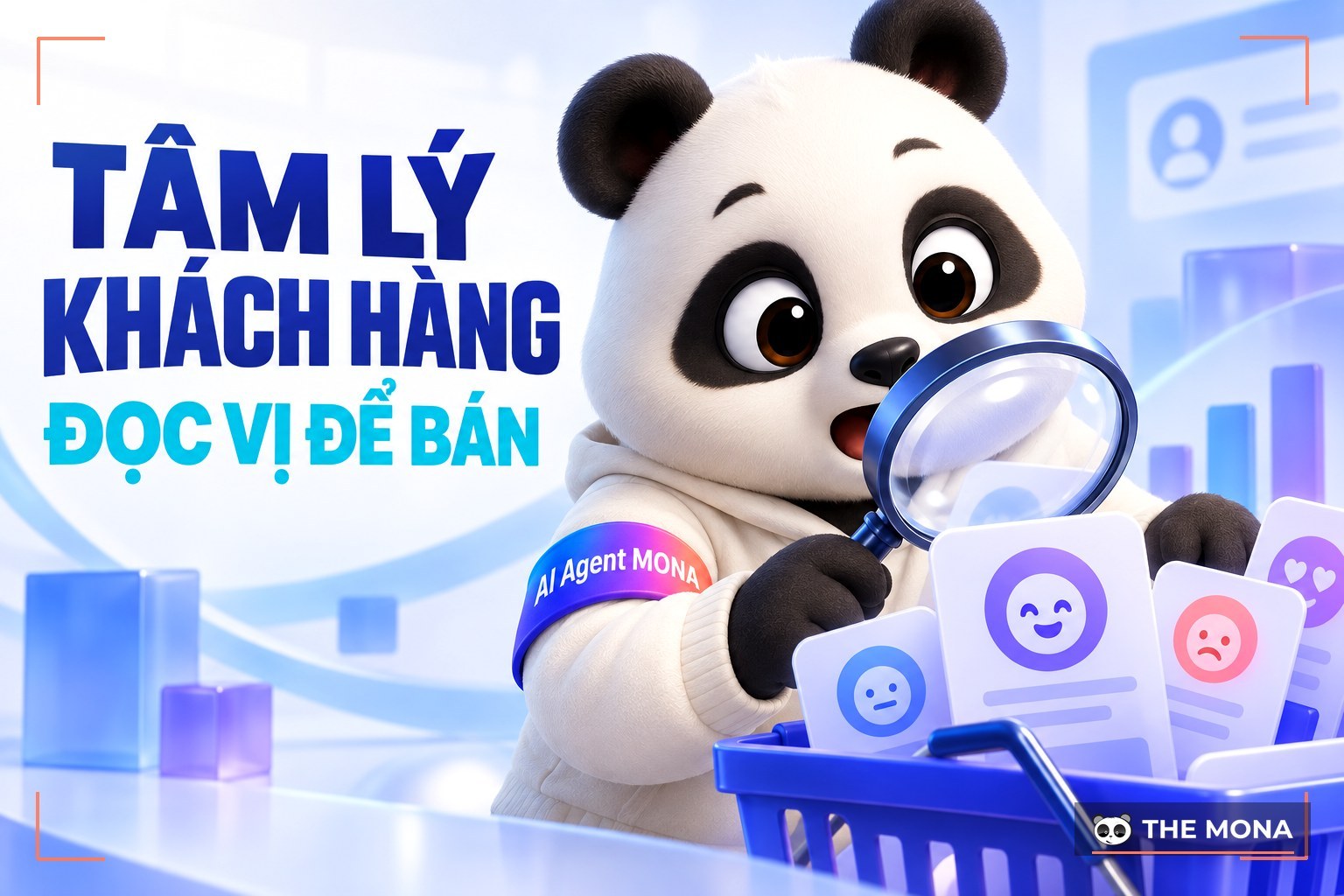
In today's fierce market you face many competitors, whatever you sell. To impress customers and win market share, analyzing customer psychology is very important. Read the article below from Mona Media to learn customer psychology to learn what it is and how a business can make the most of customer psychology analysis.
Customer psychology is the combination of a customer's needs, wants, emotions, attitudes, behavior and purchase decisions. It affects how they perceive, evaluate and choose a business's products or services.
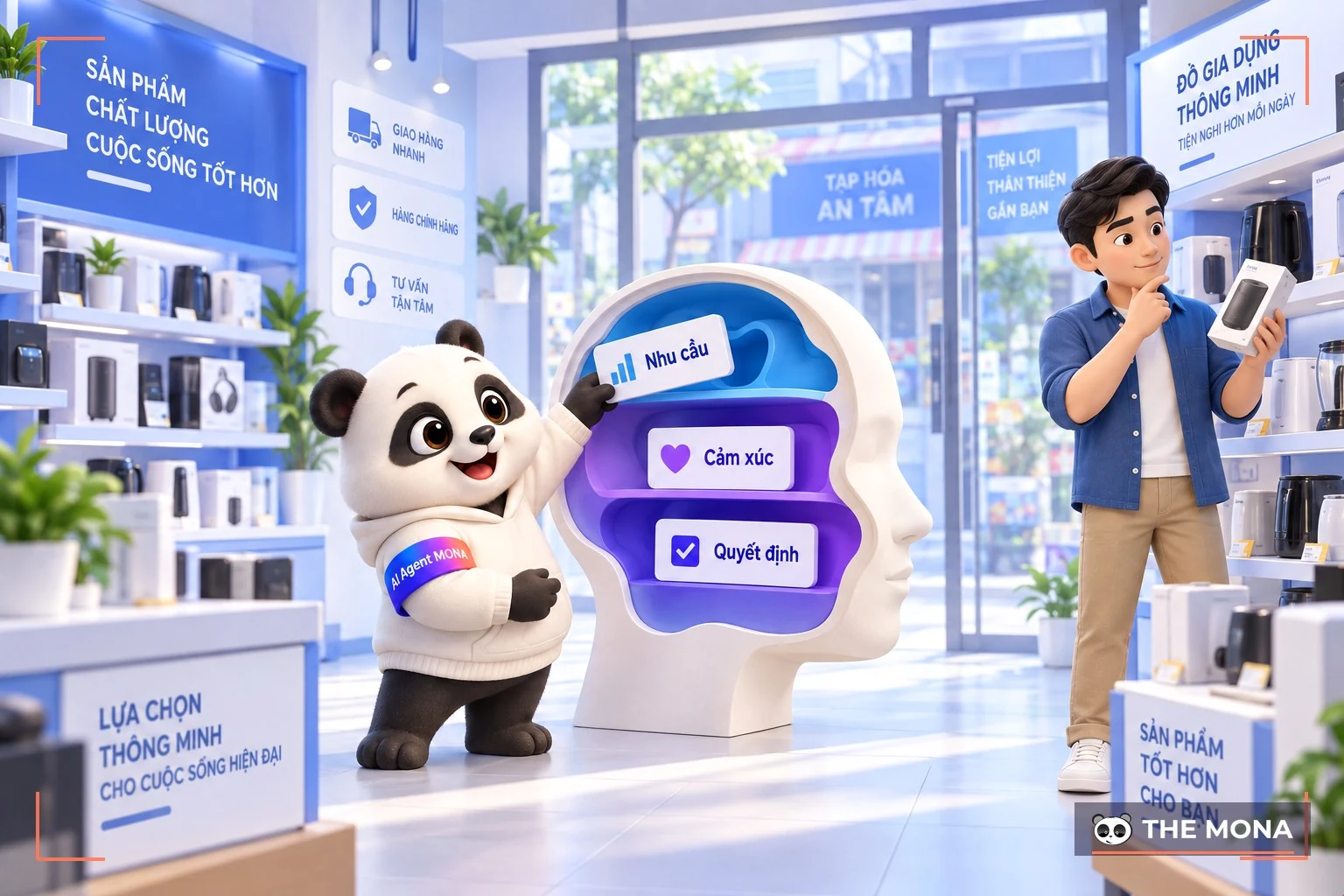
Analyzing customer psychology means studying and understanding customers' psychological factors so you can design and run effective marketing strategies. It helps a business to:
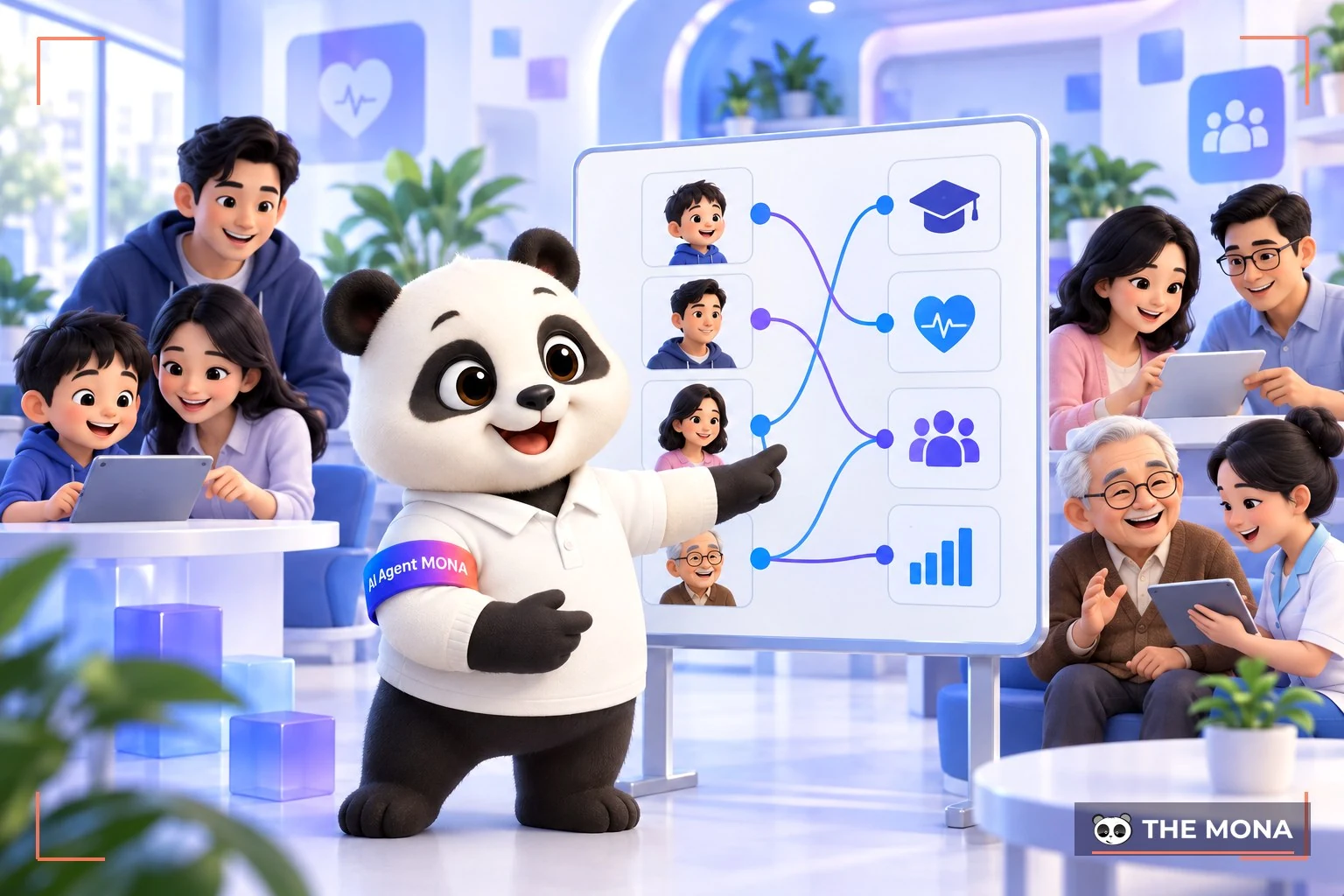
One important factor that shapes customer psychology is age. Each age group has its own psychological traits, which affect how people spend and decide to buy. Below are some observations about customer psychology in two age groups: teenagers and middle-aged people.
Teenagers are Gen Z customers (born between 1995 and 2010), the future consumers of the market. Their psychological traits include:
>> Understanding the shopping behavior of Gen Z today
Middle-aged customers are Generation X (born 1965 to 1980) and Generation Y (born 1981 to 1994), the main consumers in today's market. They share these psychological traits:
In business, understanding customer psychology is a key part of building effective marketing strategies. When you know what your customers want, need, like and believe, you can design products, services and content that fit them. By understanding customer psychology, you can:
Many businesses assume customers decide with logic, but in practice emotion plays a big part. A product or service may not be the best on the market, but if the image, brand, website, videos and documents all look polished and professional, customers find it easier to trust and choose.
Not everyone admits that good looks affect buying decisions, though. Some businesses understand this well and invest heavily in their brand image, while others see it as an unnecessary “surface” matter. Experience has shown that an ugly website or an unprofessional design can make customers leave straight away.
So how should a business use psychology in design to attract customers? Why is investing in brand image the right decision? Watch the video below to understand more:
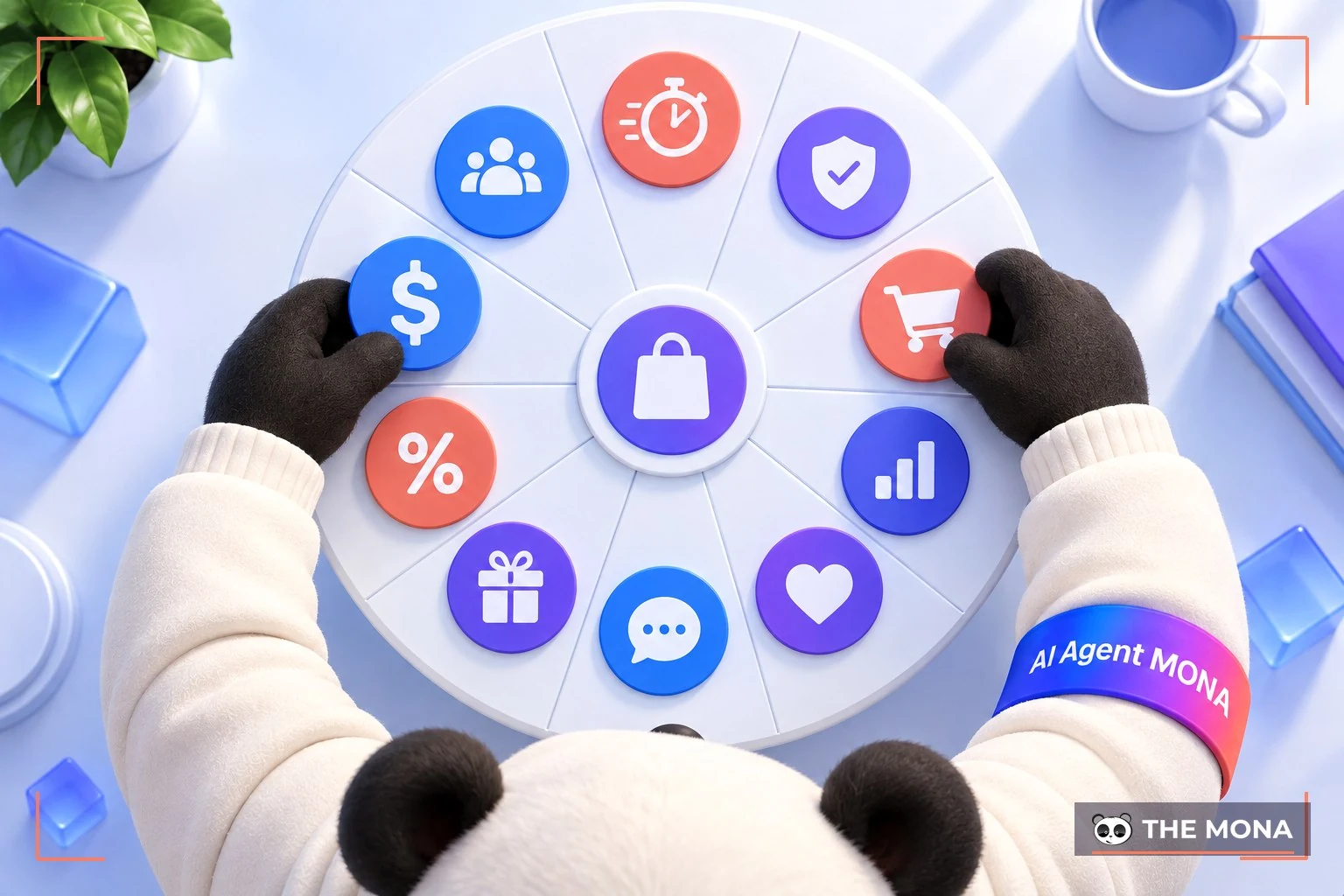
If you are a business owner, marketer or salesperson, you cannot skip understanding customer psychology. But customer psychology is neither simple nor fixed. Here are 10 psychological factors you will commonly meet when customers buy:
Customers buy not only to meet basic needs such as food, clothing, housing and transport, but also to satisfy higher needs such as safety, love, self-respect and creativity. You need to understand customers' own needs and offer products, services and content that help them feel those needs are met.
Customers tend to buy quickly when they have little time to choose or are under outside pressure. You can use this to encourage purchases by:
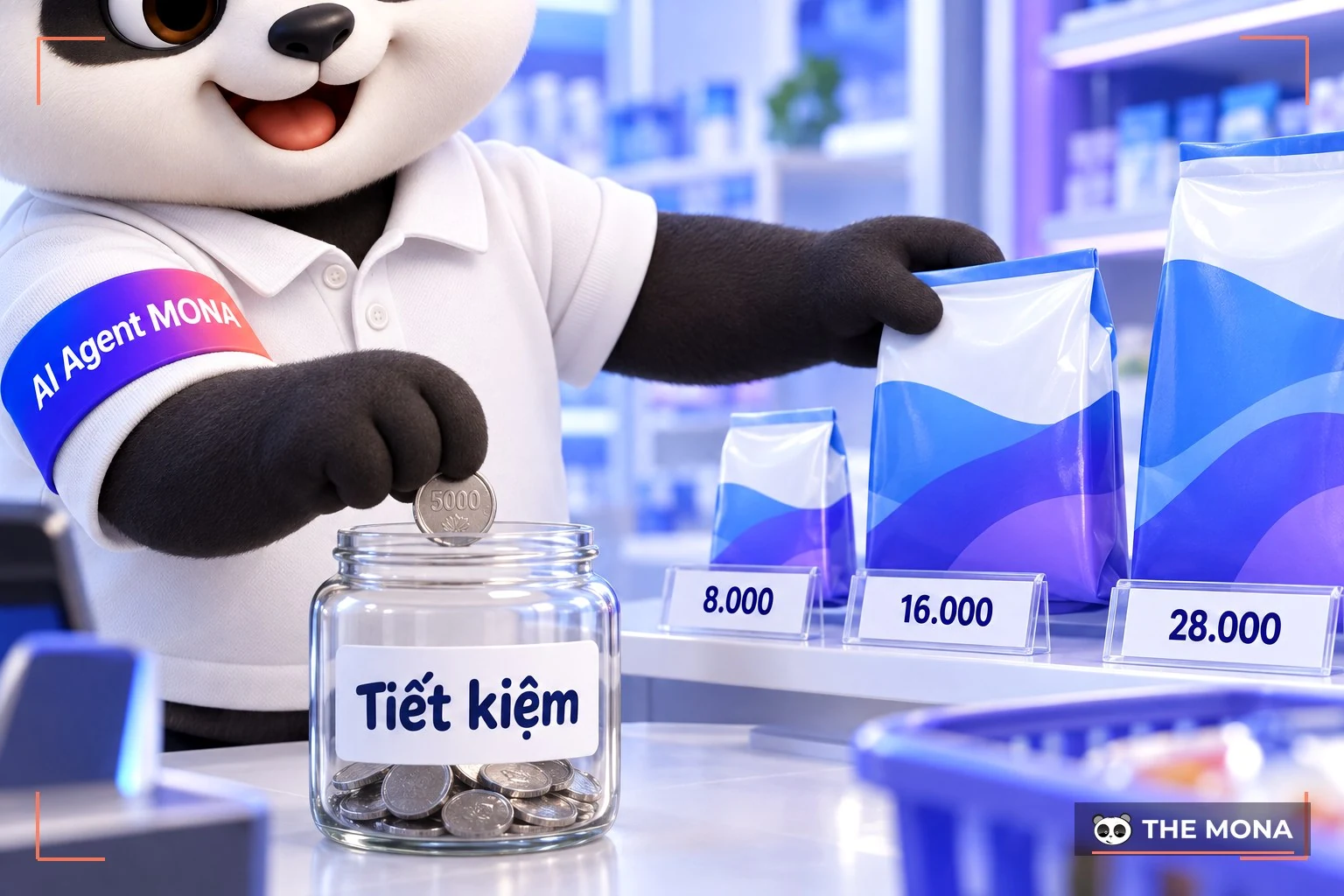
Customers want to save money when they buy. These are useful ways to help them buy:
Customers often buy according to personal taste. Ways to encourage them to buy include:
Customers usually prefer privacy when shopping. To encourage them to buy, you can:
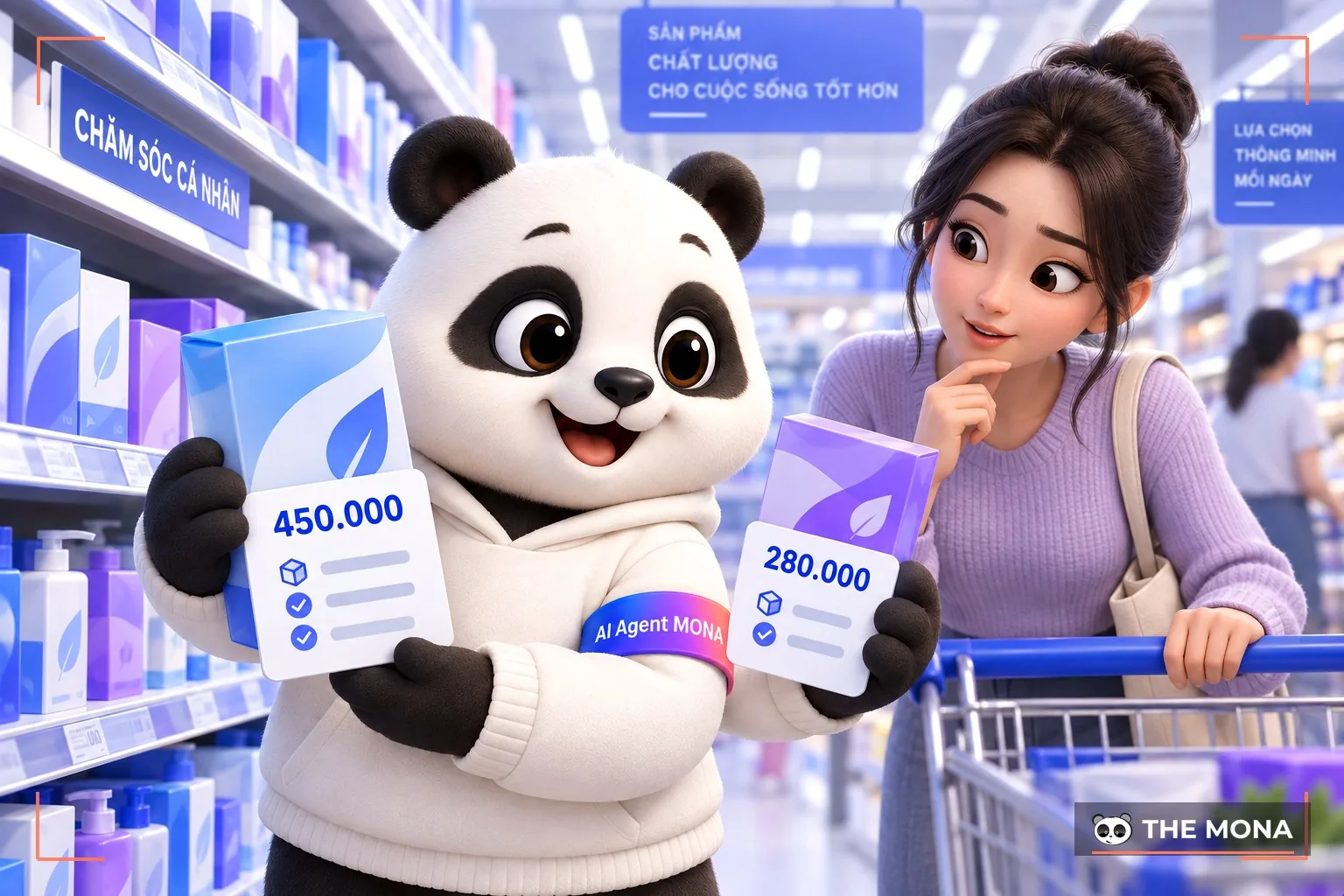
Customers usually want to buy at the lowest price possible. They will compare your price with similar products from competitors. To overcome this, you need to show customers that your product is worth more than its price. You can do this by highlighting its features, benefits, strengths and exclusive points.
Customers are often afraid of risk when they buy. They worry the product will not match its description, will be poor quality, or will have no warranty or returns. To overcome this, you need to build trust. You can do this by providing certificates, warranties, return policies, and positive reviews from customers who have already bought.
Customers are often unclear about their needs and wishes when they buy. They know they need some kind of product but not which one suits them. To overcome this, you need to advise and guide them. You can do this by asking about their purpose, needs, preferences and budget. Then you can recommend products that match their criteria.
These customers have researched the product or service you sell. They know its features, strengths, weaknesses and price well, and can compare it with other products on the market. To attract and keep them, you need to show deep expertise in your product and give full, clear and accurate information about it. Avoid advertising slogans or bending the truth, respect their knowledge, and answer every question professionally.
This type of customer wants to know every detail of the product or service they are about to buy. They care not only about the main features but also about origin, ingredients, production process, warranty, return policy, technical support and related services. To overcome this, you need to give accurate and transparent information, such as clear, easy-to-understand product descriptions with illustrative images.
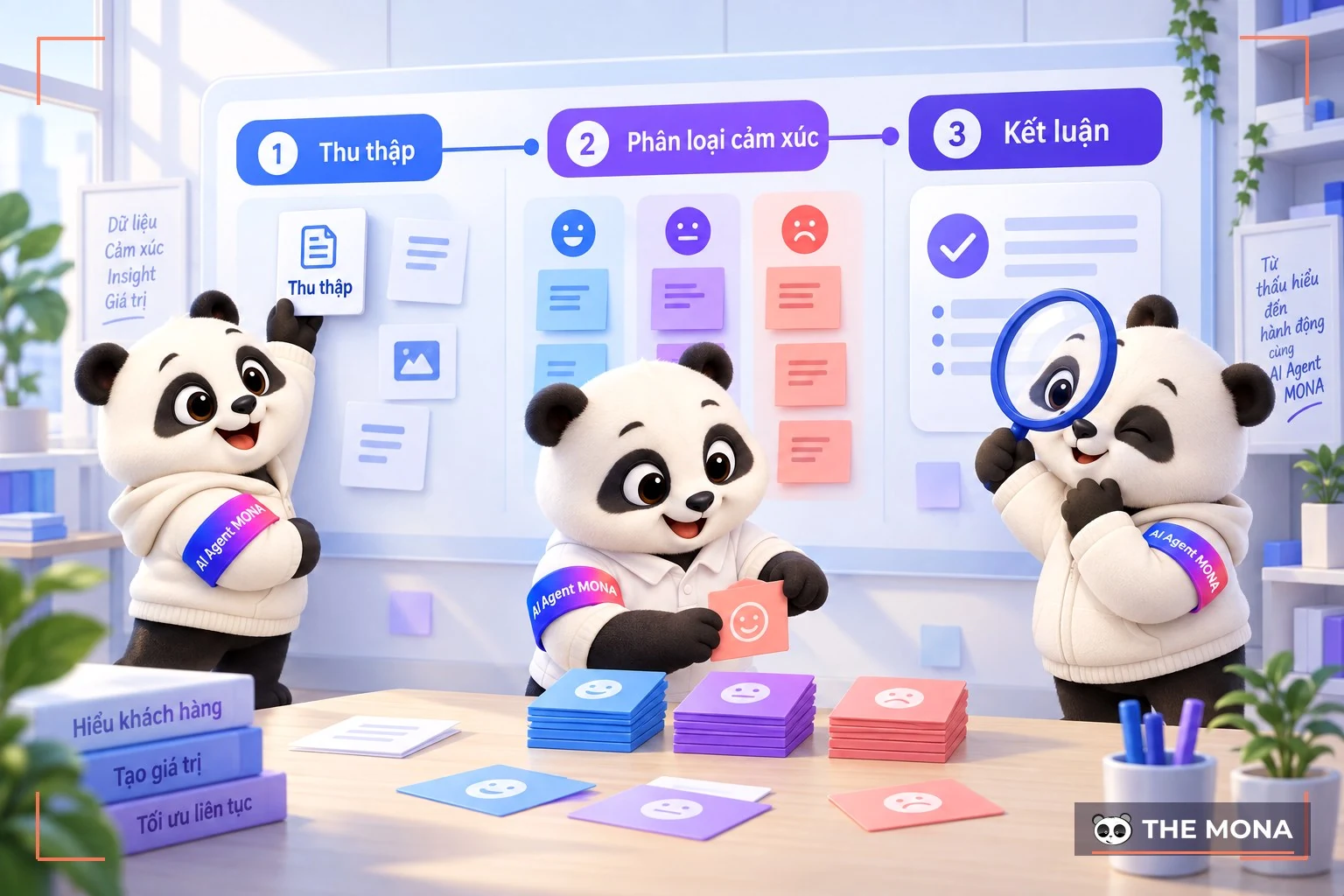
Analyzing customer psychology is one of the key steps in building effective marketing and sales strategies. By understanding customers' needs, wishes, attitudes and behavior, you can create products, services and content that fit your target audience. To analyze customer psychology effectively, follow these steps:
Target customers are people who need and can afford your product or service. To identify them, you need to research the market and your competitors. You also need criteria to tell target customers apart from people who are not. The criteria can include:

Once you have identified your target customers, you need to study their behavior to understand what influences their buying decisions. You can use these methods to research customer behavior:
After researching customer behavior, you need to split customers into specific groups with similar traits and needs. You can use these segmentation methods:
After segmenting customers, you need a long-term plan to keep and grow your relationship with them. Set specific goals, strategies and activities to attract, care for and retain customers. You also need to review and adjust the plan based on results and customer feedback.
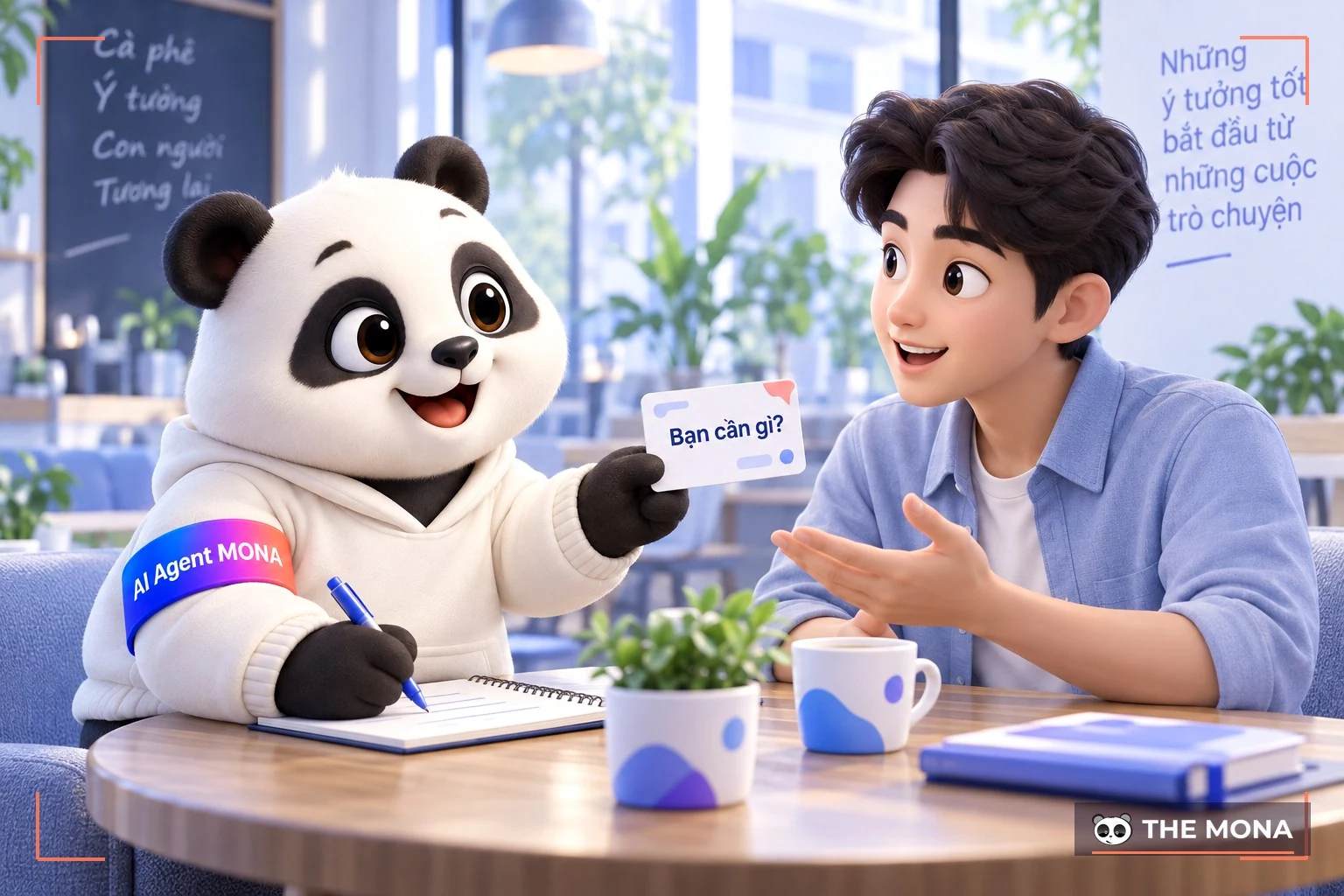
Customers decide whether a business succeeds or fails. To sell effectively, you need to understand their psychology and know their wishes, needs and problems. To do this, you need a few skills:
By applying psychological principles to your marketing strategy, you can attract and keep customers more effectively. Here are some tips to influence customer psychology with ease.
Exclusive points are features, benefits or values that only your product has and no other product can match. By stating these points clearly and convincingly, you make your product different and distinctive, so customers feel more satisfied and more confident.
Example: If you sell tablets, you can emphasize a slim and light design, a multi-touch screen, long battery life, or apps available only on your tablets.

The crowd effect is the tendency to want to use or like a product when we see many other people using or liking it. In psychology this principle is called “social proof”: we tend to trust what other people have already shown to be good.
By showing social proof such as the number of buyers, views, reviews, followers and shares, or opinions from experts, celebrities and real users about your product, you can create a crowd effect and make customers want to buy.
Example: If you sell books online, you can show the number of copies sold, reads and reviews, or articles, videos and podcasts about your books on websites, social media and other channels.
FOMO is a negative feeling that we are being left behind by others or missing a valuable opportunity. In psychology this principle is called “scarcity”: we tend to see rare or hard-to-get things as more valuable.
By creating scarcity for your product, for example limits on quantity or time, or special privileges, you create urgency so customers want to buy right away and not miss out.
Example: If you sell movie tickets online, you can create scarcity by showing how many tickets are left, how much time is left to buy, or special deals for early buyers only.
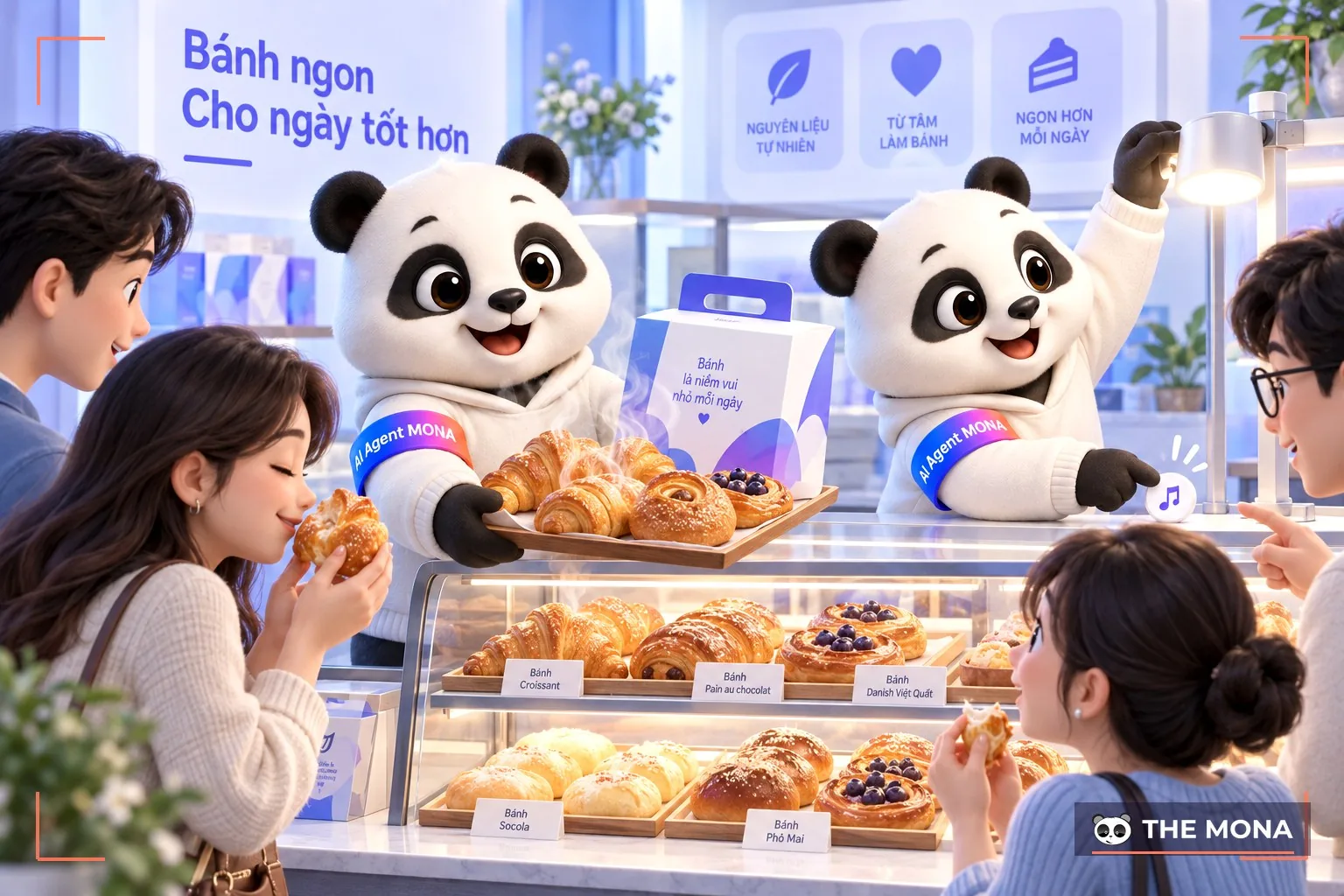
The senses are the channels that connect us to the outside world, and they strongly affect our buying decisions. By appealing to customers' senses with images, sounds, tastes, smells or touch related to your product, you can create positive, memorable experiences.
Example: If you sell ice cream online, you can appeal to customers' senses with appetizing pictures, the sound of ice cream melting in the mouth, a range of flavors, or the cool feel of ice cream.
Did you know that customers often do not decide to buy right away, and need to come across your product or brand many times? This is a basic principle of consumer psychology, known as the “mere exposure effect”.
By this principle, the more often we come across something, the more we tend to like and trust it. This is why advertisers repeat the same messages and images across many channels.
How to apply the “steady drip” tactic in business:
Customer psychology is a key factor in business and marketing. By understanding customers' needs, wishes, attitudes and behavior, a business can create products, services and strategies that fit its target audience. MONA Media hopes this article has given you the basics of what customer psychology is and how to understand it effectively.
>> See also:

CEO & Founder · The MONA
Founder of The MONA, who built a services company of 60+ staff with 14,000+ projects delivered. Khánh Hùng shares how he thinks about building systems that run themselves, automating a business, and the real lessons from delivering projects at MONA.
 1,5K




Professional website
design services
Own a website with a beautiful, 100% exclusive design and a lifetime warranty, with the ability
to expand features flexibly as your business grows, starting today!






 MONA will never sell your information or send you spam


 MONA will never sell your information or send you spam
