
 MONA OS 2.0
 Partner with MONA


 Tự động hoá doanh nghiệp
 Cẩm nang SEO
 Digital Marketing
 Kinh nghiệm thiết kế website
 Hạ Tầng Server
 Giáo dục


 VI
 EN















Message us on
Zalo Official


 ProductsNew

 ProductsProducts
 Mới ra mắtKHA AI 2027App tự edit video, tự đăng mọi mạng xã hội, 2 phút mỗi ngày










 Website designLooks good and wins customers over.
SEO servicesBrings in customers searching for exactly what you sell.
 Tư vấn digital marketingKéo khách từ nhiều kênh, đo bằng số thật.
Corporate video productionVideos introducing your company, factory and team.
 NewAI video productionCompany story films made with AI.
 Custom software developmentCRM, ERP and HRM built for your business.
 Viết AI Agent theo yêu cầuĐặt riêng một trợ lý AI cho đúng việc của mình.
 Tư vấn chuyển đổi AIĐưa AI vào vận hành của cả công ty.
NewMONA LMSManagement for centers and schools.
MONA SkillHubInternal training for company staff.
 NHTQ systemEnd-to-end China–Vietnam shipping operations.
MONA JMSManagement for gold, diamond and pawn shops.
 MONA E-LearningA website with every feature you need to sell courses.
 How to sell online courses (course)More than 30 free lessons on selling courses on autopilot.
 MONA Cloudmonacloud.vnServers to get your apps and websites running.
 MONA Basemonabase.vnPostgres database, sign-in and file storage.
 MONA Mailmonamail.vnSend OTP, order and invoice emails from your software.
 MONA Paymonapay.vnAccept bank transfers via VietQR and notify your software when the money arrives.
 MONA eInvoiceComing soonIssue e-invoices that meet tax standards.
Gấu CườiTrả lời khách 24/7 trên web, Fanpage, Zalo và thu lead cho sale.
 Gấu TeleSalesGọi điện tư vấn, chăm khách như tổng đài viên thật.
Dê CườiTư vấn và chốt đơn cho shop ngay trong khung chat.
Gấu WebmasterNhắn nhóm Zalo là website được sửa xong.
 Gấu Pháp ChếSoạn hợp đồng, rà điều khoản trong vài phút.
 Gấu Báo GiáLên báo giá đúng mẫu và gửi khách ngay.
 AI chăm sóc khách hàngTheo dõi và giữ chân khách hàng cũ.
 Gấu Tuyển DụngLọc hồ sơ, hẹn lịch, phỏng vấn ứng viên.
 Mới ra mắt
KHA AI 2027
Xây kênh chuyên gia 2 phút mỗi ngày
Quay bằng điện thoại, AI tự edit video, tự đăng lên 16 nền tảng và tự trả lời bình luận, tin nhắn.
834.956lượt xem trên kênh CEO MONA sau 27 ngày
 Anh Khánh HùngCEO MONA đang dùng mỗi ngày
Xem app làm được gì
 AI
Gấu Cười MONA ĐANG TỰ XÀITrả lời khách 24/7 trên website, Zalo OA, Messenger và thu lead về cho sale.
Dê CườiChốt đơn bán lẻ và sàn: Shopee, TikTok Shop, web. Chăm cả khách sỉ, đại lý.
Gấu WebmasterCập nhật nội dung, tối ưu SEO website mỗi ngày.
Gấu TeleSalesGọi điện tư vấn, chăm khách như tổng đài viên thật.
Gấu Tuyển DụngLọc hồ sơ, hẹn lịch, phỏng vấn ứng viên tự động.
AI chăm sóc khách hàngGiữ khách cũ, cứu lead đã rớt cho phòng kinh doanh.
Gấu Pháp ChếSoạn hợp đồng, rà điều khoản trong vài phút.
Gấu Báo GiáLên báo giá đúng mẫu, gửi khách ngay khi có yêu cầu.
 Chuyển đổi AI toàn phầnGiải pháp tổng cho doanh nghiệp, 3 lớp triển khai.
 Viết AI Agent theo yêu cầuĐặt riêng một con AI gánh đúng nghiệp vụ của bạn.
 Custom softwareCRM, ERP and HRM with built-in AI automation.
 SEO & AEO thời đại AIĐược Google lẫn AI trích dẫn, không chỉ xếp hạng.
 Kiến thức AI cho doanh nghiệpBài phân tích, hướng dẫn ứng dụng AI vào vận hành.
 Free AI courses
 AI tools at work
App mới · KHA AI 2027
Xây kênh 2 phút mỗi ngày
AI tự edit video, tự đăng mọi mạng xã hội
Free consultation, 8am–10pm every day

15 January, 2026

In the race to the top of Google, many SEOs focus only on backlinks or content and forget a foundational technical factor: Crawl Budget. If Googlebot cannot crawl and collect the content on your website, every other optimization effort is pointless. So what exactly is Crawl Budget, and how do you optimize it for SEO? Let's look at it together with MONA Media explore the details in the article below.
Crawl Budget (the crawl allowance) is the amount of resources Googlebot allocates to a website to visit, scan and process its URLs within a set period (usually 1 month). The crawl allowance decides how often and how many pages Googlebot goes through. When the Crawl Budget runs out, the crawler pauses and moves on to another website.
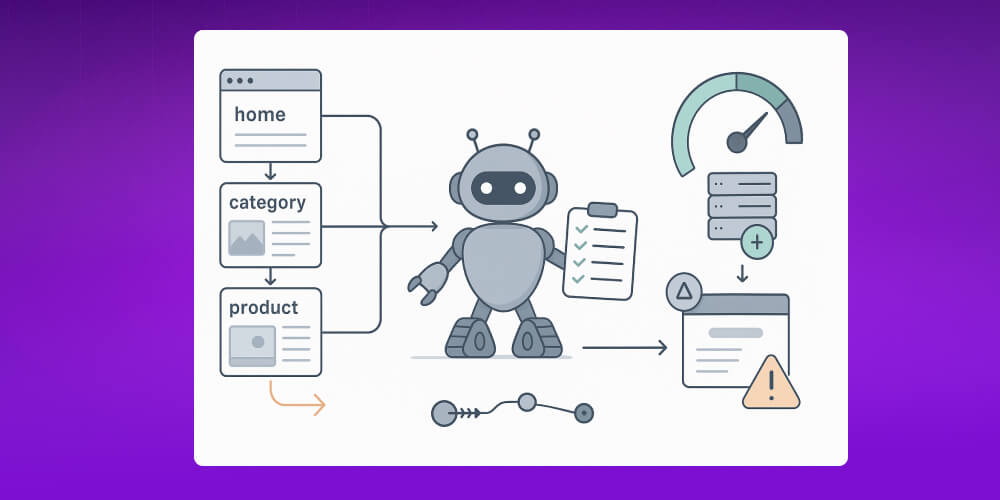
Optimizing Crawl Budget speeds up Googlebot how fast Googlebot crawls and indexes your content. As a result, changes on the website are picked up quickly, which shortens the time it takes to improve rankings. SEO web.
Crawl Budget covers not only HTML pages but also other supporting files such as JavaScript, CSS, PDFs, mobile variants and hreflang tags.
≫ Read now: How to SEO Perplexity get to the top fast, in full detail
Google's Crawl Budget is made up of 3 main components:

Crawl Rate Limit is the cap on the number of requests Googlebot makes, set to avoid overloading the web server. Google adjusts this limit automatically based on the server's condition. If a website often returns 5xx errors or times out, the Crawl Limit drops, and Googlebot crawls it noticeably less often.
Crawl Demand is how often Google wants to crawl, based on the importance and popularity of the website. It is influenced by three main factors: popularity, freshness and authority (PageRank).
Crawl Efficiency shows how well Googlebot uses its budget to collect useful information. A website with a clean structure, fast speed and few technical errors lets Googlebot use its resources efficiently. This makes sure the budget goes to crawling important pages instead of being wasted on duplicate or unnecessary content.
Crawl Budget is not a big issue for small websites, but for websites with thousands to millions of URLs, the crawl allowance is a key factor in SEO performance. Here are some reasons why Crawl Budget matters so much in SEO.
A website whose crawl allowance has not been optimized usually shows clear warning signals in its systems. Here are typical signs that your website is wasting Crawl Budget:
Optimizing Crawl Budget lets Googlebot focus its resources on content that actually brings conversions. The checklist of 10 ways to optimize Crawl Budget below helps your landing pages get indexed and ranked on Google faster:
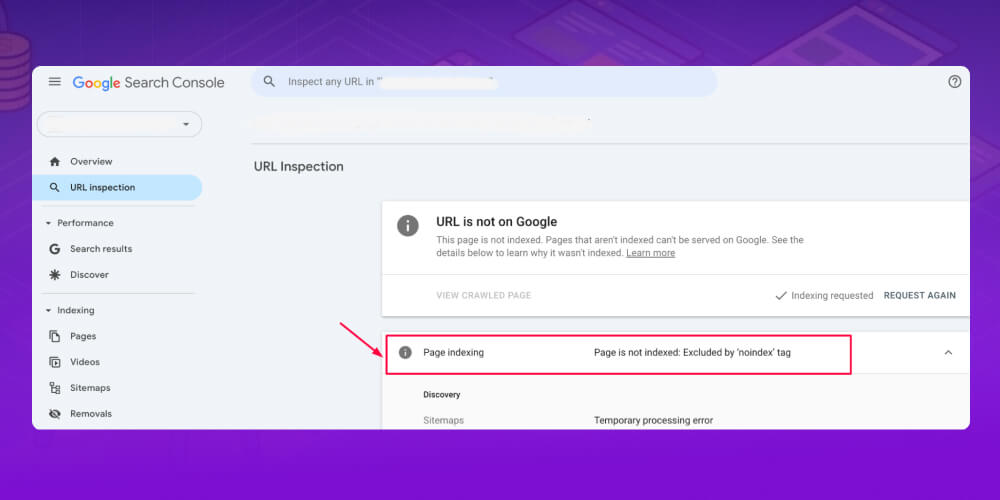
Duplicate URLs (duplicate content) usually come from URL parameters (for example ?sort=asc, ?utm_source=facebook), multiple URL versions (www/non-www, http/https), or paginated pages and session IDs. These URLs make Googlebot crawl the same content again and again without adding any SEO value.
Solutions:
URL parameters and product filters can create many URLs with nearly identical content. This makes Googlebot spend crawl budget it does not need to.
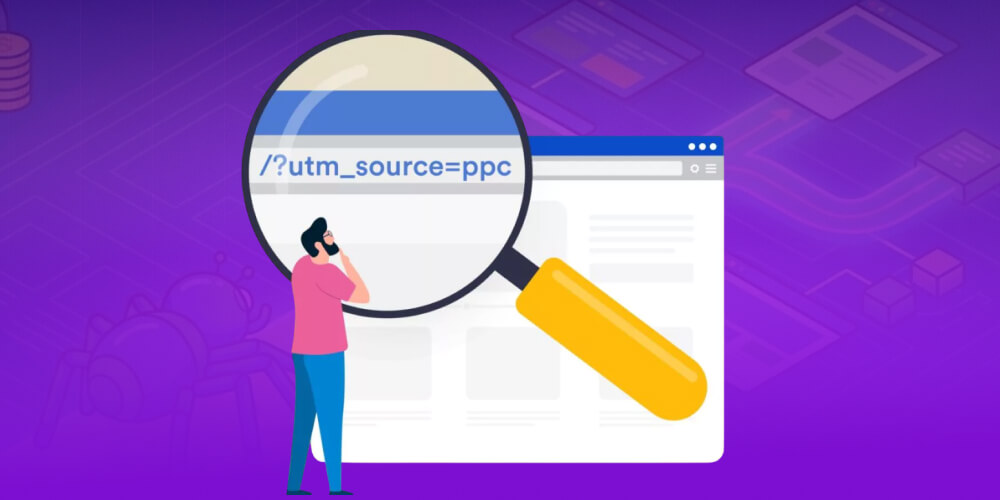
Solutions:
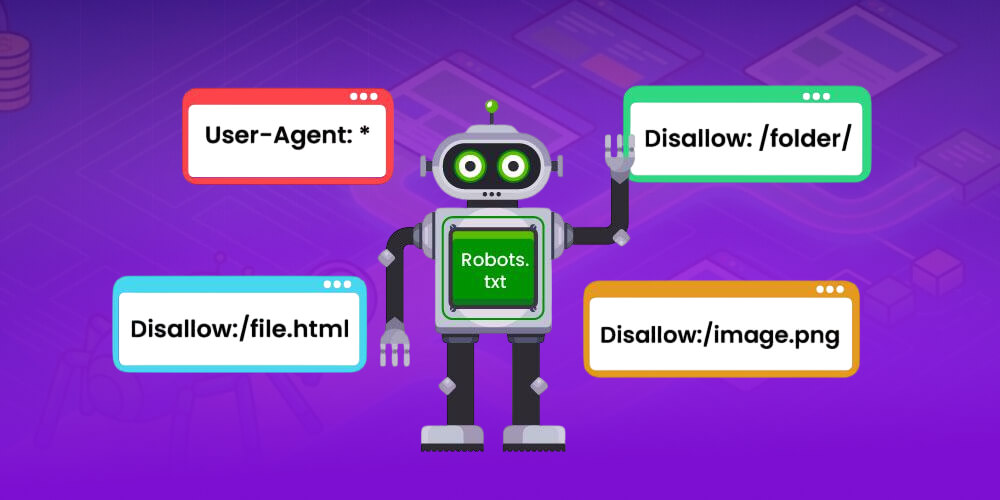
Robots.txt guides Googlebot during crawling. A well-optimized robots.txt file helps to:
Note: robots.txt only blocks crawling, not indexing, so combine it with noindex when needed.
A sitemap helps Googlebot quickly identify important URLs, and Google always reads the sitemap before going deeper into the site structure. If the sitemap is not optimized, the bot may waste Crawl Budget on outdated URLs or URLs with no SEO value.
An effective sitemap.xml should:
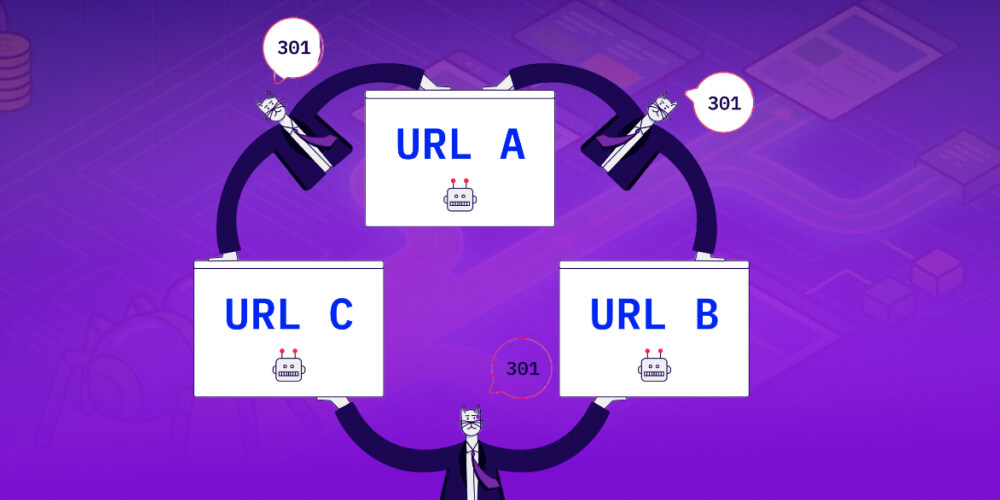
Redirect chains and server-side errors are causes of lost Crawl Budget.
Example:
Solutions:
Googlebot sets a time limit for each visit. If the website responds slowly, the number of URLs crawled drops sharply, which directly hurts how efficiently the budget is used.
Internal links guide Googlebot as it crawls a website. When the internal link structure is built well, the bot will:
Solutions:
Googlebot tends to crawl URLs it considers valuable more often. Crawl priority depends on several factors, including:
Thin content means pages with little content and little SEO value, which use up Crawl Budget without getting indexed effectively. When there are many such pages, the website's Crawl Demand declines.
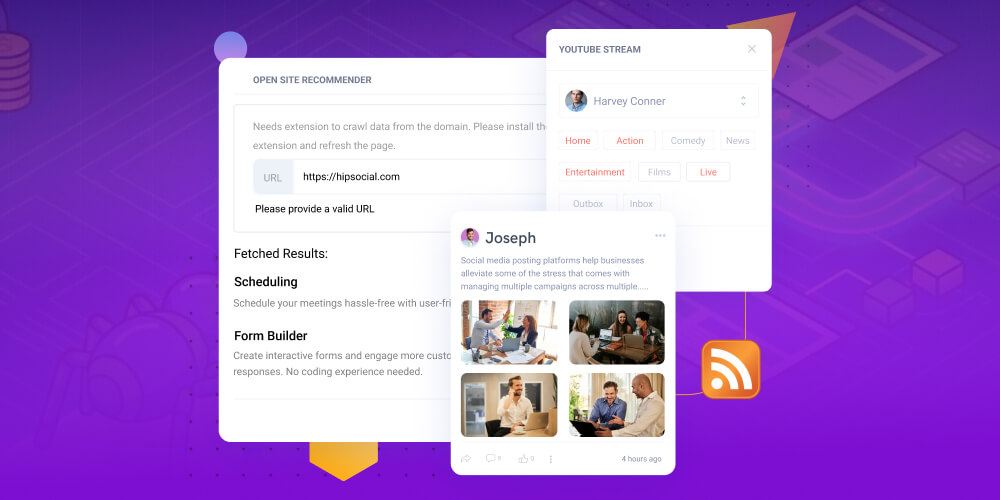
Googlebot prioritizes crawling new URLs and content that is updated regularly. An RSS feed helps the bot find new pages quickly without crawling the whole website in depth.
Many businesses invest heavily in content and products, yet their money pages still do not get crawled by Google. A post published a week ago has not been visited by the bot, a product page launched right in the sales season does not show up in search results, while filter URLs and junk pages are crawled constantly. The result is that the business misses the "golden window" to reach the top, and organic traffic grows noticeably slower.
At MONA, SEO services full-scope SEO combined with SEO AI is designed to solve this problem at its root. The MONA team does not only optimize content, but also directly controls crawl budget, URL structure, indexing and internal link flow, so Googlebot focuses on the pages that generate revenue. By using AI to analyze search behavior and technical data, MONA helps money pages get crawled faster, indexed at the right time and grow steadily toward business goals.
If you are in the situation of "we have content but it doesn't rank", contact MONA for a detailed AI SEO audit and a structured SEO roadmap, optimized from crawl all the way to conversion.

1. Do small websites need to care about Crawl Budget?
Googlebot has more than enough resources to scan a small website completely. Still, you should optimize to get the fastest indexing and avoid technical errors that waste the effort you put into writing content.
2. Does a sitemap increase Crawl Budget?
No. A sitemap only helps Googlebot use its budget more wisely. Instead of letting the bot wander into junk URLs, the sitemap steers it to crawl important pages first, which improves indexing performance.
3. Does Crawl Budget affect SEO ranking?
Yes, indirectly. If the budget is wasted, your pages are indexed slowly or not at all. A website that is not in Google's index has no chance of ranking in search results.
4. Can you "ask Google" to increase Crawl Budget?
You cannot ask directly. However, you can raise your crawl allowance by:
In short, Crawl Budget is an important factor in Technical SEO that directly affects indexing speed and how visible your website is on Google. By managing this budget well, a business can make the most of Googlebot's resources and prioritize its strategic landing pages. We hope this article from Mona Media has helped you understand what Crawl Budget is and how to optimize it effectively for SEO.

CEO & Founder · The MONA
Founder of The MONA, who built a services company of 200+ staff with 14,000+ projects delivered. Khánh Hùng shares how he thinks about building systems that run themselves, automating a business, and the real lessons from delivering projects at MONA.
 1,5K




Professional website
design services
Own a website with a beautiful, 100% exclusive design and a lifetime warranty, with the ability
to expand features flexibly as your business grows, starting today!






 MONA will never sell your information or send you spam


 MONA will never sell your information or send you spam
