
 MONA OS 2.0
 Hợp tác với MONA


 Tự động hoá doanh nghiệp
 Cẩm nang SEO
 Digital Marketing
 Kinh nghiệm thiết kế website
 Hạ Tầng Server
 Giáo dục


 VI
 EN














Message us on
Zalo Official


 ProductsNew

 ProductsProducts
 Mới ra mắtKHA AI 2027App tự edit video, tự đăng mọi mạng xã hội, 2 phút mỗi ngày










 Thiết kế websiteVừa đẹp vừa thuyết phục được khách.
Dịch vụ SEOKéo về khách đang tìm đúng thứ anh chị bán.
 Tư vấn digital marketingKéo khách từ nhiều kênh, đo bằng số thật.
Quay video doanh nghiệpVideo giới thiệu công ty, nhà xưởng, đội ngũ.
 MớiDựng video AIDựng phim câu chuyện công ty bằng AI.
 Custom software developmentCRM, ERP and HRM built for your business.
 Viết AI Agent theo yêu cầuĐặt riêng một trợ lý AI cho đúng việc của mình.
 Tư vấn chuyển đổi AIĐưa AI vào vận hành của cả công ty.
NewMONA LMSManagement for centers and schools.
MONA SkillHubInternal training for company staff.
 NHTQ systemEnd-to-end China–Vietnam shipping operations.
MONA JMSManagement for gold, diamond and pawn shops.
 MONA E-LearningA website with every feature you need to sell courses.
 How to sell online courses (course)More than 30 free lessons on selling courses on autopilot.
 MONA Cloudmonacloud.vnServers to get your apps and websites running.
 MONA Basemonabase.vnPostgres database, sign-in and file storage.
 MONA Mailmonamail.vnSend OTP, order and invoice emails from your software.
 MONA Paymonapay.vnAccept bank transfers via VietQR and notify your software when the money arrives.
 MONA eInvoiceComing soonIssue e-invoices that meet tax standards.
Gấu CườiTrả lời khách 24/7 trên web, Fanpage, Zalo và thu lead cho sale.
 Gấu TeleSalesGọi điện tư vấn, chăm khách như tổng đài viên thật.
Dê CườiTư vấn và chốt đơn cho shop ngay trong khung chat.
Gấu WebmasterNhắn nhóm Zalo là website được sửa xong.
 Gấu Pháp ChếSoạn hợp đồng, rà điều khoản trong vài phút.
 Gấu Báo GiáLên báo giá đúng mẫu và gửi khách ngay.
 AI chăm sóc khách hàngTheo dõi và giữ chân khách hàng cũ.
 Gấu Tuyển DụngLọc hồ sơ, hẹn lịch, phỏng vấn ứng viên.
 Mới ra mắt
KHA AI 2027
Xây kênh chuyên gia 2 phút mỗi ngày
Quay bằng điện thoại, AI tự edit video, tự đăng lên 16 nền tảng và tự trả lời bình luận, tin nhắn.
881.303lượt xem trên kênh CEO MONA sau 36 ngày
 Anh Khánh HùngCEO MONA đang dùng mỗi ngày
Xem app làm được gì
 AI
Gấu Cười MONA ĐANG TỰ XÀITrả lời khách 24/7 trên website, Zalo OA, Messenger và thu lead về cho sale.
Dê CườiChốt đơn bán lẻ và sàn: Shopee, TikTok Shop, web. Chăm cả khách sỉ, đại lý.
Gấu WebmasterCập nhật nội dung, tối ưu SEO website mỗi ngày.
Gấu TeleSalesGọi điện tư vấn, chăm khách như tổng đài viên thật.
Gấu Tuyển DụngLọc hồ sơ, hẹn lịch, phỏng vấn ứng viên tự động.
AI chăm sóc khách hàngGiữ khách cũ, cứu lead đã rớt cho phòng kinh doanh.
Gấu Pháp ChếSoạn hợp đồng, rà điều khoản trong vài phút.
Gấu Báo GiáLên báo giá đúng mẫu, gửi khách ngay khi có yêu cầu.
 Chuyển đổi AI toàn phầnGiải pháp tổng cho doanh nghiệp, 3 lớp triển khai.
 Viết AI Agent theo yêu cầuĐặt riêng một con AI gánh đúng nghiệp vụ của bạn.
 Custom softwareCRM, ERP and HRM with built-in AI automation.
 SEO & AEO thời đại AIĐược Google lẫn AI trích dẫn, không chỉ xếp hạng.
 Kiến thức AI cho doanh nghiệpBài phân tích, hướng dẫn ứng dụng AI vào vận hành.
 Free AI courses
 AI tools at work
App mới · KHA AI 2027
Xây kênh 2 phút mỗi ngày
AI tự edit video, tự đăng mọi mạng xã hội
Free consultation, 8am–10pm every day

17 November, 2025
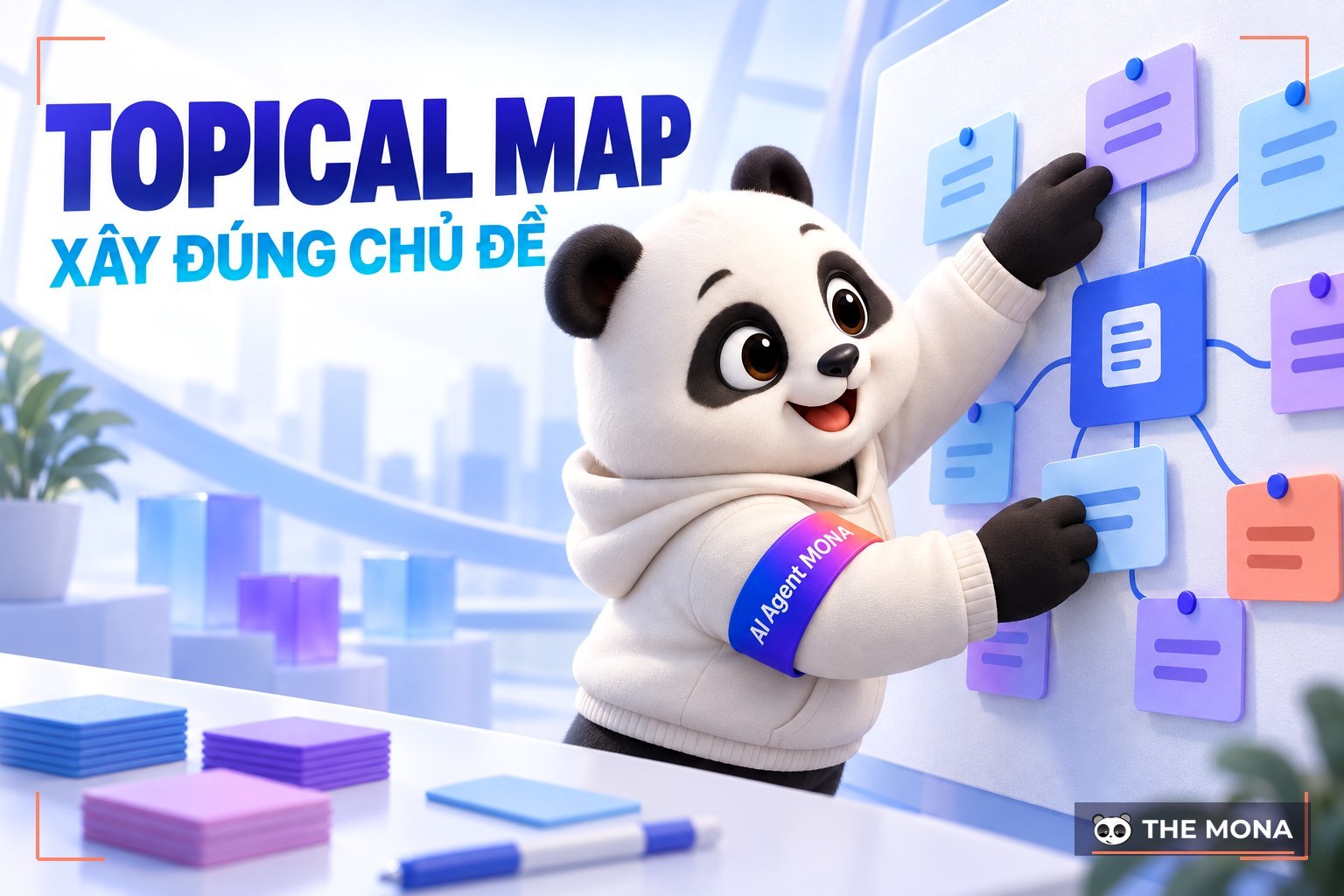
Many people learning SEO get confused between Topical Map and Topic Cluster, two concepts that sound alike, and wonder whether there is any difference. That feeling is completely normal, because at a glance they do look the same. But a Topical Map acts as an overall map that tells you which topics your website needs to cover, how to prioritize them and which direction to grow your content so search engine bots rate it highly. And once you build a Topical Map, you no longer write by gut feeling, because everything has clearer direction. So what is a Topical Map, and how do you create one that meets Semantic SEO standards? Let's MONA Media find out in this article.
A Topical Map is a way of organizing all of a website's content into a clear system around one central topic. Instead of just listing keywords, a Topical Map shows the links between the main topic, subtopics and related ideas. This makes content coherent, complete and close to how users really search. It is also a way to see the whole “semantic picture” of a topic.

For example, with the topic SEO, a topical map could be divided like this:
Main topic: SEO
Subtopic: SEO Onpage
Subtopic: SEO Offpage
Thanks to this structure, SEO specialists can easily see which content is important to build first and which parts are extensions to add to complete the topic coverage. When a website has a clear, logical content system, Google understands the pages better and treats the site as an in-depth, trustworthy source in that field.
In Semantic SEO, a Topical Map is like a foundation that helps a website develop content in the right direction. When every topic is clearly arranged and linked together, Google understands the website more deeply and rates its expertise higher. Users also find information more easily because all content is laid out sensibly, not scattered. This is why the Topical Map has become an important part of making a website both Google-friendly and smooth for readers.
Building a Topical Map shows you which main topics your website revolves around and which supporting topics you still need to develop. With a clear content map, you know what to write first, and deciding which content plays a supporting or expanding role gets much simpler.

This way, when you SEO can focus on creating SEO-ready, high-quality, on-target content that links together naturally. This is an important foundation for giving a website depth, full coverage and a good fit with Semantic SEO requirements.
A Topical Map helps your website appear more often in search engines by extending content across many related topics and keywords, instead of focusing on just a few main keywords. When content coverage is broad and reaches many types of queries, the website can reach more groups of users. As a result, organic traffic grows more steadily and sustainably.
A Topical Map makes content discovery feel more natural and seamless for users. When topics are clearly organized and connected through a system of internal link that makes sense, users easily find related articles and tend to read more deeply.
As a result, time on site goes up, bounce rate goes down and the overall experience gets smoother. This is an important factor that earns points with both users and Google.

A Topical Map makes building content easier and more focused. When you know the main topic and its related subtopics, writing is no longer scattered but tightly connected. With a unified content system and clear links, your website ranks more easily and delivers stable, long-term SEO results.
Topical Map and Topic Cluster both help organize content better, but they work in different ways.
A topical map is like a big map showing all topics and the semantic links between them. This helps Google better understand how your content relates, and helps users find complete information on a topic.
As for topic cluster takes a more organized content-grouping approach. Related articles are gathered into clusters and linked to a pillar article. Each cluster focuses on one aspect of the main topic and is connected by internal links, which keeps the content structure clear and easy for Google to crawl and index.

To put it simply, a topical map gives a full overview of a topic, while a topic cluster is how you build out the details within each smaller group. Combining both makes SEO strategy more effective and better optimized.
An example of the difference between a Topical Map and a Topic Cluster for the SEO topic:
A Topical Map is like the "master map" of the whole SEO field. It lists every knowledge group you need and the relationships between them.
Main topic: SEO
A Topic Cluster is how you build out detailed content for one specific branch of the map. For example, the On-page SEO cluster: Pillar article: "What is On-page SEO? A complete A–Z guide to on-page optimization"
Supporting articles (cluster content):
All supporting articles link back to the pillar article, forming a complete content cluster.
Building a topical map gives your website a clear content structure, full topic coverage and the standing of an "expert" in Google's eyes. Here are the steps to create a topic map in Semantic SEO:
The first and most important step in building a Topical Map is identifying your website's central topic. This is the "anchor" of your whole content strategy, the point every article, topic group and cluster must revolve around. If the Central Topic is unclear, the content structure behind it will struggle to build depth.

To pinpoint your central topic, you can start from very familiar sources:
To make the Central Topic easier to identify, try answering these questions:
Identifying the right Central Topic keeps the Topical Map building process coherent and lays a solid foundation for expanding content in a deep, sustainable way.
Once you are clear on the central topics, the next step is identifying subtopics: related articles that support and expand the main topic. Subtopics not only make the Topical Map complete but also create a logical content system that is easy for both users and Google to follow.
To identify subtopics, you can use these methods:
Identifying the right subtopics helps you build a comprehensive Topical Map, optimize SEO effectively and give readers a coherent experience.
Source Context is the core value your website wants to convey. If the Central Topic tells you what the main topic is, the Source Context tells you why you write about it.

For example, a website that provides "SEO services”:
→ Source Context: Providing SEO services and SEO solution consulting for clients.
When the Source Context is clearly defined, all content on the website revolves around one core goal. This attracts the right customers, builds trust and helps Google understand exactly what your website is about.
The Central Entity is the entity that represents the main topic of the website. It appears often in your content and acts as a compass for your whole SEO strategy.
For example, if you build a website that shares knowledge about SEO services, then "SEO" is the Central Entity.
All the content you develop should revolve around this entity, for example:
Once you have identified the Central Entity, you can easily expand your content in both depth and breadth, and build a connected article system that shows clear expertise in your field.
Search Intent is what users really want when they search on Google, in other words "what they want to know." Understanding this helps your website content provide exactly the information they expect.
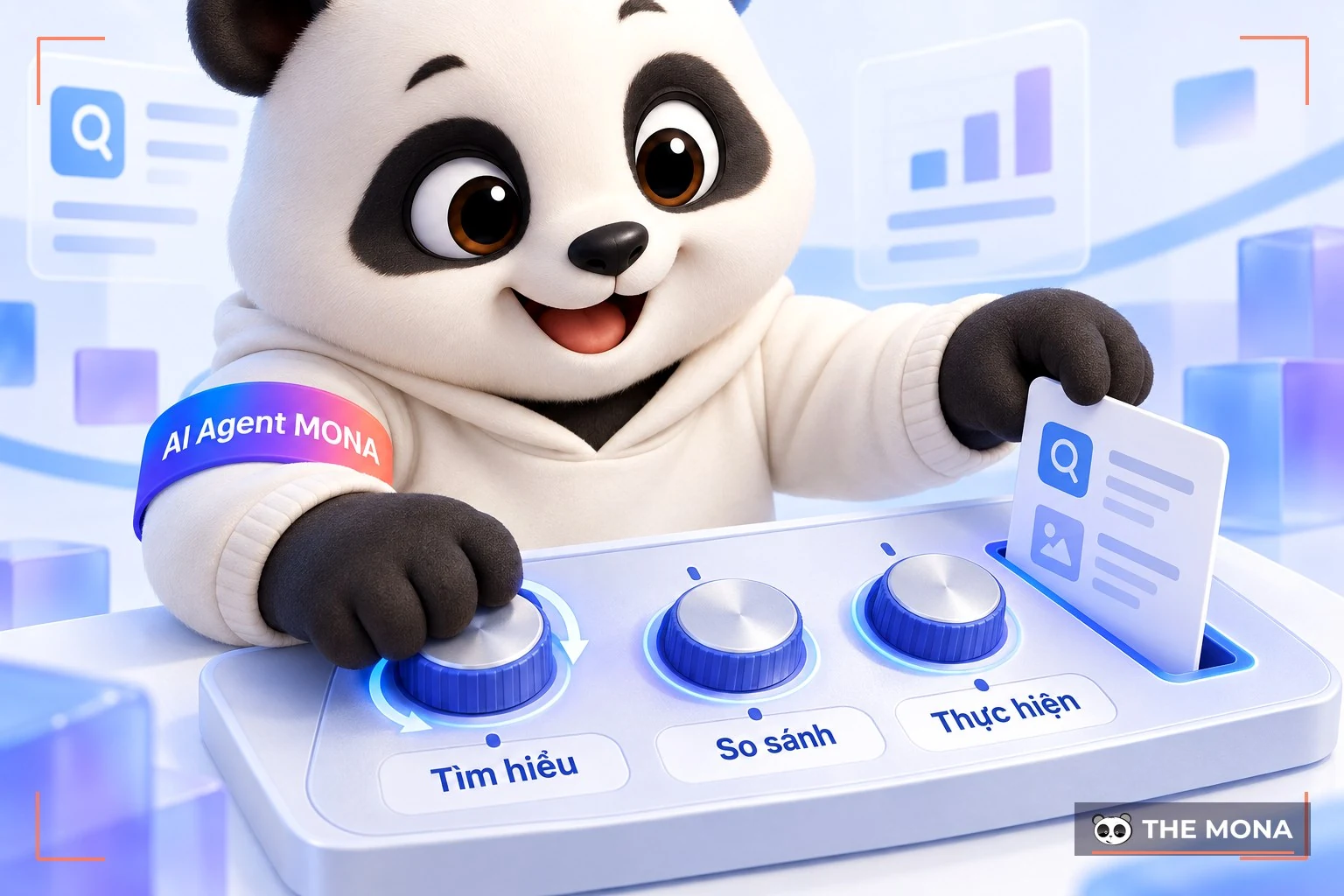
And when users find a fast, accurate answer, they stay longer and tend to come back. Google also prioritizes pages that match search intent, so understanding Search Intent is the key to a clear content strategy that stays on topic and improves SEO rankings sustainably.
Once you have clearly identified the central topic and the subtopic groups, you can start on the most important step: building the Topical Map. This is the process of arranging and linking all your content in a tight structure, making the website coherent, easy to understand and well rated by Google.
Building a Topical Map the right way makes it easier to plan content, optimize the site for SEO work effectively and create a consistent experience for both users and Google.
One of the AI tools One of the most useful tools today for building a Topical Map is Chat GPT, especially when combined with frameworks such as the Koray Framework. This tool helps you build semantic content in an organized way, saving time and optimizing for SEO.
With ChatGPT, you can:
How to do it with ChatGPT
1. Build the Topical Map
Step 1: Prepare a mind map or an example of a similar topic that has already succeeded.
Step 2: Send your request to ChatGPT.
For example: "Based on this mind map, build a detailed Topical Map for the SEO topic and turn it into a tree, including the Central Entity, Core Section and Subtopics."

2. Identify related entities and semantics
Step 1: Provide a definition or a question about the semantic concept you want to learn
For example: "What is a topic cluster in semantic SEO?"
Step 2: Ask ChatGPT to find the semantic links related to the SEO topic.
For example: Based on the information above, list the important entities and semantic relationships for the topic cluster subject, including the Core Section, Outer Section and Micro Content ideas.

3. Combine with keyword research tools
Besides ChatGPT, use Google Keyword Planner, Ahrefs, Keyword Explorer or other SEO tools to add keyword and related-topic information and analyze competitors, so your Topical Map is more complete.
Using ChatGPT to build one, you get a full, logical, semantic-ready Topical Map, which lets you roll out content in an organized way, improve SEO rankings and give readers the best experience.

When building a Topical Map, many websites make common mistakes that keep their SEO content strategy from reaching its full potential. Knowing these mistakes helps you avoid wasting time and effort and optimize SEO more effectively.
A Topical Map is a tool for organizing content logically, building topical authority and optimizing SEO the Semantic way. Done right, it not only helps Google understand your website but also gives readers a seamless, useful experience, which improves rankings and conversion rates.

CEO & Founder · The MONA
Founder of The MONA, who built a services company of 60+ staff with 14,000+ projects delivered. Khánh Hùng shares how he thinks about building systems that run themselves, automating a business, and the real lessons from delivering projects at MONA.
 1,6K




Professional website
design services
Own a website with a beautiful, 100% exclusive design and a lifetime warranty, with the ability
to expand features flexibly as your business grows, starting today!






 MONA will never sell your information or send you spam


 MONA will never sell your information or send you spam
