
 MONA OS 2.0
 Partner with MONA


 Tự động hoá doanh nghiệp
 Cẩm nang SEO
 Digital Marketing
 Kinh nghiệm thiết kế website
 Hạ Tầng Server
 Giáo dục


 VI
 EN













Message us on
Zalo Official


 ProductsNew

 ProductsProducts
 Mới ra mắtKHA AI 2027App tự edit video, tự đăng mọi mạng xã hội, 2 phút mỗi ngày










 Website designLooks good and wins customers over.
SEO servicesBrings in customers searching for exactly what you sell.
 Tư vấn digital marketingKéo khách từ nhiều kênh, đo bằng số thật.
Corporate video productionVideos introducing your company, factory and team.
 NewAI video productionCompany story films made with AI.
 Custom software developmentCRM, ERP and HRM built for your business.
 Viết AI Agent theo yêu cầuĐặt riêng một trợ lý AI cho đúng việc của mình.
 Tư vấn chuyển đổi AIĐưa AI vào vận hành của cả công ty.
NewMONA LMSManagement for centers and schools.
MONA SkillHubInternal training for company staff.
 NHTQ systemEnd-to-end China–Vietnam shipping operations.
MONA JMSManagement for gold, diamond and pawn shops.
 MONA E-LearningA website with every feature you need to sell courses.
 How to sell online courses (course)More than 30 free lessons on selling courses on autopilot.
 MONA Cloudmonacloud.vnServers to get your apps and websites running.
 MONA Basemonabase.vnPostgres database, sign-in and file storage.
 MONA Mailmonamail.vnSend OTP, order and invoice emails from your software.
 MONA Paymonapay.vnAccept bank transfers via VietQR and notify your software when the money arrives.
 MONA eInvoiceComing soonIssue e-invoices that meet tax standards.
Gấu CườiTrả lời khách 24/7 trên web, Fanpage, Zalo và thu lead cho sale.
 Gấu TeleSalesGọi điện tư vấn, chăm khách như tổng đài viên thật.
Dê CườiTư vấn và chốt đơn cho shop ngay trong khung chat.
Gấu WebmasterNhắn nhóm Zalo là website được sửa xong.
 Gấu Pháp ChếSoạn hợp đồng, rà điều khoản trong vài phút.
 Gấu Báo GiáLên báo giá đúng mẫu và gửi khách ngay.
 AI chăm sóc khách hàngTheo dõi và giữ chân khách hàng cũ.
 Gấu Tuyển DụngLọc hồ sơ, hẹn lịch, phỏng vấn ứng viên.
 Mới ra mắt
KHA AI 2027
Xây kênh chuyên gia 2 phút mỗi ngày
Quay bằng điện thoại, AI tự edit video, tự đăng lên 16 nền tảng và tự trả lời bình luận, tin nhắn.
896.519lượt xem trên kênh CEO MONA sau 37 ngày
 Anh Khánh HùngCEO MONA đang dùng mỗi ngày
Xem app làm được gì
 AI
Gấu Cười MONA ĐANG TỰ XÀITrả lời khách 24/7 trên website, Zalo OA, Messenger và thu lead về cho sale.
Dê CườiChốt đơn bán lẻ và sàn: Shopee, TikTok Shop, web. Chăm cả khách sỉ, đại lý.
Gấu WebmasterCập nhật nội dung, tối ưu SEO website mỗi ngày.
Gấu TeleSalesGọi điện tư vấn, chăm khách như tổng đài viên thật.
Gấu Tuyển DụngLọc hồ sơ, hẹn lịch, phỏng vấn ứng viên tự động.
AI chăm sóc khách hàngGiữ khách cũ, cứu lead đã rớt cho phòng kinh doanh.
Gấu Pháp ChếSoạn hợp đồng, rà điều khoản trong vài phút.
Gấu Báo GiáLên báo giá đúng mẫu, gửi khách ngay khi có yêu cầu.
 Chuyển đổi AI toàn phầnGiải pháp tổng cho doanh nghiệp, 3 lớp triển khai.
 Viết AI Agent theo yêu cầuĐặt riêng một con AI gánh đúng nghiệp vụ của bạn.
 Custom softwareCRM, ERP and HRM with built-in AI automation.
 SEO & AEO thời đại AIĐược Google lẫn AI trích dẫn, không chỉ xếp hạng.
 Kiến thức AI cho doanh nghiệpBài phân tích, hướng dẫn ứng dụng AI vào vận hành.
 Free AI courses
 AI tools at work
App mới · KHA AI 2027
Xây kênh 2 phút mỗi ngày
AI tự edit video, tự đăng mọi mạng xã hội
Free consultation, 8am–10pm every day

12 February, 2025
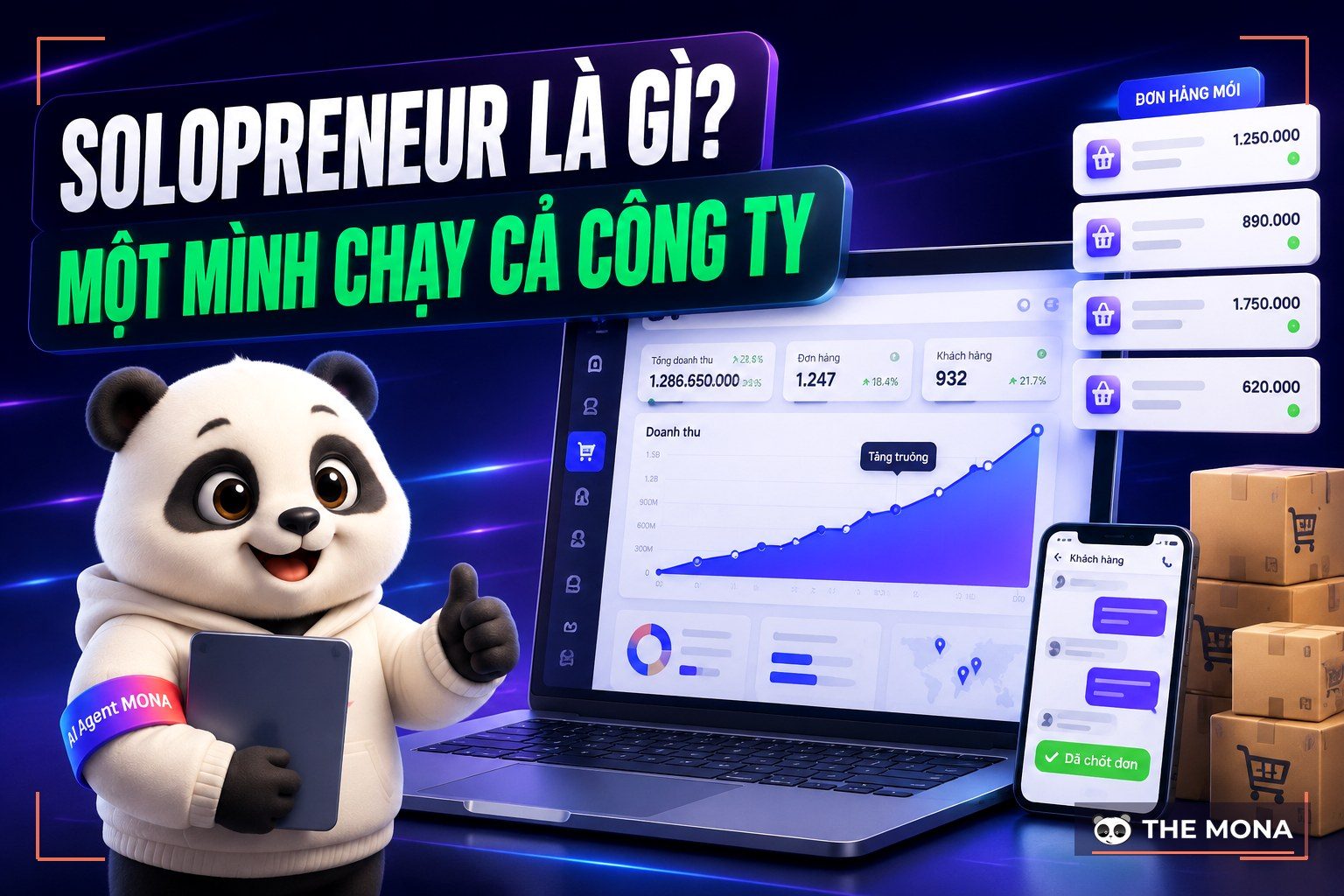
In 10 years of taking on projects at MONA, we keep meeting one particular type of client: they sign the contract alone, approve the design alone, and on acceptance day the same single person checks every button on the website. A cosmetics seller who photographs her own products, a guitar teacher who films his own lessons, an accountant who left her company to keep the books for 12 small shops. No employees at all. They are the living answer to the question what is a solopreneur: one person who owns, runs and keeps the full results of a business. In this article we explain the concept thoroughly, compare it with freelancer and entrepreneur, share the bottlenecks we see all the time, and show how one person can run like a whole company.
Solopreneur combines solo (alone) and entrepreneur (entrepreneur), and means a person who owns and runs an entire business by themselves: from the idea, the product and sales to customer care and bookkeeping, with no permanent team. One person makes every decision. One person carries every risk.
The definition sounds dry, but an example makes it clear. A yoga teacher who loves cooking films vegetarian recipes for TikTok, builds a channel of 100,000 followers and earns from affiliate and her own courses, without hiring a single employee. She is a solopreneur. A photographer opens a product photography service for online shops, takes orders, quotes prices and delivers files himself. Also a solopreneur. Both types of people have come to us, one asking us to build a website selling a course at 399,000 VND each, the other asking for a chat widget that answers customers automatically.
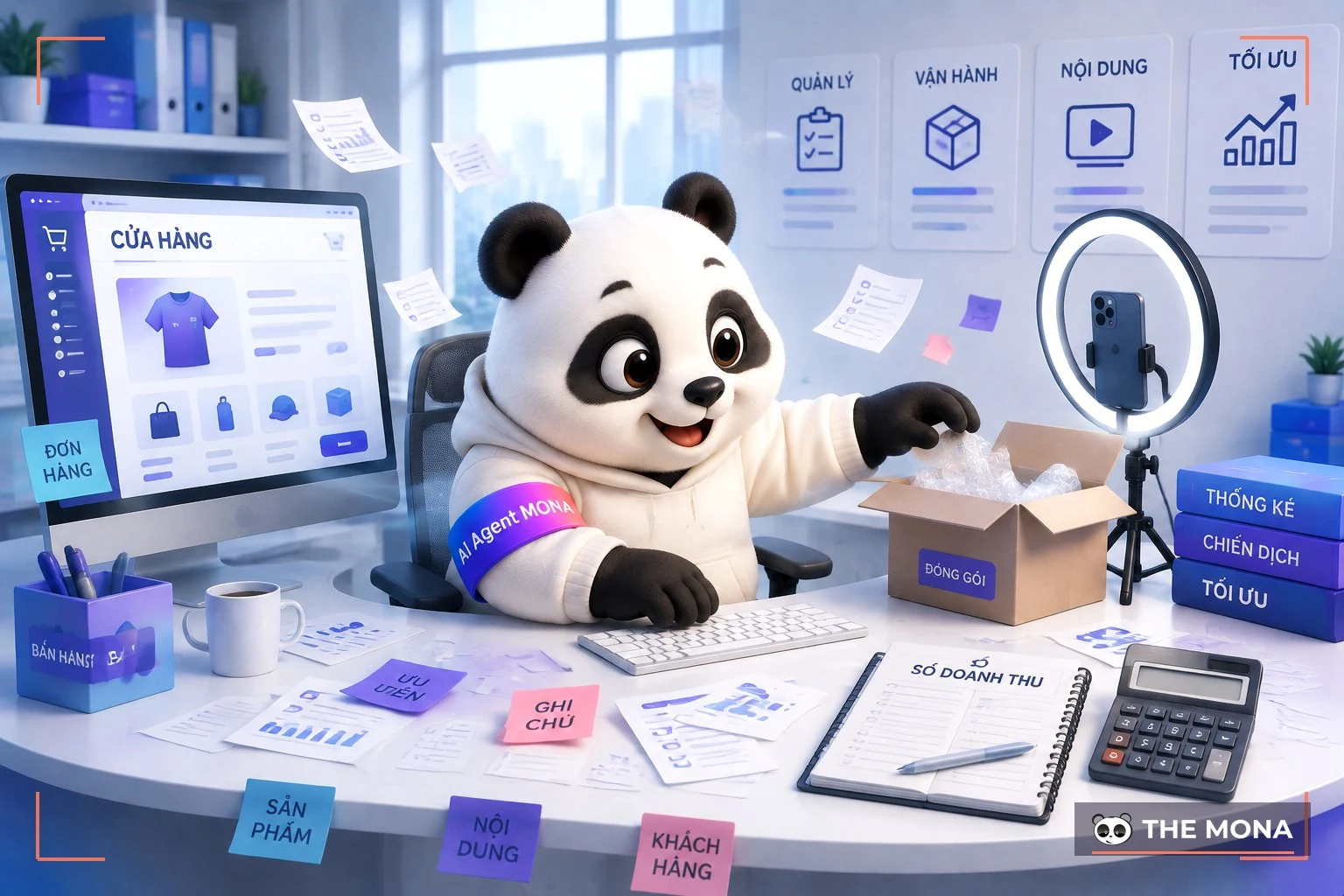
The core is the word “owner”. A solopreneur does not work for anyone, does not draw a monthly salary, and earns from the business machine they built themselves. That machine is their asset, and it grows over the years instead of ending when a project is handed over.
Since 2016, MONA has completed more than 14,000 web and software projects, and so many clients come alone that we can pick out three groups that keep repeating. Looking at these three, you can see where you stand now, or which door you are about to walk through.
Group one: selling products online alone. The cosmetics seller, the fishing gear seller, the mother-and-baby shop owner. Stock piles up in the living room, 20 to 30 orders a day close over messages, and shipping goes through a carrier. This is the biggest group, and it is also the one that takes off TikTok Shop earliest, because the marketplaces handle most of the customer traffic.
Group two: selling knowledge. Teachers, coaches and skilled professionals who want to sell online courses. Inventory cost is close to zero, and the assets are their expertise and personal brand. This group has the most expertise and is the most afraid of technology of the three.
Group three: selling skills. Designers, photographers, writers, content creators, and even KOC and KOLs who take bookings. They start out like freelancers, then one day they package their service into a product with a listed price, their own process and their own customer channel. At that point they have crossed into solopreneur territory.
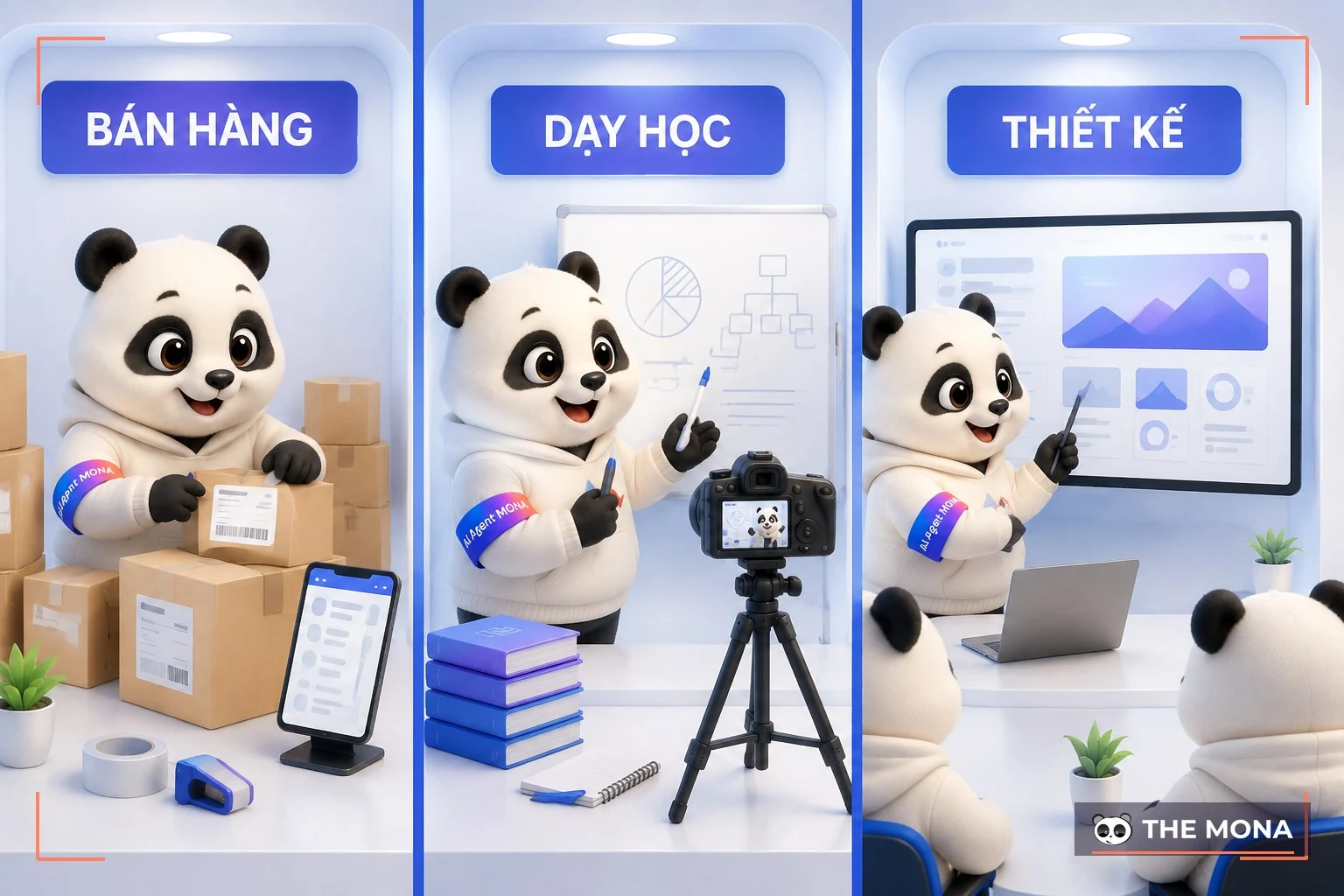
This model does not depend on the industry. We have built websites for a cake shop with one owner and one baker, a family spa, a woodworking workshop taking orders over Zalo, a veterinary clinic with a single vet, and even a service MMO that is purely online, with no physical space at all. Wherever there are customers, there are people working alone.
These three terms often get mixed up, and mixing them up leads to choosing the wrong path. Someone who decides to be a freelancer needs the skill of selling themselves project by project, someone who decides to start a company needs to know how to manage people, and a solopreneur needs the third thing: knowing how to build a system for themselves. Three careers, three sets of rules. The table below sums it up in 4 criteria, the way we usually explain it to clients in the first 5 minutes of a consultation.
| Criterion | Solopreneur | Freelancer | Entrepreneur |
|---|---|---|---|
| How they earn money | Sell products and services of a brand they built | Sell hours of work on each client order | Build a machine, with staff generating revenue in their place |
| Who decides | Decides everything alone | The client sets the brief, you decide how to do it | Decides together with a team and shareholders |
| What is left behind | A brand, a customer base, a sales system | A portfolio and relationships | A company with a valuation that can be sold |
| When they stop working | Revenue drops but the system still partly runs | Income stops immediately | The machine keeps running and the owner only supervises |
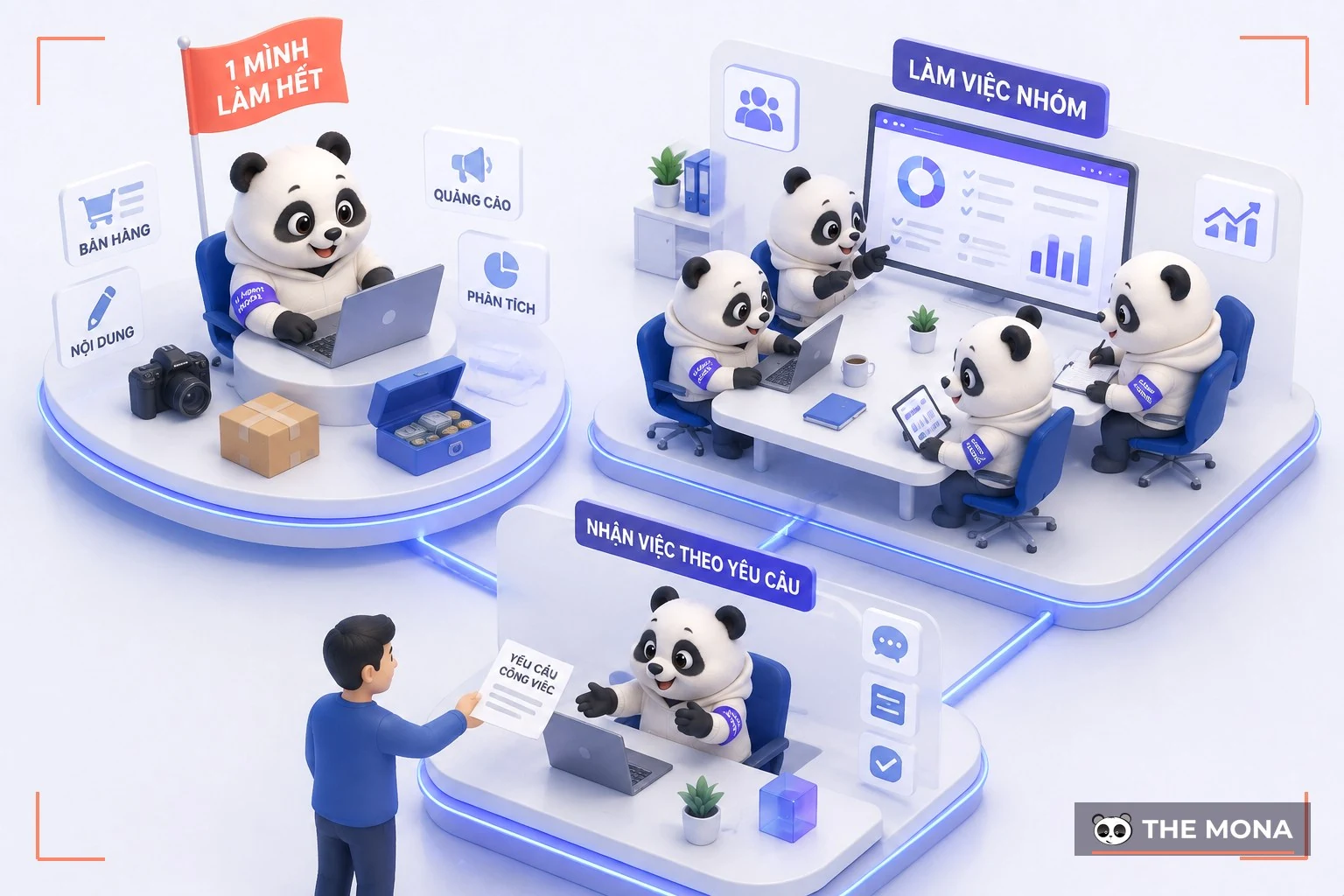
There is also a fourth path that few people know about: building an owner's mindset while still employed, called intrapreneurship. Many of the strongest solopreneurs we have met went through this stage, running one part of a business with the company's money for around 2 to 3 years before going out on their own with their own money.
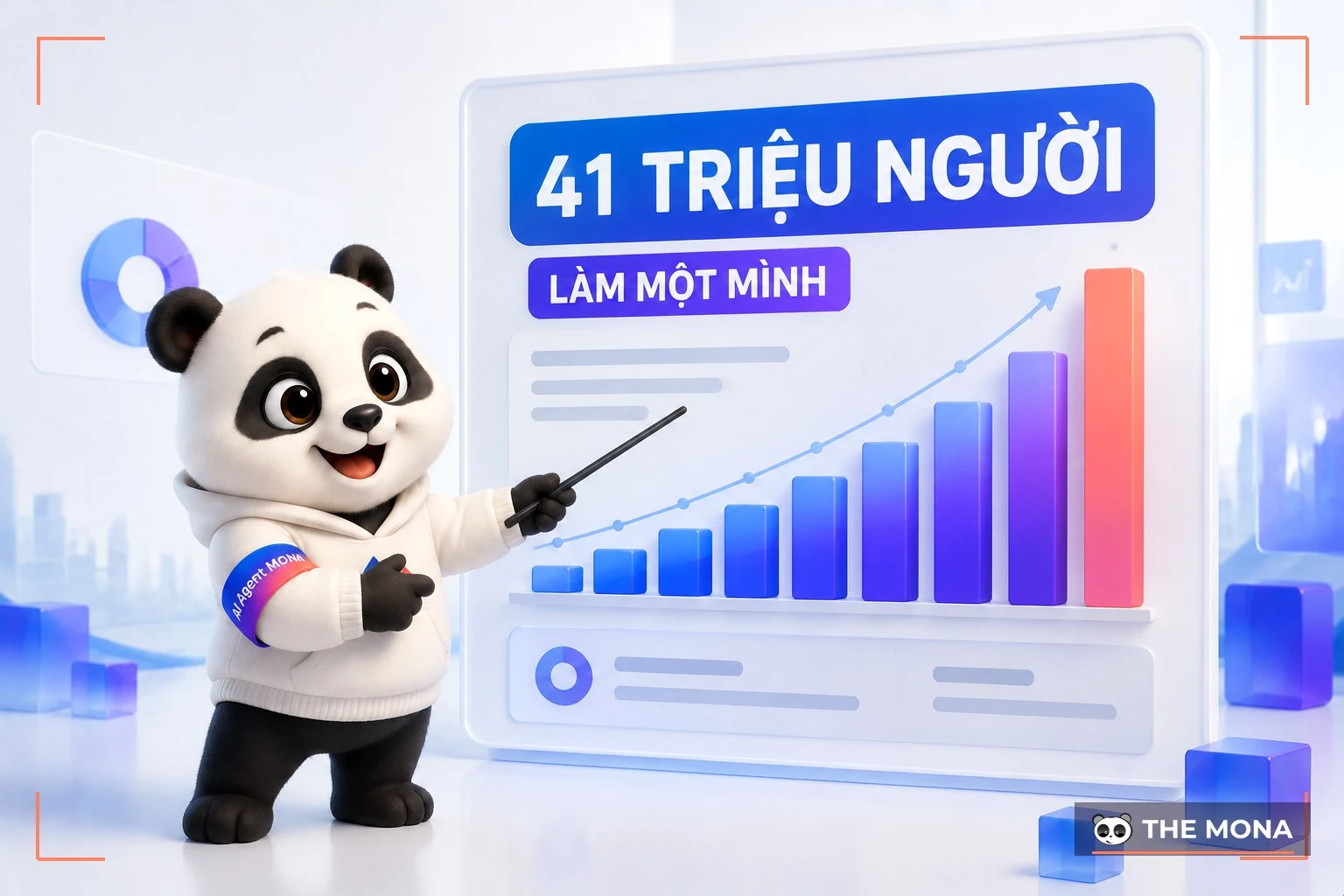
This is not a spontaneous online trend. The State of Independence 2025 report by MBO Partners, in its 15th consecutive year, counted 72.9 million Americans working independently, of whom more than 41 million call themselves solopreneurs. More notable still, the group earning over 100,000 USD a year has reached 5.6 million, nearly double the 2020 figure according to Forbes. Working alone no longer means working small.
Vietnam is the same. We have long had a local version of this model: the household business. The country now has more than 5.2 million household businesses, and in the first 10 months of 2025 alone, 713,034 new ones opened, up 58.3% on the same period last year. Most of them are one person, one phone and one trade.
The reason for the boom is that the cost of building a business machine has fallen sharply. It used to be that to have someone watching messages you hired staff, to have an accountant you hired an accountant, to shoot an ad you hired a crew. Now AI writes a product description in a minute, builds a video from a single prompt, and answers chat at 2 a.m. without complaining of tiredness. In 2026 one person can do the work that took a whole department in 2016. We see this more clearly than most, because MONA builds machines like this for clients every day.
We need to be honest here, because advice that only flatters does not help anyone. A solopreneur's freedom comes with a bill, and the bill usually arrives after the first six enthusiastic months.
There is a scene we have heard so often that we know it by heart. A cosmetics seller gets a steady 30 to 40 orders a day. On a Friday evening, in the middle of a livestream, the website goes down. Dozens of messages about size, colour and shipping fees pour in at once, and she apologizes on air while texting “the cousin who knows computers” to take a look. He is out at a wedding. The site only comes back on Monday morning, two prime weekend days are lost, and the customers who did not get to buy do not all come back.
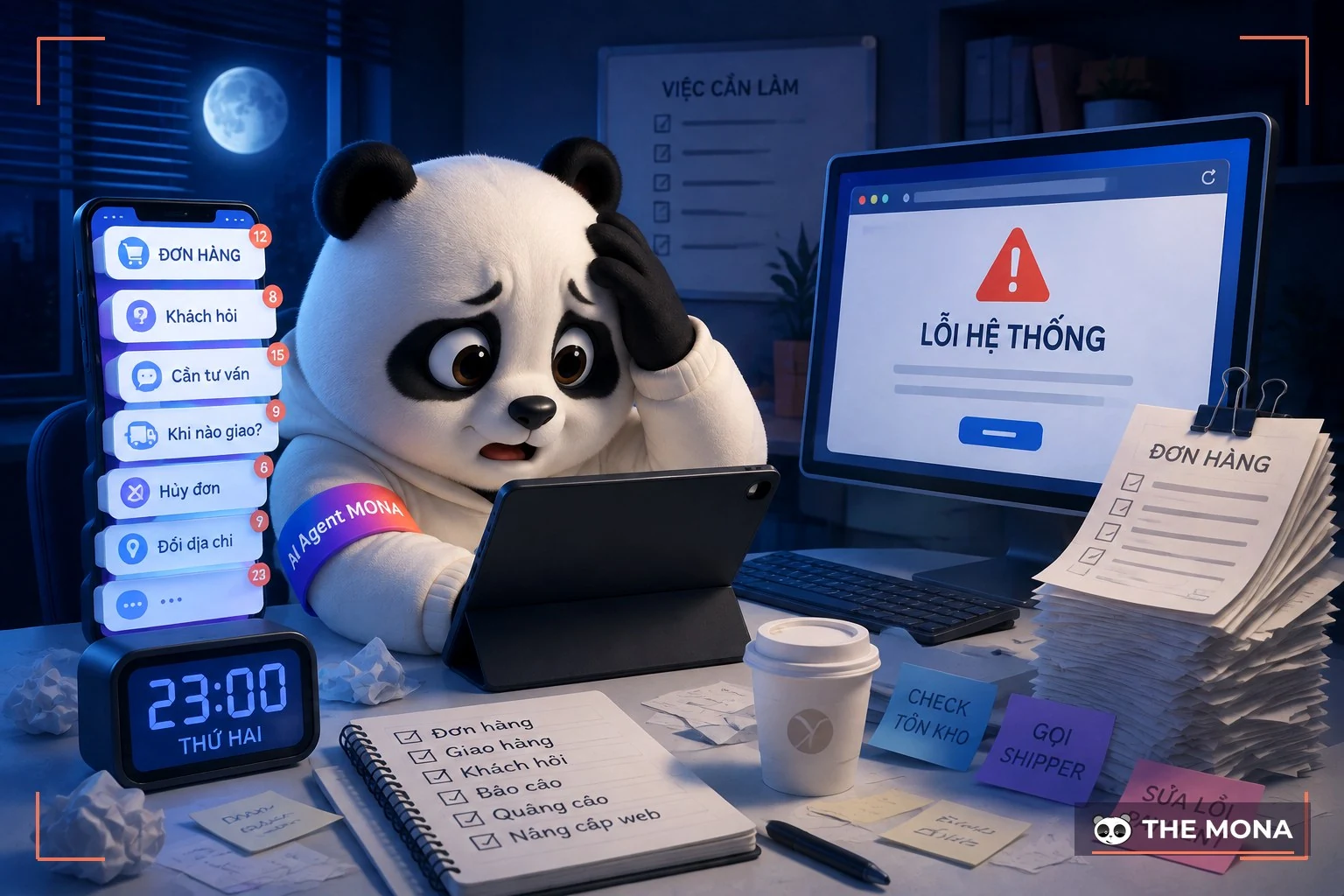
That story shows three weaknesses shared by everyone who works alone. First, a ceiling on time: a day has only 24 hours, and when orders double, messages double, but there is still only one person to answer. Second, when you are sick, revenue drops to zero, nobody covers for you, and time off hardly exists. Third, the areas you do not know well, especially technical ones, become fatal weak points: a slow website, a website that fails SEO benchmarks, a domain that expires with nobody to remind you. Each small thing becomes a big problem when there is no one to ask.
These three weaknesses do not kill the model. But they decide who keeps going and who gives up halfway.
The principle we most often recommend to clients fits in one line: keep the craft, hand off the repetition. The craft is what customers pay you for: the cake recipe, the lesson plan, your aesthetic sense, your photography skill. The repetition is everything that happens the same way every day: answering “is it in stock”, closing orders, bookkeeping, posting at exactly 7 p.m. every evening. Machines cannot replace the craft. The sooner you hand the repetition to a machine, the better you feel.
Specifically, these are the blocks of work you can hand to machines this year:
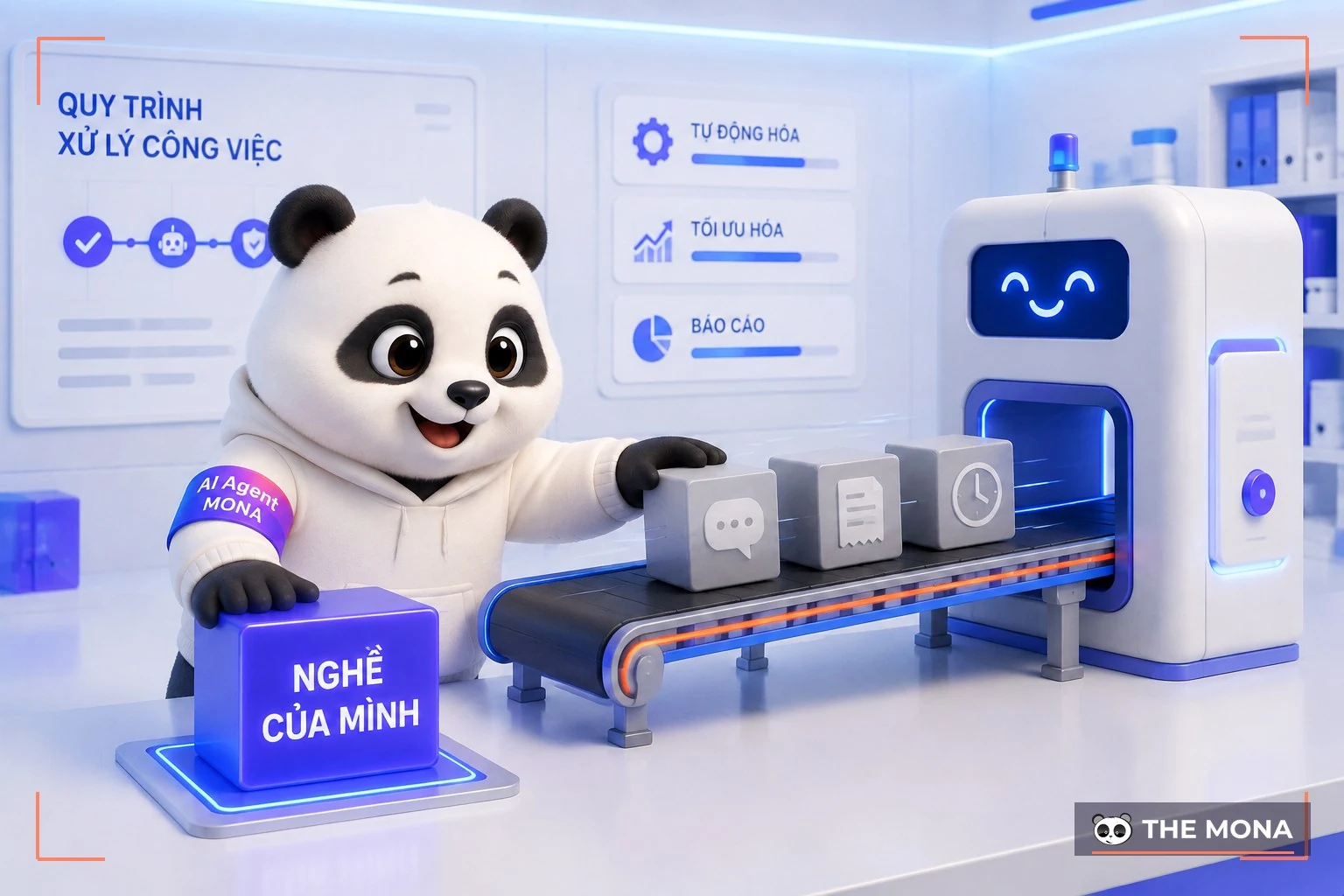

Our clients rarely install everything at once. The smarter way is to start with exactly one thing, usually a chatbot or order-collection software, run it steadily for about 2 weeks, and then add the next piece, because a one-person machine has to be built part by part so you have time to get used to it, rather than being torn down and rebuilt from scratch. For message replies alone, having a machine take 2 hours off your evening is well within reach.
We can say this because we have lived this model. MONA's founder runs a web development academy under his own name, Khánh Hùng Academy: one person teaching, filming lessons and answering students. The academy now has more than 40,000 students, including 760 on the PRO plan, and it runs at that scale because the whole foundation, from the learning website and payments to protection against screen recording of lessons, is built and monitored by MONA's technical team. The person with the craft stands in front of the camera. The machines and the technical team stand behind.
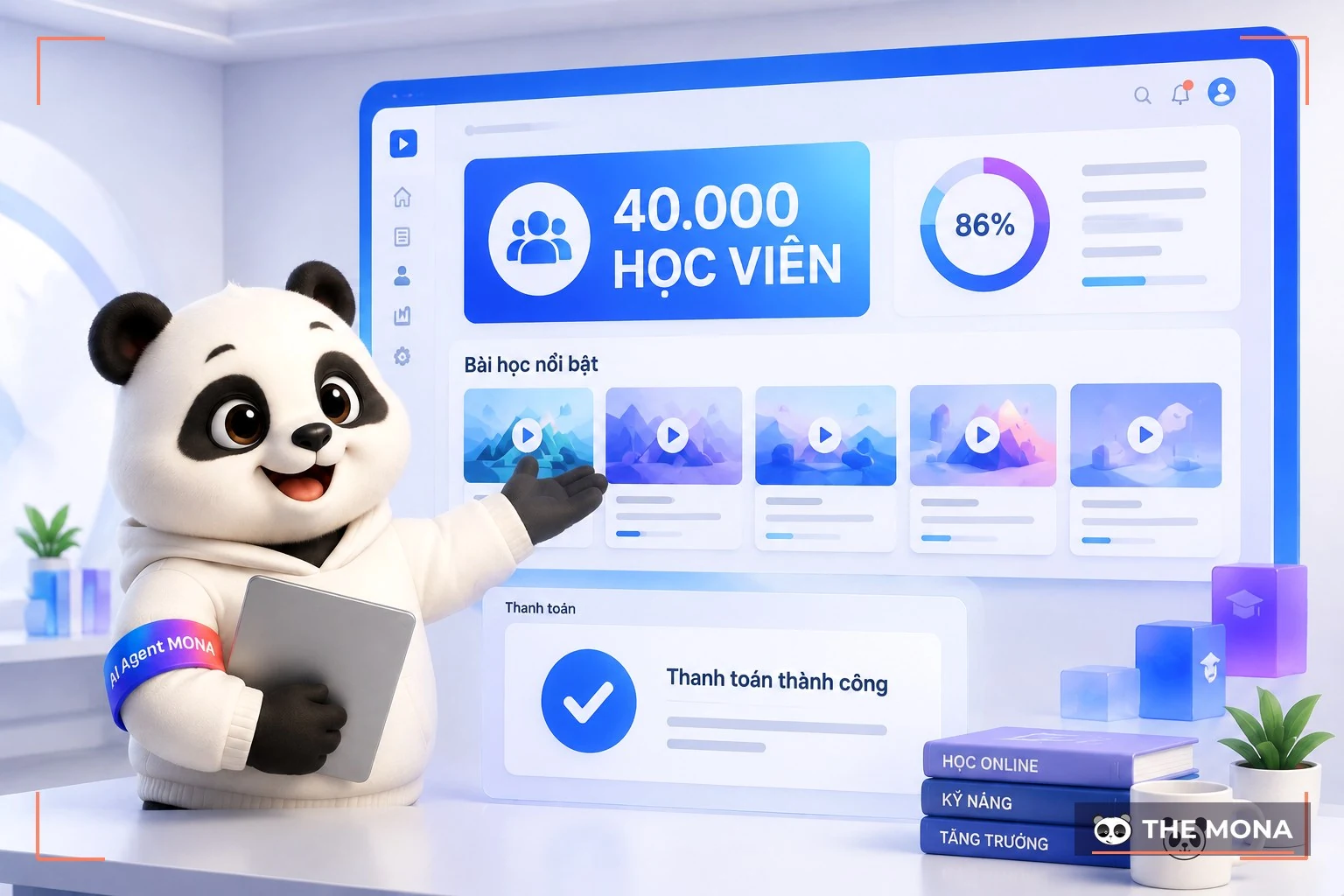
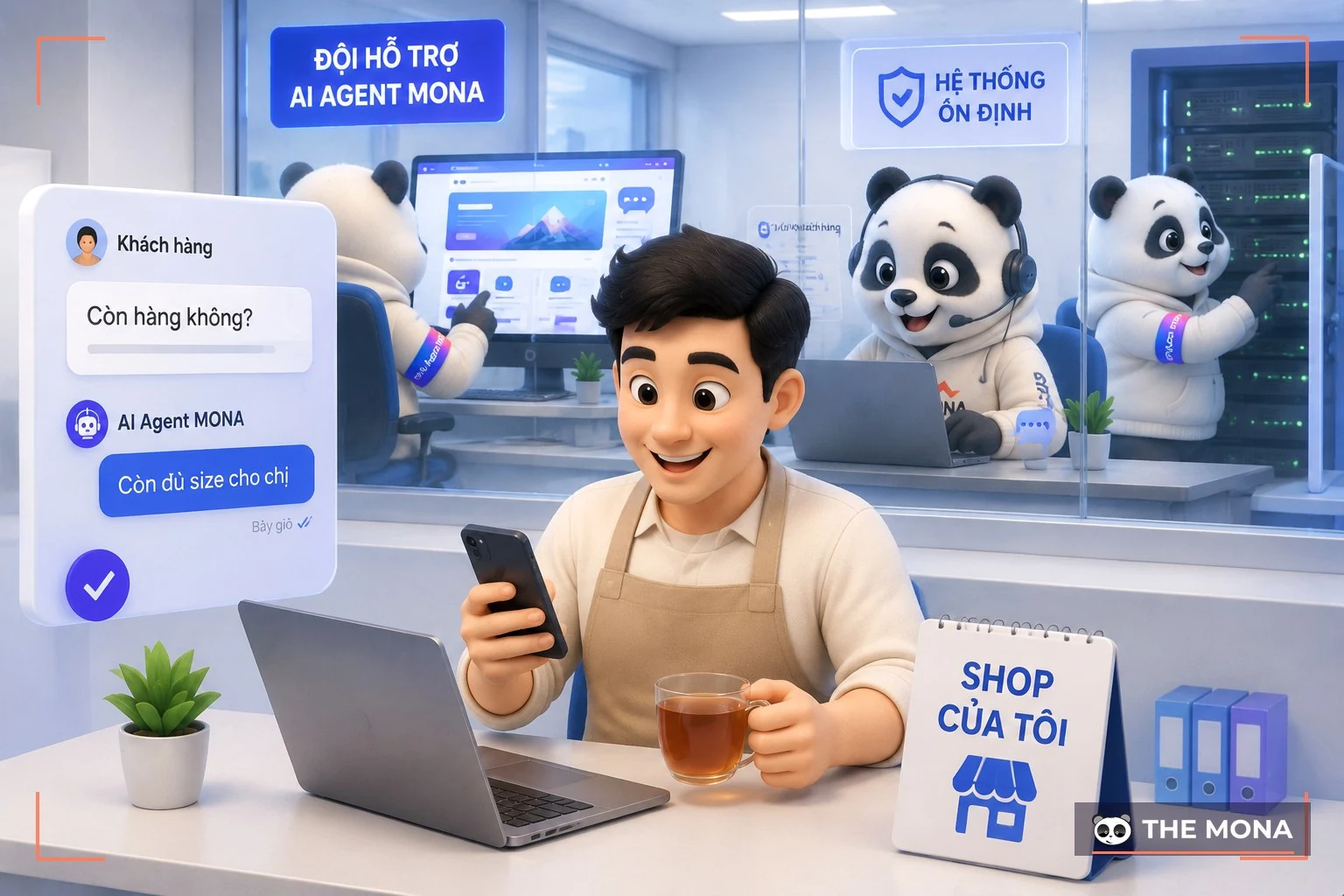
That is also the role we want to play for you. A good solopreneur knows they do not need to be good at everything, and the technical side is the part most worth outsourcing, because it is hard to learn yourself and the results of outsourcing are easy to measure. MONA is glad to support you with that whole part:
Since 2016 we have completed more than 14,000 projects like this, and 85% of clients come back for another project. For someone running a business alone, that number has a very practical meaning: choose a technical partner once and use them for years, without hunting for “the cousin who knows computers” every time the website acts up.
If you sell goods or provide services regularly and earn revenue, you fall under household business registration. The procedure is much simpler than before, and with more than 5.2 million such households in the country, you are far from alone on this road.
A freelancer sells hours of work on clients' orders, and when the work stops, so does the income. A solopreneur sells the products and services of their own brand and builds their own customer base, so what they accumulate is a business asset and not just a portfolio.
It depends on the group. Selling knowledge needs almost no inventory capital, while selling goods online puts the capital into the first stock purchase. As for tools, a starter set of a website and social media channels costs only about as much as one or two months of renting a small space, far less than most first-time clients expect when they ask us.
Yes, and smart people do. Hiring part-time help or outsourcing specific tasks such as accounting, design and technical work is normal. The line is that you remain the only person steering the business and carrying final responsibility.
On the contrary. AI is exactly the reason the number of solopreneurs has jumped in recent years, because it lowers the cost of work that used to require hiring: writing, video editing, chat support around the clock and data analysis. One person plus AI is the winning formula right now, and the MBO Partners figures above say as much.
Reading a long article and then doing nothing means the knowledge fades within 3 days. We suggest three small tasks, three things in one week. One: write down on a single page what your craft is, the thing customers are willing to pay for. Two: list everything you repeat every day and circle the three that eat the most hours. Three: pick one of those three to hand to a machine or outsource this month.

If the task you circled involves a website, software or a chatbot, which is exactly the scene this article describes, answering messages until 11 p.m. or worrying that the site will crash during a livestream, call us at 1900 636 648. Tell us what you sell and which parts you carry alone, and we will point out exactly where a machine can replace a person and give you a clear figure to decide on. Now that you know what a solopreneur is, the next step is simply picking the right task to let go of. Working alone does not mean doing everything yourself.

CEO & Founder · The MONA
The founder of The MONA built a service company of 60+ staff with 14,000+ projects delivered. Khánh Hùng shares his thinking on building self-running systems, automating a business, and the real lessons behind MONA's projects.
 1,5K




Professional website
design services
Own a website with a beautiful, 100% exclusive design and a lifetime warranty, with the ability
to expand features flexibly as your business grows, starting today!






 MONA will never sell your information or send you spam


 MONA will never sell your information or send you spam
