
 MONA OS 2.0
 Partner with MONA


 Tự động hoá doanh nghiệp
 Cẩm nang SEO
 Digital Marketing
 Kinh nghiệm thiết kế website
 Hạ Tầng Server
 Giáo dục


 VI
 EN









Message us on
Zalo Official


 ProductsNew

 ProductsProducts
 Mới ra mắtKHA AI 2027App tự edit video, tự đăng mọi mạng xã hội, 2 phút mỗi ngày










 Website designLooks good and wins customers over.
SEO servicesBrings in customers searching for exactly what you sell.
 Tư vấn digital marketingKéo khách từ nhiều kênh, đo bằng số thật.
Corporate video productionVideos introducing your company, factory and team.
 NewAI video productionCompany story films made with AI.
 Custom software developmentCRM, ERP and HRM built for your business.
 Viết AI Agent theo yêu cầuĐặt riêng một trợ lý AI cho đúng việc của mình.
 Tư vấn chuyển đổi AIĐưa AI vào vận hành của cả công ty.
NewMONA LMSManagement for centers and schools.
MONA SkillHubInternal training for company staff.
 NHTQ systemEnd-to-end China–Vietnam shipping operations.
MONA JMSManagement for gold, diamond and pawn shops.
 MONA E-LearningA website with every feature you need to sell courses.
 How to sell online courses (course)More than 30 free lessons on selling courses on autopilot.
 MONA Cloudmonacloud.vnServers to get your apps and websites running.
 MONA Basemonabase.vnPostgres database, sign-in and file storage.
 MONA Mailmonamail.vnSend OTP, order and invoice emails from your software.
 MONA Paymonapay.vnAccept bank transfers via VietQR and notify your software when the money arrives.
 MONA eInvoiceComing soonIssue e-invoices that meet tax standards.
Gấu CườiTrả lời khách 24/7 trên web, Fanpage, Zalo và thu lead cho sale.
 Gấu TeleSalesGọi điện tư vấn, chăm khách như tổng đài viên thật.
Dê CườiTư vấn và chốt đơn cho shop ngay trong khung chat.
Gấu WebmasterNhắn nhóm Zalo là website được sửa xong.
 Gấu Pháp ChếSoạn hợp đồng, rà điều khoản trong vài phút.
 Gấu Báo GiáLên báo giá đúng mẫu và gửi khách ngay.
 AI chăm sóc khách hàngTheo dõi và giữ chân khách hàng cũ.
 Gấu Tuyển DụngLọc hồ sơ, hẹn lịch, phỏng vấn ứng viên.
 Mới ra mắt
KHA AI 2027
Xây kênh chuyên gia 2 phút mỗi ngày
Quay bằng điện thoại, AI tự edit video, tự đăng lên 16 nền tảng và tự trả lời bình luận, tin nhắn.
698.316lượt xem trên kênh CEO MONA sau 25 ngày
 Anh Khánh HùngCEO MONA đang dùng mỗi ngày
Xem app làm được gì
 AI
Gấu Cười MONA ĐANG TỰ XÀITrả lời khách 24/7 trên website, Zalo OA, Messenger và thu lead về cho sale.
Dê CườiChốt đơn bán lẻ và sàn: Shopee, TikTok Shop, web. Chăm cả khách sỉ, đại lý.
Gấu WebmasterCập nhật nội dung, tối ưu SEO website mỗi ngày.
Gấu TeleSalesGọi điện tư vấn, chăm khách như tổng đài viên thật.
Gấu Tuyển DụngLọc hồ sơ, hẹn lịch, phỏng vấn ứng viên tự động.
AI chăm sóc khách hàngGiữ khách cũ, cứu lead đã rớt cho phòng kinh doanh.
Gấu Pháp ChếSoạn hợp đồng, rà điều khoản trong vài phút.
Gấu Báo GiáLên báo giá đúng mẫu, gửi khách ngay khi có yêu cầu.
 Chuyển đổi AI toàn phầnGiải pháp tổng cho doanh nghiệp, 3 lớp triển khai.
 Viết AI Agent theo yêu cầuĐặt riêng một con AI gánh đúng nghiệp vụ của bạn.
 Custom softwareCRM, ERP and HRM with built-in AI automation.
 SEO & AEO thời đại AIĐược Google lẫn AI trích dẫn, không chỉ xếp hạng.
 Kiến thức AI cho doanh nghiệpBài phân tích, hướng dẫn ứng dụng AI vào vận hành.
 Free AI courses
 AI tools at work
App mới · KHA AI 2027
Xây kênh 2 phút mỗi ngày
AI tự edit video, tự đăng mọi mạng xã hội
Free consultation, 8am–10pm every day

18 March, 2023
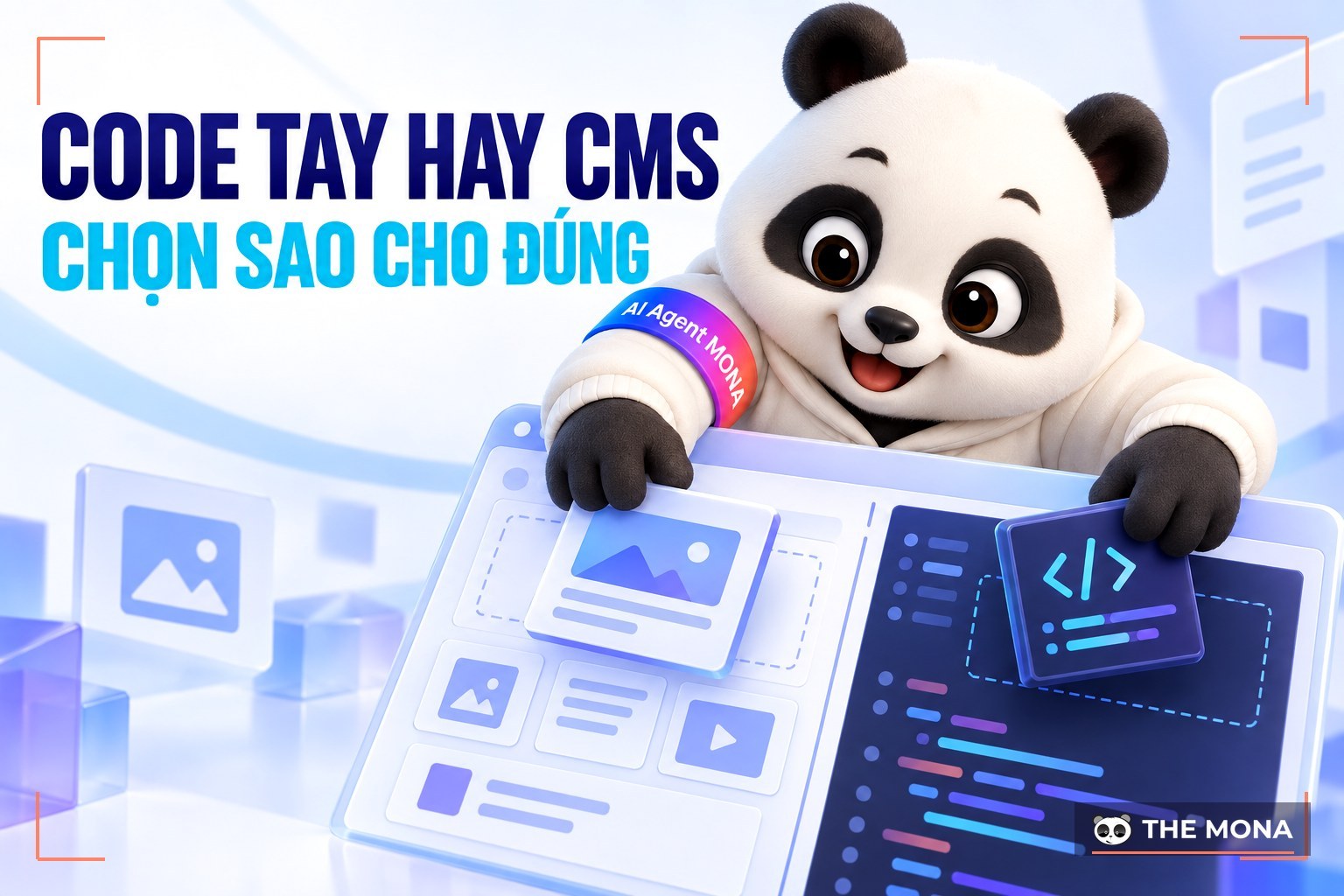
Quite a few people have contacted MONA Media with questions about whether it is better to hand code a website or to rely on programming languages such as PHP, Asp.NET, Java,… or to use popular CMS platforms such as WordPress, Drupal, Joomla, Opencart,… These are common questions, so in this article MONA will help you understand the true nature of CMS and hand coding so you can make the right choice. Let's dig in.
Before choosing a platform and starting to create your website, make sure you already have a domain and hosting. If you do not and are not sure how to buy them, you can refer to the guides on how to buy a domain and and how to buy hosting shared by Mona.
Knowing the two common concepts in web programming, which are CMS and code tay is the first foundation for a “newbie” or a customer who wants to build a website.
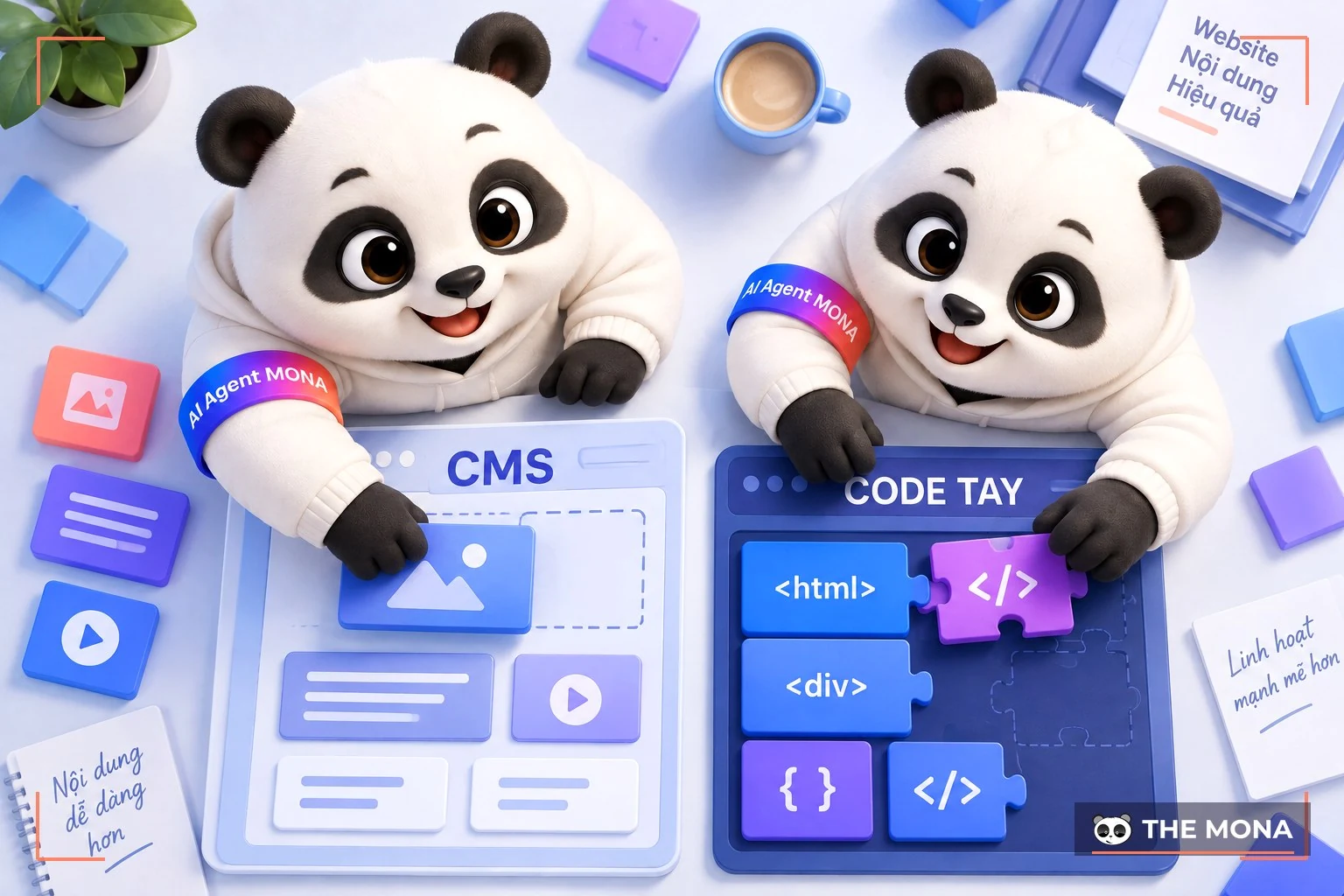
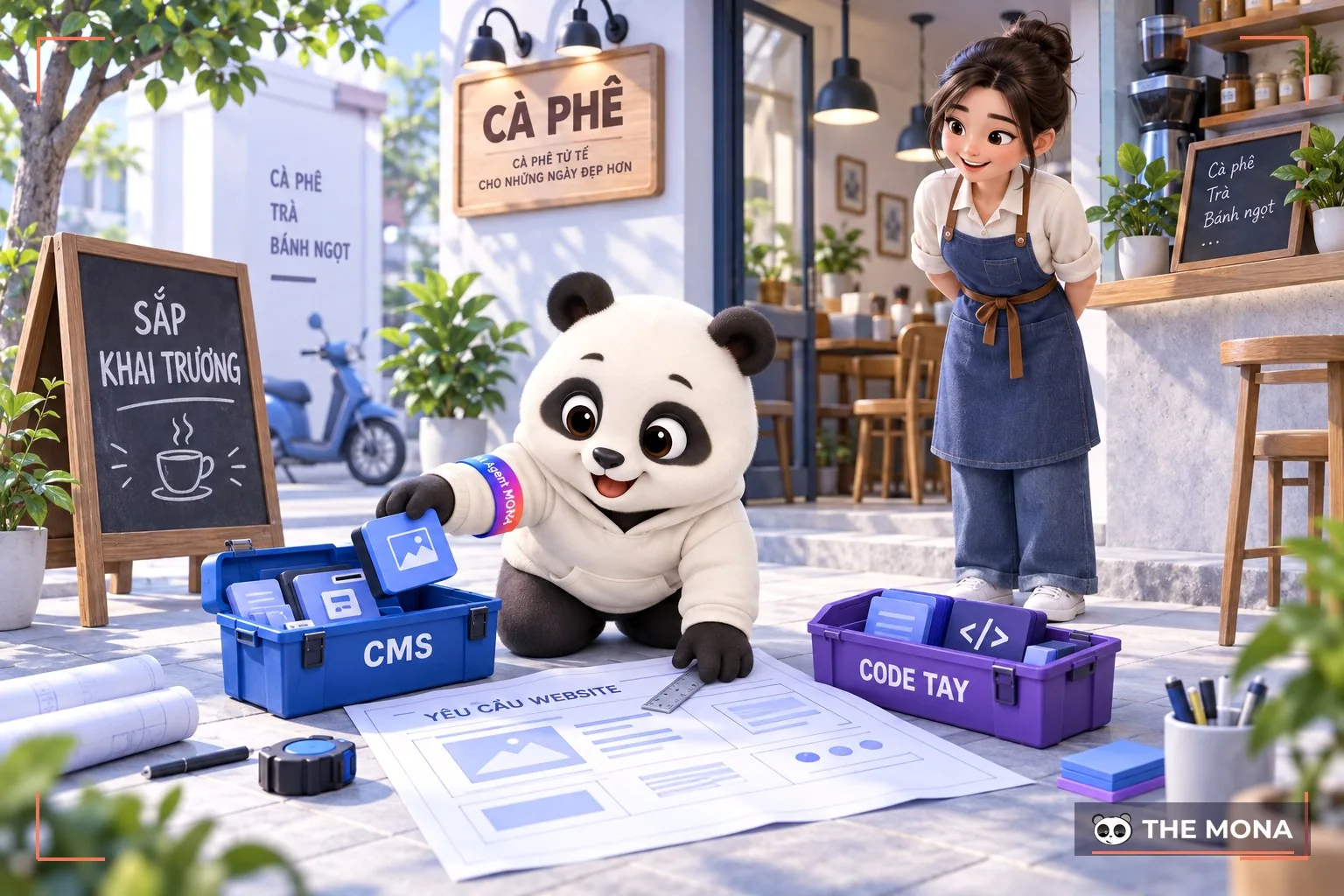
Building a website or software is much like building a house. You have to choose which materials, what kind of brick, cement, sand and steel will make a quality house. Each line of code is like a brick. To build a complete website you need millions of lines of code, assembled according to a specific design, not just a few clicks and drop-ins.
Also, for every house that goes to a contractor, different owners set different prices and requirements. Contractors balance and agree on materials and the specific bricks to build with, to meet the price they set. Web design works the same way: whether to use ready-made code or write it by hand depends on each project, and both are used flexibly. That is why people compare using open-source platforms with hand coding. So what are CMS and hand coding, really?
CMS stands for Content Management System, often called “content management system”. It acts as a control center for special operations and for the content allowed to appear on a website. A CMS helps you build the content up to 70 – 80%, and the rest is yours to finish.
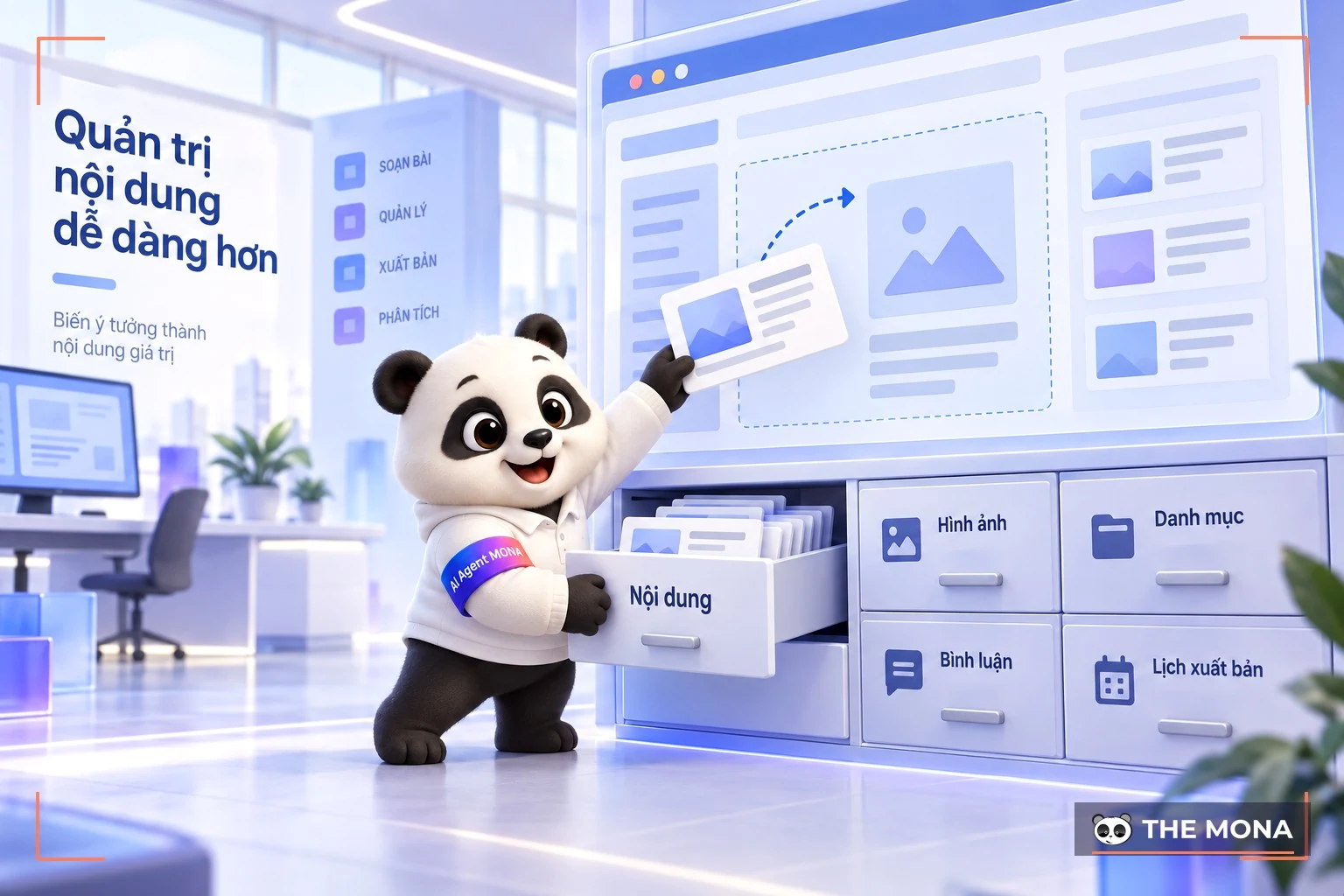
With a CMS, building a website becomes simpler and more convenient without needing deep programming knowledge. There are drawbacks too. For web design and development companies, a CMS can create dependence on the source code and limit creativity. In return, it saves a business a good deal of cost by not building a website from scratch, shortens the time considerably and raises design productivity.
Also, if you want to change elements within that original 70% or add or remove things, you will run into quite a lot of difficulty. You need a really good team. If not, changing the fixed, built-in parts of the CMS can lead to website system errors.
Still, there is no need to worry too much. For simple websites such as an introduction website hay e-commerce websites you will not touch that 70%. Just install a theme and plugins and you have a website with all the basic functions.
There are many kinds of CMS on the market today. Each one targets a particular audience and meets its own needs. Among them, WordPress is one of the most used content management systems. About 80% of websites in the world today are built on this platform. There are also Wix, Joomla, Drupal,… and many other platforms.
-> You can read more:
In contrast to open source, code tay requires the developer to have deep programming expertise, solid experience and a disciplined way of working. A hand-coded website is programmed from A to Z, from drawing the function diagram to the content of each part inside the site, which ensures optimized file size, fast operation and a stable site.
Developers usually use a framework to support their process. It works like a skeleton that programmers build on to create a complete website. With a framework you cut about 20% of the work, leaving the rest of the website to build.
-> See more:
In practice, many programmers still confuse CMS and frameworks. In detail, you can tell them apart as follows:
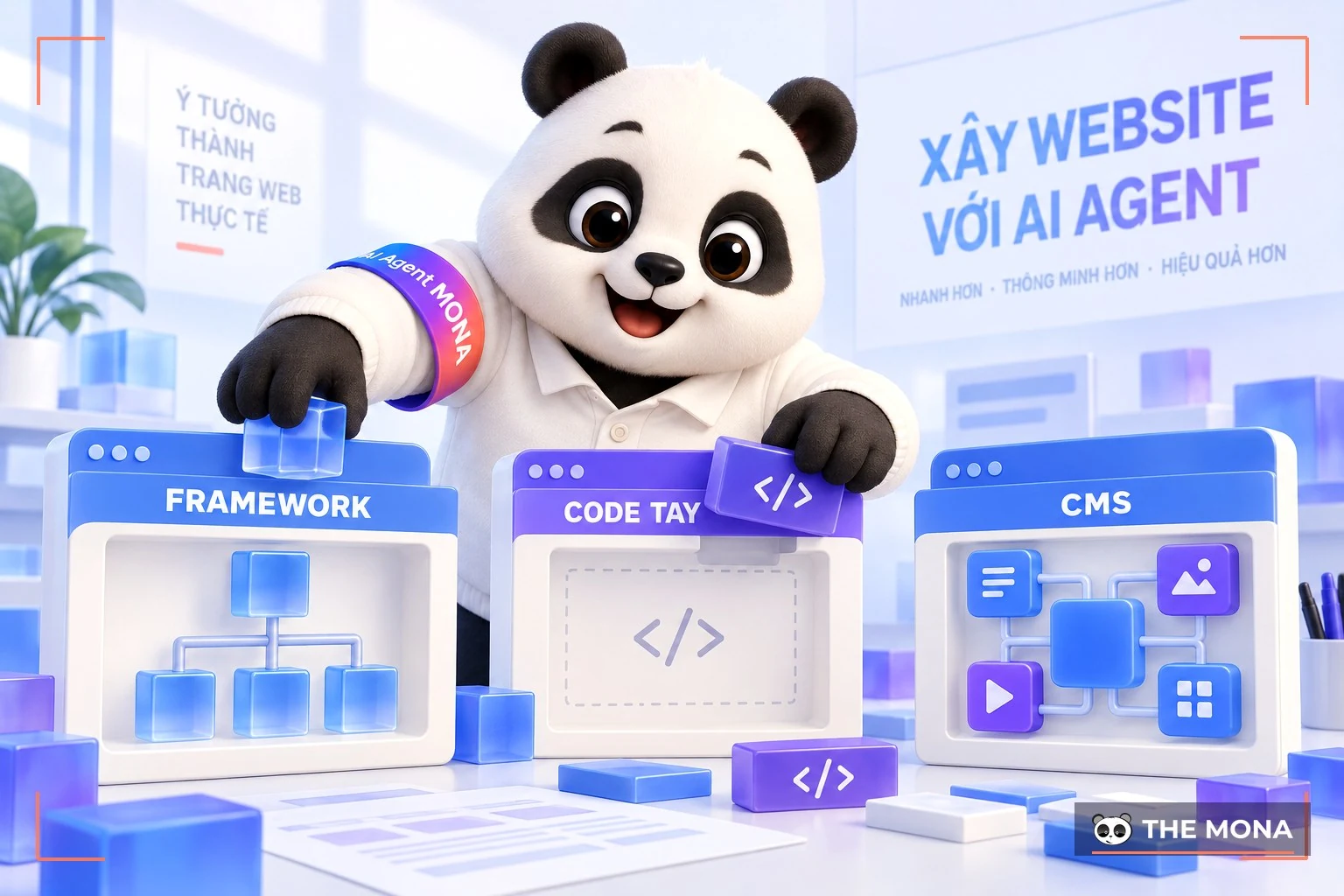
It is not easy to tell which sites are made with pure code and which with a framework. In the market today, many web design providers advertise sites built entirely by hand coding for only 1 to 2 million VND, with every feature you ask for.
In reality, products at that price are only built on a framework. The website functions are fairly basic ones that any site has. They simply use a framework and tell you it is a hand-coded site.
So anyone who needs a website should stay alert and understand these concepts to avoid confusion. Here are the specific differences:
Hand-coded websites come with pros and cons you should know about:
Which is the better choice? It depends on your situation and needs. Many people compare open-source websites to factory goods made from a mold, and hand-coding to high-quality custom work.
That is not a fair comparison. As a website design service professional provider, MONA Media sees many companies delivering plenty of hand-coded web projects that actually run on CMS WordPress, which is comparatively simple: it is highly compatible and needs little programming expertise.
So when choosing how to build your website, pick the option that delivers high performance and cuts time and cost. If you want a fast, lean build, choose an open-source CMS. If your project demands high quality, long-term investment, professional functionality, distinctive graphics, SEO standards and easy compatibility across devices, the best solution is to build your website by hand-coding.
Many people want a complete, high-quality, unique website, so they choose hand-coding. But building everything from scratch does not always get the most out of your website.
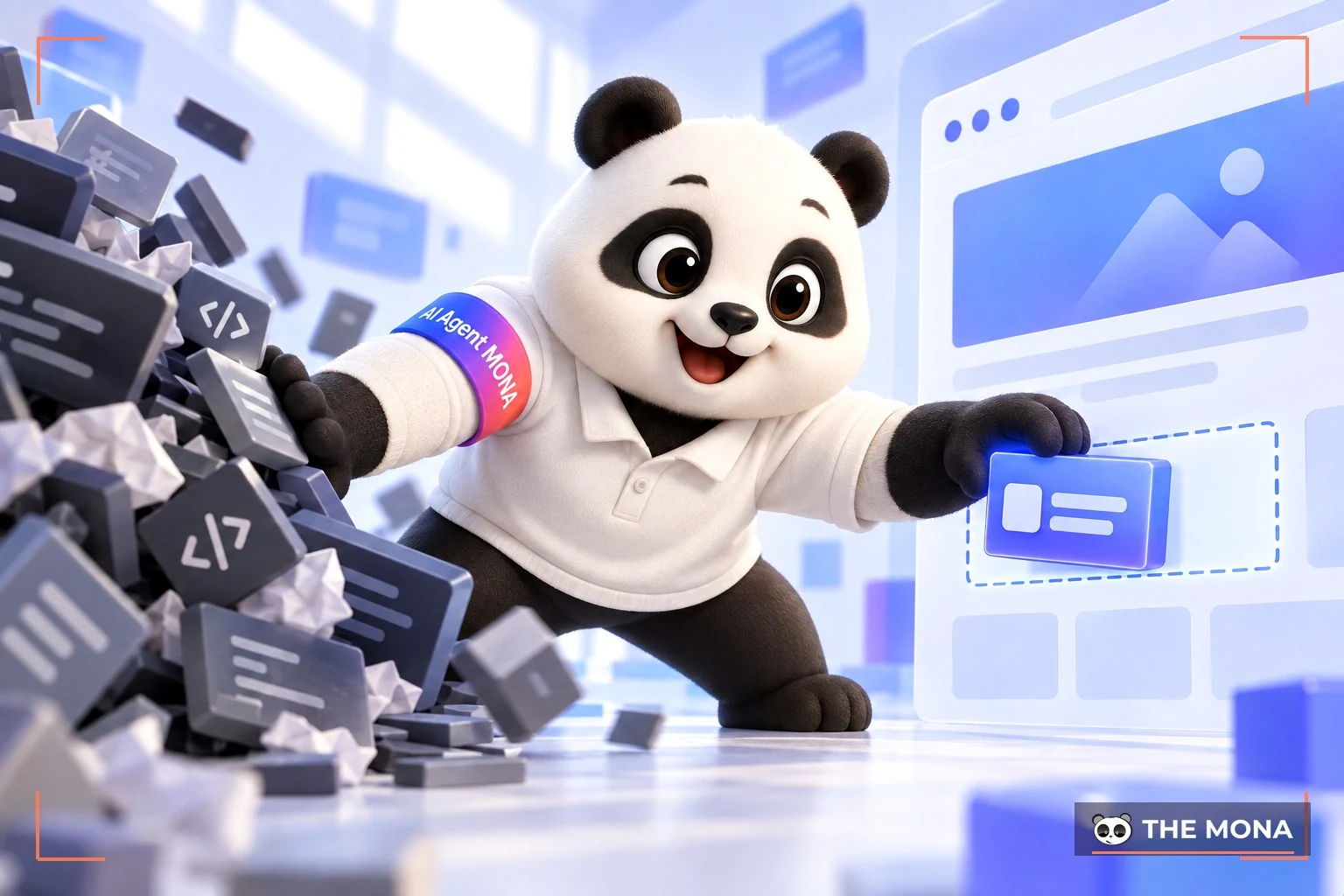
It is like being busy and craving a pastry: instead of buying one, you buy every ingredient and spend hours learning to bake it. It costs more time and money, and it may not even taste good.
So why not pick the best route, one that gives you a polished product at lower cost and higher efficiency? Will spending several hundred million VND on a hand-coded website really pay back as quickly as a ready-made site costing a few million VND, built on a platform that has been developed and refined for years?
One piece of advice: only order hand code a website in cases where the site needs a lot of rework and extra advanced features to meet its needs. Common hand-coded websites include corporate sites, news sites, complex online stores, Tet holiday sales websites, websites for many different sectors, and more.
That is our detailed answer to the question “Should you design a website by hand-coding or use a CMS?“. As you can see, there are many ways to build a website, but what matters most is choosing the one that gives you a quality site, keeps costs down and fits how you will use it. We hope the information MONA shared above helps you choose the website design approach that suits you.

CEO & Founder · The MONA
Founder of The MONA, who built a services company of 200+ staff with 14,000+ projects delivered. Khánh Hùng shares how he thinks about building systems that run themselves, automating a business, and the real lessons from delivering projects at MONA.
 1,5K



Professional website
design services
Own a website with a beautiful, 100% exclusive design and a lifetime warranty, with the ability
to expand features flexibly as your business grows, starting today!






 MONA will never sell your information or send you spam


 MONA will never sell your information or send you spam
