
 MONA OS 2.0
 Partner with MONA


 Tự động hoá doanh nghiệp
 Cẩm nang SEO
 Digital Marketing
 Kinh nghiệm thiết kế website
 Hạ Tầng Server
 Giáo dục


 VI
 EN






Message us on
Zalo Official


 ProductsNew

 ProductsProducts
 Mới ra mắtKHA AI 2027App tự edit video, tự đăng mọi mạng xã hội, 2 phút mỗi ngày










 Website designLooks good and wins customers over.
SEO servicesBrings in customers searching for exactly what you sell.
 Tư vấn digital marketingKéo khách từ nhiều kênh, đo bằng số thật.
Corporate video productionVideos introducing your company, factory and team.
 NewAI video productionCompany story films made with AI.
 Custom software developmentCRM, ERP and HRM built for your business.
 Viết AI Agent theo yêu cầuĐặt riêng một trợ lý AI cho đúng việc của mình.
 Tư vấn chuyển đổi AIĐưa AI vào vận hành của cả công ty.
NewMONA LMSManagement for centers and schools.
MONA SkillHubInternal training for company staff.
 NHTQ systemEnd-to-end China–Vietnam shipping operations.
MONA JMSManagement for gold, diamond and pawn shops.
 MONA E-LearningA website with every feature you need to sell courses.
 How to sell online courses (course)More than 30 free lessons on selling courses on autopilot.
 MONA Cloudmonacloud.vnServers to get your apps and websites running.
 MONA Basemonabase.vnPostgres database, sign-in and file storage.
 MONA Mailmonamail.vnSend OTP, order and invoice emails from your software.
 MONA Paymonapay.vnAccept bank transfers via VietQR and notify your software when the money arrives.
 MONA eInvoiceComing soonIssue e-invoices that meet tax standards.
Gấu CườiTrả lời khách 24/7 trên web, Fanpage, Zalo và thu lead cho sale.
 Gấu TeleSalesGọi điện tư vấn, chăm khách như tổng đài viên thật.
Dê CườiTư vấn và chốt đơn cho shop ngay trong khung chat.
Gấu WebmasterNhắn nhóm Zalo là website được sửa xong.
 Gấu Pháp ChếSoạn hợp đồng, rà điều khoản trong vài phút.
 Gấu Báo GiáLên báo giá đúng mẫu và gửi khách ngay.
 AI chăm sóc khách hàngTheo dõi và giữ chân khách hàng cũ.
 Gấu Tuyển DụngLọc hồ sơ, hẹn lịch, phỏng vấn ứng viên.
 Mới ra mắt
KHA AI 2027
Xây kênh chuyên gia 2 phút mỗi ngày
Quay bằng điện thoại, AI tự edit video, tự đăng lên 16 nền tảng và tự trả lời bình luận, tin nhắn.
882.681lượt xem trên kênh CEO MONA sau 36 ngày
 Anh Khánh HùngCEO MONA đang dùng mỗi ngày
Xem app làm được gì
 AI
Gấu Cười MONA ĐANG TỰ XÀITrả lời khách 24/7 trên website, Zalo OA, Messenger và thu lead về cho sale.
Dê CườiChốt đơn bán lẻ và sàn: Shopee, TikTok Shop, web. Chăm cả khách sỉ, đại lý.
Gấu WebmasterCập nhật nội dung, tối ưu SEO website mỗi ngày.
Gấu TeleSalesGọi điện tư vấn, chăm khách như tổng đài viên thật.
Gấu Tuyển DụngLọc hồ sơ, hẹn lịch, phỏng vấn ứng viên tự động.
AI chăm sóc khách hàngGiữ khách cũ, cứu lead đã rớt cho phòng kinh doanh.
Gấu Pháp ChếSoạn hợp đồng, rà điều khoản trong vài phút.
Gấu Báo GiáLên báo giá đúng mẫu, gửi khách ngay khi có yêu cầu.
 Chuyển đổi AI toàn phầnGiải pháp tổng cho doanh nghiệp, 3 lớp triển khai.
 Viết AI Agent theo yêu cầuĐặt riêng một con AI gánh đúng nghiệp vụ của bạn.
 Custom softwareCRM, ERP and HRM with built-in AI automation.
 SEO & AEO thời đại AIĐược Google lẫn AI trích dẫn, không chỉ xếp hạng.
 Kiến thức AI cho doanh nghiệpBài phân tích, hướng dẫn ứng dụng AI vào vận hành.
 Free AI courses
 AI tools at work
App mới · KHA AI 2027
Xây kênh 2 phút mỗi ngày
AI tự edit video, tự đăng mọi mạng xã hội
Free consultation, 8am–10pm every day

06 January, 2026
The rapid growth of AI-powered search engines has many businesses asking what AI Search Trust Signals are and why they matter more every day. These are the signals that help AI judge the reliability, quality, and real value of a website. When you understand and build them properly, your content is not only more likely to be favored by AI, it also builds lasting credibility with users. To understand the concept of AI trust signals and how to apply them well, read the article below by MONA Media today.
What are AI Search Trust Signals? Put simply, AI Search Trust Signals (or AI trust signals) are a set of markers and verified data that help AI-powered search engines recognize which sources are reliable, verifiable, and credible enough to reference when generating an answer. They are the “basis” on which Generative Search Engines decide whether to mention or cite your brand.
AI Search Trust Signals in SEO matter even more because AI doesn’t show results as a plain list of links. Instead, AI systems synthesize information from many sources and favor brands with a solid technical foundation, a clear identity, and consistent activity across digital platforms. The more AI trust signals you establish, the higher your chance of appearing in AI-generated answers.
Note that AI Search Trust Signals are not a “guaranteed ticket” for your website to be shown by AI. They are, however, almost a requirement for your brand to have a chance of being chosen. On top of that, search engines still weigh relevance to the query, topical authority, and content quality to give users the best answer.
2025 marked a major turning point for search, as AI Search accounted for about 42% of all queries, forcing businesses to understand what AI Search Trust Signals are so they don’t get pushed out of users’ information discovery journey. Instead of showing a list of links, AI prefers to synthesize answers and only cites sources with clear, verifiable trust signals in AI search. In practice, websites rated highly on AI trust signals see citations rise by up to 37%, especially in AI-generated answers.
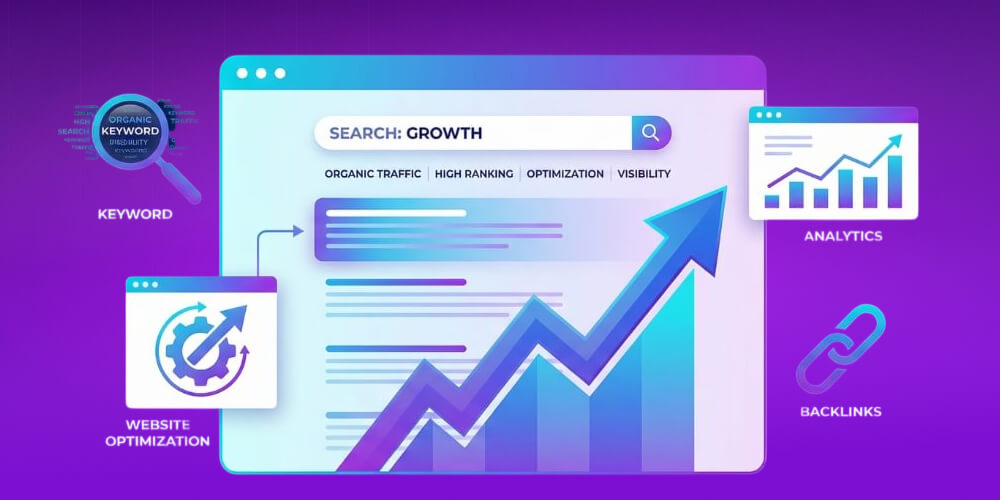
With AI Search Trust Signals in SEO, these signals decide whether AI “picks” your brand or not. As users rely more on AI to research and make decisions, lacking trust signals means a sharp drop in visibility, even if your content is good. On the other hand, brands that invest properly in trust signals for AI search gain a long-term advantage, appearing more often in AI Search while strengthening their reputation in the digital space.
In AI Search Trust Signals in SEO, AI doesn’t “trust” content by feel. It relies on a system of AI trust signals verified in several layers. First, AI reviews the technical foundation of the website, such as HTTPS, structured data, page load speed, and machine readability. At the same time, trust signals in AI Search also come from how consistent the brand entity is across digital platforms, including business information, schema, and a clear activity footprint.
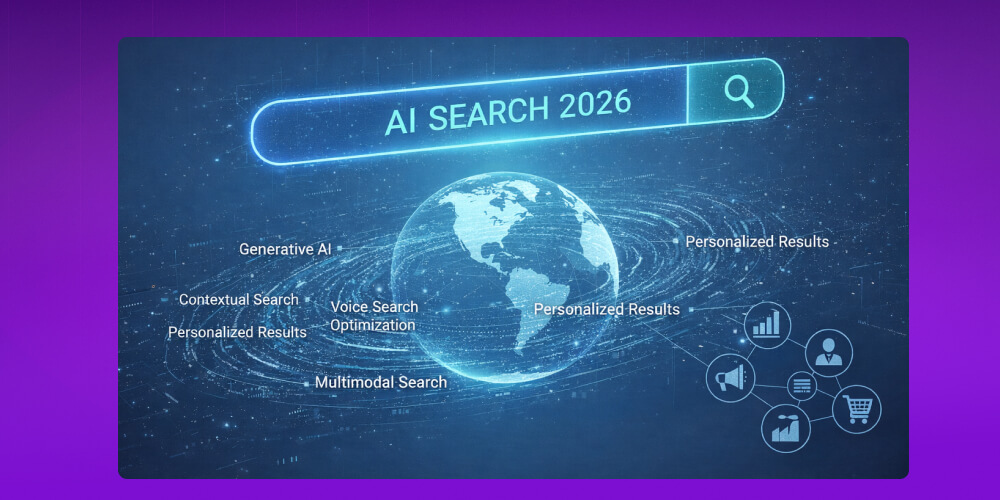
Once a website qualifies as a reference source, AI goes on to cross-check content quality through factors such as expertise, authenticity, and verifiability. Content that is mentioned across many reputable sources carries more weight when AI composes an answer. In other words, AI prefers to cite websites that can prove real credibility, rather than ones that are only optimized on the surface for search engines.
≫ See more: How to rank in Google AI Overview latest 2026
To understand what AI Search Trust Signals are, first look at how AI recognizes and verifies that a brand exists. If AI doesn’t recognize you, the system won’t risk citing you, no matter how good your content is. Here are the 3 groups of AI Search Trust Signals that decide whether AI cites you:
Entity identity signals help AI establish your brand as a real, unique, and consistent organization in the digital space. This shows up as business information that is synchronized across your website, social networks, Google Business Profile, and other reputable platforms. Deploying organization schema with verified links helps AI avoid confusing brands with similar names.
You could say AI Search Trust Signals in SEO are seen as the foundation to AI get a website into the reference system. Without a clear identity, trust signals in AI Search almost cannot form. In other words, AI only trusts entities it understands well and can verify.
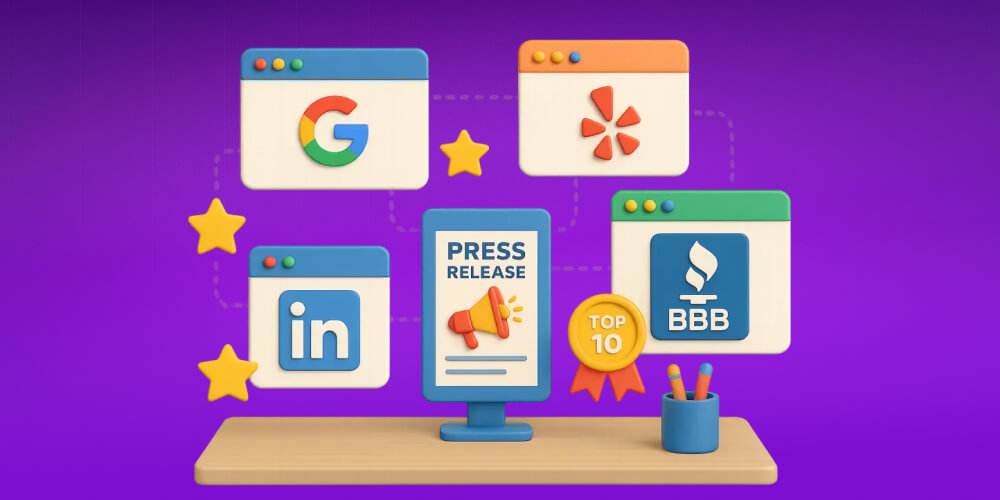
After identifying the entity, AI looks for outside evidence to confirm credibility. At this step, AI checks whether your brand is recognized by the “digital society”. The evidence and citations group shows trust through independent confirmations such as quality backlinks, press articles, brand mentions, and reviews from real users. AI places special weight on content that is cited in professional communities, forums, and Q&A platforms, where real experience is shared.
In the system of 3 Trust Signal groups that decide AI visibility, Evidence & Citations is what lets a brand move beyond “talking about itself”. Consistent citations across many trustworthy sources raise the probability of being selected by AI. For AI, third-party evidence always carries more weight than internal claims.
No matter how reputable a brand is, a weak technical foundation is still a big barrier for AI. AI favors websites that are secure, easy to access, and friendly to both users and machines reading the data. The technical and user experience group reflects how ready a website is to become a reference source in AI Search. Factors like HTTPS, page load speed, clear content structure, and structured data help AI collect information more accurately.
A good user experience also indirectly strengthens trust signals in AI Search through positive engagement behavior. Slow, broken, or opaque websites get rated low by AI. For AI to trust you, your technical foundation must be clean enough for AI to read and use over the long term.
To know what AI Search Trust Signals are and how well your website meets them, the fastest way is to self-check against each core signal group. The checklist below helps you assess how ready your website is for AI Search Trust Signals in SEO, before you optimize deeper.
Your website needs to show organization information clearly through the right schema, especially Organization schema. Brand profiles on social networks, business directories, and industry platforms need to be linked and synchronized with the website. Brand name, logo, products, and services must be absolutely consistent on every channel. For AI Search Trust Signals in SEO, this is the foundation layer that forms AI trust signals.
Self-assessment checklist:
After identifying the entity, AI looks for confirmation from third parties. This group shows how reputable your brand is in the eyes of the community and the industry. The backlink from reputable sources, especially press, professional organizations, or industry associations, are strong signals.
In addition, being mentioned in independent discussions on forums, podcasts, or social networks also adds to AI trust signals. The more independent confirmations you have, the greater your chance of being cited by AI.
Self-assessment checklist:
Your website needs to use HTTPS for basic security. Page load speed and Core Web Vitals directly affect how well content is crawled and evaluated. A clear, easy-to-navigate site structure helps AI understand the relationships between content. A technically stable website strengthens the entire system of AI trust signals.
Self-assessment checklist:
Below is a scoring table for the results:
|
Score |
Meaning |
Improvement focus |
|
0 – 3 |
Serious gaps: AI will struggle to verify and cite your website |
Build the foundation: Organization schema, sameAs, HTTPS |
|
4 – 6 |
Has signals but they are not in sync or not strong enough |
Prioritize strengthening backlinks, citations, and accessibility |
|
7 – 9 |
Good trust profile, ready for AI Search |
Track which AI platforms cite you and optimize deeper by format |
When learning what AI Search Trust Signals are, many people easily confuse the concept with E-E-A-T because both revolve around “trust”. Below is a comparison of AI Search Trust Signals and E-E-A-T:
|
Comparison criteria |
AI Search Trust Signals |
E-E-A-T |
|
Nature |
A system of signals that helps AI verify and decide which sources to cite |
Google’s framework for evaluating content quality |
|
Who it applies to |
AI Search Engines (Google AI Overviews, ChatGPT, Perplexity,…) |
Mainly serves Google Search |
|
Main focus |
Entity identity, external evidence, technology and machine readability |
Experience, expertise, authority, and content reliability |
|
Scope of evaluation |
The whole brand and digital ecosystem |
Each page, each piece of content |
|
Role in AI Search |
The whole brand and digital ecosystem |
A baseline factor that helps content reach quality |
|
Technical level |
Cao (schema, entity, citation, UX, HTTPS,…) |
Lower, leaning toward content and authors |
|
End goal |
Being named and cited by AI in its answers |
Ranking and search quality evaluation |
≫ AIO Checklist: How to optimize content for AI Overviews in 2026
Quite a few websites still hold high rankings on Google Search but are almost “invisible” in AI-generated answers. When measured against the question of what AI Search Trust Signals are, many websites turn out to lack the core signals AI needs to dare to cite them.
Common reasons many “good SEO” websites don’t appear in AI Search:
To understand what AI Search Trust Signals are and how well your website meets them, the check should be done in clear stages. Below is a short audit process focused on the essentials of trust signals in AI search.
This is the foundation stage, focused on whether AI can recognize and verify you as a clear entity. If AI doesn’t “know who you are”, the signals that follow are almost meaningless.
First, check whether your website has deployed Organization schema, especially on the homepage or About page. The sameAs links should point to all of the brand’s official profiles on trusted platforms.
Next, review how consistent your business information is across your whole digital footprint, from the website to social networks and industry directories. Even small differences in name or contact details can weaken trust signals in AI search. Finally, make sure the About page works as the “entity home page”, clearly describing who you are, what you do, and how reputable you are.
After identifying the entity, AI looks for confirmation from independent sources. This is the signal layer that shows whether your brand is recognized.
This stage includes:
At this stage, make sure your technical foundation isn’t a barrier for AI. The website needs to be clean enough for AI to crawl and understand its content. Check HTTPS and Core Web Vitals metrics to ensure stable speed and experience. Review structured data for articles, products, or other important content. Use Google Search Console to find crawl errors, broken links, and mobile display issues. A good technical foundation strengthens all trust signals in AI search.
Interested in
AI & Vibe Coding?
A community group for sharing experience and turning ideas into electronic products that actually earn money with AI

To know whether AI trusts your website or brand, look at how AI collects, verifies, and cites information, not just at rankings full-scope SEO done the traditional way.
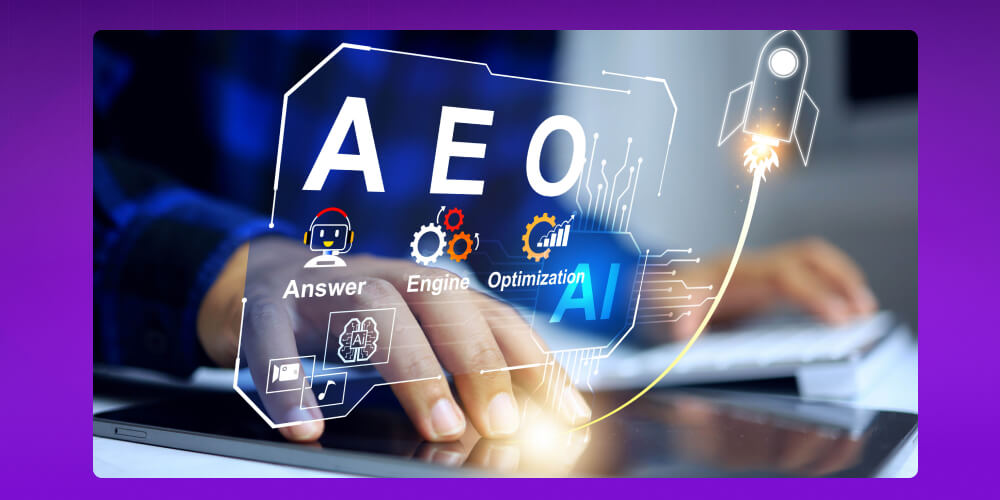
Below are practical, easy-to-apply ways to check your current AI trust signals.
Overall, understanding what AI Search Trust Signals are is an important foundation for optimizing search performance in the AI era. Trust signals in AI search that are built methodically help a website raise its visibility and keep its content valuable over the long term. This is not a short-term fix but a strategic direction for modern SEO. Businesses that invest properly in AI Search Trust Signals will build a lasting competitive advantage in the digital space.

CEO & Founder · The MONA
Founder of The MONA, who built a services company of 60+ staff with 14,000+ projects delivered. Khánh Hùng shares how he thinks about building systems that run themselves, automating a business, and the real lessons from delivering projects at MONA.
 1,5K




Professional website
design services
Own a website with a beautiful, 100% exclusive design and a lifetime warranty, with the ability
to expand features flexibly as your business grows, starting today!











 MONA will never sell your information or send you spam


 MONA will never sell your information or send you spam
