
 MONA OS 2.0
 Partner with MONA


 Tự động hoá doanh nghiệp
 Cẩm nang SEO
 Digital Marketing
 Kinh nghiệm thiết kế website
 Hạ Tầng Server
 Giáo dục


 VI
 EN









Message us on
Zalo Official


 ProductsNew

 ProductsProducts
 Mới ra mắtKHA AI 2027App tự edit video, tự đăng mọi mạng xã hội, 2 phút mỗi ngày










 Website designLooks good and wins customers over.
SEO servicesBrings in customers searching for exactly what you sell.
 Tư vấn digital marketingKéo khách từ nhiều kênh, đo bằng số thật.
Corporate video productionVideos introducing your company, factory and team.
 NewAI video productionCompany story films made with AI.
 Custom software developmentCRM, ERP and HRM built for your business.
 Viết AI Agent theo yêu cầuĐặt riêng một trợ lý AI cho đúng việc của mình.
 Tư vấn chuyển đổi AIĐưa AI vào vận hành của cả công ty.
NewMONA LMSManagement for centers and schools.
MONA SkillHubInternal training for company staff.
 NHTQ systemEnd-to-end China–Vietnam shipping operations.
MONA JMSManagement for gold, diamond and pawn shops.
 MONA E-LearningA website with every feature you need to sell courses.
 How to sell online courses (course)More than 30 free lessons on selling courses on autopilot.
 MONA Cloudmonacloud.vnServers to get your apps and websites running.
 MONA Basemonabase.vnPostgres database, sign-in and file storage.
 MONA Mailmonamail.vnSend OTP, order and invoice emails from your software.
 MONA Paymonapay.vnAccept bank transfers via VietQR and notify your software when the money arrives.
 MONA eInvoiceComing soonIssue e-invoices that meet tax standards.
Gấu CườiTrả lời khách 24/7 trên web, Fanpage, Zalo và thu lead cho sale.
 Gấu TeleSalesGọi điện tư vấn, chăm khách như tổng đài viên thật.
Dê CườiTư vấn và chốt đơn cho shop ngay trong khung chat.
Gấu WebmasterNhắn nhóm Zalo là website được sửa xong.
 Gấu Pháp ChếSoạn hợp đồng, rà điều khoản trong vài phút.
 Gấu Báo GiáLên báo giá đúng mẫu và gửi khách ngay.
 AI chăm sóc khách hàngTheo dõi và giữ chân khách hàng cũ.
 Gấu Tuyển DụngLọc hồ sơ, hẹn lịch, phỏng vấn ứng viên.
 Mới ra mắt
KHA AI 2027
Xây kênh chuyên gia 2 phút mỗi ngày
Quay bằng điện thoại, AI tự edit video, tự đăng lên 16 nền tảng và tự trả lời bình luận, tin nhắn.
853.105lượt xem trên kênh CEO MONA sau 29 ngày
 Anh Khánh HùngCEO MONA đang dùng mỗi ngày
Xem app làm được gì
 AI
Gấu Cười MONA ĐANG TỰ XÀITrả lời khách 24/7 trên website, Zalo OA, Messenger và thu lead về cho sale.
Dê CườiChốt đơn bán lẻ và sàn: Shopee, TikTok Shop, web. Chăm cả khách sỉ, đại lý.
Gấu WebmasterCập nhật nội dung, tối ưu SEO website mỗi ngày.
Gấu TeleSalesGọi điện tư vấn, chăm khách như tổng đài viên thật.
Gấu Tuyển DụngLọc hồ sơ, hẹn lịch, phỏng vấn ứng viên tự động.
AI chăm sóc khách hàngGiữ khách cũ, cứu lead đã rớt cho phòng kinh doanh.
Gấu Pháp ChếSoạn hợp đồng, rà điều khoản trong vài phút.
Gấu Báo GiáLên báo giá đúng mẫu, gửi khách ngay khi có yêu cầu.
 Chuyển đổi AI toàn phầnGiải pháp tổng cho doanh nghiệp, 3 lớp triển khai.
 Viết AI Agent theo yêu cầuĐặt riêng một con AI gánh đúng nghiệp vụ của bạn.
 Custom softwareCRM, ERP and HRM with built-in AI automation.
 SEO & AEO thời đại AIĐược Google lẫn AI trích dẫn, không chỉ xếp hạng.
 Kiến thức AI cho doanh nghiệpBài phân tích, hướng dẫn ứng dụng AI vào vận hành.
 Free AI courses
 AI tools at work
App mới · KHA AI 2027
Xây kênh 2 phút mỗi ngày
AI tự edit video, tự đăng mọi mạng xã hội
Free consultation, 8am–10pm every day

30 May, 2023

If you work in or close to media and communications, Marketing you are surely familiar with the term PR. But if you are new to marketing in general and PR in particular, the term may still feel unfamiliar. Public Relations is truly an indispensable field of marketing communications. In this article, Mona Media will help you understand the concept of what PR is? We also cover PR's important role in marketing, public relations tools and other related information.
PR is short for Public Relations, which in Vietnamese means Quan hệ công chúng (public relations). The term first appeared in 1807, used by Thomas Jefferson (3rd President of the United States, who also wrote the first Declaration of Independence in 1776). So it means: Politics was the first field to apply PR.
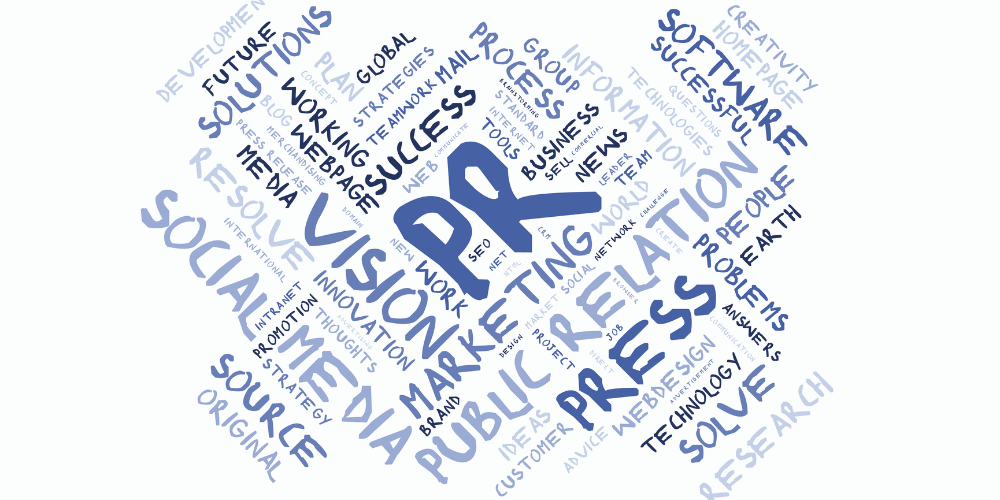
Overall, At its core, PR emerged from the work of strengthening and spreading an organization's or business's vision and mission to its employees and the public, in order to build, promote and maintain relationships.
In marketing, public relations is the process of analyzing trends, anticipating developments, building management strategies and communicating information about an individual or organization to the public. What is the purpose of PR? It is to build a brand, create a positive image of the organization in the public's mind and perception, and aim for mutually beneficial relationships.
In recent years, with the strong growth of the internet and international integration, public relations has become one of the hot careers that many people choose.
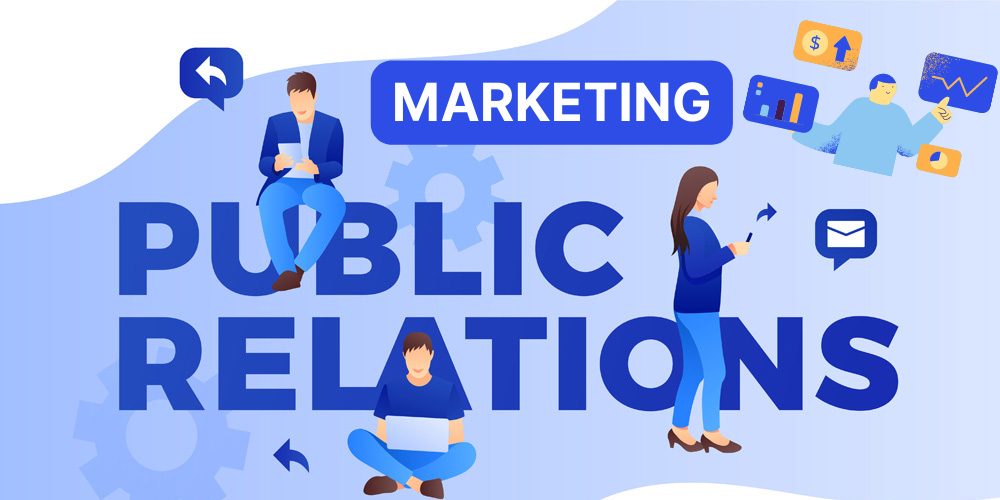
Public relations is an indispensable part of communications. The important roles of PR in marketing are listed below:
Although public relations is quite popular and widely used in marketing, it has both advantages and disadvantages.
Some notable advantages of public relations:
Alongside its notable advantages, PR also has the following drawbacks:
Despite these limitations, PR is still considered an effective communications channel when applied appropriately.
So who is PR usually aimed at?
PR channels usually target two main groups:

This is the the group with a strong impact on the company's operations and the impact on this group is mainly financial. It includes:
This group interacts frequently with company departments such as the board of directors, marketing and sales. For PR practitioners, close ties between these groups and the company make planning strategy easier and more effective.

As a the group that publishes and shares your information with the public. This group also gets more attention because it brings useful information that can further strengthen public trust in the company. Specifically:
These groups influence one another. Experts pick up trends from the press, and organizations need experts, etc.
In addition, The Circle of Trust can also influence the Circle of Work, for example expert analysis influencing shareholders and partners, or the press influencing consumers.
Besides external PR audiences, you will also meet an internal PR audience: the company's managers and employees. Internal public relations activities help bind the business together, create a pleasant workplace, and make people work more productively and effectively.
As public relations has developed in Vietnam, PR's work in marketing breaks down into the following specific areas:
Each company carries out different PR activities depending on its stage and capacity. In this article, MONA Media sorts them out again into 6 types of public relations that correspond to the areas of PR, so you can follow them in detail.

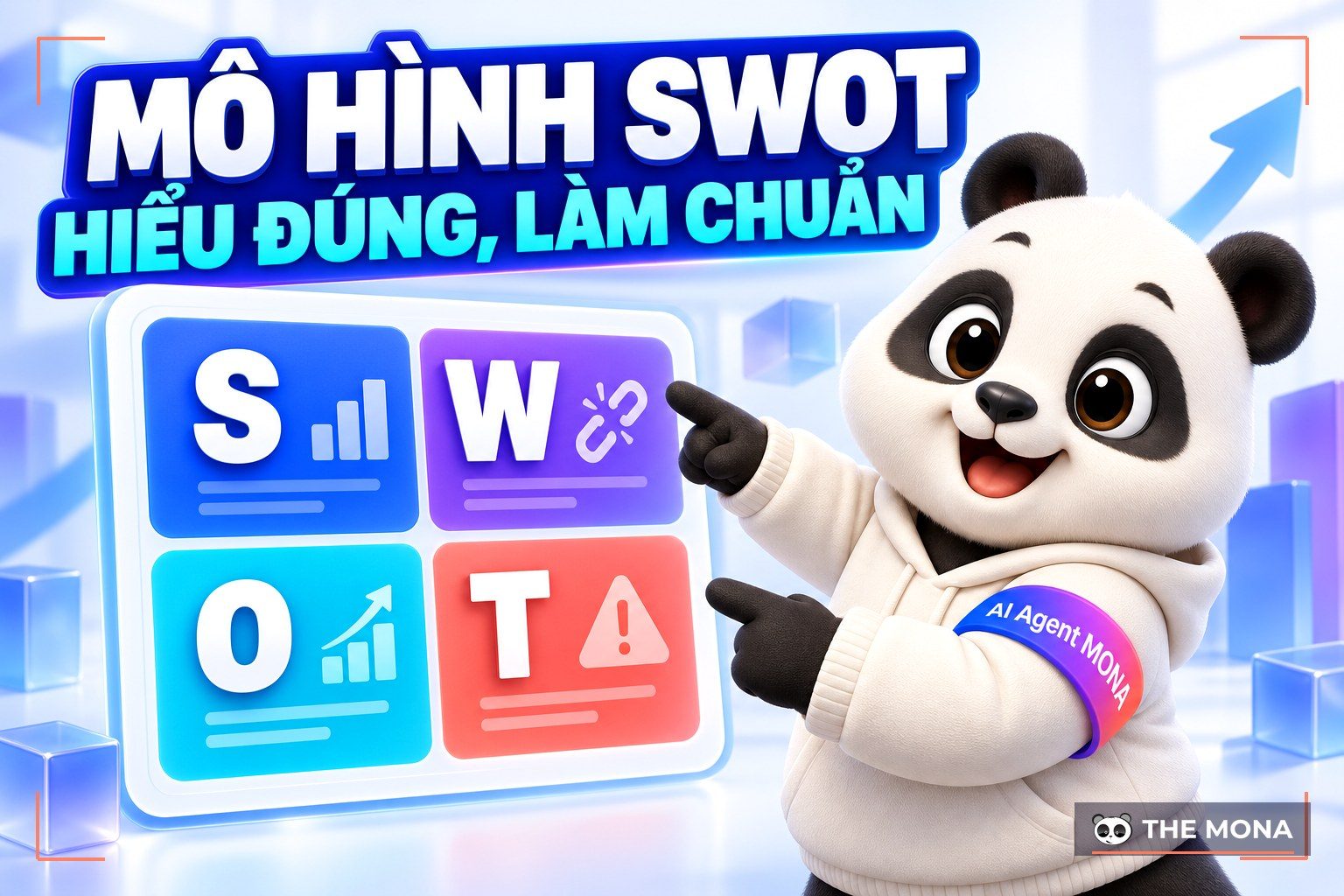
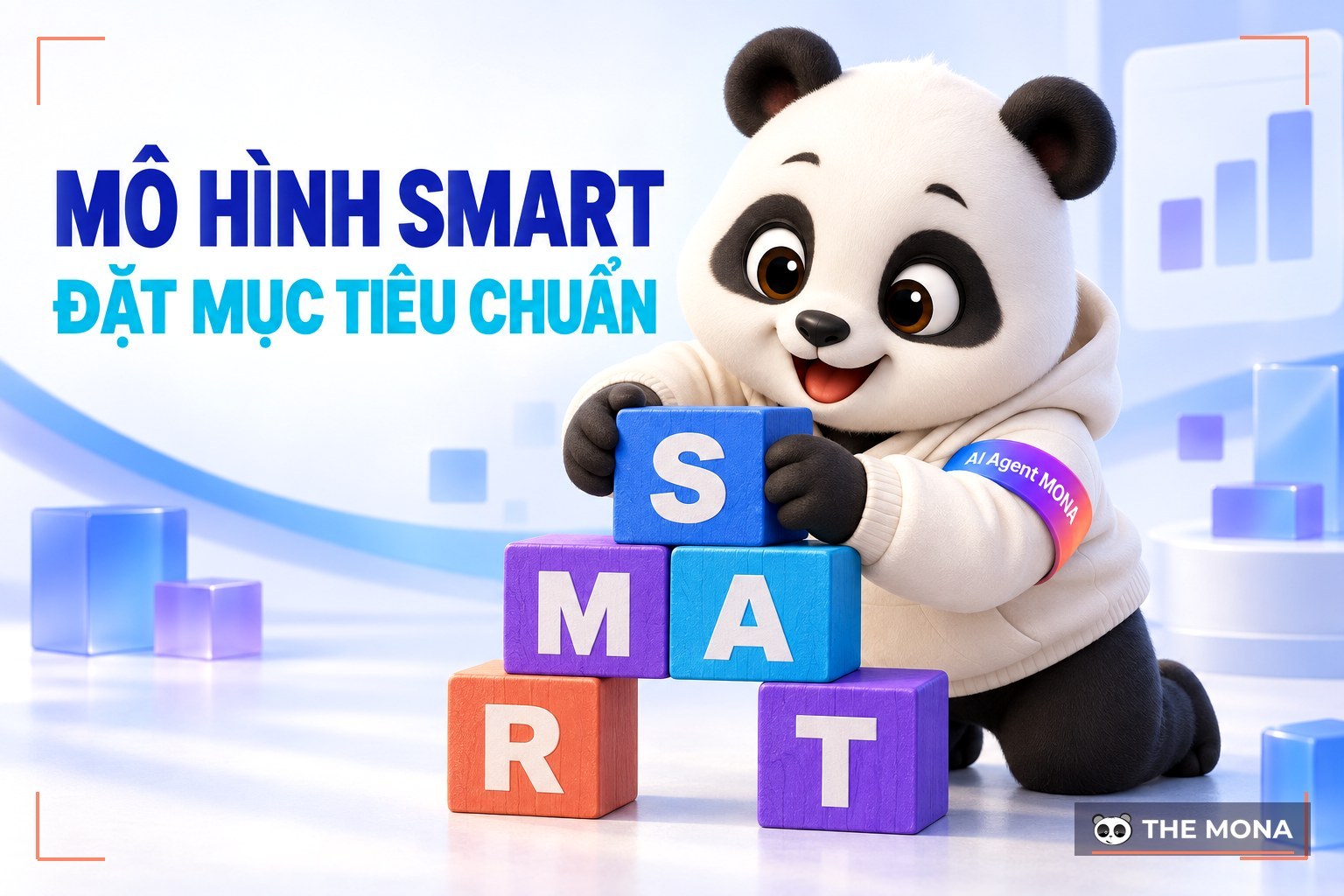
A concrete plan for the goals an organization or business wants to reach, including the methods and resources needed to achieve them. PR practitioners also need to do work such as analysis SWOT and SMART, building a roadmap, defining the steps for each item, assessing risks, proposing solutions and measuring results.
Planning a public relations strategy helps a business:
Internal public relations targets all of a business's employees. This type of PR acts as a bridge that builds ties and understanding among staff and between the company and its employees.
Internal public relations activities include:
The goal of event organization is to attract a large number of participants. Events usually have a certain scale depending on their nature, for example:
Depending on the type of event and its purpose, the organizer or PR team will draw up a specific plan.

This means building and maintaining relationships with media and press organizations. Through the press, a business can tell the public about its mission and vision, or the meaning of a program or event, in a positive, professional and consistent way.
In addition, users are spending more and more time on social media, so businesses that want to stay ahead of the trend cannot ignore public relations on these channels. A business can use them to run promotional events and minigames to draw attention to a program, or hire KOLs, influencers and bloggers to tell a wide audience about your event.
An organization or business has many community relationships, such as:
The business builds different activities for each relationship, with the aim of building good relationships and positive public opinion. This earns the business goodwill, builds a good image in people's minds, and moves it toward its final goal.
Community relations is also expressed through sponsoring contests and events. You will see many programs that list sponsors, which is another way to promote a brand or business widely.
Media is always a double-edged sword. It can take a business to the top, but it can also drag it down. A single crisis that is not handled smartly can damage an entire organization or business and wipe out the reputation it has built up over time.
That is why PR professionals must be careful at every step, in every campaign and in the whole process of building the business's image. In particular, the crisis response team must be tactful and honest, so they can coordinate with leadership and help resolve the crisis quickly and effectively.
-> See also: How to handle a media crisis that works

As for what PR tools are, there are many you can use in public relations activities, such as:
If they don't yet understand public relations, many people confuse PR with advertising. In fact, they are two quite different concepts and fields.

The content above should have helped you understand what PR is. So what steps lead to an effective public relations plan? You can follow this process:
Many successful public relations campaigns are worth studying and learning from, such as:
The 2014 Ebola outbreak seriously affected many countries and took a large number of lives. To help people who wanted to support a positive cause, Google launched a fundraising campaign. It also pledged to give $2 for every $1 donated to the cause through its website.
The campaign drew the attention of the media and helped Google raise more than $7.5 million.
Just Eat is an online food ordering app that lets customers add comments to their orders, for example to tell the courier the exact address or to leave the order with an acquaintance.
One customer tried her luck and used the note feature to ask the courier to stop on the way and pick up a certain medicine for her. That incident later turned into a PR success for the Just Eat brand.
The 2015 Paris shootings killed 129 people. Facebook added a French flag filter to its app so users could apply it to their profile pictures (avatars) to show support for France.
This campaign drew millions of users who joined in and was a successful effort by Facebook, with a deeply humane campaign.
1. What does PR stand for?
PR stands for the English phrase “Public Relations”.
2. Why does every business need PR?
PR is building messages and maintaining relationships with the public a business wants to reach. So when a business uses public relations in its operations, it can do a lot for brand growth, and effective PR activities usually keep paying off over a long time.
3. Is there a way to do successful product PR for any business?
To make public relations for a product effective, you can use some of these communication methods:
4. What are the standards for a PR article?
Make sure your PR article meets the standards below so it is complete and works well for your marketing campaign.
Those are some thoughts from Mona Media about the concept of what PR is? And the important roles of PR in marketing. We hope this article has strengthened your knowledge of public relations and helps you plan an effective way to use this form of communication for your business.
If you are unsure how to build and run an effective public relations strategy, MONA Media has a dedicated team to help. Contact us via Hotline 1900 636 648 and we will advise you on a specific PR strategy that suits your industry and field.

CEO & Founder · The MONA
Founder of The MONA, who built a services company of 200+ staff with 14,000+ projects delivered. Khánh Hùng shares how he thinks about building systems that run themselves, automating a business, and the real lessons from delivering projects at MONA.
 1,5K




Professional website
design services
Own a website with a beautiful, 100% exclusive design and a lifetime warranty, with the ability
to expand features flexibly as your business grows, starting today!






 MONA will never sell your information or send you spam


 MONA will never sell your information or send you spam
