
 MONA OS 2.0
 Partner with MONA


 Tự động hoá doanh nghiệp
 Cẩm nang SEO
 Digital Marketing
 Kinh nghiệm thiết kế website
 Hạ Tầng Server
 Giáo dục


 VI
 EN















Message us on
Zalo Official


 ProductsNew

 ProductsProducts
 Mới ra mắtKHA AI 2027App tự edit video, tự đăng mọi mạng xã hội, 2 phút mỗi ngày










 Website designLooks good and wins customers over.
SEO servicesBrings in customers searching for exactly what you sell.
 Tư vấn digital marketingKéo khách từ nhiều kênh, đo bằng số thật.
Corporate video productionVideos introducing your company, factory and team.
 NewAI video productionCompany story films made with AI.
 Custom software developmentCRM, ERP and HRM built for your business.
 Viết AI Agent theo yêu cầuĐặt riêng một trợ lý AI cho đúng việc của mình.
 Tư vấn chuyển đổi AIĐưa AI vào vận hành của cả công ty.
NewMONA LMSManagement for centers and schools.
MONA SkillHubInternal training for company staff.
 NHTQ systemEnd-to-end China–Vietnam shipping operations.
MONA JMSManagement for gold, diamond and pawn shops.
 MONA E-LearningA website with every feature you need to sell courses.
 How to sell online courses (course)More than 30 free lessons on selling courses on autopilot.
 MONA Cloudmonacloud.vnServers to get your apps and websites running.
 MONA Basemonabase.vnPostgres database, sign-in and file storage.
 MONA Mailmonamail.vnSend OTP, order and invoice emails from your software.
 MONA Paymonapay.vnAccept bank transfers via VietQR and notify your software when the money arrives.
 MONA eInvoiceComing soonIssue e-invoices that meet tax standards.
Gấu CườiTrả lời khách 24/7 trên web, Fanpage, Zalo và thu lead cho sale.
 Gấu TeleSalesGọi điện tư vấn, chăm khách như tổng đài viên thật.
Dê CườiTư vấn và chốt đơn cho shop ngay trong khung chat.
Gấu WebmasterNhắn nhóm Zalo là website được sửa xong.
 Gấu Pháp ChếSoạn hợp đồng, rà điều khoản trong vài phút.
 Gấu Báo GiáLên báo giá đúng mẫu và gửi khách ngay.
 AI chăm sóc khách hàngTheo dõi và giữ chân khách hàng cũ.
 Gấu Tuyển DụngLọc hồ sơ, hẹn lịch, phỏng vấn ứng viên.
 Mới ra mắt
KHA AI 2027
Xây kênh chuyên gia 2 phút mỗi ngày
Quay bằng điện thoại, AI tự edit video, tự đăng lên 16 nền tảng và tự trả lời bình luận, tin nhắn.
882.681lượt xem trên kênh CEO MONA sau 36 ngày
 Anh Khánh HùngCEO MONA đang dùng mỗi ngày
Xem app làm được gì
 AI
Gấu Cười MONA ĐANG TỰ XÀITrả lời khách 24/7 trên website, Zalo OA, Messenger và thu lead về cho sale.
Dê CườiChốt đơn bán lẻ và sàn: Shopee, TikTok Shop, web. Chăm cả khách sỉ, đại lý.
Gấu WebmasterCập nhật nội dung, tối ưu SEO website mỗi ngày.
Gấu TeleSalesGọi điện tư vấn, chăm khách như tổng đài viên thật.
Gấu Tuyển DụngLọc hồ sơ, hẹn lịch, phỏng vấn ứng viên tự động.
AI chăm sóc khách hàngGiữ khách cũ, cứu lead đã rớt cho phòng kinh doanh.
Gấu Pháp ChếSoạn hợp đồng, rà điều khoản trong vài phút.
Gấu Báo GiáLên báo giá đúng mẫu, gửi khách ngay khi có yêu cầu.
 Chuyển đổi AI toàn phầnGiải pháp tổng cho doanh nghiệp, 3 lớp triển khai.
 Viết AI Agent theo yêu cầuĐặt riêng một con AI gánh đúng nghiệp vụ của bạn.
 Custom softwareCRM, ERP and HRM with built-in AI automation.
 SEO & AEO thời đại AIĐược Google lẫn AI trích dẫn, không chỉ xếp hạng.
 Kiến thức AI cho doanh nghiệpBài phân tích, hướng dẫn ứng dụng AI vào vận hành.
 Free AI courses
 AI tools at work
App mới · KHA AI 2027
Xây kênh 2 phút mỗi ngày
AI tự edit video, tự đăng mọi mạng xã hội
Free consultation, 8am–10pm every day

31 July, 2026

What is n8n? It is an automation tool that connects many apps, data sources and tasks through workflows. You can use n8n to cut repetitive work in your business, but at larger scale you will need a different approach.
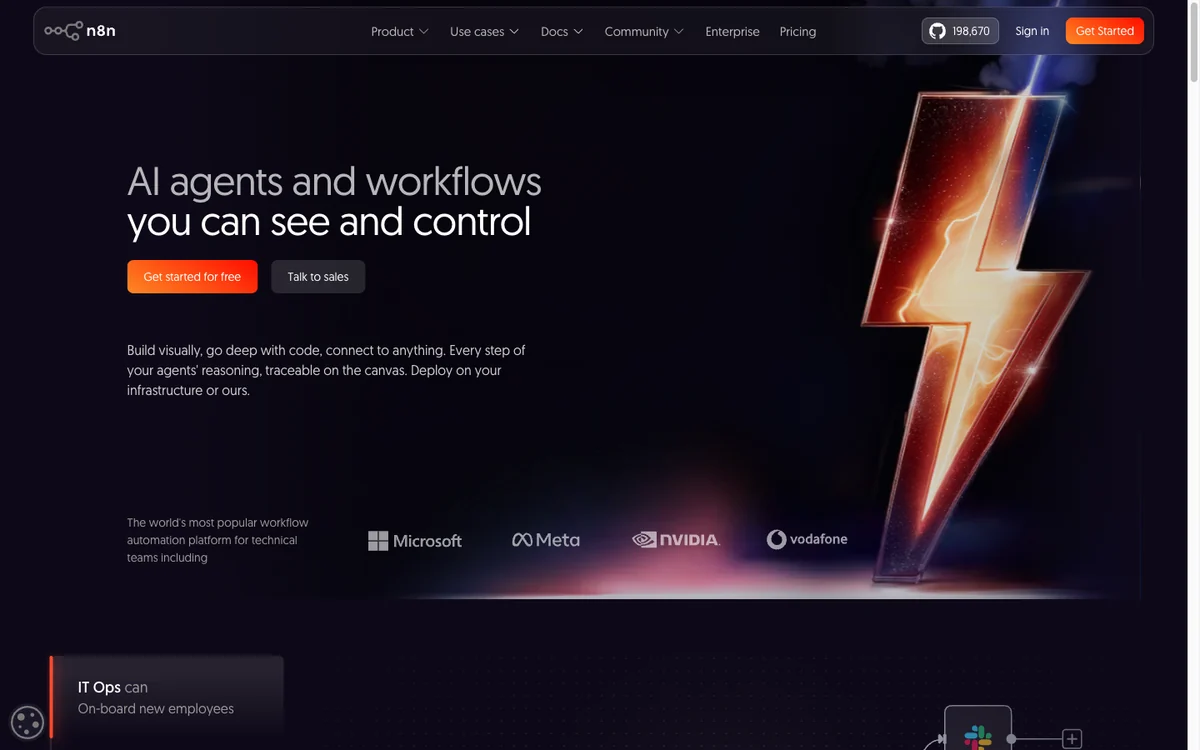
What is n8n? It is open-source software that helps businesses create automation workflows to connect many apps and handle work in a designed flow. MONA often sees you take an interest in n8n when you want to cut data entry, information checks or data transfers between departments.
n8n works through nodes in a process. Each node receives data, handles one step and passes the result to the next. For example, when a customer fills in a form on your website, n8n can receive the information, save it to the CRM, notify the sales rep and create a follow-up schedule.
You have two ways to use n8n. One is the n8n cloud version, which suits quick trials when you don't want to manage servers. The other is to self-host on the company's own server, which suits businesses that need tighter control over data. Self-hosting requires a server, a system administrator, a backup process and regular error monitoring. The official deployment documentation is in the n8n hosting guide.
n8n's strength is connecting many systems in a single flow. You can combine email, sales software, inventory, accounting or AI services into one process. When one step changes, the manager needs to recheck the related steps to avoid errors.
A real example: a store with 5 staff handles 200 orders a day. If each order takes 2 minutes to re-enter, the company loses about 400 minutes, over 6 working hours a day. n8n can cut this manual entry, but for long-term operation the part to account for is the time spent maintaining the workflow.
Many businesses use n8n for things like syncing data, sending automated reports, creating alerts when a new order comes in, or connecting internal tools. It is a reasonable choice for pilot teams or processes that aren't too complex.
When the work ties directly to revenue, customer care or daily operations, you need to factor in maintenance costs. A workflow with many outside connections can break when a service updates its version. MONA usually analyzes this part carefully before building automation workflows for businesses that run reliably.
n8n can also be combined with AI to handle tasks that need language understanding or information classification. You can learn more about what is an AI agent when you want to build systems that handle more complex work on their own.

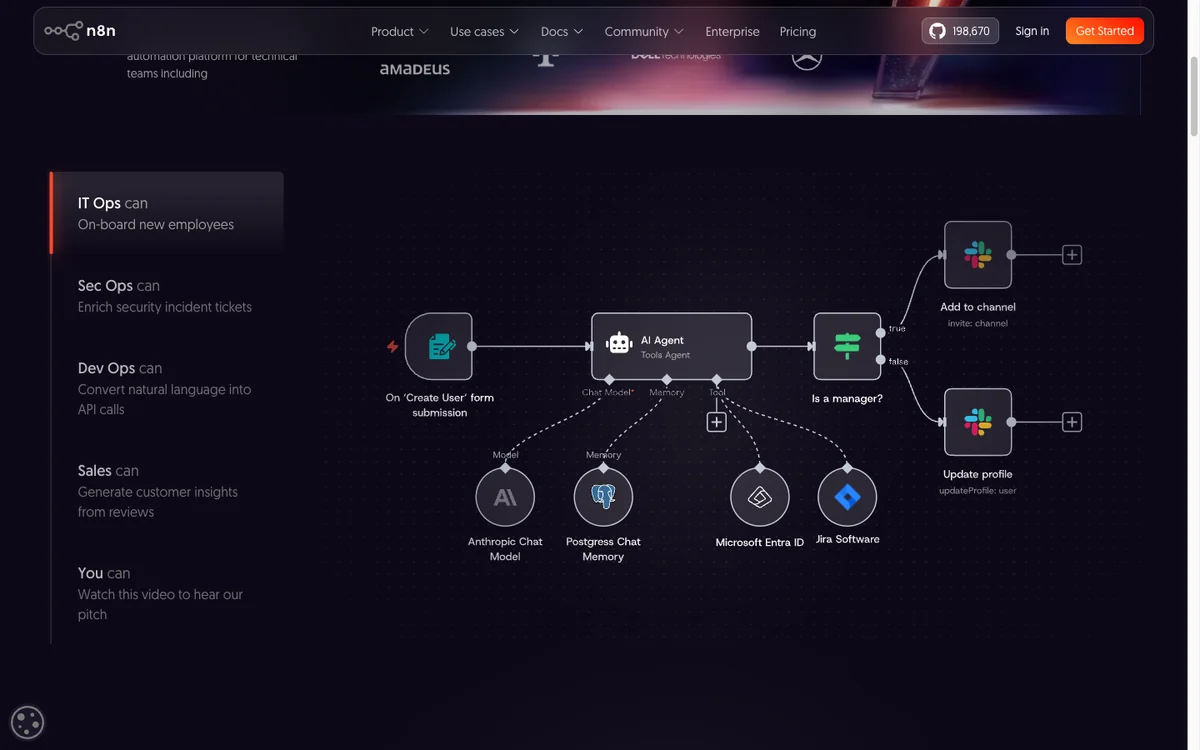
You usually turn to n8n when the company already has a lot of software but staff still do repetitive steps every day. n8n fits well-defined processes such as syncing data, sending notifications and handling repetitive tasks.
For example, a multichannel store can use n8n to bring orders from e-commerce platforms into the warehouse. Before automation, operations staff had to check each order and re-enter the data, which took about 2 to 3 hours a day. If a product code was wrong, the warehouse shipped the wrong item and more time went into fixing it.
Many businesses use n8n to gather Zalo and Facebook messages into one place. Before, staff had to open each app and check, about 1 to 2 hours a day. When a message was missed, the sales team could lose the chance to advise at the right moment. You can look at how to build a Zalo OA chatbot to handle more customer care situations.
Another job is reminding customers of due payments. Accountants usually have to filter the customer list, check payment dates, then send each email or message. With 100 customers, this can take 3 to 5 hours a week. n8n can pull the data, check the conditions and send notifications on a set schedule.
n8n also fits when a business needs to link the systems it already uses. For example, at the end of the day a sales rep might spend 30 minutes gathering numbers and sending the revenue report. An automated process generates and sends the report at a fixed time.
MONA finds n8n very useful when you need to test a process or automate internal work. For long-term business operation, the costly part is usually maintaining the flow, handling errors and updating when outside software changes. A business needs to count this time before deciding.

We once met a service company of 35 staff that built its own n8n flow to send an end-of-day report. At first everything ran neatly, and everyone on the operations team felt their workload ease.
The flow pulled data from the task management software, compiled it and sent a report to managers at 5:30 PM every day. For the first four months nobody had to touch it, because every step ran fine.
Trouble came on a Friday afternoon. An outside software changed how it returned data after an update, which broke the format of one field in the flow.
The first person to notice was the accountant on Monday morning, who opened the report and found nearly 80 weekend transactions missing. The person in charge of n8n at the time was another staff member, who was on leave.
The company spent nearly two days finding the error and recovering the data. During that time, a manager had to check more than 300 rows of information by hand. The customer care team was slow to respond to some requests, and the business estimated a loss of about 18 million VND from covering with extra staff.
This story isn't about n8n performing poorly. n8n does well when a business needs to test ideas, automate internal tasks or quickly set up a small process.
Problems begin when that flow becomes part of daily business operations. You need someone to monitor errors, check when outside software changes and update when the company's process changes.
A workflow that runs is only the first step. When an incident happens, the business needs to know who receives the alert, who checks the data and who decides to fix the flow.
Many teams initially hand this job to one tech-savvy staff member. After a few months, that person gets busy with other projects or leaves, and the whole system is easily forgotten.
MONA often sees that maintenance is the cost to calculate carefully. For more complex needs, businesses can also look at self-hosted platforms like Dify or prepare a dedicated server for AI agents when they need stable operation.
MONA builds custom automation software for businesses when a process needs to run for the long term. You can call 1900 636 648 to talk about your real problem.

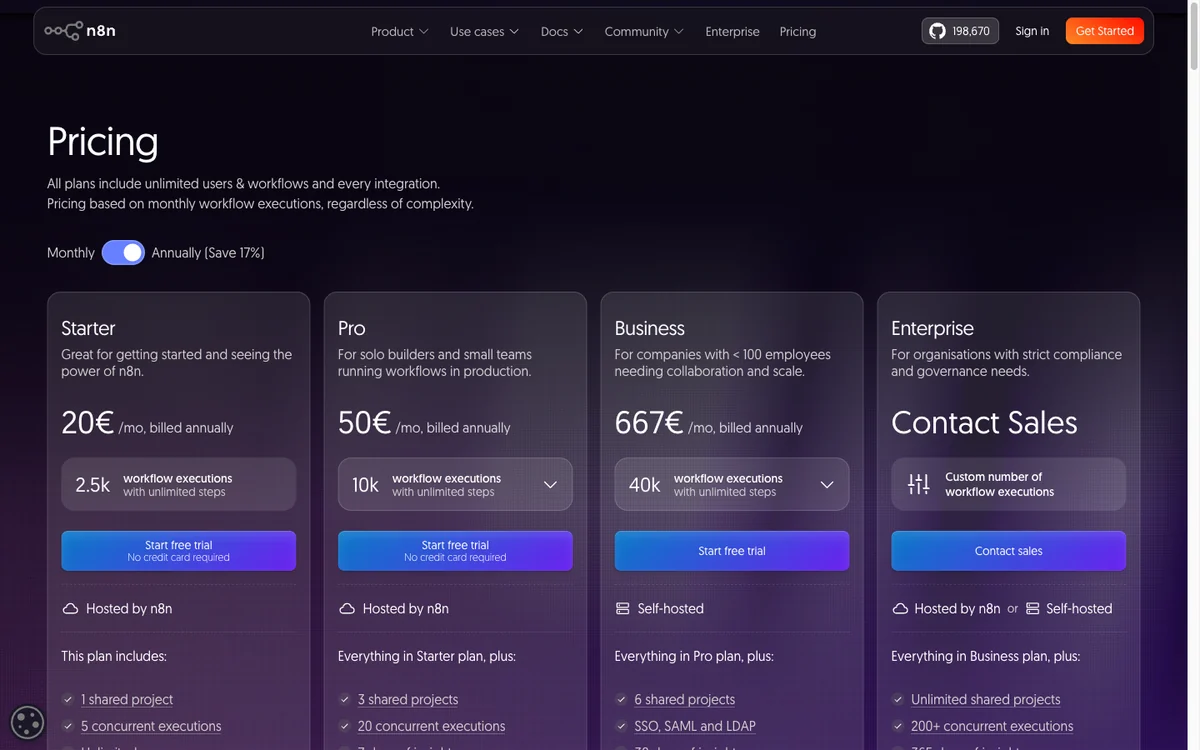
Many of you start with n8n because you see a process run itself after a few steps. That is reasonable for internal trials, like compiling reports, syncing data or sending notifications within the company.
Costs usually show up when that flow becomes part of everyday work. At that point, the business has to dedicate people to check, fix errors and keep the process stable.
n8n needs its own runtime environment for long-term use. A business may incur server fees, data backups and the time of the person in charge of monitoring.
According to the report The Developer Coefficient by Stripe, a survey of more than a thousand developers shows the average developer spends over 17 hours a week on maintenance such as debugging and rewriting code. Of that, 13.5 hours go to technical debt, out of a 41.1-hour work week.
Converting 17 hours out of 41.1, maintenance takes more than 41% of the weekly working time. For a staff member paid 30 million VND a month, that time is worth over twelve million VND a month and over one hundred forty million VND a year. Many companies don't count this money when they start building flows themselves.
Business processes rarely stand still. When a company changes its sales software, adds an order approval step or changes how it cares for customers, the old flow may need rework.
Many of you teach yourselves through vibe coding content or by trying to talk a few sentences into software. It is a good way to understand the technology and build a trial version.
When a process ties directly to revenue, customer data or daily operations, the hard part is long-term maintenance. MONA usually builds custom automation software so your business gets a system that runs reliably and stays easy to control as it scales.
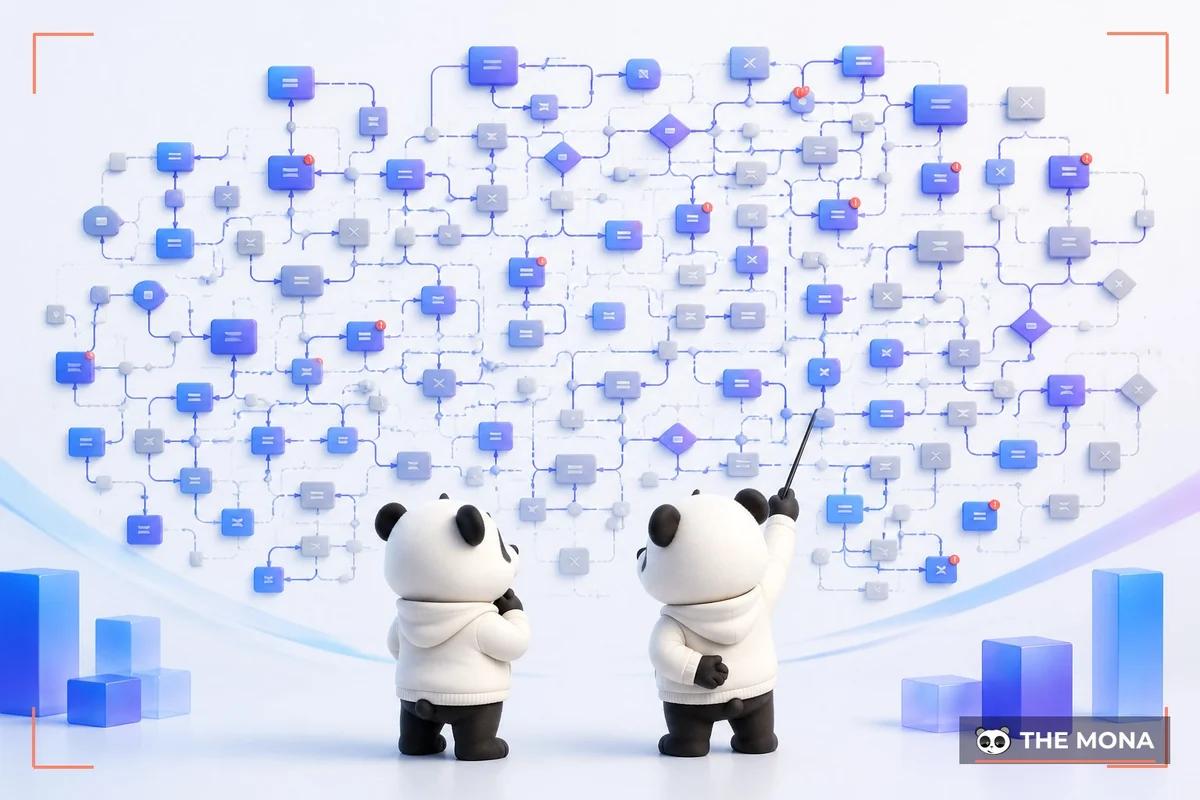
Many of you start with n8n on a few small jobs in the company. That makes sense, because you can test quickly before spending money on a large system.
Trouble usually appears as customers, data and processes grow. A workflow that runs fine on a few hundred rows can become hard to manage when it has to handle thousands of records a day.
We once worked with a trading company of 80 staff handling about 3,000 orders a month. At first they used n8n for four small flows: pushing orders, sending notifications, updating a tracking sheet and collecting sales data.
After ten months, the original four flows had become dozens of separate workflows. People in the company reached the point where nobody was sure which flow was still running, which had been abandoned, or what a change in one place would affect elsewhere.
As data grew, each workflow picked up more conditions. A flow that pulls orders may need to check payment status, stock, the carrier and promotions. If a single third party changes how it returns data, the person in charge has to review many steps again.
Another easily forgotten point is access control. This company let several staff edit workflows with no clear rule on who could change what. A person who had left still held the passwords connecting some services, so managers spent time checking and replacing every permission.
For internal tasks, n8n is still worth considering. But once it goes into a business process that runs every day, you need to count maintenance time, error monitoring and handover to new people.
After the trial stage, many businesses move on to building custom software for their critical flows. MONA usually designs systems with clear permissions, action logs and room to grow as data volume rises. Parts such as an internal management AI agent or a multichannel chatbot also need to sit inside an architecture that is easy to control.
You can use n8n to test ideas and automate a few repetitive tasks. When the process becomes a core operation of the company, the real cost lies in the months that follow, when the flow has to run every day and someone has to be on call when it stops.
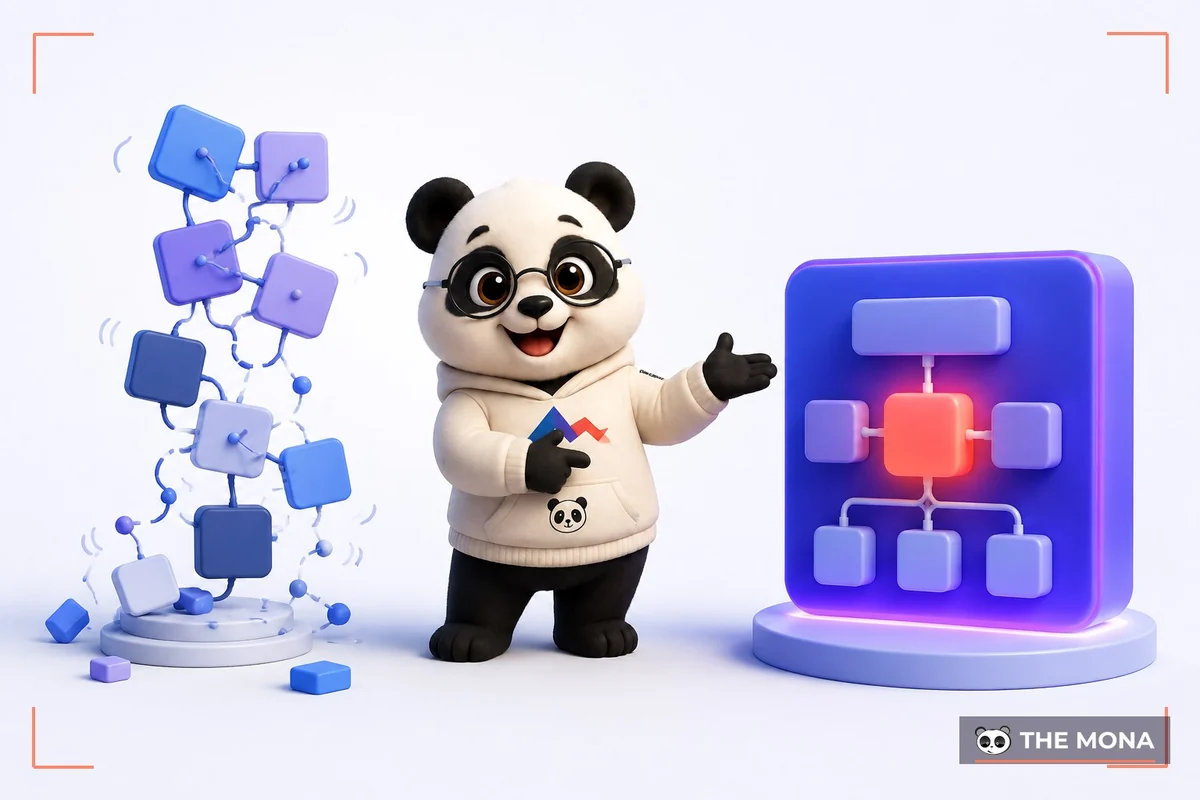
n8n fits well when you are trying out automation for a process, collecting internal data or testing a new idea. For example, a sales team can connect a sign-up form, email and CRM to cut down daily manual entry.
We often see n8n run well while a company is still looking for more efficient ways of working. Once an important process is tied to revenue, customer care or daily operations, maintenance becomes a cost you have to count.
An n8n flow can break when few people are watching. Weekends are a common time for errors, since many third parties push updates on Fridays.
For example, one employee spends 30 minutes a day on manual handling. With 10 people, the business loses about 110 hours a month. If the automated process runs on n8n but needs 15 hours of maintenance a month, the real savings shrink.
| Tools | How it is priced | Where data is stored | How much you can self-host | Best suited for |
|---|---|---|---|---|
| n8n | Self-hosted version and plan-based hosted service | Depending on setup, can be stored on your own server | High, needs someone technical | Experiments, internal processes, system connections |
| Zapier | Priced by plan and number of runs | Mainly on Zapier's own service platform | Lower, easy to start | Fast automation between popular apps |
| Make | Priced by operations and usage plan | On the Make platform | Medium, needs some familiarity with the flow logic | Multi-step data flows, quick experiments |
When a business needs a system that runs reliably for the long term, custom software lets MONA design the right process, set clear permissions and make room to scale. You can look at the approach building an AI agent for your business or the model AI agent for the sales department to get a better picture.
n8n is still a good tool for many problems. As the number of processes grows, custom-built software usually helps a business spend less time on repairs and control operations better. MONA has delivered more than 14,000 software and AI projects for Vietnamese businesses. You can call 1900 636 648 to talk through your specific needs.

n8n is very handy when you need to test an automation flow fast. But once the system runs every day for sales, accounting and customer care, the conversation shifts to operations and maintenance.
At MONA, we build custom automation software around the real workflows of your business. The system is built to run in production, with someone responsible, a way to handle errors when they happen and a clear update process.
Before writing any software, MONA usually sits down with you to understand how work flows today. Who an order passes through, where the data lives, which step is eating the most staff time.
For example, a distribution company may take orders from several channels. Staff check stock, accounting reconciles receivables, and only then does the shipment go out. If handling and checking take 3 hours a day, one person working 26 days a month spends 78 hours.
Custom software pulls together exactly the steps worth automating. Data is managed in a structure that fits the business, instead of stitching together separate tools and patching them by hand whenever something changes.
MONA also builds AI systems around specific business operations, such as custom AI software built around your operations. If your business needs AI staff to support many tasks, you can look at the MONA AI agent suite already in real use, covering tasks such as an AI agent that drafts contracts or AI agent telesales.
Consider it when a process already brings in revenue but staff still do many steps by hand. A sales system that goes down at 2 a.m. needs someone accountable for checking it, not someone hunting through configuration to patch it.
With software MONA builds, data is stored in an architecture agreed from the start. When a new function is needed, the technical team knows which parts to change and can control the impact on other departments.
n8n suits experiments and some internal tasks. For processes tied directly to the business, you need to count the maintenance cost once the system is running steadily.
Yes, n8n has a free version when you install it on your own server. It works for trying automated flows, handling internal tasks or learning to build processes. When you run it for a real company, you still need to budget for the server, someone to monitor errors and maintenance time.
n8n is more flexible than Zapier because you can self-host it and fine-tune each processing step. Zapier is usually easier to start with for ready-made connections. When a process has many branches and uses your own business data, you will need to budget extra effort for testing and fixing errors.
Yes, small businesses can use n8n for repetitive internal tasks. For example, you can automatically collect orders, send reports or sync data between a few tools. For processes tied directly to customers, large orders or daily operations, plan for maintenance up front.
Self-hosting n8n takes a server, a domain name, a security certificate and someone who knows how to monitor the system. You also need to handle data backups, version updates and checks whenever an outside service changes. In practice, many errors appear after a third party's weekend update.
Build custom software when the process has become a key part of your business. n8n, in short, is a tool that connects apps and automates workflows, but a large operational system needs its own way of being built and maintained. MONA usually weighs this when a business needs strict permissions, large-scale data handling or a process that stays stable for years.
Before you read on, we have set aside two references. If what you need is an AI that handles customers and keeps track of leads, see AI agent for automatic replies and lead management. If it is a management software problem for the whole company, the Mona.Software team has systems already running for real, and for a place to host the servers so the system runs nonstop, Mona.Host takes care of the infrastructure.
Looking back at the figure of more than 17 hours a week on maintenance out of 41.1 total hours, you can see how large the time cost already is, never mind a company of 80 staff with 3,000 orders a month carrying dozens of flows that nobody remembers which are still alive.
MONA understands you have put real effort into building flows yourself, reading the documentation and fixing every small error along the way, because that is how many business owners start, and it deserves respect when resources are limited at the beginning.
Many other business owners have also tried hiring a technician part-time, buying a paid plan of the tool, or giving the job to a computer-savvy employee on the side, only to end up back at the start, because the person was busy with other work, had little time to monitor, and errors had no clear owner.
MONA builds custom automation software around how your business actually operates, so we focus on who is on call when the system goes down at midnight, who handles it when a third party changes its connection interface, and where the data is stored so the company can use it for the long term.
You can call MONA on 1900 636 648 and describe the process you run today, the order volume, the number of people handling it and the flows you have, so we can sketch a suitable direction, and also explain clearly what n8n is if you are weighing this tool.

CEO & Founder · The MONA
The founder of The MONA built a service company of 60+ staff with 14,000+ projects delivered. Khánh Hùng shares his thinking on building self-running systems, automating a business, and the real lessons behind MONA's projects.
 391




Professional website
design services
Own a website with a beautiful, 100% exclusive design and a lifetime warranty, with the ability
to expand features flexibly as your business grows, starting today!






 MONA will never sell your information or send you spam


 MONA will never sell your information or send you spam
