
 MONA OS 2.0
 Partner with MONA


 Tự động hoá doanh nghiệp
 Cẩm nang SEO
 Digital Marketing
 Kinh nghiệm thiết kế website
 Hạ Tầng Server
 Giáo dục


 VI
 EN











Message us on
Zalo Official


 ProductsNew

 ProductsProducts
 Mới ra mắtKHA AI 2027App tự edit video, tự đăng mọi mạng xã hội, 2 phút mỗi ngày










 Website designLooks good and wins customers over.
SEO servicesBrings in customers searching for exactly what you sell.
 Tư vấn digital marketingKéo khách từ nhiều kênh, đo bằng số thật.
Corporate video productionVideos introducing your company, factory and team.
 NewAI video productionCompany story films made with AI.
 Custom software developmentCRM, ERP and HRM built for your business.
 Viết AI Agent theo yêu cầuĐặt riêng một trợ lý AI cho đúng việc của mình.
 Tư vấn chuyển đổi AIĐưa AI vào vận hành của cả công ty.
NewMONA LMSManagement for centers and schools.
MONA SkillHubInternal training for company staff.
 NHTQ systemEnd-to-end China–Vietnam shipping operations.
MONA JMSManagement for gold, diamond and pawn shops.
 MONA E-LearningA website with every feature you need to sell courses.
 How to sell online courses (course)More than 30 free lessons on selling courses on autopilot.
 MONA Cloudmonacloud.vnServers to get your apps and websites running.
 MONA Basemonabase.vnPostgres database, sign-in and file storage.
 MONA Mailmonamail.vnSend OTP, order and invoice emails from your software.
 MONA Paymonapay.vnAccept bank transfers via VietQR and notify your software when the money arrives.
 MONA eInvoiceComing soonIssue e-invoices that meet tax standards.
Gấu CườiTrả lời khách 24/7 trên web, Fanpage, Zalo và thu lead cho sale.
 Gấu TeleSalesGọi điện tư vấn, chăm khách như tổng đài viên thật.
Dê CườiTư vấn và chốt đơn cho shop ngay trong khung chat.
Gấu WebmasterNhắn nhóm Zalo là website được sửa xong.
 Gấu Pháp ChếSoạn hợp đồng, rà điều khoản trong vài phút.
 Gấu Báo GiáLên báo giá đúng mẫu và gửi khách ngay.
 AI chăm sóc khách hàngTheo dõi và giữ chân khách hàng cũ.
 Gấu Tuyển DụngLọc hồ sơ, hẹn lịch, phỏng vấn ứng viên.
 Mới ra mắt
KHA AI 2027
Xây kênh chuyên gia 2 phút mỗi ngày
Quay bằng điện thoại, AI tự edit video, tự đăng lên 16 nền tảng và tự trả lời bình luận, tin nhắn.
884.102lượt xem trên kênh CEO MONA sau 36 ngày
 Anh Khánh HùngCEO MONA đang dùng mỗi ngày
Xem app làm được gì
 AI
Gấu Cười MONA ĐANG TỰ XÀITrả lời khách 24/7 trên website, Zalo OA, Messenger và thu lead về cho sale.
Dê CườiChốt đơn bán lẻ và sàn: Shopee, TikTok Shop, web. Chăm cả khách sỉ, đại lý.
Gấu WebmasterCập nhật nội dung, tối ưu SEO website mỗi ngày.
Gấu TeleSalesGọi điện tư vấn, chăm khách như tổng đài viên thật.
Gấu Tuyển DụngLọc hồ sơ, hẹn lịch, phỏng vấn ứng viên tự động.
AI chăm sóc khách hàngGiữ khách cũ, cứu lead đã rớt cho phòng kinh doanh.
Gấu Pháp ChếSoạn hợp đồng, rà điều khoản trong vài phút.
Gấu Báo GiáLên báo giá đúng mẫu, gửi khách ngay khi có yêu cầu.
 Chuyển đổi AI toàn phầnGiải pháp tổng cho doanh nghiệp, 3 lớp triển khai.
 Viết AI Agent theo yêu cầuĐặt riêng một con AI gánh đúng nghiệp vụ của bạn.
 Custom softwareCRM, ERP and HRM with built-in AI automation.
 SEO & AEO thời đại AIĐược Google lẫn AI trích dẫn, không chỉ xếp hạng.
 Kiến thức AI cho doanh nghiệpBài phân tích, hướng dẫn ứng dụng AI vào vận hành.
 Free AI courses
 AI tools at work
App mới · KHA AI 2027
Xây kênh 2 phút mỗi ngày
AI tự edit video, tự đăng mọi mạng xã hội
Free consultation, 8am–10pm every day

31 July, 2026

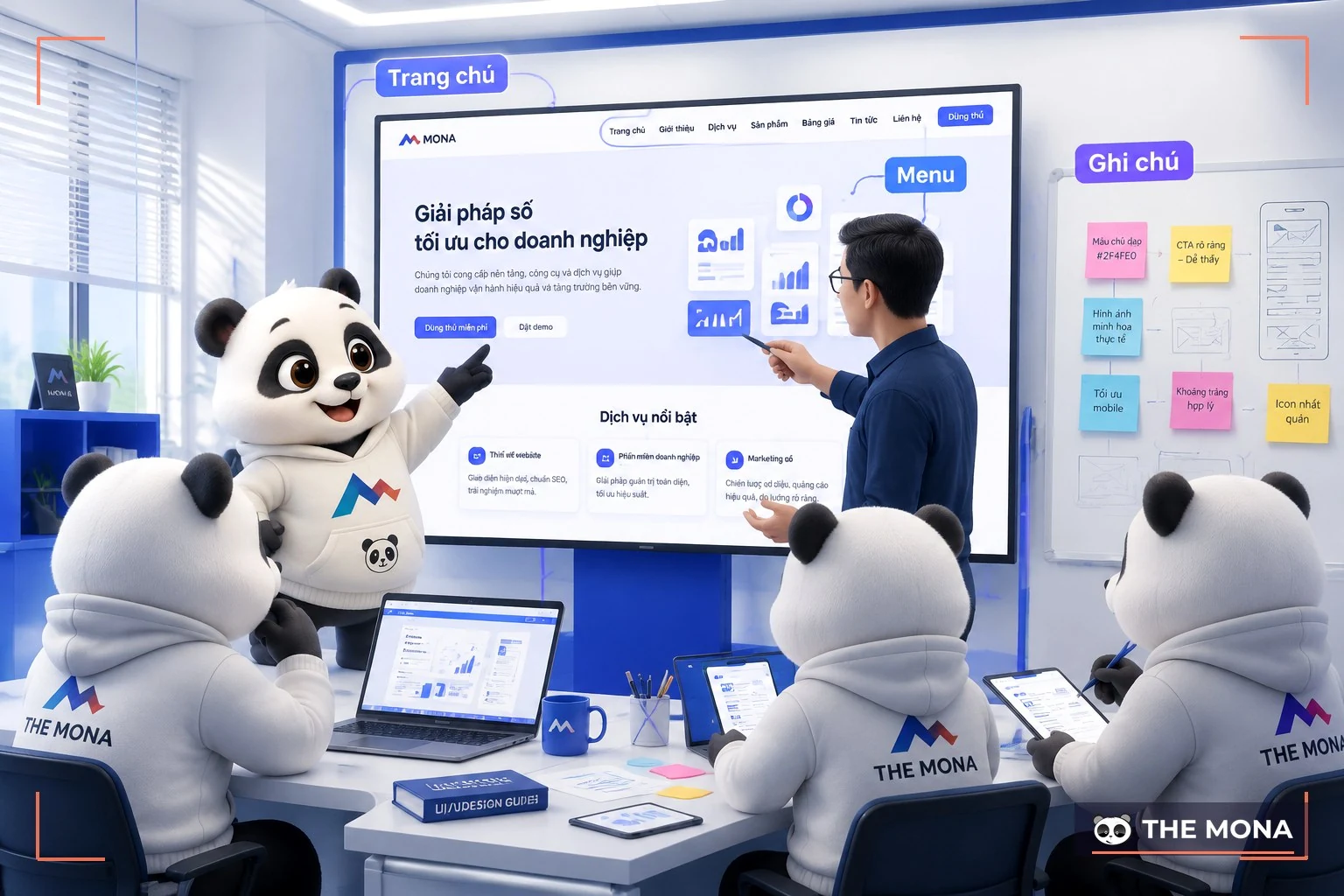
Many businesses lose money when the website interface exists only in a verbal description. This usually happens between the approver and the web team. You may say you want a luxurious homepage, easy to buy from, one that feels trustworthy. But everyone pictures something different.
Only after the programming is done do the differences show up. An order button sits in the wrong place. The product introduction does not convey its value. The mobile layout is hard to use.
At that point, changing things is no longer adjusting an idea on paper. It now touches many parts that were built earlier.
This is why many leaders feel they cannot control the quality of a digital product. The internal team has to spend extra time on discussions. Engineers have to redo finished work. The budget grows from changes that could have been seen earlier.
What is a mockup from the point of view of running a business? It is a simulation of the website interface made before the technical team writes the real software. You can preview the layout, the colors and how customers move through each area of the page. From there, the business makes clearer decisions.
We often use mockups in website projects so the business can approve from concrete visuals. This reduces discussion based on feelings. For a 30-branch retail chain, how products are displayed on the website needs to be settled clearly before building.
When taking over older systems, we have seen businesses start a website from scattered descriptions. The interface was not agreed upon at the start. The parties had to go back and forth many times.
These problems usually do not come from the team's ability. The cause is the lack of a shared overview from the beginning.
MONA uses mockups to close the gap between the business idea and the real product. This approach suits projects such as factory website design or website design for finance and accounting companies. These projects need careful thought about information and experience.
We find that a clear simulation helps you cut unnecessary revisions. Preparing the interface first helps all sides understand the goal before building starts.
When we take over a client's system, we usually review the usage flow, the content positions and how customers interact before making changes. A website prepared carefully from the interface stage goes more smoothly into programming and long-term operation.
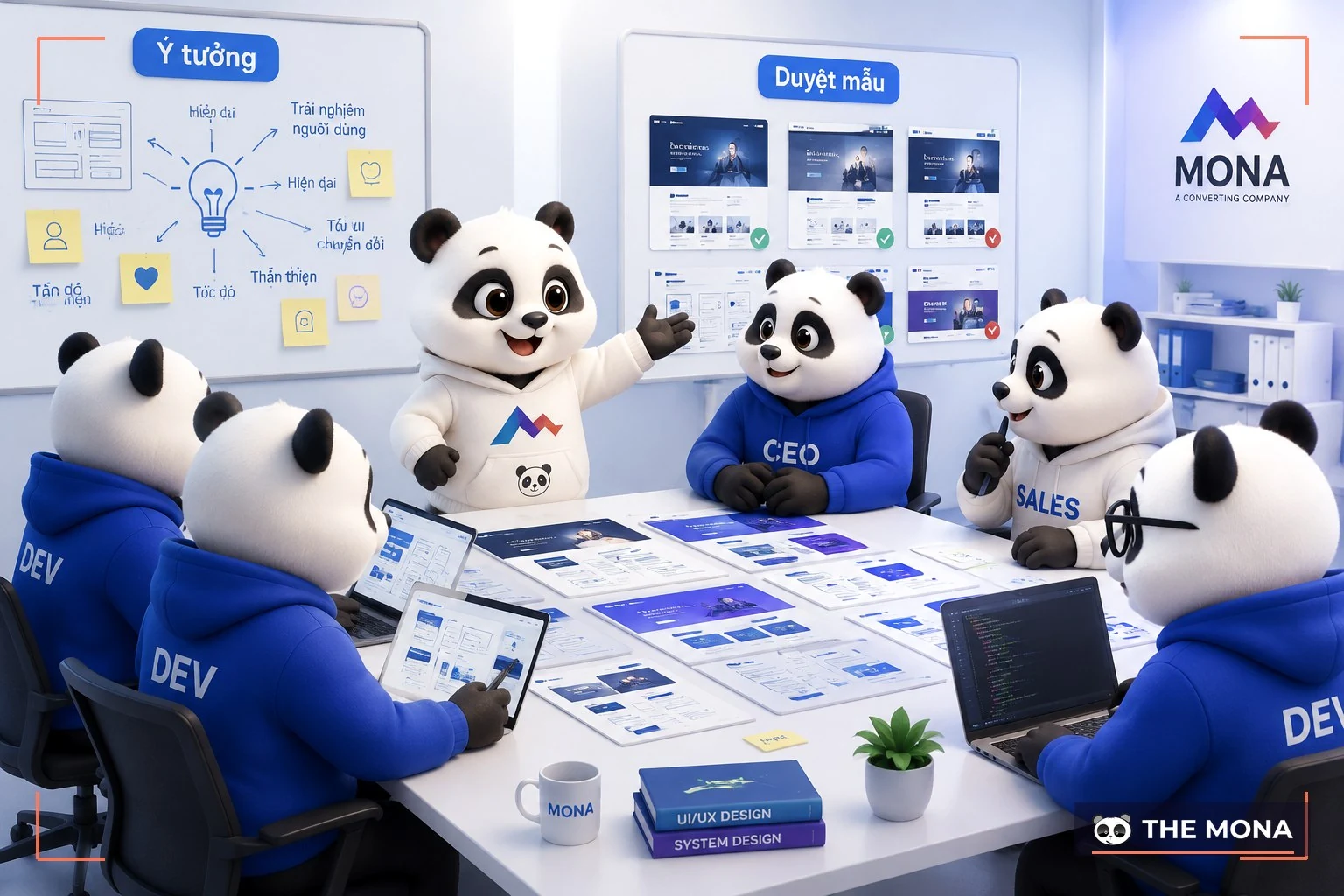
Many businesses still approve website interfaces by each department's gut feeling. Then they lose several more months on revisions once things have gone too far.
Picture a website project for a 30-branch retail chain. Leadership wants the site to show a premium brand.
The sales team wants customers to buy fast. Engineering has to keep operations stable.
Everyone has their own reasons. The difficulty is that everyone reads the same description, yet imagines three different interfaces in their heads.
Without a visual version to compare against, meetings tend to drag through many rounds of feedback. The approver says one thing, and the builder understands another.
By the time it is built, the business finds the layout does not match how it wants to sell.
This is when business owners easily lose control of the schedule. It is not because you lack experience.
A project with many people always needs a common point. Every decision should rest on the same basis.
Nielsen Norman Group, a research organization on user experience, stresses the value of testing designs with users early. You can read more about its interface evaluation principles at 10 usability heuristics.
We have taken over many projects where the interface was almost finished. Only then was it found that the page structure did not fit the business goals.
At that point, the fix is no longer changing a color or swapping an image. It involves how content is arranged, how customers find products and how the sales team receives leads.
One small change early in a project can turn into many pieces of work later.
For projects such as factory website design or finance and accounting website design, we usually use mockups so you can approve the layout of each area beforehand.
When people ask what a mockup is, the simple answer is a simulation of the interface. It lets everyone see the website before it is programmed.
A cosmetics e-commerce chain can run into the same problem. If the product page, filters and purchase flow are unclear from the start, the technical team will have to make many fixes once the website is connected to data.
We use mockups in the website process to close the gap between the idea and the real product. MONA has completed more than 14,000 projects.
That experience shows us that clarifying the interface before building makes it easier for all sides to work together.
You can also see how we advise on structure before design through the service recommends the website design.
The goal is for the business to approve the right thing from the start. This reduces the time spent redoing work once the website is in development.
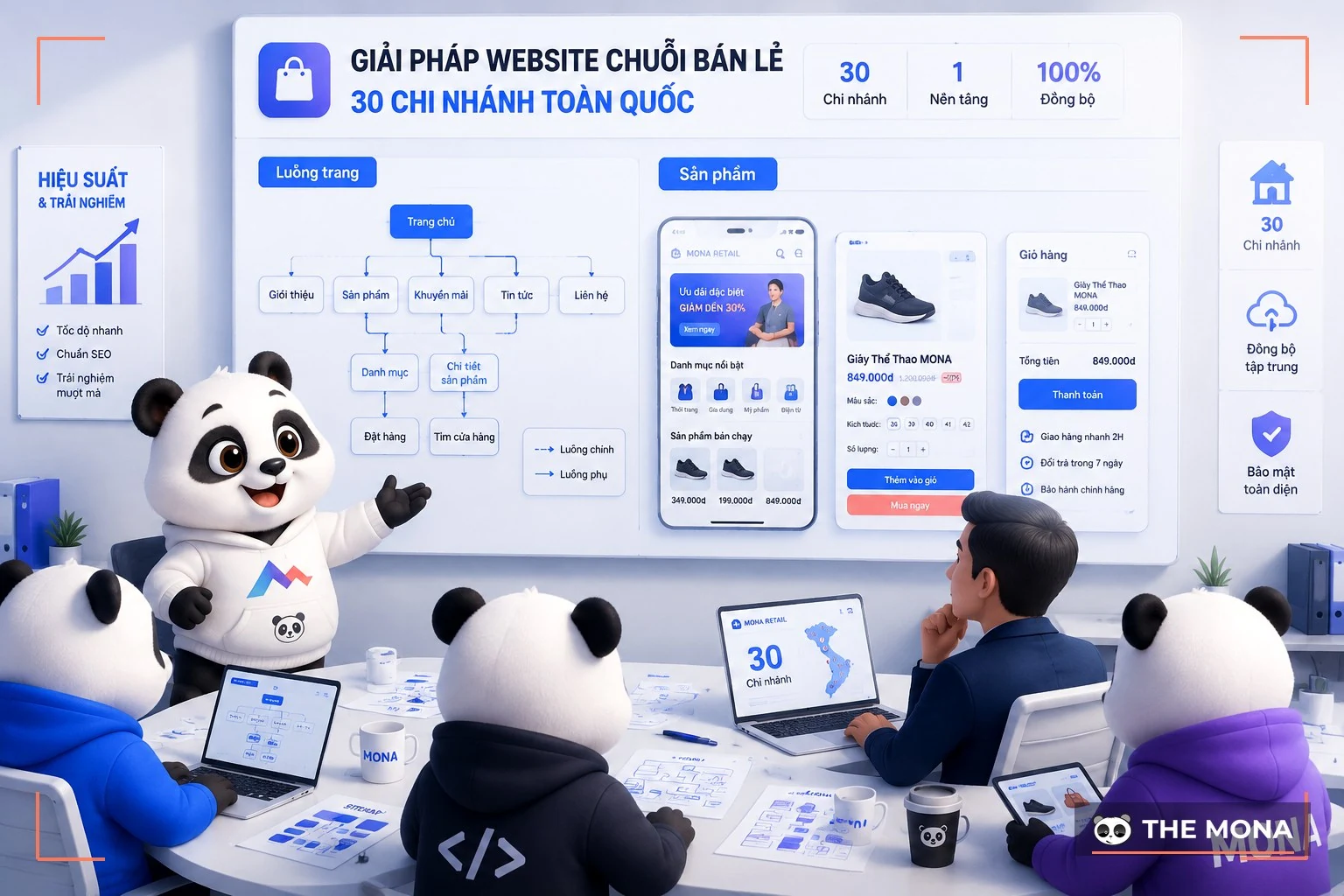
Large web projects often slip out of control when the business waits for the final test version before giving feedback. For you running many branches, a small interface change can force a process change.
That change also affects data and how staff use the system. At the final stage, the cost of change is always higher than when the idea is still on the design.
Sales wants a different display. Operations needs an extra processing step. Leadership feels the interface does not reflect the business model.
Many of you have met the situation where a website looks good but causes problems once in use. Staff struggle to find the functions they need. Customers spend too long placing orders. The business pays extra for fixes.
A mockup lets every department see the interface before programming. In simple terms, if you are looking up what a mockup is, it is a simulation of how a web page will appear.
It also shows how the interface works at a basic level. We once took on a project for a 30-branch retail chain.
Before building, the sales, customer service and operations teams looked at the interface together. Everyone checked each group of screens.
In one session, a branch manager needed the product search area changed. At first the change seemed small because it only touched a few spots on the page.
But seeing it ahead of time on the mockup, everyone realized it affected how consultants and customers choose products.
If this had been found after the website was programmed, the fix would have taken much more time. For projects such as auto accessories website design or designing a website with hand-written code or a CMS, we always need to make the interface clear.
We also clarify the usage flow before building. MONA uses this approach to close the gap between leadership's ideas and the real product.
You can check the layout, how information is shown, and the experience of each user group. This happens before development costs rise.
When we take over a large web system, we usually review the data structure. We also check the operating process and how staff are using it today.
This check helps the business stay in control. You do not need to wait until completion to find what needs fixing.
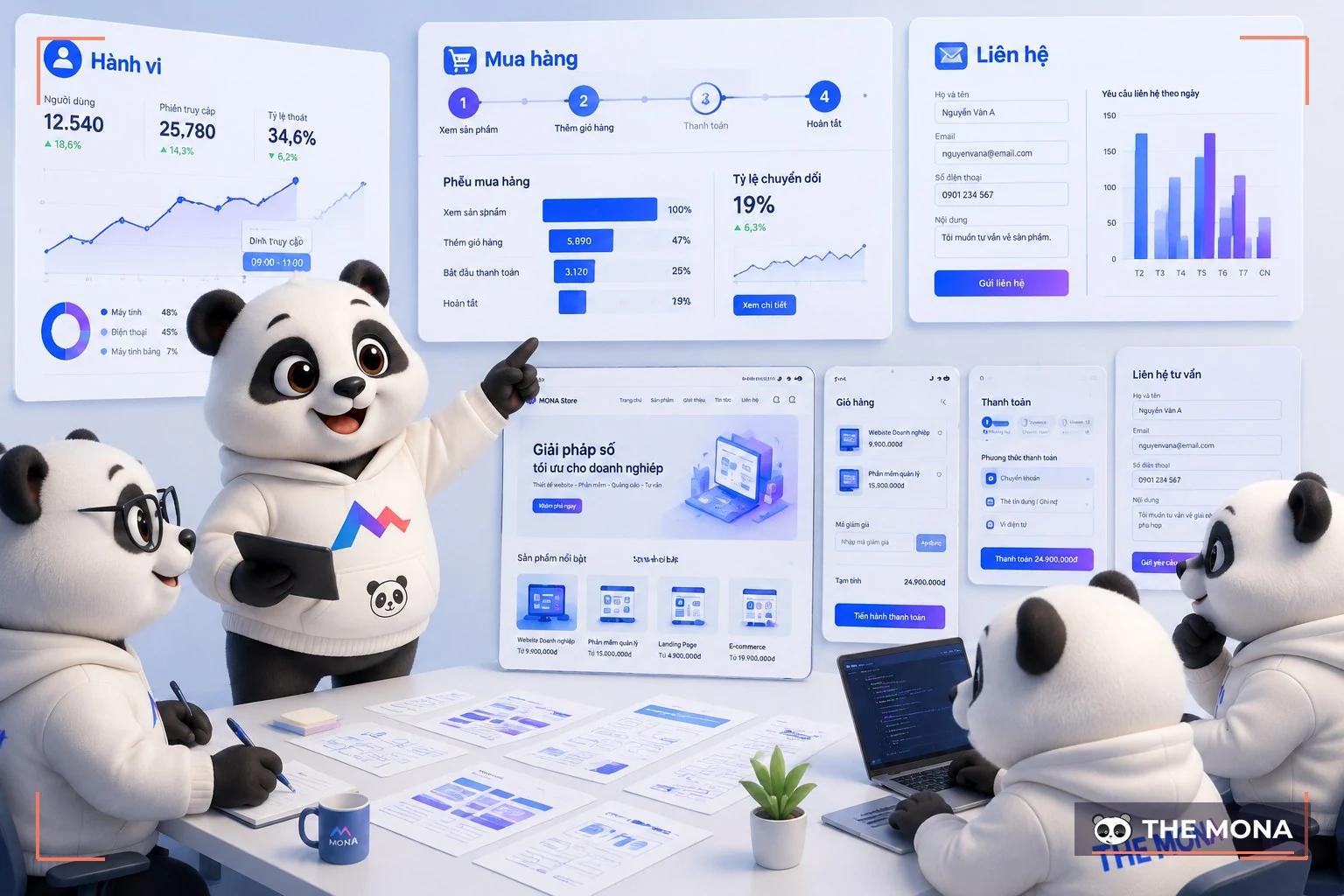
A website with beautiful colors can still lose customers if visitors cannot find what they need. Many businesses invest in polished visuals. But in use, visitors look and leave. The sales team gets fewer new requests.
Picture a sales page with very beautiful product photos. But the button to request advice sits where it is hard to see. Important information is buried too deep. Sales staff have to explain every step again. Customers lose patience before they leave their details.
This is a problem we often meet when taking over websites built earlier. A 30-branch retail chain can have an eye-catching interface. But if the flow of browsing products, asking for prices and signing up for advice is not logical, the website is not supporting the business goal.
So when you look into what a mockup is, see it as a design to test how the website serves users before programming. A mockup lets the team see the layout, where information sits and how customers interact with each area of the page.

We usually start by working out what visitors need to do on the website. They need to view products, send a request, book an appointment or find information before deciding to buy.
For a cosmetics e-commerce marketplace, a mockup helps the team check the position of product filters, reviews, the buy button and the help area before writing code. These adjustments are easier on a design than after the website is live.
MONA has applied this approach in website design projects for businesses in many fields. When building a website with hand-written code or a CMS, we always consider the operating goal before choosing the right way to build.
You should also watch out for a common trap when building a website yourself. Many people focus on the first look. But they overlook how sales staff, customer service and operations will use the website's data.
A carefully prepared mockup helps the business cut big revisions, protect the budget and keep the buying experience consistent. When we take over a client's system, we usually review the information flow, the points where customers easily leave, and how internal staff handle the data afterwards.
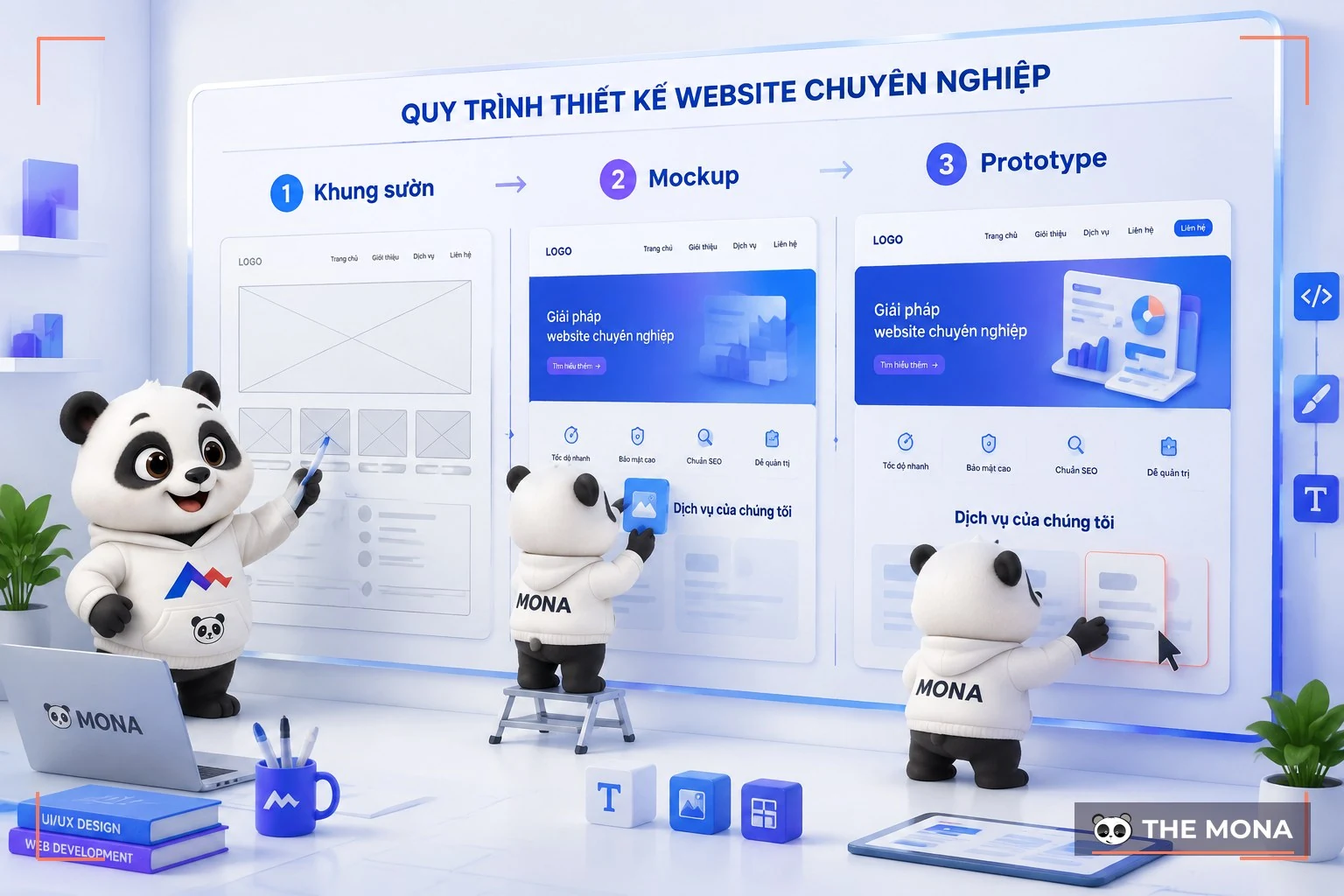
A mockup is a design simulation of the website interface, close to the real product, made before programming.
You can preview the layout, colors, images, buttons and how customers see the brand.
Many businesses invest in a website but only see a few rough sketches.
When programming is finished, they find the sales page has no room for key information. Customers struggle to find products, or the internal team disagrees with how things are presented.
This feeling is familiar to businesses that built websites by writing code and tweaking the interface at the same time.
The money spent on design should create a clear basis before the build stage starts.
MONA uses a mockup as a preview so you can approve the direction of the interface.
We usually start from business goals and customer groups. Then we turn them into a layout for each page before passing to programming.
For example, for a 30-branch retail chain, a mockup helps the project team define the product introduction area, store finder, promotions and contact form.
You can give feedback right on the design instead of waiting until the website is finished.
A wireframe is a simple frame, like a floor plan showing where the rooms are in a house.
It decides which content goes where. But it does not yet show the visual feel.
A mockup adds color, images, typography and brand style.
A prototype goes further by simulating interaction. It lets you test how users move from one page to another.
In projects such as designing a website with JavaScript, telling these three stages apart helps the business avoid big rework once programming has started.
Nielsen Norman Group's research on interface usability also stresses that early testing helps find problems before the product is finished.
You can read more about user experience principles at Nielsen Norman Group.
At MONA, we take a mockup through steps of goal review, interface design, feedback and refinement before any code is written.
This approach reduces constant changes once the project is deep in progress.
We have taken over older systems that had to be redone because the original interface did not take real data into account.
For projects such as recommends the website design, seeing the interface beforehand helps you understand which goals the investment serves.
MONA has completed more than 14,000 projects.
Through taking over many systems, we often meet problems such as a layout that does not fit the sales process, data that is hard to manage, or an interface that does not match operating needs.
In every project, we treat the mockup as the step where both sides understand the product before building starts.
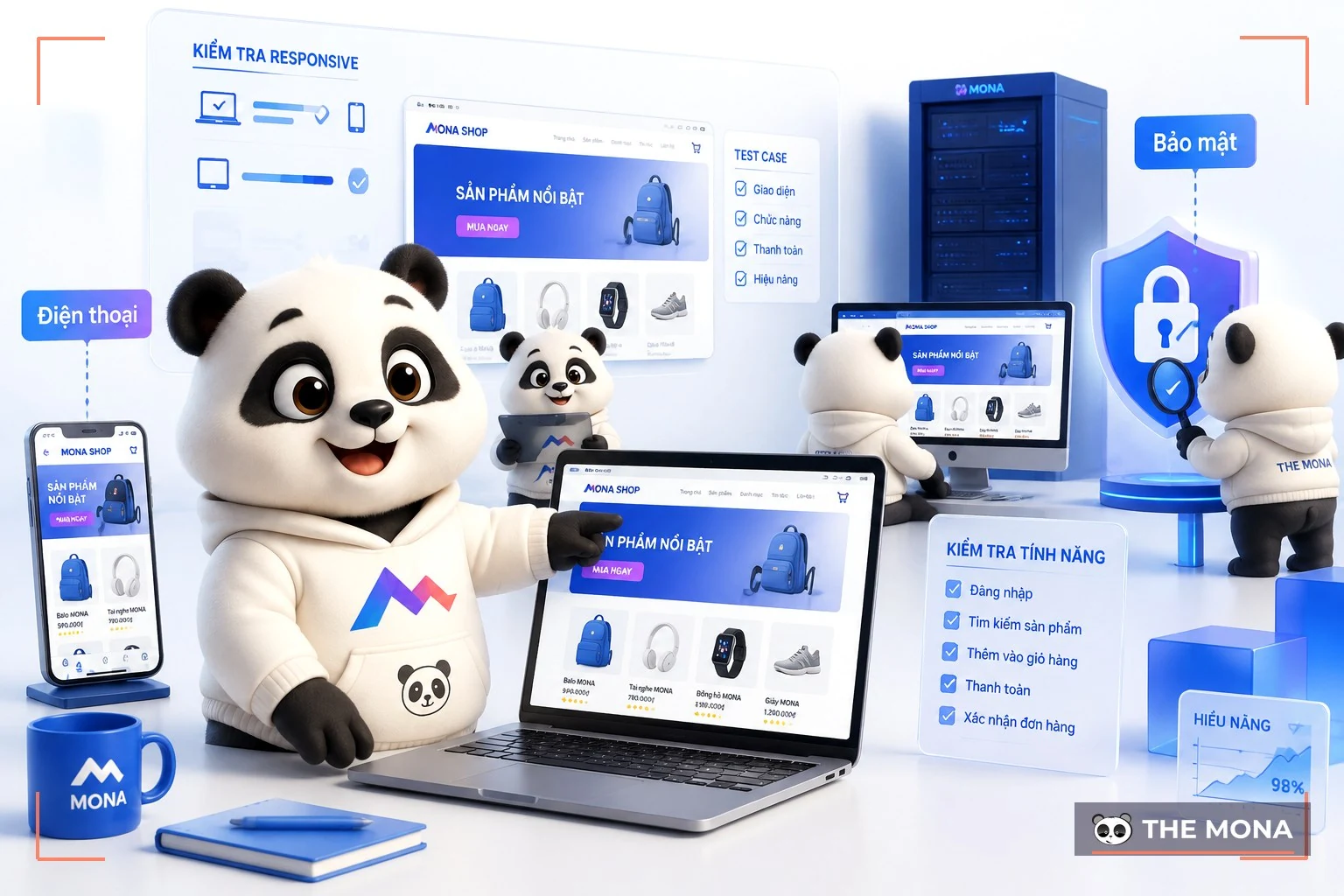
The cost of fixing a website often jumps when the business only sees the result after programming is done. Imagine a sales system that is running fine.
Then the business has to change the interface, change how orders are placed and adjust the data. The cause is that the first version was never pictured clearly.
For chains with many points of sale, every fix pulls in several departments. Sales staff have to relearn how to use it. Operations has to change its process.
Customers can also face disruption when the new website replaces the old system.
We often use mockups so you can see the interface structure ahead of time. You also see where functions sit and how users move through each step.
This is why, when learning what a mockup is, many businesses care about how it reduces errors before real building.
A 30-branch retail chain once needed to replace its sales website. The new system also had to connect with its existing management platform.
When we took over, we saw that many old pages had features added in stages. So the display between areas was inconsistent.
In review sessions, the MONA team built a simulation so the business could preview each area.
For example the product page, the cart and the order management area.
One meeting was held right next to the operations area. The staff who handle orders every day were there, so the sticking points were found early.
Because they saw the product first, the business had a basis to agree on requirements across departments. Change costs were better controlled.
Moving to the new version also reduced the risk of disrupting sales.
In a large project, a mockup is not just about looks. We use it to connect the interface design with the website platform, the app and the infrastructure behind them.
For a cosmetics e-commerce marketplace, the simulation lets the business preview how customers find products, get advice and complete an order.
After that, MONA goes deeper into building the data, page speed and the ability to handle high traffic.
You can also read more about how MONA delivers standards-compliant HTML5/CSS3 website design or designing a website with hand-written code or a CMS to better understand technical choices for each need.
The trap we have seen when taking back an old system is that the business had invested for months. Yet it had skipped the step of seeing the product first.
A small change in the interface can force changes to the data and the features. Then the business has to recheck the whole process.
We have taken over many systems with complicated legacy data. The first job is to review the current structure.
Then we decide what to keep and what to adjust.
MONA has been developing software since 2016. We usually start by understanding how the business really operates.
That way, the mockup becomes a step that lowers your risk before you spend more on the real build.
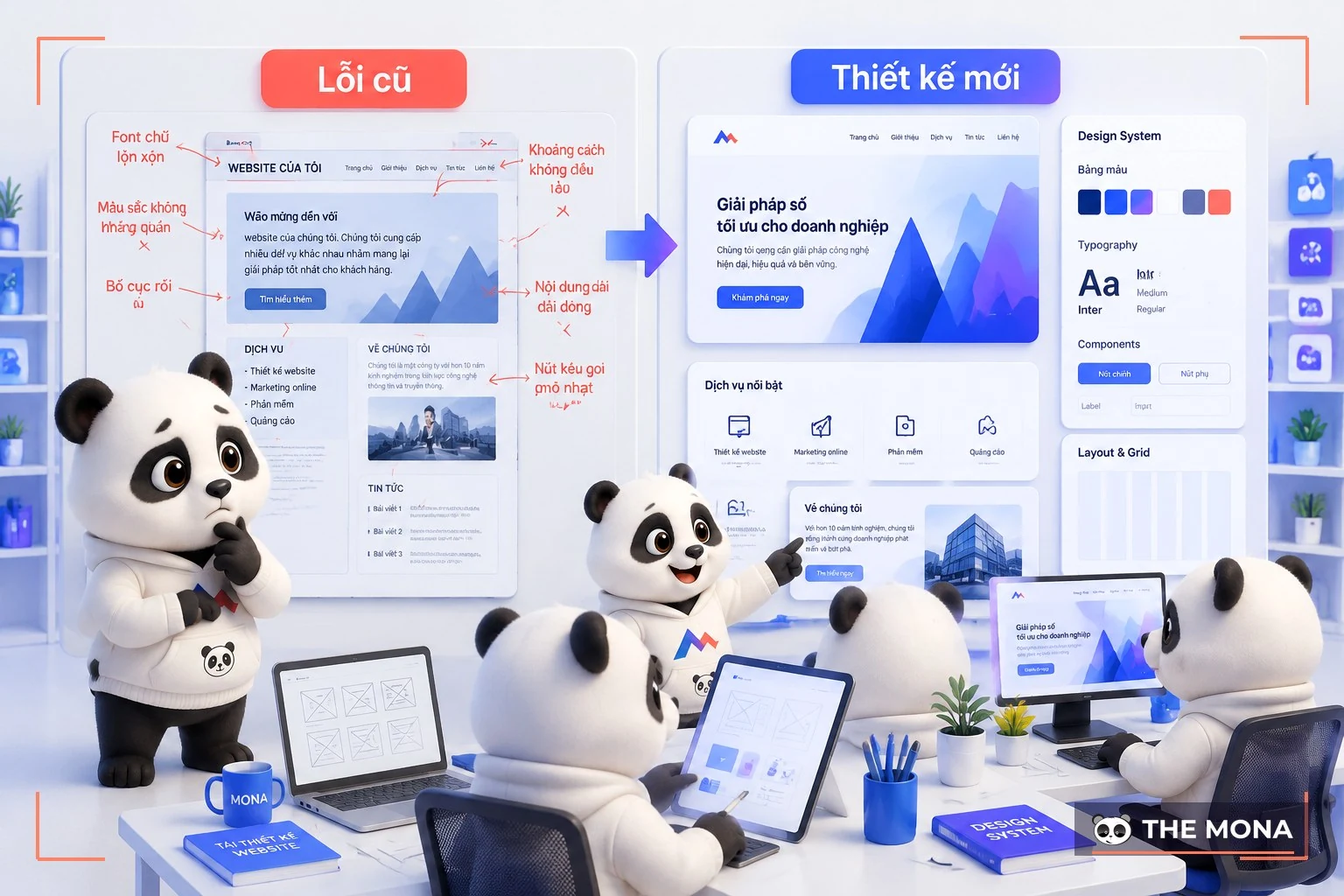
Many businesses make mockups themselves to save time at the start. But this is hard to keep stable as the website grows. An interface that looks good on screen may not survive thousands of products.
It may also not suit many customer groups. The operating process behind it can run into many problems.
Picture a marketing team spending weeks adjusting every button, color and layout. When it moves to the real build, the development team has to change a lot.
The reason is that the interface did not account for data, loading speed and how staff use it every day.
The hard part is usually not making the mockup yourself. It is that the maker must see the whole operating picture of the website.
We have met systems whose visuals were polished carefully. When we took over, we had to check every detail to avoid errors when scaling up.
A good mockup should describe how the website works once it has real data. For example, a sales page is not just nice product photos.
It also has to handle thousands of product codes, filters, stock and purchase history.
A 30-branch retail chain can be in trouble if its interface was designed around only a few sample products.
When staff update information in bulk, the screens run into many situations nobody planned for.
MONA often uses mockups in business website design projects to check each usage flow with the client before programming.
This approach limits the back-and-forth of fixes once the system is up and running.

Some mockups are made with many eye-catching effects. But they do not consider technical limits.
Once it moves to programming, the business may have to drop some details. Revision time can also grow.
For projects such as designing a website with hand-written code or a CMS, we usually think about how to build it from the start.
That way, the interface matches what you want and also fits what can be operated.
MONA has delivered more than 14,000 projects since 2016. We understand that a mockup is not just a preview.
It is the step that lets you see the product clearly before putting in most of the development cost.
When a mockup is made with a technical view, the business cuts revision time. The website also gets a better base to grow on later.
You can read more about standards-compliant HTML5/CSS3 website design to understand how the interface connects with the technical side.
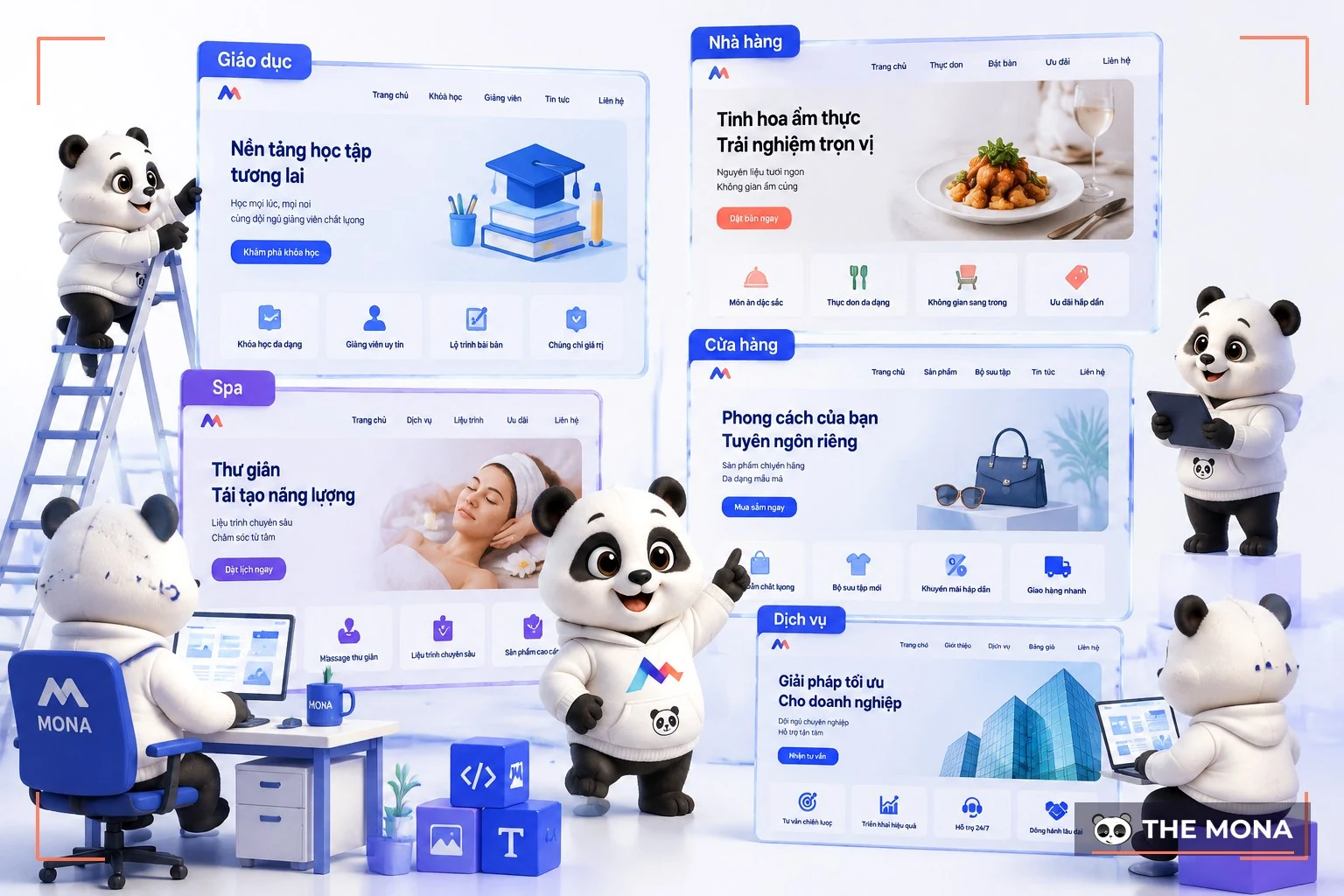
Each industry operates in its own way. So a website or software interface needs to be tested before code is written.
A mockup lets you see the layout, the operation flow and how customers interact before the project is developed.
Many businesses struggle when they pick a ready-made template and tweak it bit by bit. A school managing student information needs something different from a restaurant chain that must take orders fast.
If the interface check is skipped, change costs usually rise once the system is built. This also affects operations afterwards.

In education, the users include students, parents, teachers and management. Each group needs to view information differently.
The needs can run from course registration to tracking study results. All of it has to be clear on the interface.
We have met education projects that needed the interface rearranged. The reason was that the first template did not reflect how the center really operates.
For products such as learning management systems, MONA often uses mockups to agree on screens before building.
You can also see how we deliver preschool website design to see that each area of education has different interface needs.
F&B, spa and retail chains usually have many customer touchpoints. A booking button, a menu view, a product choice or a payment all need a sensible layout.
This should be checked before programming. A 30-branch retail chain may need its own interface for managing products, orders and customer data.
A cosmetics e-commerce marketplace needs a different way of presenting products. Staff also need more convenient ways to update data.
We use mockups in projects like these to find unreasonable points early. This helps the business cut interface rework after development.
MONA has delivered many software and website projects since 2016. When we take over a system, we usually start by learning how the business currently operates.
We review the processing flow, the bottlenecks and the real needs of each department. This helps decide what to adjust before building further.
You can also look at designing a website with hand-written code or a CMS to understand how to choose the right option before you start building.
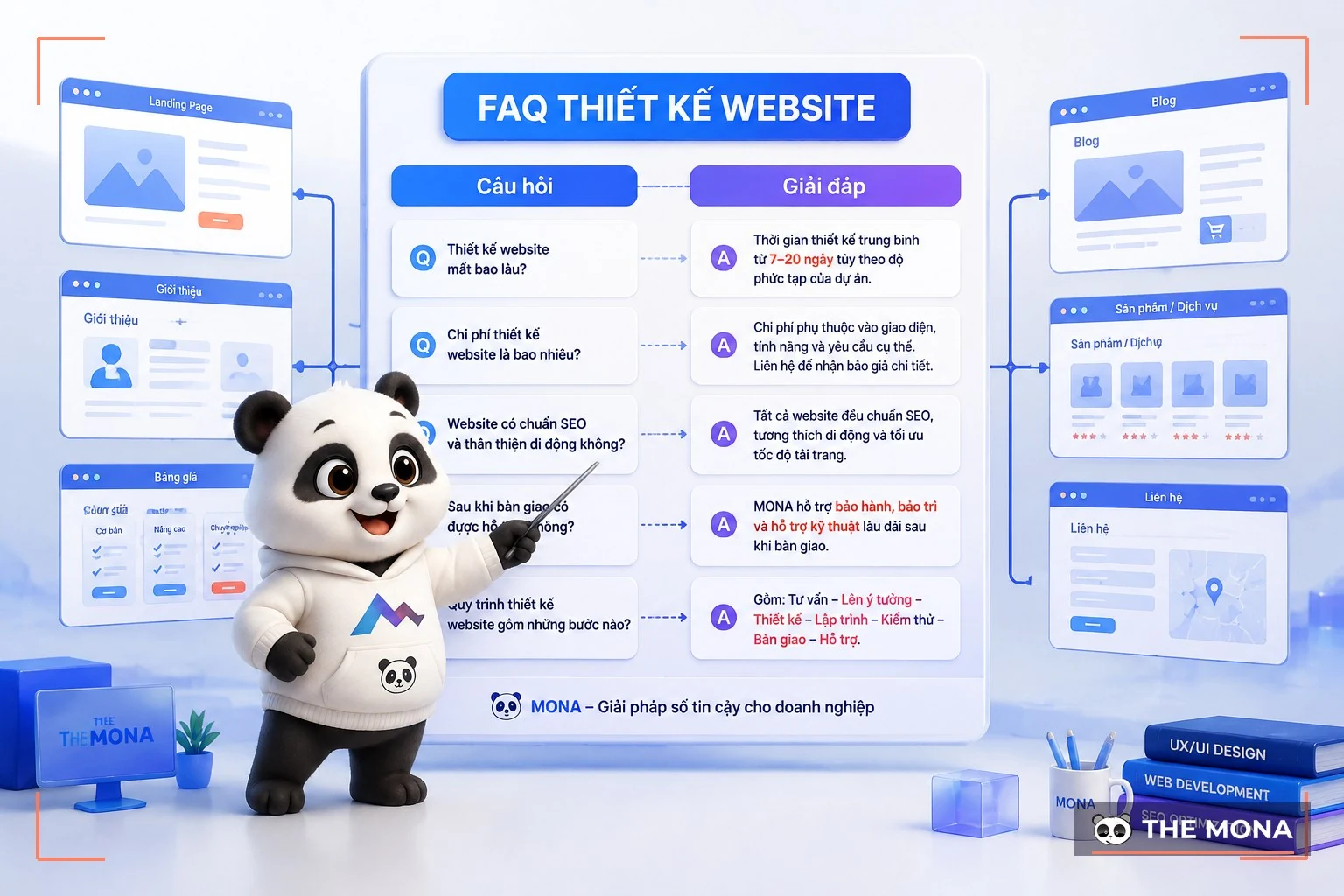
Many business owners struggle to judge a website quote. The reason is they cannot see each step that produces the final product. A nice interface, a technical design and a working system are three different things.
Without knowing what a mockup is, you may compare costs by page count or interface colors alone. We have taken over projects where the interface was already done. But the usage structure did not fit. This forced the business to revise many times before going live.
A mockup is an interface simulation with visuals close to the real product. It lets you preview the layout, colors, content positions and how customers see the website before programming.
A mockup and a prototype serve two different purposes. A mockup focuses on how the website or app will look. A prototype simulates how users click, move between pages and use features.
For example, for a cosmetics e-commerce marketplace, we can use a mockup to settle the product page, cart and promotion area. A prototype helps check whether the buying flow is easy to follow before the developers write the software.
This approach lets the business see problems sooner. We have applied an interface approval process before development in many projects. These include websites that need a separate structure for each customer group.
You can also read more about how MONA delivers recommends the website design. This content helps you understand how needs are analyzed before work starts.
For a business that is scaling up, approving the mockup before programming cuts down on time-consuming revisions. A 30-branch retail chain needs to be sure that staff and customers both understand how to use the website before the system goes live.
The trap we often meet when taking over an old system is that the interface was built fast but lacks consistency. Then fixing it after programming is usually more complicated. Giving feedback directly on the design is much easier to control.
MONA delivers software and websites through many real projects. You can also look at the projects standards-compliant HTML5/CSS3 website design. This content helps you picture how an interface is prepared before building.
Understanding the process correctly lets you judge a quote more fairly. A mockup is not just an illustration. It is the step where both sides agree on the product before development cost is committed.
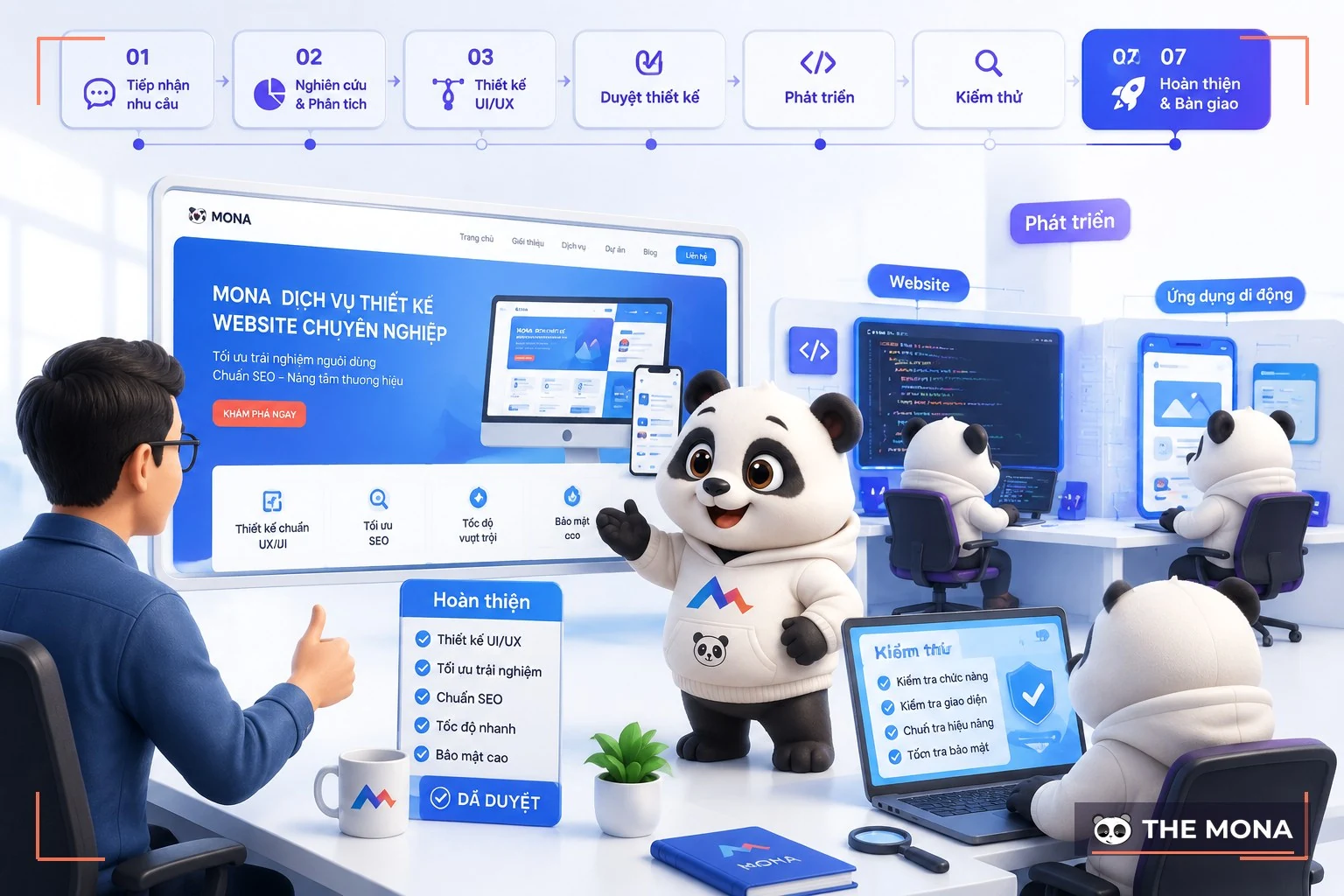
A business needs a clear interface approval process before spending budget on a digital product. A beautiful design is not enough if the sales team, operations and customers are not looking at the same goal.
You can start by checking three simple things. Who approves the interface? What are the approval criteria? Will changes after programming affect operations that are already running?
We often meet businesses with a website that is many years old. The interface has been edited piece by piece over time.
Each department added its own idea. By the end, customers struggle to find information. Internal staff also have trouble managing it.
A 30-branch retail chain may need an interface that lets customers browse products quickly. The operations team needs a clear order management area.
When a sample is approved first, these mismatches are seen early. The business does not have to wait until programming is done to find them.
That is also why MONA puts an interface approval step into its real projects. We use a visual design so you can preview the page structure.
You can picture how customers will use it. The departments also see clearly how the system will be used before it is built.
For a cosmetics e-commerce marketplace, checking ahead helps the project team agree on how products are displayed. The buying flow and the customer care area are also made clear.
Adjustments at this stage are usually lighter. Change costs are also easier to control than when the software is already finished.
Across more than 14,000 projects, MONA has seen that many risks come from starting to build when the goal is not clear.
We also often take over systems that need to be redone. The reason is that the first interface was not tied to how the business operates.
When we take over, we review the page structure again. We check how users operate it and where they get stuck.
Then the team proposes adjustments that fit real operations. This helps the business see the problem clearly before investing further.
You can see more about how MONA delivers recommends the website design or look at the projects designing a website with hand-written code or a CMS to picture the right direction.
When you understand what a mockup is and place it in the right process, your investment in a website or app has a clearer basis.
We can work with you from the interface check through to developing website design and designing an app around how your business really operates.
bash -lc echo okEvery round of interface revisions after programming can cost you more time, more staff effort and money that should have gone into growth. Many business owners have tried to gather opinions through internal chat groups, image files and meetings to reach agreement.
This usually becomes hard to control when everyone sees something different and mistakes only show up after the build is done. We understand that you need a clear view before spending on programming and launching a digital product.
MONA runs the interface approval step first, so you can see the layout, content and how customers will use it before any code is written. You can send us your request and we will review a website design or app design direction that fits your business goals.
A first conversation alone can help you avoid repeating costly revision rounds. Call MONA at 1900 636 648 to get started.

CEO & Founder · The MONA
The founder of The MONA built a service company of 60+ staff with 14,000+ projects delivered. Khánh Hùng shares his thinking on building self-running systems, automating a business, and the real lessons behind MONA's projects.
 335




Professional website
design services
Own a website with a beautiful, 100% exclusive design and a lifetime warranty, with the ability
to expand features flexibly as your business grows, starting today!






 MONA will never sell your information or send you spam


 MONA will never sell your information or send you spam
