
 MONA OS 2.0
 Partner with MONA


 Tự động hoá doanh nghiệp
 Cẩm nang SEO
 Digital Marketing
 Kinh nghiệm thiết kế website
 Hạ Tầng Server
 Giáo dục


 VI
 EN













Message us on
Zalo Official


 ProductsNew

 ProductsProducts
 Mới ra mắtKHA AI 2027App tự edit video, tự đăng mọi mạng xã hội, 2 phút mỗi ngày










 Website designLooks good and wins customers over.
SEO servicesBrings in customers searching for exactly what you sell.
 Tư vấn digital marketingKéo khách từ nhiều kênh, đo bằng số thật.
Corporate video productionVideos introducing your company, factory and team.
 NewAI video productionCompany story films made with AI.
 Custom software developmentCRM, ERP and HRM built for your business.
 Viết AI Agent theo yêu cầuĐặt riêng một trợ lý AI cho đúng việc của mình.
 Tư vấn chuyển đổi AIĐưa AI vào vận hành của cả công ty.
NewMONA LMSManagement for centers and schools.
MONA SkillHubInternal training for company staff.
 NHTQ systemEnd-to-end China–Vietnam shipping operations.
MONA JMSManagement for gold, diamond and pawn shops.
 MONA E-LearningA website with every feature you need to sell courses.
 How to sell online courses (course)More than 30 free lessons on selling courses on autopilot.
 MONA Cloudmonacloud.vnServers to get your apps and websites running.
 MONA Basemonabase.vnPostgres database, sign-in and file storage.
 MONA Mailmonamail.vnSend OTP, order and invoice emails from your software.
 MONA Paymonapay.vnAccept bank transfers via VietQR and notify your software when the money arrives.
 MONA eInvoiceComing soonIssue e-invoices that meet tax standards.
Gấu CườiTrả lời khách 24/7 trên web, Fanpage, Zalo và thu lead cho sale.
 Gấu TeleSalesGọi điện tư vấn, chăm khách như tổng đài viên thật.
Dê CườiTư vấn và chốt đơn cho shop ngay trong khung chat.
Gấu WebmasterNhắn nhóm Zalo là website được sửa xong.
 Gấu Pháp ChếSoạn hợp đồng, rà điều khoản trong vài phút.
 Gấu Báo GiáLên báo giá đúng mẫu và gửi khách ngay.
 AI chăm sóc khách hàngTheo dõi và giữ chân khách hàng cũ.
 Gấu Tuyển DụngLọc hồ sơ, hẹn lịch, phỏng vấn ứng viên.
 Mới ra mắt
KHA AI 2027
Xây kênh chuyên gia 2 phút mỗi ngày
Quay bằng điện thoại, AI tự edit video, tự đăng lên 16 nền tảng và tự trả lời bình luận, tin nhắn.
853.713lượt xem trên kênh CEO MONA sau 29 ngày
 Anh Khánh HùngCEO MONA đang dùng mỗi ngày
Xem app làm được gì
 AI
Gấu Cười MONA ĐANG TỰ XÀITrả lời khách 24/7 trên website, Zalo OA, Messenger và thu lead về cho sale.
Dê CườiChốt đơn bán lẻ và sàn: Shopee, TikTok Shop, web. Chăm cả khách sỉ, đại lý.
Gấu WebmasterCập nhật nội dung, tối ưu SEO website mỗi ngày.
Gấu TeleSalesGọi điện tư vấn, chăm khách như tổng đài viên thật.
Gấu Tuyển DụngLọc hồ sơ, hẹn lịch, phỏng vấn ứng viên tự động.
AI chăm sóc khách hàngGiữ khách cũ, cứu lead đã rớt cho phòng kinh doanh.
Gấu Pháp ChếSoạn hợp đồng, rà điều khoản trong vài phút.
Gấu Báo GiáLên báo giá đúng mẫu, gửi khách ngay khi có yêu cầu.
 Chuyển đổi AI toàn phầnGiải pháp tổng cho doanh nghiệp, 3 lớp triển khai.
 Viết AI Agent theo yêu cầuĐặt riêng một con AI gánh đúng nghiệp vụ của bạn.
 Custom softwareCRM, ERP and HRM with built-in AI automation.
 SEO & AEO thời đại AIĐược Google lẫn AI trích dẫn, không chỉ xếp hạng.
 Kiến thức AI cho doanh nghiệpBài phân tích, hướng dẫn ứng dụng AI vào vận hành.
 Free AI courses
 AI tools at work
App mới · KHA AI 2027
Xây kênh 2 phút mỗi ngày
AI tự edit video, tự đăng mọi mạng xã hội
Free consultation, 8am–10pm every day

18 March, 2023
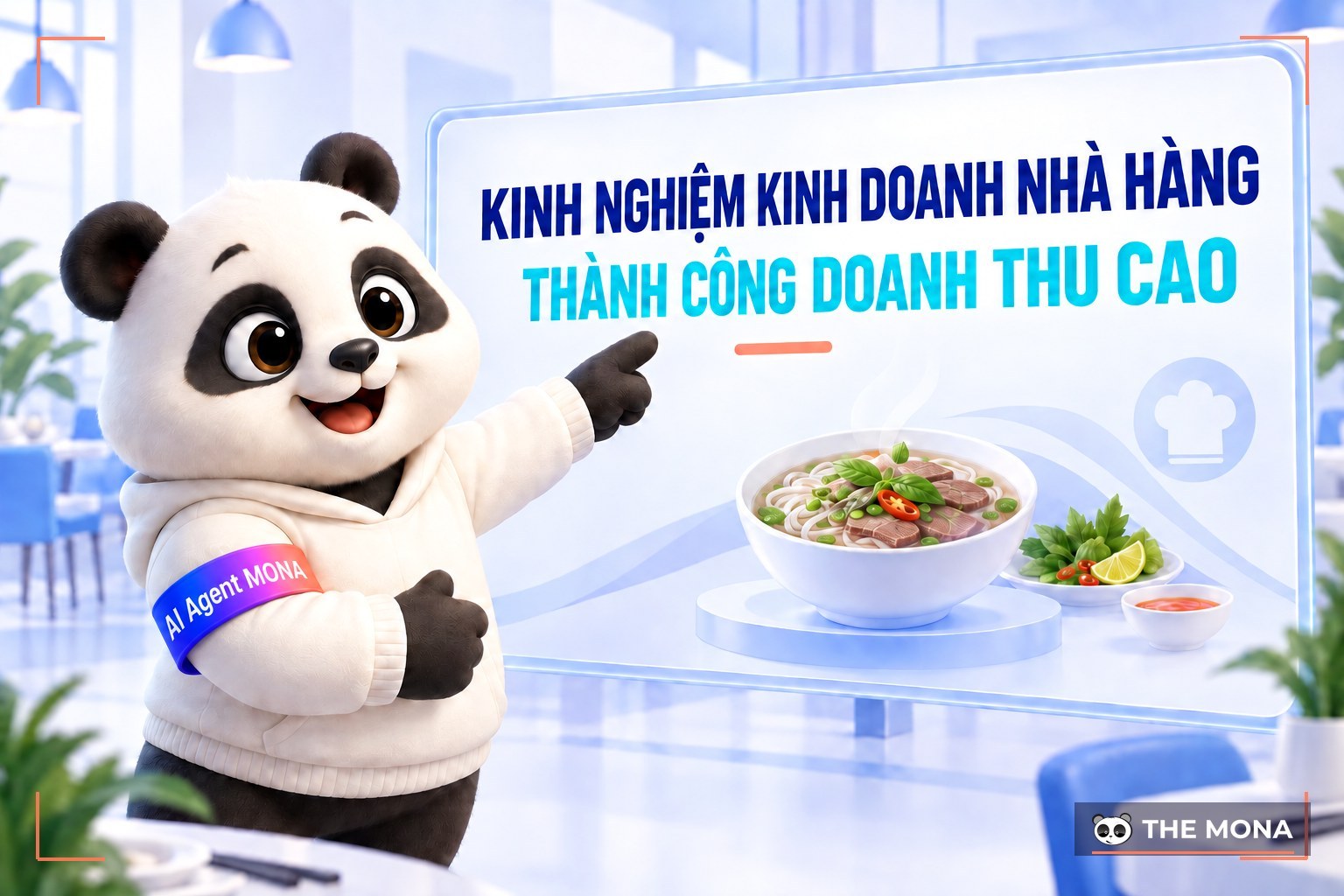
In reality, a restaurant's success depends not only on the chef's cooking skills but also on a careful mix of management, marketing and customer service. To reach high revenue and win diners' trust, every restaurant owner needs valuable experience and smart strategies. So in today's article, MONA Media will share valuable secrets and experience in running a successful restaurant, to help your restaurant shine in the food business.
Running a restaurant is considered a field that demands a strong focus on service and product quality. To succeed, you need to understand these basic characteristics:
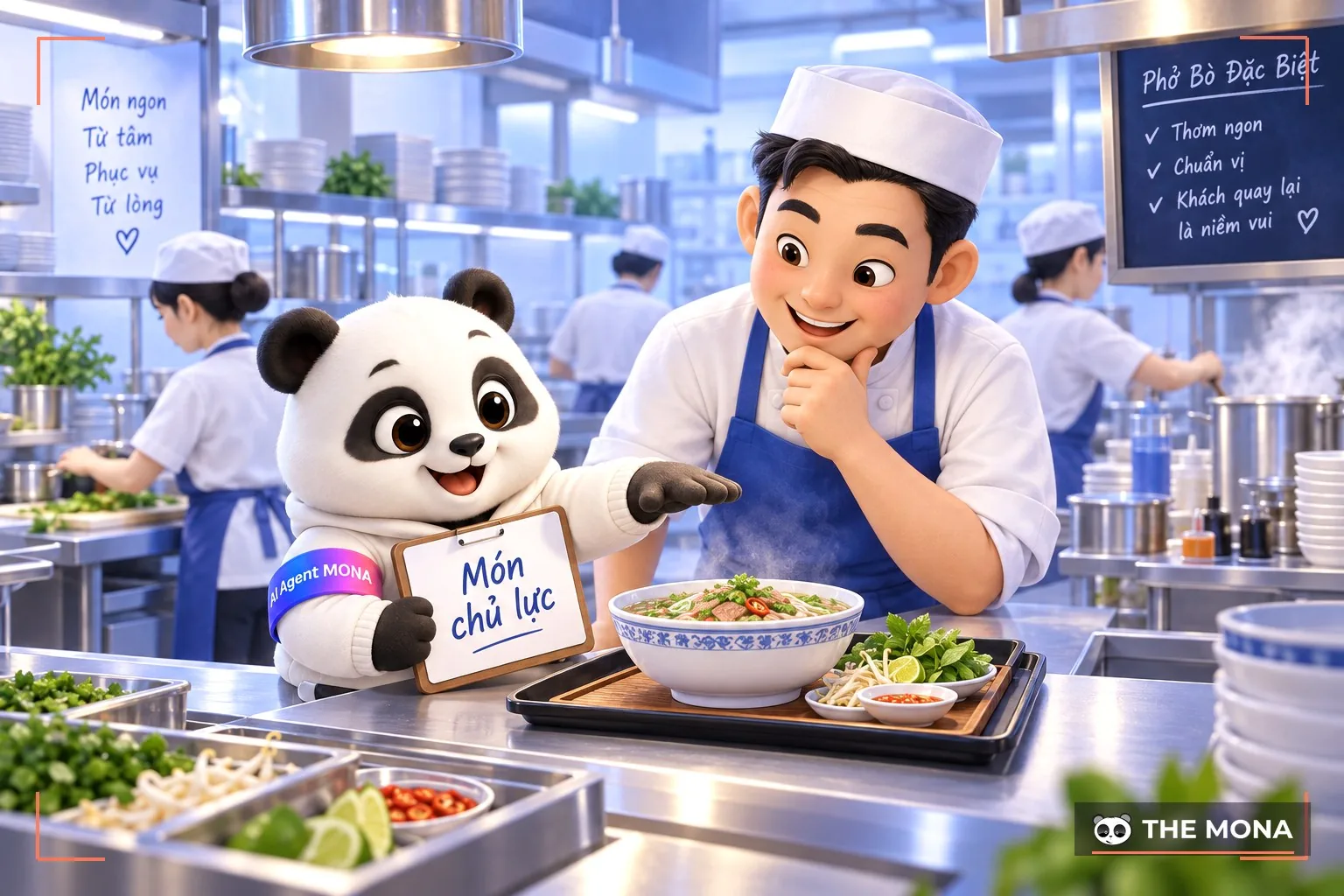
The restaurant's main products are dishes and drinks, usually prepared fresh every day. Unlike other types of business, a restaurant's product cannot be stored or kept for long, and must arrive fresh and appealing in the customer's hands. Customers can usually only feel the full value of a dish through the real experience of enjoying it at the restaurant.
Restaurant staff are in direct contact with customers. Although they hold different roles such as waiter, chef and manager, every position requires strong professional skills and a professional service attitude. Waiters in particular need good communication skills and knowledge of the food and drinks so they can advise customers effectively. Professional, friendly staff are an important factor in customer satisfaction.
A restaurant's customers are usually very varied, from food lovers to people looking for a cozy, elegant space for meetings and gatherings. Each type of customer has their own needs and tastes, so restaurant staff need to be attentive and flexible in how they serve, making sure every customer feels satisfied and has a great experience.
The service environment of a restaurant is not just the physical space but also the atmosphere and feeling the restaurant gives customers. Small restaurants usually feel close and comfortable, while large, upscale ones require professionalism and refinement in every detail, from layout, lighting and music to service attitude. A good service environment helps customers feel comfortable, relaxed and want to come back.
Running a restaurant is a challenging but very appealing field. To succeed, you can hardly skip the valuable restaurant business tips below:
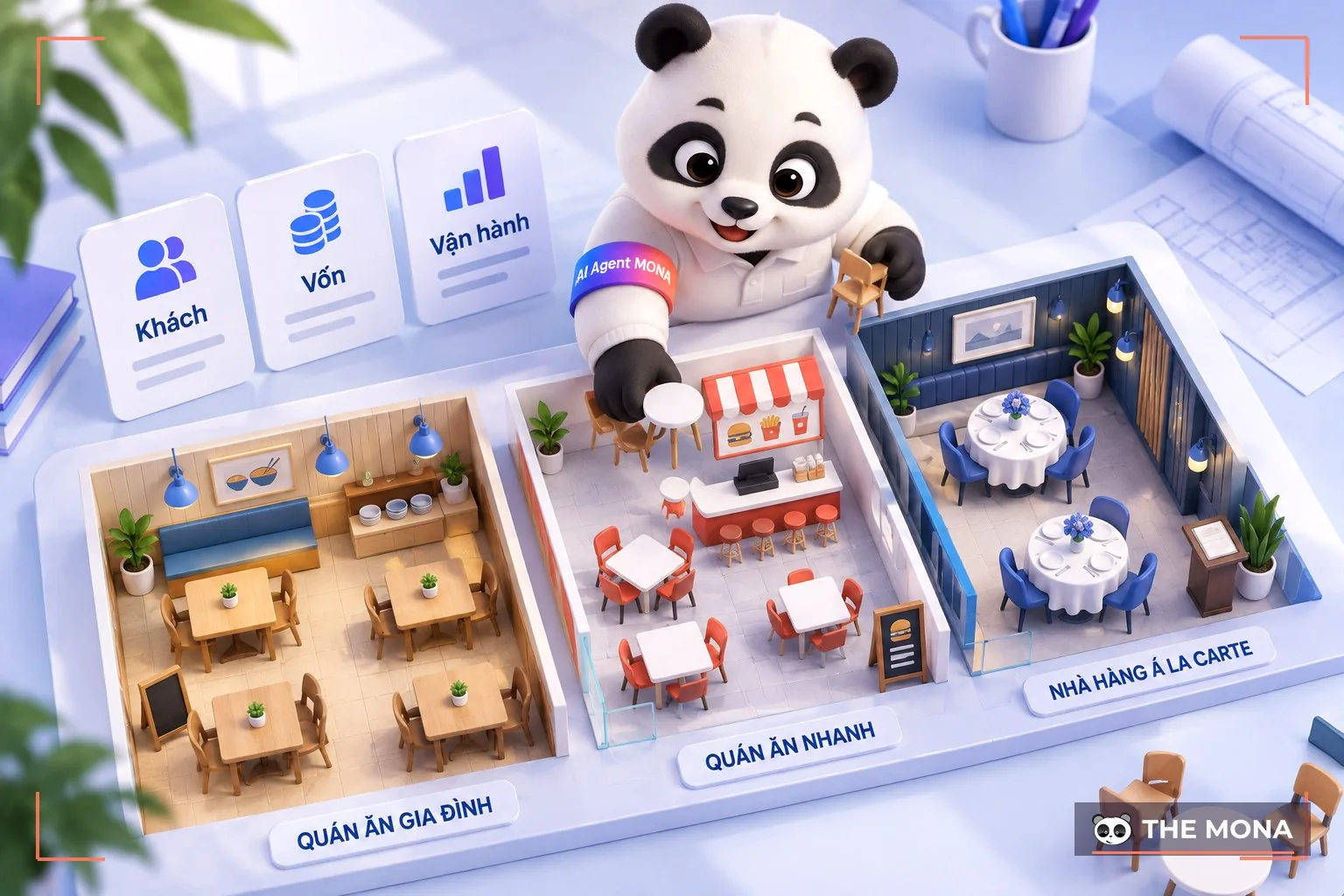
The business model is the deciding factor in your success. You can choose from many models, such as upscale restaurants, mid-range restaurants, fast food, buffets or wedding banquet restaurants and more. Defining your style from the start helps you build a detailed plan and attract the right customers.
In addition, being creative with unique dining ideas is also a way to impress customers. For example, you could open a restaurant specializing in regional cuisine, or combine it with a book cafe model to stand out.
After choosing a business model, the next of the steps to open a restaurant is market research. This helps you understand your target customers' needs better, so you can build an effective business strategy.
Accordingly, here are some questions you should not skip:
You also need to study your competitors, both direct and indirect, so you can come up with an effective competitive strategy. At the same time, segmenting the market by age, income, interests or dining style will help you build a specific customer profile.
Example: Your customers could be dynamic Millennials who love new things, or mature Gen X who prefer elegance.
-> Read more: Steps to carry out market research that works

Capital decides the scale and level of polish of your restaurant. You should draw up a budget of restaurant opening costs, including equipment, tables and chairs, interior design and, especially, premises rent. If you don't have enough capital, you can take a bank loan or look for investors. A convincing restaurant consulting plan will help you attract the interest of investment funds.
Renting premises is one of the steps to open a restaurant you cannot skip. You need to identify your target customers to choose a suitable location. Specifically, you can choose premises by defining the factors below:
To identify your target customers, you need to segment the market by age, income, interests or special factors such as nutrition-focused or vegetarian restaurants. For example:
Understanding each customer group helps you build a fitting business strategy that meets their needs and wishes.
-> See also: Steps to correctly identify your target customers
The rental location should be where many people gather, near residential areas and industrial zones, and on roads with convenient traffic. An ideal location helps you attract customers and keeps operations running smoothly.
If your main customers are office workers, open your restaurant near office areas. If they are students, choose a spot near schools or dormitories. You should also survey the surroundings to see how nearby shops are doing. Avoid opening in places with many strong competitors.
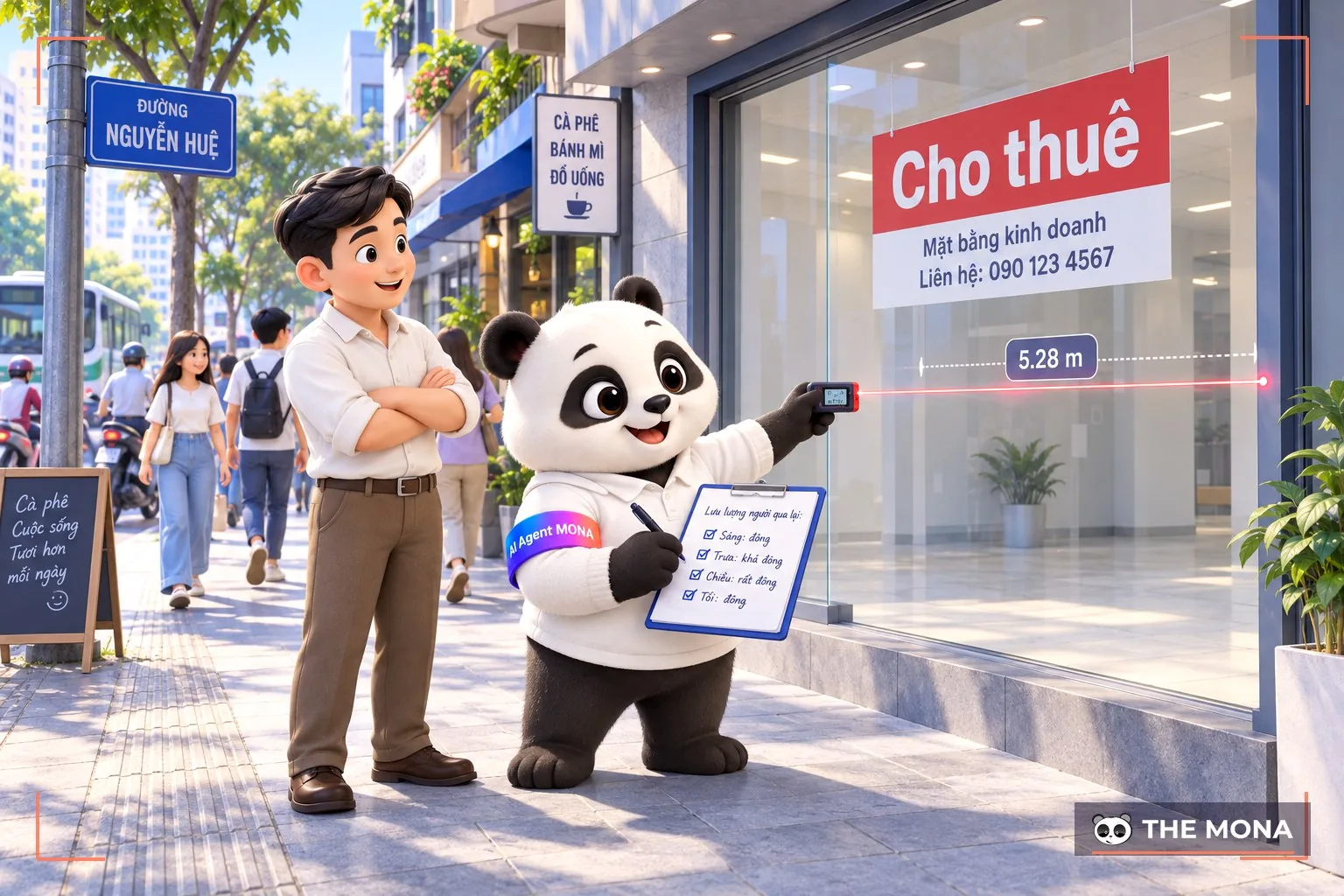
Besides location, the restaurant's area and space also matter a lot. The restaurant needs enough light, good airflow, and a decorated space that shows its own style. List the must-have requirements for the premises, such as parking, drainage, emergency exits and a separate entrance for the kitchen.
Rental cost is something you need to watch closely so it fits your budget. Setting a budget saves you time and effort in your search. Remember that “you get what you pay for”: good locations usually cost more, so think carefully before deciding.
A good relationship with the landlord is an important factor for peace of mind in your business. Choose a landlord with a stable job who is unlikely to compete with you. Make sure the lease terms are clearly agreed to avoid risks later.
The lease contract must be specific and detailed. It should state the lease term, how long the rent is fixed, and the compensation terms if you are asked to leave early. You should also ask the landlord to help with any procedures with the authorities when needed.
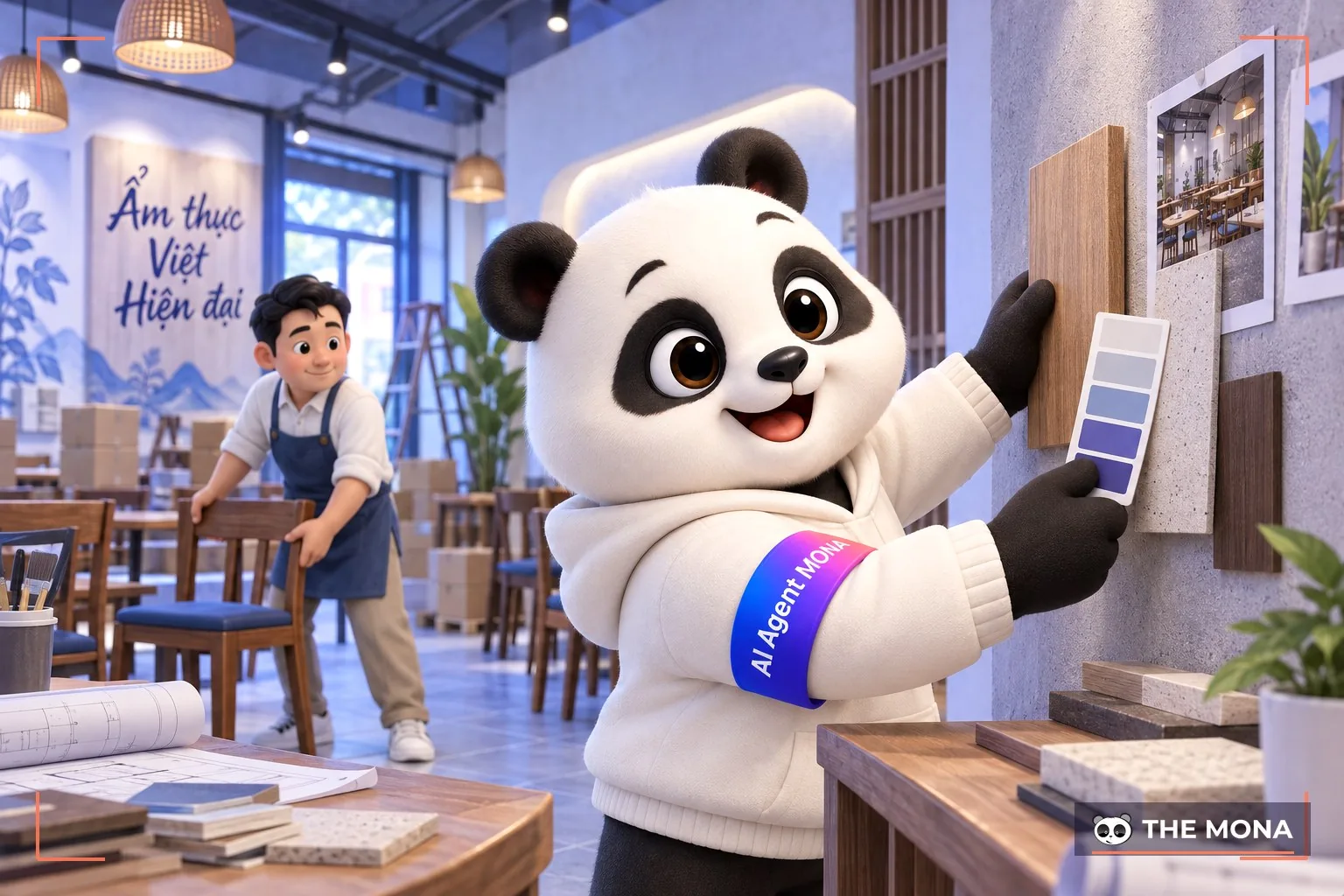
When planning a restaurant business, choosing a decor style plays a very important role. You need to decide the style and design standards first, so you can choose the space and buy the right furniture and items. A design style not only creates the first impression for customers but also reflects the restaurant's personality and brand values.
The restaurant's interior needs to match its overall style. Tables, chairs and decorations should be arranged sensibly to make customers feel comfortable and relaxed. Color and lighting need attention to make the food stand out and create a warm, appealing dining space.
For a restaurant to meet standards, you need to be fully equipped with facilities, including tables and chairs, lighting, electrical and plumbing systems, and kitchenware. Three areas need special attention: the reception area, the service area and the kitchen.
The reception area should have its own parking, an eye-catching sign and an airy layout. The service area is where you place dining tables, the payment counter and the drinks counter. You need to estimate the maximum number of guests to buy the right tables, chairs and other items.
The kitchen should be designed on the one-way kitchen principle to ensure food hygiene and safety. Drainage, grease filtration, odor removal and smoke exhaust systems also need to be installed carefully for safety and efficiency.
An important thing you cannot do without when running a restaurant is management software. Good software helps you manage reservations, serve customers quickly, reduce ordering mistakes and easily keep track of the business.
The NHAHANG.AI restaurant management software is one of the top choices, with many useful features. Researched and developed by the highly skilled team at MONA Software, this management software will not let you down!

In detail, with the Nhà Hàng AI software, management and service at your restaurant will be optimized, for example:
And there are plenty more all-in-one, convenient features waiting for you to explore. Please CONTACT US with MONA via Hotline 1900 636 648 for dedicated advice, and get the restaurant management software that fits you best, fast!
The menu matters for every restaurant. The secret to running a food business is balancing a menu that pleases guests while protecting your restaurant's margins. Keep these points in mind when building your menu:
Dish prices should reflect your ingredient costs and general market prices. As a rule, the selling price sits 30% to 35% above the total ingredient cost to cover cooking and service costs. Work the numbers carefully: not so low that you lose money, and not so high that guests feel it isn't worth it.
Portion control matters too. You need a sensible recipe with set quantities to avoid wasting ingredients and keep each dish appealing. Record the quantity of every ingredient you buy and use, so it is easy to manage and save costs.
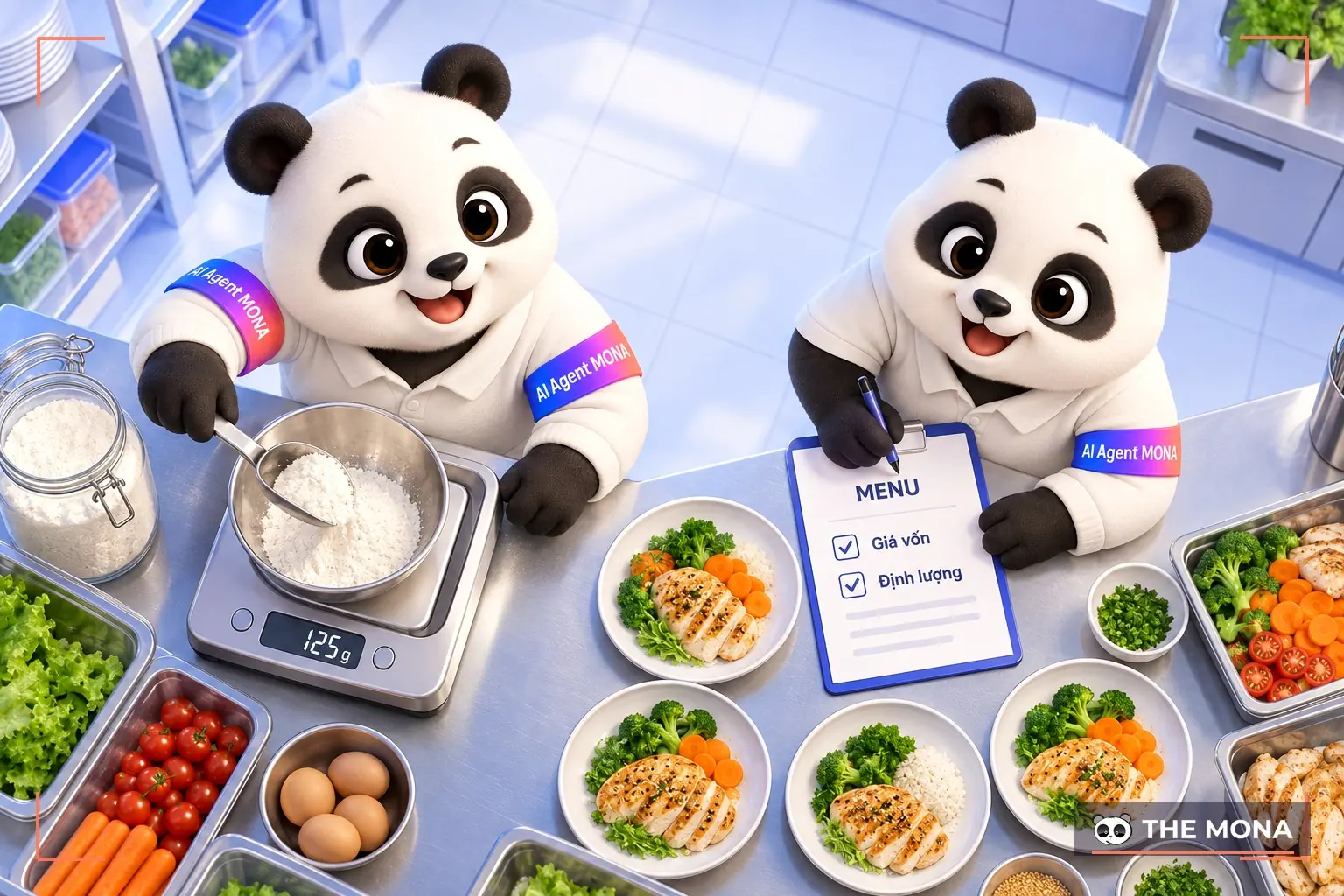
Your menu should be balanced across dish types so ingredients are always in stock and selling prices don't swing much when ingredient prices move. Plan for changes and adjust the menu when needed.
A carefully presented, well-organized menu with photos leaves a good impression on guests. Its style should match the overall style of the restaurant. Avoid hard-to-understand wording and list the main ingredients of each dish so guests can picture it easily.
-> You may also want to read: Restaurant menu food photography service that looks great and catches the eye
In the restaurant business, professional staff are key to success and lasting growth. Hire and train carefully so your people have the necessary skills and also fit the restaurant's culture and style. Specifically:
The restaurant manager plays the key role in running and maintaining daily operations. A good manager has restaurant experience, leadership skills and strong communication. They must be able to supervise and support staff and make sure every process runs smoothly and efficiently.
The manager also needs restaurant business knowledge, from inventory management and cost control to building a marketing strategy, so they can supervise daily work effectively.
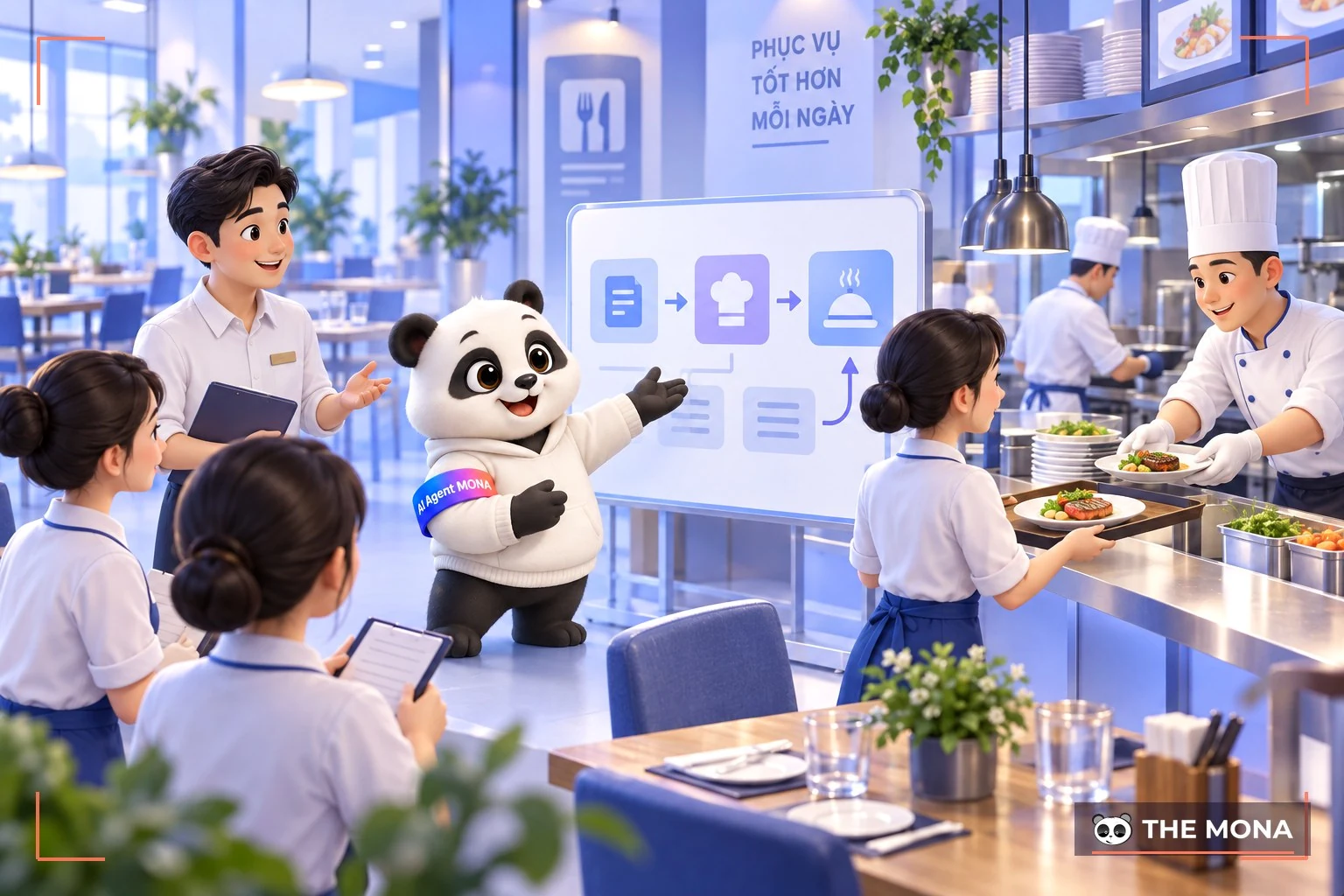
The head chef and chefs create the dishes directly and play a major part in determining the restaurant's service quality. The head chef needs creativity, deep culinary knowledge and the skills to manage the kitchen team. The other chefs and kitchen assistants need professional cooking skills, must follow food safety rules and work well with the head chef. They turn the head chef's ideas into reality and deliver tasty, appealing dishes.
Servers are the face of the restaurant, meeting guests directly and shaping their impression. They need good communication skills and a friendly, enthusiastic manner. Servers must know the menu well, be able to advise guests and handle unexpected situations professionally. Their dedication and attitude play a big part in keeping guests and building the restaurant's brand. To get there, train and guide your servers properly so they understand the philosophy and style the restaurant is aiming for.
Food safety is essential in the restaurant business. Follow food hygiene and safety rules to protect guests' health and maintain the restaurant's reputation. Food safety covers checking where ingredients come from, and how food is prepared and stored.
You also need to train staff on food safety rules, from washing hands properly and using cleaning tools to storing food. A safe, clean restaurant is always guests' first choice.
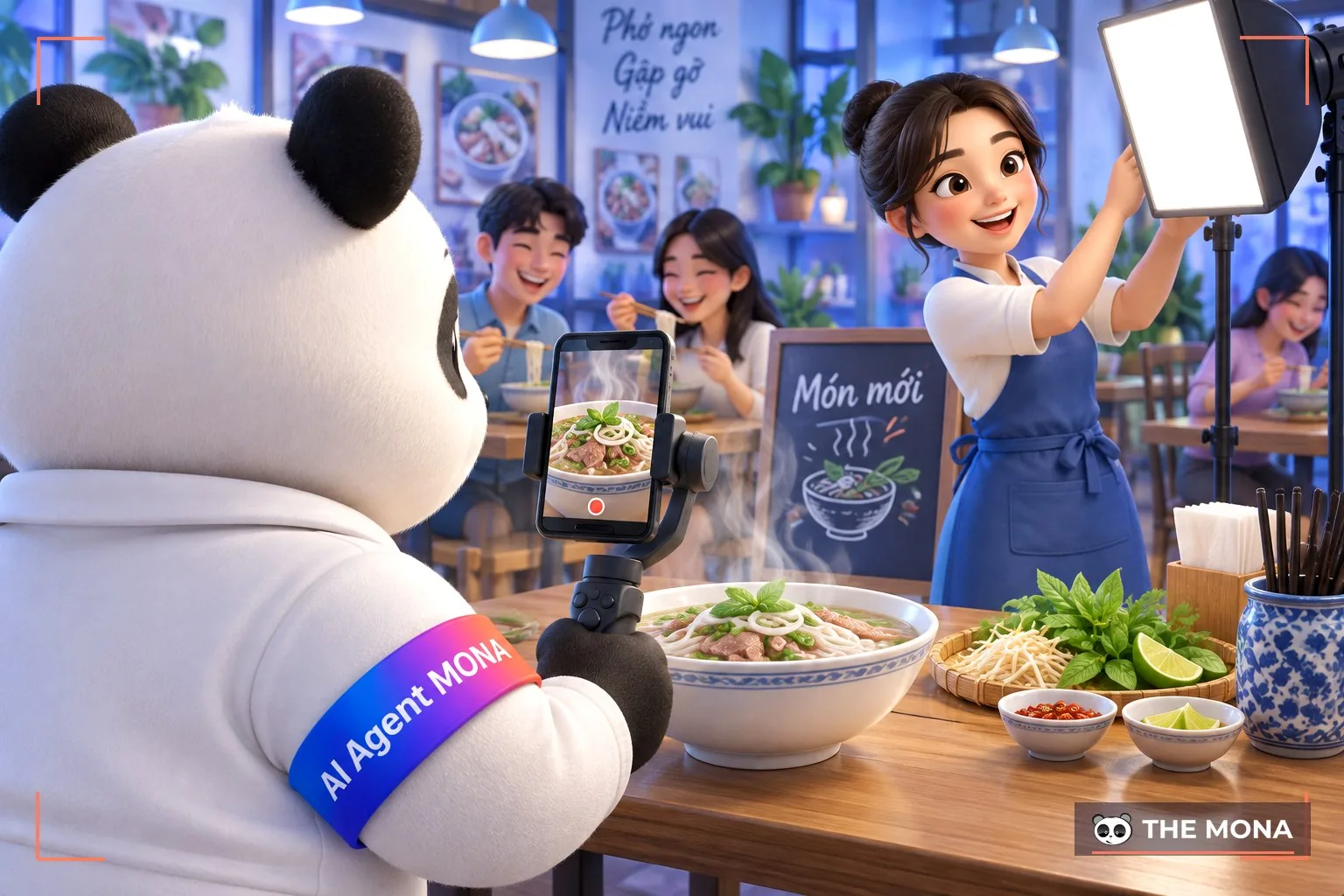
You need a clear marketing plan, from restaurant web design, advertising on media channels to opening events and promotions, and so on. Word-of-mouth marketing or social proof,… is also very effective for restaurants. Create great experiences for guests and they will happily recommend your restaurant to friends and family.
In addition, listing your restaurant in food directories and travel guides, and advertising in the media, also helps build brand awareness.
Before opening, getting a business license is mandatory. Two licenses need special attention: the business license and the food safety certificate. If your restaurant serves alcohol or certain other special products, you also need a specific license to sell them.
As MONA mentioned above, running a restaurant is not as easy as many people think, so owners often look for someone to advise them on opening one. With experience working with many large and small restaurant chains, MONA has put together some tips for opening a restaurant that you shouldn't skip:
If you choose a hot pot and grill restaurant, remember that your main customers will be office workers, students and young people. So pick a location in entertainment areas, shopping centers, or near universities and apartment buildings to reach more customers.
Hot pot and grilled dishes tend to attract customers, and they are also easy for the seller to prepare. However, getting the facilities right, such as custom tables with a built-in stove and smoke exhaust, is essential. A spacious layout is also a plus that impresses guests when they arrive.
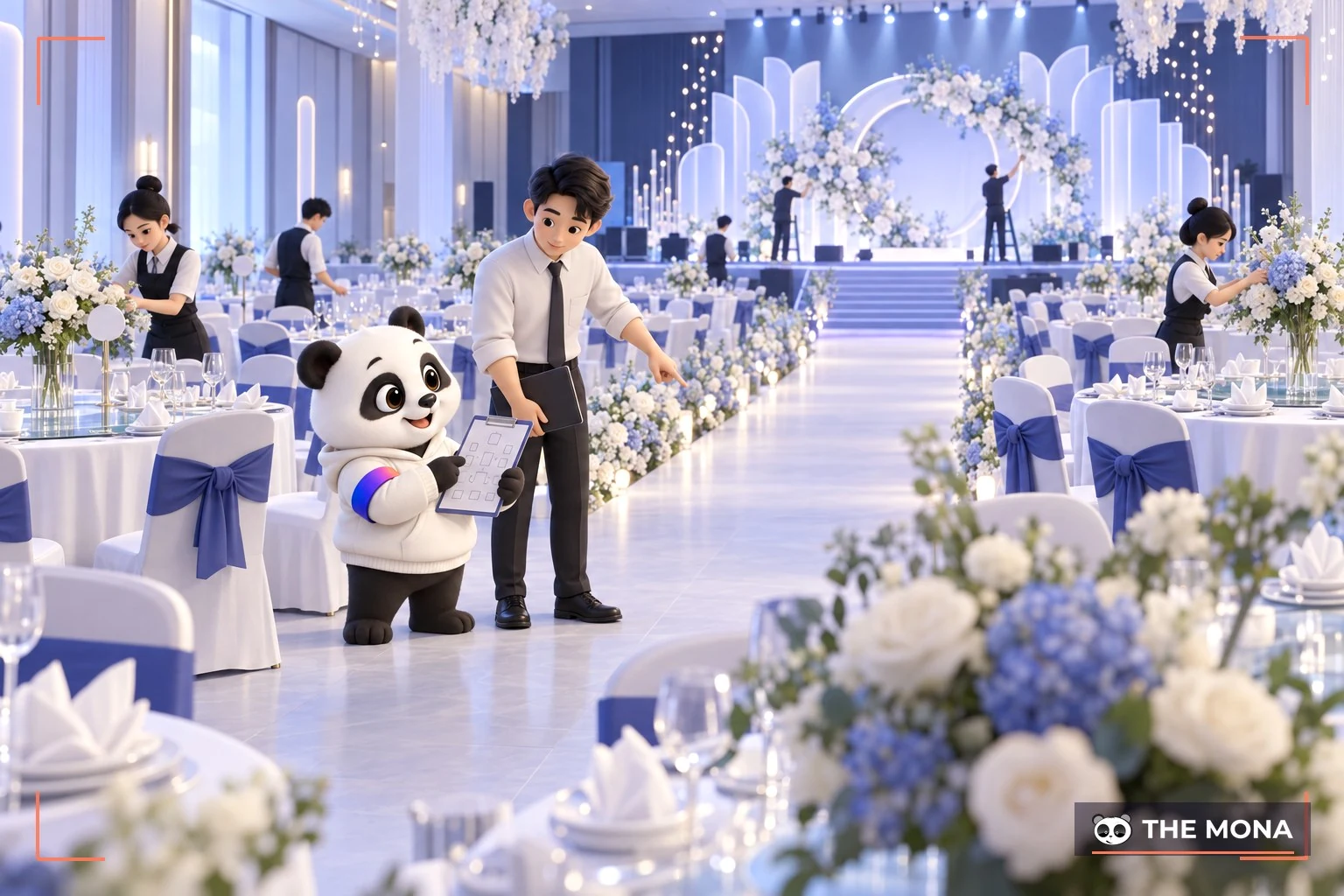
A wedding banquet restaurant is a business model that recovers capital easily and earns high profit, but it needs a large investment in premises, staff, decoration, ingredients and management knowledge. The venue must be large, the decoration elegant, the areas clearly divided and the staff tightly managed so everything runs smoothly. Deep management and operations knowledge is a must for a wedding banquet restaurant to run well.
Seafood restaurants come in several styles, such as seaside, casual, garden and buffet. A seafood restaurant needs an airy space, doesn't need elaborate decor, and only needs fresh, tasty food cooked to your guests' taste.
Pushing drink sales is also a valuable tip, because drinks usually earn higher profit than food. Find a quality drink supplier that suits your dishes.
Before opening a vegetarian restaurant, learn about vegetarian food culture, cooking methods and vegetarian trends. Vegetarian customers are usually well-off and well-educated with high incomes, so you can prioritize a natural, warm decor that feels close and welcoming.
In addition, fresh ingredients and professional chefs are important. Pay particular attention to feng shui and spiritual elements in the restaurant to create a peaceful, comfortable space for diners.
Running a buffet restaurant has become popular, with the appeal of eating comfortably and enjoying many different dishes. Buffet customers can be anyone. However, you need large capital to supply enough dishes for guests, with a minimum space of 300m2. Make sure the space is roomy and bright, and that there are enough tables and chairs for each group of guests. Although the initial investment is large, the profit from this model is usually very attractive.
As you can see, every step in the business is a brick in the solid foundation of your restaurant. Success in the restaurant business is not luck. It comes from careful preparation and your constant creativity. We hope today's article from MONA has given you more restaurant business experience, a clear view of what you need to open a restaurant and helps you run your restaurant successfully in the future.

CEO & Founder · The MONA
The founder of The MONA built a service company of 60+ staff with 14,000+ projects delivered. Khánh Hùng shares his thinking on building self-running systems, automating a business, and the real lessons behind MONA's projects.
 1,5K



Professional website
design services
Own a website with a beautiful, 100% exclusive design and a lifetime warranty, with the ability
to expand features flexibly as your business grows, starting today!






 MONA will never sell your information or send you spam


 MONA will never sell your information or send you spam
