
 MONA OS 2.0
 Partner with MONA


 Tự động hoá doanh nghiệp
 Cẩm nang SEO
 Digital Marketing
 Kinh nghiệm thiết kế website
 Hạ Tầng Server
 Giáo dục


 VI
 EN






Message us on
Zalo Official


 ProductsNew

 ProductsProducts
 Mới ra mắtKHA AI 2027App tự edit video, tự đăng mọi mạng xã hội, 2 phút mỗi ngày










 Website designLooks good and wins customers over.
SEO servicesBrings in customers searching for exactly what you sell.
 Tư vấn digital marketingKéo khách từ nhiều kênh, đo bằng số thật.
Corporate video productionVideos introducing your company, factory and team.
 NewAI video productionCompany story films made with AI.
 Custom software developmentCRM, ERP and HRM built for your business.
 Viết AI Agent theo yêu cầuĐặt riêng một trợ lý AI cho đúng việc của mình.
 Tư vấn chuyển đổi AIĐưa AI vào vận hành của cả công ty.
NewMONA LMSManagement for centers and schools.
MONA SkillHubInternal training for company staff.
 NHTQ systemEnd-to-end China–Vietnam shipping operations.
MONA JMSManagement for gold, diamond and pawn shops.
 MONA E-LearningA website with every feature you need to sell courses.
 How to sell online courses (course)More than 30 free lessons on selling courses on autopilot.
 MONA Cloudmonacloud.vnServers to get your apps and websites running.
 MONA Basemonabase.vnPostgres database, sign-in and file storage.
 MONA Mailmonamail.vnSend OTP, order and invoice emails from your software.
 MONA Paymonapay.vnAccept bank transfers via VietQR and notify your software when the money arrives.
 MONA eInvoiceComing soonIssue e-invoices that meet tax standards.
Gấu CườiTrả lời khách 24/7 trên web, Fanpage, Zalo và thu lead cho sale.
 Gấu TeleSalesGọi điện tư vấn, chăm khách như tổng đài viên thật.
Dê CườiTư vấn và chốt đơn cho shop ngay trong khung chat.
Gấu WebmasterNhắn nhóm Zalo là website được sửa xong.
 Gấu Pháp ChếSoạn hợp đồng, rà điều khoản trong vài phút.
 Gấu Báo GiáLên báo giá đúng mẫu và gửi khách ngay.
 AI chăm sóc khách hàngTheo dõi và giữ chân khách hàng cũ.
 Gấu Tuyển DụngLọc hồ sơ, hẹn lịch, phỏng vấn ứng viên.
 Mới ra mắt
KHA AI 2027
Xây kênh chuyên gia 2 phút mỗi ngày
Quay bằng điện thoại, AI tự edit video, tự đăng lên 16 nền tảng và tự trả lời bình luận, tin nhắn.
856.060lượt xem trên kênh CEO MONA sau 30 ngày
 Anh Khánh HùngCEO MONA đang dùng mỗi ngày
Xem app làm được gì
 AI
Gấu Cười MONA ĐANG TỰ XÀITrả lời khách 24/7 trên website, Zalo OA, Messenger và thu lead về cho sale.
Dê CườiChốt đơn bán lẻ và sàn: Shopee, TikTok Shop, web. Chăm cả khách sỉ, đại lý.
Gấu WebmasterCập nhật nội dung, tối ưu SEO website mỗi ngày.
Gấu TeleSalesGọi điện tư vấn, chăm khách như tổng đài viên thật.
Gấu Tuyển DụngLọc hồ sơ, hẹn lịch, phỏng vấn ứng viên tự động.
AI chăm sóc khách hàngGiữ khách cũ, cứu lead đã rớt cho phòng kinh doanh.
Gấu Pháp ChếSoạn hợp đồng, rà điều khoản trong vài phút.
Gấu Báo GiáLên báo giá đúng mẫu, gửi khách ngay khi có yêu cầu.
 Chuyển đổi AI toàn phầnGiải pháp tổng cho doanh nghiệp, 3 lớp triển khai.
 Viết AI Agent theo yêu cầuĐặt riêng một con AI gánh đúng nghiệp vụ của bạn.
 Custom softwareCRM, ERP and HRM with built-in AI automation.
 SEO & AEO thời đại AIĐược Google lẫn AI trích dẫn, không chỉ xếp hạng.
 Kiến thức AI cho doanh nghiệpBài phân tích, hướng dẫn ứng dụng AI vào vận hành.
 Free AI courses
 AI tools at work
App mới · KHA AI 2027
Xây kênh 2 phút mỗi ngày
AI tự edit video, tự đăng mọi mạng xã hội
Free consultation, 8am–10pm every day

26 March, 2025

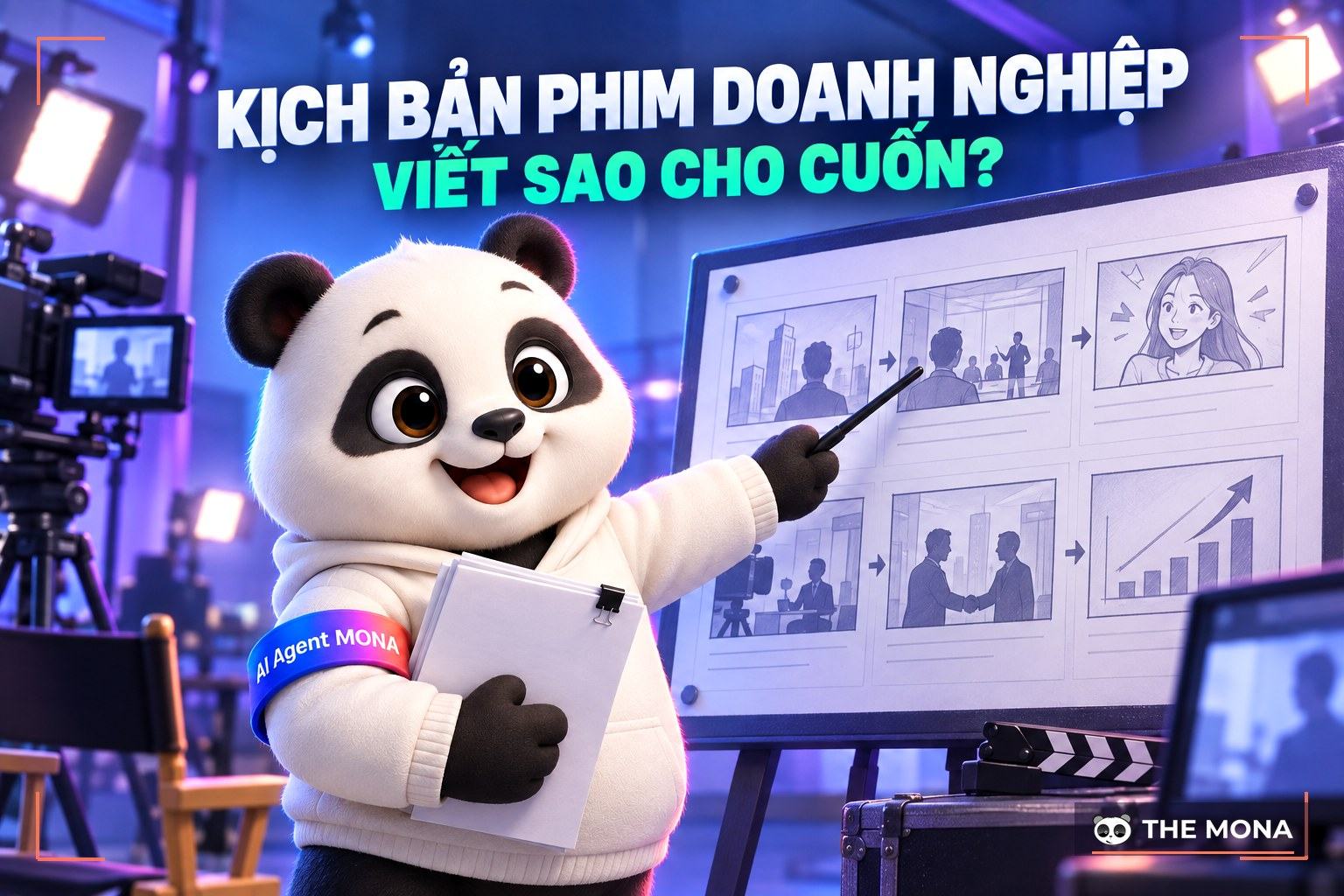
An effective video ad always starts with a polished, creative shooting script. Writing an engaging ad script is not that hard in practice, but it takes a fine touch in choosing words, building situations and understanding customer behavior. So what is a TVC script, and how do you write an impressive one? Read on as MONA Media Find out in detail in this article!
TVC script is a document that describes in detail the content and visuals to produce for a TVC. Its main goal is to convey the advertising idea and message clearly and understandably. To make a TVC truly appealing and persuasive, the script's content also needs to touch customers' emotions so they feel empathy and are easily drawn in.
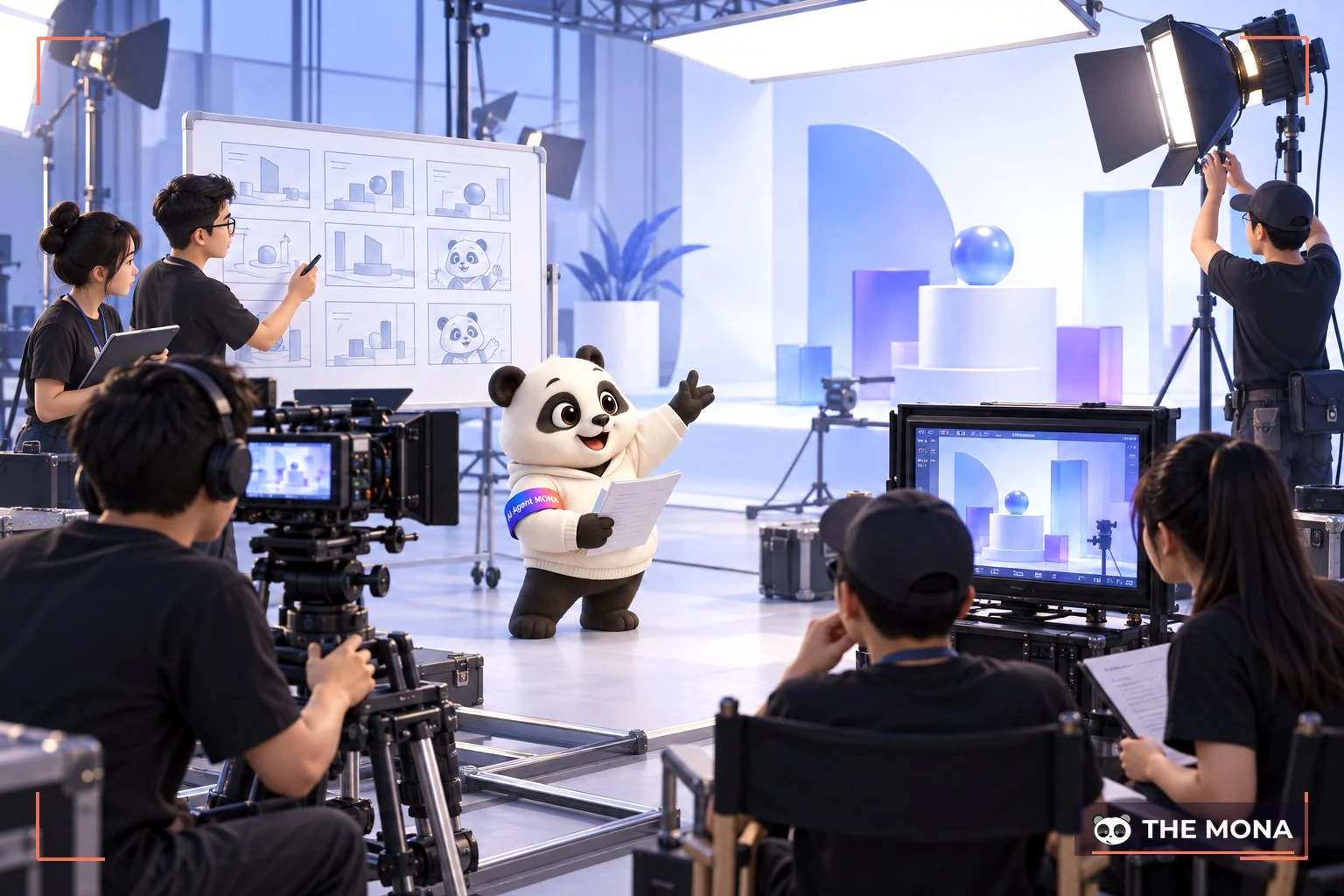
Because TVC airtime is usually short, from 10 to 45 seconds, a script that hooks customers needs fast, memorable pacing that still makes a strong impression on viewers in a short span of time.
→ Read more: Corporate film script
A successful TVC script needs a clear structure to get the message across and draw viewers in. In general, the outline of a product ad script includes the following parts:
A script needs more than content. It also has to be laid out clearly so the actors and crew, production house or the ad agency, can carry it out easily. A clear TVC script structure streamlines production and makes sure every shot is done exactly as planned. Here are the 2 main elements of a TVC script that you should know about.
The Visual part contains descriptions and sample images, focusing on the events, actions and developments in each shot. The script should make clear who is doing what, where, when and from which camera angle. The angle may be a close-up, a wide shot or a zoom in or out, depending on the purpose of the message.
The duration of each shot should also be written down when you write a TVC script so production runs smoothly. Illustrations or a storyboard help convey the idea more visually and let the crew picture the setting for filming.
The Audio part includes the ad's voice-over and sound effect sources. It plays a big role in creating emotion and guiding viewers. A TVC shooting script should specify every sound element in each scene, including character dialogue, background music and other sound effects.
Dialogue must be natural, concise, true to the character's way of speaking, and close to the ad's message. The voice should also use emphasis and a fitting tone to carry the ad's emotion. Background music and sound effects need to be chosen carefully to fit the setting and not “muddy” the main message.
A good script is not only for good-looking footage but for telling the right story. See how MONA turns real-life moments into emotional videos that help customers trust you and decide quickly.
A TVC is really a form of storytelling, so when make advertising videos you need a story that touches viewers' emotions, told in a way that is engaging and easy to remember. To get there, you need a TVC shooting script “skeleton” with a coherent plot, a tone that fits the target audience, an appealing theme and finally a clear call to action. The process for completing a TVC script goes as follows:

To create an engaging TVC ad, the first step is to research your target customer's insight. Understanding your customer is the key to effective ad content.
Customer insight covers habits, behaviors, interests, demographics and the problems they care about. Once you have these, you can easily create an ad script in images, video and more that fits your customers' needs and values.
Many businesses still believe a good ad must start from the product and highlight its features in an impressive way. But in today's saturated advertising market, that approach is no longer as effective as before. A creative strategy centered on the customer is the key to a campaign that works.
Once you understand what customers need, the next important job is developing the idea. Professional TVC production companies have a creative team that proposes unique, distinctive ideas for each ad campaign.
But creativity is not just coming up with something new. It also has to follow the brief and the customer insight. A creative idea that does not meet real customer needs will struggle to deliver the results you expect.
From the agreed idea, the plot is developed into a meaningful story. The writer needs to shape the storyline so that viewers not only feel the story but also understand the message the brand wants to send.
This is one of the most important steps in writing a TVC ad script, because it directly affects how the brand connects with its target audience. A good plot is relatable, reflects the customer insight, and is strong enough to inspire viewers.
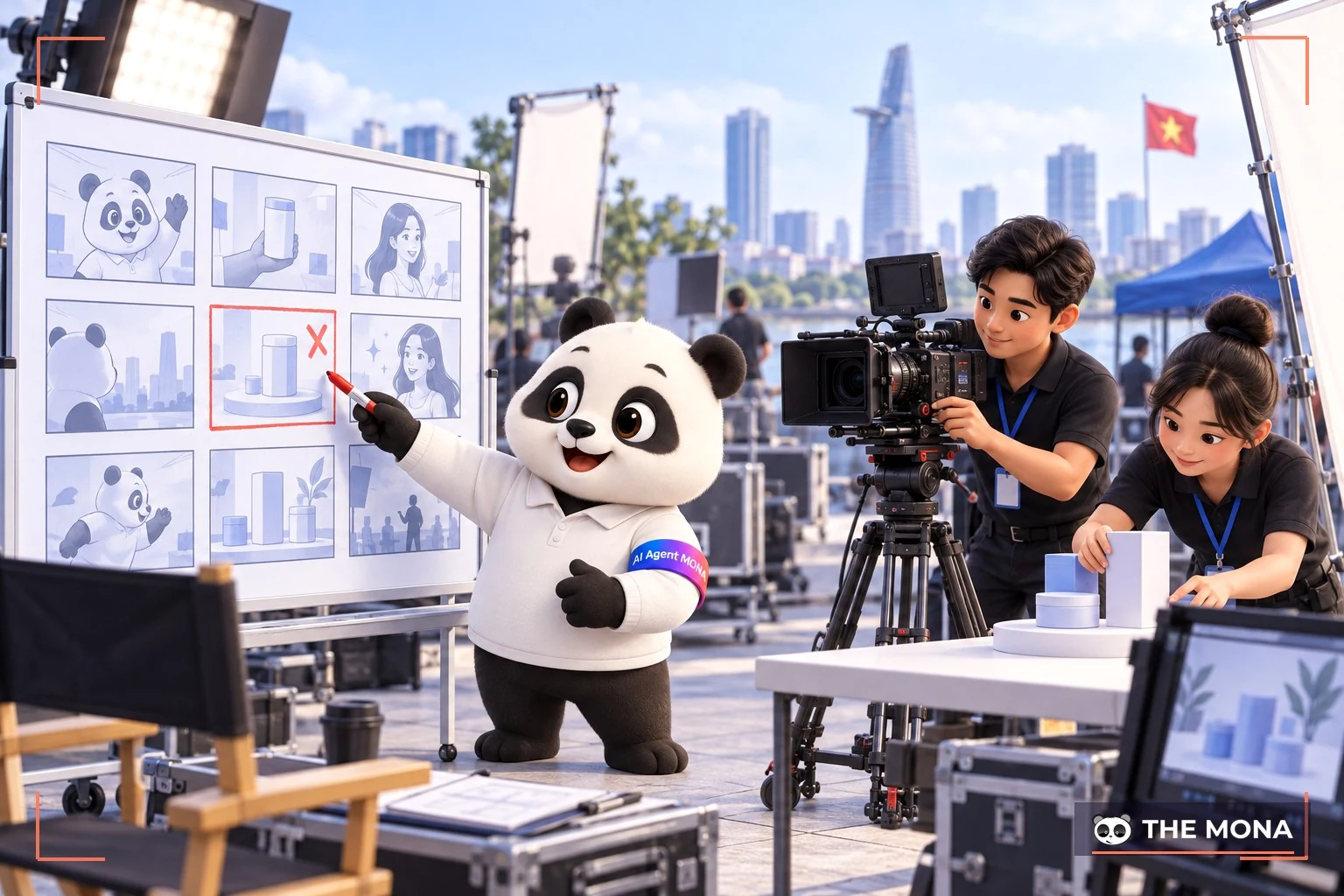
Once the plot is clear, the next step is writing the specific script to bring the idea to life. A complete TVC script usually has these main components:
≫ Read more: What is footage? Creating great video footage for ads
For a TVC shooting script to truly reach viewers, besides following the process above, a few tips below can help you stand out and make your video ad succeed.
Nobody likes long-winded video ads, especially in an age of information overload. If your content is not interesting enough, viewers will hit “skip” right away.
An ideal ad script should aim to run under 60 seconds. Instead of cramming in too much information, focus on the most important details to hold your audience.

A common mistake when writing a TVC script is focusing too much on the product. To keep things balanced, apply the 60 – 40 rule. Spend only 40% of the runtime talking about the product, and use the other 60% to tell an interesting story around the brand.
This makes viewers feel more at ease and helps them remember the product even though they know they are watching an ad.
When writing a script, pay attention to the speaking speed and the rhythm of the video. Although people can speak 150 to 180 words per minute, a good TVC script should hold only about 120 words per minute to leave room for the story to develop naturally.
Don't cram too much information into one video ad, which forces rushed, unclear dialogue. Give your audience time to feel and understand the message you bring.

A TVC succeeds when viewers can easily grasp the message you want to send. They need to know what product the video is about, which brand it belongs to and why it matters. Even if they have no real need yet, a clear message keeps your brand in their mind when they do.
The one thing you must always remember for an effective TVC ad script is the call to action. The final goal of a TVC ad is to push customers to convert.
So add a specific call to action at the end of the video. Show customers what to do next, and don't forget to stress the special benefit they get when they act.
Writing a creative, detailed corporate TVC script is always important for making your video ad stand out. Here is a sample TVC ad script made by experienced crew MONA Media . It gives you an overview of the process of creating a professional, engaging ad film that catches customers' attention.


How to write a TVC script that hooks viewers is not simply about passing on information already on paper. It is also an art of connecting emotionally, helping a business get closer to its customers. Every product TVC ad script sample has the potential to become a powerful communication tool, raising brand awareness and boosting sales. Mastering how to write an ad script is the key to impressive films that leave a lasting mark on the audience.
→ See more MONA Media services:
If you already have a script or idea but no editing team, send it to MONA's AI video service page: AI handles the staging, MONA films the parts that need real footage, and the cost is usually about a third of the old way. If you want to try it yourself first, read AI video editing tools.

CEO & Founder · The MONA
Founder of The MONA, who built a services company of 200+ staff with 14,000+ projects delivered. Khánh Hùng shares how he thinks about building systems that run themselves, automating a business, and the real lessons from delivering projects at MONA.
 1,9K




Professional website
design services
Own a website with a beautiful, 100% exclusive design and a lifetime warranty, with the ability
to expand features flexibly as your business grows, starting today!






 MONA will never sell your information or send you spam


 MONA will never sell your information or send you spam
