
 MONA OS 2.0
 Hợp tác với MONA


 Tự động hoá doanh nghiệp
 Cẩm nang SEO
 Digital Marketing
 Kinh nghiệm thiết kế website
 Hạ Tầng Server
 Giáo dục


 VI
 EN















Message us on
Zalo Official


 ProductsNew

 ProductsProducts
 Mới ra mắtKHA AI 2027App tự edit video, tự đăng mọi mạng xã hội, 2 phút mỗi ngày










 Thiết kế websiteVừa đẹp vừa thuyết phục được khách.
Dịch vụ SEOKéo về khách đang tìm đúng thứ anh chị bán.
 Tư vấn digital marketingKéo khách từ nhiều kênh, đo bằng số thật.
Quay video doanh nghiệpVideo giới thiệu công ty, nhà xưởng, đội ngũ.
 MớiDựng video AIDựng phim câu chuyện công ty bằng AI.
 Custom software developmentCRM, ERP and HRM built for your business.
 Viết AI Agent theo yêu cầuĐặt riêng một trợ lý AI cho đúng việc của mình.
 Tư vấn chuyển đổi AIĐưa AI vào vận hành của cả công ty.
NewMONA LMSManagement for centers and schools.
MONA SkillHubInternal training for company staff.
 NHTQ systemEnd-to-end China–Vietnam shipping operations.
MONA JMSManagement for gold, diamond and pawn shops.
 MONA E-LearningA website with every feature you need to sell courses.
 How to sell online courses (course)More than 30 free lessons on selling courses on autopilot.
 MONA Cloudmonacloud.vnServers to get your apps and websites running.
 MONA Basemonabase.vnPostgres database, sign-in and file storage.
 MONA Mailmonamail.vnSend OTP, order and invoice emails from your software.
 MONA Paymonapay.vnAccept bank transfers via VietQR and notify your software when the money arrives.
 MONA eInvoiceComing soonIssue e-invoices that meet tax standards.
Gấu CườiTrả lời khách 24/7 trên web, Fanpage, Zalo và thu lead cho sale.
 Gấu TeleSalesGọi điện tư vấn, chăm khách như tổng đài viên thật.
Dê CườiTư vấn và chốt đơn cho shop ngay trong khung chat.
Gấu WebmasterNhắn nhóm Zalo là website được sửa xong.
 Gấu Pháp ChếSoạn hợp đồng, rà điều khoản trong vài phút.
 Gấu Báo GiáLên báo giá đúng mẫu và gửi khách ngay.
 AI chăm sóc khách hàngTheo dõi và giữ chân khách hàng cũ.
 Gấu Tuyển DụngLọc hồ sơ, hẹn lịch, phỏng vấn ứng viên.
 Mới ra mắt
KHA AI 2027
Xây kênh chuyên gia 2 phút mỗi ngày
Quay bằng điện thoại, AI tự edit video, tự đăng lên 16 nền tảng và tự trả lời bình luận, tin nhắn.
865.296lượt xem trên kênh CEO MONA sau 32 ngày
 Anh Khánh HùngCEO MONA đang dùng mỗi ngày
Xem app làm được gì
 AI
Gấu Cười MONA ĐANG TỰ XÀITrả lời khách 24/7 trên website, Zalo OA, Messenger và thu lead về cho sale.
Dê CườiChốt đơn bán lẻ và sàn: Shopee, TikTok Shop, web. Chăm cả khách sỉ, đại lý.
Gấu WebmasterCập nhật nội dung, tối ưu SEO website mỗi ngày.
Gấu TeleSalesGọi điện tư vấn, chăm khách như tổng đài viên thật.
Gấu Tuyển DụngLọc hồ sơ, hẹn lịch, phỏng vấn ứng viên tự động.
AI chăm sóc khách hàngGiữ khách cũ, cứu lead đã rớt cho phòng kinh doanh.
Gấu Pháp ChếSoạn hợp đồng, rà điều khoản trong vài phút.
Gấu Báo GiáLên báo giá đúng mẫu, gửi khách ngay khi có yêu cầu.
 Chuyển đổi AI toàn phầnGiải pháp tổng cho doanh nghiệp, 3 lớp triển khai.
 Viết AI Agent theo yêu cầuĐặt riêng một con AI gánh đúng nghiệp vụ của bạn.
 Custom softwareCRM, ERP and HRM with built-in AI automation.
 SEO & AEO thời đại AIĐược Google lẫn AI trích dẫn, không chỉ xếp hạng.
 Kiến thức AI cho doanh nghiệpBài phân tích, hướng dẫn ứng dụng AI vào vận hành.
 Free AI courses
 AI tools at work
App mới · KHA AI 2027
Xây kênh 2 phút mỗi ngày
AI tự edit video, tự đăng mọi mạng xã hội
Free consultation, 8am–10pm every day

04 July, 2025

In 2024, Vietnamnet reported that nearly 16,000 pieces of content violating copyright and the law had been handled by Google in Vietnam, a warning number for everyone creating content on digital platforms. While many businesses still “carelessly” reuse images, videos and articles copied from other websites, Google has quietly launched Google Pirate – an algorithm that punishes copyright infringement. So what exactly is Google Pirate and how does it affect your website? Let's MONA Media look at the impact and how to protect your website from the Google Pirate algorithm in this article.
Google Pirate is an algorithm first launched by Google in August 2012 with the goal of stopping unauthorized content, protecting intellectual property on the Internet and improving search quality on websites.
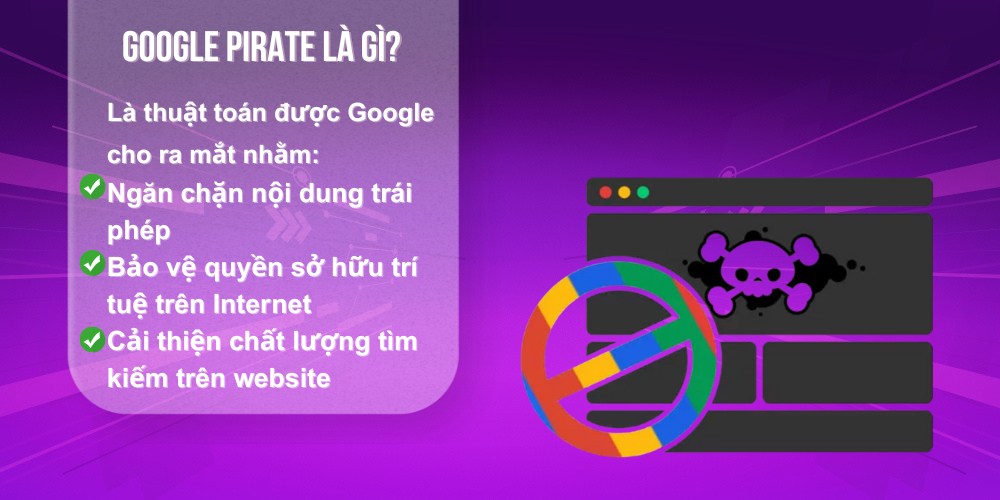
In October 2024, the Google Pirate algorithm was updated to raise penalties for illegal websites (especially in music, film, ebooks and software). So if your website copies content without permission, whether articles, images or documents, you can absolutely become a target of Google Pirate.
The impact of Google Pirate goes beyond warnings or reminders: it directly affects rankings and traffic on search engines. As Business Insider has reported, some websites lost up to 98% of their visibility after the Google Pirate algorithm kicked in. So what exactly are the consequences when a website violates digital copyright under Google Pirate?
The Google Pirate algorithm doesn't care whether you are a big or small business. Once digital copyright infringement is detected, Google Pirate immediately starts an evaluation through the moderation mechanism of the DMCA (Digital Millennium Copyright Act). The Googlebot tool collects data from the website, analyzes the content and cross-checks it against intellectual property complaints already in the system.
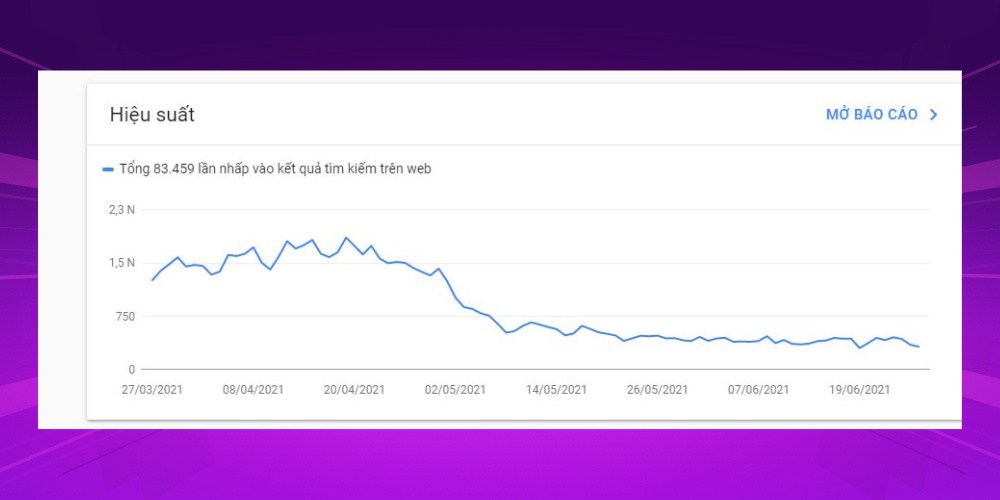
Once flagged for infringement, your website is limited in search results, which causes a serious drop in rankings, and the URL may even disappear if the violation is severe.
A report from Google shows that when a website is demoted for a Google Pirate violation, the traffic Google Search sends to it drops by an average of 89%. For a business that is running SEO website, this is a significant loss.
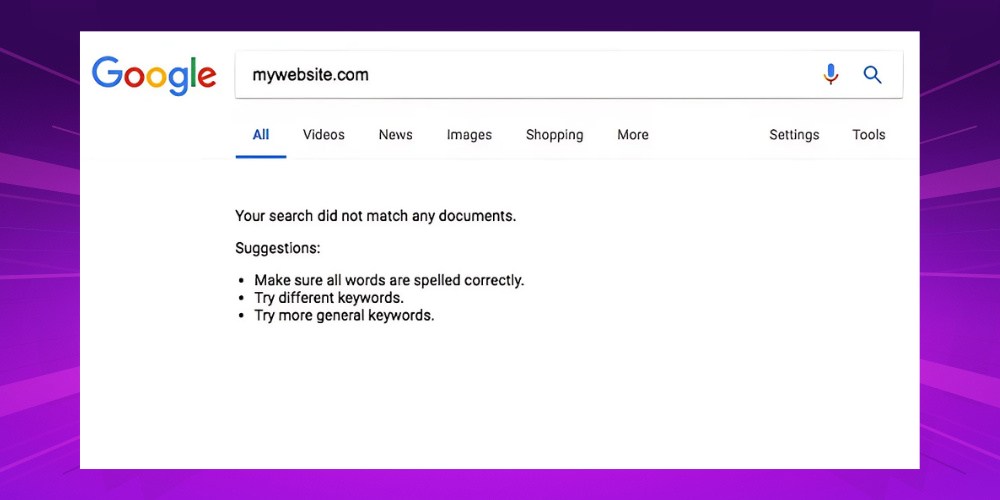
Beyond lowering rankings, Google Pirate can also make infringing pages disappear from Google Search if a URL is reported many times. In cases of serious violation, Google blocks the site from search results entirely, which means users can't find you and your business loses an important sales channel.
*Note: Google doesn't remove websites on its own, but if there is a legitimate, lawful request from the copyright owner, the Pirate algorithm works with it to handle the case faster and more forcefully.
The Google Pirate algorithm doesn't target every website, only sites that infringe copyright or show signs of sharing content illegally. Here are the two most common groups of websites at risk of a Google Pirate penalty:
If you run or build a website that earns money from popup ads, paid services or sharing content without a license, you are likely on Google Pirate's “red list”. Especially sites such as:
When it detects signs of infringement, Google Pirate doesn't just limit how the content appears in search results but also points users to legitimate platforms such as Spotify, Netflix, Amazon Kindle or licensed YouTube.
Even if your website isn't a pirated content site, if articles, images or documents on it are reported many times through the DMCA system, you are still at risk of being handled by Google Pirate. According to what MONA has gathered recently, Google Pirate usually judges the level of violation based on factors such as:
Instead of just fearing a penalty, you can take the initiative and use Google Pirate as a copyright protection tool for your website. Specifically:
The first and most important step to protect your content is to register copyright legally. This gives you a full legal basis to act when you find unauthorized copying. In Vietnam, you can register copyright for articles, images and videos at the Copyright Office of Vietnam, under the Ministry of Culture, Sports and Tourism.
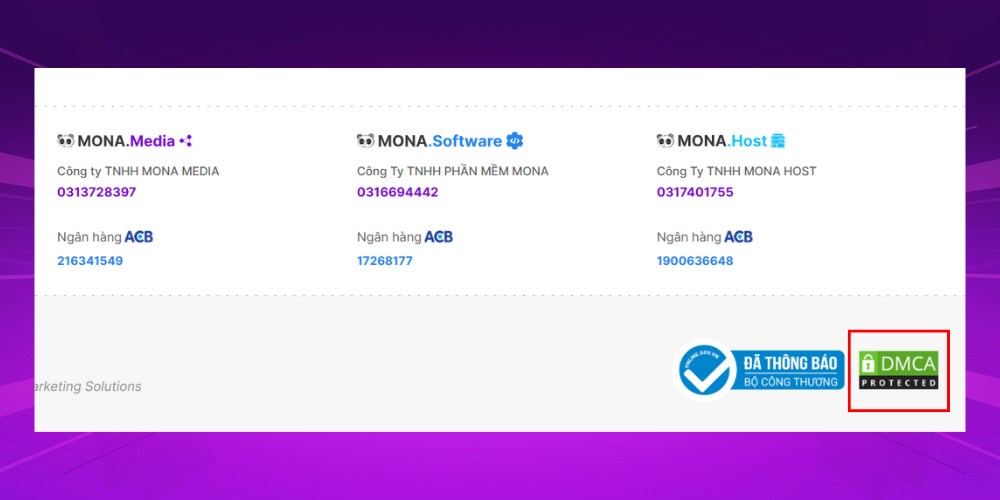
At the same time, register an account at DMCA.com and add the copyright protection badge to your website. DMCA will help you quickly detect copied content, and even file a copyright complaint if needed.
While they can't stop copying completely, the techniques below greatly reduce the chance of your content being stolen:
Add a logo or watermark to images

Adding your logo or website address to all images before publishing is also a way to protect your content and stay off Google Pirate's block list. When someone copies your content, readers can still tell it came from your website. To add a logo or watermark to images simply and quickly, you can use design tools such as Photoshop, Canva and Watermarkly.
Disable copying and right-click
You can install a plugin such as WP Content Copy Protection (for WordPress) or use JavaScript to block right-click and copy-paste. It is a simple barrier, but enough to stop people who are too “lazy” to copy by hand.
*Note: This measure can only limit copying. It cannot stop it completely.
Use source code to protect your content
You can use the noarchive meta tag or configure robots.txt to protect your data and keep search engines from storing old copies of your website content. If you use the robots.txt file, you can add the following code:
User-agent: *
Disallow: /path-to-sensitive-content/
Use “browser fingerprinting”

Browser fingerprinting is a technique that can help Google Pirate detect and handle copyright-infringing sites, which protects your website from content copying. When deployed, it creates a nearly unique identifier for each user, so you can spot suspicious copying behavior (for example, a mass upload of identical content from many devices in a short time). You can also use browser fingerprinting to track how content is distributed, restrict access to premium content and block unauthorized copying or sharing.
*Note: When you roll it out, make sure you keep a balance between protecting your copyright and respecting your users’ privacy.
Do not wait until your content is stolen to act. Be proactive instead:
No protection works as well as creating content that is truly original and has real depth. So you should:
Google provides official tools to protect intellectual property, and the Google Pirate algorithm helps take firm action against copyright-infringing sites. Here are two common ways to report a violation so that Google Pirate steps in:
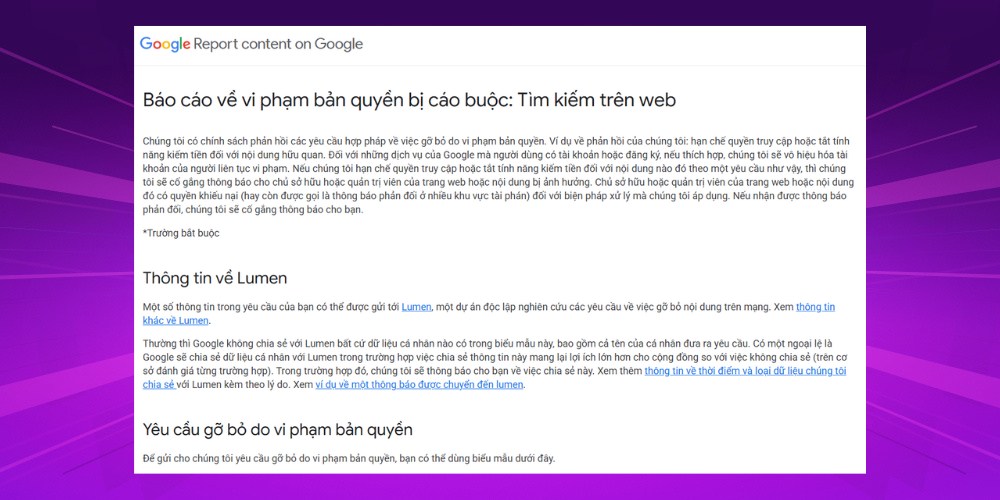
To notify Google Pirate about a website that violates copyright by copying content from your site, follow these steps:
If you want to file a complaint with DMCA, go to the website DMCA.com, then fill in all the information, provide the evidence required and submit. DMCA will then send the request to the infringing website or illegal hosting platform on your behalf. If the infringement is confirmed, DMCA will remove the infringing content or issue a legal demand (if necessary).
Knowing Google Pirate is the first step toward building SEO strategy safe, effective and sustainable. If you are worried that your website may have copied content by accident, or you do not know how to handle a penalty, let MONA Media stand with you. With over 10 years of experience in overall SEO, we will help you optimize original, SEO-ready content, improve your rankings and grow your website in the right direction. Contact us today for a consultation and to receive SEO price list in full detail.


CEO & Founder · The MONA
Founder of The MONA, who built a services company of 200+ staff with 14,000+ projects delivered. Khánh Hùng shares how he thinks about building systems that run themselves, automating a business, and the real lessons from delivering projects at MONA.
 1,5K




Professional website
design services
Own a website with a beautiful, 100% exclusive design and a lifetime warranty, with the ability
to expand features flexibly as your business grows, starting today!



NHẬN TƯ VẤN SEO MIỄN PHÍ !






 MONA will never sell your information or send you spam


 MONA will never sell your information or send you spam
