
 MONA OS 2.0
 Partner with MONA


 Tự động hoá doanh nghiệp
 Cẩm nang SEO
 Digital Marketing
 Kinh nghiệm thiết kế website
 Hạ Tầng Server
 Giáo dục


 VI
 EN




Message us on
Zalo Official


 ProductsNew

 ProductsProducts
 Mới ra mắtKHA AI 2027App tự edit video, tự đăng mọi mạng xã hội, 2 phút mỗi ngày










 Website designLooks good and wins customers over.
SEO servicesBrings in customers searching for exactly what you sell.
 Tư vấn digital marketingKéo khách từ nhiều kênh, đo bằng số thật.
Corporate video productionVideos introducing your company, factory and team.
 NewAI video productionCompany story films made with AI.
 Custom software developmentCRM, ERP and HRM built for your business.
 Viết AI Agent theo yêu cầuĐặt riêng một trợ lý AI cho đúng việc của mình.
 Tư vấn chuyển đổi AIĐưa AI vào vận hành của cả công ty.
NewMONA LMSManagement for centers and schools.
MONA SkillHubInternal training for company staff.
 NHTQ systemEnd-to-end China–Vietnam shipping operations.
MONA JMSManagement for gold, diamond and pawn shops.
 MONA E-LearningA website with every feature you need to sell courses.
 How to sell online courses (course)More than 30 free lessons on selling courses on autopilot.
 MONA Cloudmonacloud.vnServers to get your apps and websites running.
 MONA Basemonabase.vnPostgres database, sign-in and file storage.
 MONA Mailmonamail.vnSend OTP, order and invoice emails from your software.
 MONA Paymonapay.vnAccept bank transfers via VietQR and notify your software when the money arrives.
 MONA eInvoiceComing soonIssue e-invoices that meet tax standards.
Gấu CườiTrả lời khách 24/7 trên web, Fanpage, Zalo và thu lead cho sale.
 Gấu TeleSalesGọi điện tư vấn, chăm khách như tổng đài viên thật.
Dê CườiTư vấn và chốt đơn cho shop ngay trong khung chat.
Gấu WebmasterNhắn nhóm Zalo là website được sửa xong.
 Gấu Pháp ChếSoạn hợp đồng, rà điều khoản trong vài phút.
 Gấu Báo GiáLên báo giá đúng mẫu và gửi khách ngay.
 AI chăm sóc khách hàngTheo dõi và giữ chân khách hàng cũ.
 Gấu Tuyển DụngLọc hồ sơ, hẹn lịch, phỏng vấn ứng viên.
 Mới ra mắt
KHA AI 2027
Xây kênh chuyên gia 2 phút mỗi ngày
Quay bằng điện thoại, AI tự edit video, tự đăng lên 16 nền tảng và tự trả lời bình luận, tin nhắn.
856.188lượt xem trên kênh CEO MONA sau 30 ngày
 Anh Khánh HùngCEO MONA đang dùng mỗi ngày
Xem app làm được gì
 AI
Gấu Cười MONA ĐANG TỰ XÀITrả lời khách 24/7 trên website, Zalo OA, Messenger và thu lead về cho sale.
Dê CườiChốt đơn bán lẻ và sàn: Shopee, TikTok Shop, web. Chăm cả khách sỉ, đại lý.
Gấu WebmasterCập nhật nội dung, tối ưu SEO website mỗi ngày.
Gấu TeleSalesGọi điện tư vấn, chăm khách như tổng đài viên thật.
Gấu Tuyển DụngLọc hồ sơ, hẹn lịch, phỏng vấn ứng viên tự động.
AI chăm sóc khách hàngGiữ khách cũ, cứu lead đã rớt cho phòng kinh doanh.
Gấu Pháp ChếSoạn hợp đồng, rà điều khoản trong vài phút.
Gấu Báo GiáLên báo giá đúng mẫu, gửi khách ngay khi có yêu cầu.
 Chuyển đổi AI toàn phầnGiải pháp tổng cho doanh nghiệp, 3 lớp triển khai.
 Viết AI Agent theo yêu cầuĐặt riêng một con AI gánh đúng nghiệp vụ của bạn.
 Custom softwareCRM, ERP and HRM with built-in AI automation.
 SEO & AEO thời đại AIĐược Google lẫn AI trích dẫn, không chỉ xếp hạng.
 Kiến thức AI cho doanh nghiệpBài phân tích, hướng dẫn ứng dụng AI vào vận hành.
 Free AI courses
 AI tools at work
App mới · KHA AI 2027
Xây kênh 2 phút mỗi ngày
AI tự edit video, tự đăng mọi mạng xã hội
Free consultation, 8am–10pm every day

18 March, 2023
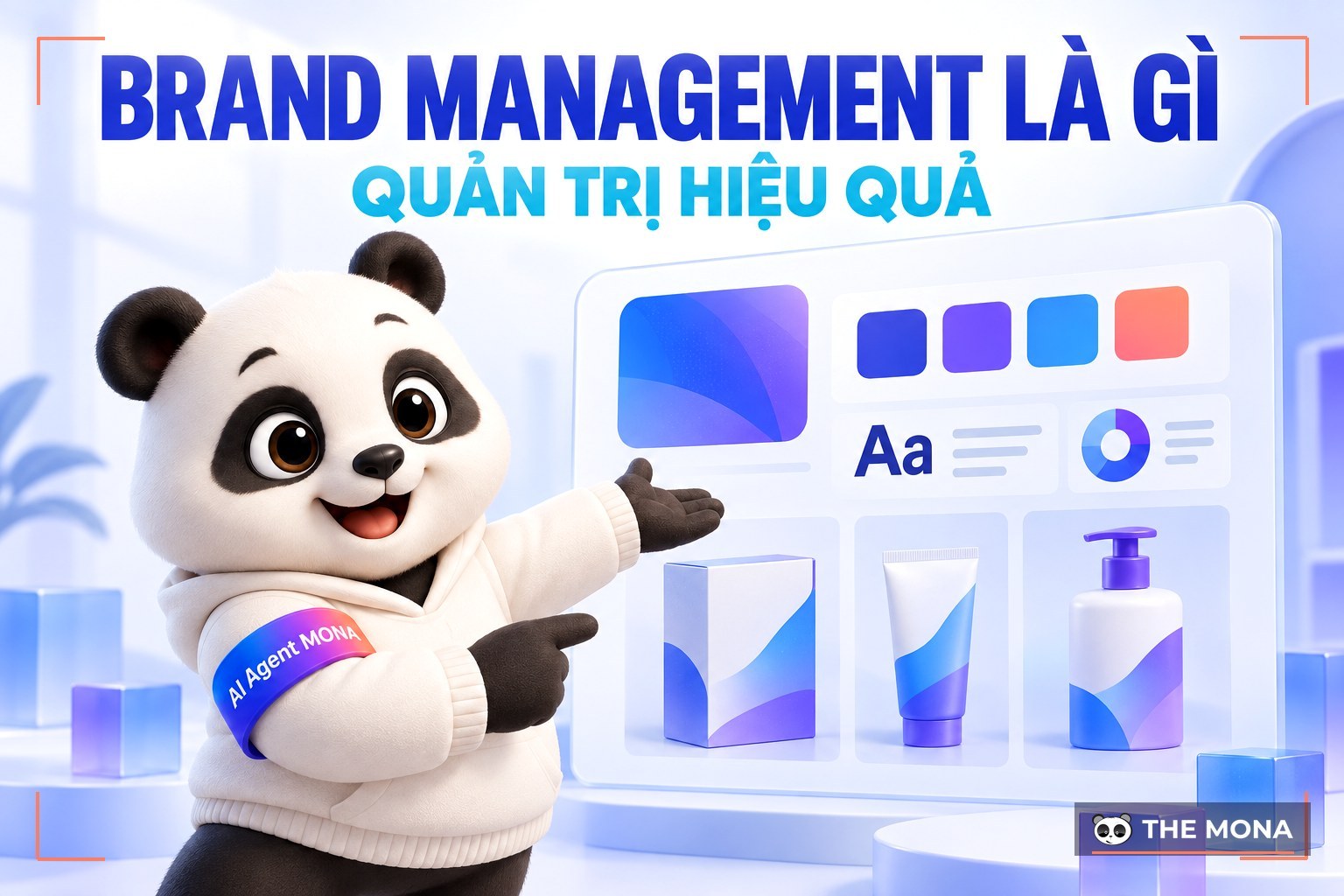
Well-executed brand management strengthens the relationship between a business and its customers. A good brand management strategy also helps you get more from advertising, communications, marketing and social media activity. That lets you refine and adjust your core products and services to improve the customer experience. Below, we explain MONA Media to what brand management is, and help you better understand the role of brand management in a business’s marketing strategy.
Brand management is the process of planning strategy and running operations to build, maintain and increase the perceived value of a brand over time. Specifically, it covers setting the foundation and identity system, ensuring consistency at every touchpoint, communications, enhancing the experience and measurement, while continually optimizing to strengthen awareness, positive associations and brand loyalty, and in turn increase brand equity over time.

Developing a sound brand management strategy to maintain brand assets or achieve brand value requires a thorough understanding of the brand, the target market and the business’s overall vision.
Businesses tend to focus on image, identity and long-term strategy. But one factor that cannot be overlooked is the leader’s role in shaping the brand. The video below will help you understand why more and more entrepreneurs invest in personal branding.
A brand has a strong influence on customers, on competition in the market and on how a company is managed. Owning a strong brand helps a business differentiate its products and services and stand apart from competitors. A business with its own developing brand also gains more credibility and customer affection, and as a result and grow revenue results.

Brand management helps a business:
It takes many years to build a strong brand, and even after success, a brand must keep customer awareness alive through constant innovation and creativity. Every brand does this, and it uses brand management to do so more effectively.
Brand Platform and Brand Management are similar in nature, so many non-specialist marketers and businesses easily confuse them. In fact, each has its own distinct characteristics.
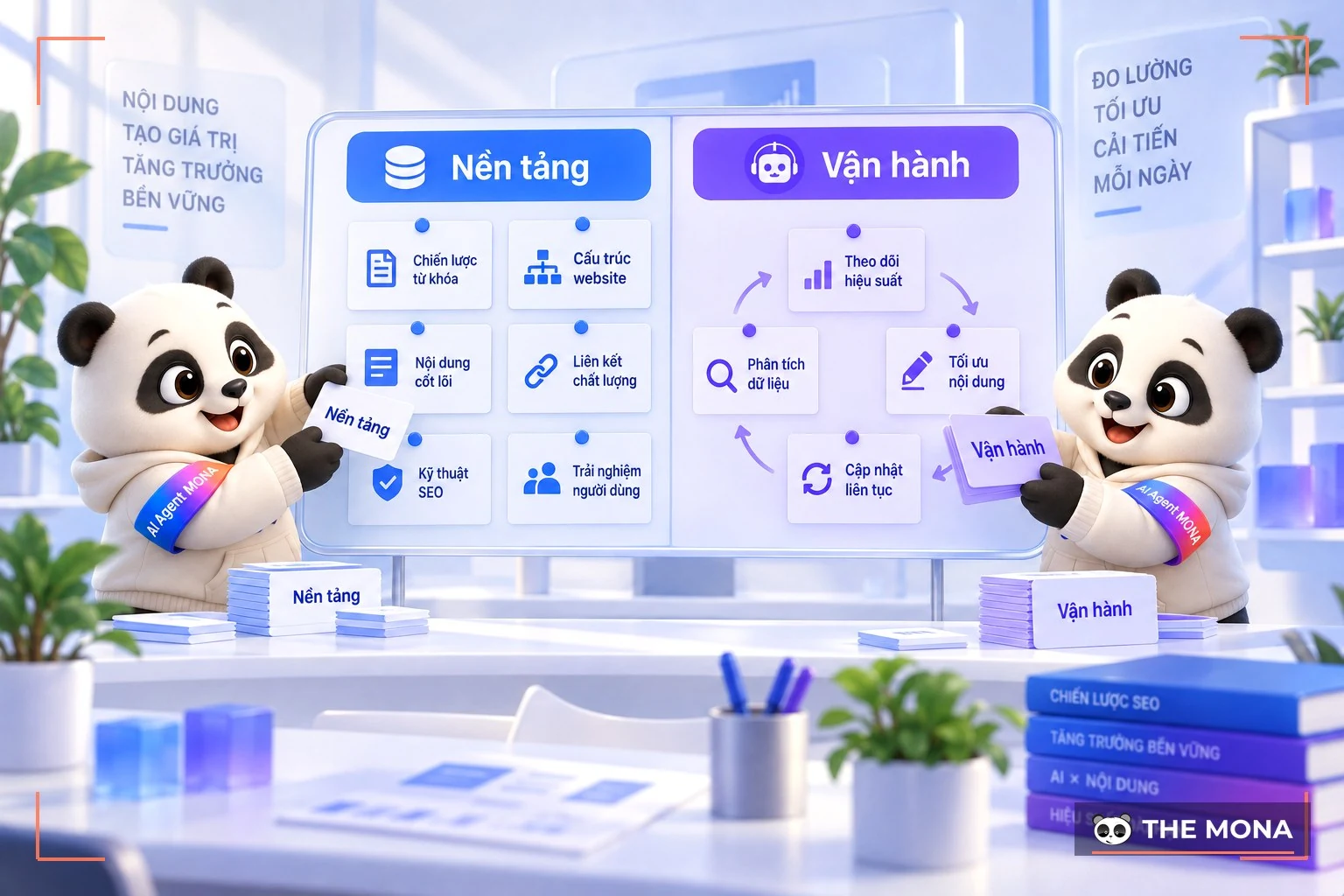
You can think of the Brand Platform and Brand Management as the intuitive and the rational sides of feeling. The intuitive side (Brand Platform) takes in an overall assessment through many senses, while the rational side (Brand Management) digs into the nature of things and phenomena to analyze accurately and act appropriately.
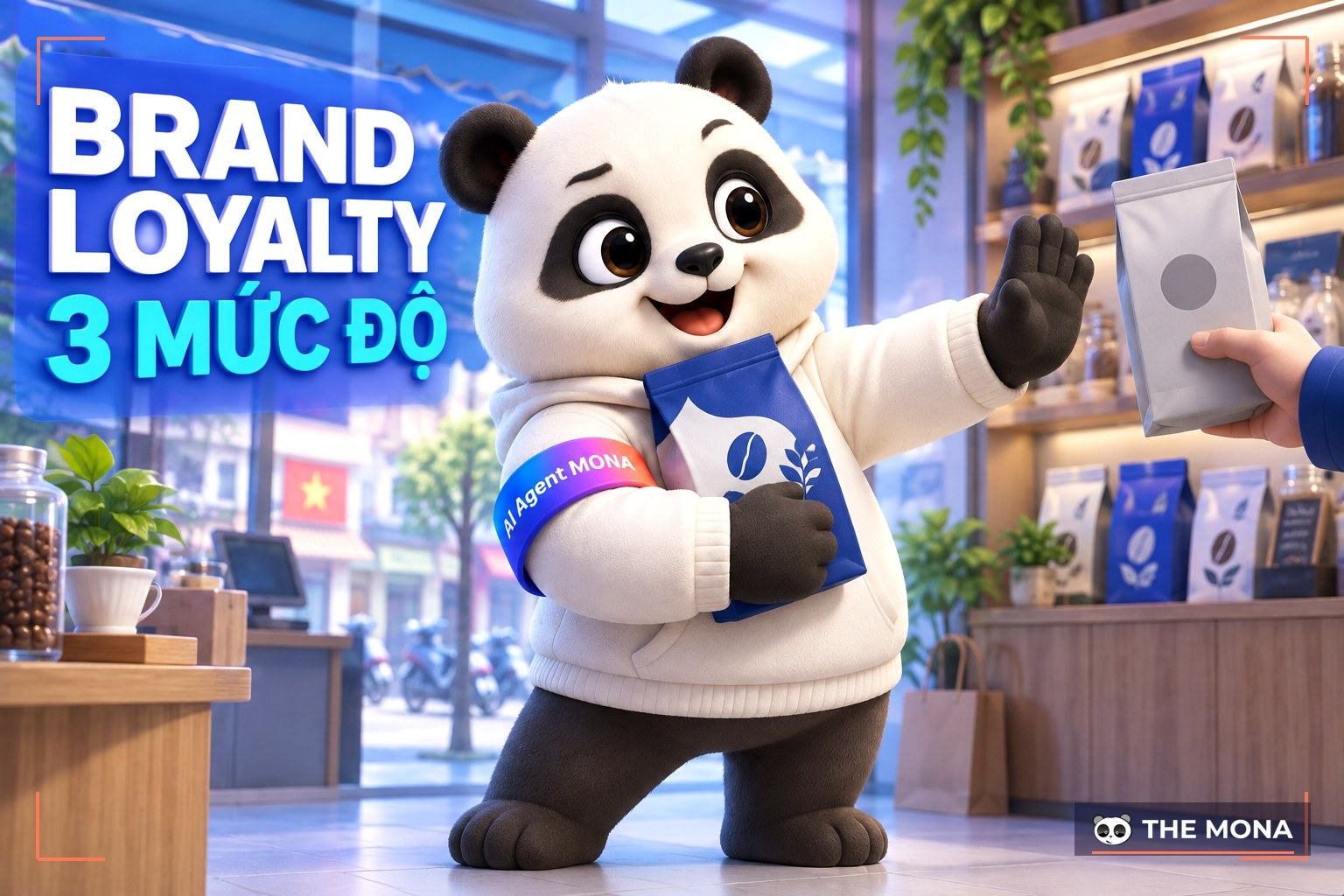
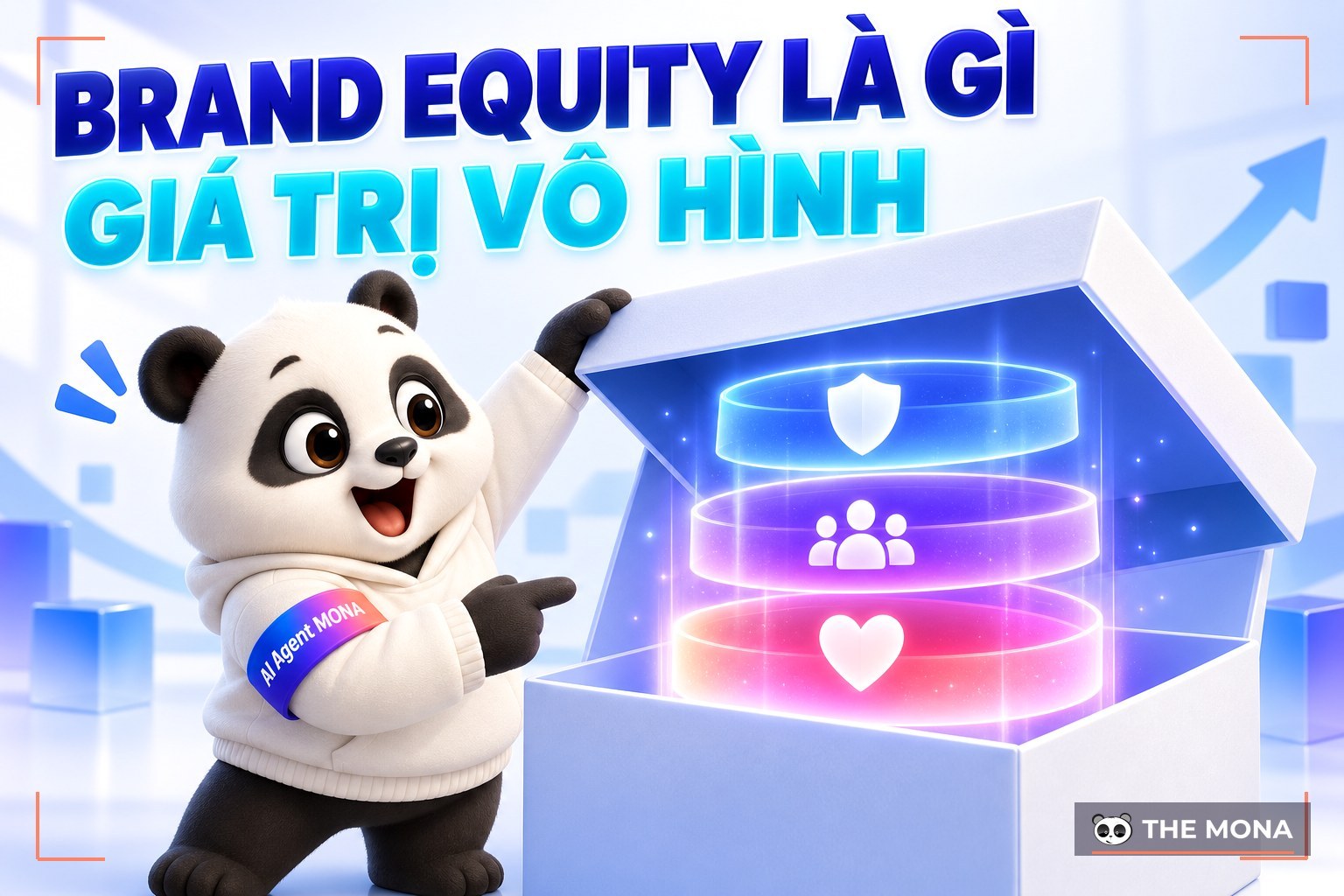
An effective brand management strategy cannot do without three basic elements: Brand Equity, Brand Recognition and Brand Loyalty. Each plays an important role in helping a brand grow sustainably and create lasting value for the business.
Brand equity is the value a business creates from its product compared with similar products on the market. To create brand value, a business needs to make its product memorable and recognizable, with standout features, superior quality and reliable customer service. When brand value is strong, customers are willing to pay more for your product because they see a clear difference in quality and service.

Brand recognition is the ability of consumers to recognize your brand immediately through visuals, design and communication messages. A well-built brand sticks in customers’ minds, turns recognition into word of mouth and recommends itself to others automatically.
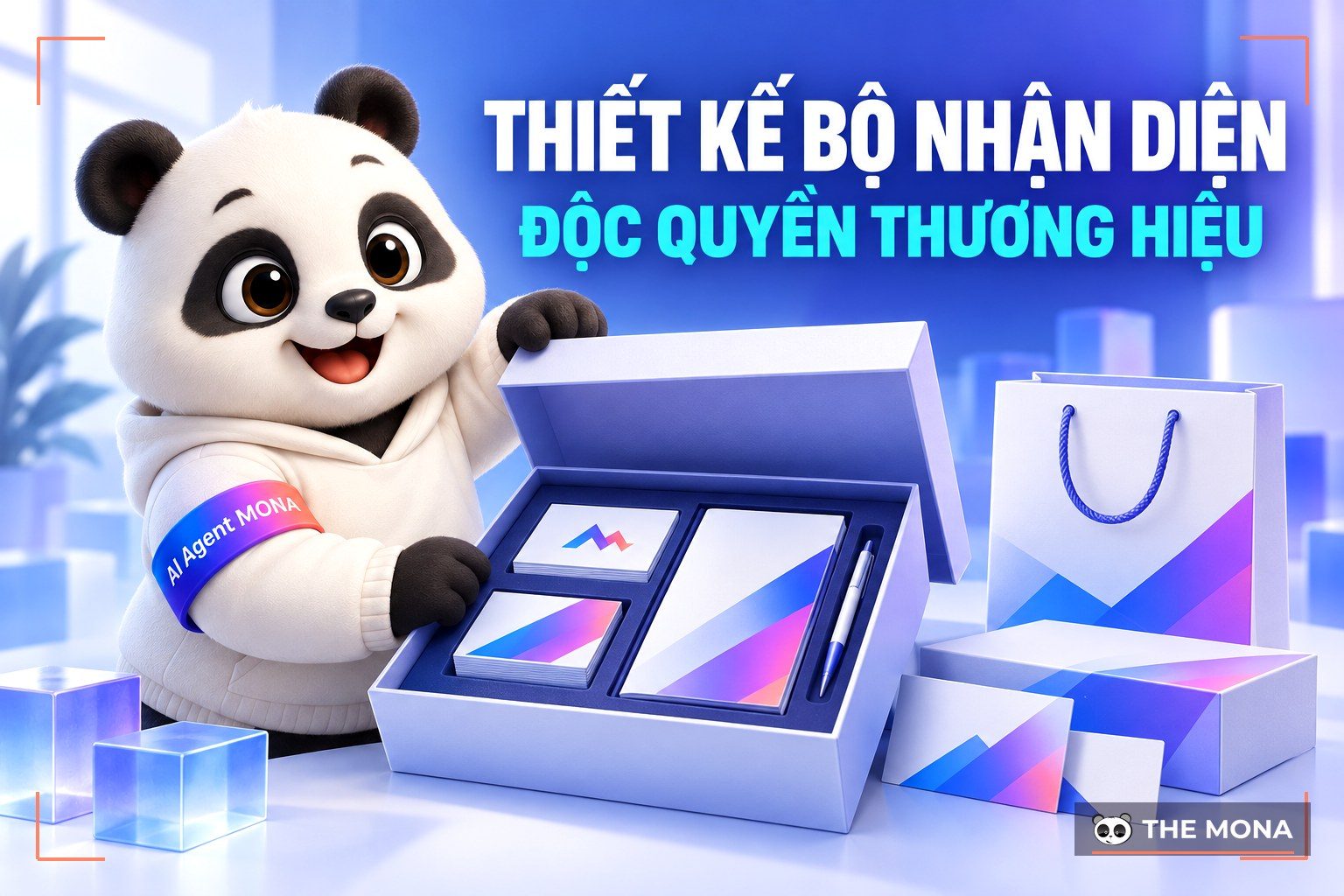
To build brand recognition (Brand Recognition) successfully, owning a professional brand identity set is indispensable. This identity set becomes the means by which customers easily recognize and remember your brand among the countless choices available today.

MONA Media has delivered a solution with the Design the brand identity complete package, from the logo and company profile to communication and sales materials… The ultimate goal is to strengthen the brand and help businesses win customers over.
Specifically, when you choose MONA’s brand identity design service, you will get:
To get a quote and detailed advice, call HOTLINE 1900 636 648 or click the consultation button below. The MONA Media team will respond quickly with the brand identity design solution that fits you best.

Brand loyalty is building and maintaining a close relationship with customers through quality and user experience. When customers trust and are satisfied with a product or service, they keep choosing yours even if you price higher than competitors.
Brand loyalty helps a business retain customers without constant discounting or spending on strategies to attract new ones. Loyal customers also recommend the brand to others, contributing to stronger brand spread.
The brand management process should run as a loop: define the foundation → design and develop → communicate → measure → improve. This approach keeps the brand consistent, recognizable and true to its promise. It also ties marketing activity to revenue and profit. With each loop, you learn what works so you can do better in the next.
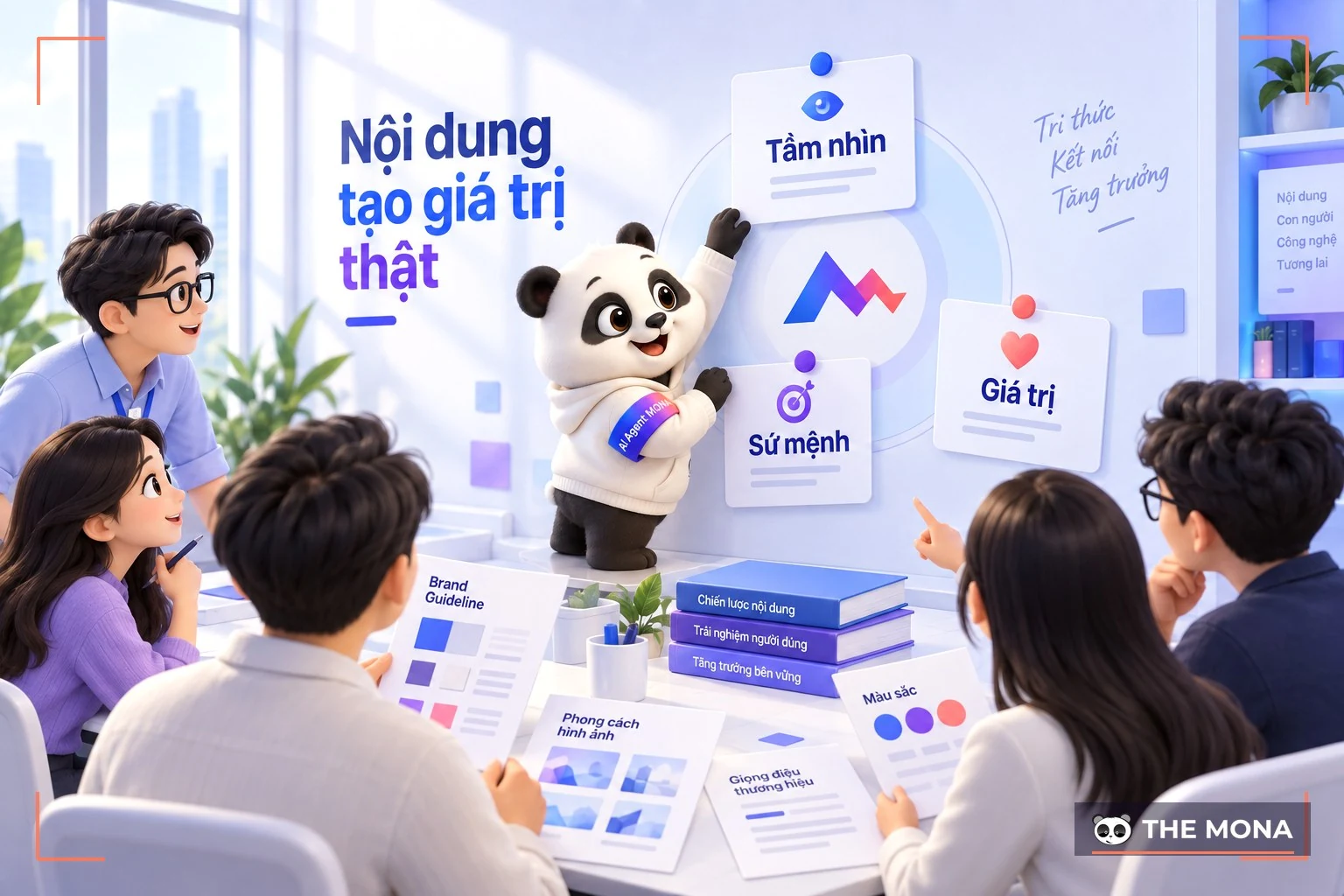
The first step in effective brand management is to define clearly what the brand wants to become, why it exists and what values it believes in. From there, pin down the target customers, the problem you solve and how you differ from competitors. Record it all in brand guidelines so the whole team does the right thing and speaks with one voice. If needed, consider registering a trademark to protect your brand assets.
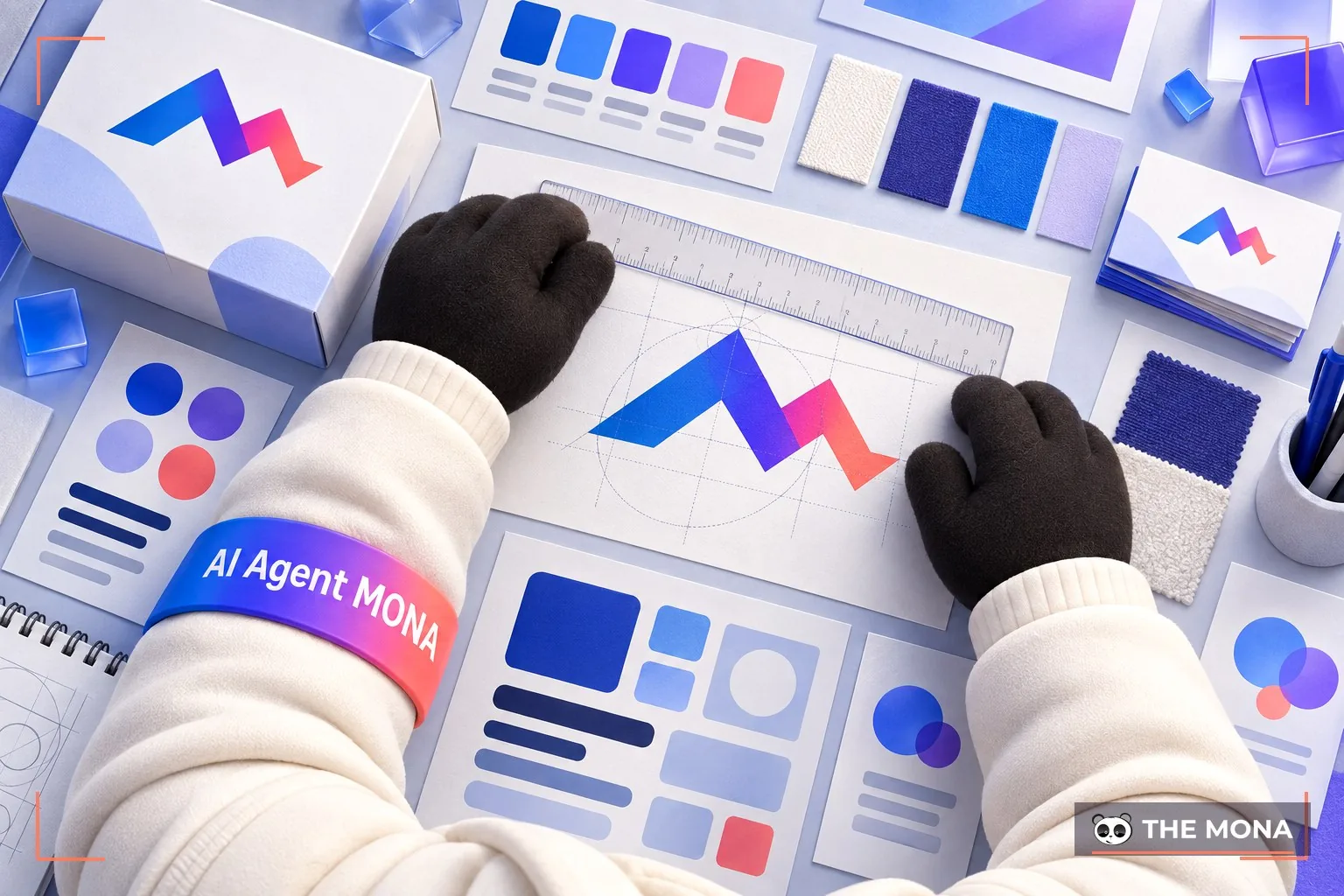
Designing the identity system covers the logo design, colors, typography, tone of voice, imagery and storytelling. Develop recognizable signs such as a signature color, packaging shape, sound, tagline or mascot. Use them consistently across every channel so customers quickly recognize you, and finalize usage rules and detailed guidelines for your team and partners.
Tell one clear, consistent message across many channels: ads, PR, social, SEO, email, stores… Plan around the customer journey so the right content reaches people at the right time. Balance long-term brand building with short-term activations for sales. Make sure the experience before, during and after purchase all reflects the brand’s spirit.
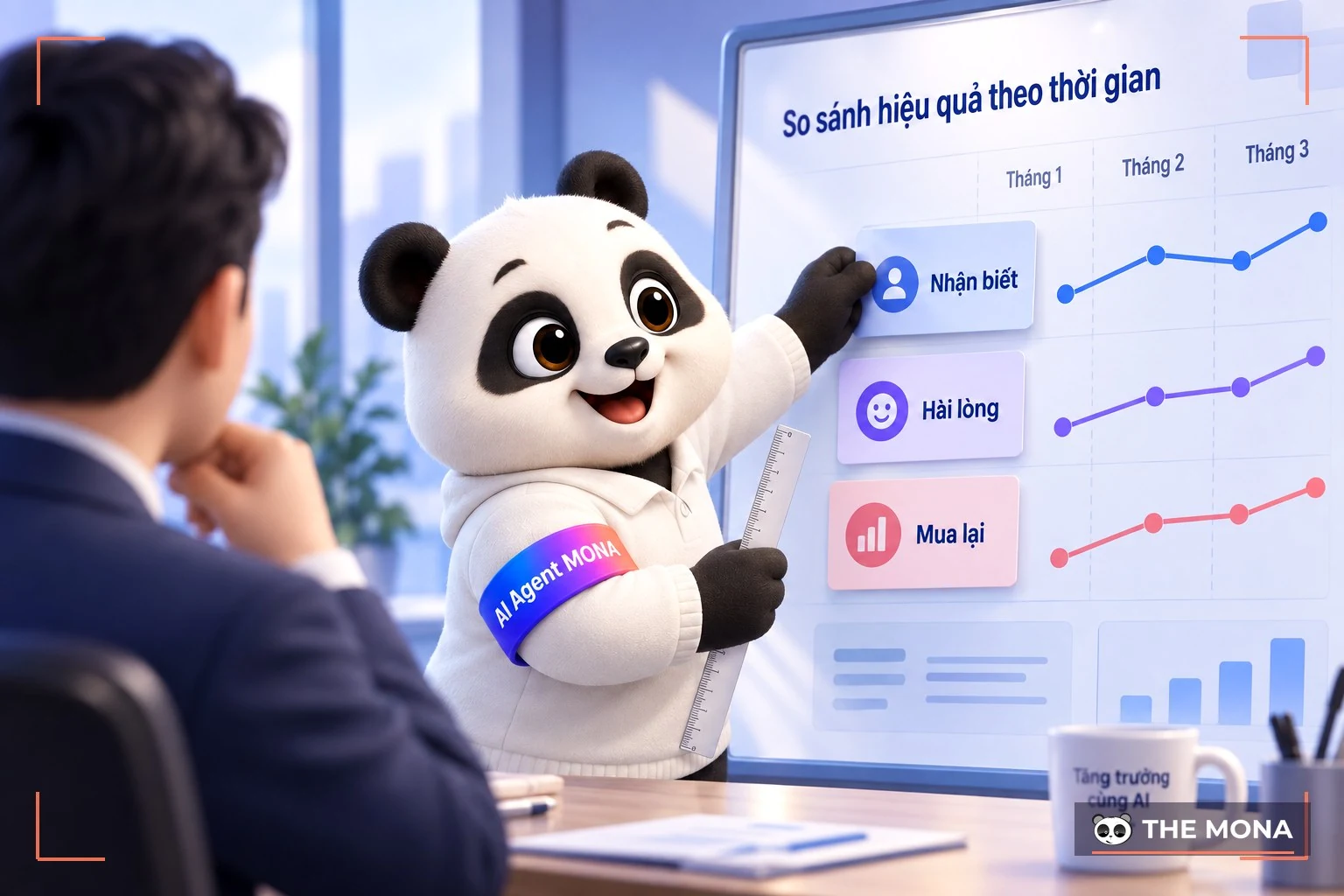
A long-term brand management process needs periodic measurement of these metrics: awareness, consideration, preference, purchase intent, NPS/CSAT, repurchase and market share, combining survey data with digital analytics (website, social, CRM). Next, compare over time and against competitors to see the trends. Above all, always connect brand results with revenue, profit margin and ROI.
Effective online brand management must be data-driven: choose priority problems and form hypotheses for improvement. Run controlled tests (A/B tests of messages, channels, packaging, offers), then learn from the results. Standardize what works and drop what doesn’t. Repeat the cycle so the brand always fits the market and the budget is used more wisely.

Brand management looks simple but is extremely hard. To make it effective, keep these 10 basic principles in mind:
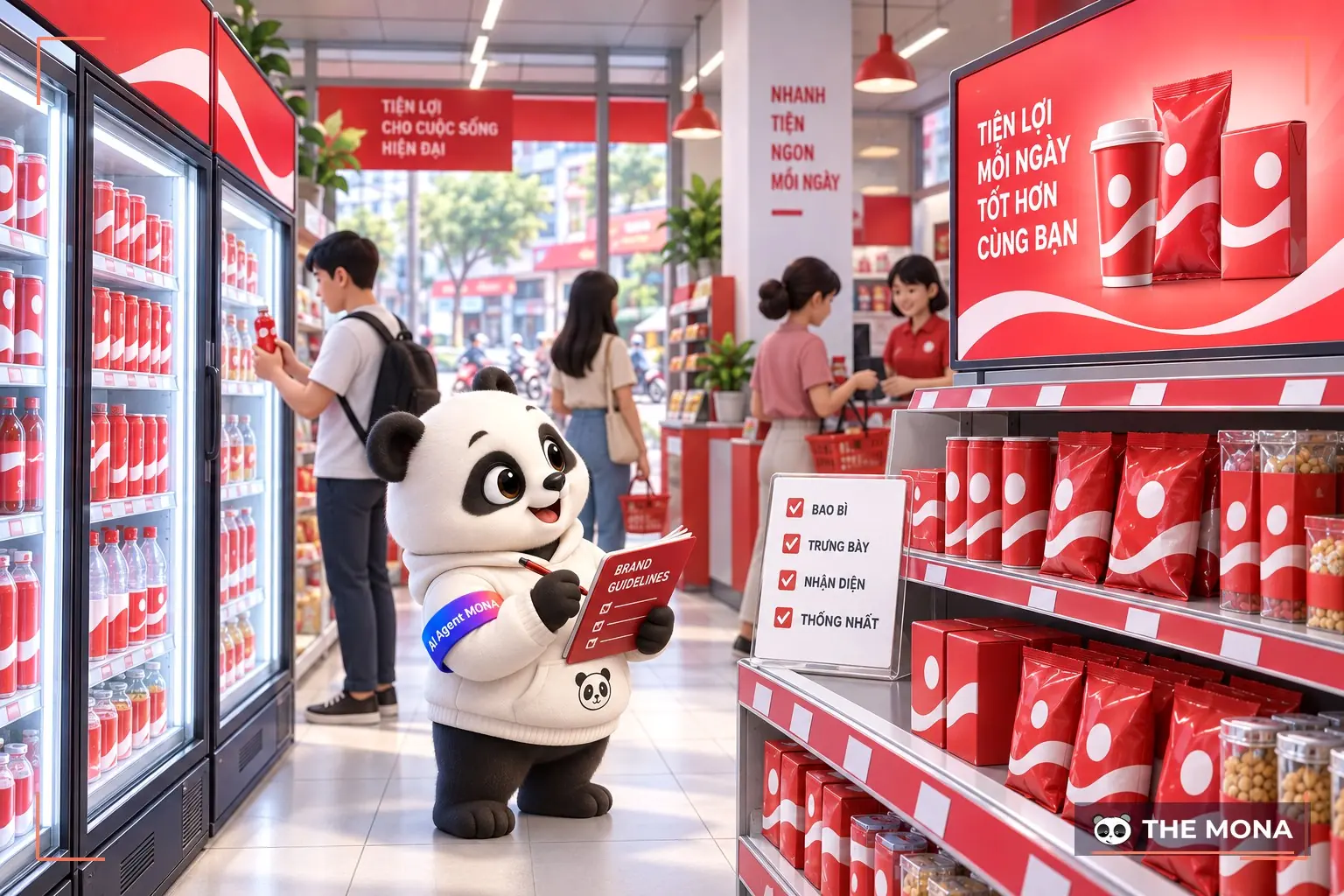
To see what difference brand management makes, look at how the famous Coca-Cola brand has kept its strength for more than a century. It is not a single campaign. Coca-Cola’s success in brand building and management comes from a consistent management system: a clear foundation, distinctive identity assets, operations from global to local, iconic sponsorships and disciplined measurement. Below are the main pillars of how Coca-Cola manages its brand.
“Product/packaging” design: The contour bottle, Coca-Cola red and the “ribbon” are standardized globally, making it stand out on the shelf and recognizable from afar. Packaging is both identity and a form of brand communication.
Experience and channel system: The Coca-Cola System model (parent company plus bottling partners) ensures “available everywhere, any time” with consistent quality. The cold-drink experience and familiar taste are kept consistent at every point of sale.
Brand identity assets: The red color, Spencerian script, Red Disc, contour bottle… are protected and used consistently. These are Coca-Cola’s “identity codes”, creating instant brand recognition that is hard to copy.
Marketing and sponsorship strategy: A universal emotional message (connection, sharing) is rolled out across channels, with long-term sponsorship of the Olympics and FIFA to reinforce its “global and connected” character. One story, many touchpoints, one feeling.
Innovation and portfolio architecture: It applies a “One Brand” strategy that unifies the Coca-Cola product portfolio (Original, Zero Sugar…) under one visual language. It expands Zero Sugar and local versions while staying true to the core flavor and identity.
Listening and adapting: The lesson from New Coke has made the brand careful about its “core” values, so it focuses on innovating the expression or packaging rather than changing the nature of the product. It also keeps listening to market feedback to correct shortcomings quickly.
Sustainability and responsibility: Coca-Cola has set a goal to collect and recycle the equivalent of 100% of its packaging by 2030, and to optimize materials (such as moving to clear, easily recycled bottles). Sustainability has become an integral part of the brand’s value.
Measurement and management: It continuously tracks brand health (awareness, preference, market share), tied closely to revenue and profit targets. Coca-Cola’s measurement discipline helps the brand put investment in the right channel at the right time.
When a business grows and branches out into more sub-brands, that is when you need brand management. This stage also shows most clearly how important it is to building a distinct brand.
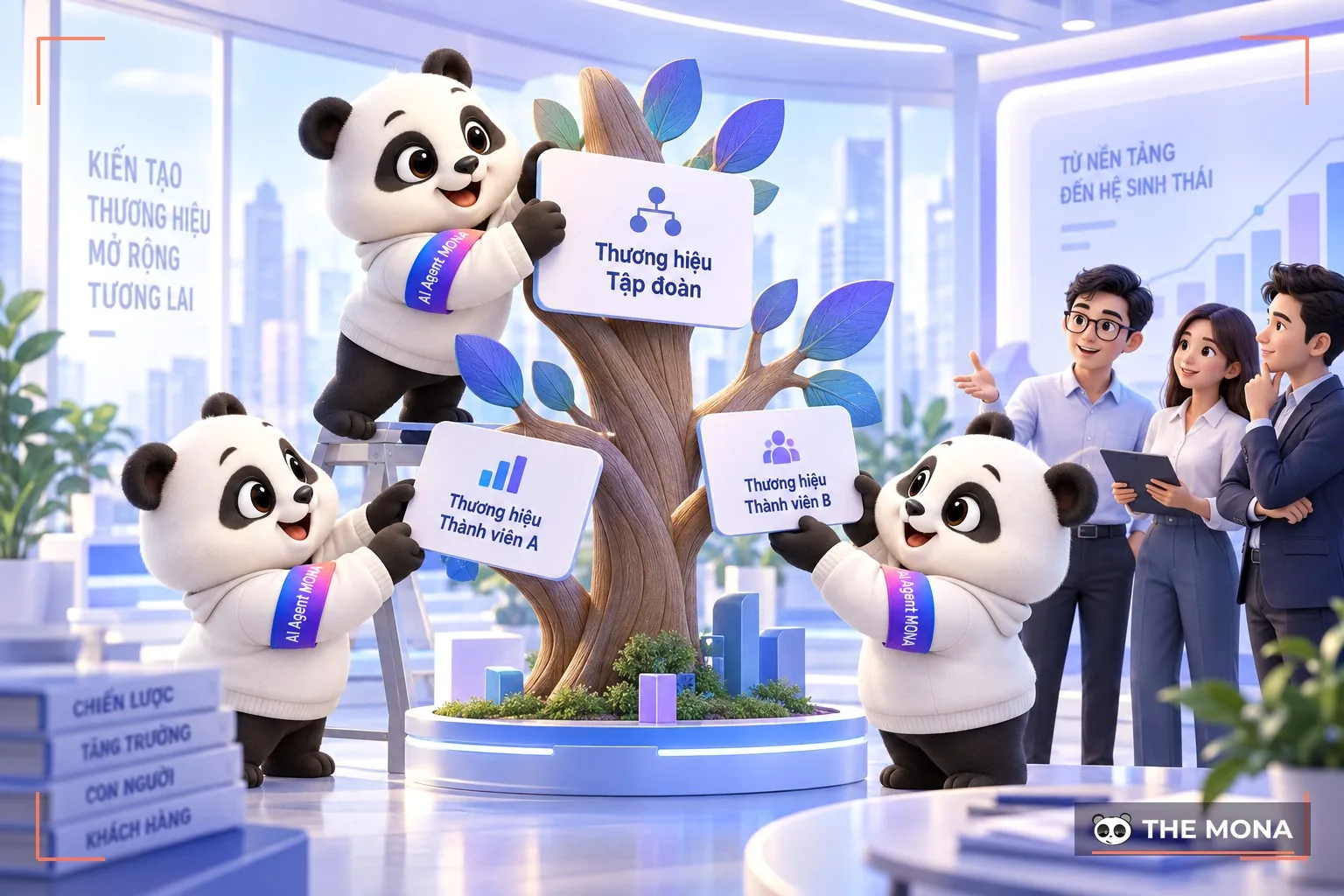
A Brand Manager or Brand Director takes on brand management. This person keeps each sub-brand under control and the whole brand system coherent.
Most business models today need to build a brand. It plays an important role in sustainable development and revenue growth for the organization.
The result of effective brand management is not only image value. Corporate brand management also plays an important role in building a customer base and a community of your own. From there, a business minimizes losses in hard times. Even with no new customers, you still have a steady base of users who trust and use your products or services.
Brand stories and knowledge are always very diverse. The article alone What is brand management? on how important brand management is will not give you a complete picture of branding in marketing. Follow Mona Media regularly; we will keep adding useful knowledge about brands for you!
Please contact us via:

CEO & Founder · The MONA
The founder of The MONA built a service company of 60+ staff with 14,000+ projects delivered. Khánh Hùng shares his thinking on building self-running systems, automating a business, and the real lessons behind MONA's projects.
 1,5K




Professional website
design services
Own a website with a beautiful, 100% exclusive design and a lifetime warranty, with the ability
to expand features flexibly as your business grows, starting today!






 MONA will never sell your information or send you spam


 MONA will never sell your information or send you spam
