
 MONA OS 2.0
 Partner with MONA


 Tự động hoá doanh nghiệp
 Cẩm nang SEO
 Digital Marketing
 Kinh nghiệm thiết kế website
 Hạ Tầng Server
 Giáo dục


 VI
 EN






Message us on
Zalo Official


 ProductsNew

 ProductsProducts
 Mới ra mắtKHA AI 2027App tự edit video, tự đăng mọi mạng xã hội, 2 phút mỗi ngày










 Website designLooks good and wins customers over.
SEO servicesBrings in customers searching for exactly what you sell.
 Tư vấn digital marketingKéo khách từ nhiều kênh, đo bằng số thật.
Corporate video productionVideos introducing your company, factory and team.
 NewAI video productionCompany story films made with AI.
 Custom software developmentCRM, ERP and HRM built for your business.
 Viết AI Agent theo yêu cầuĐặt riêng một trợ lý AI cho đúng việc của mình.
 Tư vấn chuyển đổi AIĐưa AI vào vận hành của cả công ty.
NewMONA LMSManagement for centers and schools.
MONA SkillHubInternal training for company staff.
 NHTQ systemEnd-to-end China–Vietnam shipping operations.
MONA JMSManagement for gold, diamond and pawn shops.
 MONA E-LearningA website with every feature you need to sell courses.
 How to sell online courses (course)More than 30 free lessons on selling courses on autopilot.
 MONA Cloudmonacloud.vnServers to get your apps and websites running.
 MONA Basemonabase.vnPostgres database, sign-in and file storage.
 MONA Mailmonamail.vnSend OTP, order and invoice emails from your software.
 MONA Paymonapay.vnAccept bank transfers via VietQR and notify your software when the money arrives.
 MONA eInvoiceComing soonIssue e-invoices that meet tax standards.
Gấu CườiTrả lời khách 24/7 trên web, Fanpage, Zalo và thu lead cho sale.
 Gấu TeleSalesGọi điện tư vấn, chăm khách như tổng đài viên thật.
Dê CườiTư vấn và chốt đơn cho shop ngay trong khung chat.
Gấu WebmasterNhắn nhóm Zalo là website được sửa xong.
 Gấu Pháp ChếSoạn hợp đồng, rà điều khoản trong vài phút.
 Gấu Báo GiáLên báo giá đúng mẫu và gửi khách ngay.
 AI chăm sóc khách hàngTheo dõi và giữ chân khách hàng cũ.
 Gấu Tuyển DụngLọc hồ sơ, hẹn lịch, phỏng vấn ứng viên.
 Mới ra mắt
KHA AI 2027
Xây kênh chuyên gia 2 phút mỗi ngày
Quay bằng điện thoại, AI tự edit video, tự đăng lên 16 nền tảng và tự trả lời bình luận, tin nhắn.
884.102lượt xem trên kênh CEO MONA sau 36 ngày
 Anh Khánh HùngCEO MONA đang dùng mỗi ngày
Xem app làm được gì
 AI
Gấu Cười MONA ĐANG TỰ XÀITrả lời khách 24/7 trên website, Zalo OA, Messenger và thu lead về cho sale.
Dê CườiChốt đơn bán lẻ và sàn: Shopee, TikTok Shop, web. Chăm cả khách sỉ, đại lý.
Gấu WebmasterCập nhật nội dung, tối ưu SEO website mỗi ngày.
Gấu TeleSalesGọi điện tư vấn, chăm khách như tổng đài viên thật.
Gấu Tuyển DụngLọc hồ sơ, hẹn lịch, phỏng vấn ứng viên tự động.
AI chăm sóc khách hàngGiữ khách cũ, cứu lead đã rớt cho phòng kinh doanh.
Gấu Pháp ChếSoạn hợp đồng, rà điều khoản trong vài phút.
Gấu Báo GiáLên báo giá đúng mẫu, gửi khách ngay khi có yêu cầu.
 Chuyển đổi AI toàn phầnGiải pháp tổng cho doanh nghiệp, 3 lớp triển khai.
 Viết AI Agent theo yêu cầuĐặt riêng một con AI gánh đúng nghiệp vụ của bạn.
 Custom softwareCRM, ERP and HRM with built-in AI automation.
 SEO & AEO thời đại AIĐược Google lẫn AI trích dẫn, không chỉ xếp hạng.
 Kiến thức AI cho doanh nghiệpBài phân tích, hướng dẫn ứng dụng AI vào vận hành.
 Free AI courses
 AI tools at work
App mới · KHA AI 2027
Xây kênh 2 phút mỗi ngày
AI tự edit video, tự đăng mọi mạng xã hội
Free consultation, 8am–10pm every day

05 June, 2024
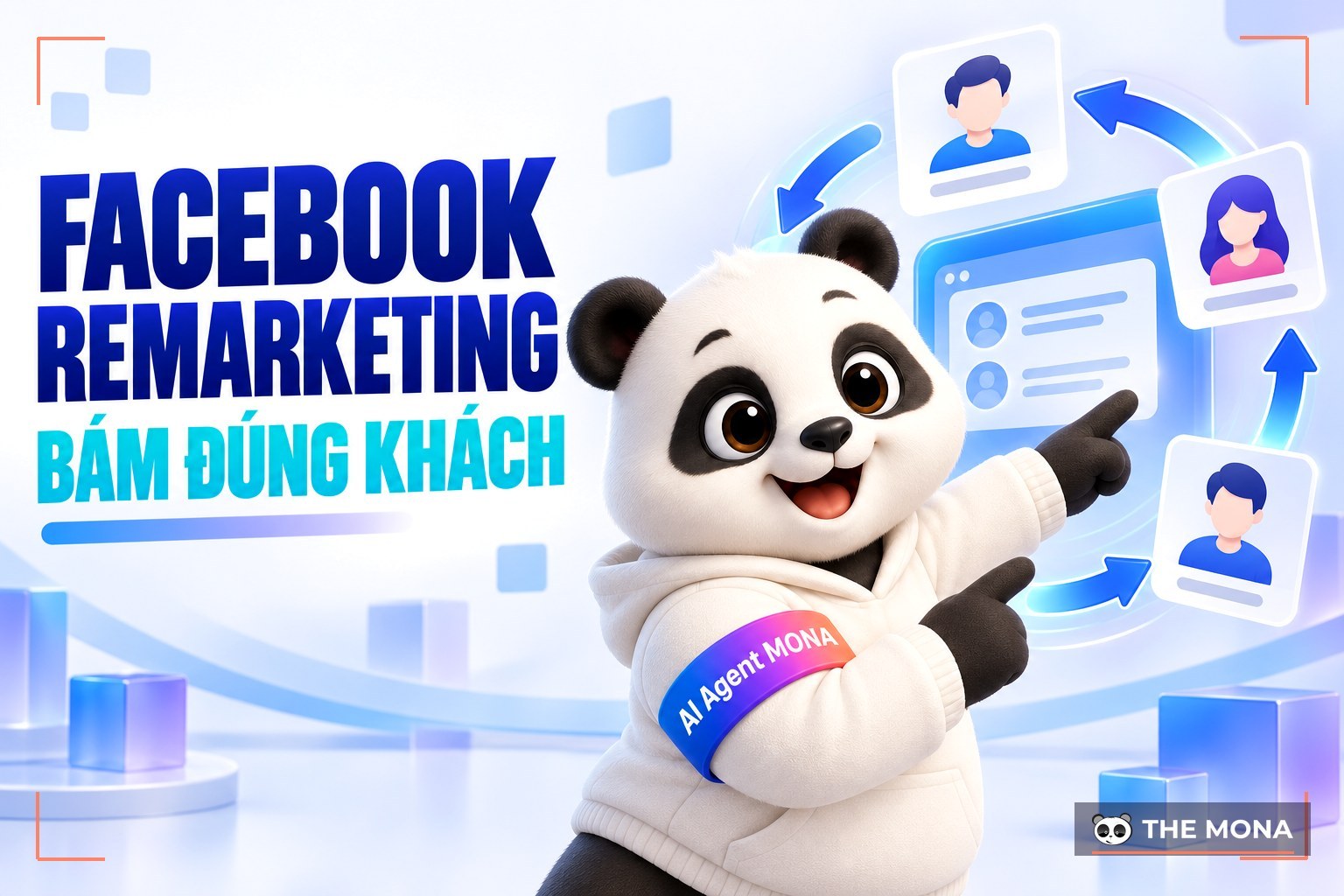
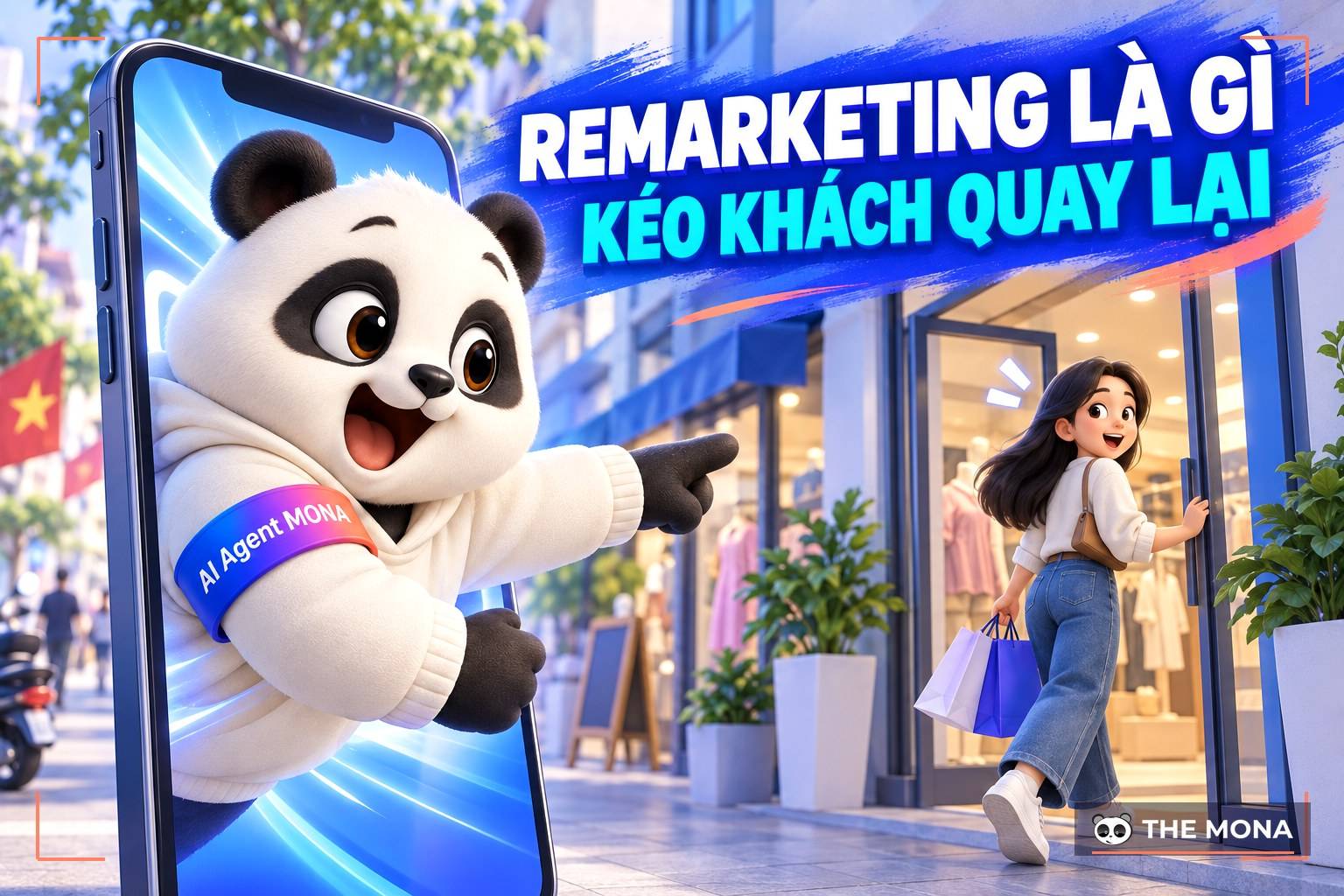
Did you know that fewer than 2% of users decide to buy on the first contact? Without investing in Facebook remarketing, you lose the remaining potential customers customers. So let's look at MONA Media look at What is Facebook remarketing? and how to run Facebook remarketing ads to close more orders.
According to IRP data, most customers buy after seeing a product 2, 3 or even 4 times, and only 1.62% buy on the first contact. Large businesses usually take data from their website and run Remarketing on the platforms they want. The aim is to appear often enough in customers' minds that they remember your product or service.
Facebook is a popular choice for many businesses. To apply Facebook Remarketing effectively, you need to know some basics, which MONA covers below.
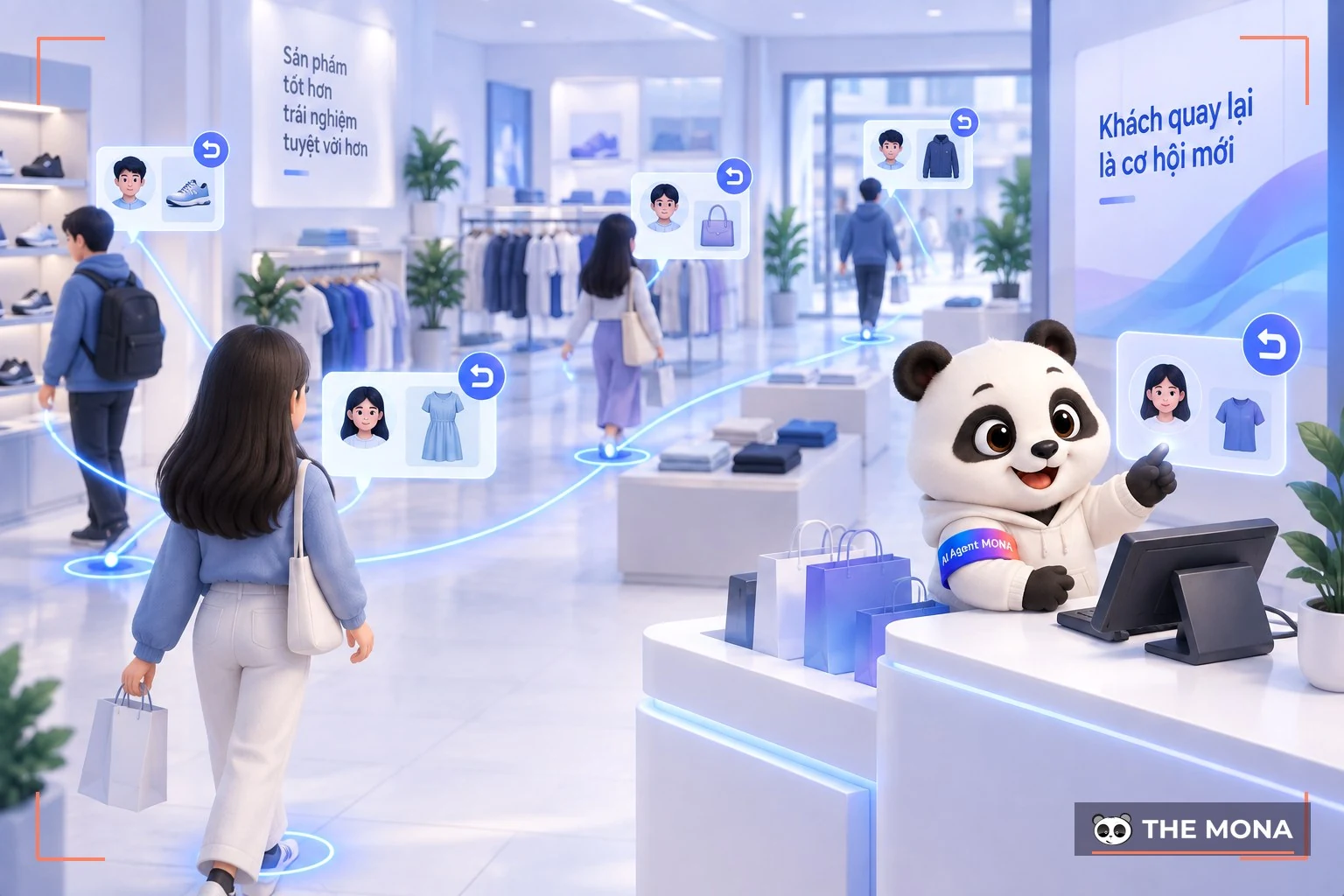
Facebook Remarketing or retargeting on Facebook, is the set of advertising activities and campaigns aimed at raising conversion rate, increasing revenue and keeping customers who already have, or have had, the intention to buy on Facebook.
Put simply, Facebook remarketing gives your business a second chance to reach people who have visited your website within a certain period.
≫ Read more: Facebook advertising services committed to results and optimized costs
Although Facebook remarketing has many benefits, it must be done carefully and with a detailed strategy to get the best results.
Knowing how to run remarketing on Facebook brings strengths such as:

Alongside these strengths, remarketing on Facebook has drawbacks you should weigh before you start:
Compared with the benefits of Facebook remarketing, the drawbacks of this ad format do not affect results much. If you optimize your Facebook remarketing ads well, you can avoid these drawbacks and capture the potential of the remaining 98% of customers.
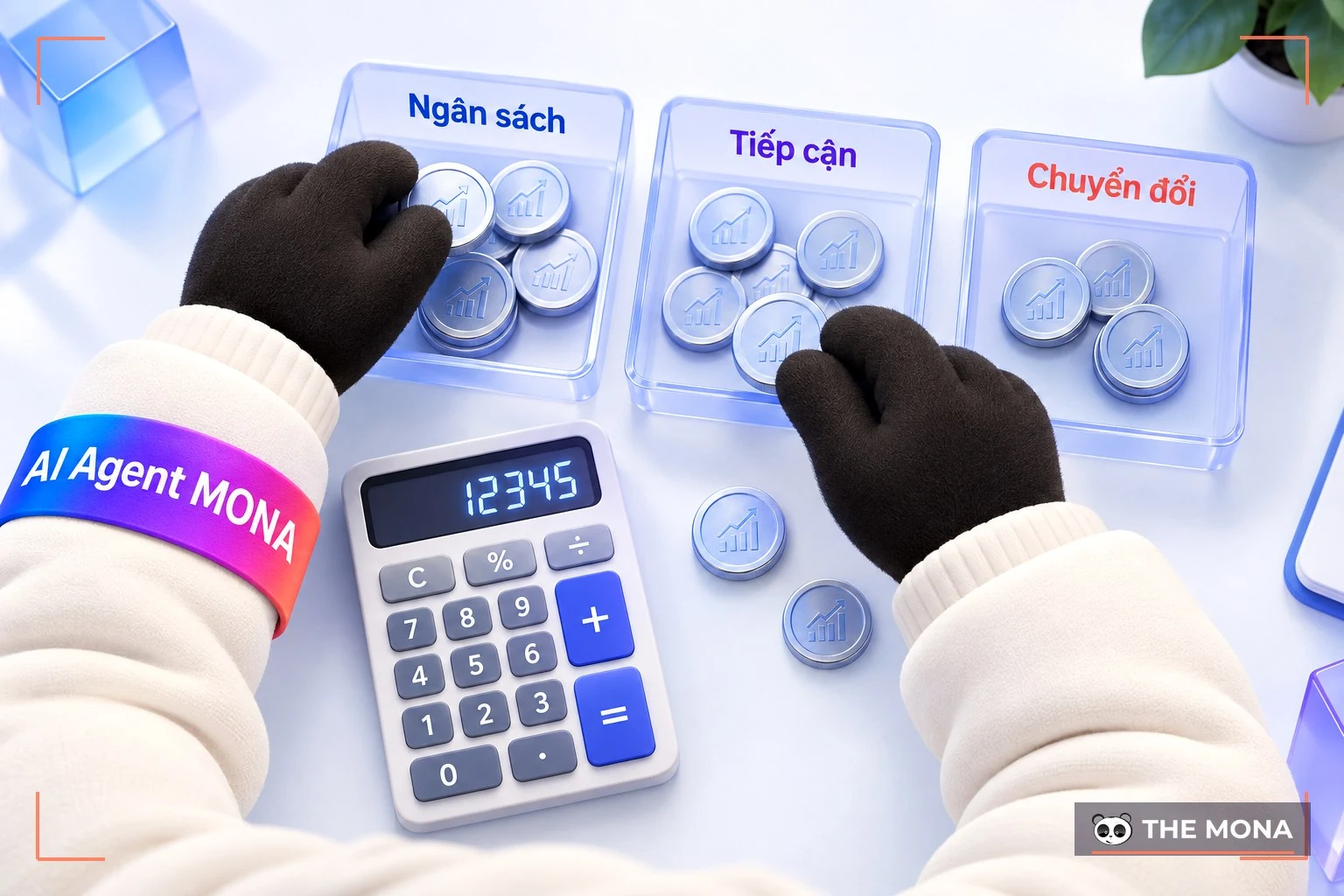
The cost of remarketing on Facebook is not fixed because it depends on many factors such as the customer audience, campaign scale and the business's budget. Facebook remarketing is usually charged in 3 ways: CPC (pay per click), CPM (pay per impression) and CPA (pay per acquisition).
You can manage costs by balancing and adjusting Facebook ad bid prices to fit your budget and goals.

People often confuse the two concepts because they are so similar, and a few even use the terms interchangeably. Retargeting is a more specific form Facebook Remarketing, retargeting and remarketing still have distinct features. Telling them apart helps you set the right goals and run Facebook remarketing more effectively.
|
Content |
Remarketing Facebook |
Retargeting Facebook |
|
Definition |
The general concept of showing ads on any platform to reach an audience again. |
A specific form of remarketing on the Facebook platform |
|
Goals |
Focuses on shopping carts, with the aim of raising conversion rate. |
Focuses on coverage, with the aim of bringing visitors back again. |
| Data sources |
Uses first-party data only. |
Uses several types of data: first-party data, second-party data (shared by partners) and independent third-party data. |
|
Method |
Compiles customer lists to build an email sales strategy. |
Repeats the message. |
However, marketers have gradually become more familiar with the term remarketing, and the two terms have merged into one. Remarketing also has much higher search volume than retargeting, so MONA uses Facebook remarketing to reach you better, but keep in mind that the real subject of this article is Facebook retargeting.
Facebook remarketing process can seem hard to set up for beginners, so MONA is here to walk you through Facebook remarketing in detail. You can follow the steps below.
First you need an account to start running Facebook ads which is also a requirement for launching a remarketing campaign on Facebook. You can log in to Facebook and register an ad account at the following link: https://vi-vn.facebook.com/business/tools/ads-manager.
Facebook Pixel is an important tool for identifying your customer audience and seeing what they do. Without a pixel, marketing becomes difficult. You can follow these steps:
Create Pixel
Find the Pixel code


Install the Pixel in a WordPress theme: Install the Pixel ID before the Head tag in your website template as follows:

Install through Google Tag Manager


*Note that the Pixel only works when there are at least 20 matching users, so increase your traffic before running ads.
You can set up an audience by going to Facebook Ads Manager > Click All tools > Audience > Create audience and choose Custom Audience. Facebook will then suggest similar audience groups, which you can review, refine and set up as needed.

To set the campaign objective, you can follow these steps:

At this step you can choose between Create New (create a new audience) or Use a Saved Audience (a saved audience). After you enter the audience details, Facebook estimates the size and ad results after 1 day, and you can use that to adjust the audience to the size you want.
*Note:
As with regular ads, remarketing gives you a range of placements, such as Stories, Messenger, Video, the Facebook Feed, Instagram and more, or you can choose the devices you want the ads shown on, such as phones or computers.
There are 2 ways to set a budget: a lifetime budget and a daily budget. If you do not have much experience running ads, a daily budget makes it easier to control and adjust at each stage.
Common formats include images, video and collections, along with the message you want to give customers. Do not forget to add your website link and a UTM code to track traffic sources to your website. Finally, click confirm to complete your remarketing campaign.
To remarket to audiences on Facebook, a business basically only needs to own a Fanpage on the platform. So you do not necessarily need a business website to run the campaign, because the remarketing feature is already built into Facebook.
However, a marketing system that combines a website and a Fanpage is an advantageous way to run Facebook remarketing and gives better results.
As noted above, true remarketing needs a website as the source of data. If you do not have one yet, see a proper sales website for running remarketing. The cheapest channel for nurturing customers once you have data is email marketing service, and if the core concept is still unclear, read what is remarketing.
If you only have a Fanpage, or customer data you already hold, and still want to do Facebook remarketing, Facebook's Custom Audience tool helps you reach your target audience more effectively. Learn more about how to run Facebook remarketing ads without a website in the content below.
This method lets you target people who have engaged with your Fanpage within a specific period of no more than 365 days. You can follow these detailed steps:
This is a way to re-advertise a video to people who have watched your videos before. To do it, you can:
Facebook can find users based on their email or phone number records. So you can also build an audience by uploading a data list and letting Facebook show ads to your customer audience.
Lead Ads are an expensive format. To run Facebook remarketing for this group, you must first have a history of running Lead Ads so you have data to build a Custom Audience. Then you can follow these steps:
Understanding customer behavior helps you generate revenue by running effective ads. Above, MONA has walked through how to run Facebook remarketing ads in two cases, with and without a website. We hope this article helped you understand Facebook Remarketing and find a way to do Facebook remarketing that raises the conversion rate of your ad campaigns.

CEO & Founder · The MONA
Founder of The MONA, who built a services company of 60+ staff with 14,000+ projects delivered. Khánh Hùng shares how he thinks about building systems that run themselves, automating a business, and the real lessons from delivering projects at MONA.
 1,5K



Professional website
design services
Own a website with a beautiful, 100% exclusive design and a lifetime warranty, with the ability
to expand features flexibly as your business grows, starting today!






 MONA will never sell your information or send you spam


 MONA will never sell your information or send you spam
