
 MONA OS 2.0
 Partner with MONA


 Tự động hoá doanh nghiệp
 Cẩm nang SEO
 Digital Marketing
 Kinh nghiệm thiết kế website
 Hạ Tầng Server
 Giáo dục


 VI
 EN



Message us on
Zalo Official


 ProductsNew

 ProductsProducts
 Mới ra mắtKHA AI 2027App tự edit video, tự đăng mọi mạng xã hội, 2 phút mỗi ngày










 Website designLooks good and wins customers over.
SEO servicesBrings in customers searching for exactly what you sell.
 Tư vấn digital marketingKéo khách từ nhiều kênh, đo bằng số thật.
Corporate video productionVideos introducing your company, factory and team.
 NewAI video productionCompany story films made with AI.
 Custom software developmentCRM, ERP and HRM built for your business.
 Viết AI Agent theo yêu cầuĐặt riêng một trợ lý AI cho đúng việc của mình.
 Tư vấn chuyển đổi AIĐưa AI vào vận hành của cả công ty.
NewMONA LMSManagement for centers and schools.
MONA SkillHubInternal training for company staff.
 NHTQ systemEnd-to-end China–Vietnam shipping operations.
MONA JMSManagement for gold, diamond and pawn shops.
 MONA E-LearningA website with every feature you need to sell courses.
 How to sell online courses (course)More than 30 free lessons on selling courses on autopilot.
 MONA Cloudmonacloud.vnServers to get your apps and websites running.
 MONA Basemonabase.vnPostgres database, sign-in and file storage.
 MONA Mailmonamail.vnSend OTP, order and invoice emails from your software.
 MONA Paymonapay.vnAccept bank transfers via VietQR and notify your software when the money arrives.
 MONA eInvoiceComing soonIssue e-invoices that meet tax standards.
Gấu CườiTrả lời khách 24/7 trên web, Fanpage, Zalo và thu lead cho sale.
 Gấu TeleSalesGọi điện tư vấn, chăm khách như tổng đài viên thật.
Dê CườiTư vấn và chốt đơn cho shop ngay trong khung chat.
Gấu WebmasterNhắn nhóm Zalo là website được sửa xong.
 Gấu Pháp ChếSoạn hợp đồng, rà điều khoản trong vài phút.
 Gấu Báo GiáLên báo giá đúng mẫu và gửi khách ngay.
 AI chăm sóc khách hàngTheo dõi và giữ chân khách hàng cũ.
 Gấu Tuyển DụngLọc hồ sơ, hẹn lịch, phỏng vấn ứng viên.
 Mới ra mắt
KHA AI 2027
Xây kênh chuyên gia 2 phút mỗi ngày
Quay bằng điện thoại, AI tự edit video, tự đăng lên 16 nền tảng và tự trả lời bình luận, tin nhắn.
834.192lượt xem trên kênh CEO MONA sau 27 ngày
 Anh Khánh HùngCEO MONA đang dùng mỗi ngày
Xem app làm được gì
 AI
Gấu Cười MONA ĐANG TỰ XÀITrả lời khách 24/7 trên website, Zalo OA, Messenger và thu lead về cho sale.
Dê CườiChốt đơn bán lẻ và sàn: Shopee, TikTok Shop, web. Chăm cả khách sỉ, đại lý.
Gấu WebmasterCập nhật nội dung, tối ưu SEO website mỗi ngày.
Gấu TeleSalesGọi điện tư vấn, chăm khách như tổng đài viên thật.
Gấu Tuyển DụngLọc hồ sơ, hẹn lịch, phỏng vấn ứng viên tự động.
AI chăm sóc khách hàngGiữ khách cũ, cứu lead đã rớt cho phòng kinh doanh.
Gấu Pháp ChếSoạn hợp đồng, rà điều khoản trong vài phút.
Gấu Báo GiáLên báo giá đúng mẫu, gửi khách ngay khi có yêu cầu.
 Chuyển đổi AI toàn phầnGiải pháp tổng cho doanh nghiệp, 3 lớp triển khai.
 Viết AI Agent theo yêu cầuĐặt riêng một con AI gánh đúng nghiệp vụ của bạn.
 Custom softwareCRM, ERP and HRM with built-in AI automation.
 SEO & AEO thời đại AIĐược Google lẫn AI trích dẫn, không chỉ xếp hạng.
 Kiến thức AI cho doanh nghiệpBài phân tích, hướng dẫn ứng dụng AI vào vận hành.
 Free AI courses
 AI tools at work
App mới · KHA AI 2027
Xây kênh 2 phút mỗi ngày
AI tự edit video, tự đăng mọi mạng xã hội
Free consultation, 8am–10pm every day

30 July, 2025
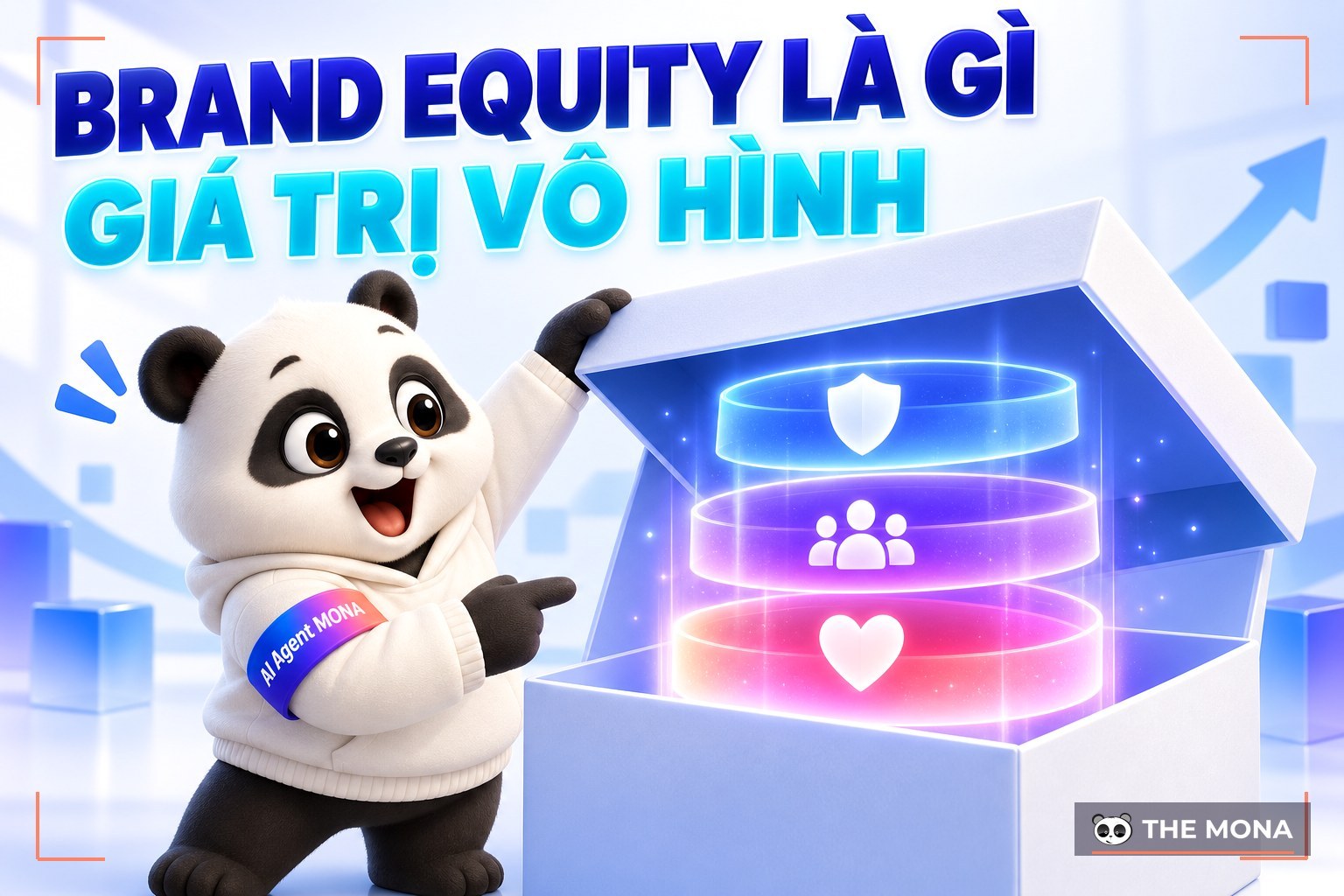
What is brand equity? Put simply, brand equity is the brand value built up in customers' minds, from awareness and preference to loyalty. It creates a competitive advantage, lowers the cost of winning customers and drives lasting revenue. The following article from MONA Media explains what brand equity means, what it is worth to a business, its core components, and the most practical ways to measure it with specific metrics.
Brand equity, or brand assets, is one of the added values a product or service gives a business in the eyes of customers and consumers. This value reflects how consumers see, feel about, evaluate, compare and react to a brand (a product, service or business) against its competitors in the market.
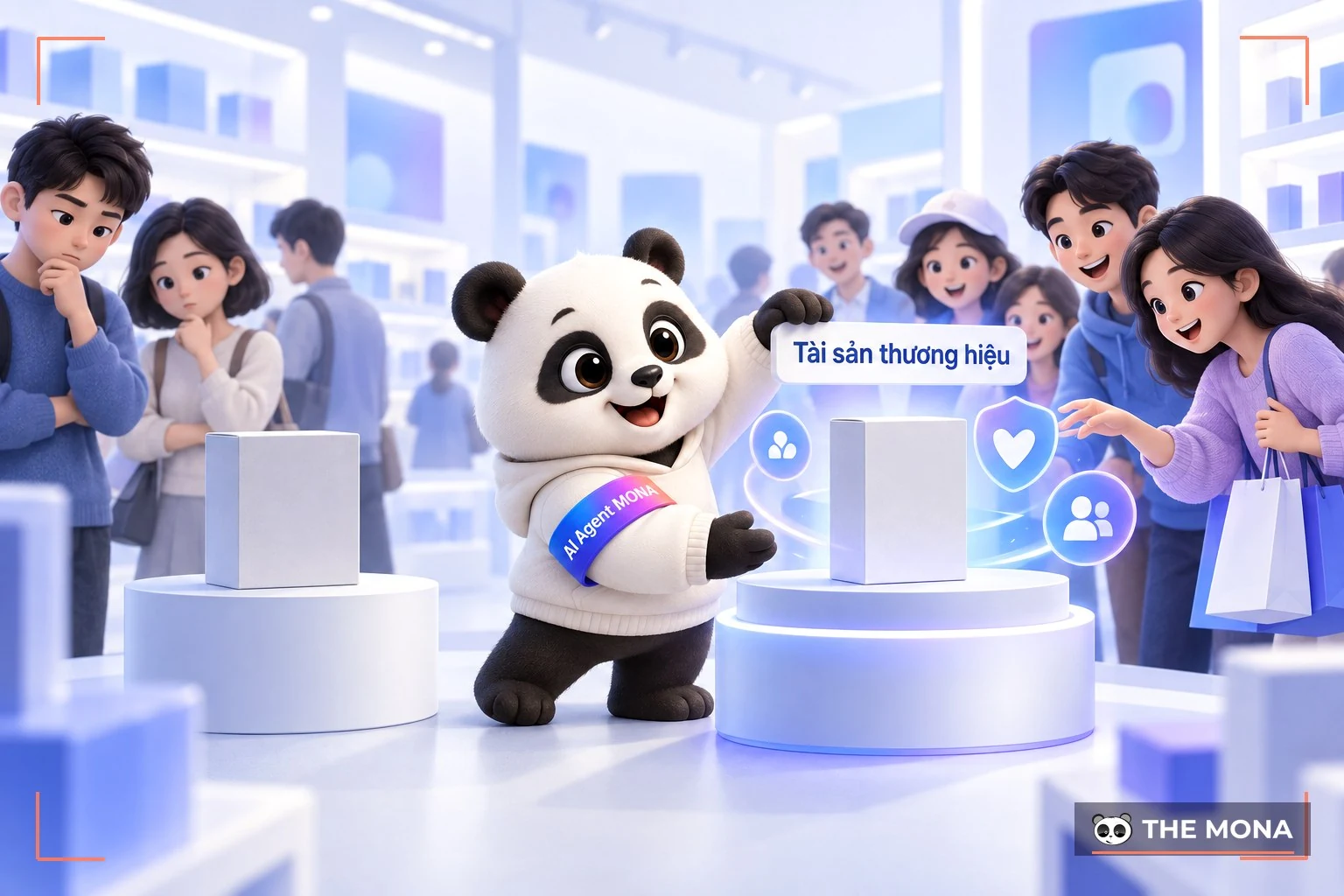
Building brand equity well helps a brand stand out from its competitors. Premium, high-quality products together with effective marketing campaigns built on brand equity make the brand easier to recognize, which in turn encourages customers to buy.
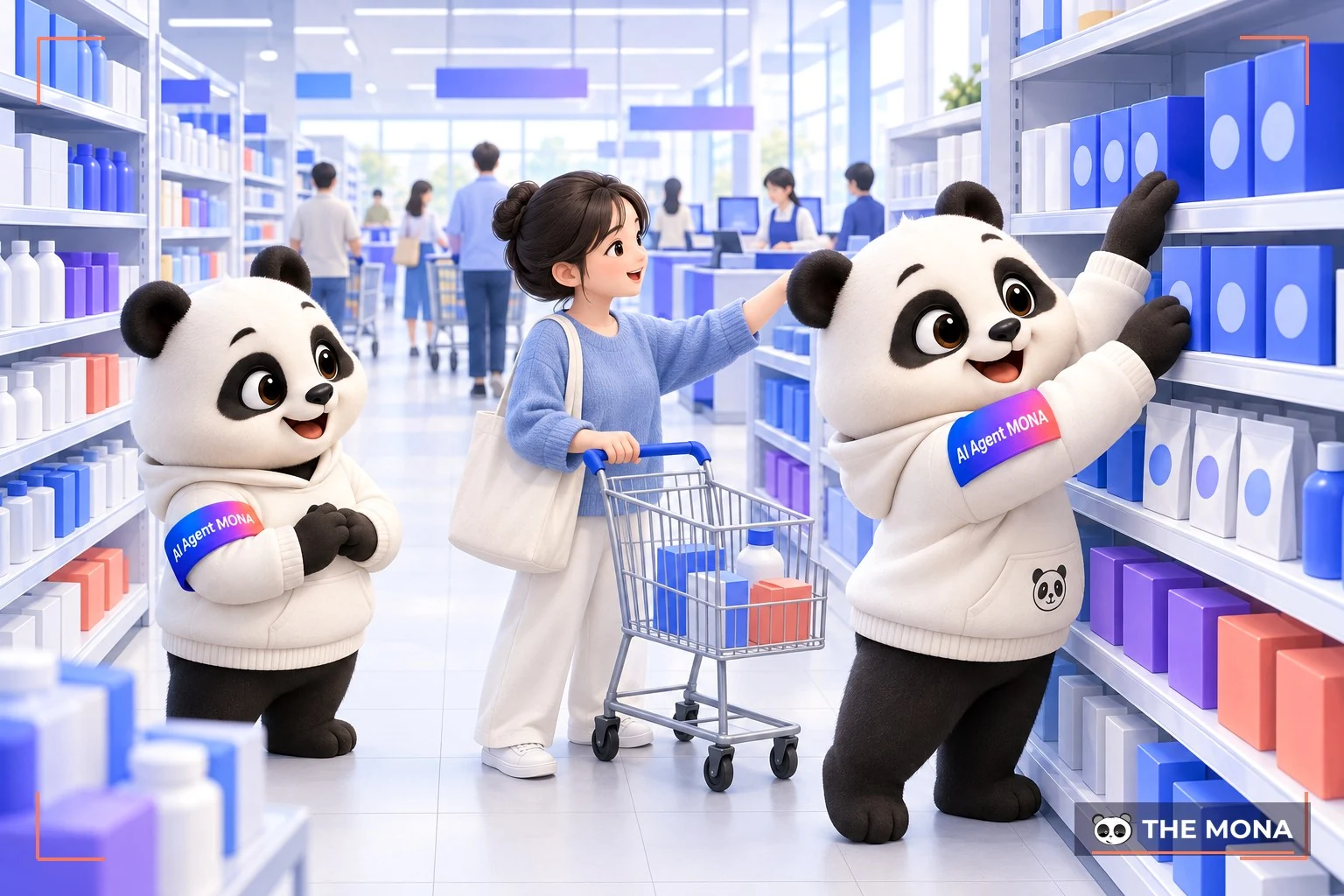
Here are some of the benefits of building brand equity. Businesses with this strong competitive advantage earn more revenue than their competitors in the market.
In addition, as the business grows and expands into other products and services, a strong brand makes that expansion easier. Customers already recognize and trust the company's brand, so they decide on new product types faster.
Developing brand equity brings an organization many benefits. One of the most important is that brand equity has a positive effect on return on investment (ROI). This shows up in the order value per customer and the savings in advertising spend thanks to reputation.
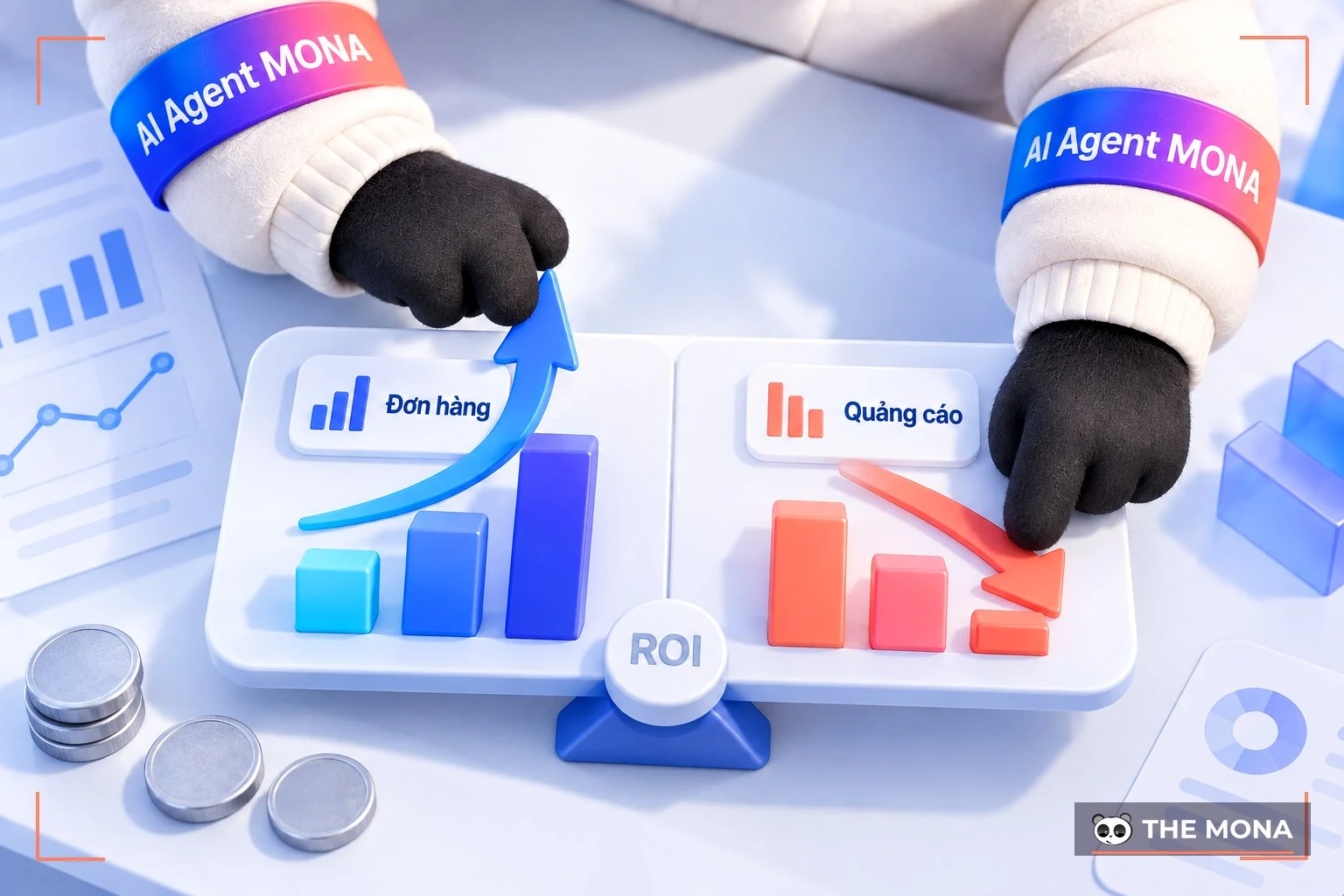
Once your business has built strong brand equity, consumers are likely to spend more on your products. This leads to a higher return on investment. Imagine you and a competitor spend the same amount to produce a product. Yet customers are willing to pay more for a reputable brand, so you can sell yours at a higher price.
For example, a pair of shoes with a distinctive design sells for more than products from businesses without a big name. Putting effort into building brand equity therefore helps you earn more profit.
If your brand has a good reputation, target customers will usually prefer to buy your products. You will not need to invest much in advertising new products. Profit rises because marketing costs fall and customers already trust the business's products.
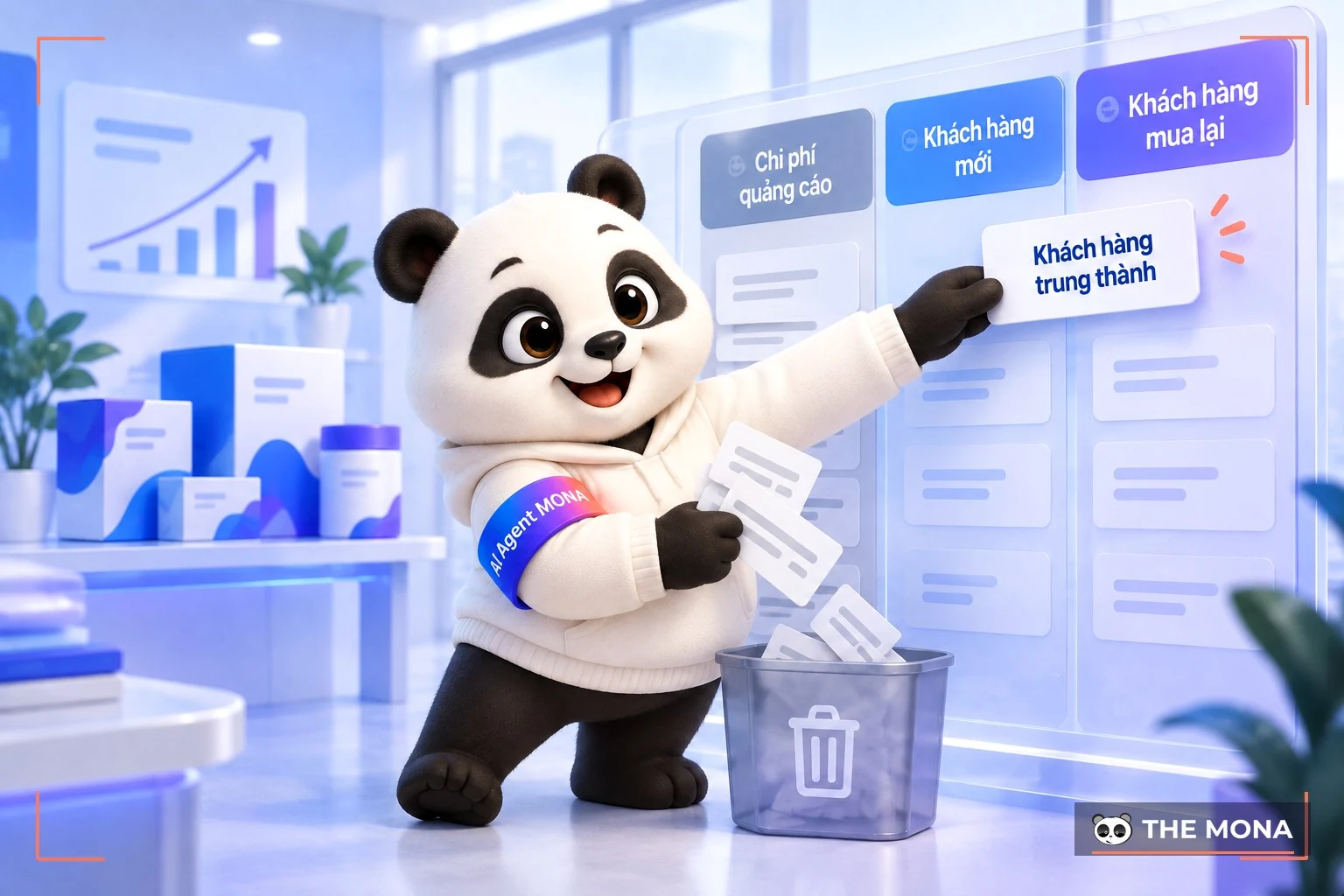
Can customers easily recognize your brand your brand among the thousands of brands in the market? So the first element of brand equity is how well consumers are aware of your brand among potential customers. The messages and images around your brand must stay connected so that consumers can recognize them, even on new products.
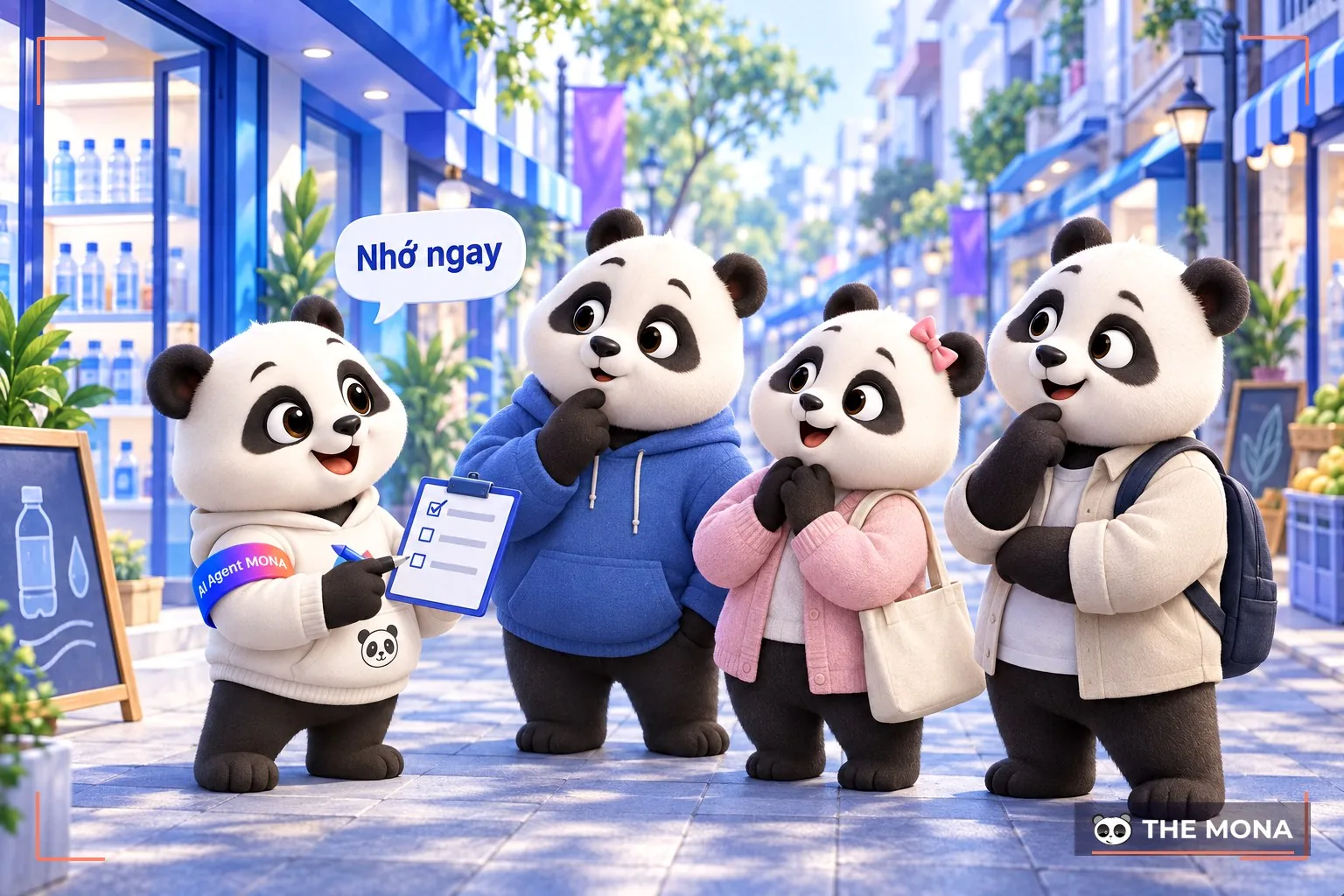
Example: Run a random survey with the question "Name 3 mineral water brands." If 7 out of 10 people name "LaVie / … / your brand" on their own, that is unaided awareness. If you give a list and 9 out of 10 pick your brand, that is aided awareness.
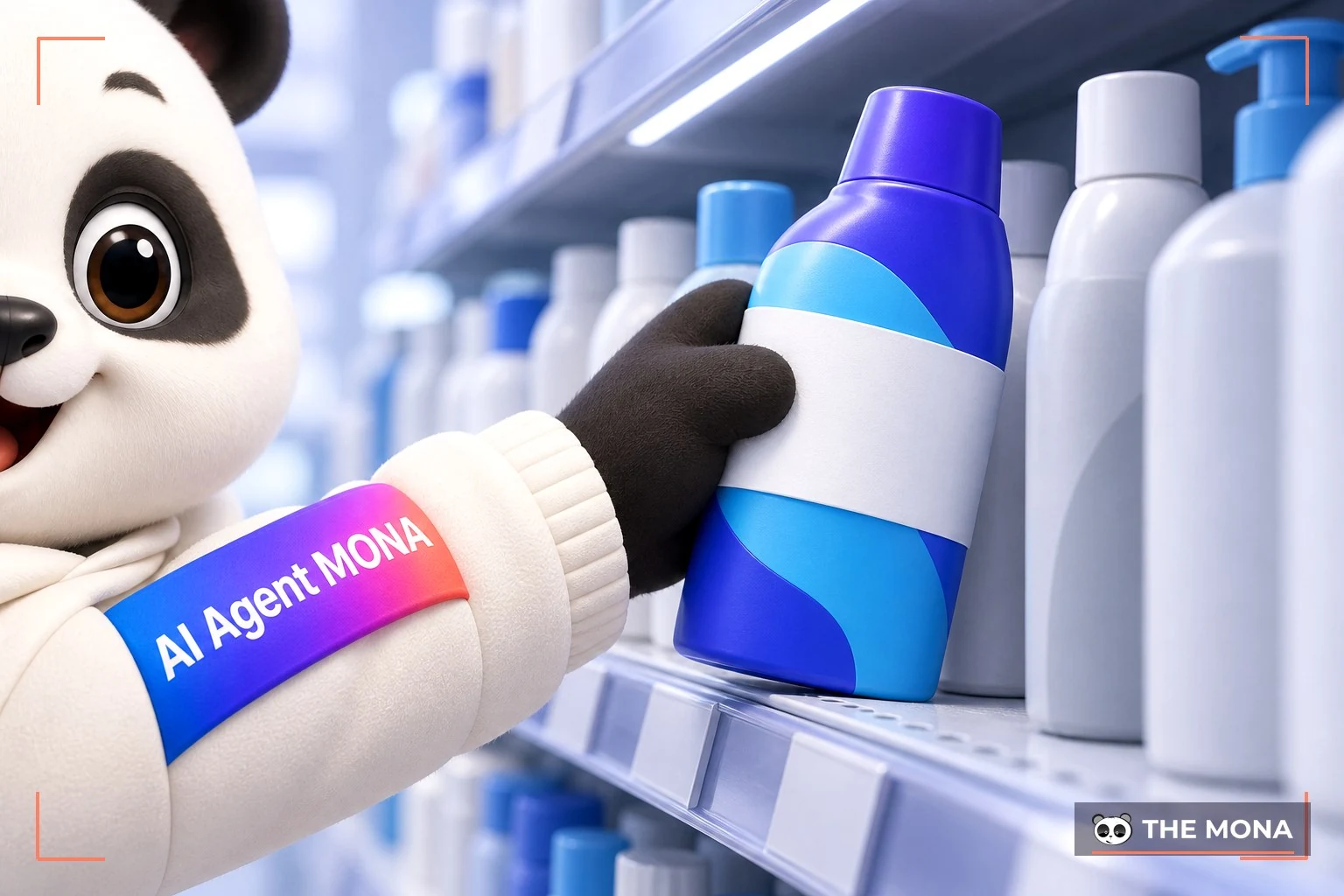
Brand recognition is how well customers can identify your brand in the market on their own, without being influenced by other factors such as advertising or introductions. Once customers start to recognize the brand, they feel more familiar with it.
Example: On a supermarket shelf, a customer needs only a glance at the main color and the distinctive bottle shape of a soft drink to name the brand, even with the logo covered.
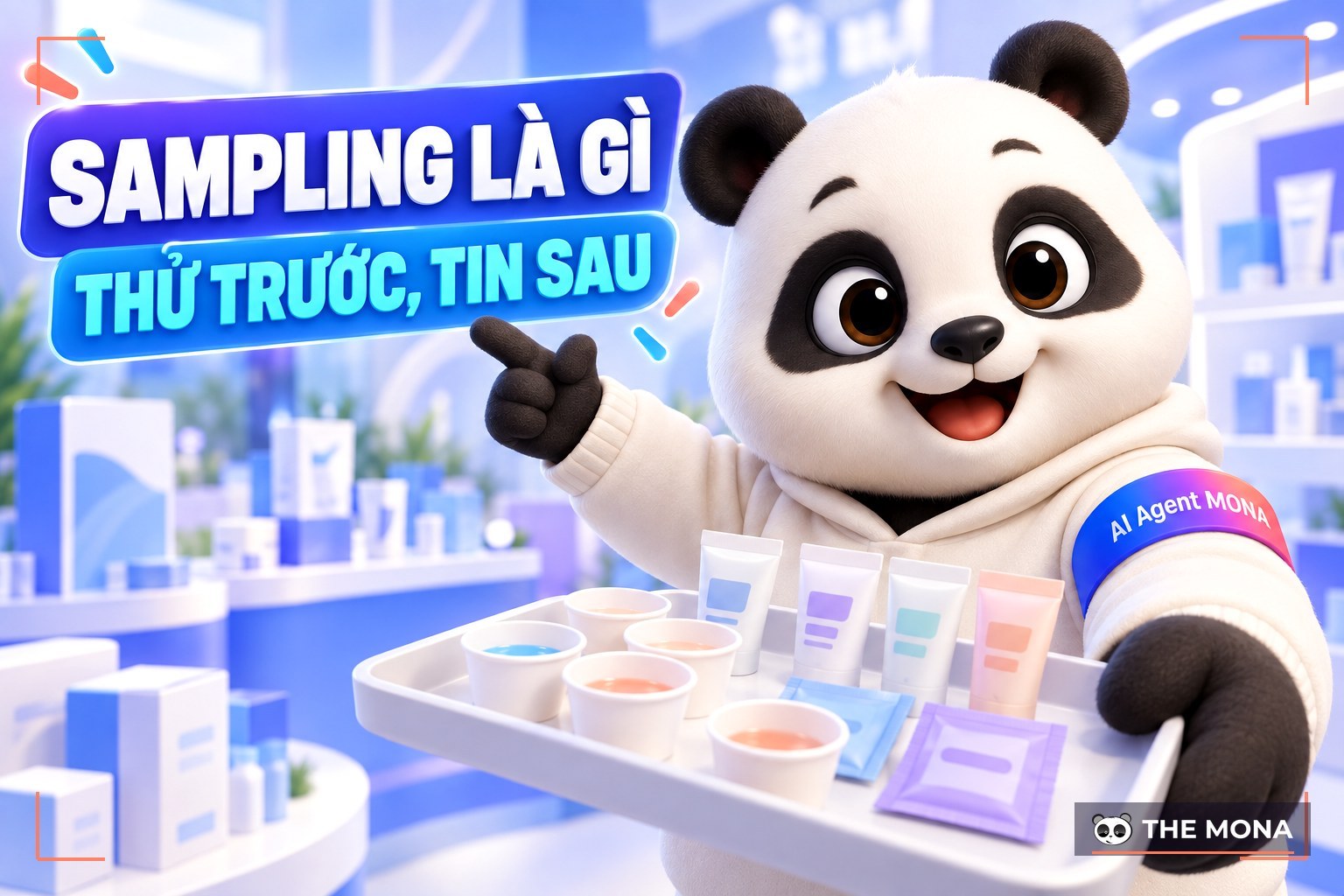
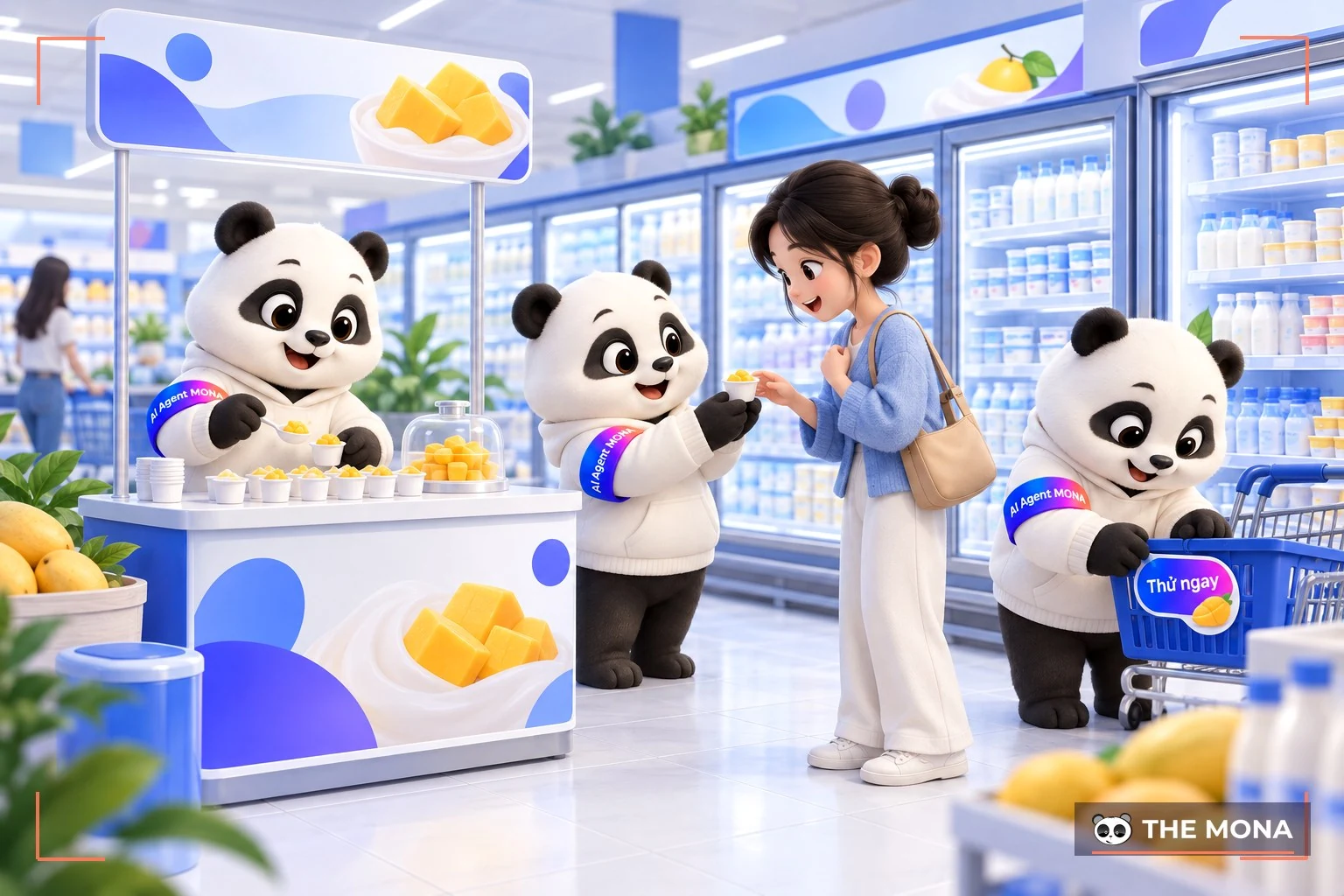
Brand trial is the process in which customers buy your product for the first time after recognizing the brand. At this point the brand image is already in the customer's mind, and they are likely to choose your product to try it and form a first impression.
Example: A brand launches a mango yogurt flavor, and consumers who used to buy strawberry or blueberry are reluctant to switch. The brand's goal is to give customers a "first taste" to remove that psychological barrier and make sales. So the brand sets up a sampling booth right at the entrance of the chilled section, with 15g sample cups kept properly cold, promoters who invite customers to try and introduce the product enthusiastically, and a QR code or voucher for 20% off valid that day, with a prominent endcap display next to the booth.
Because customers already know the brand, they find it easy to try a newly launched product. If the product is really good and comes with attractive offers, the chance that customers buy it again is very high.
See more: How does sampling reach new customers?
Brand preference is the stage where you beat thousands of other brands to make it onto the customer's shortlist. This depends a lot on the customer's first experience. If your product or service is good, customers will easily put it on their list of favorites.
Example: Minh tried pizza from 3 brands A, B and C (trial). After that, each time he opens the app with all three options, Minh usually picks brand B because of the crispy crust, the sauce that suits his taste and fast delivery (7 out of 10 times). This is brand preference: the tendency to favor B when there are several choices. It differs from trial (only trying once or twice) and from loyalty (buying only B, willing to wait for B when it is out of stock).
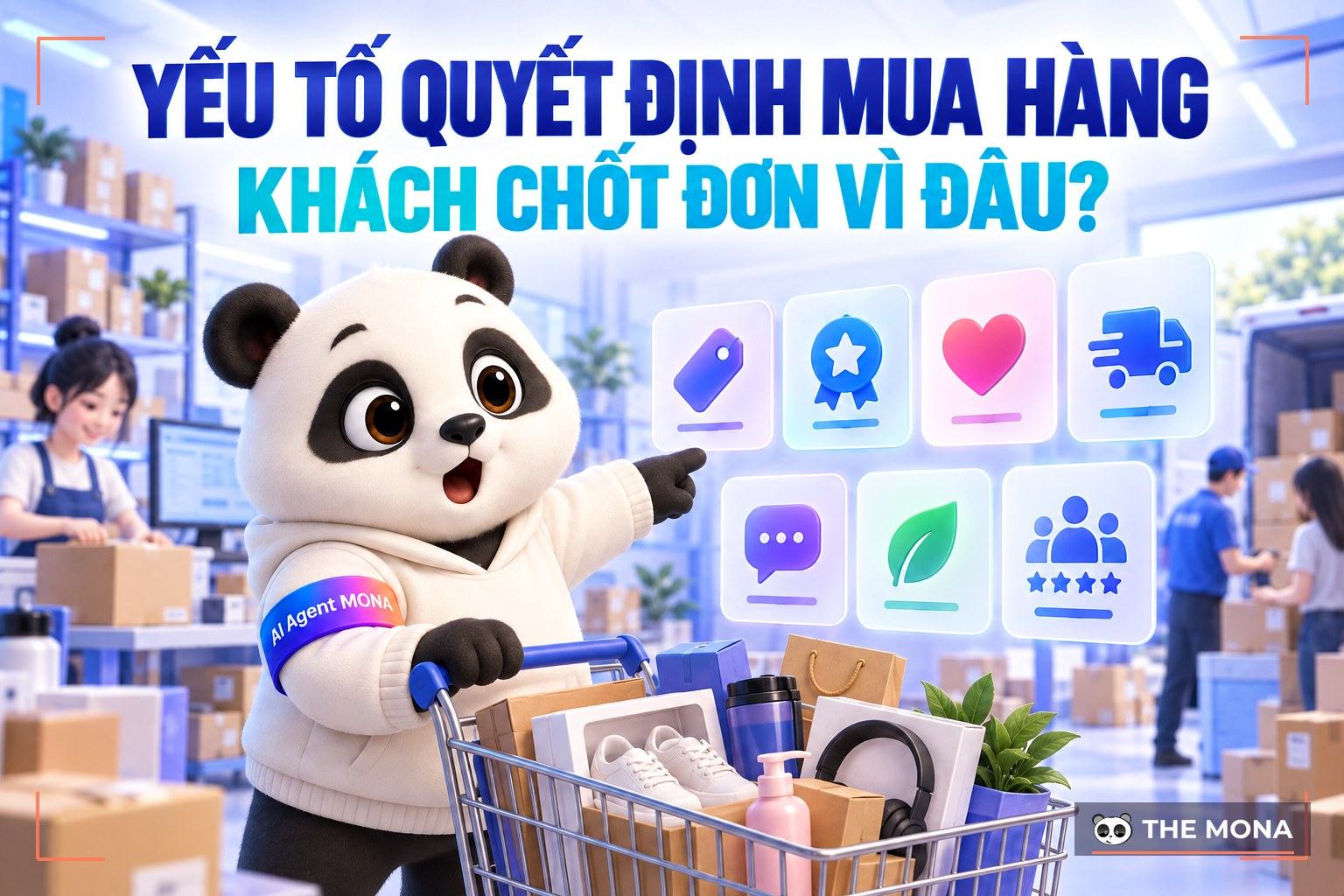
See more: What factors affect purchase decisions in business?
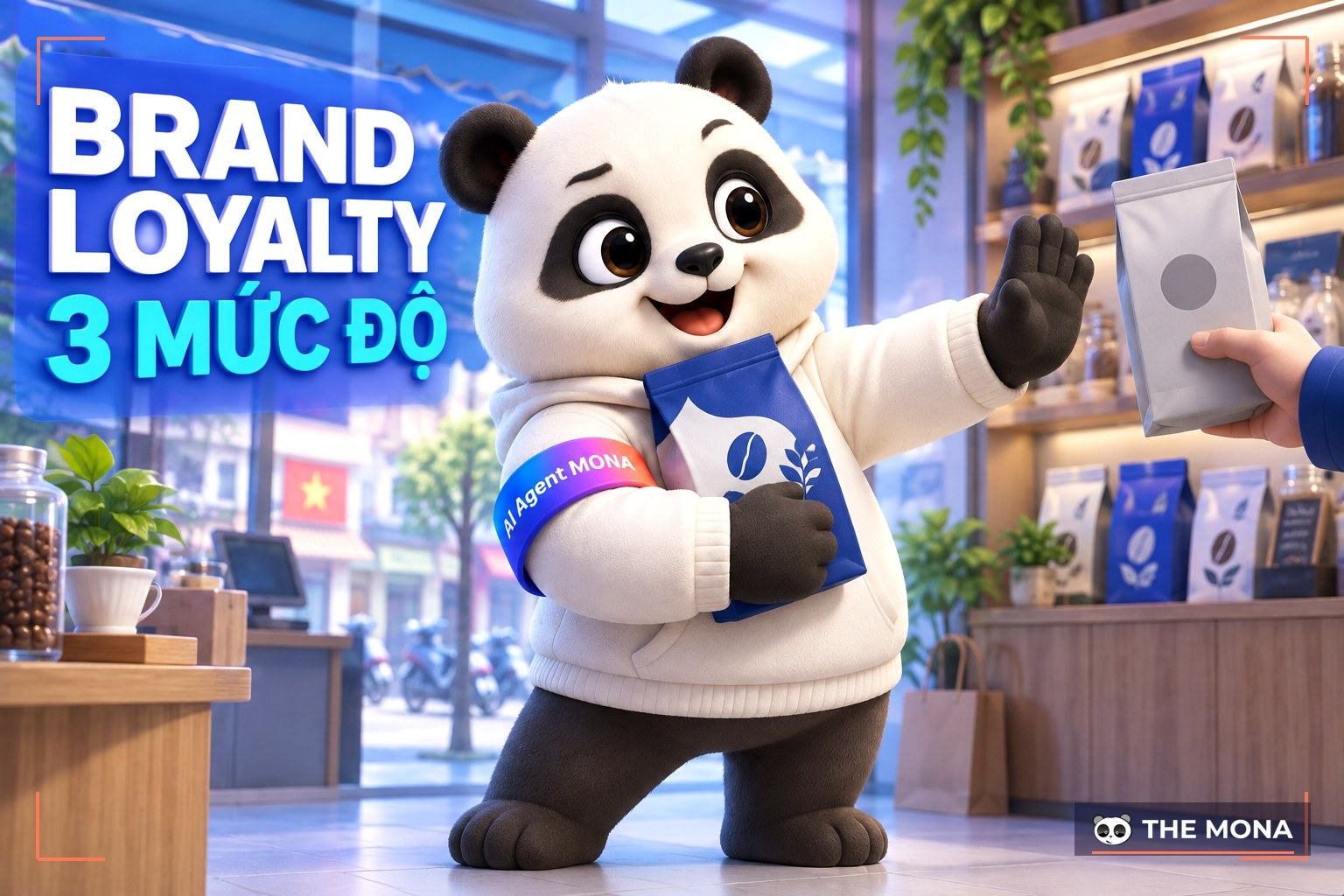
Finally, brand loyalty is the stage where customers only want to buy your product. After a series of good experiences, users tend to become loyal to the brand. They also recommend our brand to others.
Example: Lan is loyal to coffee brand X: in her last 10 purchases, 9 were X. When the app says her favorite size is sold out, Lan is willing to wait 30 minutes or travel farther to buy it. Even when competitor A runs a 40% discount she does not switch, and Lan even signs up as a member to collect points.
This is the Brand Loyalty – repeat customers who are willing to wait or pay more and are not easily pulled away by competitors' promotions, unlike preference (they usually choose you but will still switch when something else is more convenient).
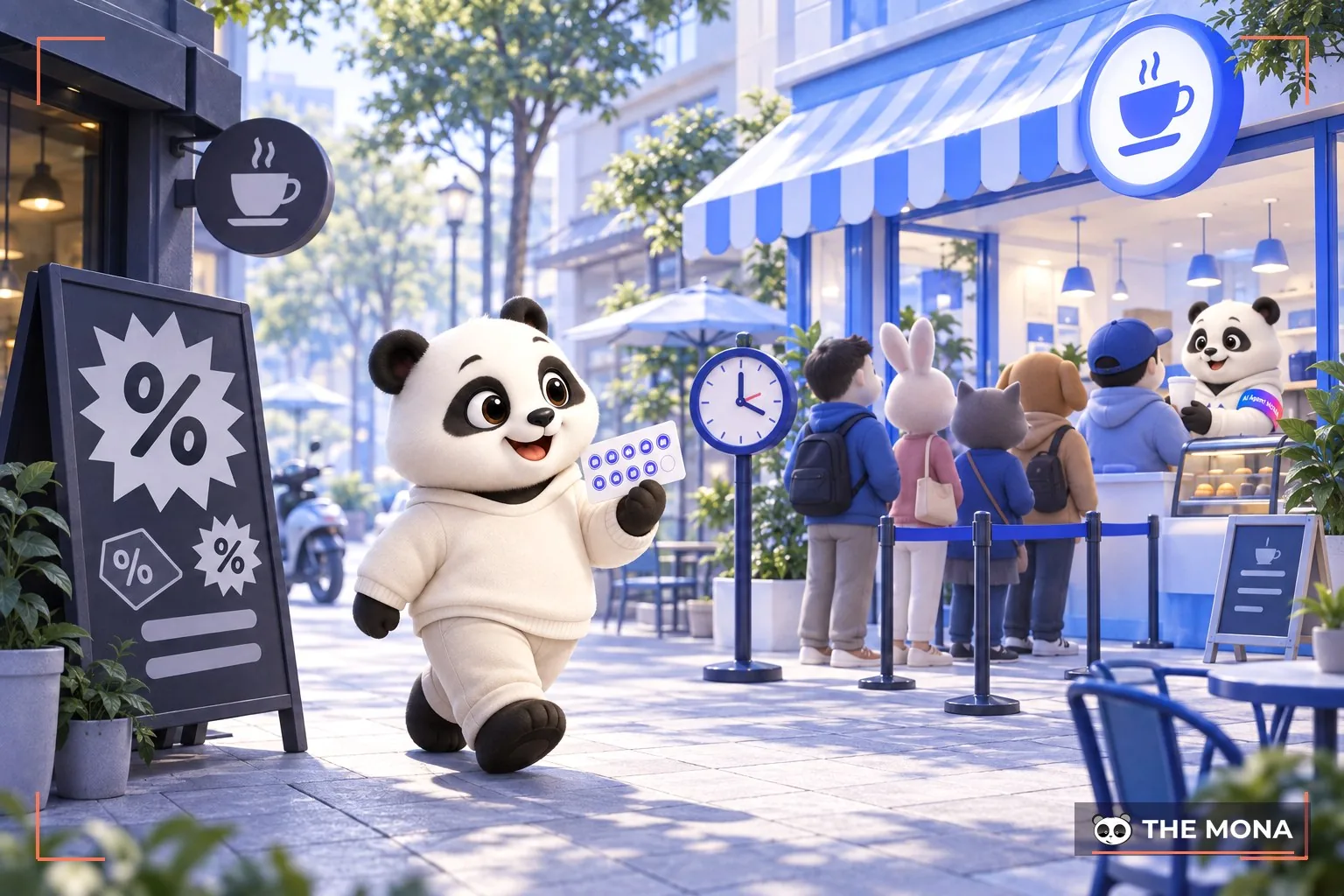
The first step to building brand equity successfully is to define your "core values": know what you sell, what solution you offer customers and why customers should choose you over competitors. You must understand your product's characteristics, such as its origin, how it is made and its strengths compared with the market. Only then can you define your potential customer base and find an effective way to reach them.
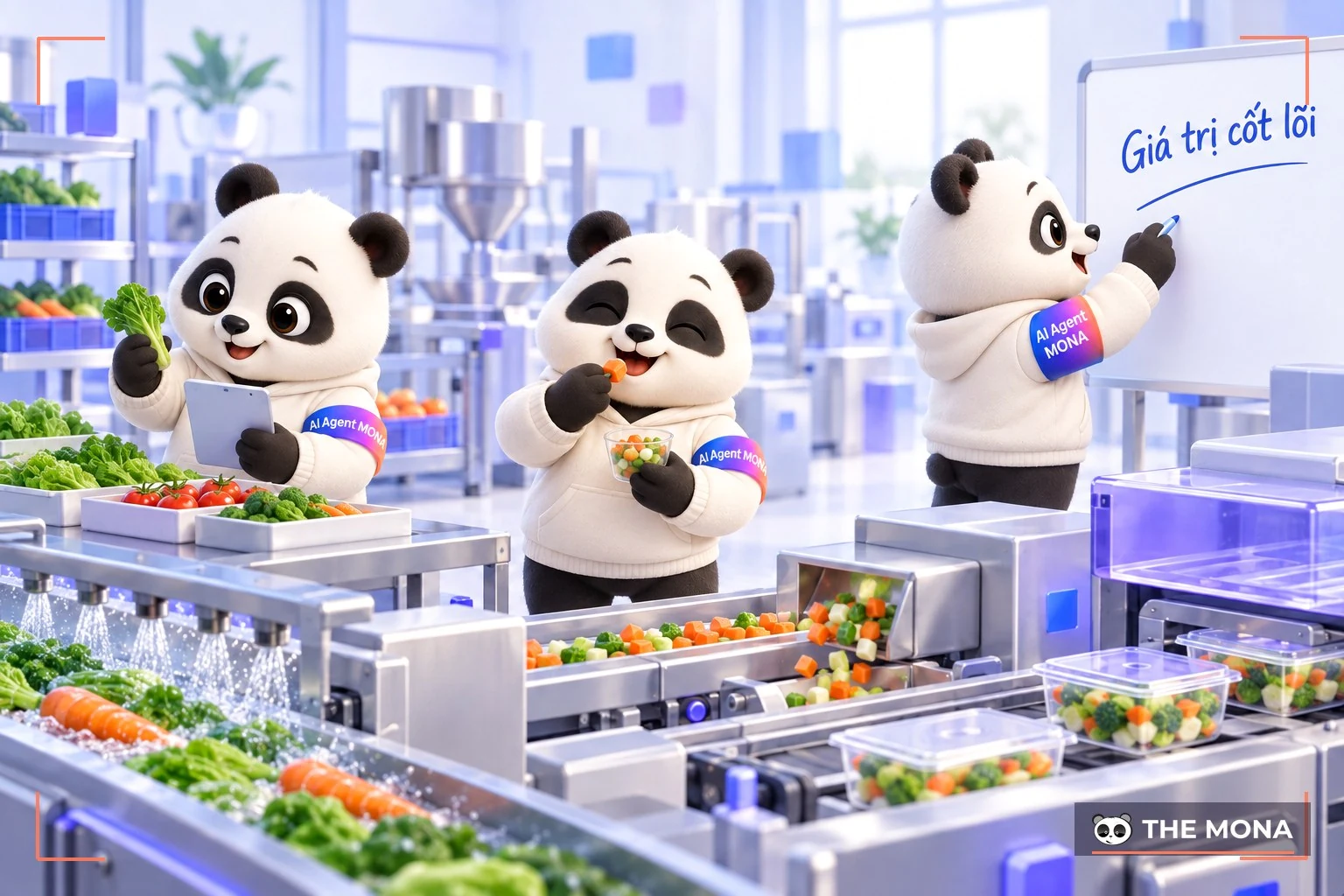
It is the deciding factor in whether a brand succeeds or fails. Pick 1-2 products as your core, keep improving and developing them, and turn them into your competitive advantage. In addition, deliver exactly what you promised and protect the benefits your customers are owed.
Core values give a product or service its soul and its difference, so they are your weapon for creating loyal customers. In general, core values include the values of the business and the values of the product. They are also the competitive advantages unique to the business.
To build lasting brand equity, keep both image and quality consistent. For image, standardize your logo design, colors, fonts and tone of voice, use shared design templates, and invest in photography (personal profile photography, company profile photography, product photography) to build a consistent image library for your website, catalogues and social media.
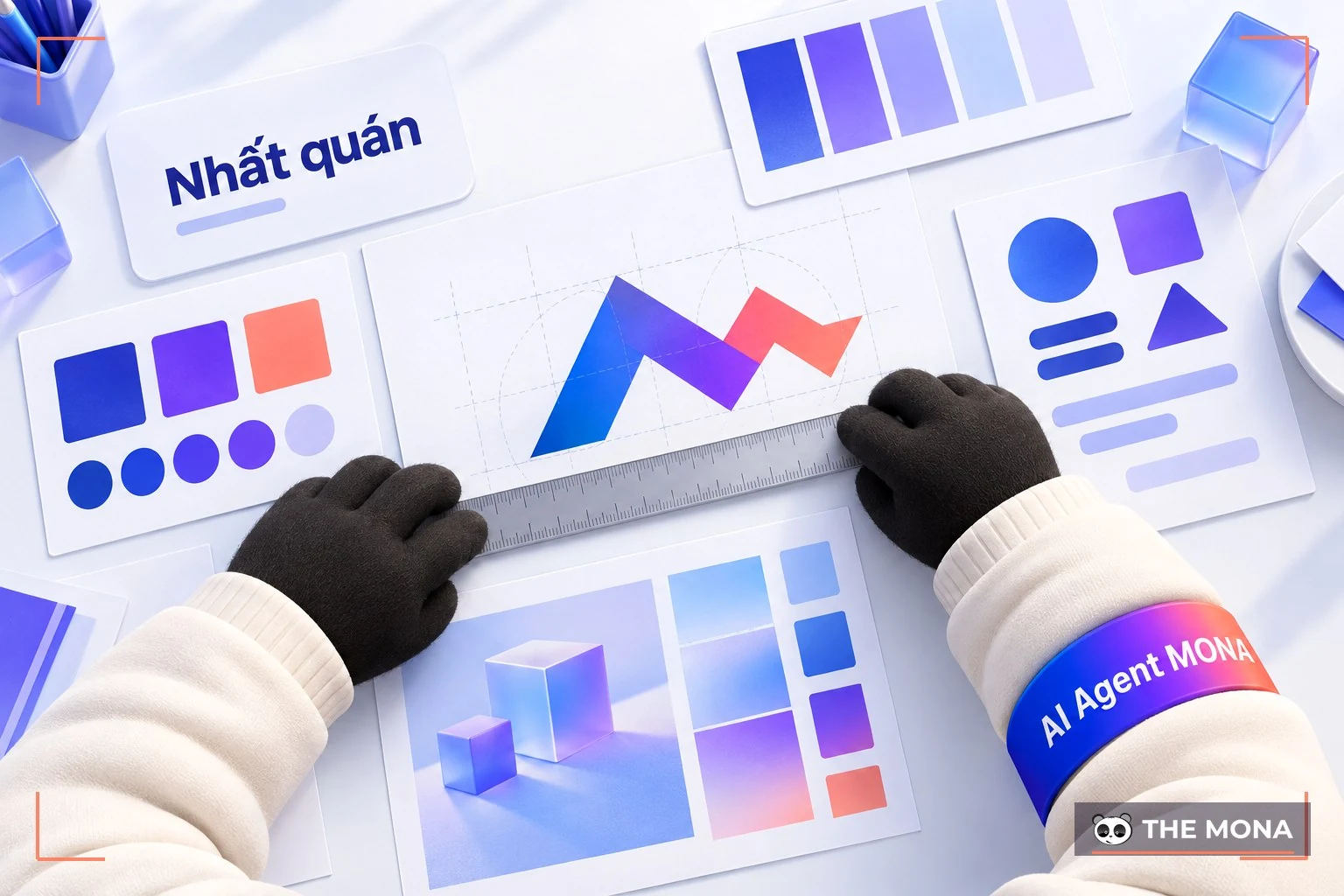
For quality, set clear rules for response time to customers, time to send a quote, delivery dates, and the steps from receiving a request to handover. Check quality before and after delivery, record customer satisfaction and the on-time delivery rate so you can keep improving. Assign a team in the business to be responsible for "keeping the standard", use a 60-second checklist before posting or printing, and review regularly to fix anything that has drifted. When image and service are consistent at every touchpoint, the brand is easier to recognize, more trustworthy, and more likely to be chosen and recommended.
When building brand equity successfully, a business should not overlook brand identity. It not only helps customers recognize and remember the brand, it is also how a business shows its values and personality. Understanding how important this is, MONA Media has been providing Design the brand identitysolutions, creating a solid foundation to raise brand value in customers' minds.
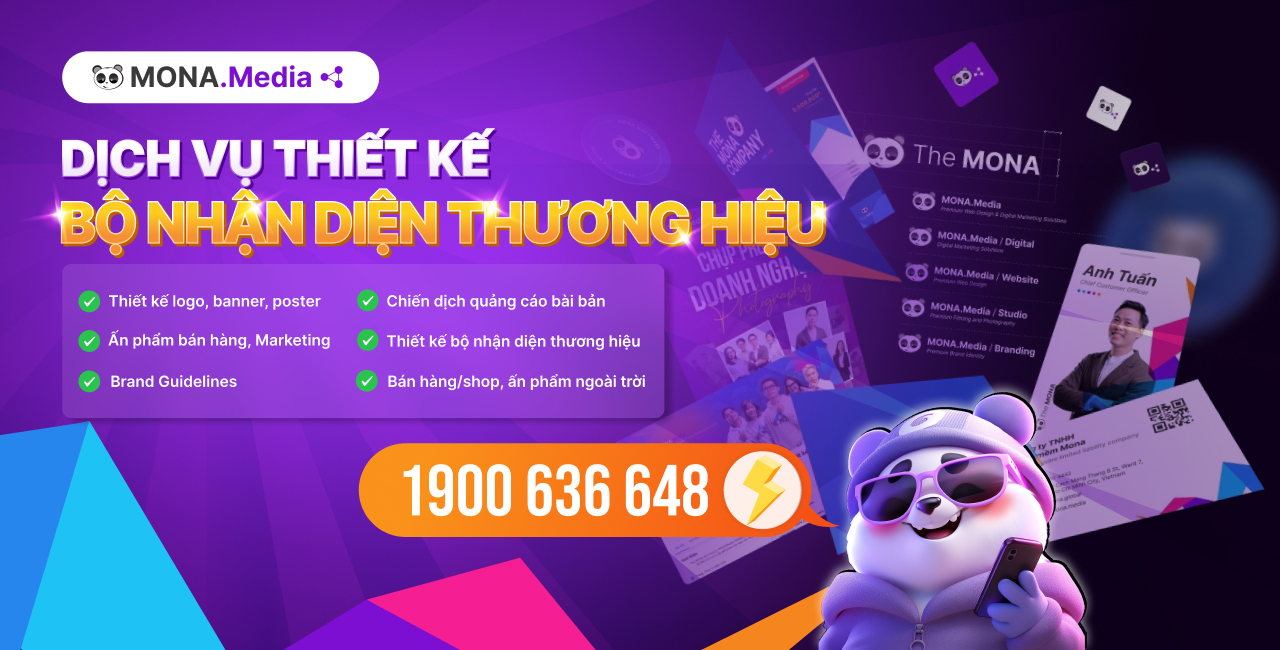
In detail, when you choose a brand identity design service, what do you receive?
CONTACT US with the MONA team through HOTLINE 1900 636 648 to get advice on the brand-building solutions that suit you best!

Brand equity is usually seen as an abstract concept that is hard to measure precisely. Depending on your brand-building goals, you can use a few methods to measure its value by tracking how the brand develops. This not only shows the business's ROI but also reveals the level of awareness, associations and more. Here are some ways to measure brand equity effectively.
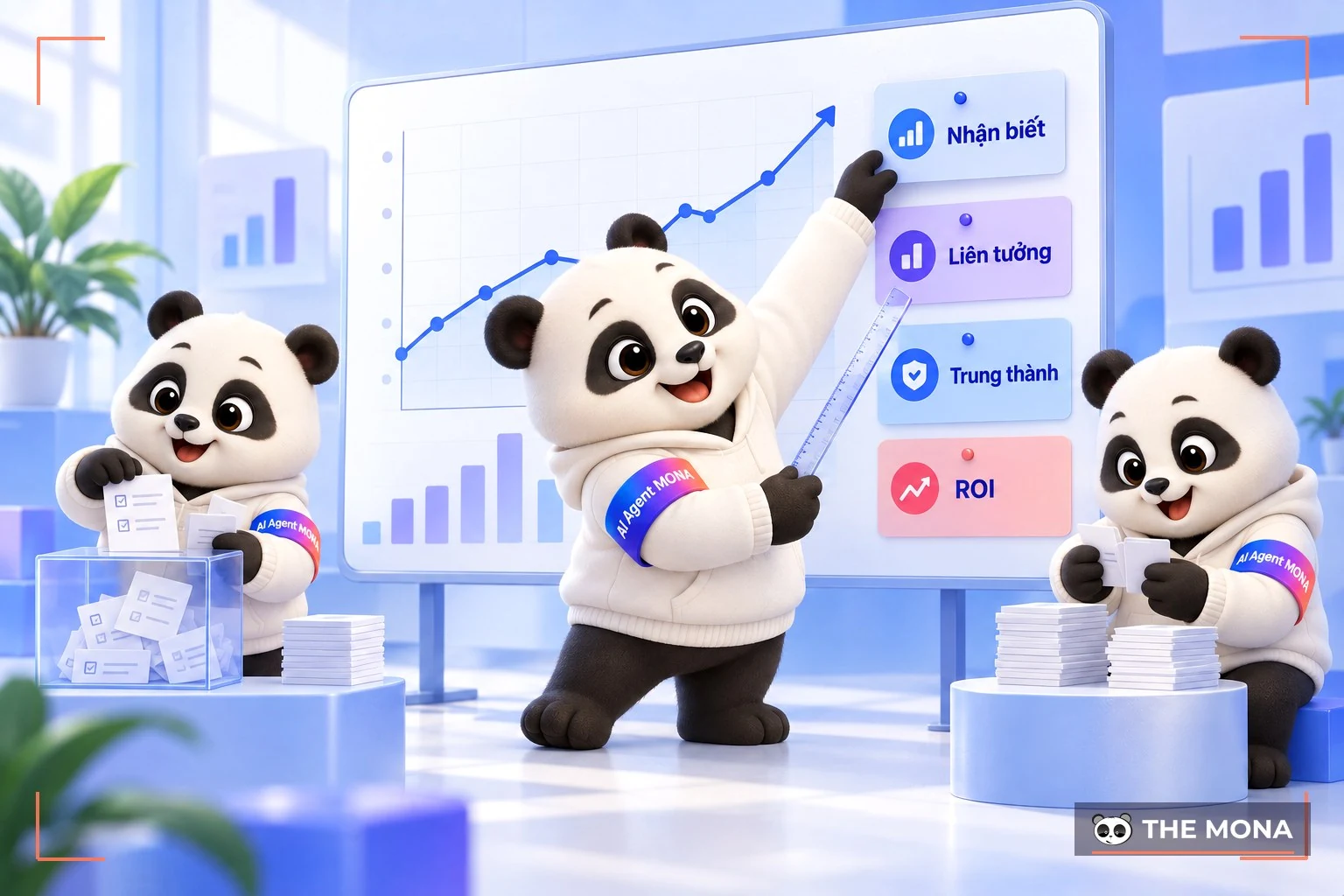
To measure brand equity quantitatively, consider the following factors:
One effective way to measure product value is to compare a generic product with a branded one. You can also consider which one consumers prefer. For example, for carbonated soft drinks, will consumers choose Coca Cola or Pepsi?
A brand audit can also help you better understand how well your business is performing. To start one, look at different platforms, social media channels and web analytics. Combine this data to see how consumers are talking about you. You can then judge whether it fits your brand vision.
This model for measuring brand equity was developed by Professor Kevin Lane Keller. He stressed the importance of creating emotions tied to the brand's products. By creating positive associations, you can influence what customers think about your business. By working out where your brand sits in the pyramid, you can develop plans to raise brand awareness in consumers' minds. The steps are:
Consumer perception is hard to quantify. Mapping how customers perceive your brand is also one of the important steps to understanding brand equity. To do this, consider these two factors:
In practice, some businesses have succeeded in building positive brand value. These companies are said to deliver consistent, recognizable messages and, in many cases, are preferred by customers over their competitors' products. Apple and Coca-Cola are the two most typical case studies.
In the 1990s, Apple almost went out of business. Even so, the company still had the support of its loyal customers. This laid the foundation for Steve Jobs to return and build the empire once again.
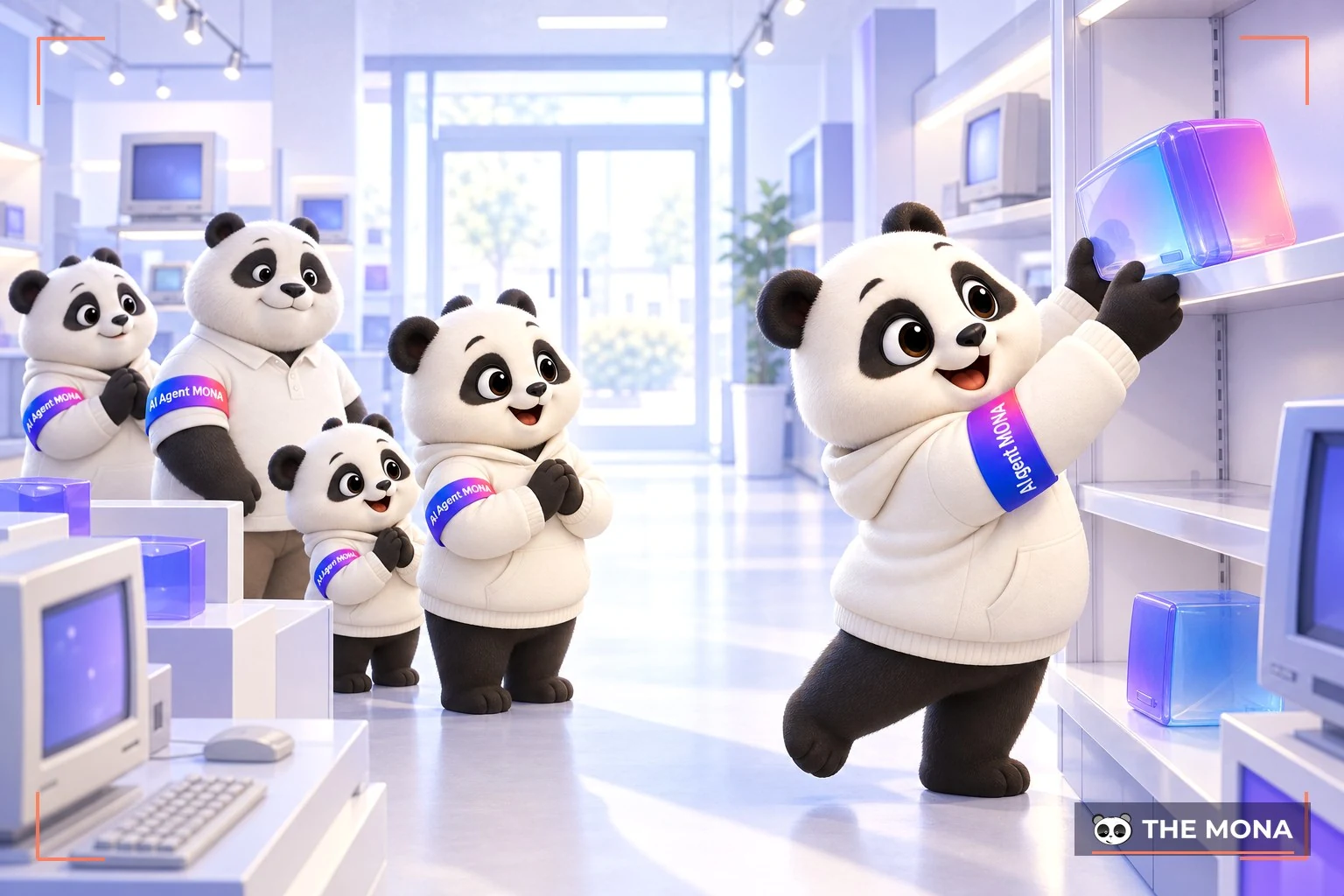
Apple was smart to put priority on building its brand – branding and clarifying the company's relationship with its customers. So when it introduced major products such as the iPod and iPhone, consumers were eager rather than confused. The emphasis on brand equity built a bond with customers and so increased revenue.
Coca-Cola is one of the companies that focuses on its brand more than on its product. It stresses how Coca-Cola brings family members together, using imagery that evokes relationships and nostalgia. The brand uses consistent symbols, fonts and color palettes so customers can recognize it instantly.
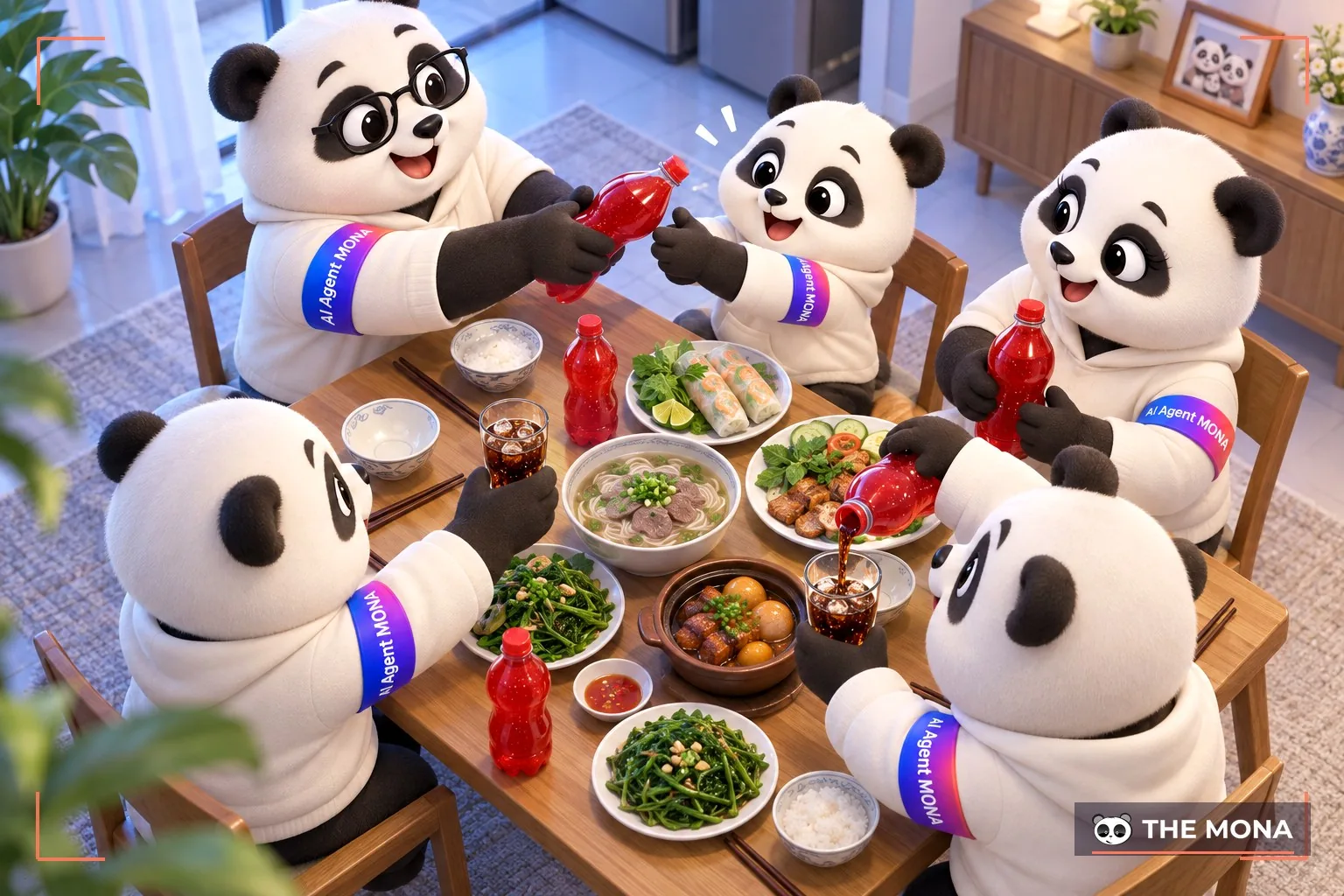
Yes, clearly. Brand equity is closely tied to profitability. When consumers have a positive view of your brand, they are willing to pay more to own your products. Once you have built brand equity, you gradually gain a certain base of loyal customers. This raises customer retention and creates profit in the future.
Building brand equity usually takes more than 6-12 months to show clearly, and you need to understand that it is a continuous process of "build – measure – optimize", not a path of " overnight“
Yes. Small brands need brand equity even more, along with a brand positioning clear identity, consistent imagery and steady quality, to build trust and reduce reliance on expensive advertising.
Building brand equity does not come from a single campaign but from a consistent experience over time, as customers recognize, trust and come back. We hope this article from MONA on what brand equity ishelps you set sustainable brand-development strategies for the future.

CEO & Founder · The MONA
Founder of The MONA, who built a services company of 200+ staff with 14,000+ projects delivered. Khánh Hùng shares how he thinks about building systems that run themselves, automating a business, and the real lessons from delivering projects at MONA.
 1,5K




Professional website
design services
Own a website with a beautiful, 100% exclusive design and a lifetime warranty, with the ability
to expand features flexibly as your business grows, starting today!






 MONA will never sell your information or send you spam


 MONA will never sell your information or send you spam
