
 MONA OS 2.0
 Partner with MONA


 Tự động hoá doanh nghiệp
 Cẩm nang SEO
 Digital Marketing
 Kinh nghiệm thiết kế website
 Hạ Tầng Server
 Giáo dục


 VI
 EN










Message us on
Zalo Official


 ProductsNew

 ProductsProducts
 Mới ra mắtKHA AI 2027App tự edit video, tự đăng mọi mạng xã hội, 2 phút mỗi ngày










 Website designLooks good and wins customers over.
SEO servicesBrings in customers searching for exactly what you sell.
 Tư vấn digital marketingKéo khách từ nhiều kênh, đo bằng số thật.
Corporate video productionVideos introducing your company, factory and team.
 NewAI video productionCompany story films made with AI.
 Custom software developmentCRM, ERP and HRM built for your business.
 Viết AI Agent theo yêu cầuĐặt riêng một trợ lý AI cho đúng việc của mình.
 Tư vấn chuyển đổi AIĐưa AI vào vận hành của cả công ty.
NewMONA LMSManagement for centers and schools.
MONA SkillHubInternal training for company staff.
 NHTQ systemEnd-to-end China–Vietnam shipping operations.
MONA JMSManagement for gold, diamond and pawn shops.
 MONA E-LearningA website with every feature you need to sell courses.
 How to sell online courses (course)More than 30 free lessons on selling courses on autopilot.
 MONA Cloudmonacloud.vnServers to get your apps and websites running.
 MONA Basemonabase.vnPostgres database, sign-in and file storage.
 MONA Mailmonamail.vnSend OTP, order and invoice emails from your software.
 MONA Paymonapay.vnAccept bank transfers via VietQR and notify your software when the money arrives.
 MONA eInvoiceComing soonIssue e-invoices that meet tax standards.
Gấu CườiTrả lời khách 24/7 trên web, Fanpage, Zalo và thu lead cho sale.
 Gấu TeleSalesGọi điện tư vấn, chăm khách như tổng đài viên thật.
Dê CườiTư vấn và chốt đơn cho shop ngay trong khung chat.
Gấu WebmasterNhắn nhóm Zalo là website được sửa xong.
 Gấu Pháp ChếSoạn hợp đồng, rà điều khoản trong vài phút.
 Gấu Báo GiáLên báo giá đúng mẫu và gửi khách ngay.
 AI chăm sóc khách hàngTheo dõi và giữ chân khách hàng cũ.
 Gấu Tuyển DụngLọc hồ sơ, hẹn lịch, phỏng vấn ứng viên.
 Mới ra mắt
KHA AI 2027
Xây kênh chuyên gia 2 phút mỗi ngày
Quay bằng điện thoại, AI tự edit video, tự đăng lên 16 nền tảng và tự trả lời bình luận, tin nhắn.
835.858lượt xem trên kênh CEO MONA sau 27 ngày
 Anh Khánh HùngCEO MONA đang dùng mỗi ngày
Xem app làm được gì
 AI
Gấu Cười MONA ĐANG TỰ XÀITrả lời khách 24/7 trên website, Zalo OA, Messenger và thu lead về cho sale.
Dê CườiChốt đơn bán lẻ và sàn: Shopee, TikTok Shop, web. Chăm cả khách sỉ, đại lý.
Gấu WebmasterCập nhật nội dung, tối ưu SEO website mỗi ngày.
Gấu TeleSalesGọi điện tư vấn, chăm khách như tổng đài viên thật.
Gấu Tuyển DụngLọc hồ sơ, hẹn lịch, phỏng vấn ứng viên tự động.
AI chăm sóc khách hàngGiữ khách cũ, cứu lead đã rớt cho phòng kinh doanh.
Gấu Pháp ChếSoạn hợp đồng, rà điều khoản trong vài phút.
Gấu Báo GiáLên báo giá đúng mẫu, gửi khách ngay khi có yêu cầu.
 Chuyển đổi AI toàn phầnGiải pháp tổng cho doanh nghiệp, 3 lớp triển khai.
 Viết AI Agent theo yêu cầuĐặt riêng một con AI gánh đúng nghiệp vụ của bạn.
 Custom softwareCRM, ERP and HRM with built-in AI automation.
 SEO & AEO thời đại AIĐược Google lẫn AI trích dẫn, không chỉ xếp hạng.
 Kiến thức AI cho doanh nghiệpBài phân tích, hướng dẫn ứng dụng AI vào vận hành.
 Free AI courses
 AI tools at work
App mới · KHA AI 2027
Xây kênh 2 phút mỗi ngày
AI tự edit video, tự đăng mọi mạng xã hội
Free consultation, 8am–10pm every day

18 March, 2023
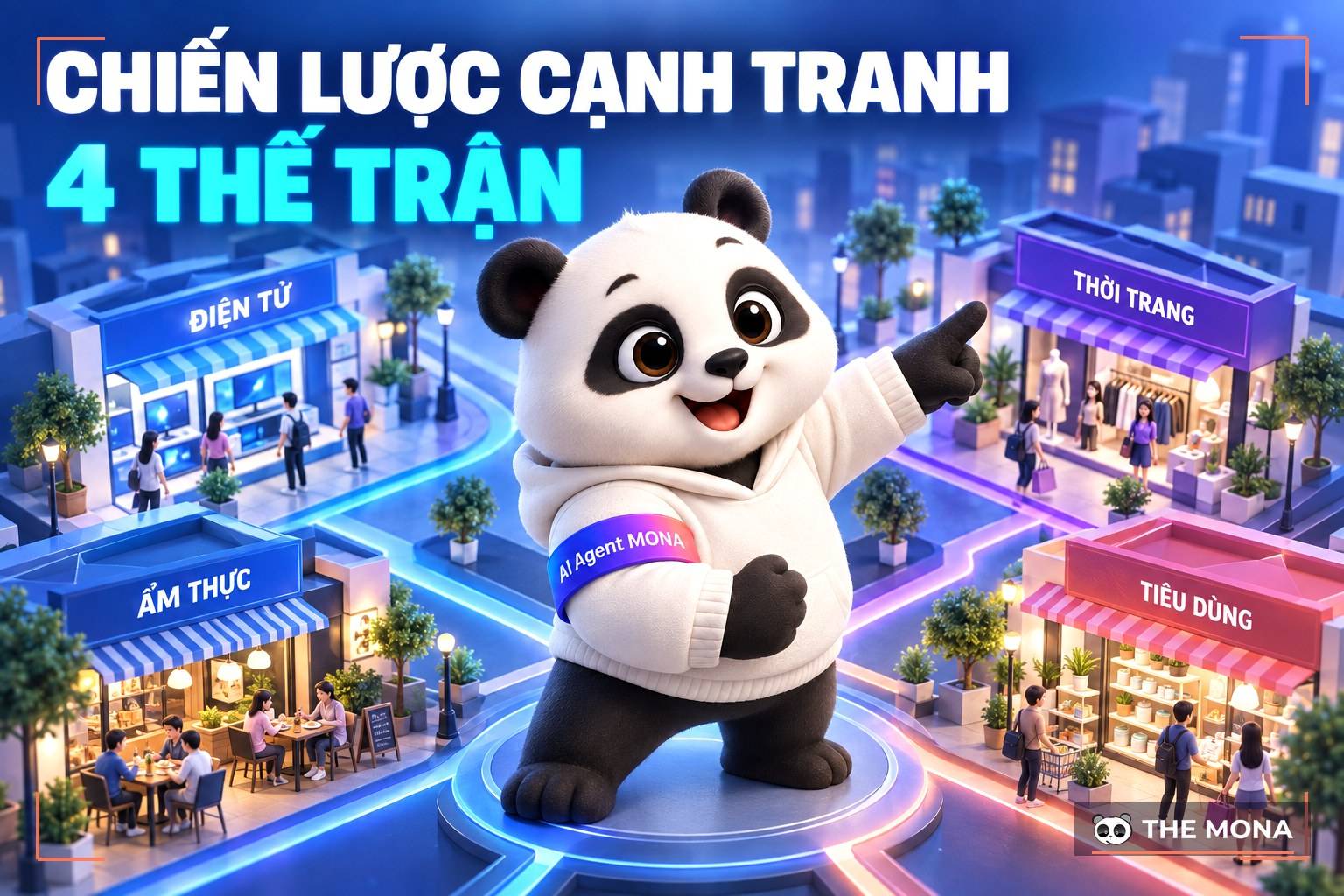
Building and carrying out a strategy to strengthen competitiveness is one of the most necessary tasks for leaders, and every business needs to focus on it fully. A business also needs to build its competitive capability well and master the right strategies for sustainable growth. The guide below Mona Media will help you understand more clearly the most effective competitive strategies in marketing !
Competitive strategy (also called Competitive Strategy in English) is a system of short-term or long-term plans drawn up for a business.
Its goal is to gain a competitive advantage, or to assess the strengths, weaknesses, threats and opportunities in the fields where the business operates.
The main purpose of building a competitive strategy is to establish the strongest possible position for the business in its field, and through that to outperform others on return on investment (ROI).

Today, plans and competitive strategies in marketing are very important for businesses, especially given how fast industries change and how much demand for products keeps growing. Only by creating its own competitive advantage can a business grow in the long term.
There are two ways for an organization or business to show a competitive advantage: differentiation and competitive pricing. Combining these two with the scope of business a company aims at produces three competitive strategies: focus strategy, price strategy and differentiation strategy.
In today's business environment, competitive strategy is not only about product or price. What matters more is how a business creates its own advantage and wins the market, and marketing is a core part of that. Even so, quite a few people still hold the view that "You don't need to spend money on marketing" or or "Do you really need advertising and marketing to sell?" From the view of Hùng, CEO of The MONA, this is definitely a mistake WRONG WAY OF THINKING, one that leaves your business UNABLE TO GROW. To see why Hùng says so, watch the video below.
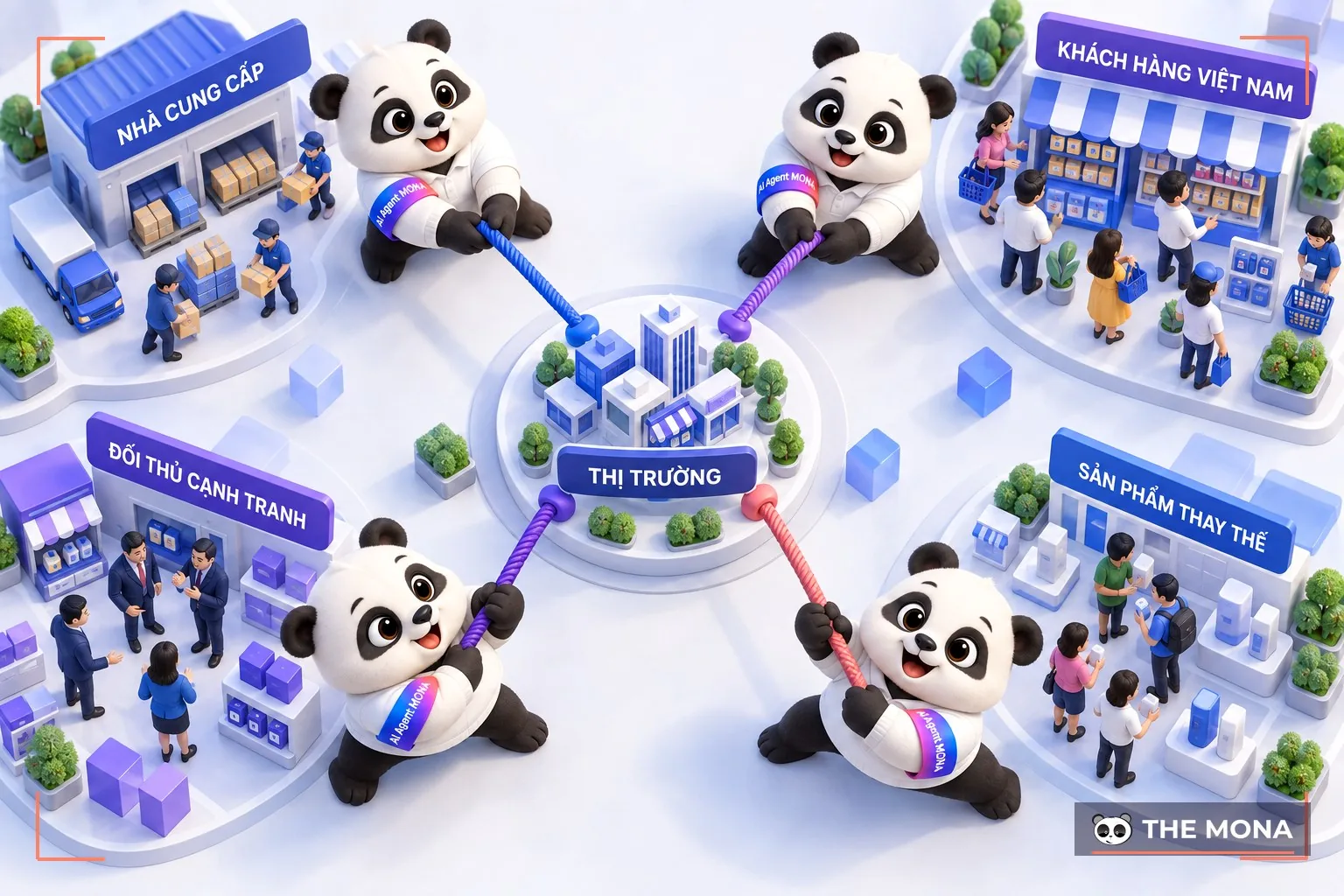
A company's profit and potential in its industry are determined by 5 competitive forces. Specifically:
New businesses entering an industry bring new resources, which creates competitive pressure and lowers profit across the industry.
The threat of new entrants depends heavily on the barriers to entry and on the reactions that existing companies can be expected to take to keep newcomers out.
See also: 7 steps to analyze competitors in business
Economies of scale, product differentiation, switching costs, customers' capital requirements and access to different distribution channels.
See also: What is a distribution channel? Common distribution channels today
If the barriers to entry are high and the companies in the industry react strongly, the threat of new competitors entering is at its lowest.
Competition among companies in the same industry arises when one of many rivals, or the business itself, feels pressure or threat from other competitors, or sees an opportunity to improve its own position.
Forms of competition among rivals in an industry include advertising wars, discount programs, new product launches, after-sales programs and added benefits for customers.
See also: 8+ tips for competing on sales effectively
Too many competitors, or a balance of rivals with slow industry growth, little product differentiation, high fixed costs, and customers who switch mainly on price and service.
In addition, the need to add capacity to reach economies of scale and the strategic interests of the market leader build the strongest barriers to exit.
All the companies in one industry compete with each other, and they also have to watch for competition from companies in other industries whose products can directly replace theirs.
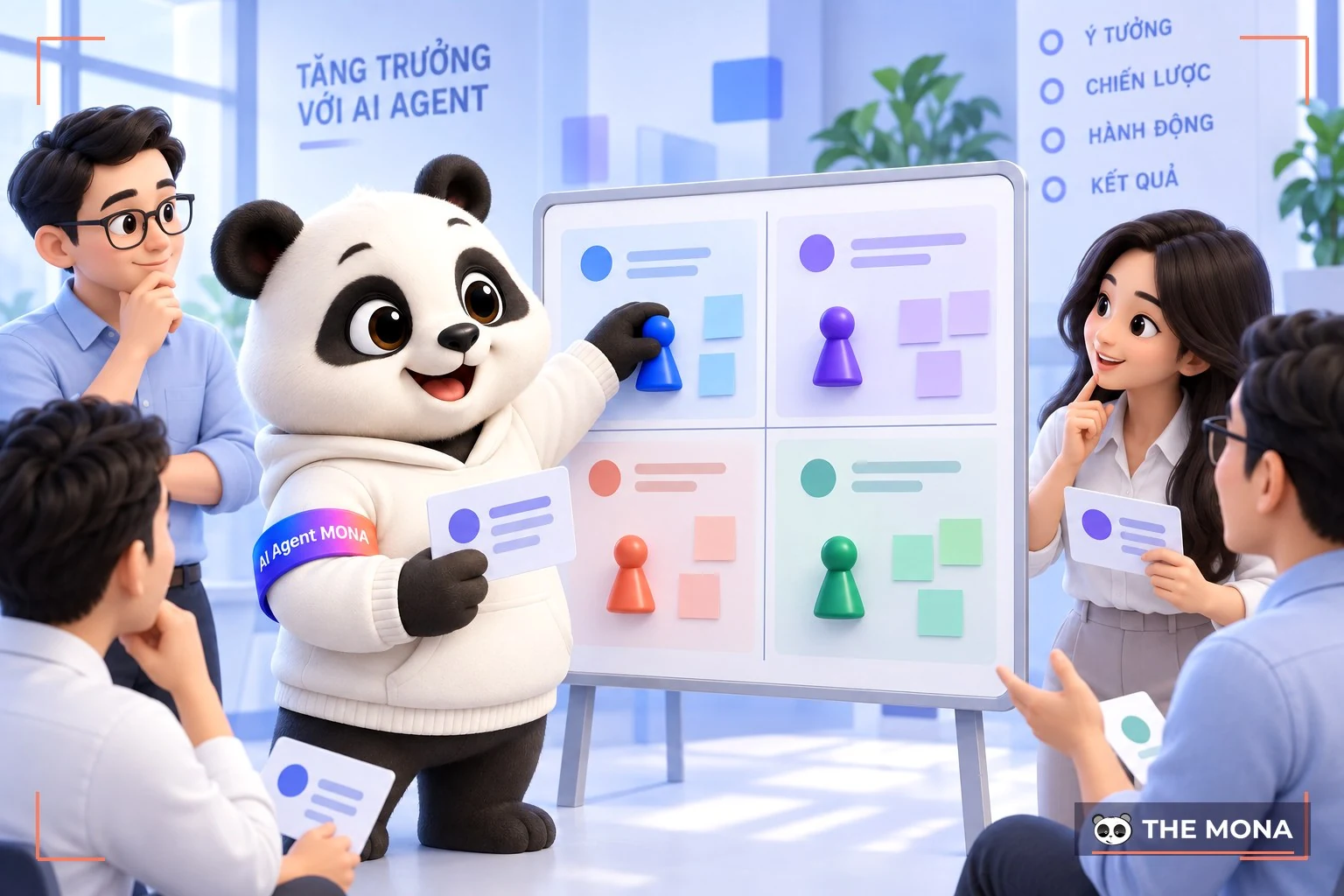
To have a competitive advantage in today's tough market, your business needs to be sure it understands 4 popular competitive strategies in marketing that we share below:
A business builds a strategic plan from the overview down to the details in order to identify market segments, competitors in the same field and target customers, so it can set a sensible pricing strategy. Setting the lowest possible price after subtracting production, promotion and shipping costs lets your product reach a large number of potential customers.
A simple example: If your business makes items such as workout and sports clothing, you can focus on cities with a strong fitness culture and sell workout sets at a lower price than competitors in the same industry. Defining the market segment accurately is what lets a business set a lower price than others. Choosing this competitive strategy means your company is creating a competitive advantage of its own.
As society develops, businesses keep changing and adopting the latest technology to replace outdated equipment that can no longer meet current technical standards. This puts serious pressure on cutting costs. So without a pricing strategy based on the real competitive situation, a business will run at a loss for a long time and face a high risk of bankruptcy.
No business wants to be "outdated" as trends change every day. Read our article on "The fastest way to catch trends and understand market demand“.
Put simply, a differentiation focus strategy in marketing means marketers build a business plan that targets only one customer segment, to fully meet the specific requirements of that group. Instead of spreading across many customer groups, this strategy targets one specific market with unique, differentiated services or products that other competitors do not have.
This strategy can divide the market into smaller segments, but it brings strong differentiation, with the end goal of reaching core customers and increasing sales.
Example: A store selling footwear for people with large feet, size 40 and up, follows a differentiation focus strategy by serving only a small customer segment, instead of mass-producing for the common mid sizes of 35 to 39. Rather than making every size to meet every customer's wishes and needs, the business concentrates on designing shoes for people with large, oversized feet. This is seen as a strategy that sets your business apart from competitors.
The nature of the differentiation focus strategy in marketing is to narrow the market. That is why production costs are lower, and the business can serve the needs of specific customer segments well.
See also: Market segmentation and common types of segments
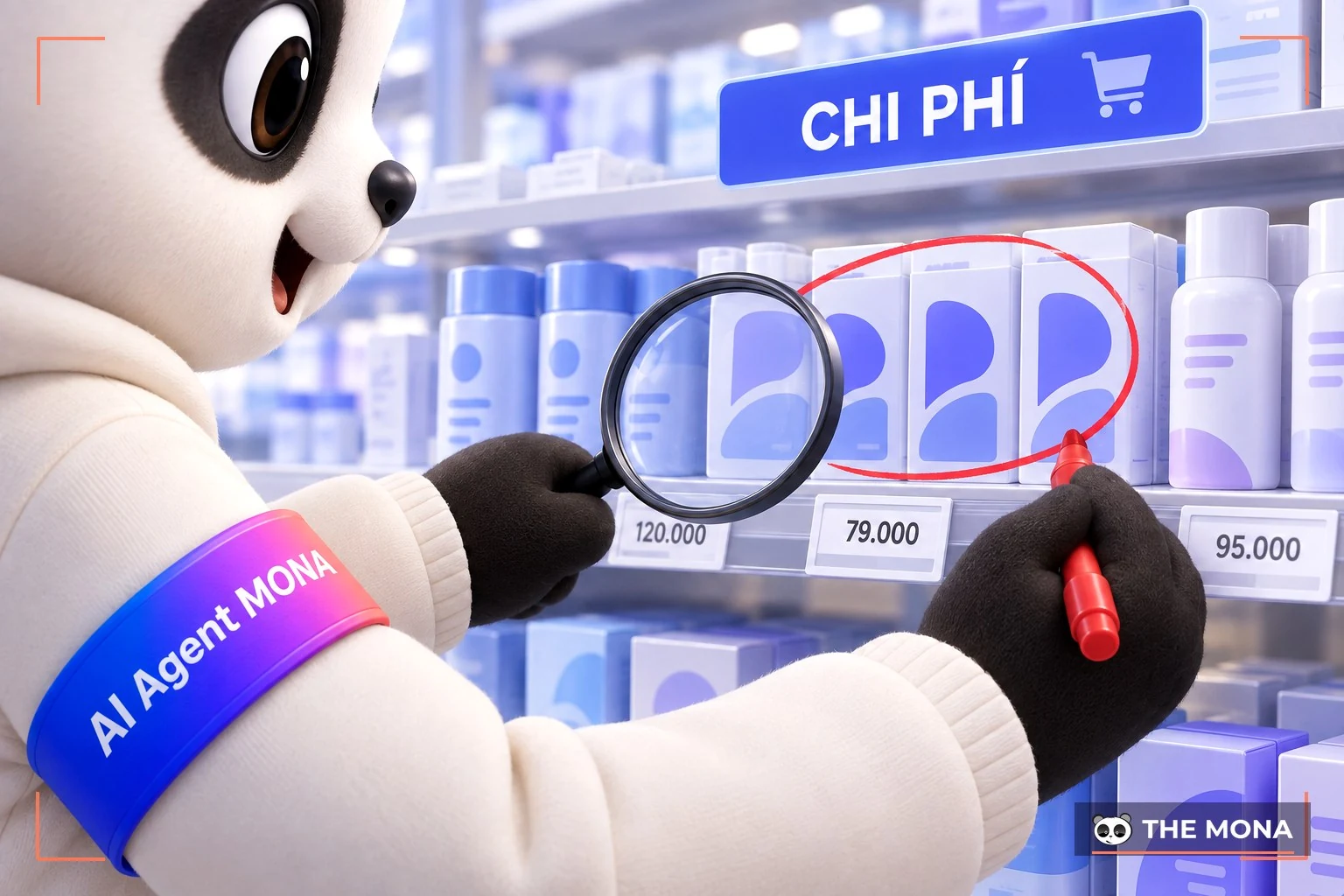
This competitive strategy is similar in many ways to a cost leadership strategy. In essence, a business focuses on just one market segment and keeps its costs the lowest in that segment, so it can offer products at the lowest price. By building a cost focus strategy, businesses aim to raise customer awareness of the brand and satisfy consumers' essential needs.
Today, many businesses offer different services and products. A differentiation strategy lets a business bring out the distinctive features of its product, so that informed consumers see what is new in what the business offers, with the aim of beating other competitors in the market.
The goal of competitive strategies in marketing is to gain competitive advantages. Competitive advantage here reflects the company's superiority and uniqueness compared with other competitors. How long a business can keep its competitive advantage also depends on several factors:
Barriers to imitation make it harder for competitors to copy a business's capabilities. Your competitors will always imitate your improvements and what makes you different. Tangible factors are much easier to imitate than intangible ones.
Gaining a competitive advantage is the purpose of competitive strategies, so sustaining that competitiveness is also an extremely important job.
To do so, a business can consider the following approaches:
One of the key requirements for gaining a competitive advantage is special capability. This means the strengths of the business that let its product gain a competitive advantage in the current market.
These special strengths are considered unique to the business and help the organization achieve efficiency, innovation, quality and the best possible response to customer needs.
Example: PepsiCo has a special capability in producing bottled water, Aquafina. This capability helped PepsiCo reach the lowest cost level and make a better product than its competitors. As a result, it gave PepsiCo advantages and superior quality. The resources and the ability to create something unique are this company's special capability.
An organization's capability is the set of skills needed to use its resources effectively. This is called an intangible capability.
Note that an organization may not need a single unique resource to build a special capability, as long as no competitor has that resource. An organization can also create special capabilities only when it has both unique resources and the ability to use them as effectively as possible.
In this article, we have covered 4 competitive strategies in marketing that no business can do without. We hope that, as a savvy business owner, you can set competitive strategies that work and suit your business, and raise sales over the long term.
You may also be interested in: The most reliable steps for researching customer behavior

CEO & Founder · The MONA
The founder of The MONA built a service company of 60+ staff with 14,000+ projects delivered. Khánh Hùng shares his thinking on building self-running systems, automating a business, and the real lessons behind MONA's projects.
 1,5K




Professional website
design services
Own a website with a beautiful, 100% exclusive design and a lifetime warranty, with the ability
to expand features flexibly as your business grows, starting today!






 MONA will never sell your information or send you spam


 MONA will never sell your information or send you spam
