
 MONA OS 2.0
 Partner with MONA


 Tự động hoá doanh nghiệp
 Cẩm nang SEO
 Digital Marketing
 Kinh nghiệm thiết kế website
 Hạ Tầng Server
 Giáo dục


 VI
 EN









Message us on
Zalo Official


 ProductsNew

 ProductsProducts
 Mới ra mắtKHA AI 2027App tự edit video, tự đăng mọi mạng xã hội, 2 phút mỗi ngày










 Website designLooks good and wins customers over.
SEO servicesBrings in customers searching for exactly what you sell.
 Tư vấn digital marketingKéo khách từ nhiều kênh, đo bằng số thật.
Corporate video productionVideos introducing your company, factory and team.
 NewAI video productionCompany story films made with AI.
 Custom software developmentCRM, ERP and HRM built for your business.
 Viết AI Agent theo yêu cầuĐặt riêng một trợ lý AI cho đúng việc của mình.
 Tư vấn chuyển đổi AIĐưa AI vào vận hành của cả công ty.
NewMONA LMSManagement for centers and schools.
MONA SkillHubInternal training for company staff.
 NHTQ systemEnd-to-end China–Vietnam shipping operations.
MONA JMSManagement for gold, diamond and pawn shops.
 MONA E-LearningA website with every feature you need to sell courses.
 How to sell online courses (course)More than 30 free lessons on selling courses on autopilot.
 MONA Cloudmonacloud.vnServers to get your apps and websites running.
 MONA Basemonabase.vnPostgres database, sign-in and file storage.
 MONA Mailmonamail.vnSend OTP, order and invoice emails from your software.
 MONA Paymonapay.vnAccept bank transfers via VietQR and notify your software when the money arrives.
 MONA eInvoiceComing soonIssue e-invoices that meet tax standards.
Gấu CườiTrả lời khách 24/7 trên web, Fanpage, Zalo và thu lead cho sale.
 Gấu TeleSalesGọi điện tư vấn, chăm khách như tổng đài viên thật.
Dê CườiTư vấn và chốt đơn cho shop ngay trong khung chat.
Gấu WebmasterNhắn nhóm Zalo là website được sửa xong.
 Gấu Pháp ChếSoạn hợp đồng, rà điều khoản trong vài phút.
 Gấu Báo GiáLên báo giá đúng mẫu và gửi khách ngay.
 AI chăm sóc khách hàngTheo dõi và giữ chân khách hàng cũ.
 Gấu Tuyển DụngLọc hồ sơ, hẹn lịch, phỏng vấn ứng viên.
 Mới ra mắt
KHA AI 2027
Xây kênh chuyên gia 2 phút mỗi ngày
Quay bằng điện thoại, AI tự edit video, tự đăng lên 16 nền tảng và tự trả lời bình luận, tin nhắn.
923.897lượt xem trên kênh CEO MONA sau 41 ngày
 Anh Khánh HùngCEO MONA đang dùng mỗi ngày
Xem app làm được gì
 AI
Gấu Cười MONA ĐANG TỰ XÀITrả lời khách 24/7 trên website, Zalo OA, Messenger và thu lead về cho sale.
Dê CườiChốt đơn bán lẻ và sàn: Shopee, TikTok Shop, web. Chăm cả khách sỉ, đại lý.
Gấu WebmasterCập nhật nội dung, tối ưu SEO website mỗi ngày.
Gấu TeleSalesGọi điện tư vấn, chăm khách như tổng đài viên thật.
Gấu Tuyển DụngLọc hồ sơ, hẹn lịch, phỏng vấn ứng viên tự động.
AI chăm sóc khách hàngGiữ khách cũ, cứu lead đã rớt cho phòng kinh doanh.
Gấu Pháp ChếSoạn hợp đồng, rà điều khoản trong vài phút.
Gấu Báo GiáLên báo giá đúng mẫu, gửi khách ngay khi có yêu cầu.
 Chuyển đổi AI toàn phầnGiải pháp tổng cho doanh nghiệp, 3 lớp triển khai.
 Viết AI Agent theo yêu cầuĐặt riêng một con AI gánh đúng nghiệp vụ của bạn.
 Custom softwareCRM, ERP and HRM with built-in AI automation.
 SEO & AEO thời đại AIĐược Google lẫn AI trích dẫn, không chỉ xếp hạng.
 Kiến thức AI cho doanh nghiệpBài phân tích, hướng dẫn ứng dụng AI vào vận hành.
 Free AI courses
 AI tools at work
App mới · KHA AI 2027
Xây kênh 2 phút mỗi ngày
AI tự edit video, tự đăng mọi mạng xã hội
Free consultation, 8am–10pm every day

12 August, 2025
Ever wondered why some brands stick in customers' minds more easily than others? The secret lies in how they do Content Branding. According to the Content Marketing Institute, about 70% of marketers say brand content helps businesses raise awareness, attract loyal audiences and improve business results. So what is content branding? This article from MONA Media will help you understand the concept and how to write engaging, effective branding content.
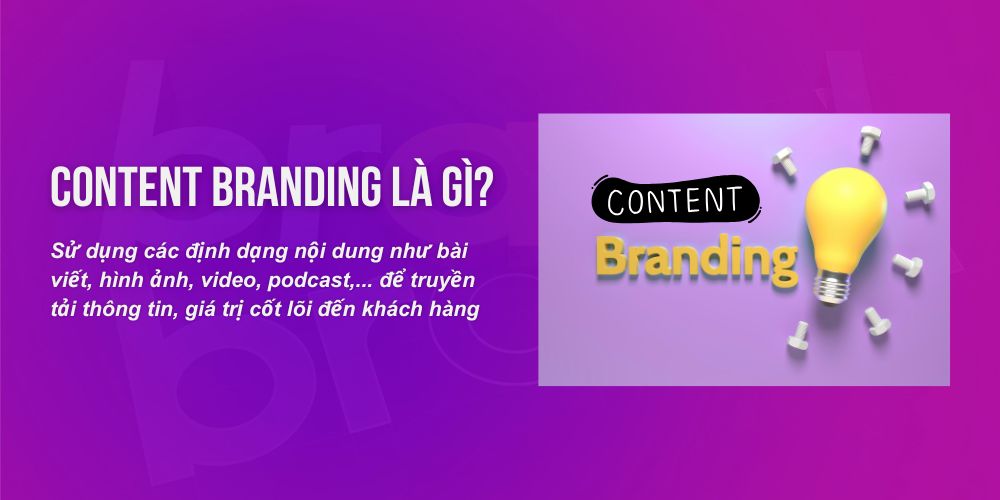
Content branding is when a business uses content formats such as articles, images, videos, podcasts and more to deliver information and core values to customers. Done well, each piece of content you create helps your brand become more recognizable, leave an impression and move customers to act.
A classic example of successful branded content is Coca-Cola with the campaign “Share a Coke”. They didn't tell people to “buy Coca-Cola.” Instead, they printed names on the bottles and encouraged customers to search for them, take photos and share them on social media. Notably, the campaign didn't just lift sales. It also set off a “wave” of user-generated content that spread the brand across 123 countries.
The goal of branding content goes beyond selling. More importantly, it builds a lasting relationship and long-term value for the brand. Specifically:
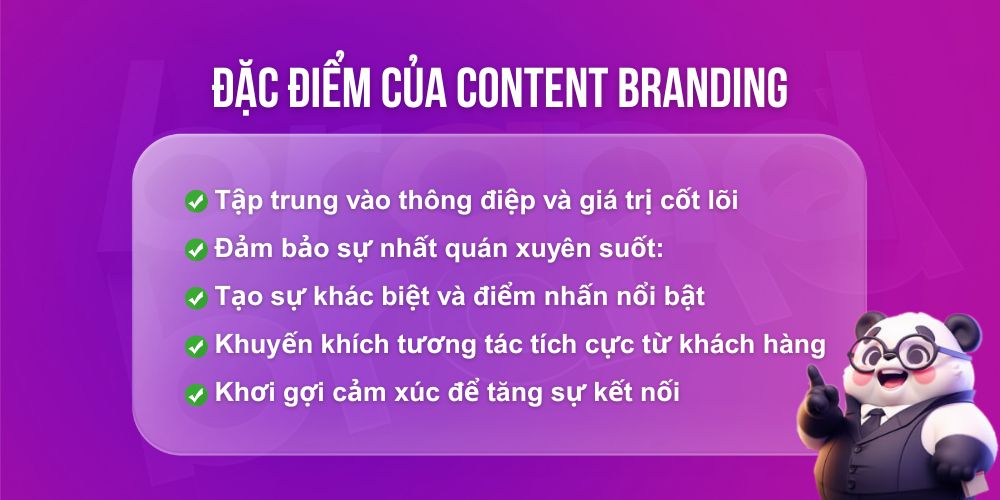
To create brand content that has Brandingand spreads, you need to focus on these important characteristics:
Although they are all important ways to create content in marketing strategy content branding, advertising content and content marketing differ clearly in purpose, nature and how they are carried out, and each suits a different stage and goal of the business.
| Criterion | Content Branding | Advertising content | Content Marketing |
| Purpose | Build image, raise awareness and credibility for the brand | Promote products or services, raise conversion rate and sales | Attract customers and leave an impression so they buy and come back |
| Nature | Provide value, stories and unique experiences to build trust | Focus on product features and benefits to drive purchases | Short-term campaigns that spread content to boost engagement |
| The practice of | Blogs, videos, social media, email marketing, internal documents, presentation files, project files | Ads on TV, in newspapers and on social media | Posts, images and videos on social channels, email and landing pages |
| Duration | Built over the long term, throughout the brand's growth | Short-term rollout with quick goals | Usually time-bound and tied to a specific campaign |
| Scope of influence | Deep connection with target customers and inside the business | Direct impact on buying decisions | Wide reach to boost engagement and grow the customer base |
Content branding example: a blog series from a specialty coffee brand
Advertising content example: Google Ads and Facebook Ads banners for a laptop store
You may also be interested in: How to write Facebook ad copy matching customer insight
Content marketing example: a TikTok video from a cosmetics brand launching a new lipstick line
Besides video, you can also look at other types of content marketing such as case studies and infographics to create brand content.
Many of you ask Huy: “How do I know how users move around my website so I can optimize it?” The answer is in this video. Huy walks you through, step by step, how to replay real user behavior, spot where conversions drop, and fix the journey. Watch the video to see why optimizing is not guesswork, folks!
Plenty of businesses have made customers remember them and think well of their brand by applying content branding the right way. To get similar results, you can look at the 4 typical approaches below, each with a real case study:
This strategy stresses the core value and superior quality of the product, so the brand builds a “premium” image in customers' minds. If you use this kind of content branding, build your content around the technology used, premium materials, the production process, or awards and quality certifications.

Example: Mercedes-Benz doesn't just sell cars. It sells quality and prestige. Through its TVC, articles and experience events, the brand keeps delivering a message of safety, advanced technology and top driving experience. So when people think of a “luxury car”, they instantly think of Mercedes-Benz as a symbol of global quality and trust.
When price is the key factor in a buying decision, the most effective way to write content branding is to stress deals, promotions and deep discounts. This approach attracts cost-conscious customers and builds the brand image as an economical and trustworthy choice.

Example: Điện Máy Xanh is famous for its “catchy jingle” TV commercials and content that stresses low prices and big promotions. It keeps pushing the message “best price, buy now” on every platform, from TV to social media. Thanks to this strategy, when consumers think of buying electronics at a good price, Điện Máy Xanh is almost always the first name that comes up.
When building a brand, don't just talk about the product in general terms. Show customers how your product actually helps in their daily lives. According to marketing experts, the best content branding strategy for positioning by product use is to show how the product solves a problem, share reliable feedback and experiences from people who have used it, or guide customers to get the most out of it.
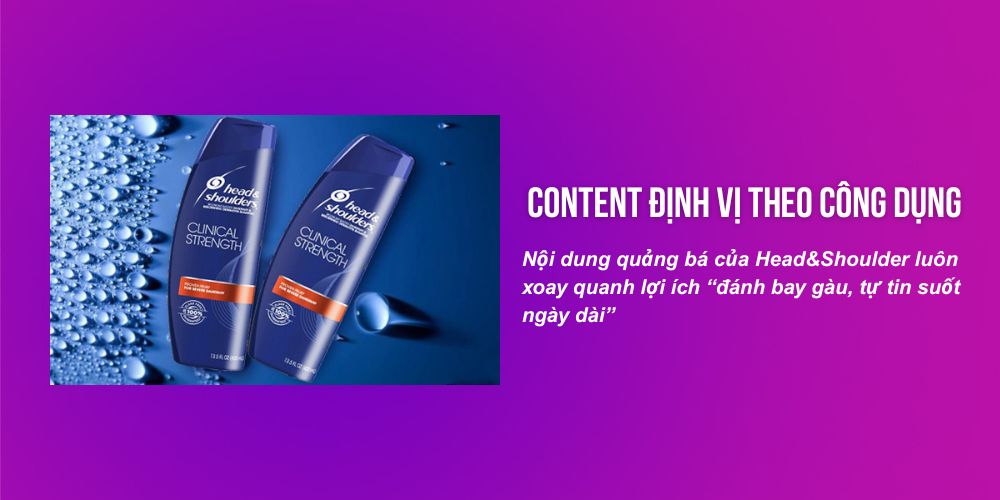
Example: Head & Shoulders has long been the “savior” for people with dandruff. Its content, from TV commercials to social media, always revolves around the benefit “get rid of dandruff, be confident all day”. This consistency made Head & Shoulders the leading anti-dandruff shampoo in Vietnamese consumers' minds.
A brand can also leave a deep mark by tying itself to cultural values or social trends. Emotional stories, events rich in tradition and inspiring activities all make a brand feel closer and more memorable. Use this angle with care to show your identity and reach Vietnamese customers' hearts easily.
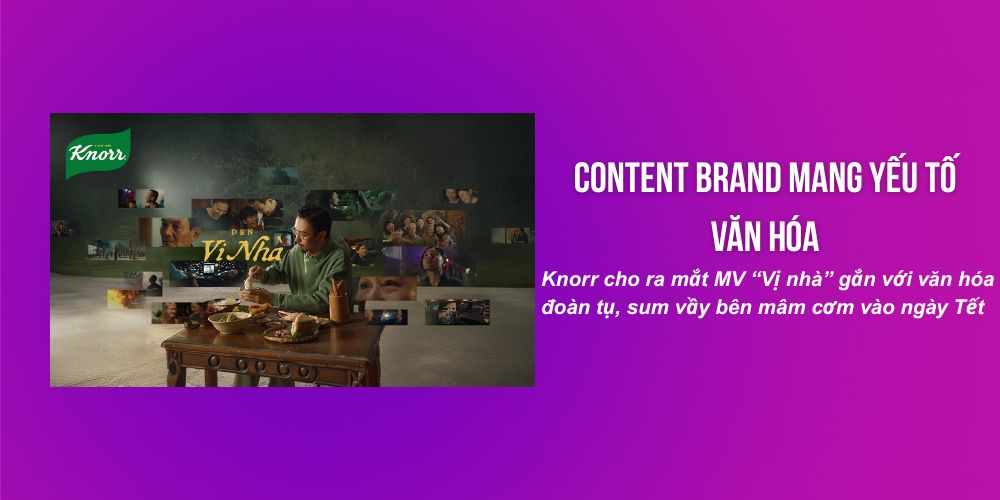
Example: Many Vietnamese brands skillfully tie their content to the traditional Tết holiday, because it is a time of family reunion and a cultural symbol in Vietnam. For example, Mirinda Vietnam with the music video “Chuyện cũ bỏ qua” carries a cheerful message, Bitis Hunter with the series “Đi để trở về” plays on homesickness, Lifebuoy with the campaign “Tết Ổn Rồi” shows families gathering, and most recently Knorr with the music video “Vị nhà” connects families around a warm meal.
*Note: Whichever way you write content branding, it is important for a business to have a complete Content Direction (content direction) so that every plan goes as expected.
Ever written a really polished post, expected it to hit the top, and then nothing happened for a whole month? Huy has been there. The reason was not analyzing competitors closely: they answered the question in more depth, had more varied content and a clearer layout. Huy learned that by using SEMrush to look at them. WATCH THE VIDEO In this video, Huy shares each step so you can learn from his mistakes.
Any business can build its own content branding strategy, but not every brand makes a lasting impression on consumers. To tell whether your content branding is successful, you can use the following criteria:
Effective content branding is when consumers mention the product but think of the brand right away. Instead of just buying an item, they are “buying” the brand's image, style and personality.

Example: When people think of electric cars, many think of Tesla right away, and when they mention takeaway coffee, Starbucks is almost always the first name that comes up.
At this level, the brand has built a strong emotional bond with customers, who trust it, like it and easily become loyal customers.
A content branding strategy only succeeds when it brings concrete benefits to target customers. That value can be professional knowledge, a useful solution, a chance to join a community, or simply inspiring content.
Example: Canva built Canva Design School (a library of documents, tutorial videos and more) to help users improve their design skills. By offering free tools and knowledge, Canva attracted users and kept them for the long run.
Beyond rational value, emotion is what keeps a brand in customers' minds for a long time. It can come from emotional brand stories, humane messages or memorable interactive experiences.

Example: Dove's “Real Beauty” campaign told inspiring stories about women's natural beauty, making viewers feel respected and understood. Besides promoting its products, Dove tied the brand to a deeply humane value.
Here is something interesting: customers often don't search for a specific product, they search for brands they trust and remember. So how do you become that name? The answer is brand SEO, and it is a service MONA Media provides. We don't chase short-lived numbers. We focus on building long-term value, so that when customers search, they find you first and remember you longest.
We have worked with hundreds of businesses, from startups and SMEs to large companies, helping them raise their brand on every platform and turn searches into lasting relationships through brand SEO services. MONA Media commits to:
In short, a successful Content Branding is not just about promoting a product. It is about building an image, delivering real value and creating a lasting emotional bond with customers. It's time for your brand to tell its own memorable story. Let SEO company MONA Media go with you as you build a strong, lasting brand image in the digital market. Contact us now for detailed advice and start winning over your customers!


CEO & Founder · The MONA
Founder of The MONA, who built a services company of 60+ staff with 14,000+ projects delivered. Khánh Hùng shares how he thinks about building systems that run themselves, automating a business, and the real lessons from delivering projects at MONA.
 1,5K




Professional website
design services
Own a website with a beautiful, 100% exclusive design and a lifetime warranty, with the ability
to expand features flexibly as your business grows, starting today!






 MONA will never sell your information or send you spam


 MONA will never sell your information or send you spam
