
 MONA OS 2.0
 Partner with MONA


 Tự động hoá doanh nghiệp
 Cẩm nang SEO
 Digital Marketing
 Kinh nghiệm thiết kế website
 Hạ Tầng Server
 Giáo dục


 VI
 EN




Message us on
Zalo Official


 ProductsNew

 ProductsProducts
 Mới ra mắtKHA AI 2027App tự edit video, tự đăng mọi mạng xã hội, 2 phút mỗi ngày










 Website designLooks good and wins customers over.
SEO servicesBrings in customers searching for exactly what you sell.
 Tư vấn digital marketingKéo khách từ nhiều kênh, đo bằng số thật.
Corporate video productionVideos introducing your company, factory and team.
 NewAI video productionCompany story films made with AI.
 Custom software developmentCRM, ERP and HRM built for your business.
 Viết AI Agent theo yêu cầuĐặt riêng một trợ lý AI cho đúng việc của mình.
 Tư vấn chuyển đổi AIĐưa AI vào vận hành của cả công ty.
NewMONA LMSManagement for centers and schools.
MONA SkillHubInternal training for company staff.
 NHTQ systemEnd-to-end China–Vietnam shipping operations.
MONA JMSManagement for gold, diamond and pawn shops.
 MONA E-LearningA website with every feature you need to sell courses.
 How to sell online courses (course)More than 30 free lessons on selling courses on autopilot.
 MONA Cloudmonacloud.vnServers to get your apps and websites running.
 MONA Basemonabase.vnPostgres database, sign-in and file storage.
 MONA Mailmonamail.vnSend OTP, order and invoice emails from your software.
 MONA Paymonapay.vnAccept bank transfers via VietQR and notify your software when the money arrives.
 MONA eInvoiceComing soonIssue e-invoices that meet tax standards.
Gấu CườiTrả lời khách 24/7 trên web, Fanpage, Zalo và thu lead cho sale.
 Gấu TeleSalesGọi điện tư vấn, chăm khách như tổng đài viên thật.
Dê CườiTư vấn và chốt đơn cho shop ngay trong khung chat.
Gấu WebmasterNhắn nhóm Zalo là website được sửa xong.
 Gấu Pháp ChếSoạn hợp đồng, rà điều khoản trong vài phút.
 Gấu Báo GiáLên báo giá đúng mẫu và gửi khách ngay.
 AI chăm sóc khách hàngTheo dõi và giữ chân khách hàng cũ.
 Gấu Tuyển DụngLọc hồ sơ, hẹn lịch, phỏng vấn ứng viên.
 Mới ra mắt
KHA AI 2027
Xây kênh chuyên gia 2 phút mỗi ngày
Quay bằng điện thoại, AI tự edit video, tự đăng lên 16 nền tảng và tự trả lời bình luận, tin nhắn.
853.713lượt xem trên kênh CEO MONA sau 29 ngày
 Anh Khánh HùngCEO MONA đang dùng mỗi ngày
Xem app làm được gì
 AI
Gấu Cười MONA ĐANG TỰ XÀITrả lời khách 24/7 trên website, Zalo OA, Messenger và thu lead về cho sale.
Dê CườiChốt đơn bán lẻ và sàn: Shopee, TikTok Shop, web. Chăm cả khách sỉ, đại lý.
Gấu WebmasterCập nhật nội dung, tối ưu SEO website mỗi ngày.
Gấu TeleSalesGọi điện tư vấn, chăm khách như tổng đài viên thật.
Gấu Tuyển DụngLọc hồ sơ, hẹn lịch, phỏng vấn ứng viên tự động.
AI chăm sóc khách hàngGiữ khách cũ, cứu lead đã rớt cho phòng kinh doanh.
Gấu Pháp ChếSoạn hợp đồng, rà điều khoản trong vài phút.
Gấu Báo GiáLên báo giá đúng mẫu, gửi khách ngay khi có yêu cầu.
 Chuyển đổi AI toàn phầnGiải pháp tổng cho doanh nghiệp, 3 lớp triển khai.
 Viết AI Agent theo yêu cầuĐặt riêng một con AI gánh đúng nghiệp vụ của bạn.
 Custom softwareCRM, ERP and HRM with built-in AI automation.
 SEO & AEO thời đại AIĐược Google lẫn AI trích dẫn, không chỉ xếp hạng.
 Kiến thức AI cho doanh nghiệpBài phân tích, hướng dẫn ứng dụng AI vào vận hành.
 Free AI courses
 AI tools at work
App mới · KHA AI 2027
Xây kênh 2 phút mỗi ngày
AI tự edit video, tự đăng mọi mạng xã hội
Free consultation, 8am–10pm every day

10 July, 2025

Camera angles in filmmaking are not just where the camera is placed. They are a storytelling tool that shapes emotion, guides the eye and gives depth to every frame. Behind impressive shots are filming techniques with the right angle that not many people know about. In this article, MONA Media will reveal the types of camera angles in filmmaking that you may never have known, helping you create truly impressive work.
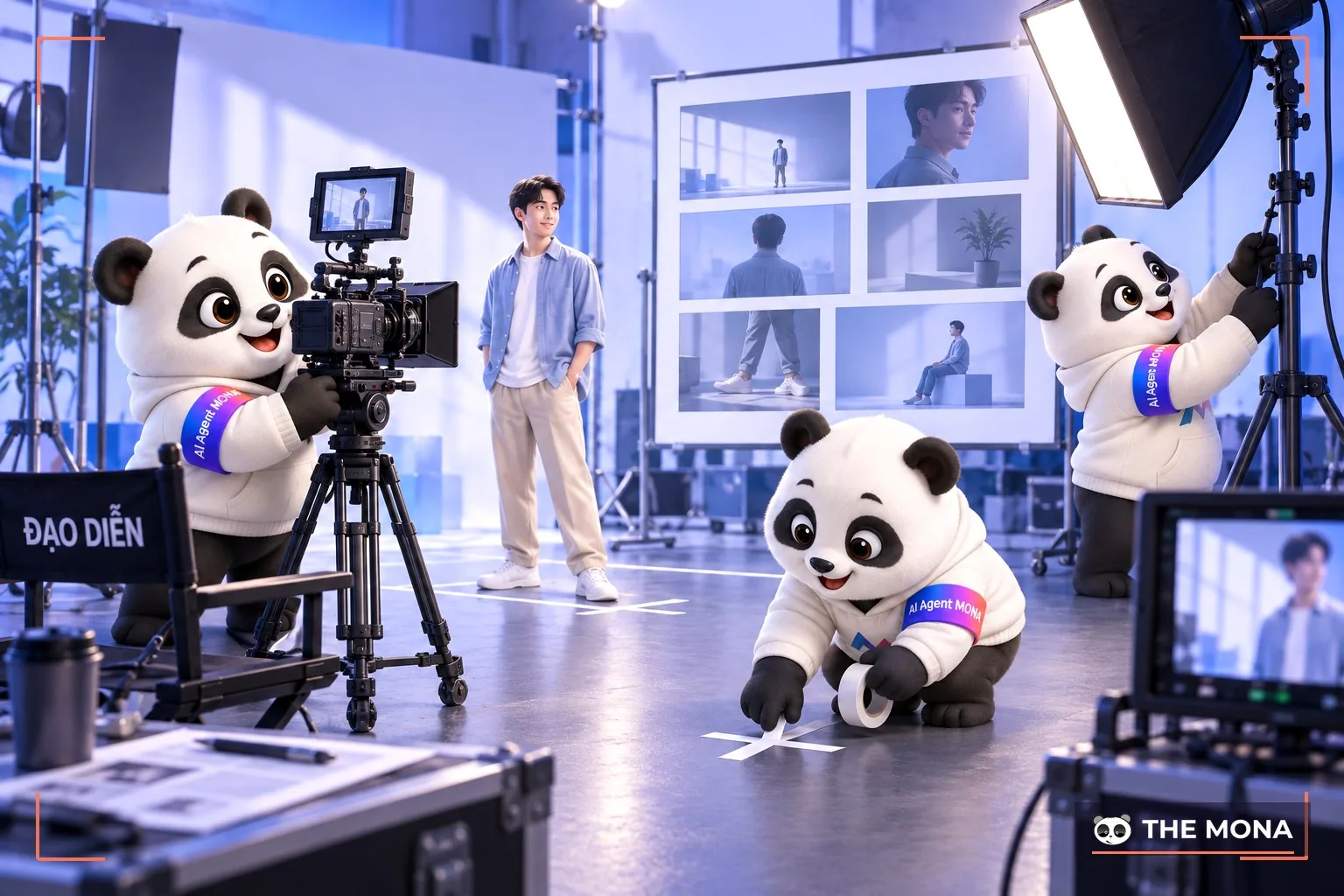
A camera angle in filmmaking is not just where the camera is placed. It is a tool that lets filmmakers deeply affect the viewer's emotions. With the right angle, viewers can clearly feel tension, loneliness or even happiness in every shot. Camera angles can also pull viewers into the film's setting, so they feel the mood and inner world of the characters in more detail.
Beyond that, the basic camera angles in corporate filmingand commercials directly affect the image quality of the whole film. To get the best result, filmmakers need to pay close attention to the balance of the subject being filmed. Mastering camera angles and using them flexibly is key to producing footage that is not only beautiful but also of outstanding quality.
Mastering and applying the right techniques for choosing beautiful camera angles is the key to "transforming" your footage, delivering the full message and leaving a deep impression. Below are the basic camera angles in filmmaking that every filmmaker should know to create truly beautiful, professional work.
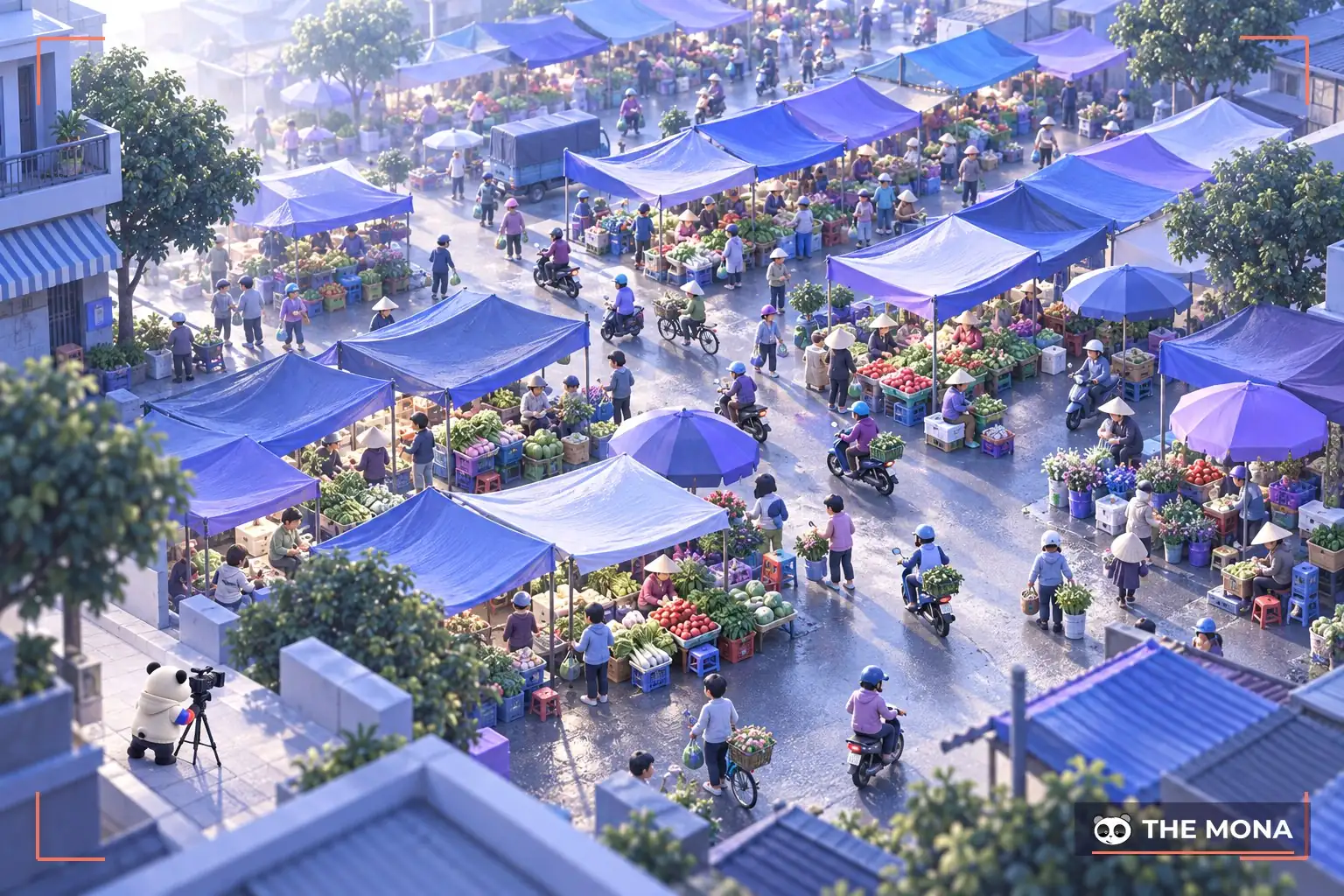
When people think of camera angles in filmmaking, they often think of the Establishing Shot first. You will easily spot this angle in the opening of a feature film or a TV commercials. Put simply, an Establishing Shot is a wide shot of a space that lets viewers see the whole location. Producers often use this technique to introduce a setting quickly.
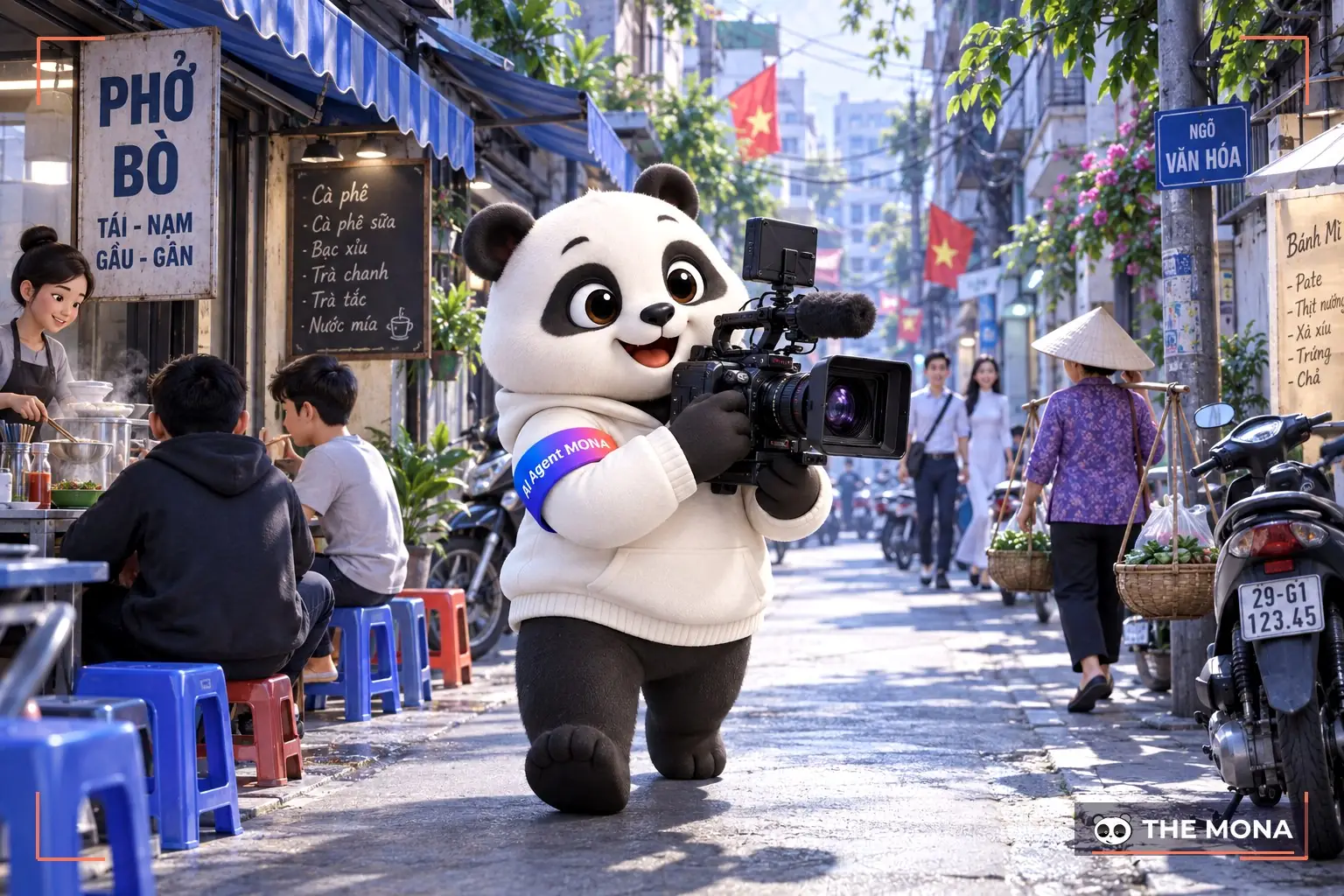
This is a filming technique that lets cameramen capture a scene or person from a distance, covering the whole frame over a wide area. In general, wide shots are used to introduce a location and establish the space and setting of a scene. The Wide Shot is common in genres such as documentaries, action films, science fiction and television series.
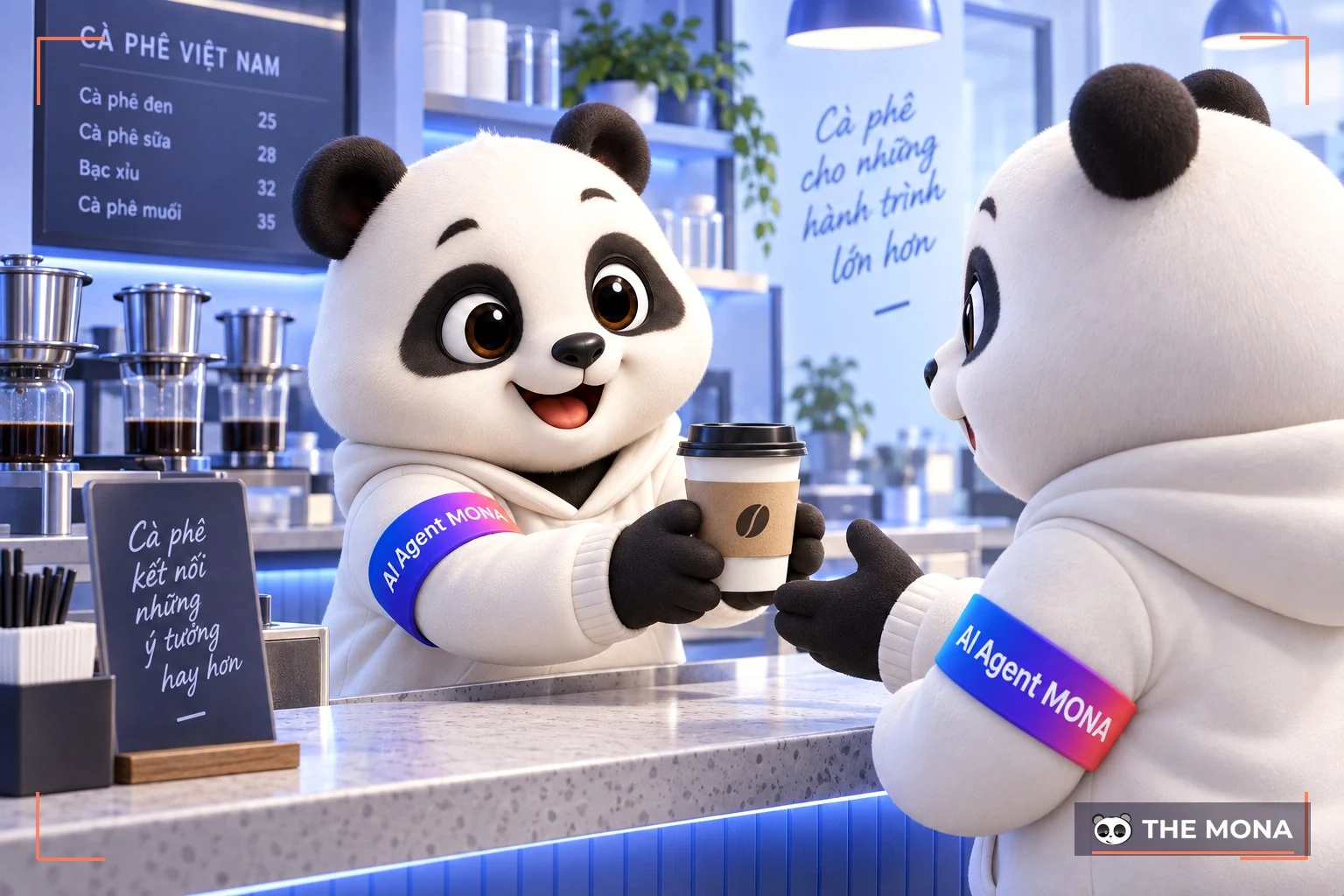
The Medium Shot is a filming style where the camera sits at a moderate distance from the subject, usually from the shoulders or chest up. With this camera angle, the cameraman can convey the actors' actions and emotions clearly while keeping the overall scene natural. For this reason, the Medium Shot is widely used in short films, documentaries and television series.
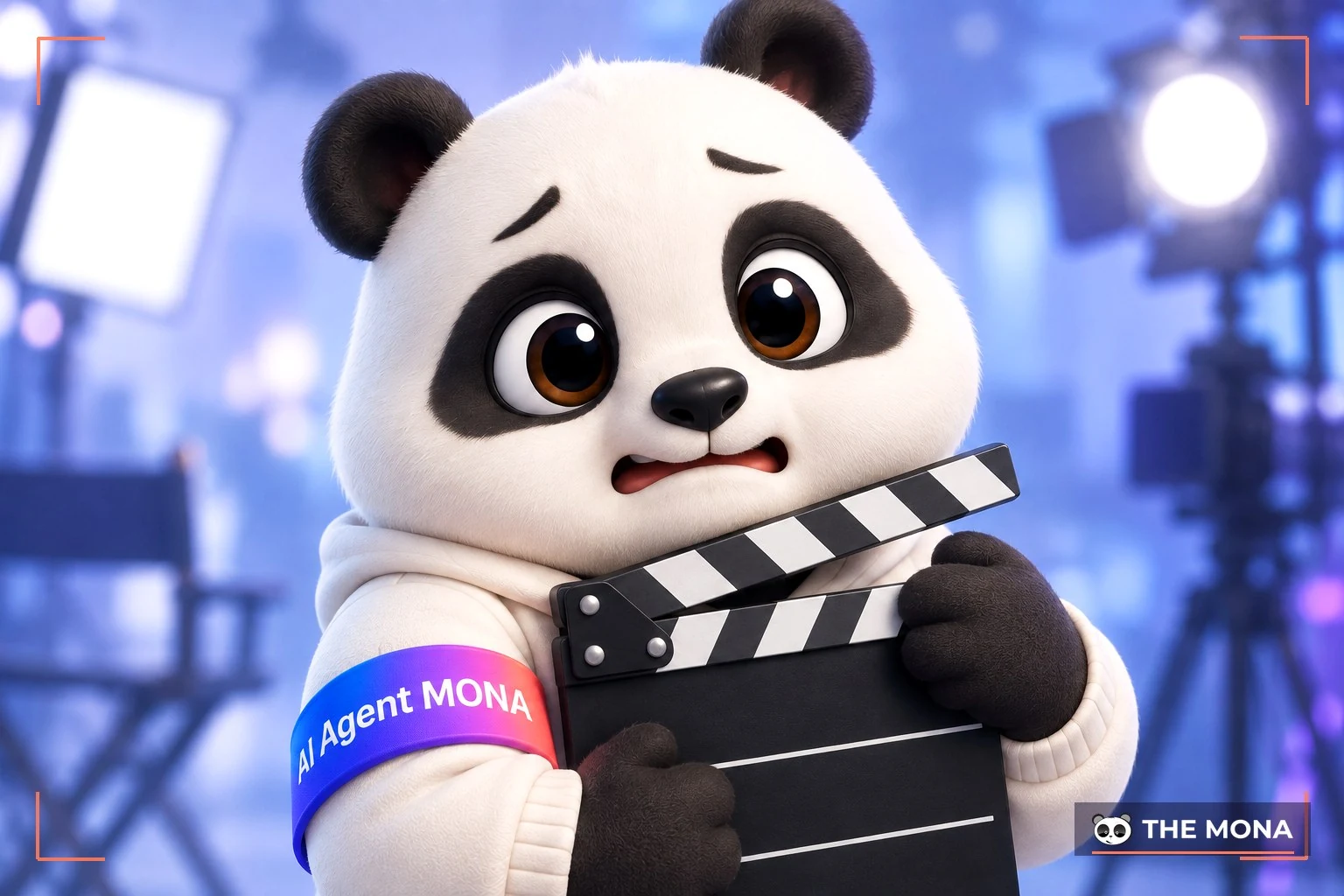
The Close-up is a common angle in commercial video production for introducing a product. To frame it correctly, place the camera close to the subject and focus on a small part of the face, the eyes or a specific detail of the subject. This draws attention, adds drama to a sequence and evokes deep emotion.
Read more: How to make a commercial? How to make an engaging ad film
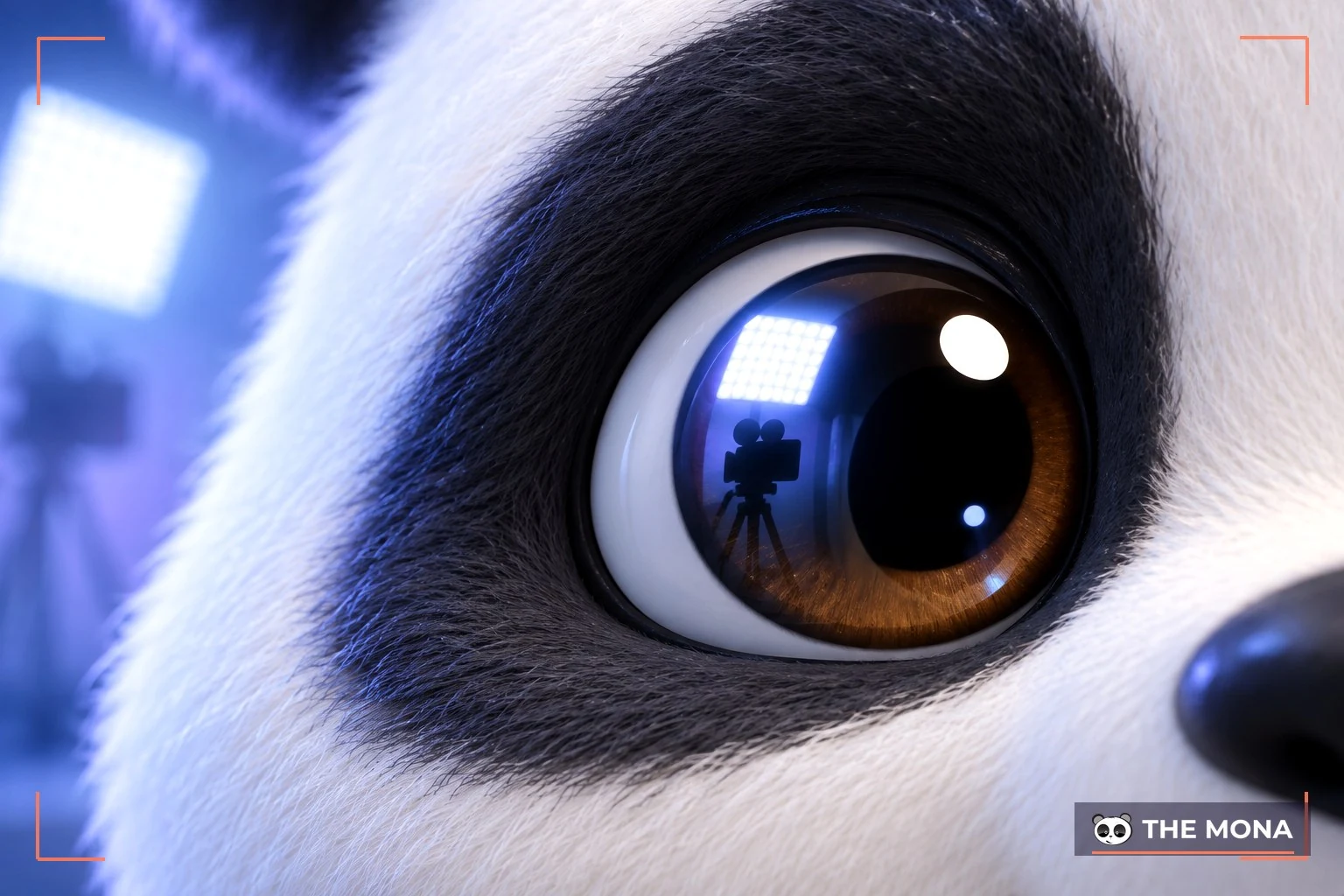
The Extreme Close-Up is a filming style where the cameraman captures a very small but striking part of the face, such as an actor's eyes. Most camera angles of this kind are used to dig deep into a character's inner thoughts and emotions, or to create tension and even extreme fear in the viewer.
The Tracking Shot is a shot that moves alongside the action or a character. If you apply the camera angle technique well, you create continuity and a strong connection with the character, giving viewers an exciting experience.
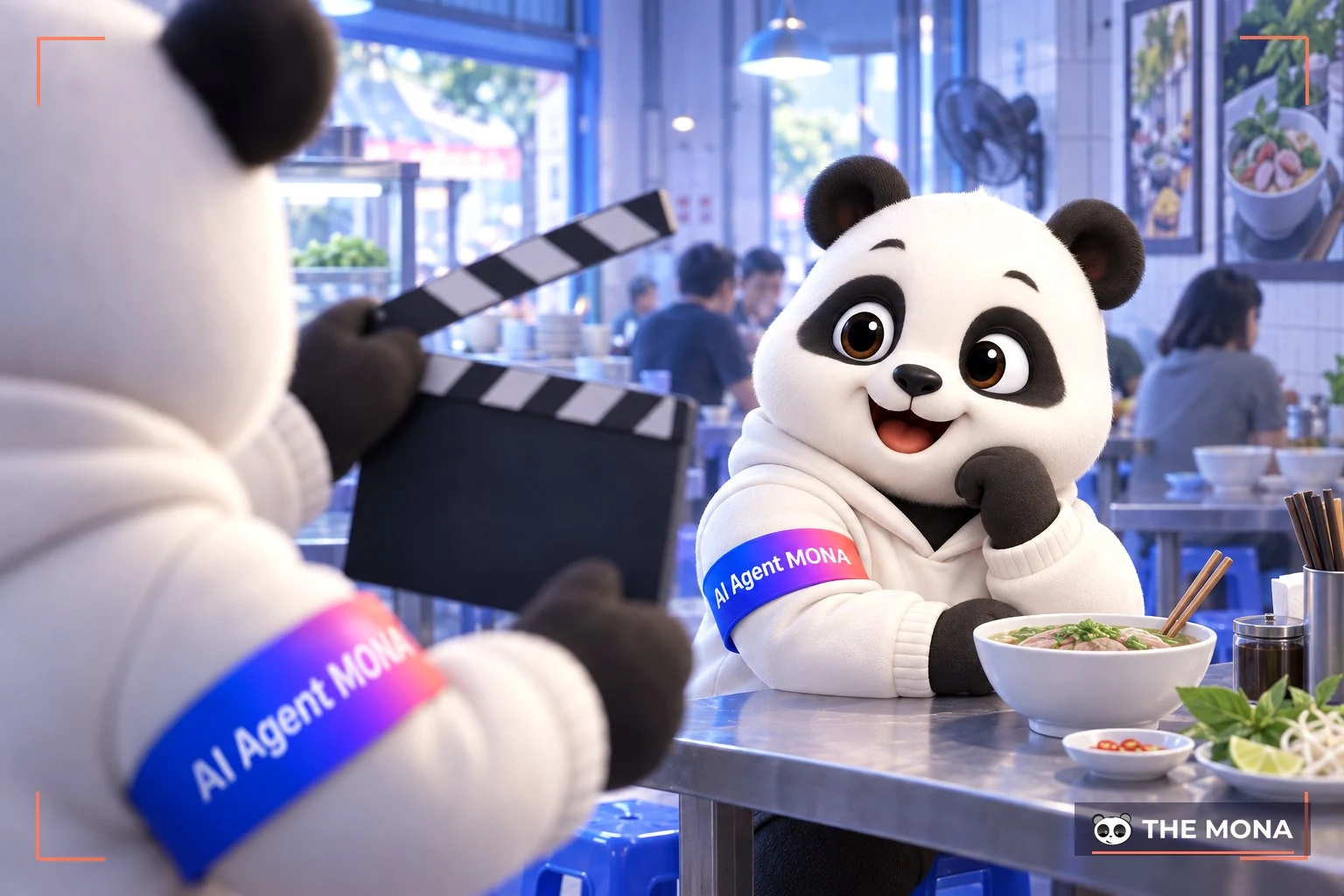
The Over the Shoulder Shot is made by placing the camera behind a character's shoulder. With the right camera angle, the character's shoulder, neck or back of the head faces away from the camera but stays in the frame. The OTS angle is often used to show the connection between two characters and feels more intimate than a plain single shot.
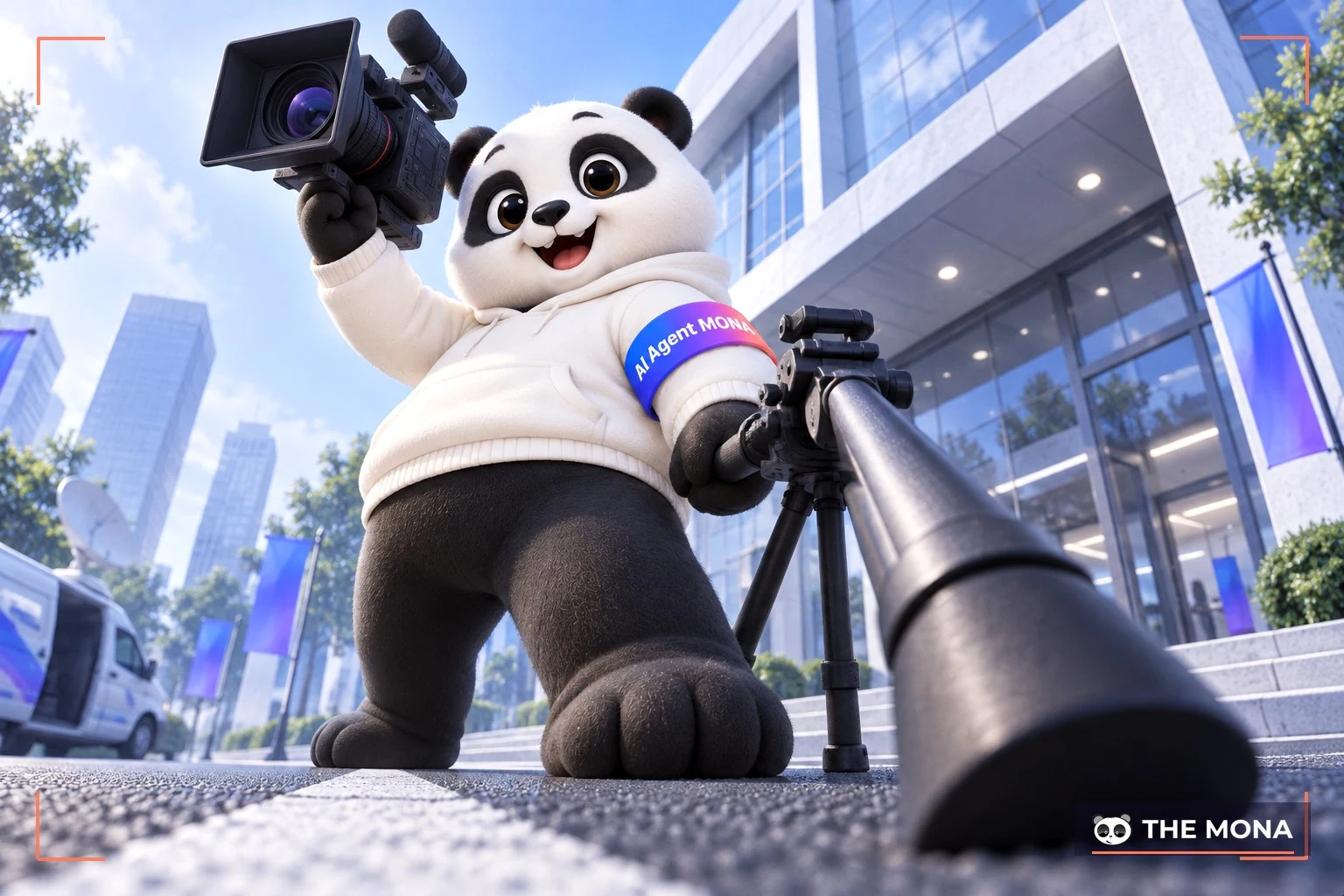
Among camera angles in filmmaking, the Low Angle Shot is often used to capture close shots of a character or a specific subject. This technique lets viewers focus deeply on a character or a particular scene. The Low Angle Shot also plays an important role in conveying authority, power or the grandeur of a character or object.
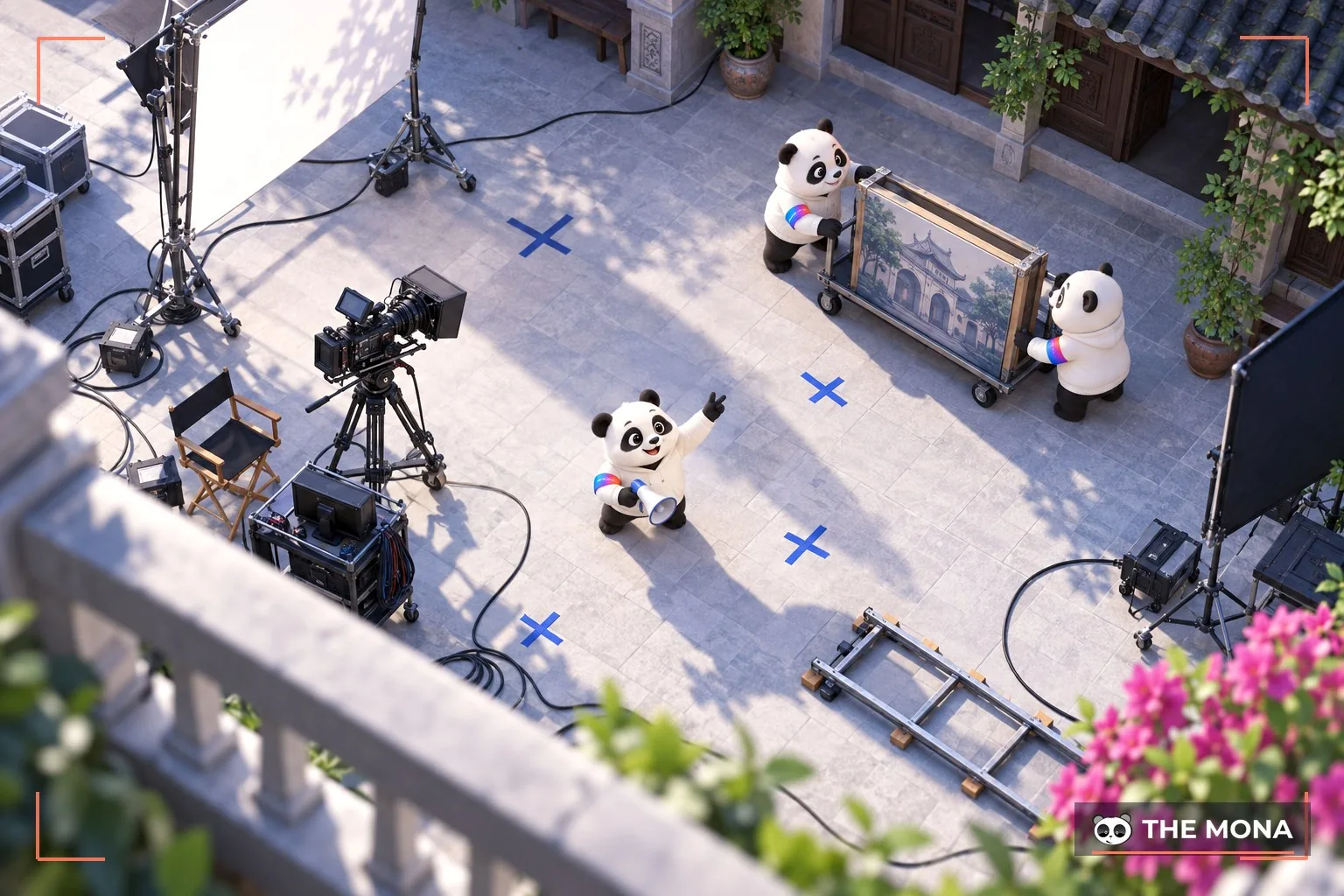
The High Angle Shot gives a looking-down feeling, usually from the viewpoint of an outsider or a position higher than the character. This angle is often used to create a feeling of weakness and stress the pressure on a character. Another use of the High Angle Shot is to create a sense of insecurity or instability, evoking a range of emotions in viewers.
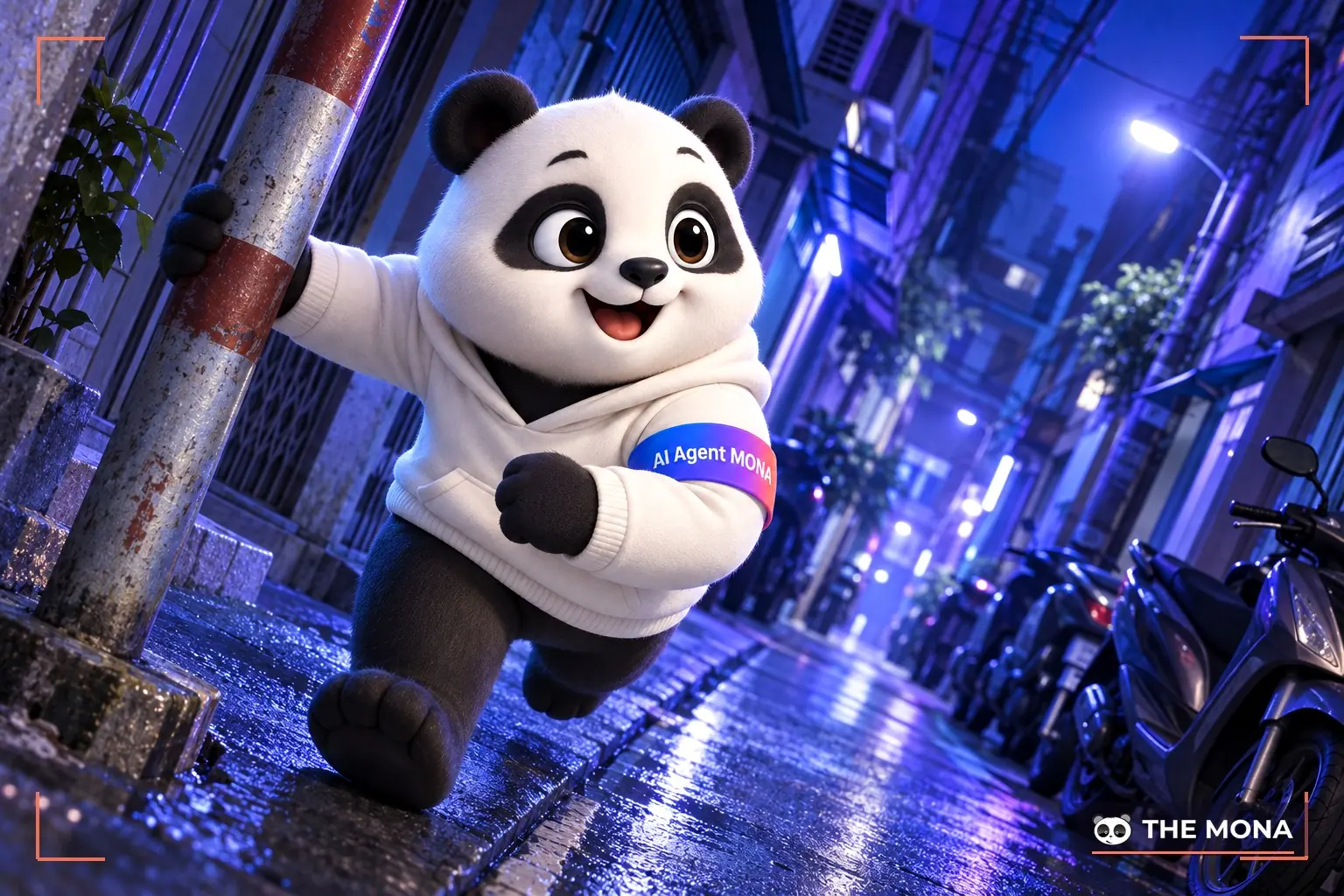
The Dutch Angle is one of the more distinctive camera angles in filmmaking. The cameraman tilts the camera so the horizon is not parallel to the bottom edge of the frame and instead sits at a certain slant relative to the side of the frame.
Because of this difference, the Dutch angle creates an unusual sense of movement and makes the viewer's brain work harder to process information. Yet this "hard to process" effect is exactly what succeeds in creating unease and confusion for the viewer.
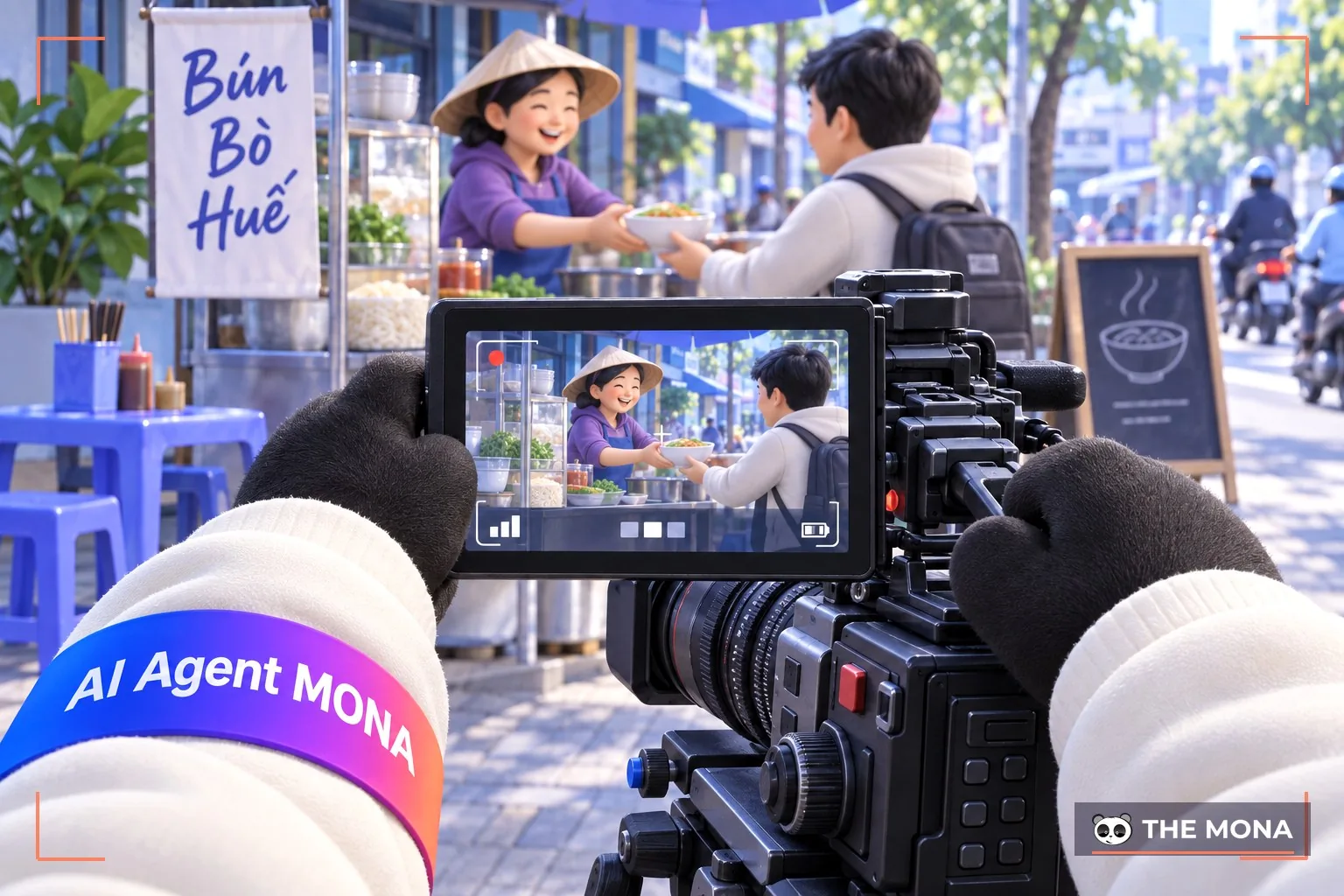
The Point of View angle shows exactly what a character is looking at from a first-person perspective. Basically, the camera acts as the character's eyes, so the audience sees what the actor sees. The POV angle is often used to highlight an individual's subjective view and creates strong, realistic and intimate engagement with the audience.
|
With experienced cameramen and modern equipment, MONA Media is MONA Media, an advertising film company, a leading and trusted partner for product video productionand high-quality TVC ads. Accordingly, MONA Media will help you deliver your message impressively through a TV commercial cinematic camera angles, professional composition and polished post-production techniques. 
Whether you need to promote a brand or a product or capture a moment, MONA Media will create gripping films with their own character for you. Let MONA Media work with you to make videos that are not only beautiful but truly effective and different. Contact now HOTLINE 1900 636 648 for completely free advice! |
See more: TVC ad pricing latest for 2025
In short, mastering and flexibly using camera angles in filmmaking is not just a technique but an art of film production. We hope that with the points revealed above, you now have more knowledge to raise your filming skills. If you are looking for a professional, impressive filming solution, MONA Media is ready to turn your ideas into cinematic footage.
If your budget doesn't stretch to a full shoot with staging, there is another route: making corporate intro videos with AI. Shoot the parts that must be real, and let AI handle the setting and staging; the cost is usually about a third.

CEO & Founder · The MONA
Founder of The MONA, who built a services company of 200+ staff with 14,000+ projects delivered. Khánh Hùng shares how he thinks about building systems that run themselves, automating a business, and the real lessons from delivering projects at MONA.
 1,6K



Professional website
design services
Own a website with a beautiful, 100% exclusive design and a lifetime warranty, with the ability
to expand features flexibly as your business grows, starting today!






 MONA will never sell your information or send you spam


 MONA will never sell your information or send you spam
