
 MONA OS 2.0


 Tự động hoá doanh nghiệp
 Cẩm nang SEO
 Digital Marketing
 Kinh nghiệm thiết kế website
 Hạ Tầng Server
 Giáo dục



 VI
 EN




Message us on
Zalo Official


 ProductsNew

 ProductsProducts
 Mới ra mắtKHA AI 2027App tự edit video, tự đăng mọi mạng xã hội, 2 phút mỗi ngày










 Website designLooks good and wins customers over.
SEO servicesBrings in customers searching for exactly what you sell.
 Tư vấn digital marketingKéo khách từ nhiều kênh, đo bằng số thật.
Corporate video productionVideos introducing your company, factory and team.
 NewAI video productionCompany story films made with AI.
 Custom software developmentCRM, ERP and HRM built for your business.
 Viết AI Agent theo yêu cầuĐặt riêng một trợ lý AI cho đúng việc của mình.
 Tư vấn chuyển đổi AIĐưa AI vào vận hành của cả công ty.
NewMONA LMSManagement for centers and schools.
MONA SkillHubInternal training for company staff.
 NHTQ systemEnd-to-end China–Vietnam shipping operations.
MONA JMSManagement for gold, diamond and pawn shops.
 MONA E-LearningA website with every feature you need to sell courses.
 How to sell online courses (course)More than 30 free lessons on selling courses on autopilot.
 MONA Cloudmonacloud.vnServers to get your apps and websites running.
 MONA Basemonabase.vnPostgres database, sign-in and file storage.
 MONA Mailmonamail.vnSend OTP, order and invoice emails from your software.
 MONA Paymonapay.vnAccept bank transfers via VietQR and notify your software when the money arrives.
 MONA eInvoiceComing soonIssue e-invoices that meet tax standards.
Gấu CườiTrả lời khách 24/7 trên web, Fanpage, Zalo và thu lead cho sale.
 Gấu TeleSalesGọi điện tư vấn, chăm khách như tổng đài viên thật.
Dê CườiTư vấn và chốt đơn cho shop ngay trong khung chat.
Gấu WebmasterNhắn nhóm Zalo là website được sửa xong.
 Gấu Pháp ChếSoạn hợp đồng, rà điều khoản trong vài phút.
 Gấu Báo GiáLên báo giá đúng mẫu và gửi khách ngay.
 AI chăm sóc khách hàngTheo dõi và giữ chân khách hàng cũ.
 Gấu Tuyển DụngLọc hồ sơ, hẹn lịch, phỏng vấn ứng viên.
 Mới ra mắt
KHA AI 2027
Xây kênh chuyên gia 2 phút mỗi ngày
Quay bằng điện thoại, AI tự edit video, tự đăng lên 16 nền tảng và tự trả lời bình luận, tin nhắn.
325.883lượt xem trên kênh CEO MONA sau 18 ngày
 Anh Khánh HùngCEO MONA đang dùng mỗi ngày
Xem app làm được gì
 AI
Gấu Cười MONA ĐANG TỰ XÀITrả lời khách 24/7 trên website, Zalo OA, Messenger và thu lead về cho sale.
Dê CườiChốt đơn bán lẻ và sàn: Shopee, TikTok Shop, web. Chăm cả khách sỉ, đại lý.
Gấu WebmasterCập nhật nội dung, tối ưu SEO website mỗi ngày.
Gấu TeleSalesGọi điện tư vấn, chăm khách như tổng đài viên thật.
Gấu Tuyển DụngLọc hồ sơ, hẹn lịch, phỏng vấn ứng viên tự động.
AI chăm sóc khách hàngGiữ khách cũ, cứu lead đã rớt cho phòng kinh doanh.
Gấu Pháp ChếSoạn hợp đồng, rà điều khoản trong vài phút.
Gấu Báo GiáLên báo giá đúng mẫu, gửi khách ngay khi có yêu cầu.
 Chuyển đổi AI toàn phầnGiải pháp tổng cho doanh nghiệp, 3 lớp triển khai.
 Viết AI Agent theo yêu cầuĐặt riêng một con AI gánh đúng nghiệp vụ của bạn.
 Custom softwareCRM, ERP and HRM with built-in AI automation.
 SEO & AEO thời đại AIĐược Google lẫn AI trích dẫn, không chỉ xếp hạng.
 Kiến thức AI cho doanh nghiệpBài phân tích, hướng dẫn ứng dụng AI vào vận hành.
 Free AI courses
 AI tools at work
App mới · KHA AI 2027
Xây kênh 2 phút mỗi ngày
AI tự edit video, tự đăng mọi mạng xã hội
Free consultation, 8am–10pm every day

18 March, 2023
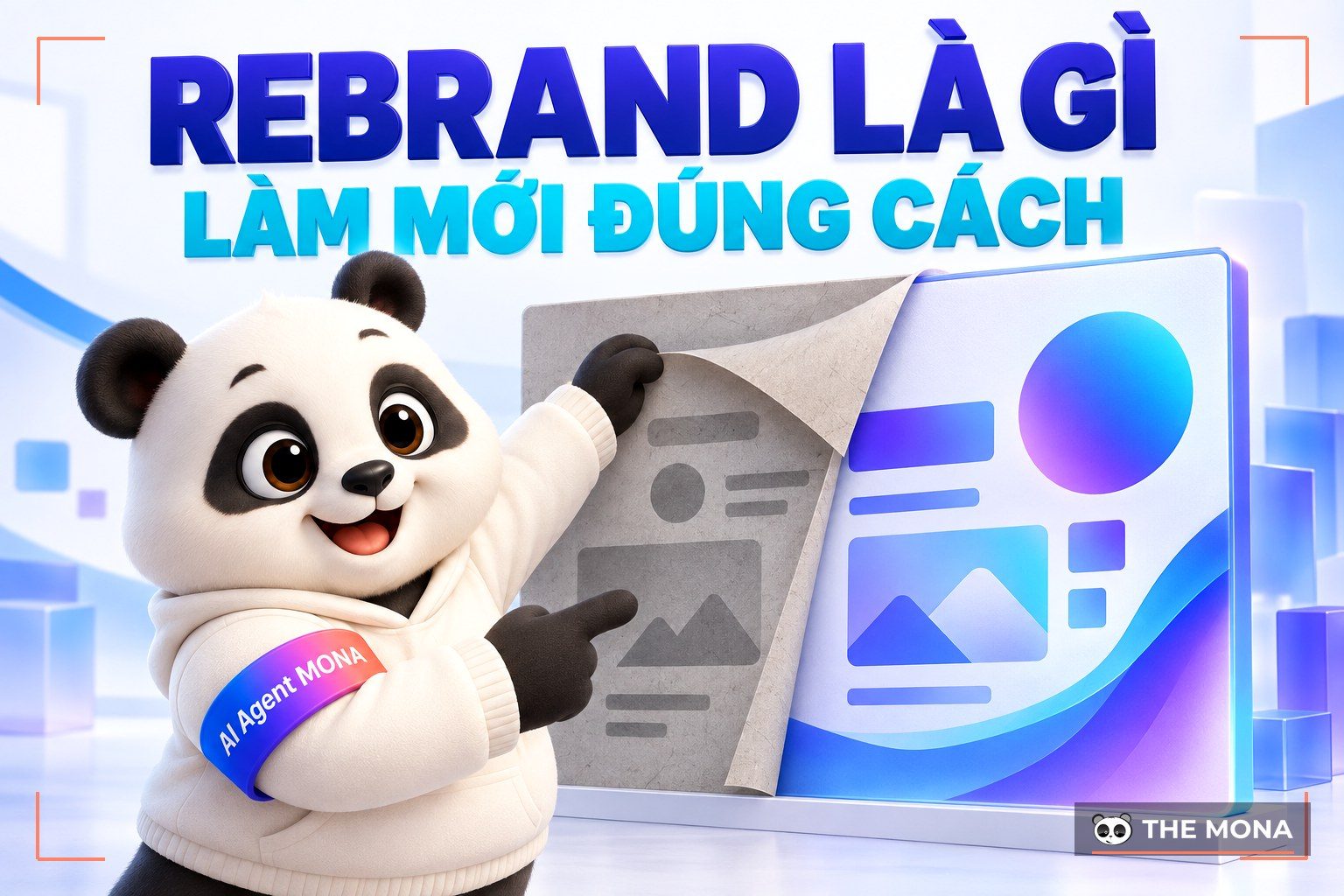
Recent years have seen many brands renew themselves, notably Facebook, Viettel, Burger King, KIA, Gap and Xiaomi. These moves are called Rebranding. For a precise definition, see What is rebranding? Why do businesses need to rebrand? All your questions are MONA Media answered in detail in the article below, along with 7 steps to a successful brand refresh.
Rebranding (refreshing or restructuring a brand) is the process of rethinking a company's marketing strategy. It can include changes to the name, logo, website design, marketing approach and more.
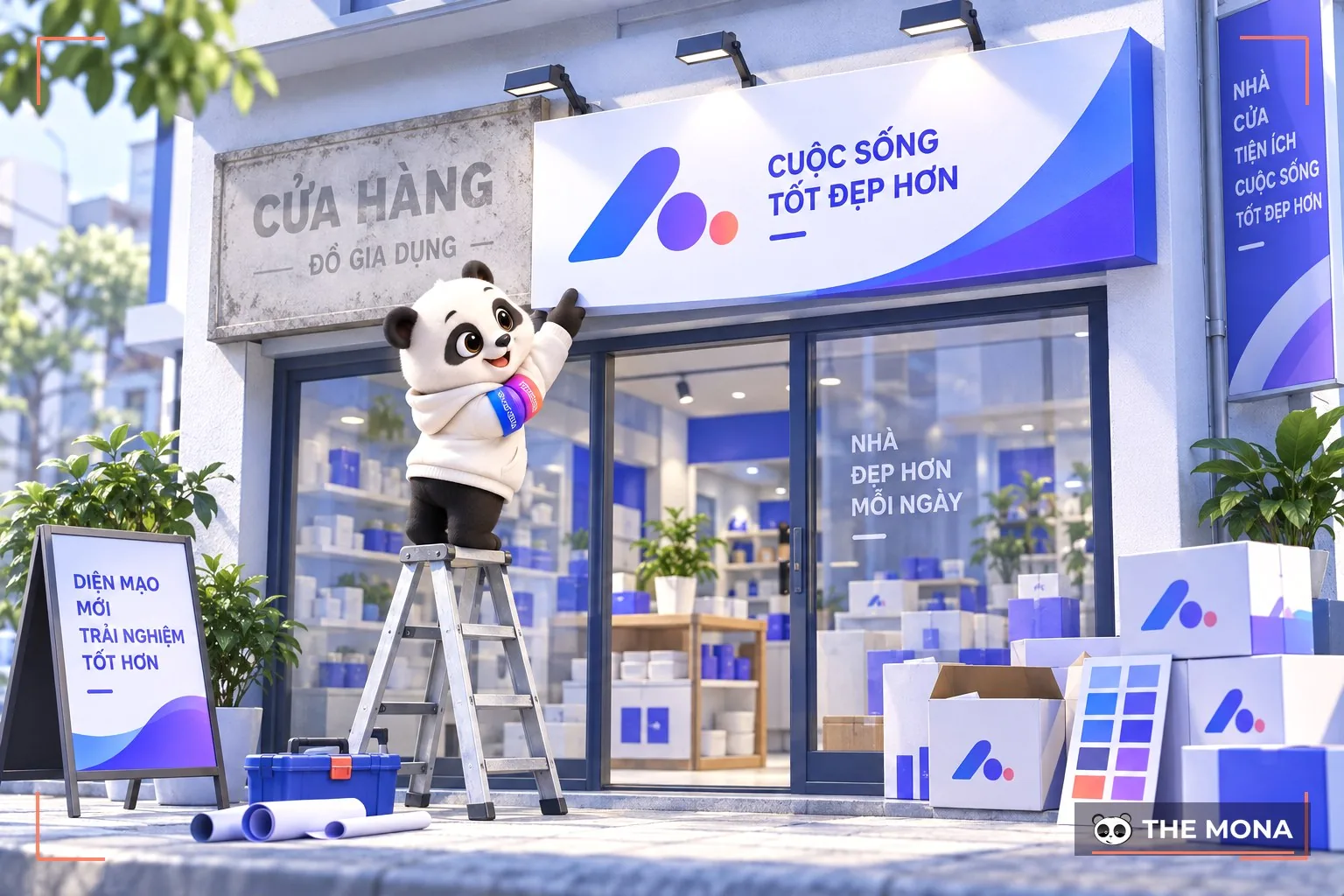
The purpose of a brand refresh is to change how people think about the brand, and to brand positioning in the eyes of consumers and the market. A rebrand is not only about building new awareness, it also rebuilds the bond between a business and its target customers.
You may have heard of the recent “brand overhaul” by the giant Facebook changing to a completely different name, Meta. With a sideways infinity symbol, Facebook signals its vision of the digital future. It is a contemporary example in long-established brand communication.
In a rebrand, rebuilding the brand goes beyond the logo, colors or messaging, it includes the people who represent the brand. So what role does personal branding play in rebranding? Watch the video below to find out.
A rebrand does not have to mean redesigning the brand's mission and vision from scratch. It can be a partial change, such as the logo, slogan, brand name or advertising strategy. On that basis, you can classify rebranding into 3 common forms listed below.
This form replaces an old brand with a completely new one so the business stays up to date. A business can change small details, such as refreshing the logo or changing brand identity colorand so on. This approach fits when the logo or company image has become outdated, or when business goals have shifted.
For example, McDonalds made changes to brand logo design and this is a typical rebranding example too. Each refresh shifts how consumers see the brand's shapes, graphics, colors and details.

A brand merger happens when two brands combine to form a new one. It is the best way to bring brands together. In many cases, though, to unify operations and direction, a business may overhaul the brand completely.
Kraft Heinz is a typical example of a brand merger. Combining two iconic American food and beverage brands gave these two leading names a real chance to dominate the food industry at home and abroad.

This form renews everything about the brand. It applies to businesses that completely change their approach and the direction of their business development strategy as they move into a different field.
A full overhaul lets the business reset its brand image in the market and appear as a completely new brand.
On average, businesses renew their brand once every 7 to 10 years. It is not only because the brand has aged, there are many other reasons, such as negative publicity, a merger or split, or a change of vision and mission. Below are signs it is time to rebrand your business that you should know about.
Your business can be badly damaged by a worsening reputation. A rebrand gives you another chance to approach the market and fix past mistakes. Make sure the renewal is handled carefully and takes a clearly different direction from the mistakes of the past.
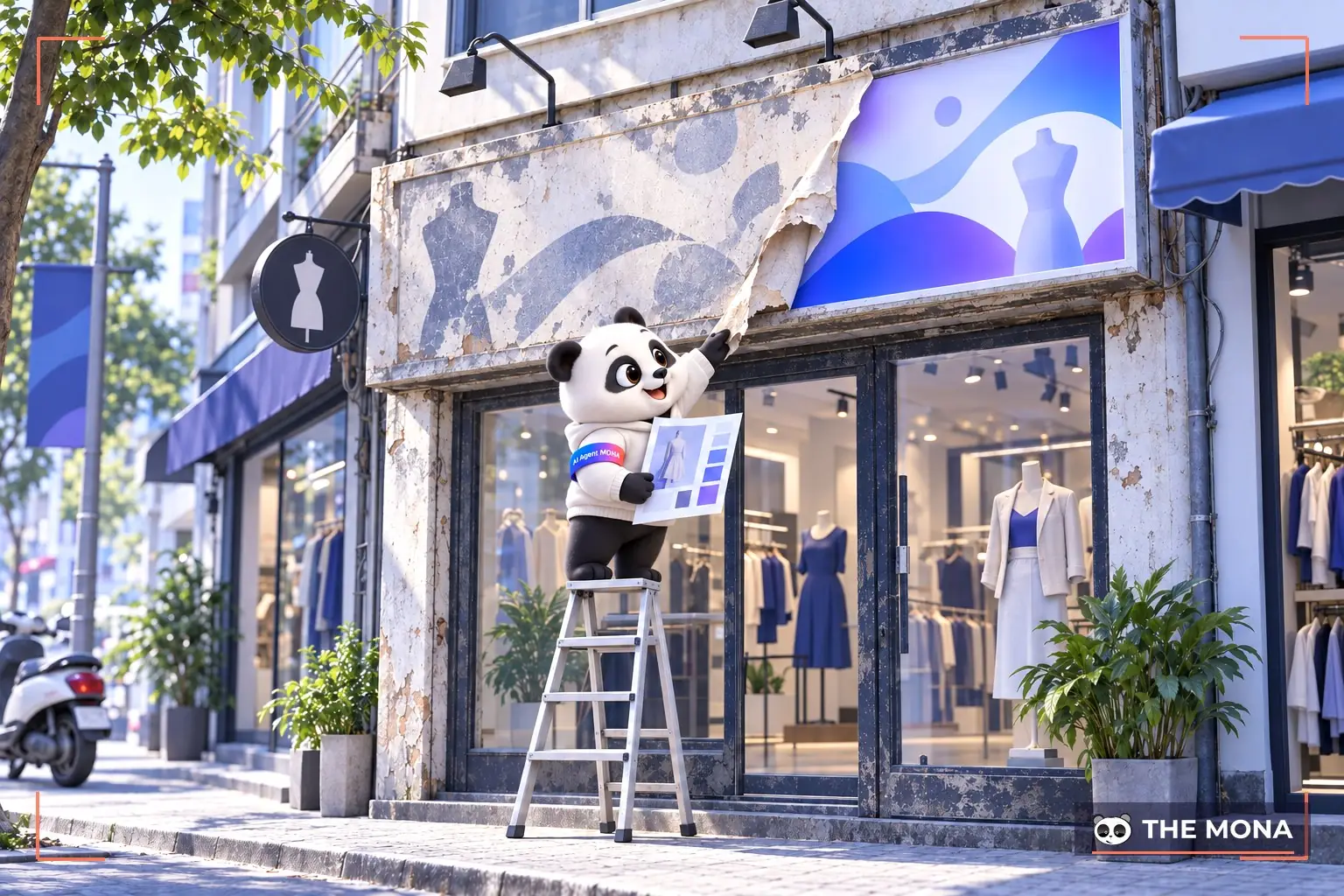
Many businesses want to shed an old identity because of problems it causes. Burberry is a typical case, going from a “uniform” fashion label tied to hooligans and gangs to one of Britain's top luxury fashion brands.
Currently, MONA Media offers a full range of professional filming and photography services, helping businesses build a striking, polished brand image in customers' eyes. These include: Product photography, personal portrait photography through to corporate profile photographyand more. Contact us via HOTLINE 1900 636 648, and the MONA team is ready to advise and deliver in line with your brand direction.
A rebrand is also needed when your brand is similar to, and gets confused with, another brand. This becomes serious if that other party is a competitor. You risk being mistaken for them, losing customers and becoming less competitive.
Restructuring the brand is necessary in a rebrand when the vision, mission and market structure change. Repositioning helps the business focus on its new direction. It may include changes to the logo, products, positioning, pricing, slogan and more.
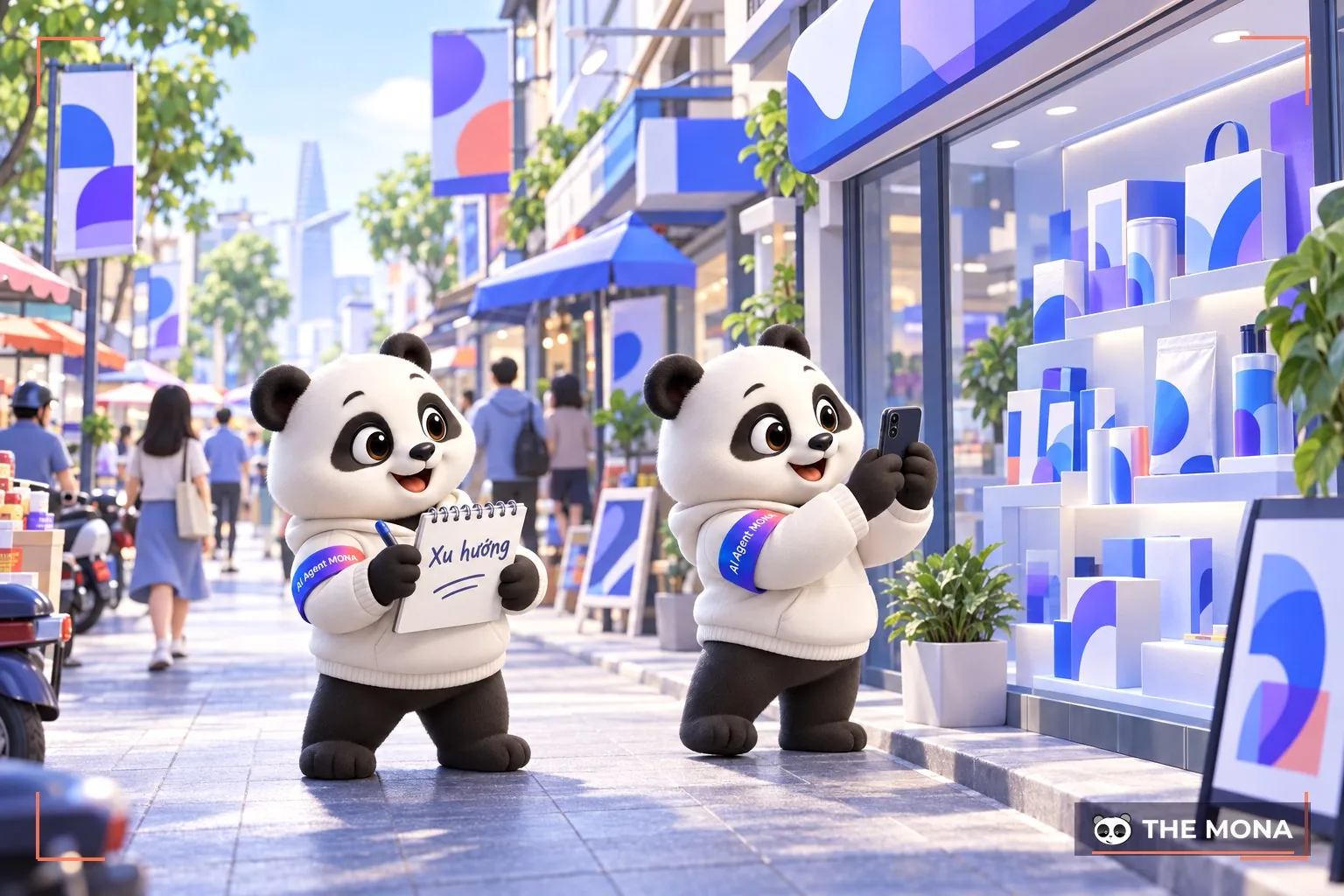
The market changes every day. If you stand still and cling to what is old, customers will leave. A rebrand is not just a new logo or identity kit, it is a full upgrade, covering brand positioning, how you reach customers and the latest market trends. A refresh helps a business keep its competitive edge, bring something new to customers and win them back.
If you are thinking about rebuilding your brand, the first thing you need is a clear strategy and process. So how do you rebrand, and how do you carry out a brand refresh? Right below, MONA walks you through the brand refresh process in 7 steps in detail.
A clear view of where your brand stands is the key to a successful rebuild. To assess your brand, ask yourself these questions:
Be clear about the final goal of the rebrand before you invest time and money in it.
If you want to find the right direction quickly and a business path that fits, consider hiring marketing from an agency. And MONA Media now offers a high-conversion marketing package with Outsourced marketing department services that are professional and all-inclusive. Contact us HOTLINE 1900 636 648 for advice and a detailed quote.
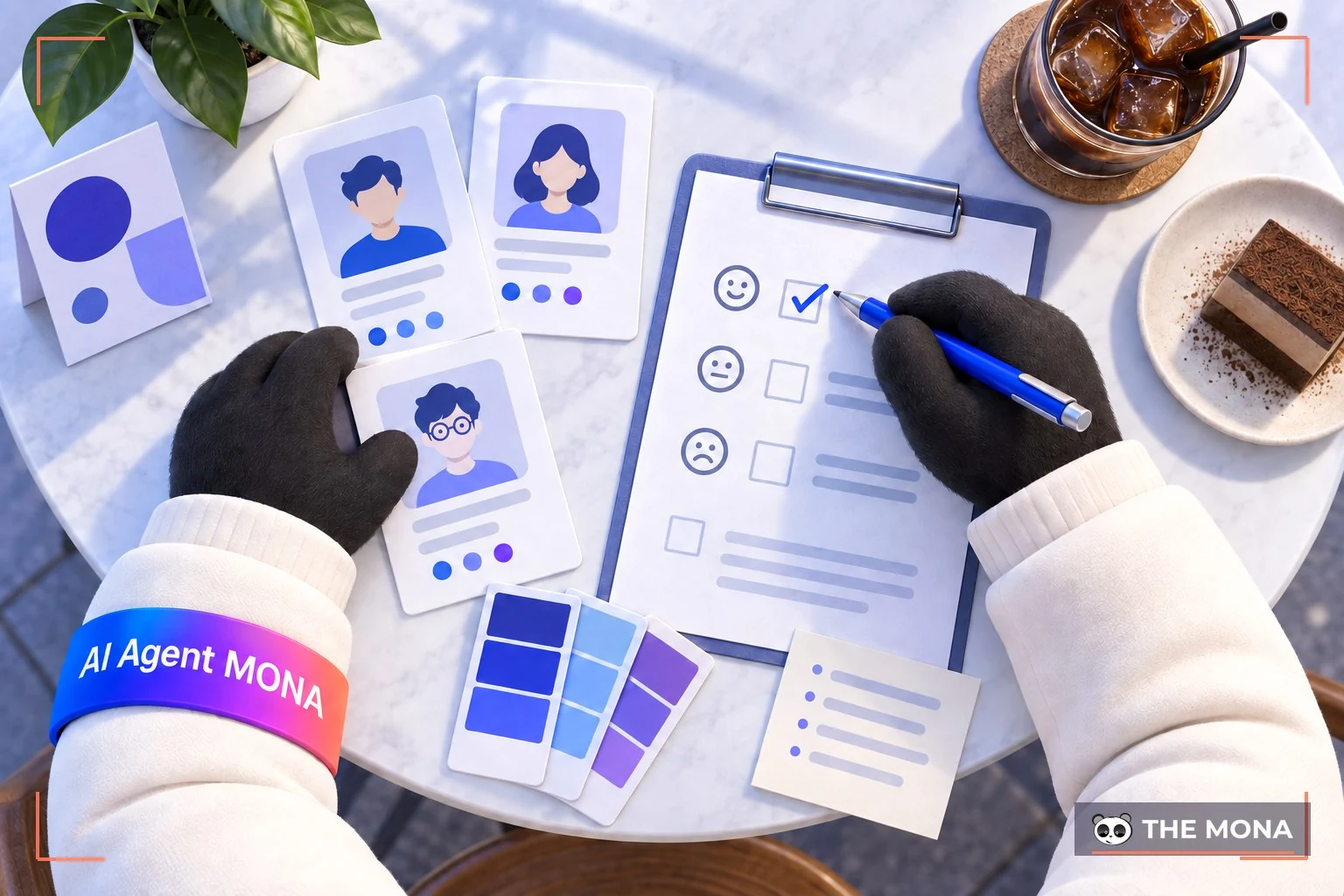
When working on market research you need to define who you are, what you need and what you do, then find out where you stand and what the market around you looks like.
Run research and surveys with your target customer group to gather their input on your success story, products and the brand's existing reputation. The more you know, the more accurate and effective your strategy and approach will be.
You are not alone in the market. Countless competitors exist, and some are doing much better than you. So what sets your brand apart and attracts customers during the rebrand?
For instance, are you proud of selling premium products, or do you market yourself as a futuristic brand? Remember not to focus on attracting everybody. Your job is to find a niche market and meet its needs. What will you do better than your competitors? If you do not know yet, research further.
Along the way, keep these key elements of the rebranding process in mind:
The next step in the refresh process is a detailed list of every brand touchpoint that needs renewing, including the logo, identity kit, website, business cards, signage and more. Each time you test a new design, ask whether it fits your brand strategy.

Every touchpoint where customers or prospects interact with your business needs to be handled and repositioned. Touchpoints are how your brand reaches customers. They are everything that lets customers recognize your brand (style, imagery, colors, fonts, logo, staff details and more).
For example, if you want your store or reception desk to leave a strong impression, you need to redecorate the office or store to match the new brand. Make sure everything you use supports a distinct brand identity and gives customers a consistent, well-targeted experience.
A brand refresh means the business adjusting internally to see itself in a new way. So make sure your team knows how to carry it out correctly and consistently.
A new brand will fail if your staff do not believe it fits your values and business strategy. Success comes only when the inside of the company is aligned.
To do that, you need to:
Launching the new brand should be quick and decisive, handled like your original launch or even better. The goal this time is to let everyone know your brand has changed, rather than to introduce yourself for the first time.
Tell them why you are rebranding and what it means for the future of the business. Most people dislike arbitrary change, and they trust you more when you are open about it. Stress the benefits customers will get from the change. To avoid legal trouble, also register the trademark to protect the new brand against disputes or later issues.
Rebranding does not end when you launch publicly. Even with advance notice, you will likely see mixed reactions more clearly now.
The best way to know how people feel is to collect feedback from your target customers, analyze how the new activities perform and assess the impact of the refresh on your goals.
A brand refresh is an essential process for any business. It also marks a new, exciting stage in your business journey. Done by the right process, it is a strategy that attracts customers and helps you reach your business goals.
Rebranding, or refreshing a brand, is not only about changing outward appearance. It also means reviewing how the brand appears and connects with customers across the board. That is why redesigning the brand identity kit professionally is a step you cannot skip.
MONA Media is currently a provider of brand identity design service , a trusted agency, helps businesses improve the experience at each touchpoint and leave a lasting mark with customers.
MONA's core goal is “take your business up a level”, giving you a new look through a build your brand image “exclusive” and thorough process, from logo design, banner design services, poster design,…
SEE the identity kit created in the MONA x VietNexus Logistics partnership

What are you waiting for? Call now HOTLINE 1900 636 648 or get direct advice from the MONA Media team below.
Before rebranding, a business should keep this in mind:
Below are 2 notable rebranding case studies that got a positive response and 1 case study that got a negative one, for you to learn from during your own rebrand.

Viettel officially announced its new brand identity including the logo, slogan and main colors. The blue, yellow and white palette used for 16 years was replaced entirely by red, which stands for youth, passion and the colors of the national flag, a source of national pride.
The brand slogan was shortened to “Theo cách của bạn” (Your way) rather than “Hãy nói theo cách của bạn” (Say it your way) from the earlier version. On this change, Mr. Le Dang Dung (Viettel's General Director) put it this way: “Before, customers had to tell Viettel what they wanted. Now they don't need to say it. Viettel understands and serves instantly through automation, AI and big data.”
Why did Viettel rebrand? Simply because its development strategy changed. It made clear that Viettel is no longer just a telecom service provider but a company carrying out its mission of “Tiên phong kiến tạo xã hội số” (Pioneering the digital society).
Burger King made its first brand overhaul in more than two decades. But surprisingly, this identity change was a return to its old logo, in a minimalist, classic style.
On the logo change, a Burger King representative said: “There is no blue food and burgers aren't glossy. So our modern logo needed to change.”
The brand returned to the logo used from 1965 to 1998, with improved proportions and typeface to better fit modern tastes.

The identity changed across packaging, staff uniforms and restaurant design. The colors became brown, orange, red, green and yellow, inspired by the brand's signature dish, the Whopper.
With this change, Burger King wanted consumers to know that, instead of “fast” food, it would focus more on product quality. A “realer” product with fresh ingredients, no additives and better for health would earn more customer trust, as the new logo expresses.
After the financial crisis, the famed fashion brand GAP saw that it needed changes to make an impression on the market, and chose to rebrand. But the change drew a lot of negative reactions and criticism from the brand's own loyal customers. It had to go back to the old logo just 6 days after announcing the new one.
The most notable reason behind GAP's failed campaign was the “unannounced” change. They simply posted the new logo with no announcement or media campaign to go with it. On top of that, the new logo looked nothing like the old one and did not impress consumers.

From these 3 case studies, you can see that for big brands, carrying out a rebrand should not be a completely different look, but should carry over the distinctive elements to keep loyal customers, then improve gradually. A “launch” campaign for the new identity is also essential so loyal customers get the information and see the change more positively.
Rebranding is necessary, but it is a big-picture strategy with real challenges. If you are looking for a breakthrough in how you reach customers, or your brand plans a “transformation”, consider a rebrand. We hope what MONA has shared about what rebranding is and 7 steps for a successful brand refresh above helps you get the best results and spread your brand image on every platform.

CEO & Founder · The MONA
Founder of The MONA, who built a services company of 200+ staff with 14,000+ projects delivered. Khánh Hùng shares how he thinks about building systems that run themselves, automating a business, and the real lessons from delivering projects at MONA.
 1,5K




Professional website
design services
Own a website with a beautiful, 100% exclusive design and a lifetime warranty, with the ability
to expand features flexibly as your business grows, starting today!






 MONA will never sell your information or send you spam


 MONA will never sell your information or send you spam
