
 MONA OS 2.0
 Partner with MONA


 Tự động hoá doanh nghiệp
 Cẩm nang SEO
 Digital Marketing
 Kinh nghiệm thiết kế website
 Hạ Tầng Server
 Giáo dục


 VI
 EN







Message us on
Zalo Official


 ProductsNew

 ProductsProducts
 Mới ra mắtKHA AI 2027App tự edit video, tự đăng mọi mạng xã hội, 2 phút mỗi ngày










 Website designLooks good and wins customers over.
SEO servicesBrings in customers searching for exactly what you sell.
 Tư vấn digital marketingKéo khách từ nhiều kênh, đo bằng số thật.
Corporate video productionVideos introducing your company, factory and team.
 NewAI video productionCompany story films made with AI.
 Custom software developmentCRM, ERP and HRM built for your business.
 Viết AI Agent theo yêu cầuĐặt riêng một trợ lý AI cho đúng việc của mình.
 Tư vấn chuyển đổi AIĐưa AI vào vận hành của cả công ty.
NewMONA LMSManagement for centers and schools.
MONA SkillHubInternal training for company staff.
 NHTQ systemEnd-to-end China–Vietnam shipping operations.
MONA JMSManagement for gold, diamond and pawn shops.
 MONA E-LearningA website with every feature you need to sell courses.
 How to sell online courses (course)More than 30 free lessons on selling courses on autopilot.
 MONA Cloudmonacloud.vnServers to get your apps and websites running.
 MONA Basemonabase.vnPostgres database, sign-in and file storage.
 MONA Mailmonamail.vnSend OTP, order and invoice emails from your software.
 MONA Paymonapay.vnAccept bank transfers via VietQR and notify your software when the money arrives.
 MONA eInvoiceComing soonIssue e-invoices that meet tax standards.
Gấu CườiTrả lời khách 24/7 trên web, Fanpage, Zalo và thu lead cho sale.
 Gấu TeleSalesGọi điện tư vấn, chăm khách như tổng đài viên thật.
Dê CườiTư vấn và chốt đơn cho shop ngay trong khung chat.
Gấu WebmasterNhắn nhóm Zalo là website được sửa xong.
 Gấu Pháp ChếSoạn hợp đồng, rà điều khoản trong vài phút.
 Gấu Báo GiáLên báo giá đúng mẫu và gửi khách ngay.
 AI chăm sóc khách hàngTheo dõi và giữ chân khách hàng cũ.
 Gấu Tuyển DụngLọc hồ sơ, hẹn lịch, phỏng vấn ứng viên.
 Mới ra mắt
KHA AI 2027
Xây kênh chuyên gia 2 phút mỗi ngày
Quay bằng điện thoại, AI tự edit video, tự đăng lên 16 nền tảng và tự trả lời bình luận, tin nhắn.
893.064lượt xem trên kênh CEO MONA sau 37 ngày
 Anh Khánh HùngCEO MONA đang dùng mỗi ngày
Xem app làm được gì
 AI
Gấu Cười MONA ĐANG TỰ XÀITrả lời khách 24/7 trên website, Zalo OA, Messenger và thu lead về cho sale.
Dê CườiChốt đơn bán lẻ và sàn: Shopee, TikTok Shop, web. Chăm cả khách sỉ, đại lý.
Gấu WebmasterCập nhật nội dung, tối ưu SEO website mỗi ngày.
Gấu TeleSalesGọi điện tư vấn, chăm khách như tổng đài viên thật.
Gấu Tuyển DụngLọc hồ sơ, hẹn lịch, phỏng vấn ứng viên tự động.
AI chăm sóc khách hàngGiữ khách cũ, cứu lead đã rớt cho phòng kinh doanh.
Gấu Pháp ChếSoạn hợp đồng, rà điều khoản trong vài phút.
Gấu Báo GiáLên báo giá đúng mẫu, gửi khách ngay khi có yêu cầu.
 Chuyển đổi AI toàn phầnGiải pháp tổng cho doanh nghiệp, 3 lớp triển khai.
 Viết AI Agent theo yêu cầuĐặt riêng một con AI gánh đúng nghiệp vụ của bạn.
 Custom softwareCRM, ERP and HRM with built-in AI automation.
 SEO & AEO thời đại AIĐược Google lẫn AI trích dẫn, không chỉ xếp hạng.
 Kiến thức AI cho doanh nghiệpBài phân tích, hướng dẫn ứng dụng AI vào vận hành.
 Free AI courses
 AI tools at work
App mới · KHA AI 2027
Xây kênh 2 phút mỗi ngày
AI tự edit video, tự đăng mọi mạng xã hội
Free consultation, 8am–10pm every day

09 June, 2023
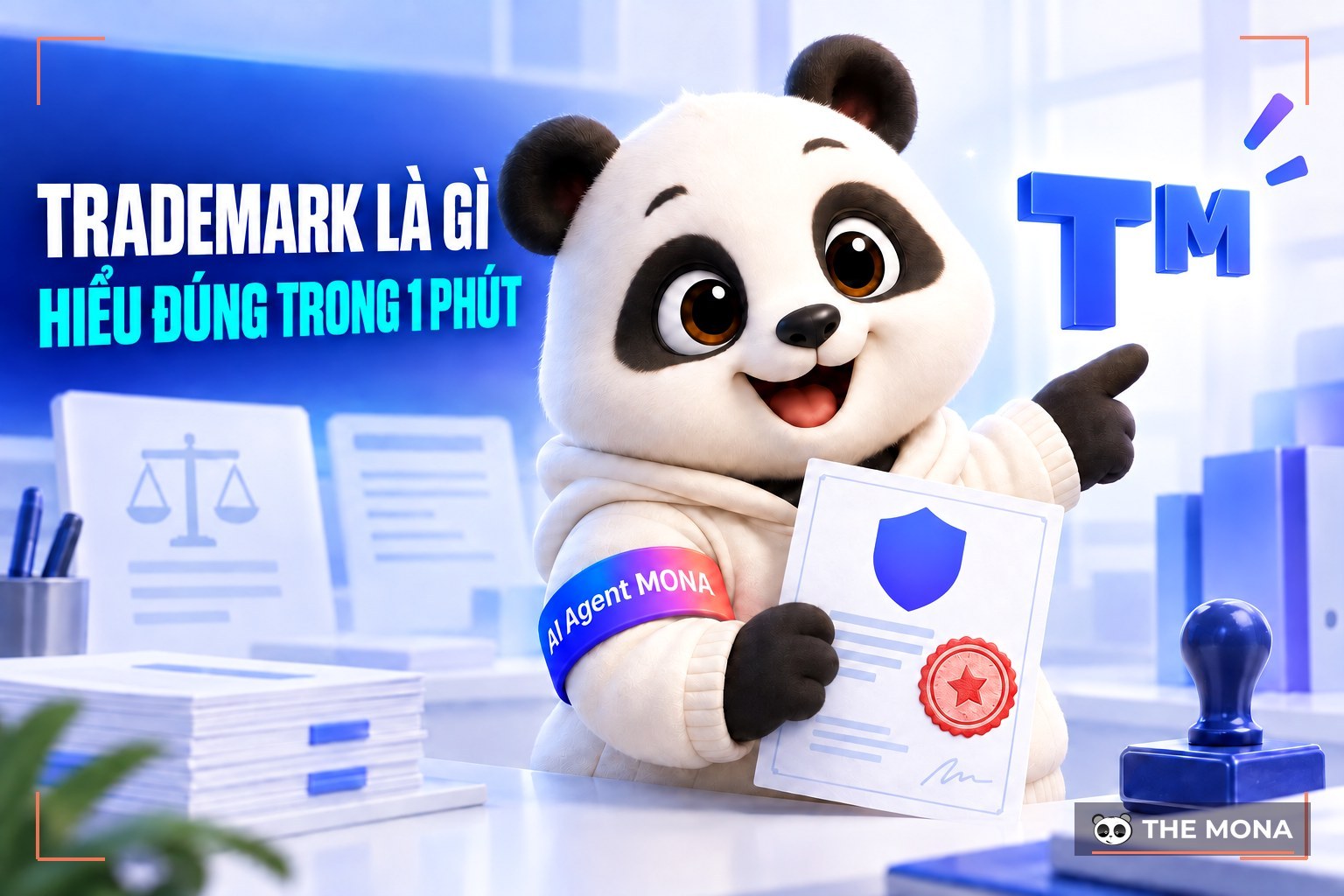
If you are a business owner or creator, you have probably heard the term trademark. But do you know what a trademark is and why it matters? In this article, MONA Media will help you understand what a trademark means and give you useful information about Trademark and trademark registration.
Trademark also called a brand mark, is a symbol or name of a product or service that is registered and protected under intellectual property law to distinguish it from the products or services of other providers.
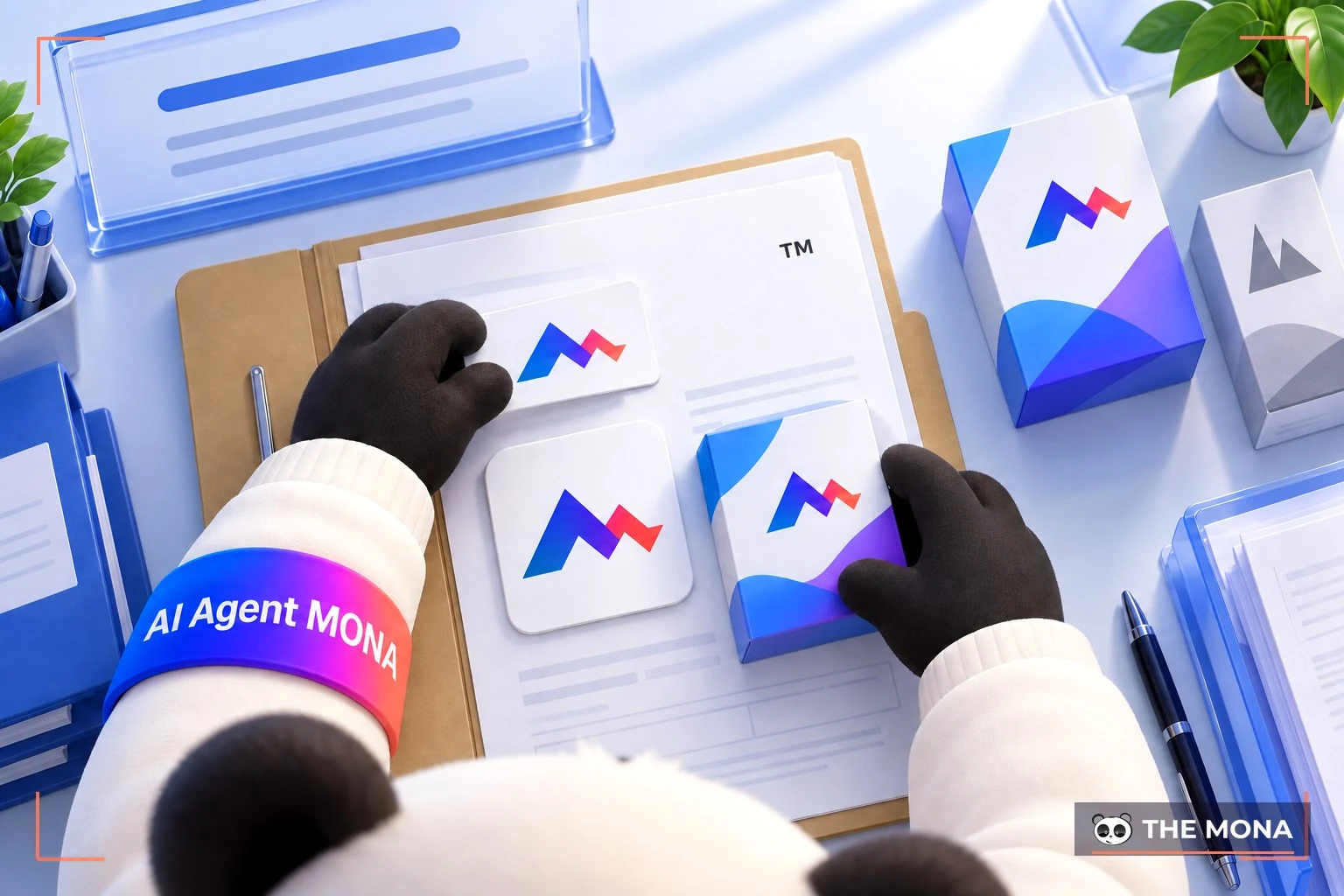
So what does registering a trademark mean? Registering a trademark means you have the exclusive right to use the symbol or name of your product or service. This registration protects your intellectual property and ensures nobody else can use or copy your product or service.
See more: What is brand positioning? How to build a standout brand
Registering a trademark (registering exclusive trademark protection) gives you several important benefits, including:
In addition, registering trademark protection helps you avoid legal disputes that could arise in the future. When you register a trademark, you have the right to use your brand name for a specific period, which ensures nobody can use it without permission. This helps you avoid intellectual property disputes later on and saves time and money on legal matters.
So, if you have business plan long-term goals, registering a trademark is a necessary step to protect your interests and add value to your brand.
→ See more about: Personal brand building process success in 10 steps
Many people still confuse the concepts of brand and trademark. So what actually sets a brand apart from a trademark?
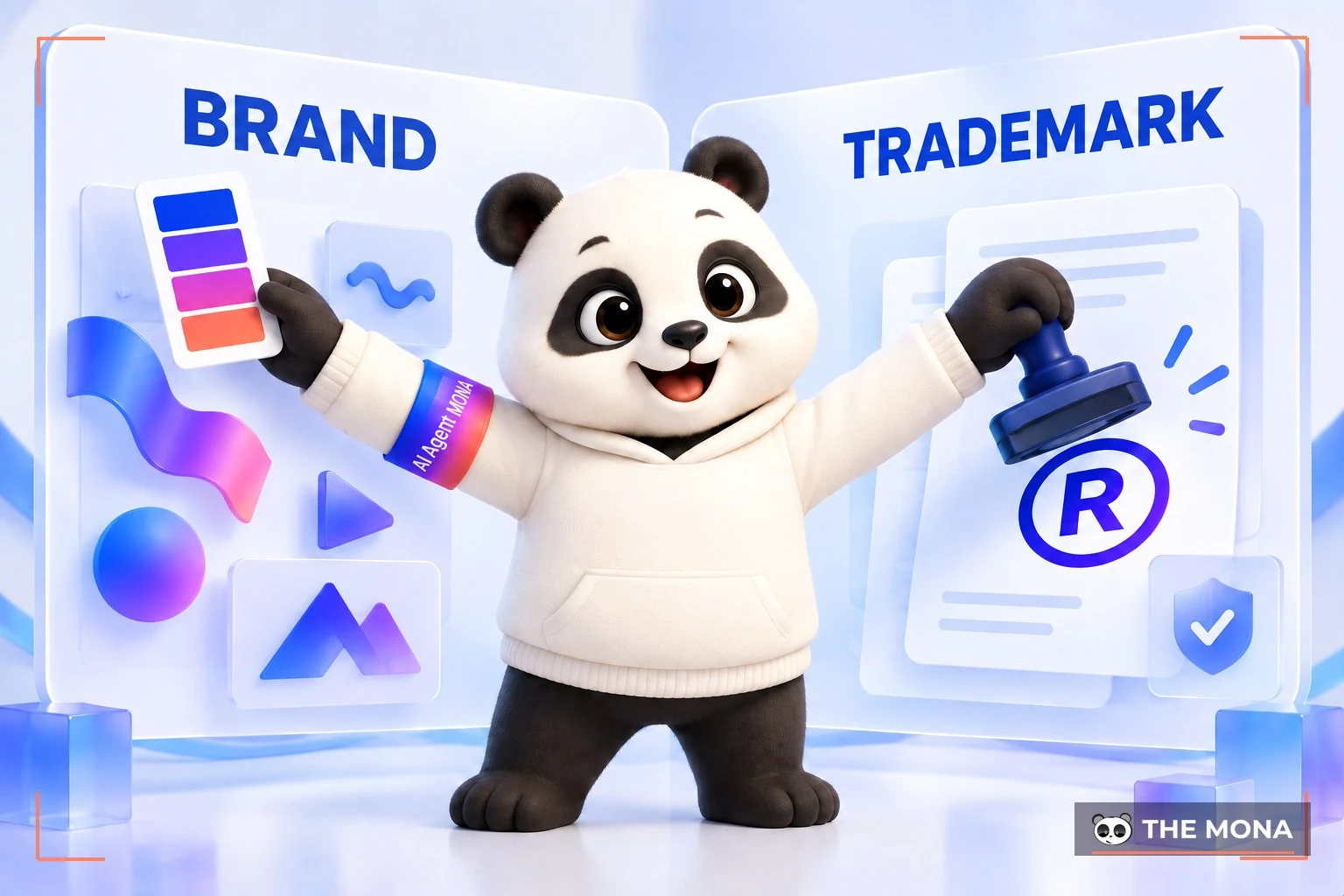
“Brand” is a term for a brand mark, commonly used to describe a company's products or services. Meanwhile, “trademark” refers to a mark protected by intellectual property law, usually registered to guard against copying or unauthorized use.
Many people translating “brand” into Vietnamese run into a conflict between the terms “nhãn hiệu” (trademark/label) and “thương hiệu” (brand). Both, however, relate to the broader concept of a brand, which includes the brand name, logo, product packaging and marketing plan. So although they do not represent the whole concept of a “brand”, “brand” and “trademark” still play an important role in protecting and managing a company's products and services.
Building a successful trademark takes many decisions. Besides knowing the rules on trademark protection, you need to make these important decisions:
Strategies for choosing a brand name include:
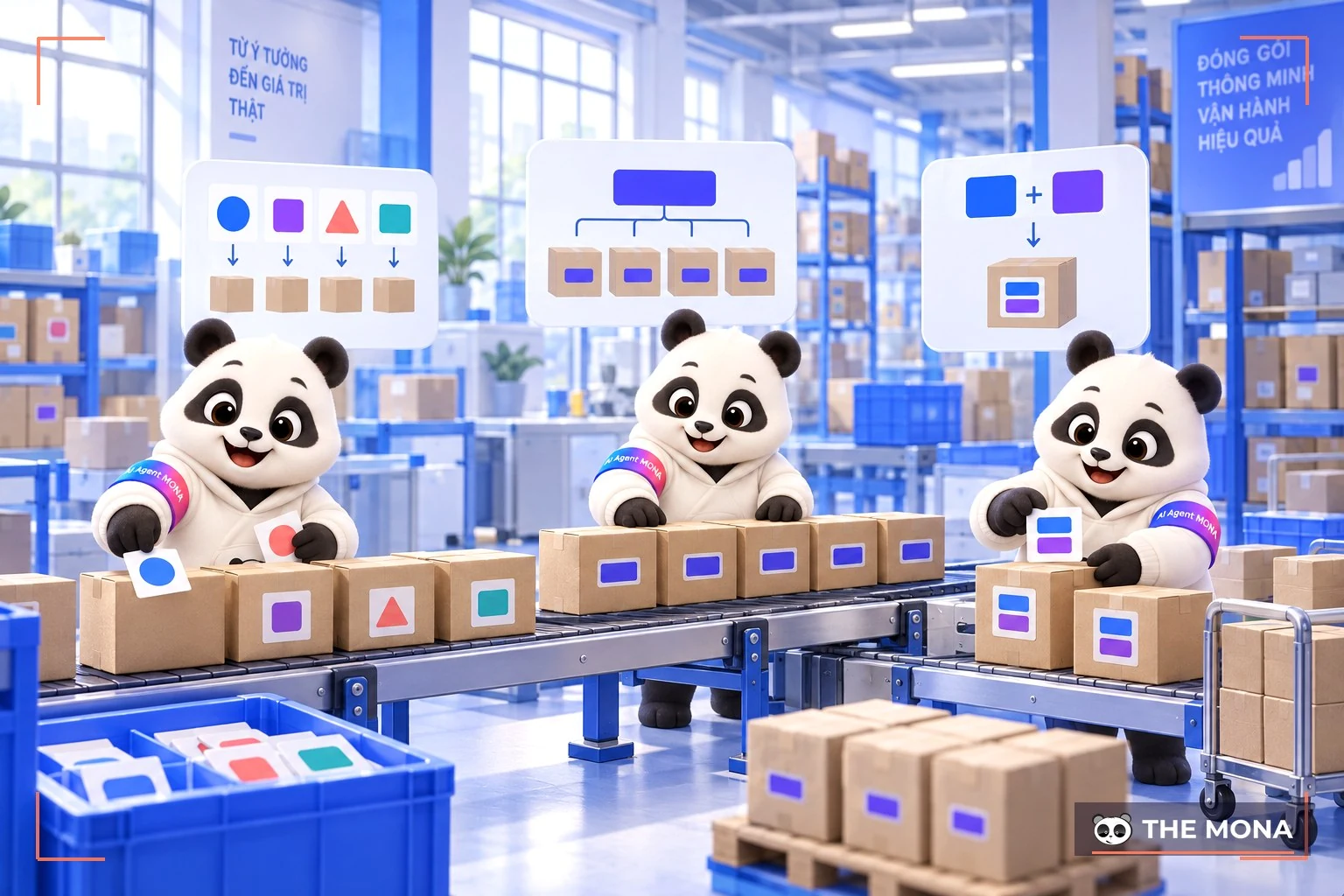
To name a trademark, consider the business's characteristics, target market and competitive landscape. Large companies usually follow these steps:
Requirements for a good brand name:
When creating a new trademark, make sure it meets two main goals: commercial value and easy to protect. A trademark with commercial value must attract public attention, especially the potential customers the business wants to win. To reach this, the trademark should be easy to pronounce, easy to remember and stimulating.
The quality of a trademark is an important positioning tool in Marketing and shows its capability. To achieve quality, a product needs durability, reliability, ease of use, ease of repair, accuracy and other valuable attributes. Product quality can be measured by buyers' perceptions.
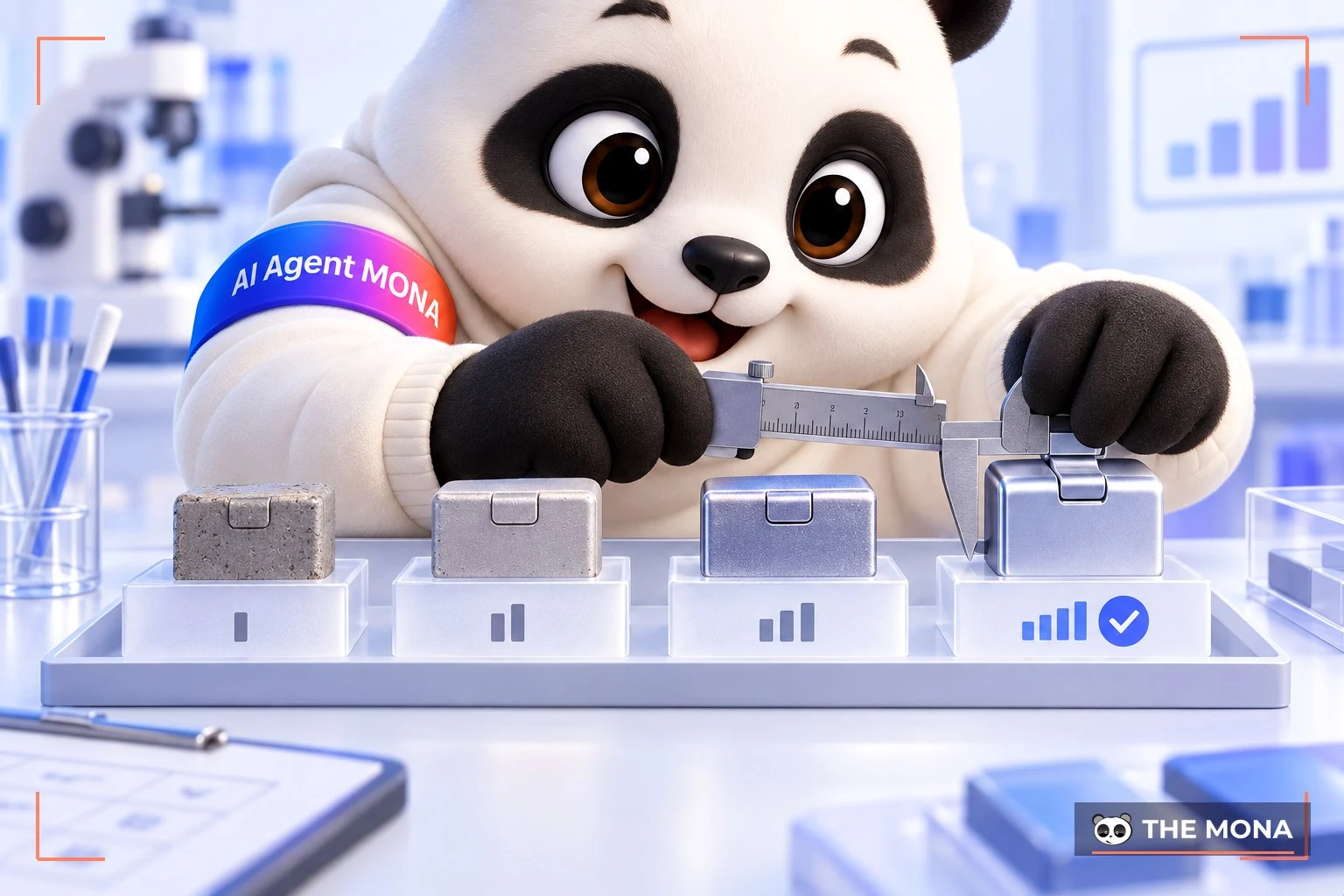
Most trademarks are established at one of four quality levels: low, medium, high and superior. A high quality level is the most effective, but if every competitor aims at high quality, the strategy loses its effect. You need to choose the quality level that suits a specific target market segment.
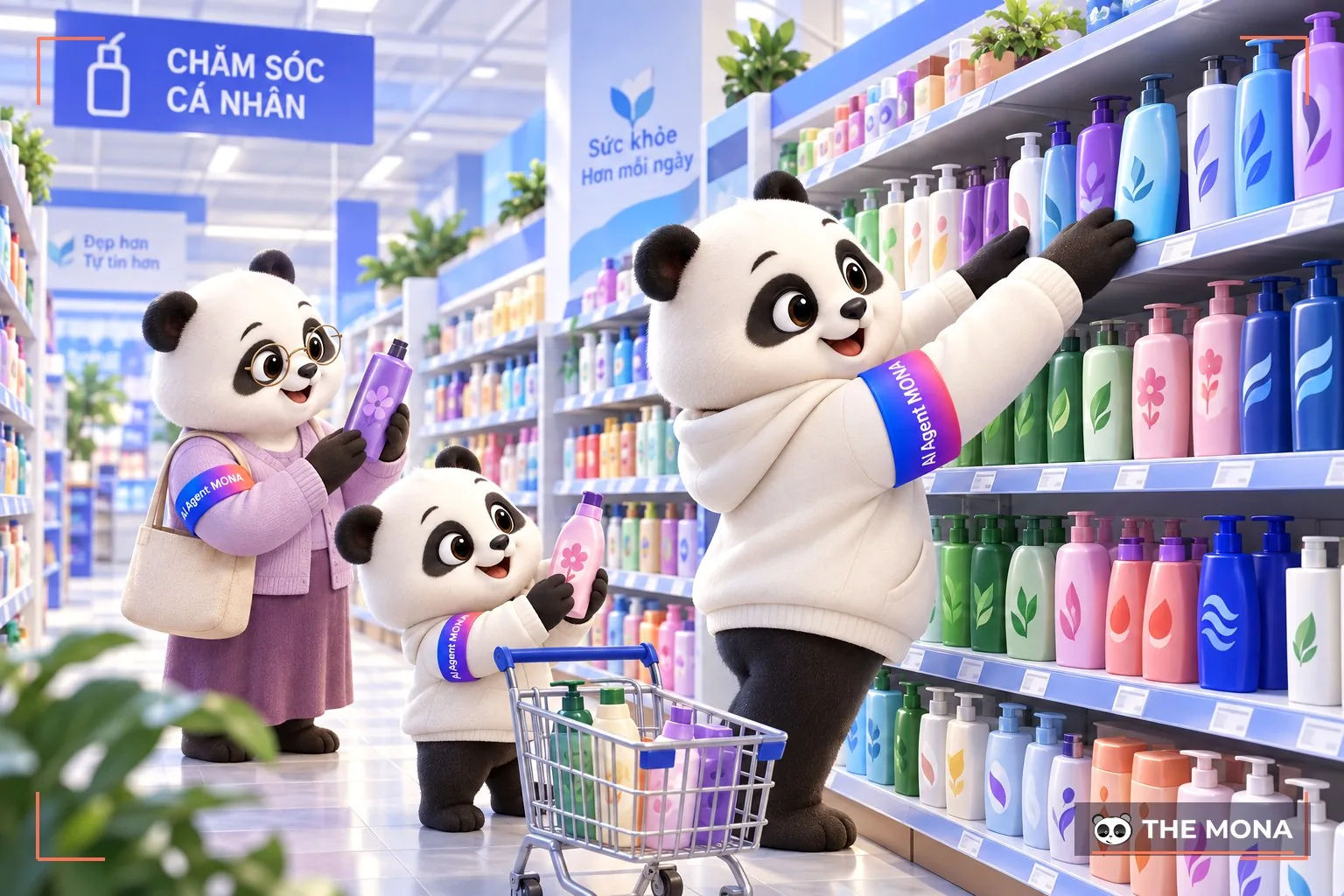
Multi-brand is a marketing strategy in which a business launches several different brands within the same product category. Its main goals are to take more shelf space, meet the varied needs of different customer segments, and protect the flagship brand from competition.
Example: In the shampoo market, Unilever uses a multi-brand strategy very effectively with products such as Sunlight, Clear, Dove and TRESemmé. Each brand targets a specific customer group and need: Sunlight for oily hair, Clear for dandruff, Dove for moisturizing and TRESemmé for a professional style. This way Unilever covers the whole shampoo market and also reduces risk when one brand has a problem, because the others keep operating.
A new brand means creating an entirely new brand name for a product line or product type the business has never sold before. This strategy is usually used when a business wants to expand into a new market, create a completely different image, or when existing brands do not fit the new product.
Before launching a new brand, a business needs to consider the following factors carefully:
→ See the overview: What is branding? Learn everything about branding in detail
After registering trademark protection, a business can use the following symbols to identify its brand:
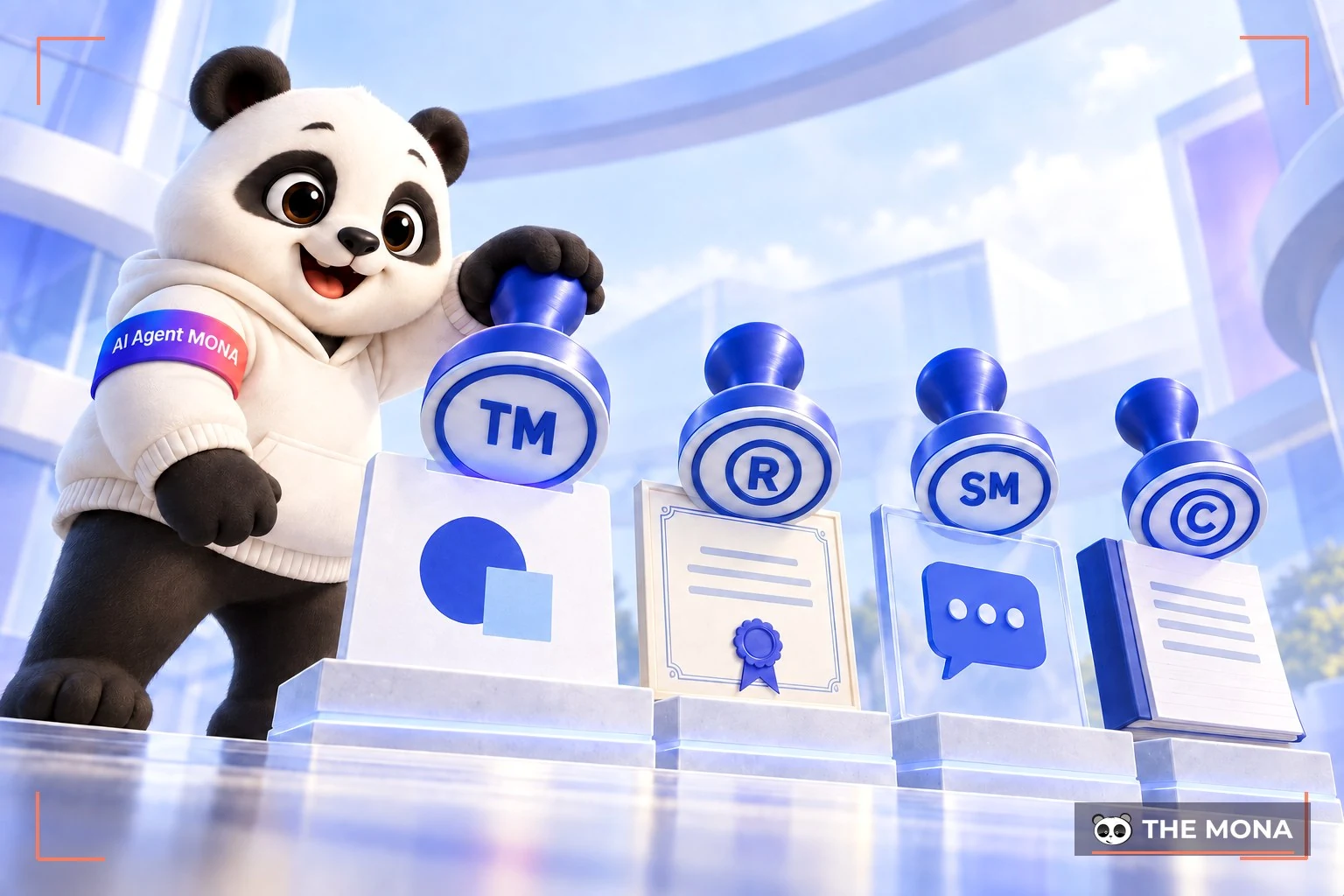
Trademark protection means registering and having the law recognize your exclusive ownership of the name, logo, slogan or any other identifying sign of your product or service. Registering exclusive trademark protection stops others from copying or counterfeiting, and protects the reputation and brand value you have built. It is a legal shield for your brand.
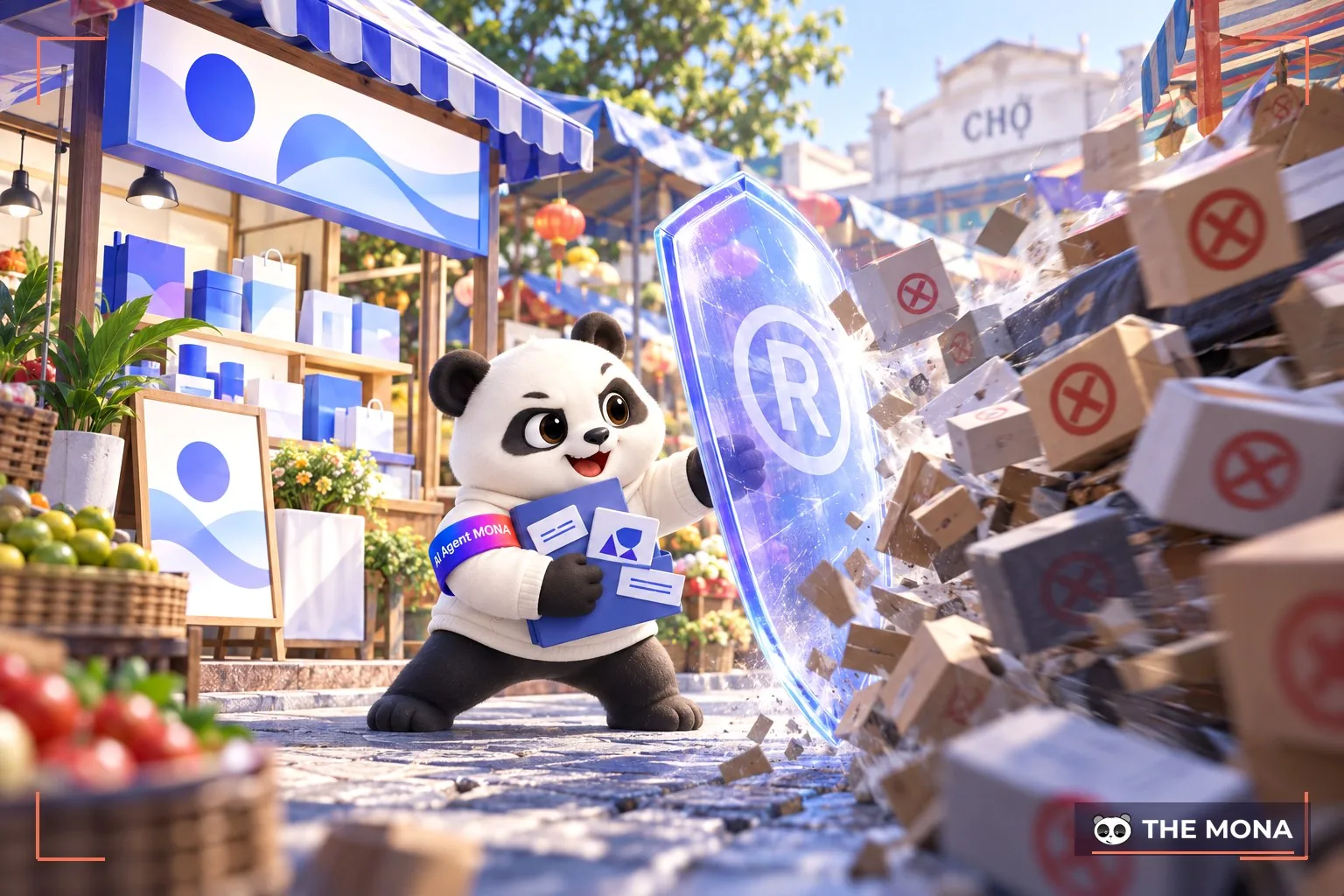
Trademark protection is a key element and is vital to a business's branding strategy. It is not just registering a name or logo; it is a solid legal framework that protects the core value the business has built with effort. Registering and holding the right to use a trademark brings these benefits:
To build a strong, lasting brand, trademark protection plays a foundational role, but it is only part of the bigger picture. A legally protected name or logo is necessary, but for a brand to really take hold in customers' minds and create value, you need a complete, professional brand identity system. That is what turns a protected trademark into a lively, recognizable and trustworthy brand. That is why MONA Media offers a full brand identity design service, helping your business keep every touchpoint consistent and make a distinctive mark in the market.
MONA Media's brand identity design service includes:
In this article, MONA Media has introduced the concept and role of trademarks for brands in particular and business in general. We hope it helps you better understand what a trademark is, the conditions for trademark protection and the rules on trademark protection, so you can register trademark protection successfully for your business.

CEO & Founder · The MONA
Founder of The MONA, who built a services company of 60+ staff with 14,000+ projects delivered. Khánh Hùng shares how he thinks about building systems that run themselves, automating a business, and the real lessons from delivering projects at MONA.
 1,5K




Professional website
design services
Own a website with a beautiful, 100% exclusive design and a lifetime warranty, with the ability
to expand features flexibly as your business grows, starting today!






 MONA will never sell your information or send you spam


 MONA will never sell your information or send you spam
