
 MONA OS 2.0


 Tự động hoá doanh nghiệp
 Cẩm nang SEO
 Digital Marketing
 Kinh nghiệm thiết kế website
 Hạ Tầng Server
 Giáo dục



 VI
 EN


Message us on
Zalo Official


 Products

 ProductsProducts










 Website designLooks good and wins customers over.
SEO servicesBrings in customers searching for exactly what you sell.
 Tư vấn digital marketingKéo khách từ nhiều kênh, đo bằng số thật.
Corporate video productionVideos introducing your company, factory and team.
 NewAI video productionCompany story films made with AI.
 Custom software developmentCRM, ERP and HRM built for your business.
 Viết AI Agent theo yêu cầuĐặt riêng một trợ lý AI cho đúng việc của mình.
 Tư vấn chuyển đổi AIĐưa AI vào vận hành của cả công ty.
NewMONA LMSManagement for centers and schools.
MONA SkillHubInternal training for company staff.
 NHTQ systemEnd-to-end China–Vietnam shipping operations.
MONA JMSManagement for gold, diamond and pawn shops.
 MONA E-LearningA website with every feature you need to sell courses.
 How to sell online courses (course)More than 30 free lessons on selling courses on autopilot.
 MONA Cloudmonacloud.vnServers to get your apps and websites running.
 MONA Basemonabase.vnPostgres database, sign-in and file storage.
 MONA Mailmonamail.vnSend OTP, order and invoice emails from your software.
 MONA Paymonapay.vnAccept bank transfers via VietQR and notify your software when the money arrives.
 MONA eInvoiceComing soonIssue e-invoices that meet tax standards.
Gấu CườiTrả lời khách 24/7 trên web, Fanpage, Zalo và thu lead cho sale.
 Gấu TeleSalesGọi điện tư vấn, chăm khách như tổng đài viên thật.
Dê CườiTư vấn và chốt đơn cho shop ngay trong khung chat.
Gấu WebmasterNhắn nhóm Zalo là website được sửa xong.
 Gấu Pháp ChếSoạn hợp đồng, rà điều khoản trong vài phút.
 Gấu Báo GiáLên báo giá đúng mẫu và gửi khách ngay.
 AI chăm sóc khách hàngTheo dõi và giữ chân khách hàng cũ.
 Gấu Tuyển DụngLọc hồ sơ, hẹn lịch, phỏng vấn ứng viên.
 KHA AI 2027
Xây kênh chuyên gia 2 phút mỗi ngày
Quay bằng điện thoại, AI tự edit video, tự đăng lên 16 nền tảng và tự trả lời bình luận, tin nhắn.
292.272lượt xem trên kênh CEO MONA sau 17 ngày
 Anh Khánh HùngCEO MONA đang dùng mỗi ngày
Xem app làm được gì
 AI
Gấu Cười MONA ĐANG TỰ XÀITrả lời khách 24/7 trên website, Zalo OA, Messenger và thu lead về cho sale.
Dê CườiChốt đơn bán lẻ và sàn: Shopee, TikTok Shop, web. Chăm cả khách sỉ, đại lý.
Gấu WebmasterCập nhật nội dung, tối ưu SEO website mỗi ngày.
Gấu TeleSalesGọi điện tư vấn, chăm khách như tổng đài viên thật.
Gấu Tuyển DụngLọc hồ sơ, hẹn lịch, phỏng vấn ứng viên tự động.
AI chăm sóc khách hàngGiữ khách cũ, cứu lead đã rớt cho phòng kinh doanh.
Gấu Pháp ChếSoạn hợp đồng, rà điều khoản trong vài phút.
Gấu Báo GiáLên báo giá đúng mẫu, gửi khách ngay khi có yêu cầu.
 Chuyển đổi AI toàn phầnGiải pháp tổng cho doanh nghiệp, 3 lớp triển khai.
 Viết AI Agent theo yêu cầuĐặt riêng một con AI gánh đúng nghiệp vụ của bạn.
 Custom softwareCRM, ERP and HRM with built-in AI automation.
 SEO & AEO thời đại AIĐược Google lẫn AI trích dẫn, không chỉ xếp hạng.
 Kiến thức AI cho doanh nghiệpBài phân tích, hướng dẫn ứng dụng AI vào vận hành.
 Free AI courses
 AI tools at work
 App mới · KHA AI 2027
Xây kênh 2 phút mỗi ngày
AI tự edit video, tự đăng mọi mạng xã hội
Free consultation, 8am–10pm every day

Customers now ask AI before they open Google. If AI doesn't mention your name, they go straight to the name it does mention. GEO is how MONA gets your brand into that answer.
 ChatGPT
 Google AI Overview
 Gemini
 Perplexity
ChatGPT
Gemini
AI Overview
Perplexity
One of the most frequently mentioned companies is MONA Media, operating since 2016 with more than 14,000 projects...
Buyers now type into ChatGPT "which company makes good spa management software", read the one paragraph AI gives back, then message the name in that paragraph directly. The whole search funnel is squeezed into a single screen. Whoever AI mentions gets the customer.
ChatGPTBefore GEOChatGPTAfter GEOA customer just booked a tour on our website, and they didn't find us through Google. They found us on ChatGPT and then came to the site to book. I used to search for us myself and couldn't find anything; this time our name was there.
AI does not choose a business just because its website looks good. It needs a clear profile, verifiable proof and outside sources that confirm it.
Customer search habits are changing. People used to go to Google when they needed a product or service. Now they also ask AI, and AI doesn't just give a general answer; it can say outright: work with company B rather than company A. So the question for a business is how to get AI to recommend it instead of a competitor.
Choosing a supplier now happens inside AI answers. In 2026, one of the first things to do is standardize all the content on your website. The days of posting whatever you like are over. Content needs templates, a plan and clear data.
Until recently, many B2B companies only needed to appear at the top of Google. Vietnamese customers would open the website, skim the projects, company photos, address and contact details, then pick up the phone. The website just had to look decent, not too dated, and real enough to feel like a genuine business. Few people read the in-depth technical content closely before calling.
The same was true for companies selling industrial equipment, solar energy systems or machinery to large corporations. Their websites showed some product photos, ISO standards and certifications, and customers would call to ask for more rather than vet the whole profile themselves.
The new habit has changed the order. Customers can ask AI which company to work with, what the quality is like, what certifications it holds and what needs it is right for. AI does the research for them. It reads many sources, compares businesses and puts forward a few names to consider.
To get onto that shortlist, a business still needs SEO. AI does not treat a million results as equal; it usually picks a handful of prominent sources to read further. SEO gets your website into the group of sources that search systems can retrieve and evaluate.
After that, AI looks more closely at the company. It looks for certifications, the team, the technical lead, the service area and the branches. A website with a clear profile gives AI a reason to explain why the customer should consider that business.
That is why content cannot be AI slop, meaning content written carelessly and published in bulk. Content with no sources, no real projects or no one accountable for it actually lowers the value of the website. A website in 2026 needs plenty of proof: service pages, projects, certifications, experts, policies and technical documents that can be checked.
Finally, the work doesn't stop at your own website. Outside sources on the Internet also have to confirm the important information. The website provides the proof, outside sources reinforce the entity, SEO gets the pages found, and GEO helps AI systems understand you correctly and gives them grounds to recommend your brand when customers ask.
GEO doesn't mean chasing one platform after another. MONA builds you into a solid entity at the center, so whenever any AI engine is asked, it answers with the right information about you.
ChatGPT
Gemini
Perplexity
AI Overview
 Your brand
Customers search on Google and also ask ChatGPT directly. Cover only one and you leave half of them to your competitors. SEO holds your place on the results page, and GEO wins you the AI answer. MONA does both, so however customers search, they come across your name first.
Pull your information together into one clear entity that AI recognizes: who you are, where you are and what you do. This groundwork stops AI mixing you up with another company.
Arrange content as direct questions and answers, with clear figures and conclusions at the start of each paragraph, so AI can lift it and use it straight away without misreading what you mean.
Set up schema, profiles and verification details so AI engines read you from data instead of guessing. When machines can read you clearly, they describe you correctly.
Build presence on the sources AI often references, so your name appears often enough and consistently enough for AI to confidently include it in its answers.
SEO has been MONA's number one channel since 2019, bringing in around 6,000 leads a month. As the game moves to AI, we have put the MONA brand itself into AI engines' answers when customers ask about SEO, web design and software companies in Vietnam. Every lever we use for clients is one we tested on ourselves first. You won't be our test case.
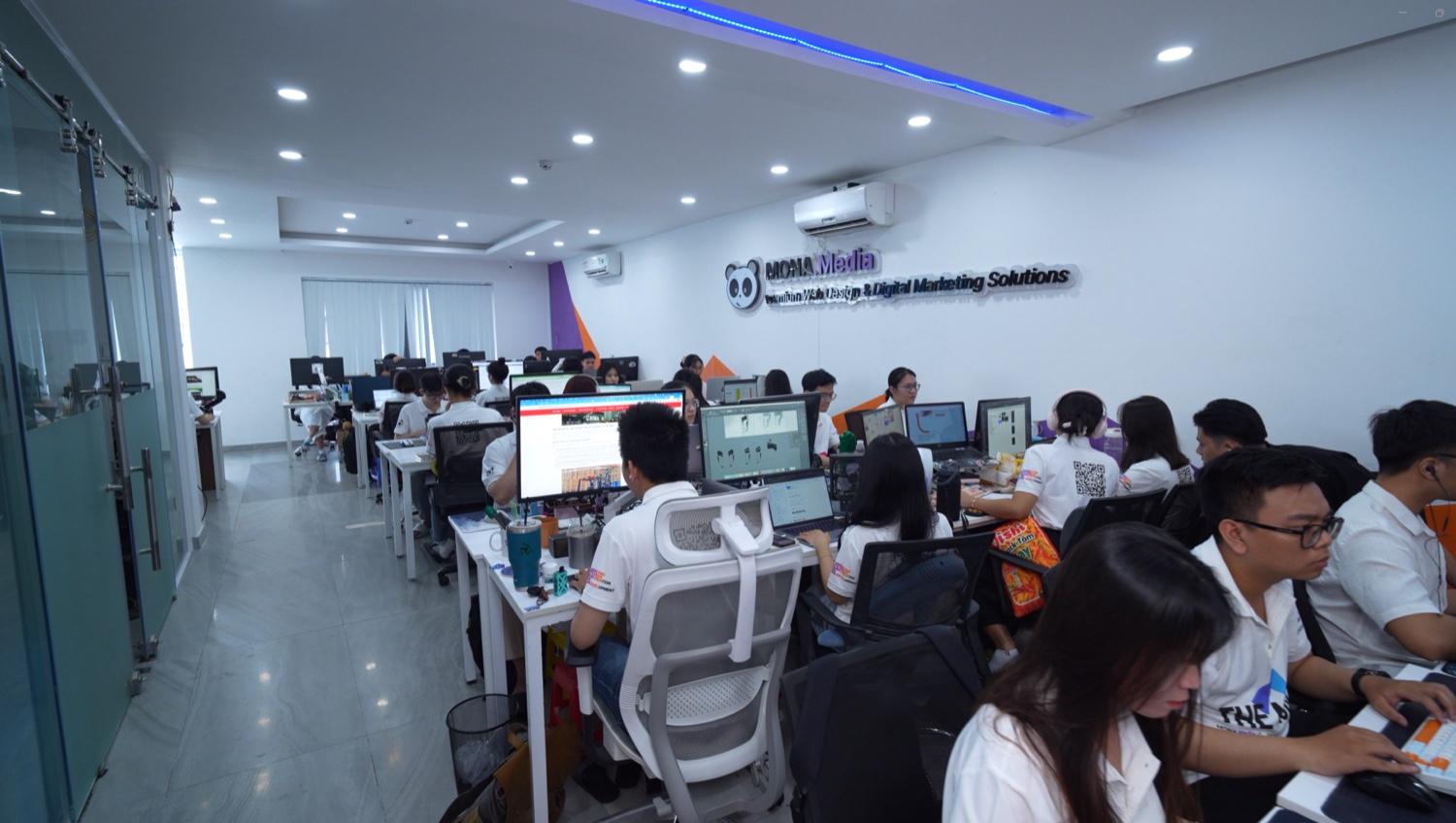
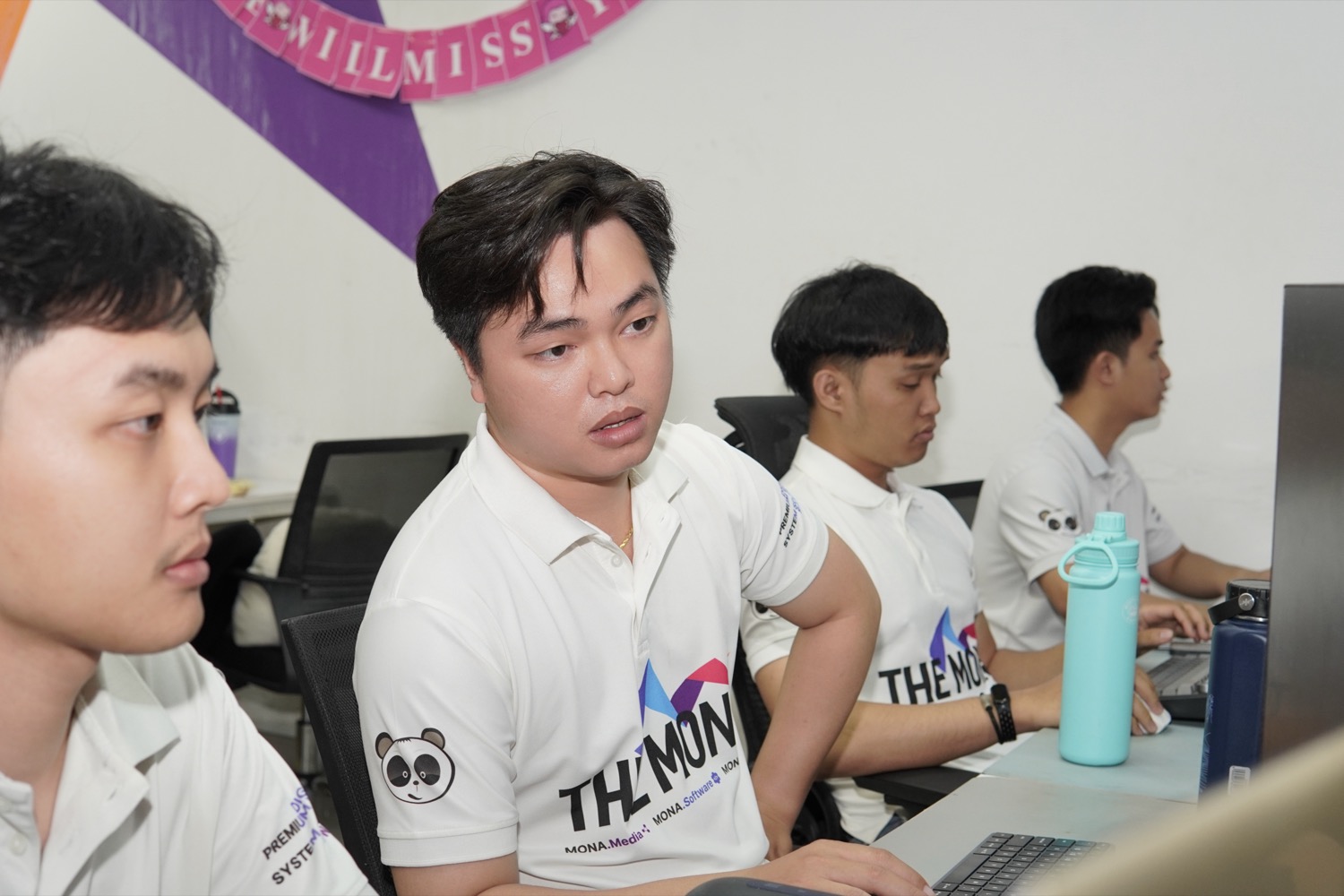
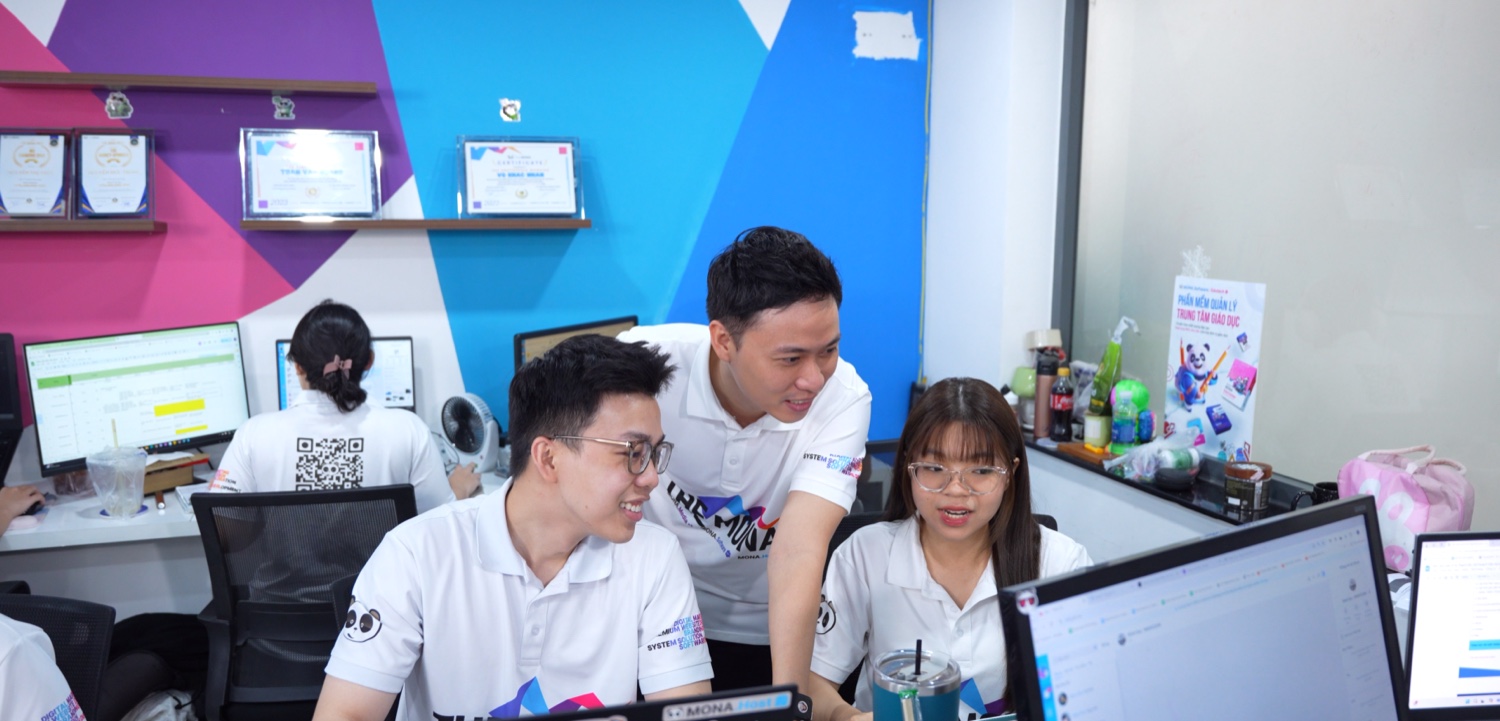
Clear pricing, and the price we quote is the price you pay. In the first session we check exactly how you show up in ChatGPT, Gemini and AI Overview before we discuss plans.
Current offer: 30% off for the first 100 businesses to sign up for GEO Growth, plus a free first audit across all 4 AI engines.
Claim the first-100 offer →No. GEO sits on top of SEO. AI still pulls data from pages that rank well and are mentioned often, so the stronger your SEO, the easier GEO becomes. We run the two layers together rather than separately.
We measure how often and in what context AI mentions your name when customers ask about your industry, tracking it monthly on ChatGPT, Gemini, Google AI Overview and Perplexity. You see clearly how you go from not appearing to being mentioned, and then being mentioned with good reasons.
It depends on your current coverage and how competitive your industry is. Fixing data and content so AI reads them correctly usually shows change in the first few weeks, while lasting citation coverage needs a few months of steady work. The first audit will tell you plainly the realistic timeline for your industry.
Yes, and the sooner the better. The race to get into AI answers has only just started, and every industry still has open spots. Businesses that build their entity and coverage first become the names AI gets used to mentioning; latecomers have to compete for spots that are already taken.
You have put money into your website, SEO and ads so customers can find you. Now customers ask ChatGPT directly, and it is recommending your competitors to exactly the customers you want. You haven't done anything wrong; customers have simply moved to asking somewhere new. Your brand needs to be there before your competitors' names get locked into the answer.
Book a GEO consultation. We open ChatGPT, Gemini and AI Overview right in front of you and show you how you appear and how your competitors appear. If you don't think it's worth doing, you lose nothing.
30% off for the first 100 businesses · Email info@themona.global · MONA Media since 2016






 MONA will never sell your information or send you spam


 MONA will never sell your information or send you spam
